BAK KUT PAN sits within Taipei’s practical eating culture, where ingredient clarity, broth discipline, and rice-table comfort often matter more than ceremony. Treat it as a focused stop for diners interested in how the city absorbs regional Chinese and Southeast Asian influences into a compact, everyday restaurant format rather than a formal tasting-menu frame.

Pearl is the En Primeur Club membership app — saves, bookings, and concierge access live there. Same editors, same standards.
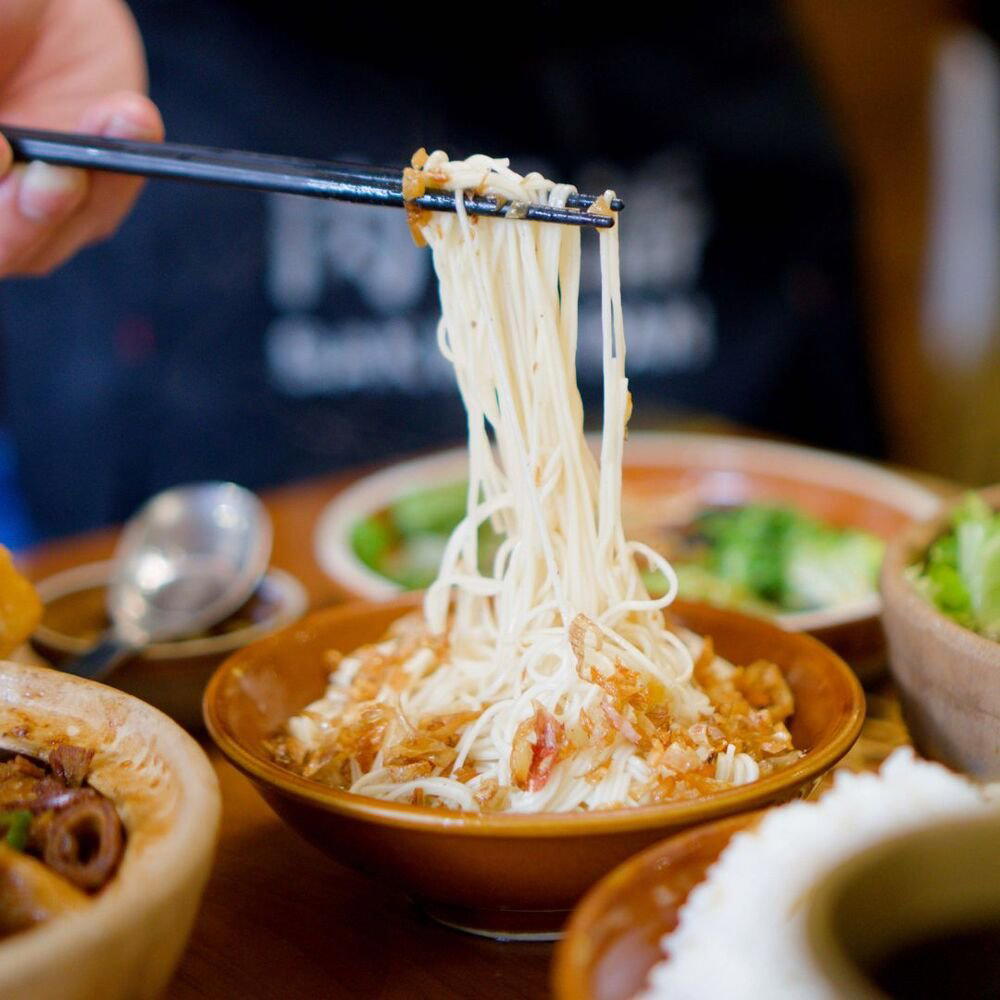
Approaching a small Taipei dining room, the first cues are usually practical: steam at the door, clipped table turnover, and the rhythm of shared dishes landing before anyone has finished deciding what to add next. That is the useful frame for BAK KUT PAN. Taipei rewards restaurants that communicate through sourcing and preparation rather than theatre, and this name belongs in that register: compact, ingredient-led, and tied to the city’s appetite for food that can be read from the bowl outward.
Ingredient-first cooking in a city that knows broth
Taipei has long treated soup and braise as serious daily food. Beef noodle shops, medicinal broths, sesame-oil chicken, lu rou fan counters, and claypot-style comfort cooking all sit on a shared assumption: the liquid carries the argument. A kitchen working in this idiom has little room to hide. Meat quality, spice freshness, rice texture, and the balance between salt, sweetness, herbal bitterness, and fat determine the meal more than plate design.
BAK KUT PAN is useful for readers because it points toward that broader Taipei habit of folding outside influences into local eating patterns. The city has absorbed Hokkien, Cantonese, Japanese, Southeast Asian, and mainland Chinese references for decades, but the successful casual rooms do not present them as museum pieces. They turn them into food that fits lunch breaks, family tables, and late dinners. In that context, sourcing matters less as a slogan than as a daily test: bones, aromatics, greens, rice, and condiments must hold up under repetition.
This is also why Taipei’s casual restaurants can be more revealing than its formal dining rooms. A tasting menu can explain itself with a long service arc; a broth counter has to make its case immediately. For a broader sweep of the city’s dining range, Our full Taipei restaurants guide maps the spectrum from street-level specialists to contemporary rooms. Within that spread, BAK KUT PAN reads as part of the ingredient-driven middle: not a luxury signal, not a night-market snack, but a place where the city’s everyday standards do the judging.
The better read is format, not glamour
Taipei dining often splits between two forms of seriousness. One is the polished contemporary restaurant, where technique and pacing announce ambition. The other is the focused specialist, where repetition builds authority. The restaurant belongs closer to the second category. The appeal is not a long narrative around a chef or a decorative room; it is the discipline of a narrow proposition, the kind of cooking where small sourcing choices change the entire table.
That distinction helps set expectations. Diners looking for a ceremonious evening should look elsewhere in the city. Diners interested in how Taipei eats when the priority is warmth, protein, broth, rice, and speed will understand the appeal faster. The restaurant’s lack of public award positioning also matters editorially: it places the decision on the food format rather than external validation. In Taipei, that can be a sharper test. Local diners are fluent in value, portion, comfort, and consistency, and they tend to be unsentimental when a bowl does not deliver.
The city’s range is wide enough that restaurant should be read alongside categories rather than direct peers. For contemporary dining, 16 by Flo (French Contemporary) occupies a different register; for Taiwanese cooking, 3927 (Taiwanese) and 44 SV (Taiwanese) show how broad the local label can be. At the comfort end, 72 Beef Noodles (Beef Noodle Soup) and 500 Chicken House (Fried Chicken) underline the same point: Taipei’s everyday food culture is built on specialists, not generalists.
How to place it in a Taipei itinerary
The restaurant works well as part of a food-led day rather than as the anchor for a grand evening. Taipei’s strength is density: a visitor can move from a focused restaurant to tea, shaved ice, cocktails, or a hotel bar without needing to turn dinner into a single all-consuming event. That makes a compact meal format valuable. It leaves space for the city around it.
For planning across categories, Our full Taipei hotels guide, Our full Taipei bars guide, Our full Taipei wineries guide, and Our full Taipei experiences guide give the broader frame. Taiwan’s regional food map also rewards detours beyond the capital: (Gui Tian Hotel) capitalists Japanese garden restaurant in Tainan, 115港式燒臘 in Zuoying, 86碳烤雞排 @逢甲夜市 in 西屯, å èè ¿åº« in Sanchong District, A Eh Douhua in Chiayi, and A Fung's Harmony Cuisine in Kaohsiung show how local specificity changes by city. For readers tracking the wider Asian comfort-food conversation abroad, Jōdo Saké Bar in Los Angeles and Onigiri Time in Pasadena sit far outside Taipei but point to the same editorial question: how much can a focused format say when the sourcing and execution are doing the work?
The verdict is simple: the restaurant is for diners who care about Taipei’s ingredient logic more than spectacle. Read it through broth, rice, protein, and the city’s high tolerance for ordinary-looking meals that either work or fail on fundamentals. That is a demanding category, and it is where Taipei often speaks most clearly.
Comparable Venues Nearby
Comparable venues nearby, for context on price, style, and recognition.
| Venue | Cuisine | Price | Notes |
|---|---|---|---|
| BAK KUT PANThis venue — the venue you are viewing | Malaysian Bak Kut Teh | $ | Not listed |
| Yong He Soy Milk King (永和豆漿大王) | Traditional Taiwanese Breakfast | $ | Yonghe District |
| Hala Chicken | Taiwanese-Greek Fusion Chicken | $ | Checeng |
| No. 8, Lane 144, Jilin Rd, Zhongshan District | Puppet Theater Dining | $$ | Zhongji |
| 伍佰雞屋 | Vegetarian | $ | Zhengsheng |
| 京星港式飲茶二 | Hong Kong-style Dim Sum | $$ | Da_an |

At a Glance
- Lively
- Casual
- Casual Hangout
- Solo
- Family
- Standalone
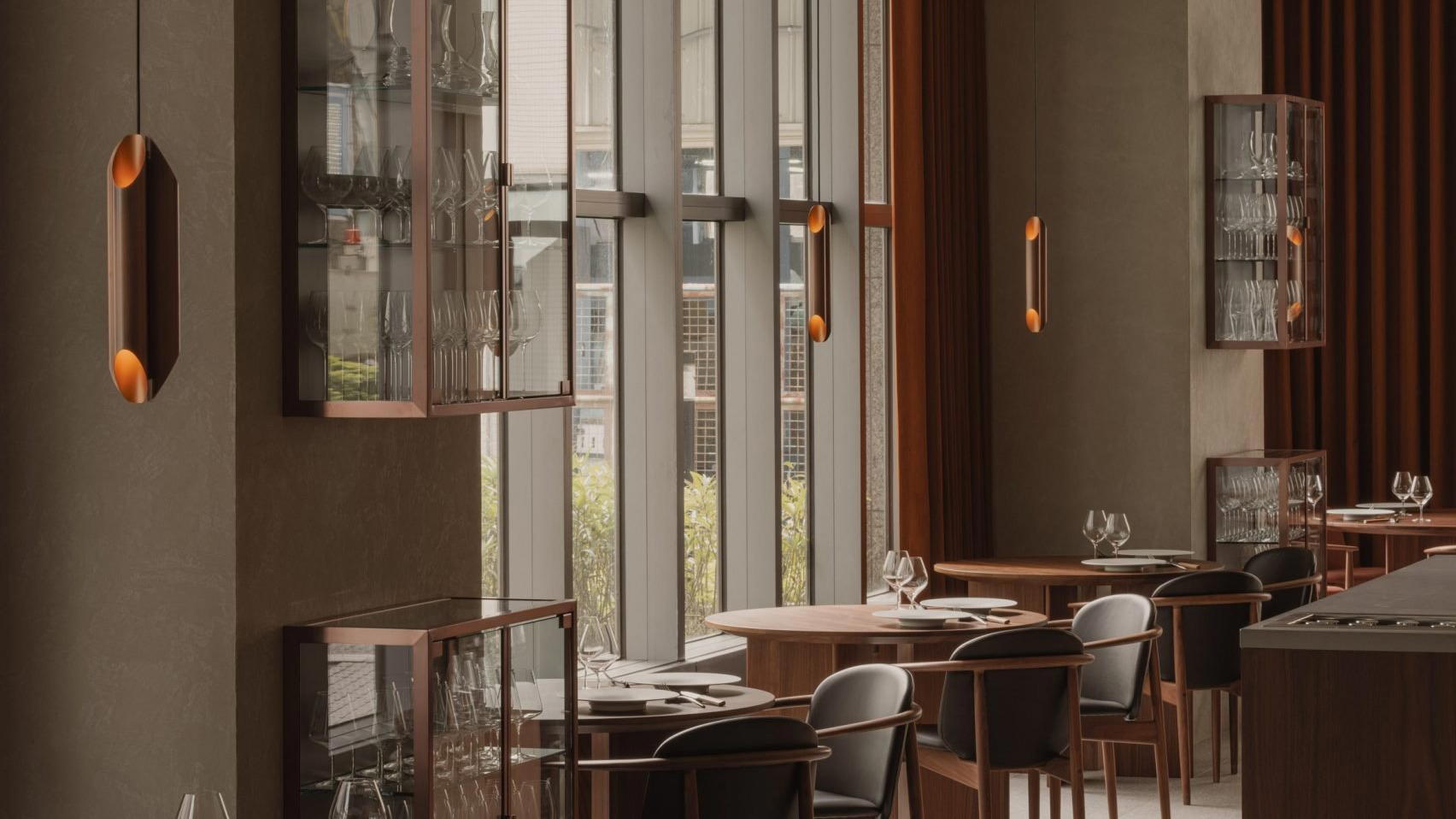
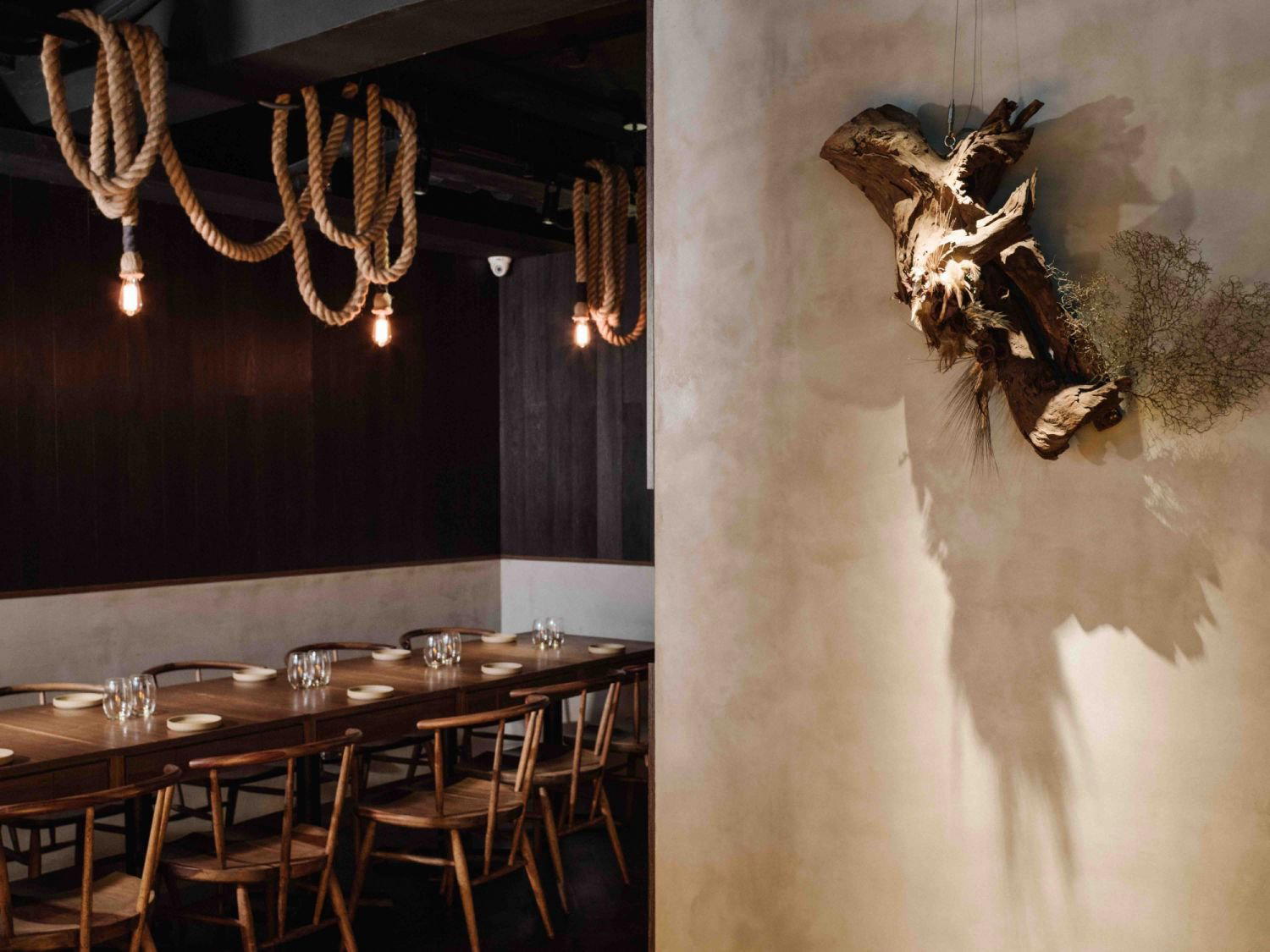
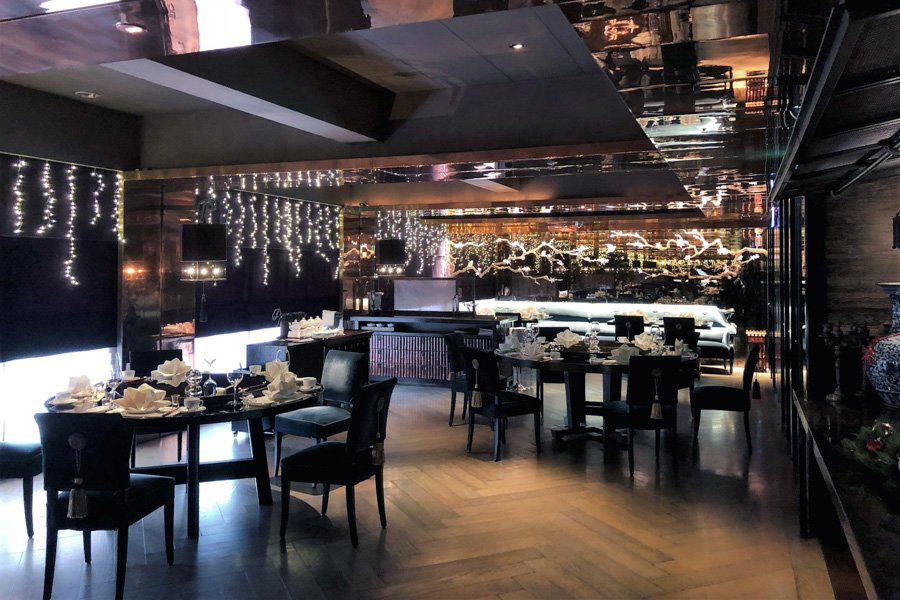
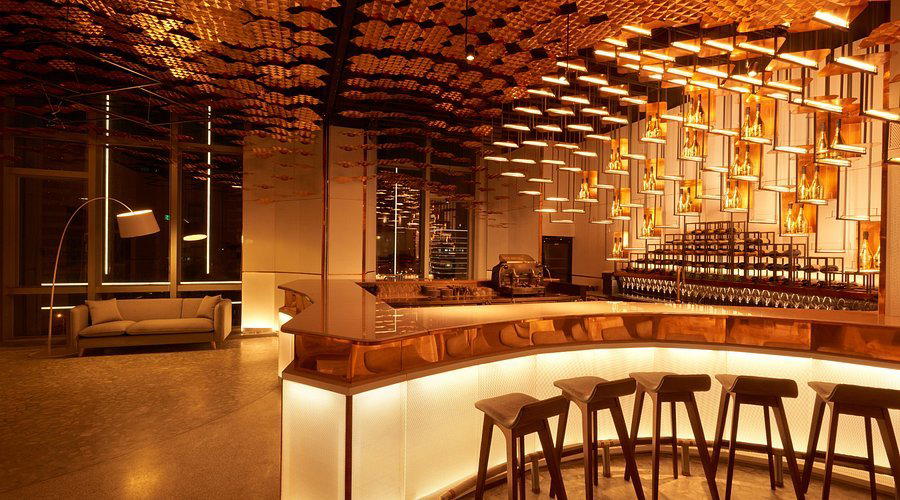
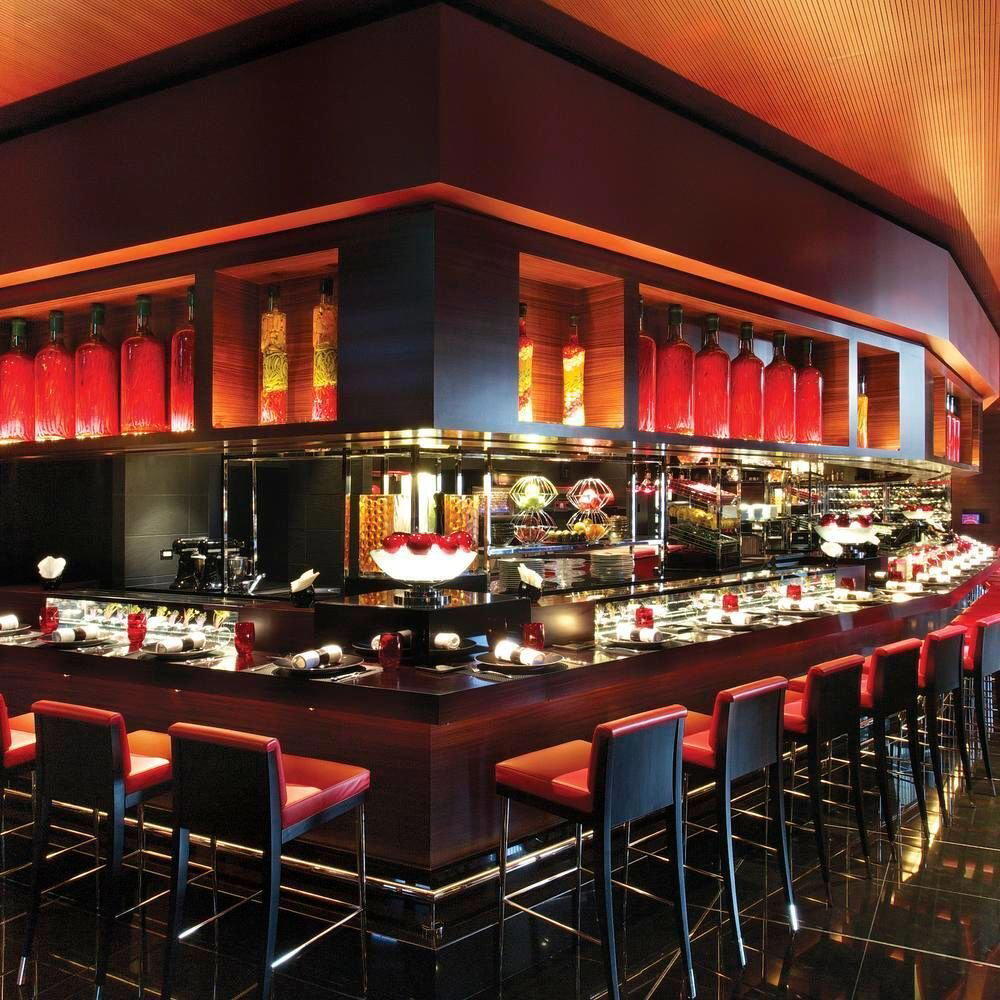
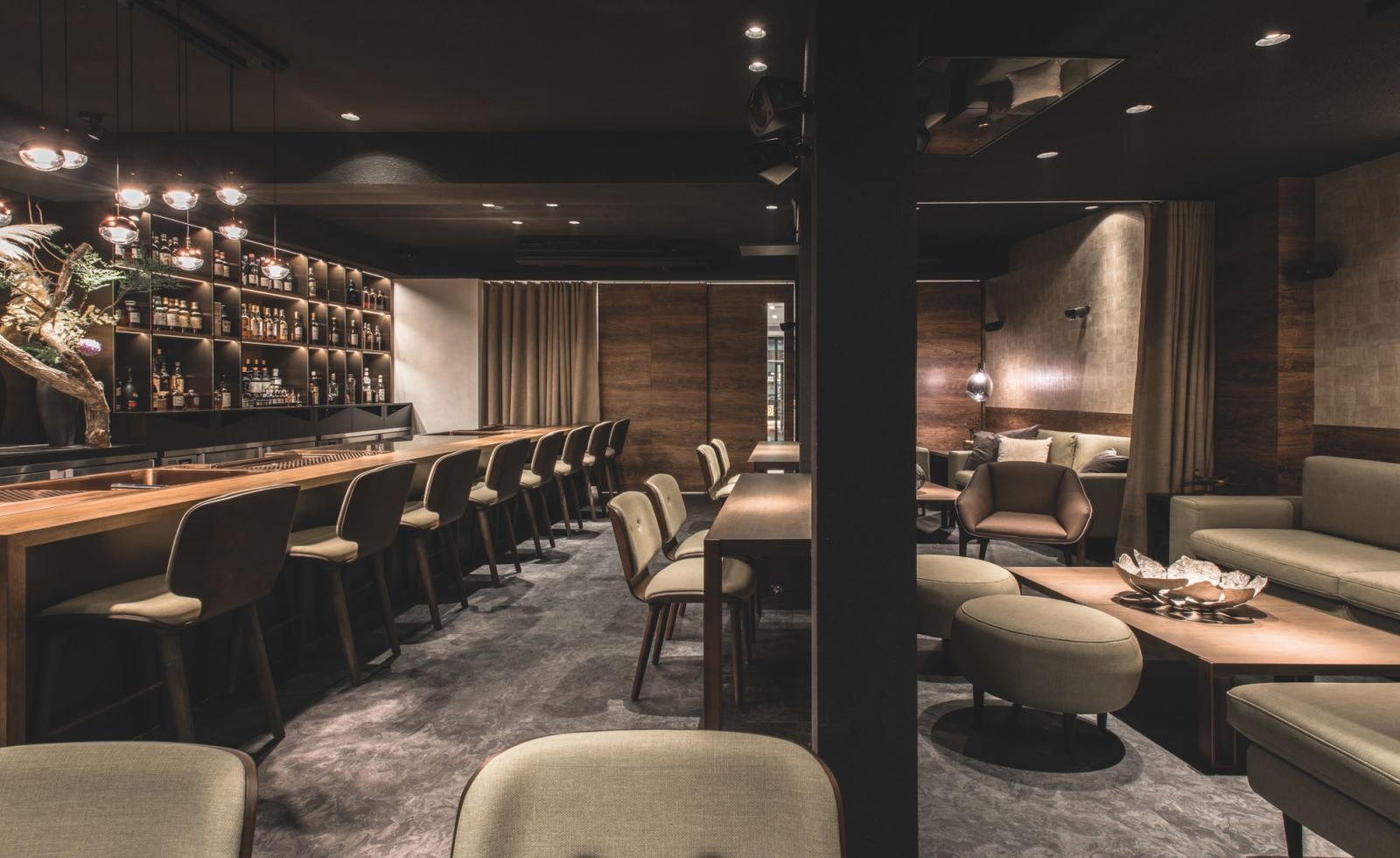
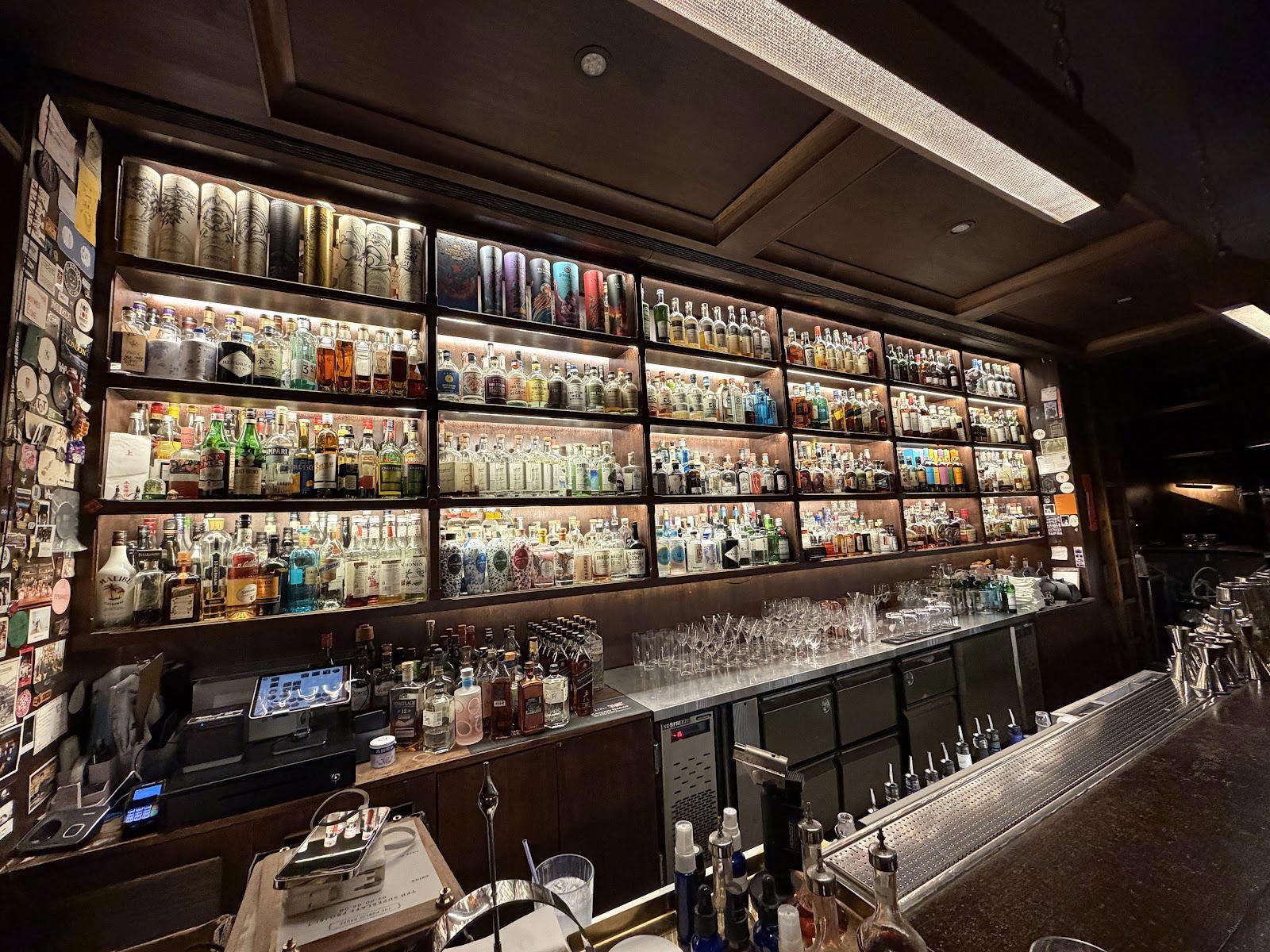
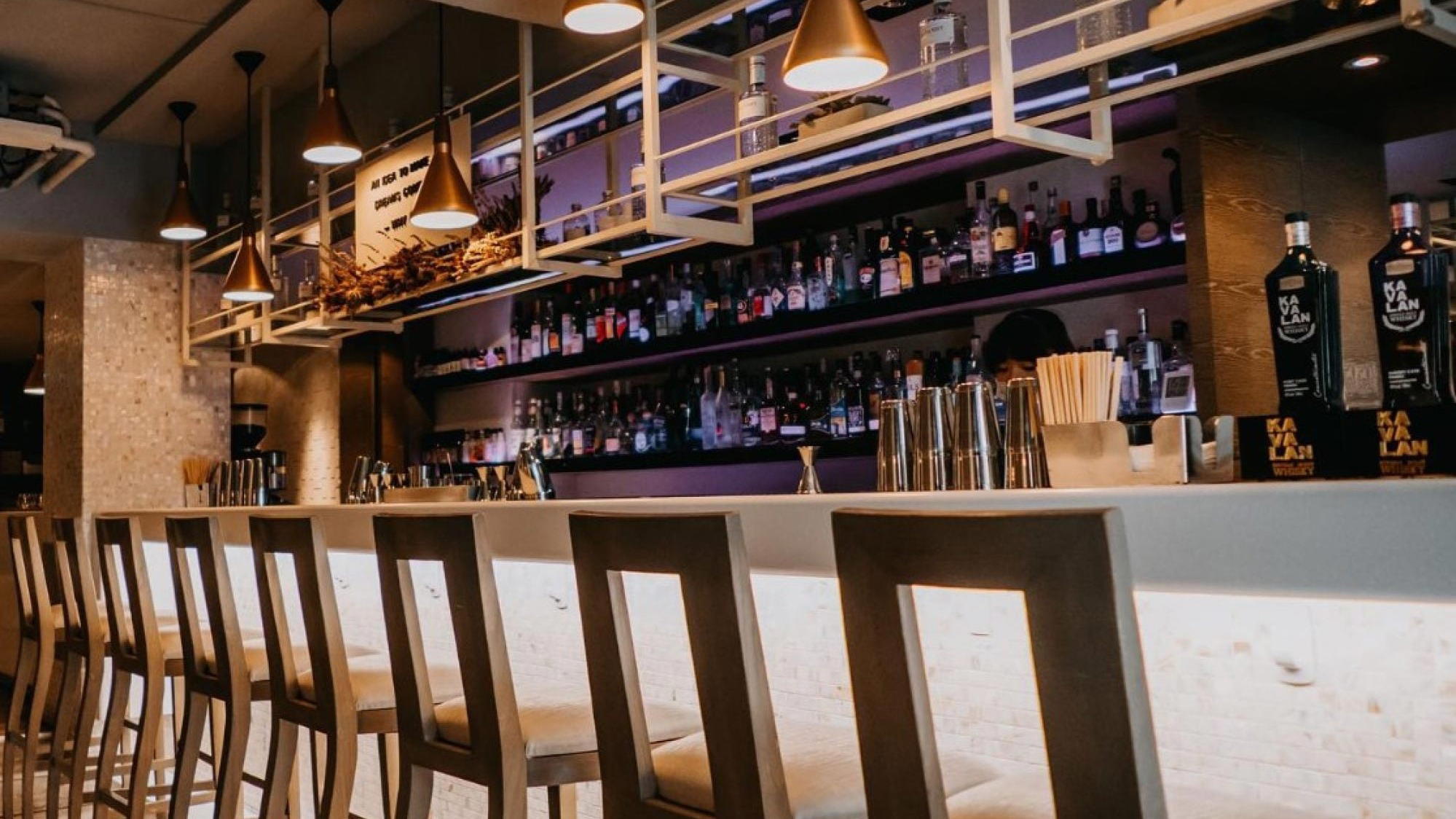
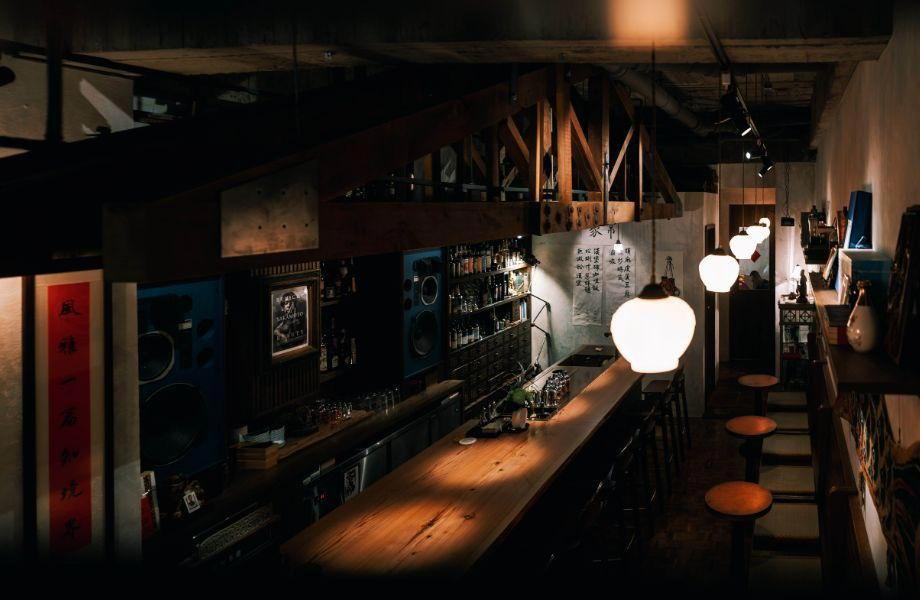
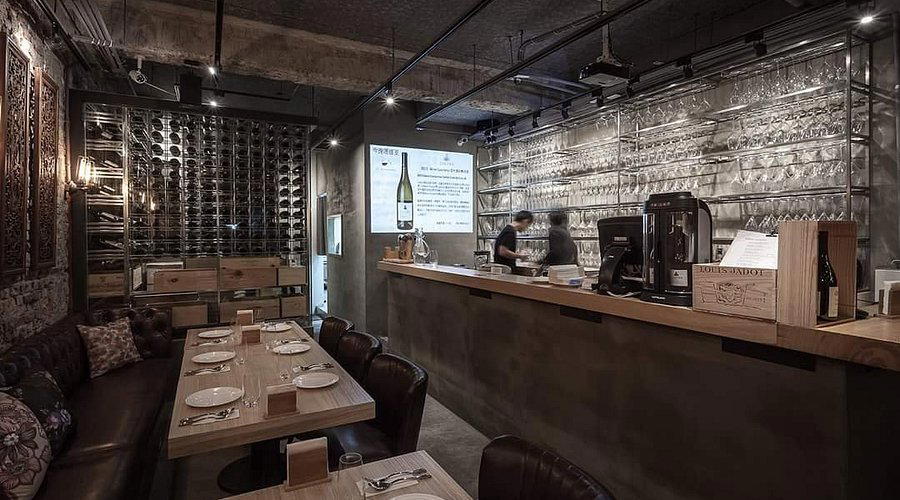
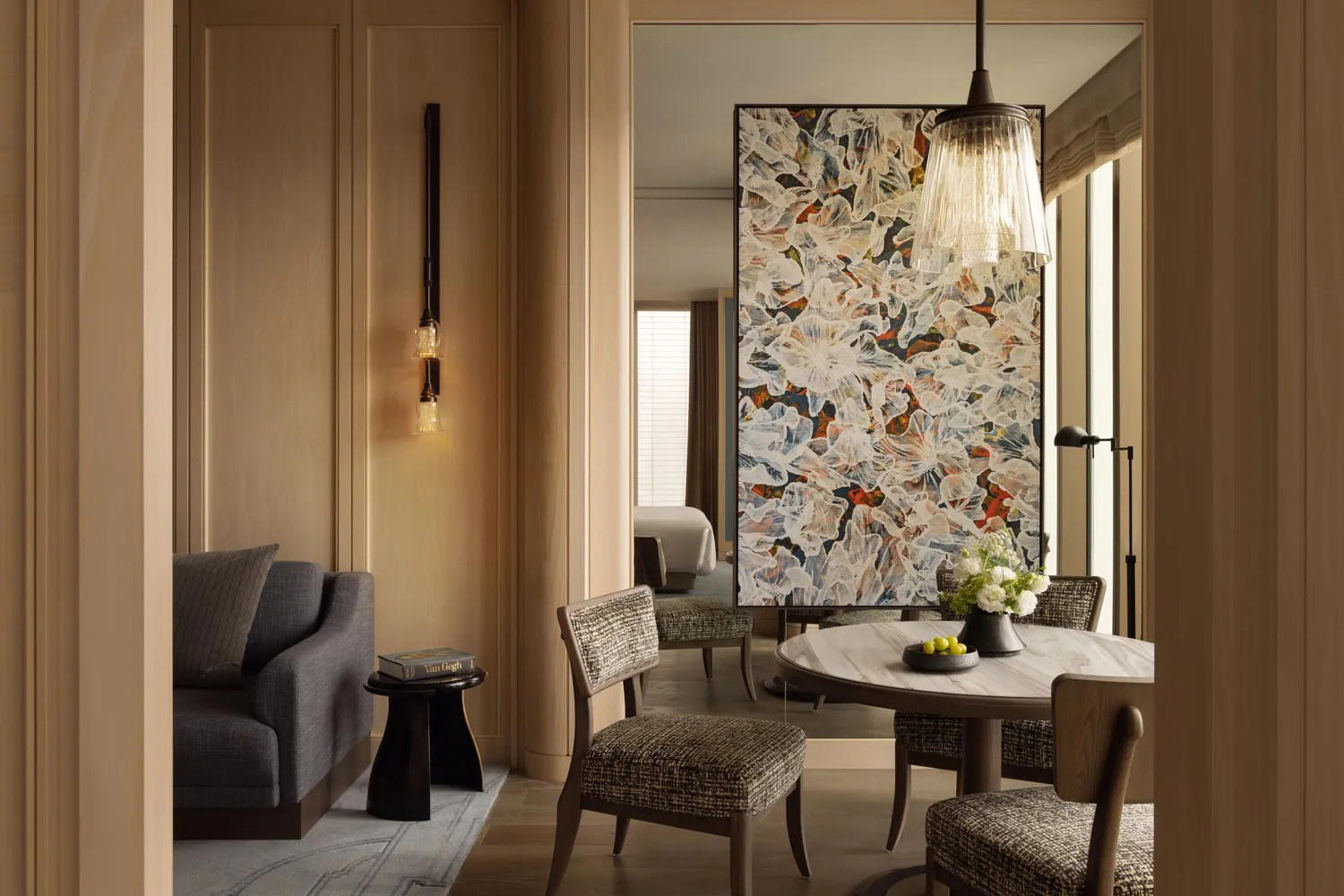
Casual and cheerful noodle-shop-style setting focused on quick, comforting bowls of herbal pork rib soup rather than design or décor.