BaGu Sushi & Thai
On Chicago Avenue in South Minneapolis, BaGu Sushi & Thai occupies a stretch of the city where neighborhood dining rooms punch well above their zip code. The kitchen bridges Japanese and Thai traditions, placing it in a small category of Twin Cities spots where two distinct culinary disciplines share a single menu and a single dining room.
Pearl is the En Primeur Club membership app — saves, bookings, and concierge access live there. Same editors, same standards.
- Address
- 4741 Chicago Ave, Minneapolis, MN 55407
- Phone
- +16122938947
- Website
- bagusushi.com
- Directions
- Get directions
 Saves & bookings on Pearl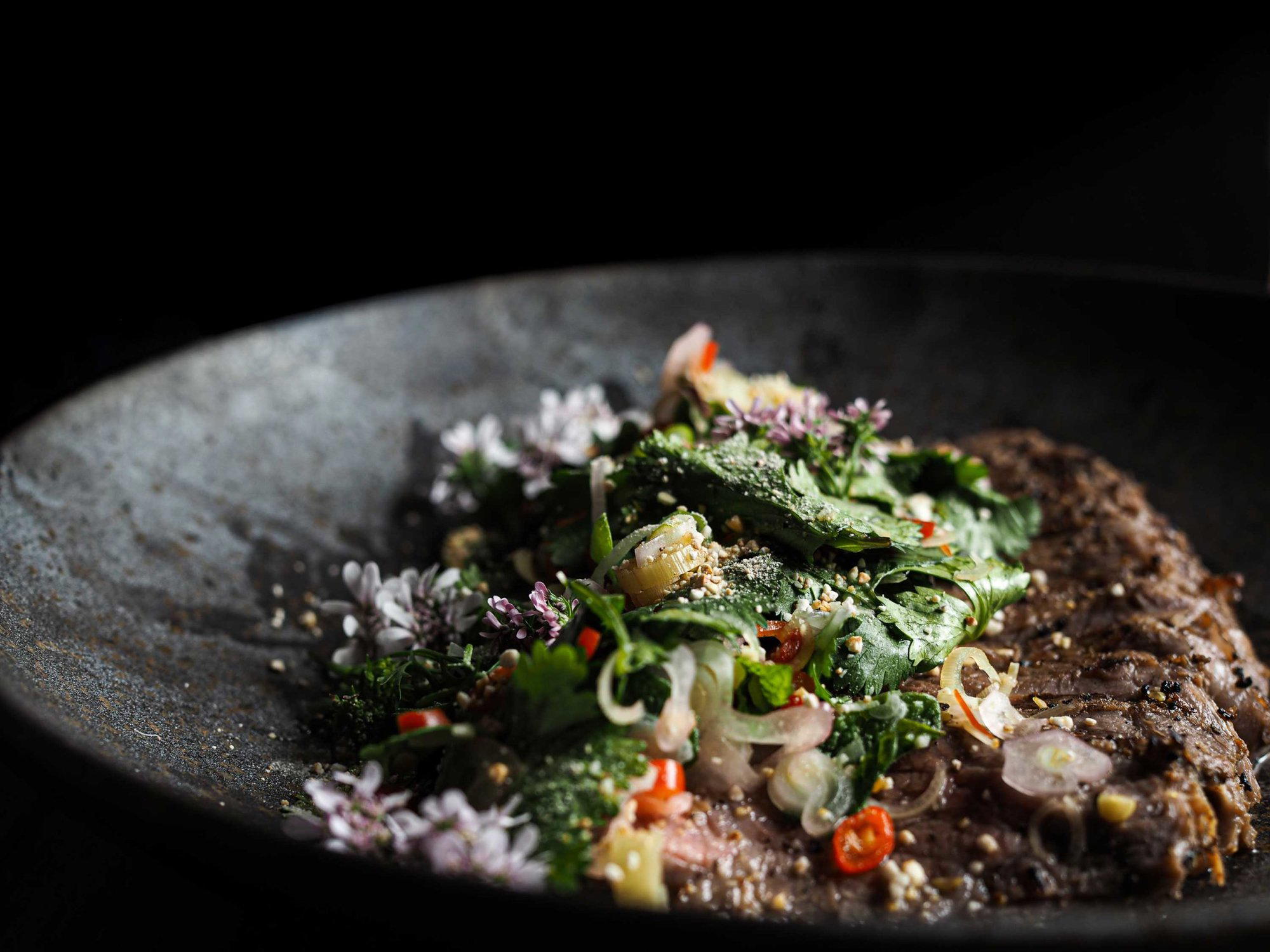
Where Chicago Avenue Meets Two Culinary Traditions
South Minneapolis has developed a dining identity that runs counter to the downtown-centric narrative most food coverage imposes on the city. Along Chicago Avenue, independent restaurants have accumulated over years rather than appearing in developer-backed clusters, and the neighborhood rewards the kind of repeat visitor who tracks a room by habit rather than hype. BaGu Sushi & Thai, at 4741 Chicago Ave, sits within that pattern: a neighborhood address with a menu that makes an unusual structural argument, pairing Japanese sushi traditions with Thai cooking in a single, unified operation.
That dual-cuisine format is rarer than it sounds. Minneapolis has many pan-Asian restaurants that drift across regional boundaries out of commercial convenience, but a kitchen that genuinely commits to two disciplined traditions simultaneously faces a different set of technical demands. Sushi requires precision in sourcing, knife work, and rice temperature management. Thai cooking demands fluency in layered aromatics, fermented pastes, and heat calibration. Running both with competence, let alone conviction, separates a handful of rooms from the broader category.
The Dual-Menu Question and What It Says About the Room
Restaurants that merge Japanese and Thai menus occupy an interesting structural position in mid-market American dining. The combination has precedent in cities with large Southeast Asian and East Asian diaspora communities, where a single family or culinary team may hold fluency in both traditions. When executed with seriousness, the dual-format kitchen becomes a form of editorial curation: the menu itself makes a claim about what belongs together and why.
Minneapolis's broader dining scene has trended toward restaurants that stake a clear identity claim. Owamni built national recognition around Indigenous American cuisine with a discipline that excludes ingredients introduced post-colonization. Hai Hai, James Beard-nominated, anchors its menu in Southeast Asian coastal cooking with similar focus. Spoon & Stable operates within a New American framework shaped by local sourcing priorities. BaGu works differently, making its case through combination rather than singularity, and the South Minneapolis neighborhood context gives it room to do that without the pressure of a downtown address that demands instant critical consensus.
Drink Curation in a Neighborhood Format
The editorial angle most relevant to a room like BaGu is not the obvious one. Commentary on sushi-Thai hybrids tends to focus on menu architecture and sourcing, but the drink program at a neighborhood restaurant in this format often tells you more about the operation's ambitions. In American dining broadly, the gap between food ambition and drink curation has narrowed considerably over the past decade. Restaurants that once treated the beverage list as an afterthought now understand that a well-considered wine or sake selection functions as a trust signal for the kitchen's intentions.
For a dual Japanese-Thai menu, the curation challenge is real. Sake pairings with sushi operate on well-documented principles around acidity, umami alignment, and temperature. Thai dishes, with their balance of heat, sweetness, fish sauce depth, and citrus, historically pair more naturally with lower-alcohol, aromatic whites, certain skin-contact wines, or lighter lagers than with the same sake that accompanies clean fish preparations. A room that takes both menus seriously has to think about two parallel pairing logics, not one. The drink program should be checked before you visit, especially if you want pairing guidance by the glass alongside each menu section.
For reference on what serious drink curation looks like at a different scale, operations like Le Bernardin in New York City, Single Thread Farm in Healdsburg, and Smyth in Chicago have each built cellar programs that function as extensions of the kitchen's philosophy. BaGu operates at a neighborhood scale incomparable to those institutions, but the underlying principle applies at any price point: the drink list either coheres with the food or it doesn't.
South Minneapolis as a Dining Address
The Chicago Avenue corridor in South Minneapolis is worth understanding as a geographic context before visiting. It is not a restaurant district in the way that Uptown or the North Loop are marketed. It is a residential neighborhood where food businesses grew out of community need and stayed because of community loyalty. That dynamic tends to produce restaurants with different operating priorities than destination dining rooms: lower price ceilings, higher tolerance for informality, and a customer base that values consistency over novelty.
Within that context, a restaurant combining sushi and Thai on a single menu occupies an interesting position. It is neither a pure neighborhood convenience stop nor a destination concept. It sits between those poles in a way that is specific to how South Minneapolis has developed its independent restaurant culture. Nearby, 4801 S Minnehaha Dr represents another South Minneapolis address where the neighborhood's dining identity has been shaped incrementally. At the broader city level, spots like 112 Eatery demonstrate that Minneapolis has long supported restaurants that resist easy categorization without sacrificing neighborhood accessibility.
Planning a visit to BaGu is direct in logistical terms. The Chicago Avenue address sits in a residential stretch of South Minneapolis, accessible by car with street parking typical of the neighborhood. Current hours and reservation policies are best confirmed before arriving, particularly for larger groups or weekend evenings.
How BaGu Sits in the Minneapolis comparable set
Across Minneapolis's mid-market dining tier, the competitive set for a room like BaGu does not include steakhouses such as Manny's or Kincaid's, nor fast-casual concepts like Punch Neapolitan Pizza. Its more relevant peers are independent neighborhood restaurants that built followings through consistent execution rather than media cycles. In that frame, BaGu's dual-cuisine format is a differentiating signal rather than a liability, positioning it for a specific kind of diner: someone who wants the option to order yellowtail and a Thai green curry from the same kitchen on the same evening, without having to construct a multi-stop itinerary across the city.
BaGu represents a different category entirely: a neighborhood room where the value proposition is accessibility, dual-cuisine range, and local consistency. Both categories serve real purposes. Knowing which one you're walking into is the more useful frame.
Recognition, Side-by-Side
Comparable venues nearby, for context on price, style, and recognition.
| Venue | Cuisine | Price | Notes |
|---|---|---|---|
| BaGu Sushi & ThaiThis venue — the venue you are viewing | Japanese Sushi & Thai | $$ | Not listed |
| Ena | Latin Fusion | $$$ | King Field |
| The Tiny Diner | Sustainable American Diner | $$ | Powderhorn Park |
| Red Wagon Pizza Company | Modern Brick-Oven Pizza | $$ | Fulton |
| Pizzeria Lola | Korean-Inspired Wood-Fired Pizza | $$ | Armatage |
| Blue Door Pub Longfellow | American Gastropub - Blucy Burgers | $$ | Howe |
Continue exploring
More in Minneapolis
Restaurants in Minneapolis
Browse all →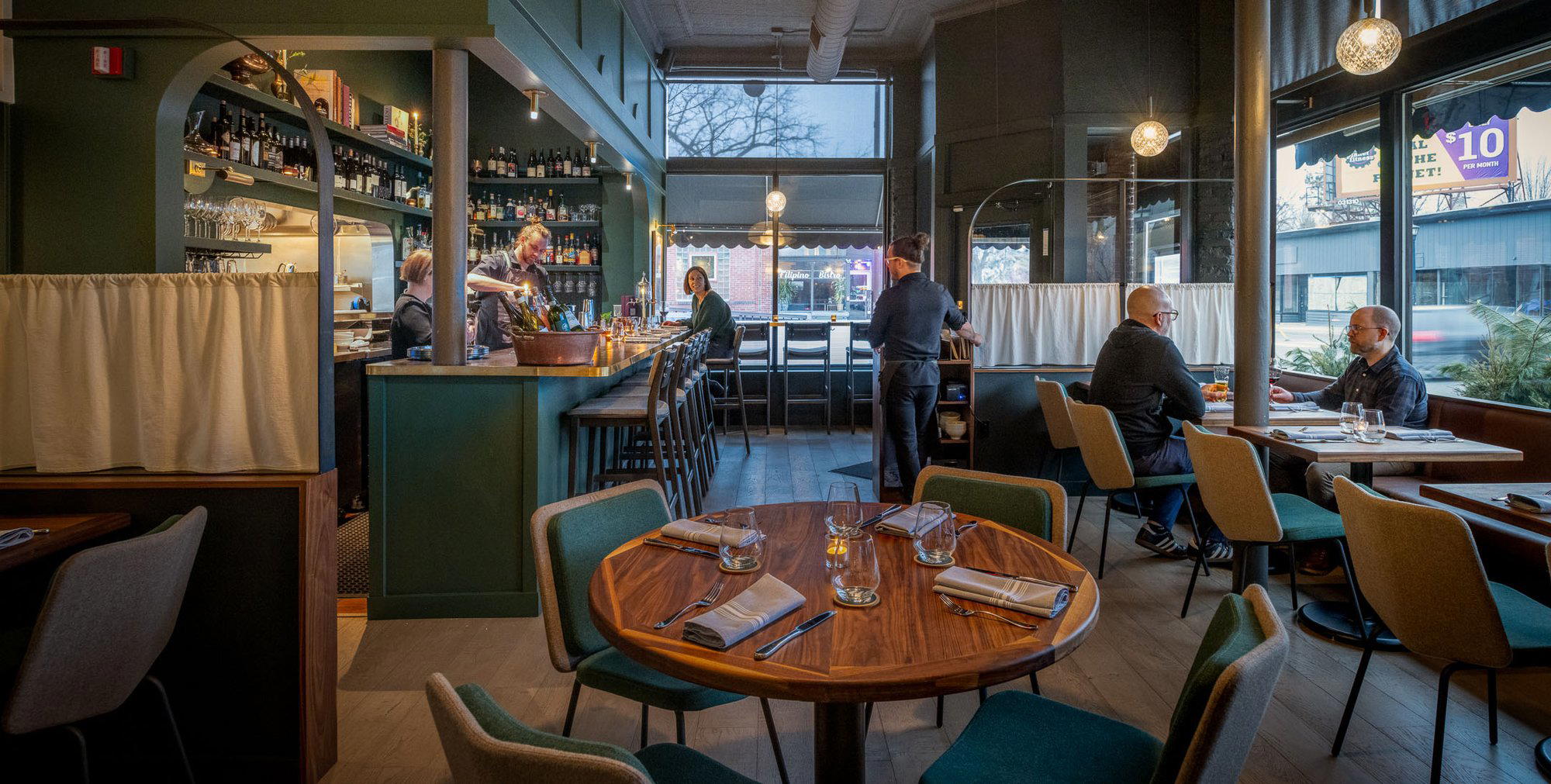
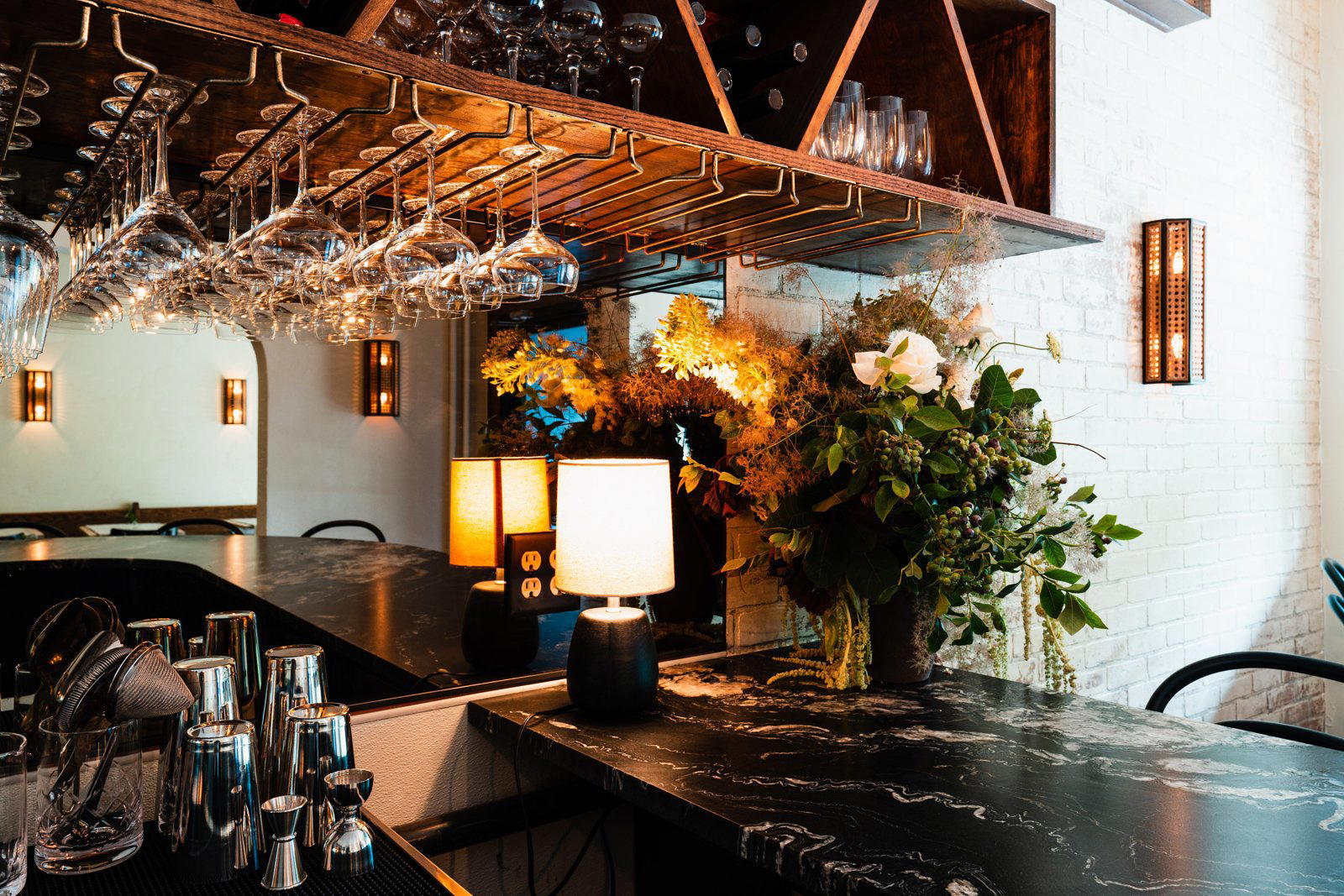
Bars in Minneapolis
Browse all →



At a Glance
- Cozy
- Modern
- Trendy
- Casual Hangout
- Date Night
- Sake Program
Current opening hours
- Monday
- 5–9 PM
- Tuesday
- 5–9 PM
- Wednesday
- 11 AM–3 PM, 5–9 PM
- Thursday
- 11 AM–3 PM, 5–9 PM
- Friday
- 11 AM–3 PM, 5–9 PM
- Saturday
- 11 AM–3 PM, 5–9 PM
- Sunday
- 5–9 PM
Hours can change for holidays and private events. Last verified .
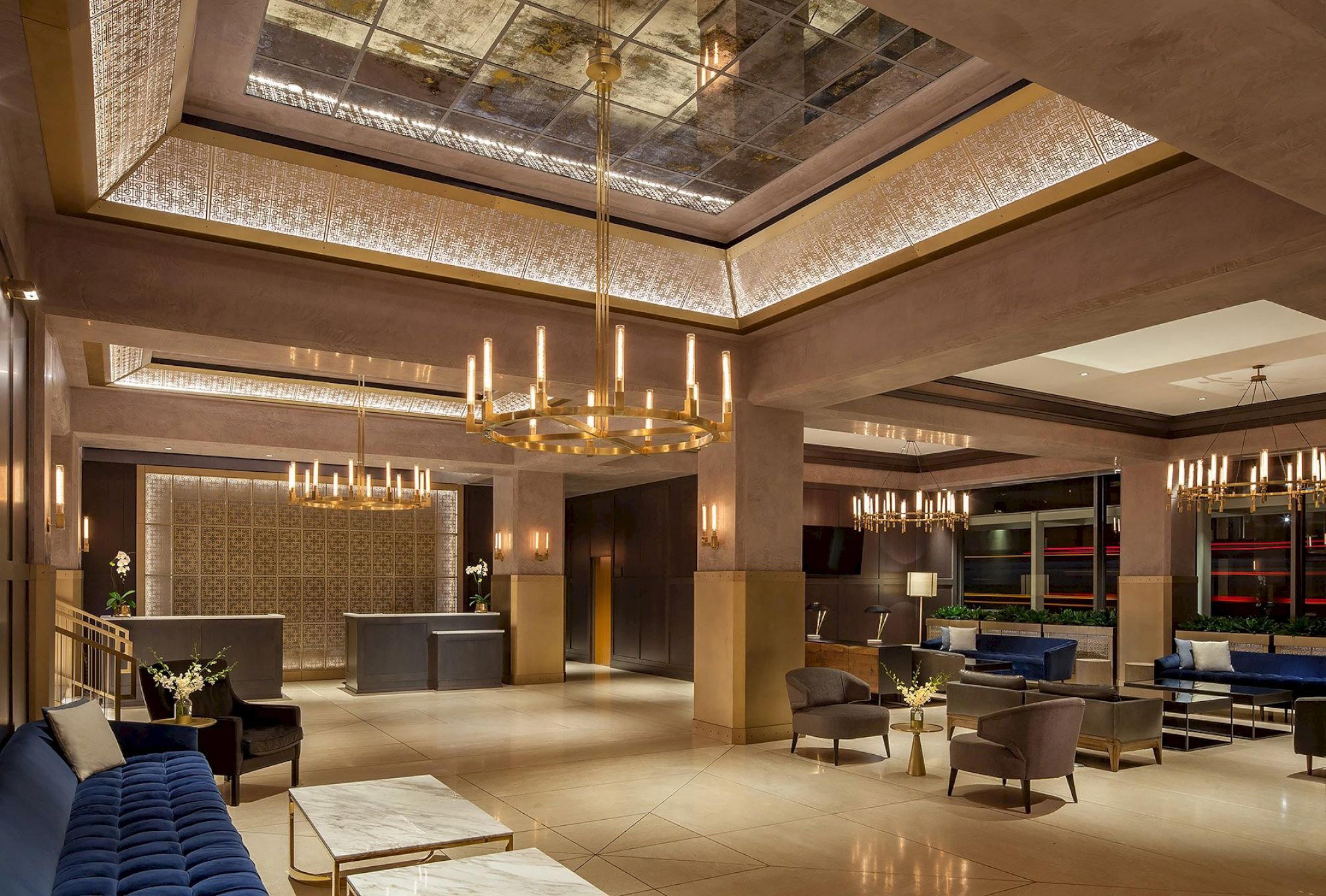
Cozy and welcoming with a sleek modern vibe, featuring a small intimate space and nice backyard patio.