baba's döner
On Nansenstrasse in Zurich's Oerlikon district, baba's döner operates in a segment of the city's food scene where ethical sourcing and low-waste prep have become genuine competitive signals rather than marketing afterthoughts. A casual, counter-service format with a tightly edited menu puts the quality of the döner itself at the centre of the proposition.
Pearl is the En Primeur Club membership app — saves, bookings, and concierge access live there. Same editors, same standards.
- Address
- Nansenstrasse 4, 8050 Zürich, Switzerland
- Website
- babasdoener.ch
- Directions
- Get directions
 Saves & bookings on Pearl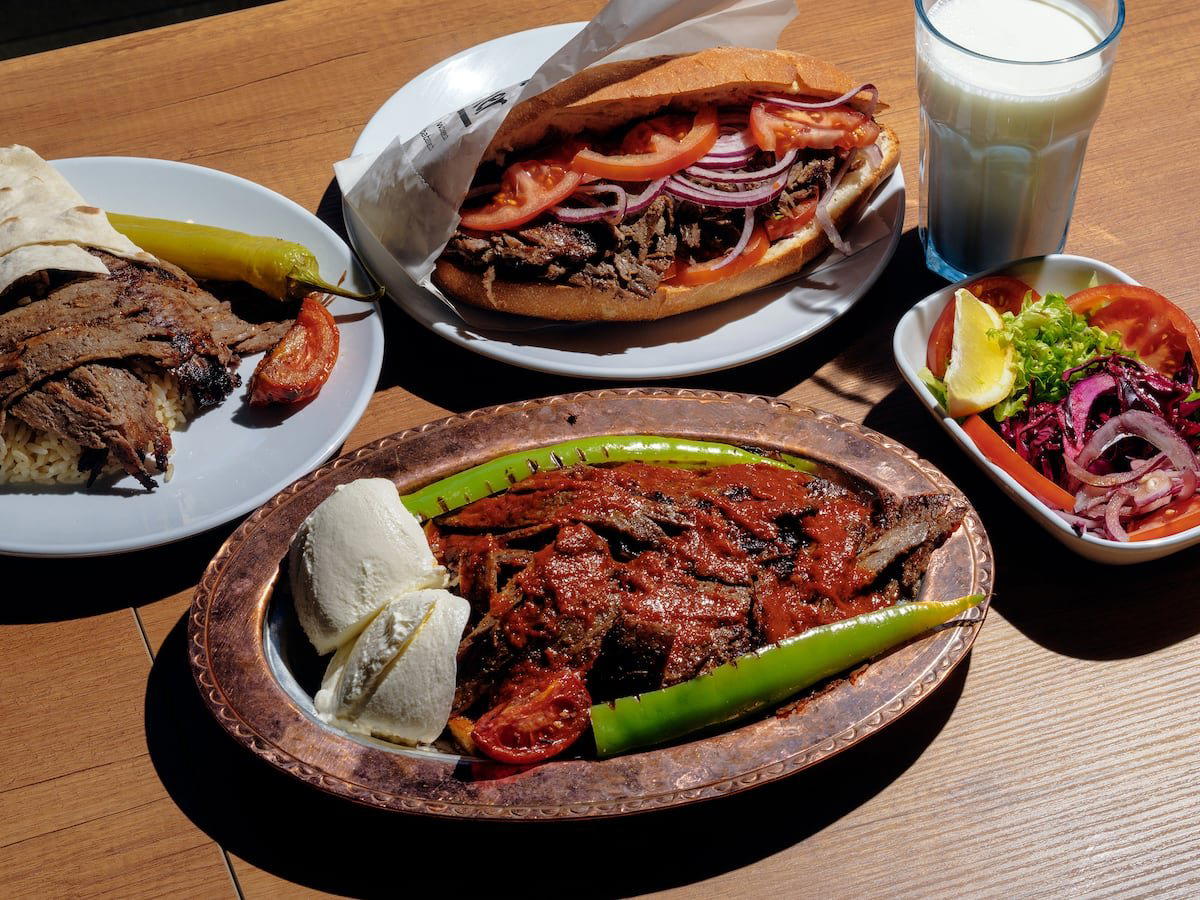
Street Food with a Considered Supply Chain
Zurich's casual dining tier has spent the better part of a decade catching up to the city's fine-dining reputation. Where the upper bracket — represented by places like IGNIV Zürich by Andreas Caminada and The Counter — has long drawn international attention, the mid-market has been slower to find a coherent identity. The shift that has arrived is largely driven by sourcing transparency: operators who can name their meat supplier and explain their waste practices now hold a credibility advantage over those who simply sell volume. baba's döner, at Nansenstrasse 4 in the 8050 postcode, sits inside that shift. The format is counter-service döner, which in most European cities means a commodity product. Here, the framing is different.
The Oerlikon Setting
Nansenstrasse sits in Oerlikon, a district north of the Hauptbahnhof that has undergone a protracted transformation from industrial logistics hub to mixed residential and food-focused neighbourhood. The architecture along this stretch is utilitarian, low-rise, functional, which means a döner counter here reads as neighbourhood infrastructure rather than destination dining. That is, in context, the right register. Zurich's most enduring casual food spots tend not to signal ambition through their fit-out. The approach at this address is consistent with a broader pattern in the district: keep the room simple, let the product carry the proposition. Compared to the curated interiors of Eden Kitchen & Bar or The Restaurant, the aesthetic is deliberately stripped back, which is exactly the point for a format where throughput and repetition are part of the quality model.
Why Sourcing Discipline Matters More in This Format
Döner as a category has a supply-chain problem that fine-dining venues rarely face in the same way. The protein is typically compressed, processed, and sourced from aggregated suppliers with little traceability. When an operator in this format makes a public commitment to ethical sourcing, it is a structural decision with real cost implications, not a line on a menu card. It requires tighter margins, fewer volume discounts, and more disciplined waste management because higher-quality, traceable meat does not absorb the same casual treatment as commodity product. Across Europe, a small cohort of döner operators has moved in this direction, operators in Berlin, Vienna, and London who have rebuilt the category around cleaner supply chains, and Zurich's version of that trend is arriving now. baba's döner addresses this directly through its positioning in the Oerlikon market, where a residential customer base puts repeat-visit loyalty ahead of tourist traffic.
The waste dimension compounds the sourcing question. A döner operation that processes whole cuts rather than pre-formed logs generates different offcuts and requires different systems for managing what doesn't make it onto the spit. Whether that means kitchen-to-table nose-to-tail integration or direct composting partnerships with the city's waste infrastructure, the discipline required is higher than a standard fast-food model. Switzerland's broader regulatory environment, and Zurich specifically, with its pronounced civic culture around waste reduction, provides external pressure that reinforces what better operators are doing voluntarily.
The Competitive Set in Zurich's Casual Tier
baba's döner does not compete with Zurich's fine-dining or the ambitious mid-market. Within that set, the ethical sourcing signal is a genuine differentiator. Zurich diners at this price point have shown consistent appetite for operators who can explain their supply chain, and the city's cost of living means that a modest premium over the standard döner price is absorbed more readily here than in most European cities. For context on what Swiss dining looks like at the far end of the price spectrum, Schloss Schauenstein in Fürstenau and Memories in Bad Ragaz represent the formal bracket. But the everyday dining culture that sustains a city between those peaks is exactly where baba's döner operates, and the Oerlikon location serves a regular lunch and dinner crowd that the tourist-facing parts of the city do not reach.
Across Switzerland more broadly, the premium end of the restaurant market is well-documented: Hotel de Ville Crissier, Cheval Blanc by Peter Knogl in Basel, Maison Wenger, Einstein Gourmet in Sankt Gallen, and Da Vittorio in St. Moritz all operate at a level where sourcing provenance is table stakes. The interesting question is what happens when that discipline migrates down to casual formats. baba's döner is part of an answer to that question. For comparison at the creative end of Zurich's own dining scene, Widder and regional operators like Mammertsberg in Freidorf, La Table du Valrose, and focus ATELIER in Vitznau have each made ethical sourcing central to their identity at higher price points. The logic translating to a street-food counter is a sign that consumer expectation has genuinely shifted. For a full read of where baba's döner sits in the broader city context, see our full Zurich restaurants guide.
For international reference points on how casual and mid-market formats have handled the sourcing question at scale, Lazy Bear in San Francisco and Le Bernardin in New York City represent what sustained commitment to supply-chain discipline looks like over time, even if the format and price tier are entirely different.
Planning Your Visit
Nansenstrasse 4 is in the 8050 postcode, reachable from Zurich Oerlikon station in a short walk north. The format is counter-service, which means no reservation is required and visits are walk-in. Lunch hours during the working week tend to produce the most active service window, consistent with the district's office and residential mix. Phone and website details are not currently listed in public directories.
Pricing, Compared
A quick snapshot of similar venues for side-by-side context.
| Venue | Cuisine | Price | Awards |
|---|---|---|---|
| baba's dönerThis venue — the venue you are viewing | Not listed | Not listed | Not listed |
| IGNIV Zürich by Andreas Caminada | Sharing | €€€€ | Michelin 2 Star |
| KLE | Vegan | €€€ | Michelin 1 Star |
| Kronenhalle | Swiss, Traditional Cuisine | €€€ | World's 50 Best |
| The Counter | Creative | €€€€ | Michelin 2 Star |
| Eden Kitchen & Bar | Italian | €€€€ | Michelin 1 Star |
Continue exploring
More in Zürich
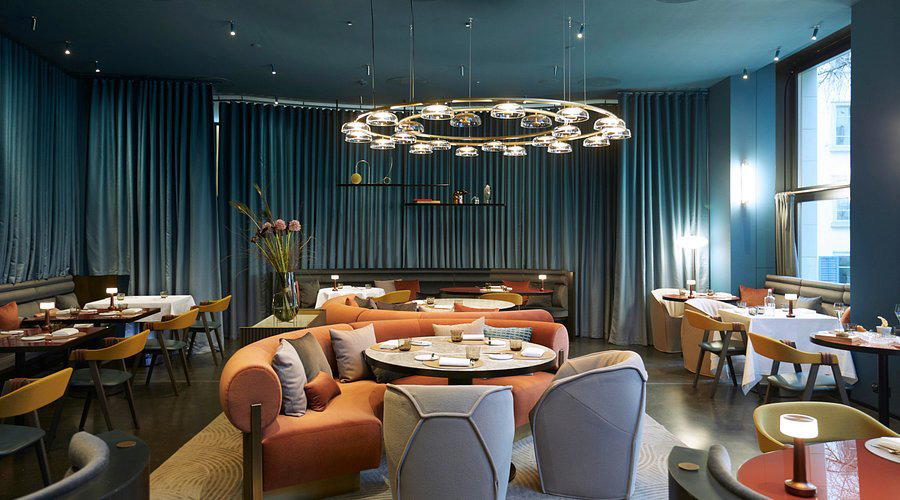
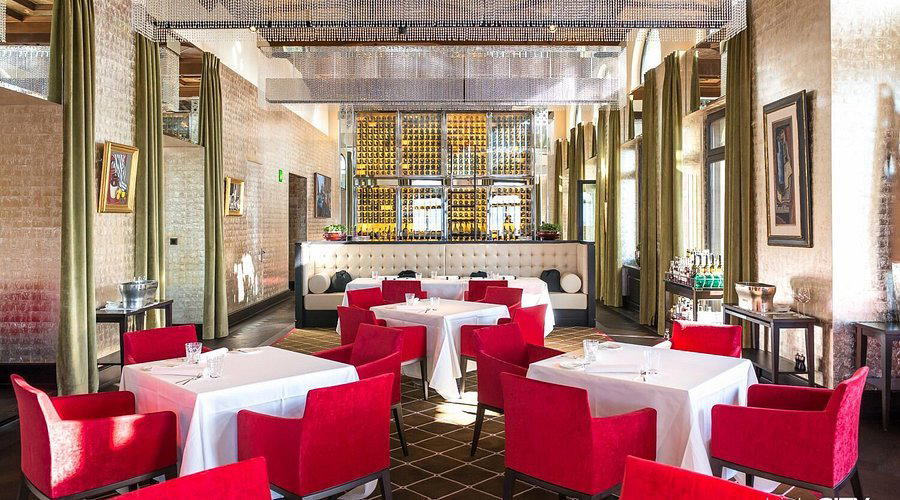
Restaurants in Zürich
Browse all →
Bars in Zürich
Browse all →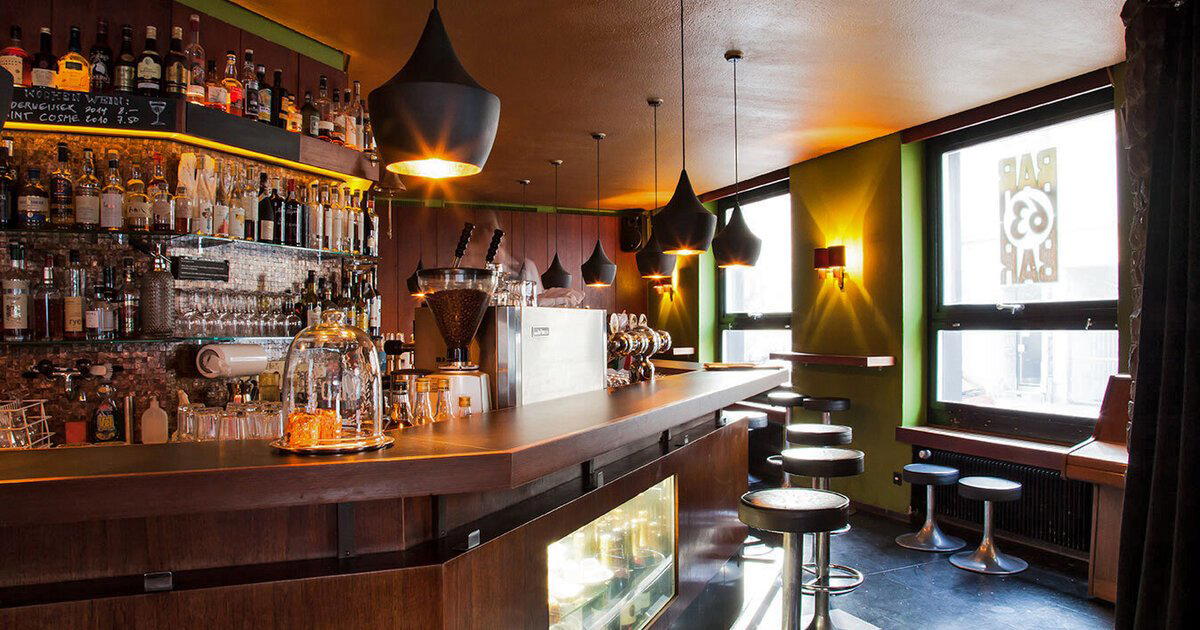
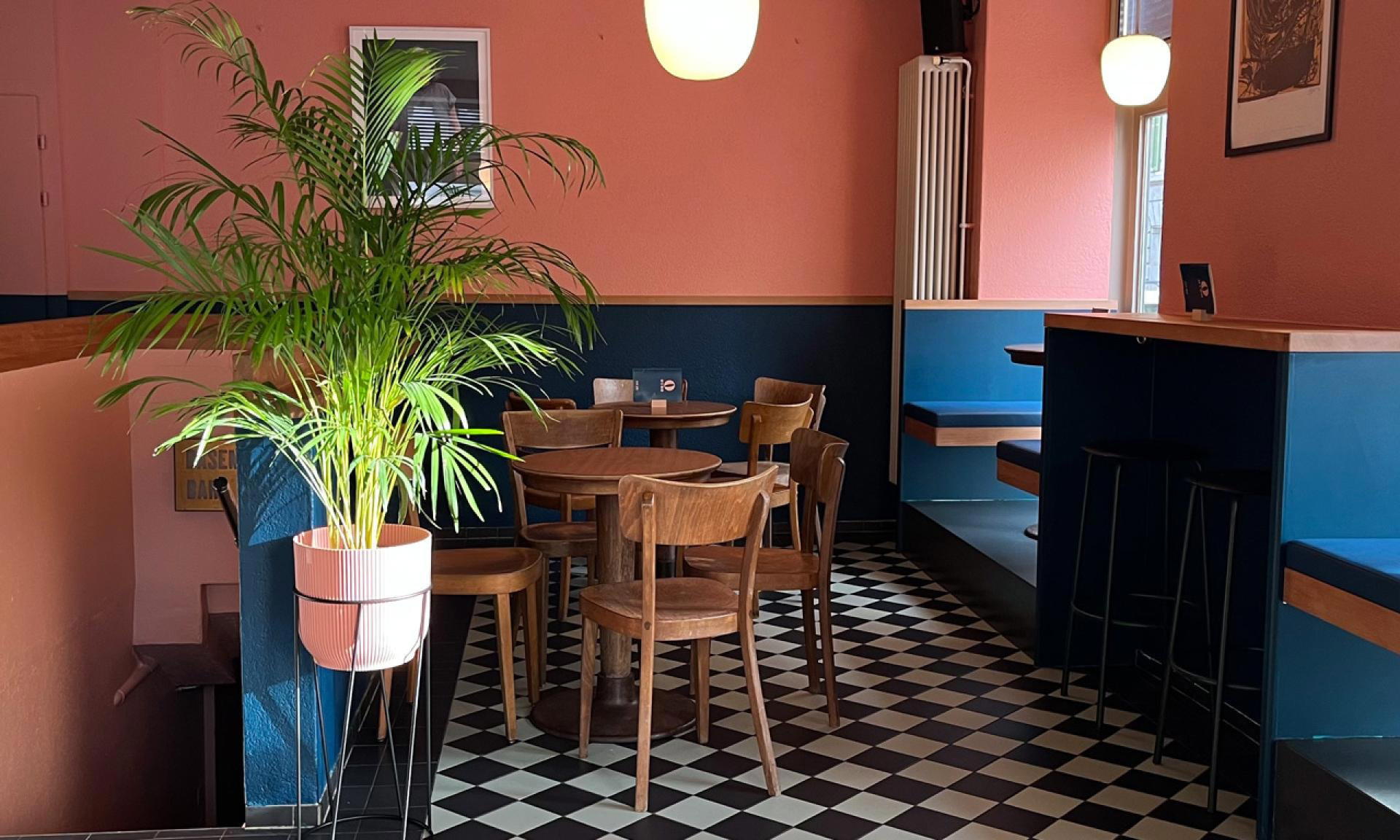
Hotels in Zürich
Browse all →

At a Glance
- Trendy
- Modern
- Casual Hangout
- Late Night
- Open Kitchen
- Local Sourcing
Current opening hours
- Monday
- 11 AM–9:30 PM
- Tuesday
- 11 AM–9:30 PM
- Wednesday
- 11 AM–9:30 PM
- Thursday
- 11 AM–9:30 PM
- Friday
- 11 AM–10:30 PM
- Saturday
- 11 AM–10:30 PM
- Sunday
- 12–9 PM
Hours can change for holidays and private events. Last verified .
Casual kebab shop atmosphere with focus on the visible charcoal grill and fresh preparation.
Know Before You Go
- Getting there
- Nansenstrasse 4, 8050 Zürich, Switzerland