Baba
Our verdict
Baba occupies a prominent address on George Street in Edinburgh's New Town, placing it within a dining corridor that draws comparison with the city's more established fine-dining rooms.

Pearl is the En Primeur Club membership app — saves, bookings, and concierge access live there. Same editors, same standards.
- Address
- 130 George St, Edinburgh EH2 4JZ, United Kingdom
- Phone
- +44 131 240 5500
- Hours
- Mon–Thu 12 PM–12 AMFri–Sat 12 PM–1 AMSun 12 PM–12 AM
- Website
- baba.restaurant
- Directions
- Get directions
The menu
What to order
- Cauliflower shawarma
- BABA ganoush
- Slow-cooked lamb shoulder
George Street and the Shape of Edinburgh's Upper Tier
George Street runs through Edinburgh's New Town as one of the city's most legible addresses for serious dining. The street and its immediate surrounds have attracted a cluster of higher-end restaurants over the past decade, operating in a price bracket where expectations around kitchen precision, service coordination, and room quality are consistently high. Baba, at 130 George Street, sits within that geography and therefore enters a conversation that includes some of the most closely watched tables in Scotland.
Edinburgh's fine-dining scene is smaller and more concentrated than London's, which means positioning matters acutely. Restaurants in the upper tier here compete less on volume and more on consistency and identity. Martin Wishart and The Kitchin anchor the Michelin-recognised end of that tier; Timberyard, AVERY, and Condita each represent a distinct approach to what a considered Edinburgh restaurant can be. Understanding where Baba sits relative to these rooms requires looking at what the George Street address implies about its intended register and audience.
The Room and What It Signals
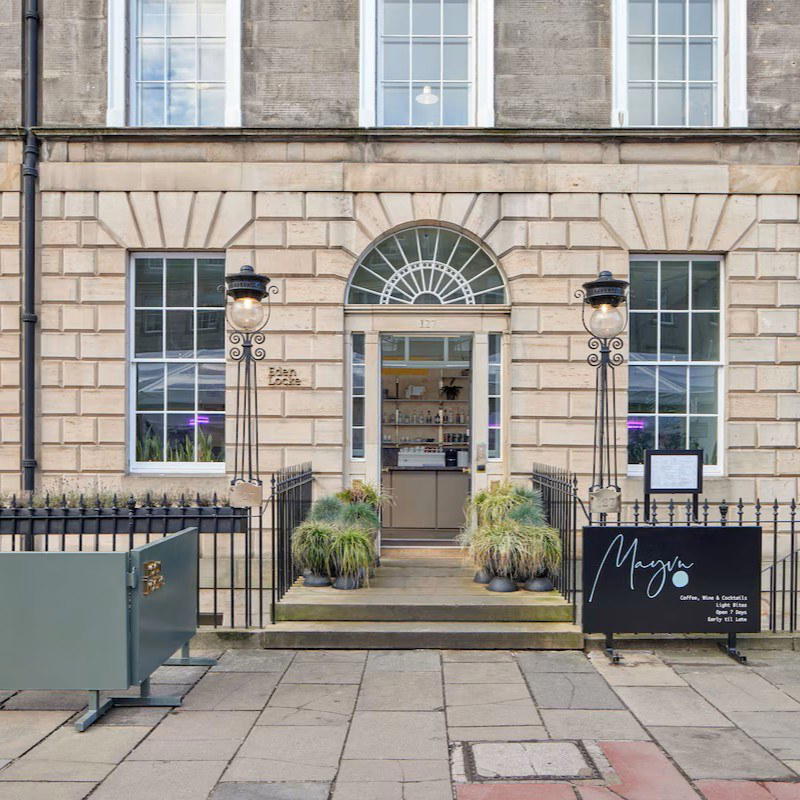
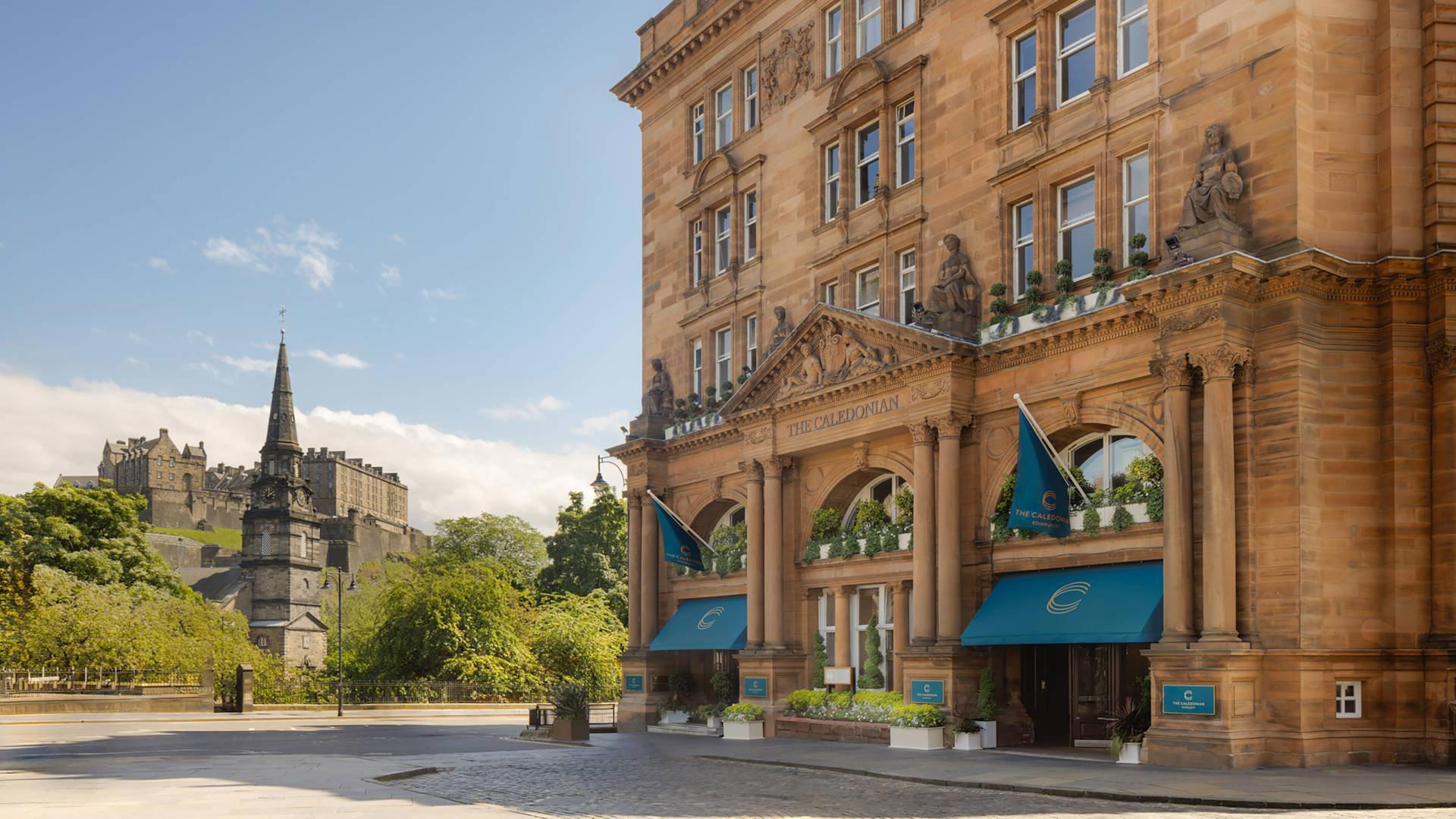
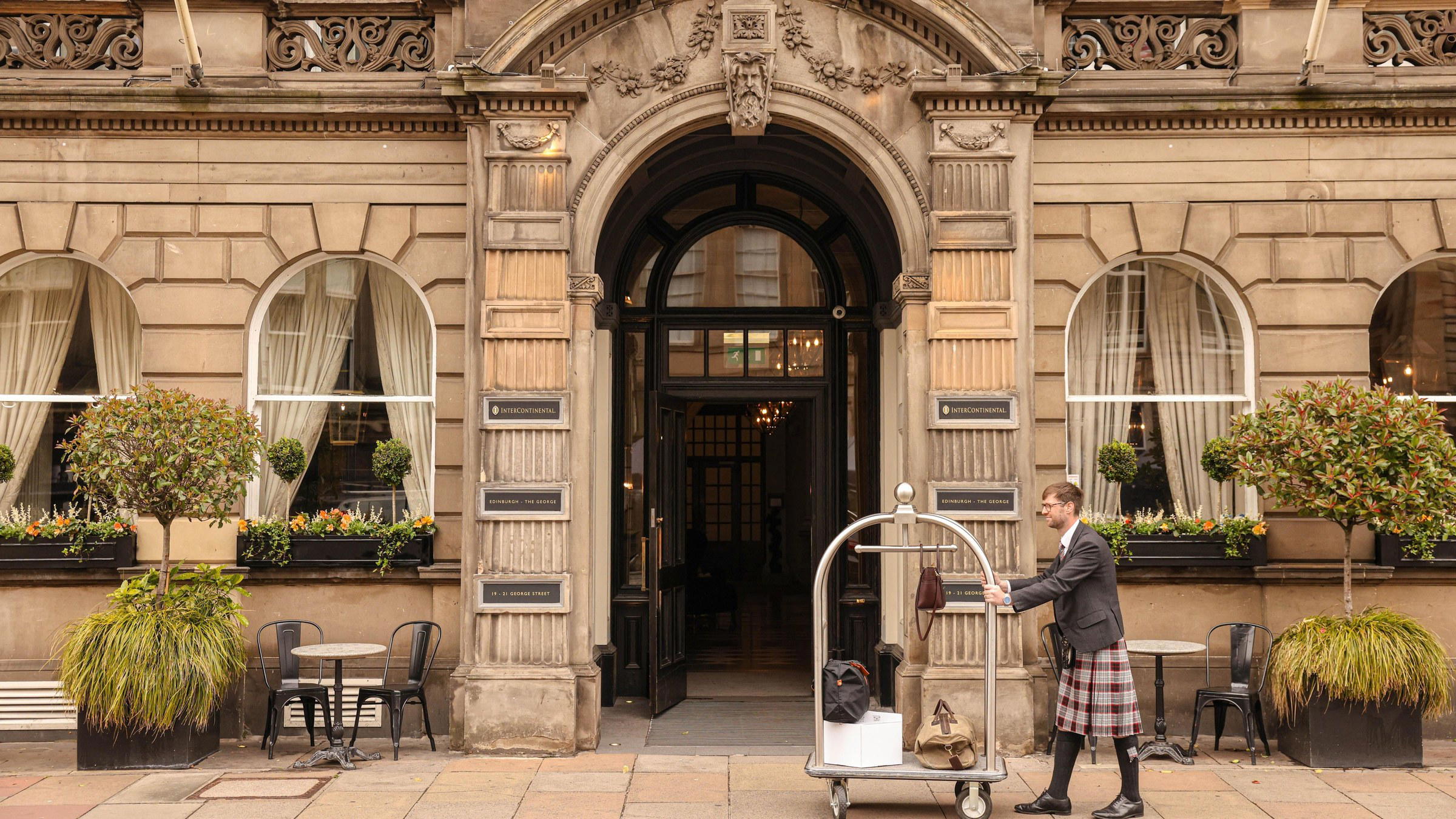
Approaching a restaurant on George Street, the architecture of the New Town does much of the framing for you. Georgian facades, wide pavements, and the particular quality of northern light that Edinburgh produces even in the afternoon give the street a formality that many of its restaurants either lean into or deliberately push against. A room at this address tends to telegraph its intentions through materiality: whether it retains period detail or strips back to something more contemporary, whether the lighting runs warm or cool, whether the acoustic treatment suggests a space designed for conversation or for atmosphere.
The broader trend in Edinburgh's upper-tier rooms over the past five years has been toward greater informality in service style even as technical ambition in the kitchen has increased. Rooms that once operated with conspicuous ceremony have softened their front-of-house register without reducing the underlying rigour. This shift is visible across the comparison set: Timberyard's Nordic-inflected restraint, AVERY's creative positioning, Condita's tasting-menu focus. Each has developed a distinct service personality to match its culinary approach.
Team Dynamics and the Service Architecture
The editorial angle that most distinguishes serious restaurants from competent ones is rarely the menu alone. In Edinburgh's upper tier, as in comparable cities, the rooms that hold attention over time are those where the relationship between kitchen, floor, and wine programme operates as a coherent whole rather than three departments running in parallel. At Le Bernardin in New York City or CORE by Clare Smyth in London, the front-of-house fluency with the kitchen's intentions is part of what justifies the price point. The same logic applies in Edinburgh.
What this means practically is that the leading indicator of a room's long-term quality is not any single component but the degree to which the team reads as a single operation. A sommelier who can articulate why a pairing works in relation to a specific preparation, a floor team that paces courses in response to the table's rhythm rather than a fixed schedule, a kitchen that communicates through the food rather than requiring tableside explanation: these are the markers that separate a restaurant with ambition from one that has achieved it. Edinburgh's more established rooms have spent years calibrating this. Newer entrants on a prominent address like George Street are measured against that accumulated standard from the first service.
Across the wider British fine-dining circuit, team coherence has become an explicit criterion for recognition. Moor Hall in Aughton, L'Enclume in Cartmel, and Hand and Flowers in Marlow each operate with a service philosophy that is as deliberate as the cooking. Midsummer House in Cambridge, Gidleigh Park in Chagford, and hide and fox in Saltwood all demonstrate how front-of-house discipline compounds the kitchen's work rather than simply framing it. At a George Street address, the expectation is that Baba operates within this tradition of whole-room thinking rather than treating service as secondary.
Edinburgh in a Broader Context
Scotland's dining reputation has shifted considerably over the past fifteen years. Where Edinburgh once depended heavily on its festival calendar to drive high-end covers, it now sustains a year-round audience of domestic and international diners who specifically seek out its upper-tier rooms. The comparison set here extends beyond the city: Opheem in Birmingham and Ynyshir Hall in Machynlleth represent the degree to which serious restaurant cooking has distributed itself across the UK beyond London. Edinburgh fits within that pattern, and a George Street address places Baba in a position to contribute to it.
For visitors approaching Edinburgh's dining scene from cities with deeper restaurant cultures, the reference point is useful. Lazy Bear in San Francisco and Waterside Inn in Bray represent different ends of the experiential spectrum: one built around communal energy and collaborative format, the other around decades of accumulated French classical tradition. Edinburgh's upper tier sits somewhere between these poles, with individual rooms staking out distinct positions. Our full Edinburgh restaurants guide maps those positions in more detail.
Planning Your Visit
130 George Street places Baba at a central New Town address accessible on foot from Waverley Station in under fifteen minutes, and well-served by taxi and rideshare. George Street itself is a logical anchor point for an evening that might begin with drinks elsewhere in the neighbourhood before dinner. Reservations at Edinburgh's upper-tier rooms generally require advance planning, particularly around festival periods in August and at weekends throughout the year.
Frequently asked questions
Is Baba child-friendly?
Baba's position within Edinburgh's upper-tier dining corridor on George Street places it firmly in adult-dining territory. The room and service register are calibrated toward guests who are there for the food and the table, rather than a family outing. Families with young children would be better served elsewhere in the city.
What's the vibe at Baba?
George Street sets the tone before you walk in: wide Georgian pavements, considered architecture, and a neighbourhood that signals intent. Inside, Baba operates within Edinburgh's upper register, where the atmosphere is generated by what arrives at the table rather than a sound system. Expect a room that takes the food seriously.
How does Baba fit into Edinburgh's dining scene compared to other George Street restaurants?
Edinburgh's serious dining circuit is tight enough that each address occupies a distinct position rather than competing on identical terms. Baba at 130 George Street holds a central New Town address that places it within easy reach of Waverley Station and the city's hotel corridor.
What should I order at Baba?
The floor team at 130 George Street are the most reliable guide to what's performing on any given night. Ask directly what they're running with and what's drawing repeat visits from regulars — that conversation will tell you more than any fixed recommendation can.
Price and Recognition
Comparable venues nearby, for context on price, style, and recognition.
| Venue | Cuisine | Price | Notes |
|---|---|---|---|
| BabaThis venue — the venue you are viewing | Levantine Mezze & Charcoal Grill | $30–50 | Not listed |
| Dulse - Leith | Scottish Seafood with Asian Influences | $50–100 | Leith, Scottish Seafood with Asian Influences |
| Bistro du Vin Edinburgh | Classic French Bistro | $30–50 | Lauriston, Classic French Bistro |
| Greenwoods | Scottish/Dutch Brunch Fusion | $10–20 | New Town, Scottish/Dutch Brunch Fusion |
| Boozy Cow | American Burgers & Comfort Food | $20–30 | New Town, American Burgers & Comfort Food |
| Mia - Morningside | Italian Pizza and Pasta | $20–30 | Morningside, Italian Pizza and Pasta |
Continue exploring
More in Edinburgh
Restaurants in Edinburgh
Browse all →
Bars in Edinburgh
Browse all →
Details
- Lively
- Trendy
- Modern
- Cozy
- Date Night
- Group Dining
- Casual Hangout
- Open Kitchen
- Craft Cocktails
- Local Sourcing
- Small Plates
- A La Carte
- Craft Cocktails
- Vegetarian Friendly
- Vegan Options
- Gluten Free Options
Current opening hours
- Monday
- 12 PM–12 AM
- Tuesday
- 12 PM–12 AM
- Wednesday
- 12 PM–12 AM
- Thursday
- 12 PM–12 AM
- Friday
- 12 PM–1 AM
- Saturday
- 12 PM–1 AM
- Sunday
- 12 PM–12 AM
Hours can change for holidays and private events. Last verified .
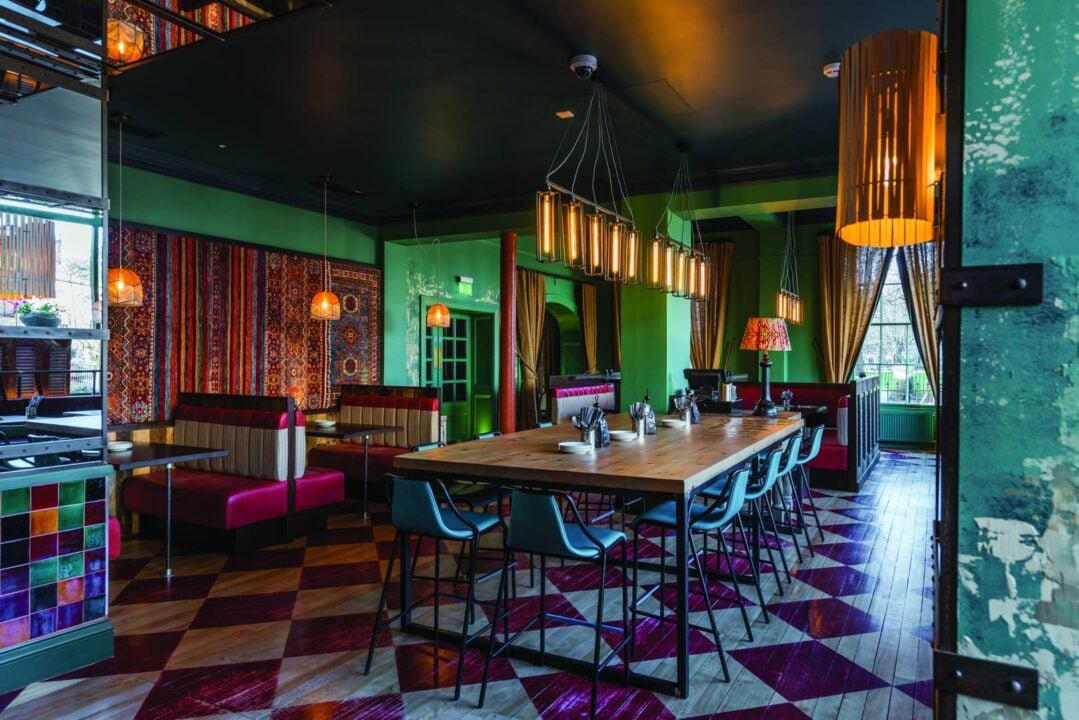
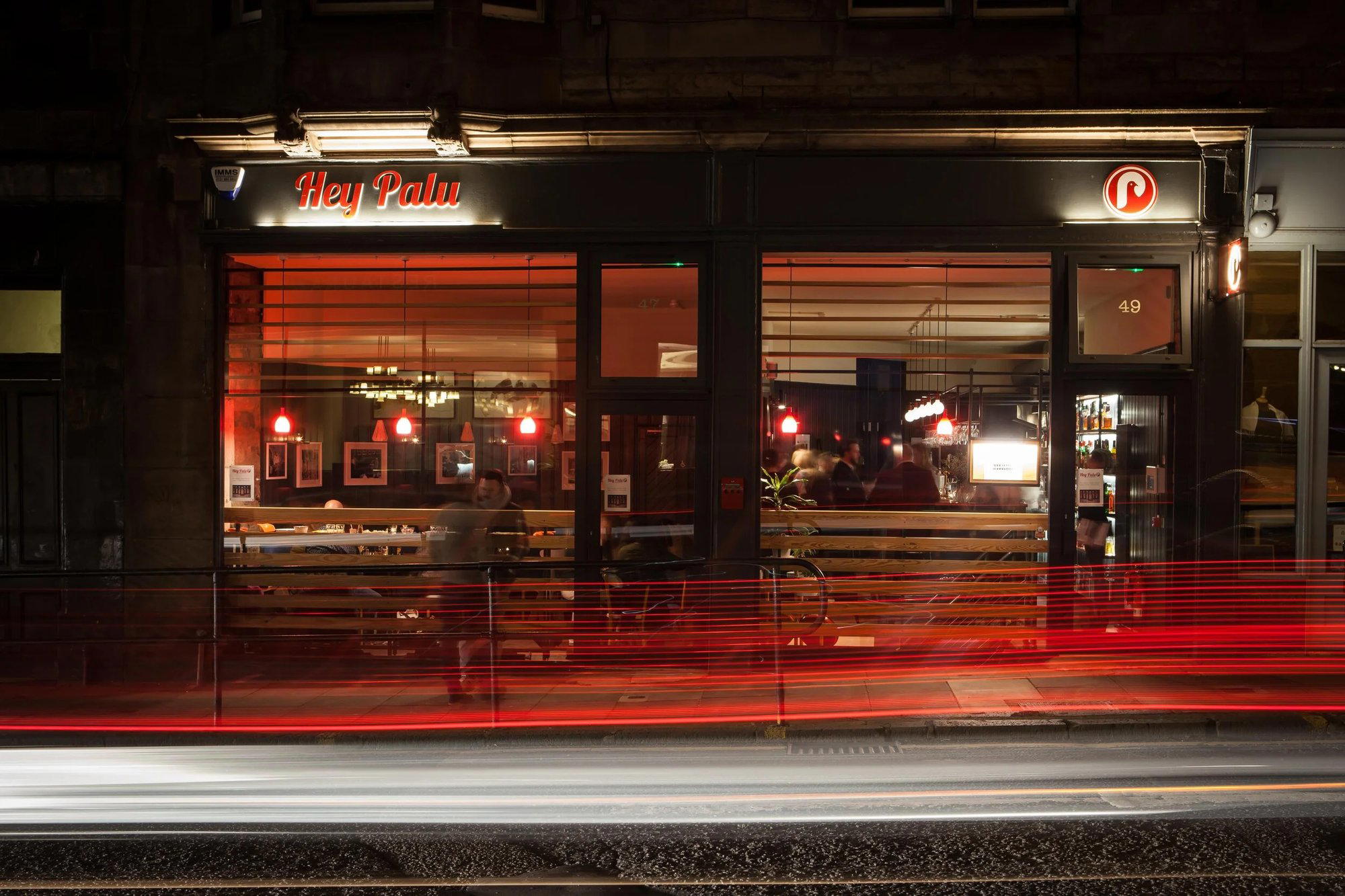
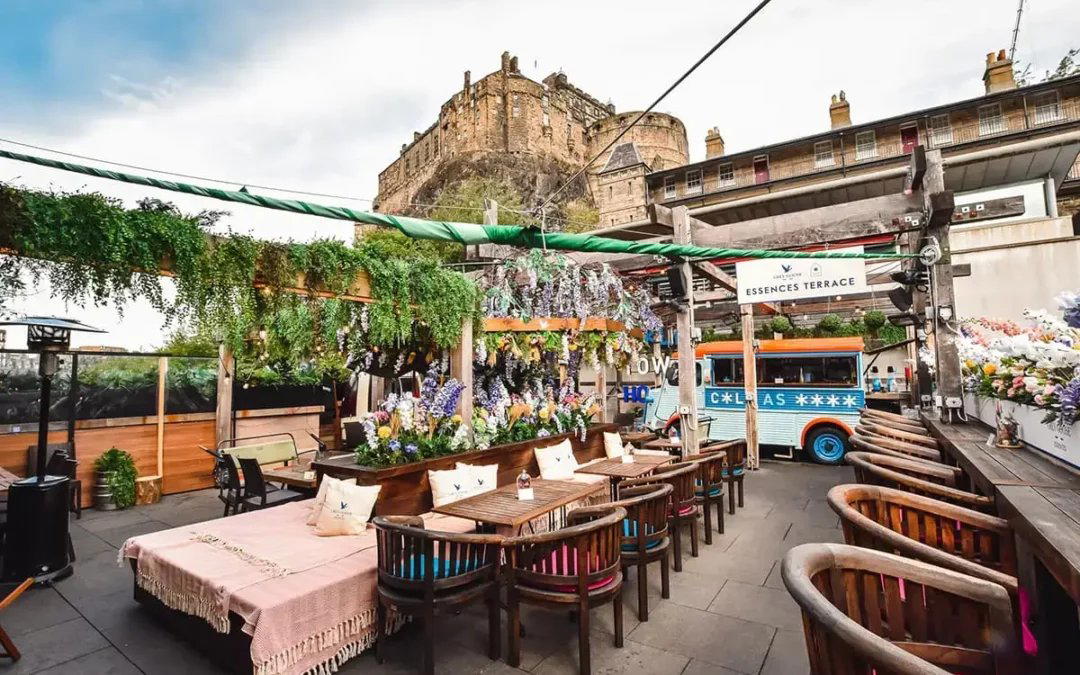
Bold turquoise palette, lively colors, eye-popping textiles, and comfortable space centered around an open charcoal grill kitchen.