Baan Mae
Baan Mae brings Modern Southeast Asian cooking into Shaw’s dining corridor with a sourcing-led point of view rather than a nostalgia act. The draw is how regional flavors, market produce, and contemporary plating meet in a city increasingly interested in Asian dining beyond the familiar takeout canon.
 Discover on Pearl
Pearl is the En Primeur Club membership app — saves, bookings, and concierge access live there. Same editors, same standards.
- Address
- 1604 7th St NW, Washington, DC 20001
- Phone
- (202) 897-4826
- Website
- baanmaedc.com
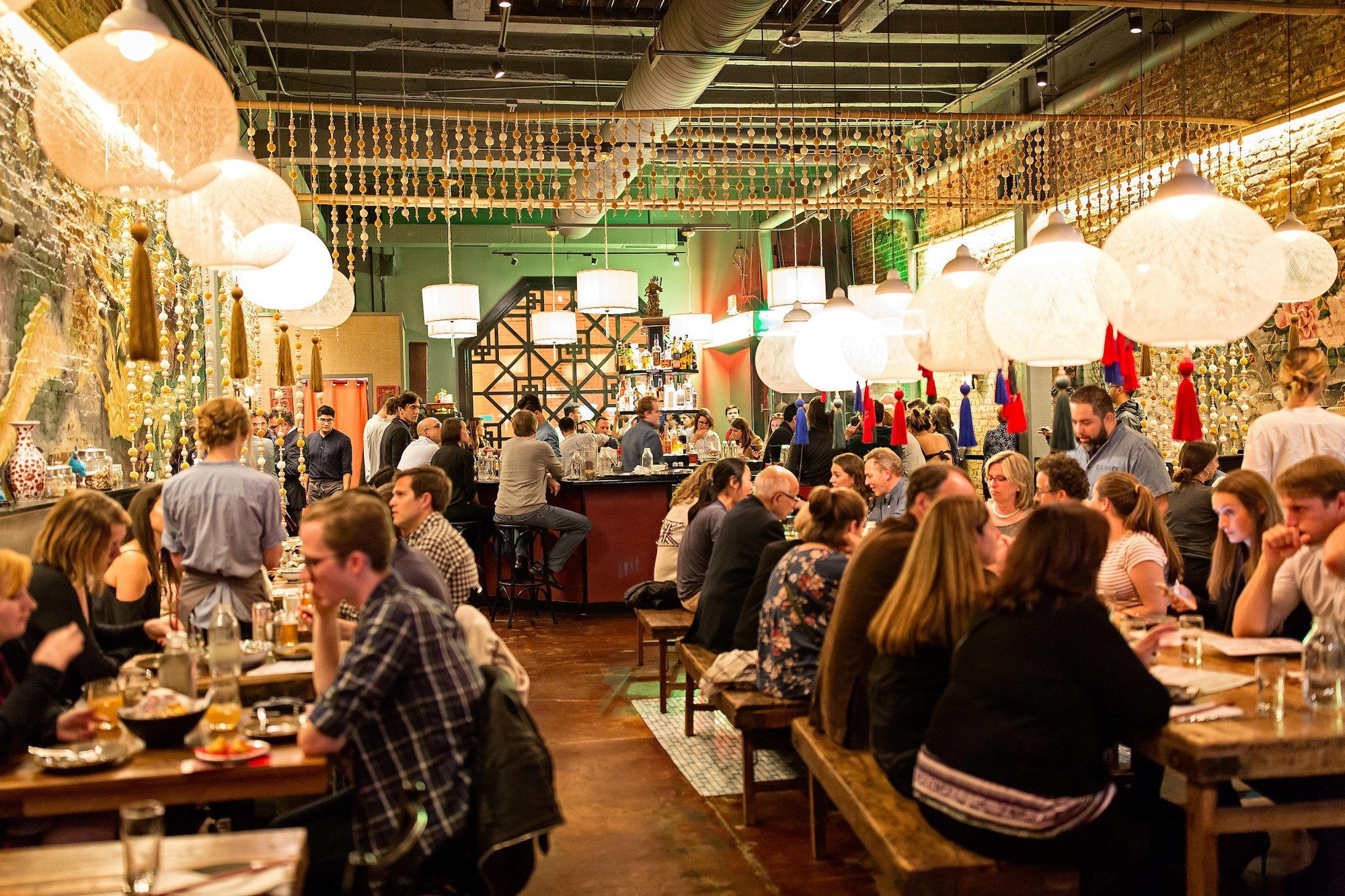
Seventh Street NW has the useful friction of Washington dining: rowhouse scale, late-day foot traffic, and enough restaurant density to make a meal feel part of a larger circuit rather than a standalone errand. Baan Mae belongs to that Shaw rhythm. Its Modern Southeast Asian brief matters because the category has changed in American cities: diners are now reading fish sauce, herbs, chiles, fermented notes, coconut, rice, and grill smoke as building blocks for contemporary cooking, not as shorthand for a single national cuisine.
That shift is where the restaurant earns attention. Southeast Asian food in the United States has often been flattened into comfort markers, with sweetness and heat doing too much explanatory work. A modern kitchen has a different obligation: it has to show how sourcing affects the plate. Herbs need snap, acid needs precision, and produce cannot be treated as garnish. In Washington, where expense-account dining and neighborhood restaurants often pull in opposite directions, Baan Mae sits in the more interesting middle ground, using a regional vocabulary without turning it into a museum piece.
Modern Southeast Asian cooking with the market in view
The strongest argument for this style of restaurant is ingredient logic. Southeast Asian cooking depends on contrast: fresh against fermented, fat against acid, smoke against herbs, heat against sweetness. When those elements are handled with restraint, the meal reads as structured rather than merely punchy. Baan Mae’s cuisine label, Modern Southeast Asian, signals a kitchen working across that spectrum instead of tying itself to one national template.
Washington has become more receptive to restaurants that treat regional identity as a system of techniques and ingredients. That is visible across the city’s current restaurant conversation, from fire-led formats to seafood counters and hybrid neighborhood rooms. For readers mapping that broader scene, our full Washington restaurants guide is the better starting point than a single-cuisine checklist. Baan Mae fits the part of the map concerned with freshness, aromatic intensity, and a lighter, sharper register than the city’s steakhouse and tasting-menu habits.
The sourcing angle matters because Southeast Asian cooking can collapse quickly when herbs are tired or produce is treated as background. A plate built around lime, chile, basil, mint, cilantro, green papaya, tropical fruit, or seafood needs turnover and discipline. Even without leaning on named signature dishes, the category tells an experienced diner what to watch for: whether acidity is clean, whether heat has shape, whether sweetness is balanced, and whether the kitchen lets vegetables carry weight rather than using them as color.
Shaw's dining corridor rewards focused formats
Shaw is not a neutral backdrop. The neighborhood’s restaurant energy favors compact concepts with a clear reason to exist, because diners can move easily between bars, casual counters, and more deliberate dining rooms. In that setting, a Modern Southeast Asian restaurant has to do more than provide variety. It has to define a lane: bright flavors, produce-driven plates, and a format that can work for both a planned dinner and a looser evening built around shared dishes.
That makes the restaurant more useful to Washington than another broad pan-Asian menu. The city already has serious demand for global cooking, but the stronger rooms are the ones that narrow the frame. Baan Mae’s value is in specificity without rigidity. It can speak to Thai, Vietnamese, Lao, Cambodian, Malay, Filipino, and broader regional references through technique and ingredients, while avoiding the false promise of representing all of Southeast Asia at once.
Within EP Club’s wider map, that is a different proposition from wood-fired Levantine-leaning pizza and mezze at Bizzeria, asado-driven meat cooking at Brasero Atlántico, a planned steakhouse such as Chandelier, or the seafood-counter vocabulary of Cordelia Fishbar. Those links are not direct peers; they show how Washington diners are sorting by format and appetite. Baan Mae occupies the lane where freshness, spice architecture, and shared-table energy matter more than ceremony.
Travelers using Washington as more than a restaurant stop should read the city across categories: our full Washington hotels guide for where to stay, our full Washington bars guide for the evening circuit, our full Washington wineries guide for regional drinking context, and our full Washington experiences guide for cultural planning around the meal.
How to read the table
The right way to approach this kind of kitchen is not to hunt for a trophy order. Look for range. A balanced table should move between raw or lightly dressed elements, grilled or seared depth, rice or noodle comfort, and something herbaceous enough to reset the palate. If the meal is built only around heat, it misses the point; if it avoids heat entirely, it also misses the point. Southeast Asian cooking rewards diners who understand sequence and contrast.
The same sourcing logic connects Baan Mae to a broader American interest in regional Asian and Pacific foodways. Los Angeles has sake-bar precision at Jōdo Saké Bar in Los Angeles and rice-centered casual focus at Onigiri Time in Pasadena. Portland’s ¿Por Qué No? in Portland works from a different Mexican register, while Hawai‘i and California show how local produce and island food traditions travel through places such as 'Ai Love Nalo in Waimanalo Beach, 'āina in San Francisco, and 'Ama 'Ama in Kapolei. Japan-focused dining has its own ingredient discipline, visible in formats like -Grilled beef Sukiyaki- KAMAKURA TANUKIAN 鎌倉 たぬき庵 in Kamakura, while ¡Salud! in Los Angeles and Jaleo show how regional identity can be translated for a high-volume American audience without losing its organizing grammar.
Baan Mae is a stronger choice for diners who care about freshness and balance than for those chasing awards shorthand. No major award signal is attached here, so the trust test is format and cuisine clarity: a defined Modern Southeast Asian identity in a neighborhood built for restaurant-hopping. That is enough to make it relevant, especially in a city where the more revealing meals often come from kitchens clarifying a category rather than inflating it.
Comparable Venues Nearby
Comparable venues nearby, for context on price, style, and recognition.
| Venue | Cuisine | Price | Notes |
|---|---|---|---|
| Baan MaeThis venue — the venue you are viewing | Laotian & Southeast Asian home-style cooking | $$ | |
| Citronelle | Dining | , | Washington |
| Cordelia Fishbar | Globally Inspired Charcoal-Grilled Seafood | $$ | Union Market |
| Corduroy | Dining | , | Washington |
| Kinkeads | Dining | , | Washington |
| Komi | Dining | , | Washington |
Continue exploring
More in Washington
Restaurants in Washington
Browse all →
Bars in Washington
Browse all →
Hotels in Washington
Browse all →
At a Glance
- Cozy
- Lively
- Trendy
- Intimate
- Hidden Gem
- Date Night
- Group Dining
- Family
- Celebration
- Casual Hangout
- Private Event
- Open Kitchen
- Private Dining
- Terrace
- Standalone
- Design Destination
- Craft Cocktails
- Beer Program
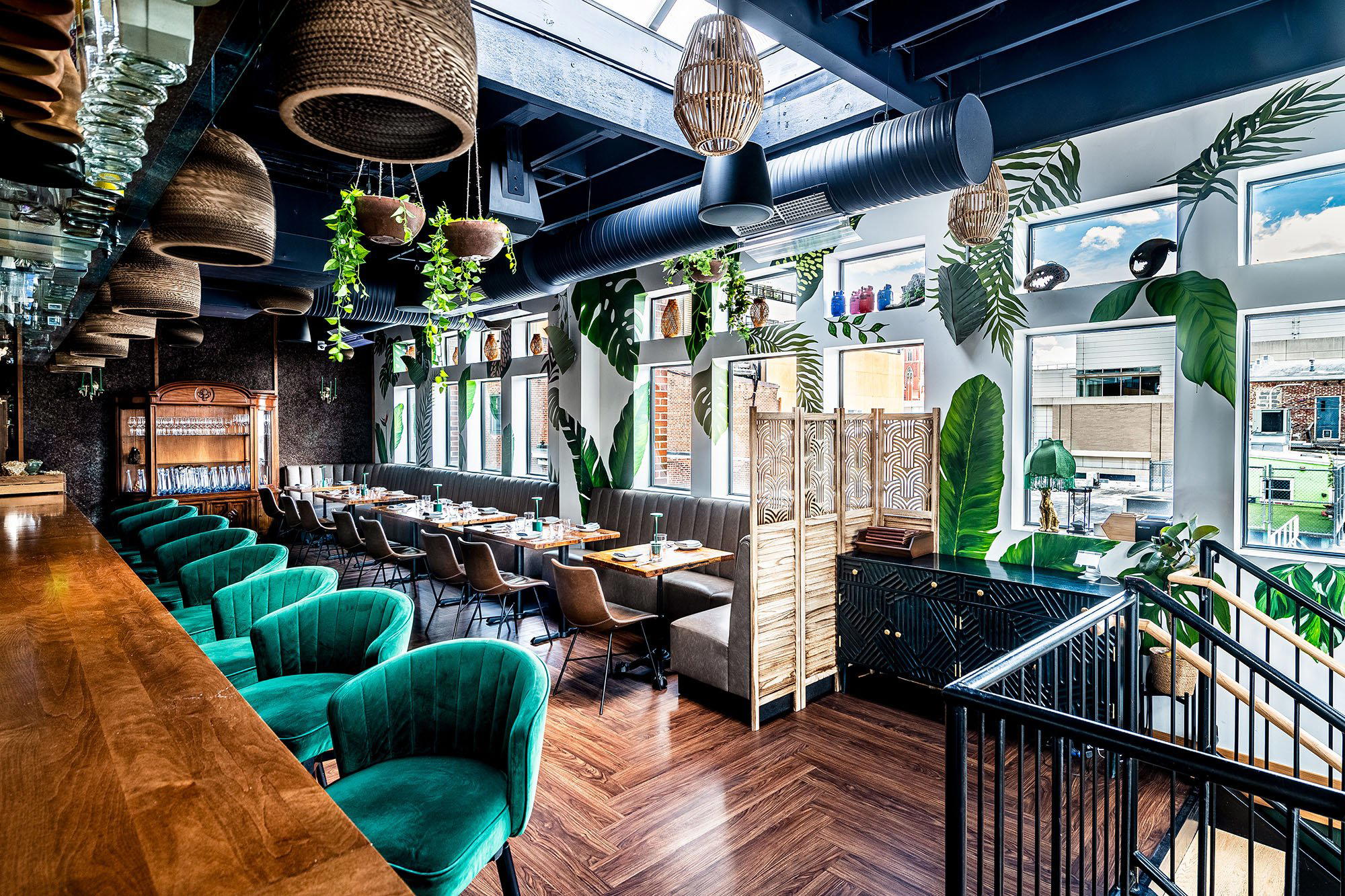
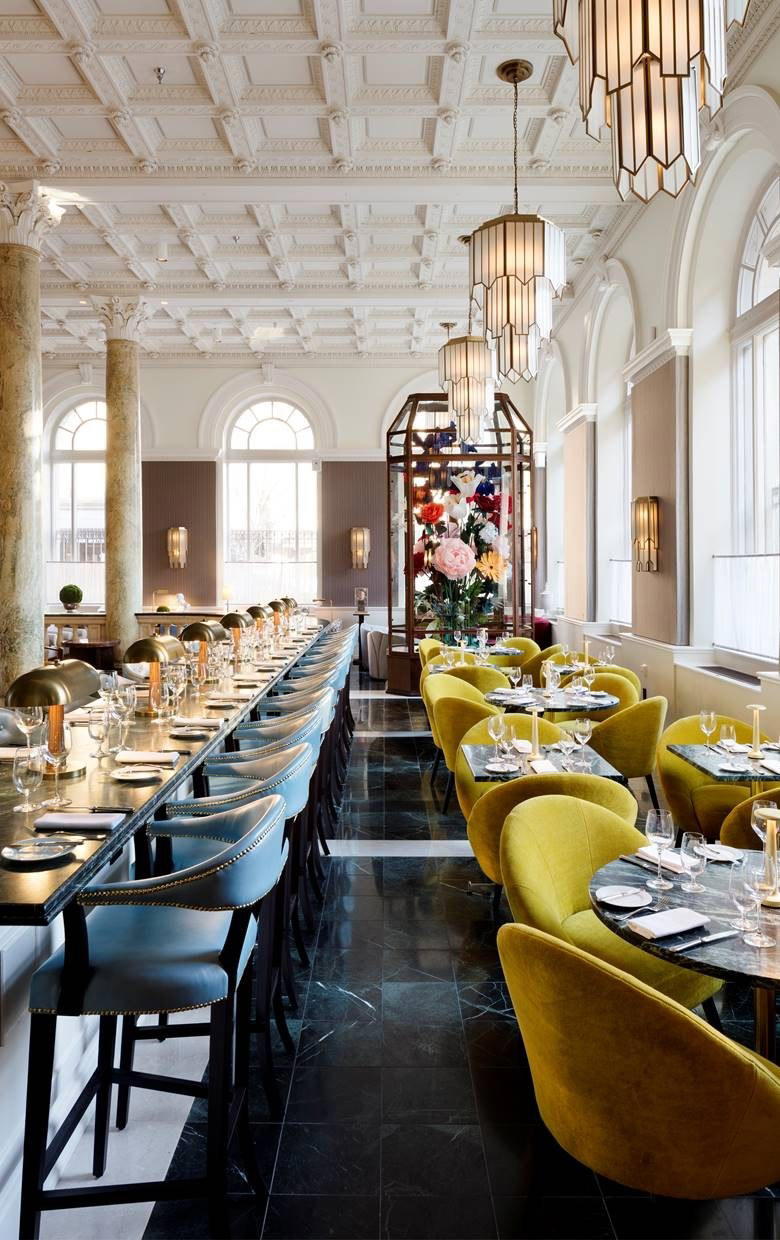
Inviting and homey yet stylish, with the feel of being in a mom’s kitchen translated into a casual, lively dining room that emphasizes warmth, hospitality, and shared Southeast Asian dishes.