Azalée

Michelin Plate
Our verdict
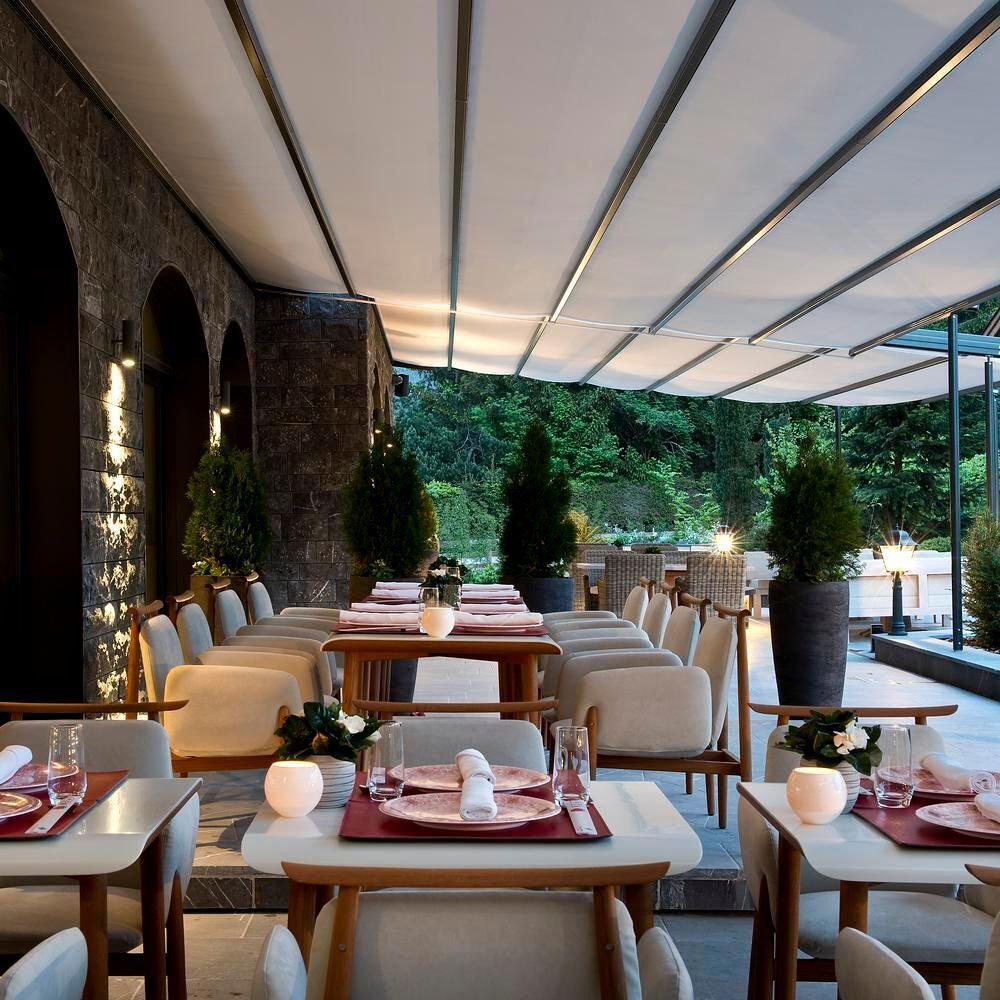
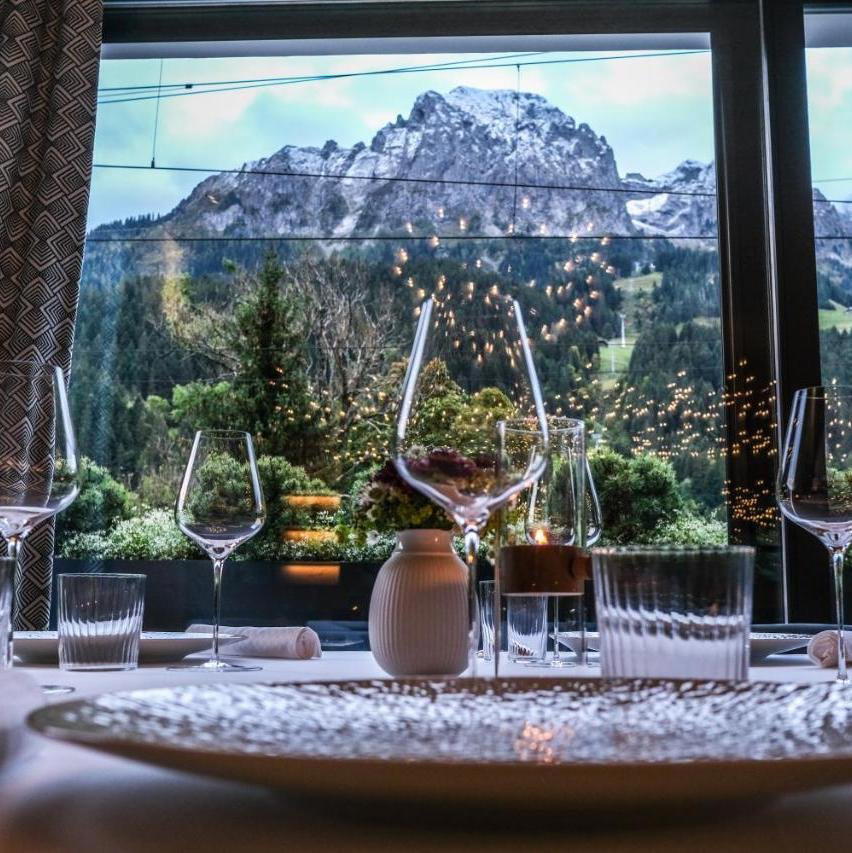
Azalée sits within the Boutique-Hotel Alpenrose on Schönried's Dorfstrasse, offering classic Alpine cuisine reframed for a contemporary kitchen. The Von Siebenthal family runs both the hotel and restaurant with notably personal service, and the menu moves between a conventional and a vegetarian tasting menu, with à la carte dishes drawing on regional produce. A mountain-facing terrace extends the dining room in warmer months.

Pearl is the En Primeur Club membership app, where members save venues, book tables and use the concierge.
The menu
What to order
- Veal Tartar
- Beetroot and Apricot
- Simmentaler Veal
Where the Bernese Oberland Comes to the Table
In the Swiss Alpine dining tradition, the villages above Gstaad occupy a particular position: small enough to resist the trophy-restaurant circuit, high enough that seasonal produce, local dairy, and mountain herbs define what ends up on the plate. Schönried sits at around 1,230 metres in that bracket, and the restaurants that work here tend to do so because they are genuinely rooted in the place rather than parachuted into it. Azalée, the dining room within the Boutique-Hotel Alpenrose on Dorfstrasse 14, belongs to that category. The Von Siebenthal family has run both the hotel and the restaurant with a continuity that is increasingly rare in Alpine hospitality, where seasonal turnover and management-company ownership have become the norm. For visitors exploring the broader dining scene, our full Schönried restaurants guide maps how Azalée fits into the village's compact offer.
The Room and the Terrace
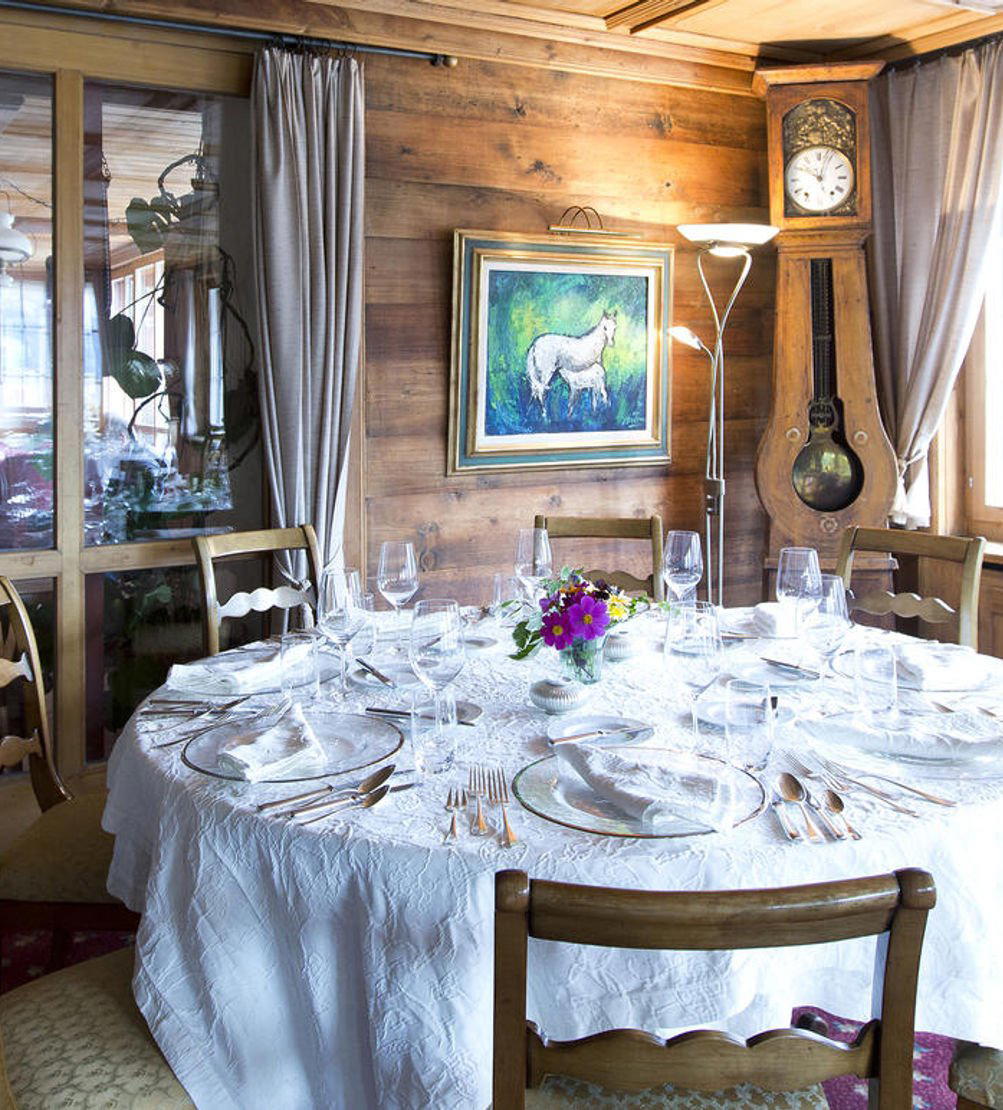
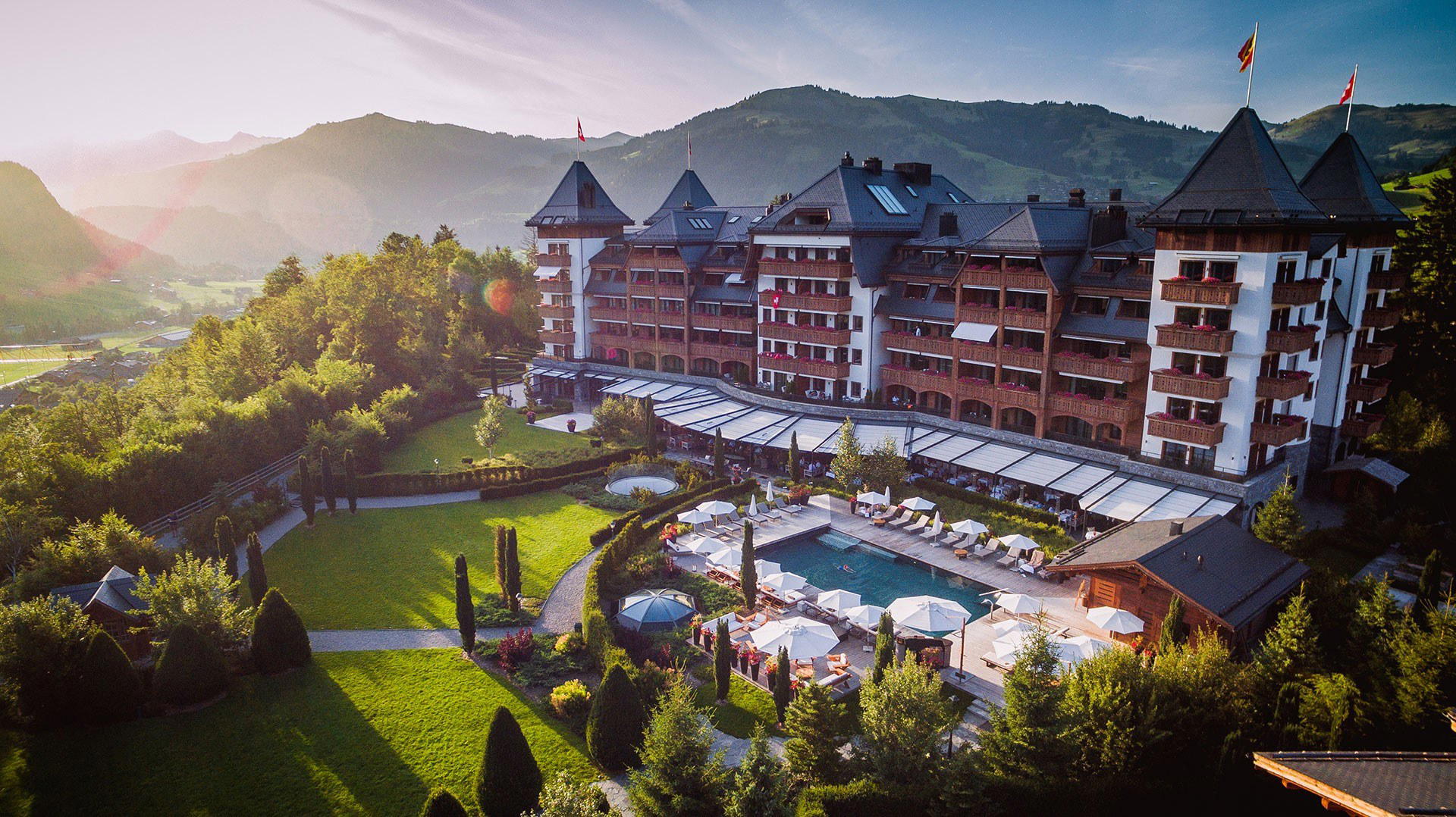
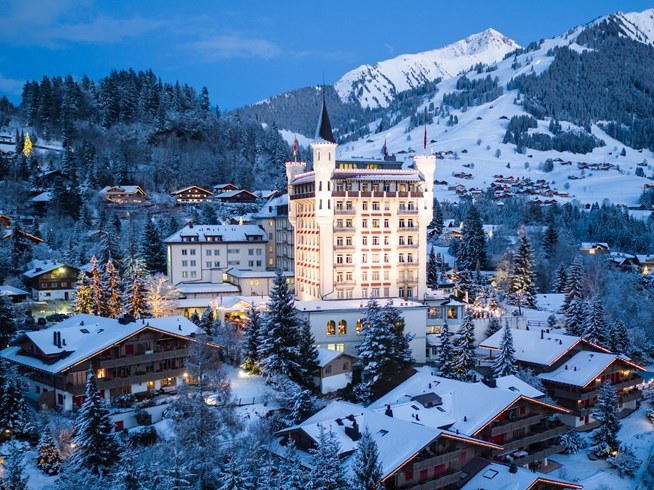
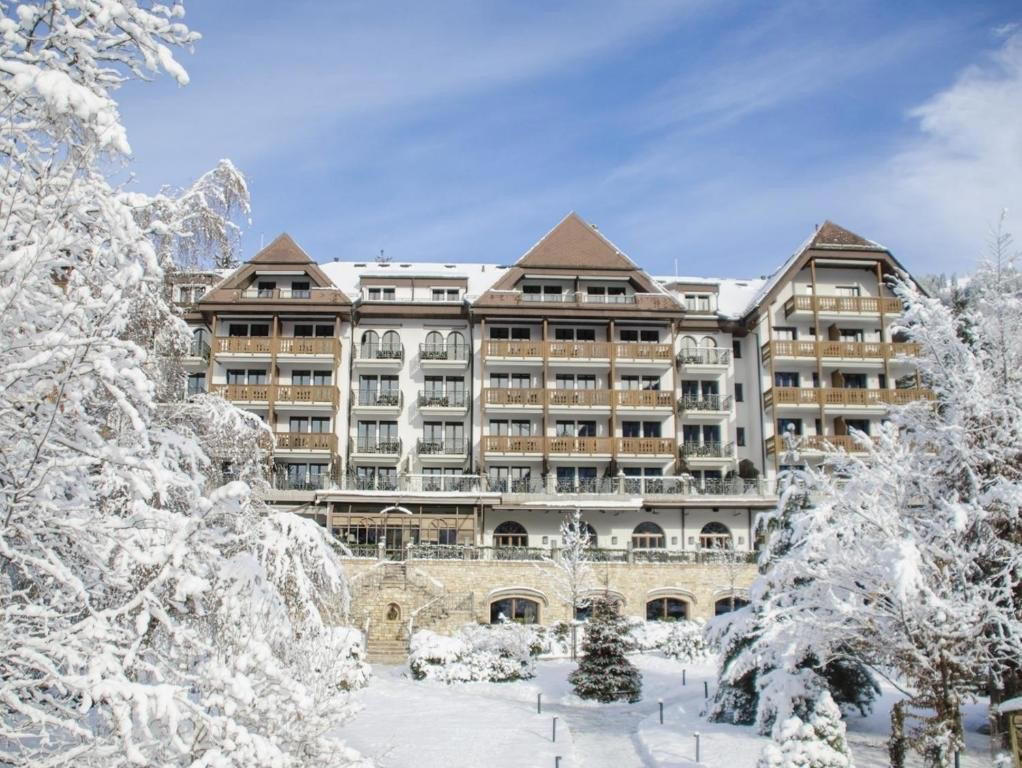
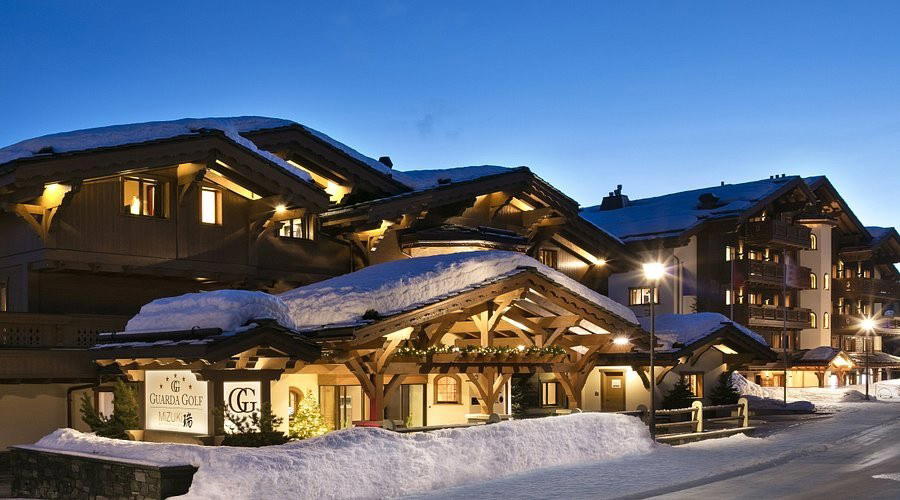
Approaching the Alpenrose along Dorfstrasse, the building reads as a well-kept Bernese chalet: timber detailing, window boxes, and a façade that sits comfortably against the surrounding peaks. The interior follows what the Swiss call a gepflegte Gemütlichkeit: a groomed version of Alpine warmth that stops short of kitsch. Pale wood, soft lighting, and considered table settings push the dining room toward the boutique end rather than the rustic. The terrace overlooking the mountains adds a dimension that no interior can replicate: at altitude in clear weather, eating outdoors in the Oberland carries a different quality of light and air than almost any lowland terrace in Switzerland. It is the kind of detail that justifies timing a visit around a clear summer evening rather than defaulting to an indoor booking.
Ingredient Logic at Altitude
Alpine cuisine at its most convincing is defined by compression: a short growing season, a limited but intensely flavoured set of local ingredients, and the discipline to work with rather than around those constraints. The menu at Azalée reflects that logic. The porcini ravioli with Alpine cheese, shallots, and sun-dried tomatoes is a dish that locates itself immediately in the surrounding terrain. Porcini are a late-summer and autumn constant in these forests; Alpine cheese in the Oberland carries the mineral character of high-altitude pasture; and the combination with shallots and sun-dried tomatoes suggests a kitchen that understands how to balance earthy depth with acidity without reaching for imported complexity.
The perch fillet in rice paper with green asparagus, verjuice, sorrel, and gnocchi makes a different argument. Perch from Swiss lakes, particularly Lac Léman and the lakes of the Mittelland, is one of the country's genuinely distinctive freshwater ingredients, and the pairing with verjuice and sorrel places it in a French-influenced register that has long been part of the Swiss kitchen's vocabulary. The rice paper wrapper introduces an element of textural contrast that keeps the dish from reading as purely classical. Taken together, these two dishes suggest a kitchen that positions its contemporary interventions on top of a grounded regional base rather than using technique to detach the food from its geography.
This approach connects to a broader pattern in Swiss fine dining. Restaurants like Schloss Schauenstein in Fürstenau and Memories in Bad Ragaz have made regional ingredient integrity a primary signal of quality at the top end of the market. focus ATELIER in Vitznau and IGNIV Zürich by Andreas Caminada operate in a similar register, albeit at a different price tier and with more international exposure. Azalée works in the same tradition but within a village context, which gives it a different kind of coherence: the sourcing isn't a statement, it is simply the most practical response to where the kitchen is located.
Menu Architecture: Flexibility as a Feature
The dual tasting menu structure, running a conventional and a vegetarian track in parallel, has become a meaningful differentiator in Alpine dining over the past decade. Vegetarian tasting menus in Switzerland have moved well beyond token inclusion, partly because the country's dairy and grain culture gives a kitchen genuine raw materials to work with at that level. Offering both menus with the option to order individual dishes à la carte is a format decision that widens the restaurant's accessibility without fragmenting its identity. It is the kind of structural flexibility that works particularly well in a hotel restaurant, where guests may have varying appetites and dietary starting points on any given evening.
The seasonal dimension adds another layer: in summer, a pared-down version of the Sammy's Grill menu supplements Azalée's offer. Sammy's Grill, operating as a separate winter concept within the same property, represents the kind of format discipline that keeps a hotel restaurant coherent across seasons rather than diluting itself into year-round generalism. Summer guests access a lighter, grill-oriented register; winter guests get the fuller format. That seasonal switching is common across serious Alpine properties and, when executed well, keeps the kitchen focused on what each season actually offers.
Service and the Family Model
In Swiss hotel dining, service quality often tracks ownership structure more closely than it tracks price tier. Properties run directly by families or proprietors rather than by hotel management companies tend toward the kind of attentiveness that comes from long-term personal investment in the guest experience. The Von Siebenthal model, with the proprietress and her daughter directly involved in front-of-house, fits that pattern. It is a service style that reads as genuinely warm rather than procedurally correct, which is a distinction that matters at altitude, where the difference between a good evening and a merely competent one often comes down to that register.
How Azalée Sits in the Wider Swiss Context
Switzerland's leading restaurant tier has grown significantly more concentrated in recent years, with properties like Hotel de Ville Crissier in Crissier, Cheval Blanc by Peter Knogl in Basel, and 7132 Silver in Vals drawing destination diners from across Europe. Azalée operates below that tier and makes no attempt to compete with it. In that context, it is a reliable choice for visitors whose primary reason for being in Schönried is the mountains rather than the dining circuit, but who want the evening meal to reflect the quality of the surrounding environment.
For a complete picture of what the area offers beyond the restaurant, our full Schönried hotels guide covers accommodation options including the Alpenrose itself, while our Schönried bars guide, wineries guide, and experiences guide round out the picture for a longer stay.
Comparisons further afield are worth keeping in perspective. The precision of a lake-fish dish at Azalée shares a certain ingredient logic with the way Le Bernardin in New York City or La Brezza in Ascona approach aquatic proteins, even if the scale and ambition differ considerably. The underlying principle, that a single well-sourced ingredient served with restraint carries more information than a technically complex dish built on undistinguished raw material, travels across price tiers and geographies.
Planning a Visit
Azalée is on Dorfstrasse 14 in Schönried, accessible by train to Schönried station on the MOB Golden Pass line with a short walk from the platform. Summer visits allow access to the mountain-facing terrace, which makes timing around clear weather worth considering if flexibility exists. The menu's à la carte option means a full tasting menu commitment is not required, which lowers the threshold for a spontaneous booking. Guests staying at the Alpenrose have the obvious advantage of proximity, but the restaurant draws diners from the wider Gstaad area as well. Given the proprietress and her daughter's direct involvement in service, the experience tends to be consistent rather than variable across visits.
Frequently asked questions
Is Azalée child-friendly?
The family-run structure of the Von Siebenthal operation generally means a more accommodating attitude toward younger guests than you would find at a strictly formal dining room. The hotel-restaurant format at the Alpenrose on Dorfstrasse 14 also supports a relaxed pace. That said, the elegant traditional setting and tasting menu format are calibrated primarily for adult dining rather than casual family meals.
Is Azalée better for a quiet night or a lively one?
Azalée reads clearly as a quiet-evening destination. The setting is a boutique hotel dining room in a small Bernese Oberland village, and the tasting menu format and elegant traditional interior reinforce that register. The summer terrace overlooking the mountains adds atmosphere without noise, making it a strong choice for unhurried conversation over a structured meal.
Is Azalée Michelin-listed?
Azalée has received recognition including: The Von Siebenthal family welcomes you with dedication and genuine hospitality – both at the stylish Boutique-Hotel Alpenrose and in the restaurant. In an elegant traditional setting, diners tuck into classic cuisine with a contemporary twi….
What's the best thing to order at Azalée?
Of the two confirmed dishes on the menu, the perch fillet in rice paper with green asparagus, verjuice, sorrel, and gnocchi shows the kitchen's ability to move between regional product and lighter contemporary technique. The porcini ravioli with Alpine cheese, shallots, and sun-dried tomatoes makes the stronger case for the vegetarian track. Both are available à la carte alongside the tasting menus.
What part of town is Azalée in?
Azalée is located at Dorfstrasse 14, Schönried.
Side-by-Side Snapshot
Comparable venues nearby, for context on price, style, and recognition.
| Venue | Cuisine | Price | Awards | Notes |
|---|---|---|---|---|
| AzaléeThis venue (the venue you are viewing) | Classic French Fine Dining with Swiss Regional Specialties | Not listed | Michelin Plate | Not listed |
| ERMITAGE Stuben | Local Mediterranean with Swiss Influences | Not listed | Not listed | Schönried |
| Les Jardins de la Tour | Creative French Fine Dining with Local Garden Ingredients | $150–200 | Michelin Plate | Rossinière |
| Esprit par Guy Ravet | Modern French Fine Dining | Not listed | Michelin Plate · Relais Chateaux Award | Vevey |
| Restaurant Hôtel de Ville | Modern French Fine Dining | Not listed | Michelin Plate | Old Town |
| Le Jardin des Alpes | Modern French Fine Dining with Swiss Terroir | $150–200 | Michelin Plate | Villars-sur-Ollon |
Recognition history
Dated appearances from independent guides and award organizations, with the underlying list record or original source where available.
Michelin Plate
Michelin · 2026 Michelin Plate
Continue exploring
More in Schönried
Restaurants in Schönried
All restaurants in Schönried →
Bars in Schönried
Browse all →

Details
- Cozy
- Elegant
- Classic
- Intimate
- Scenic
- Date Night
- Special Occasion
- Terrace
- Hotel Restaurant
- Extensive Wine List
- Local Sourcing
- Mountain
- A La Carte
Current opening hours
- Monday
- Closed
- Tuesday
- Closed
- Wednesday
- 7–10 PM
- Thursday
- 12–2 PM, 7–10 PM
- Friday
- 12–2 PM, 7–10 PM
- Saturday
- 12–2 PM, 7–10 PM
- Sunday
- 12–2 PM, 7–10 PM
Hours can change for holidays and private events. Hours as of .
Cozy wooden panelled dining room with a fireplace, elegant chalet atmosphere, warm lighting, and authentic Swiss charm.