ERMITAGE Stuben
Our verdict
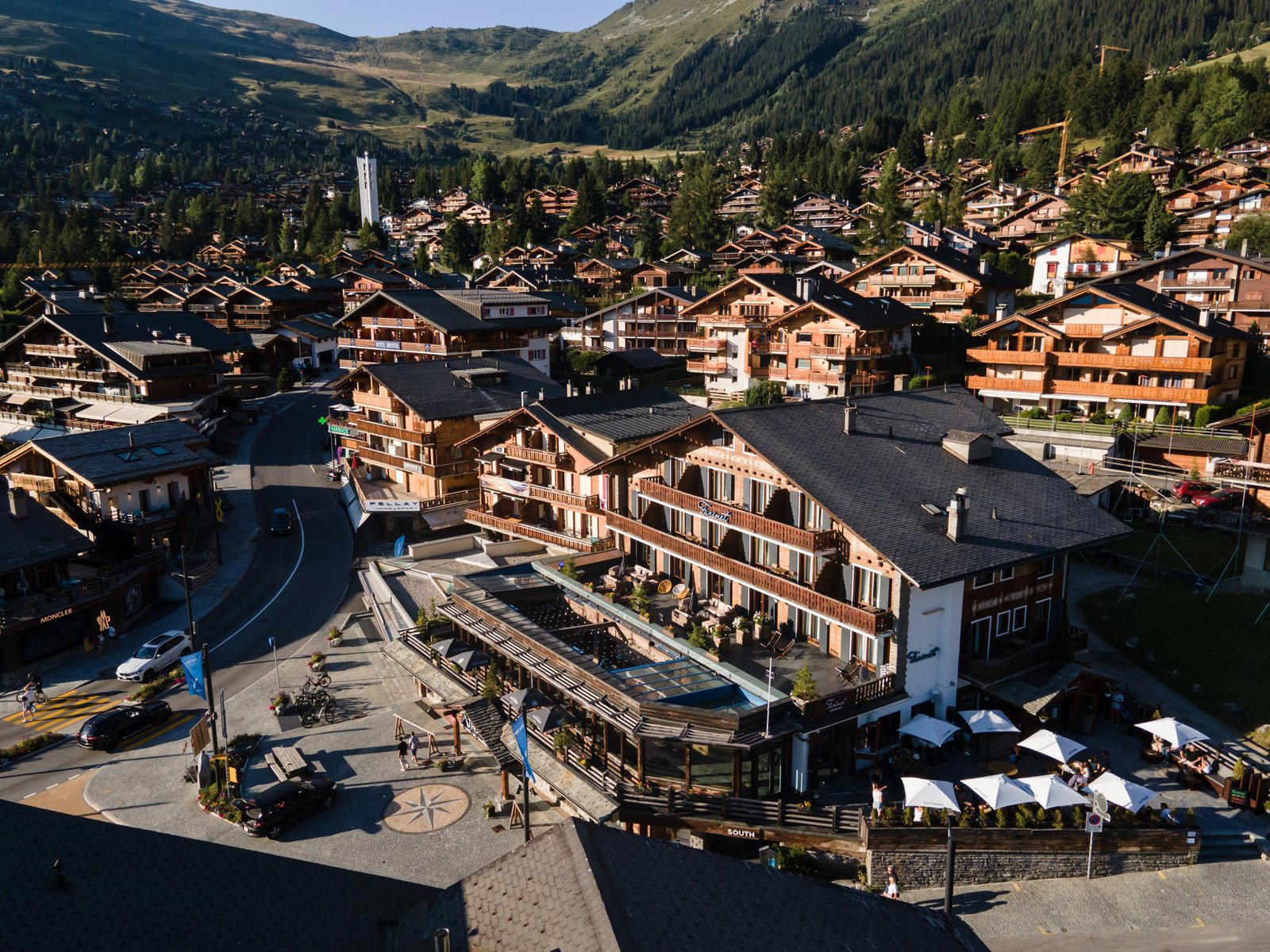
ERMITAGE Stuben sits in the alpine village of Schönried, in the Bernese Oberland region that has quietly become one of Switzerland's most serious dining corridors. The Stuben format, a warm, wood-panelled room rooted in the tradition of the Swiss mountain inn, frames cooking where regional sourcing and alpine terrain are the starting points, not the decoration. For travellers moving between Gstaad and the Saanenland valley, it anchors the local dining picture.

Pearl is the En Primeur Club membership app, where members save venues, book tables and use the concierge.
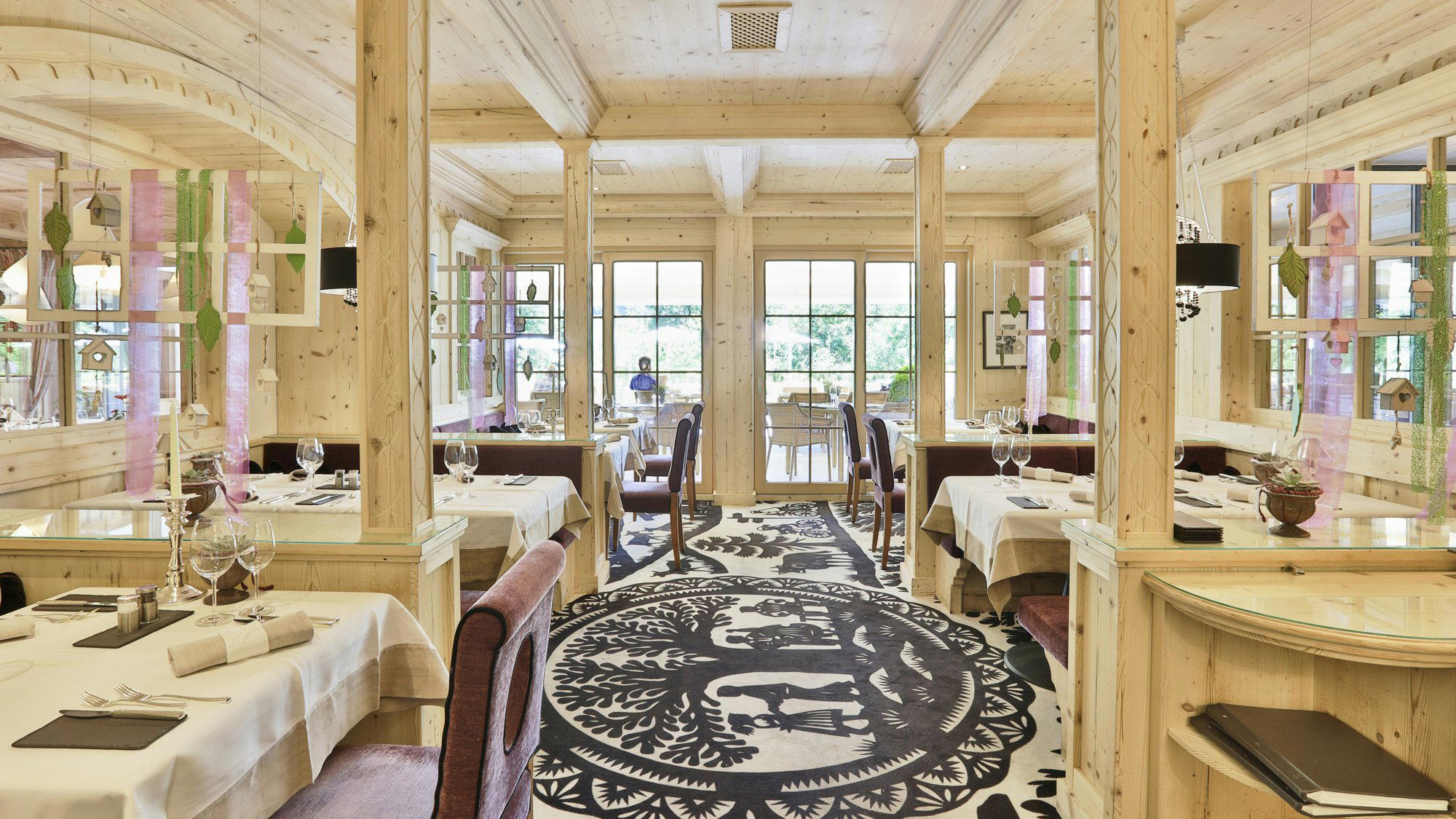
Where the Bernese Oberland Puts Ingredients First
The alpine Stuben tradition is one of Switzerland's most durable dining formats. At its core, a Stuben is a panelled room built for warmth against mountain winters, where the table is an extension of the surrounding landscape rather than a retreat from it. Schönried, a village that sits just above Gstaad in the Saanenland valley, holds several establishments that operate in this tradition, and ERMITAGE Stuben at Dorfstrasse 46 belongs to that local grammar, a setting where the physical environment and what arrives at the table are expected to be in conversation.
The Bernese Oberland has developed a dining reputation that extends well beyond its ski-resort associations. While much of the attention in Swiss fine dining gravitates toward urban centres and their Michelin-flagged kitchens, the mountain corridor running through Gstaad and its satellite villages has cultivated a different kind of seriousness: one rooted in proximity to raw materials. Dairy farms, alpine pastures, local butchers, and short seasonal windows shape what kitchens here can credibly offer. That constraint, far from limiting the cooking, tends to make it more disciplined.
The Sourcing Logic of Mountain Cooking
Across Switzerland's alpine dining rooms, the question of ingredient provenance has moved from background assumption to active editorial point. Kitchens operating at the serious end of the Bernese Oberland's spectrum, from village Stuben to the more formally structured restaurants in the broader Saanenland, increasingly frame their menus around what the surrounding region produces at a given moment in the calendar year. In this context, sourcing is not a marketing posture but a structural necessity: the supply chain is short because the logistics of remote mountain supply demand it.
Switzerland's alpine zones sit at the intersection of several productive traditions. The Saanenland valley produces milk that feeds some of the country's most recognised cheese-making, and the surrounding farmland supplies herbs, game, and vegetables through a compressed but intensive growing season. For a kitchen in Schönried, working with these materials is the path of least resistance and the most honest expression of place. The alternative, importing from distant suppliers to construct a menu disconnected from the surrounding terrain, tends to read as incongruous in a room this close to the pastures that produced the cream in the sauce.
This sourcing logic is what separates mountain Stuben cooking from Alpine-themed restaurants in cities. The distance between raw material and plate, measured in kilometres and hours rather than supply-chain stages, is the defining structural fact. That immediacy shows up in texture, in season-specific ingredient lists, and in the rhythm of what a kitchen chooses to offer as the year moves from late-winter through summer pasture season and into the autumn game period. Travellers familiar with how Memories in Bad Ragaz or focus ATELIER in Vitznau handle regional Swiss produce will recognise the underlying discipline, even as the register shifts from formal tasting-menu architecture to the more immediate warmth of a Stuben setting.
Schönried Inside the Swiss Fine Dining Map
Switzerland's restaurant geography has a particular shape. The three-Michelin-star tier, represented by kitchens like Hotel de Ville Crissier in Crissier, Schloss Schauenstein in Fürstenau, and Cheval Blanc by Peter Knogl in Basel, is spread across the country in a way that rewards deliberate travel. Below that top tier, a wide band of serious regional cooking operates at the one- and two-star level and in award-adjacent territory, much of it anchored to specific landscapes and their produce.
The Saanenland and Gstaad corridor belongs to this regional tier, and Schönried's position just above the valley floor gives it a particular character. The village is small enough that dining options are limited in number but consistent in seriousness, a pattern also visible in nearby Rougemont, where La Table du Valrose operates in a comparable register. For visitors sequencing a broader Swiss itinerary, pairing a Schönried meal with tables elsewhere in the mountain corridor, or extending toward the Graubünden kitchens further east like Da Vittorio - St. Moritz in St. Moritz, creates a coherent picture of how alpine Switzerland approaches serious cooking from different angles.
Within Schönried itself, the dining picture includes Azalée, and the broader local scene is covered in our full Schönried restaurants guide. The village's scale means that each restaurant carries more weight in defining the local character than it would in a larger city.
The Stuben Format and What It Asks of a Kitchen
The Stuben room, typically low-ceilinged, wood-panelled, lit by warmth rather than design, creates a particular set of expectations. It is not a neutral canvas. The format implies a relationship between cooking and comfort, between the formality of technique and the informality of a room that reads as domestic rather than theatrical. Swiss kitchens that operate well in this format understand that the cooking must be confident enough to hold attention without the visual scaffolding of a contemporary fine-dining room. The food has to earn its place through flavour and material quality, not plating complexity.
This is a format that has produced some of Switzerland's most interesting cooking over the past two decades, precisely because the constraint is productive. Kitchens at tables like Taverne zum Schäfli in Wigoltingen and Maison Wenger in Le Noirmont have demonstrated that the informal room can carry ambitious cooking without contradiction. The Stuben, at its finest, makes the food feel inevitable rather than constructed, a quality that is harder to achieve than it appears.
For comparison, consider how differently the same sourcing ambition reads when expressed through the architectural language of a modernist tasting-menu kitchen, as at Einstein Gourmet in Sankt Gallen or Mammertsberg in Freidorf. The ingredients may share a regional logic, but the room changes what they mean. In a Stuben, the alpine context is present in the space itself, not just on the plate.
Planning a Visit to Schönried
Schönried is accessible from Gstaad by road and rail, with the Montreux–Oberland-Bernois (MOB) railway running through the Saanenland valley. The village sits at approximately 1,230 metres, and the broader Gstaad ski area makes it a natural winter destination, though the summer hiking and cycling season draws a distinct clientele for whom the long mountain days and cooler temperatures define the experience. Timing a visit to ERMITAGE Stuben around the shoulder seasons, late autumn before the main ski influx, or early summer when local produce is at its most active, tends to offer a more considered pace than the peak winter period.
Given the village's scale and the concentration of serious dining in a small number of rooms, booking ahead is advisable rather than optional. Schönried operates on a rhythm set by the mountain calendar, and kitchens here plan their sourcing and service around the seasons in ways that reward advance planning. Those constructing a broader Swiss fine dining itinerary might also consider tables at Skin's - the restaurant in Lenzburg or La Brezza in Ascona as part of a longer journey through the country's regional cooking spectrum.
Frequently asked questions
Does ERMITAGE Stuben work for a family meal?
The Stuben format, with its wood-panelled rooms and unhurried pace, has historically been a family dining context across the Swiss alps rather than a strictly adult fine-dining setting. Schönried is a village destination, and the Dorfstrasse address places ERMITAGE Stuben at the heart of a community where multigenerational meals are a regular occasion.
What is the atmosphere like at ERMITAGE Stuben?
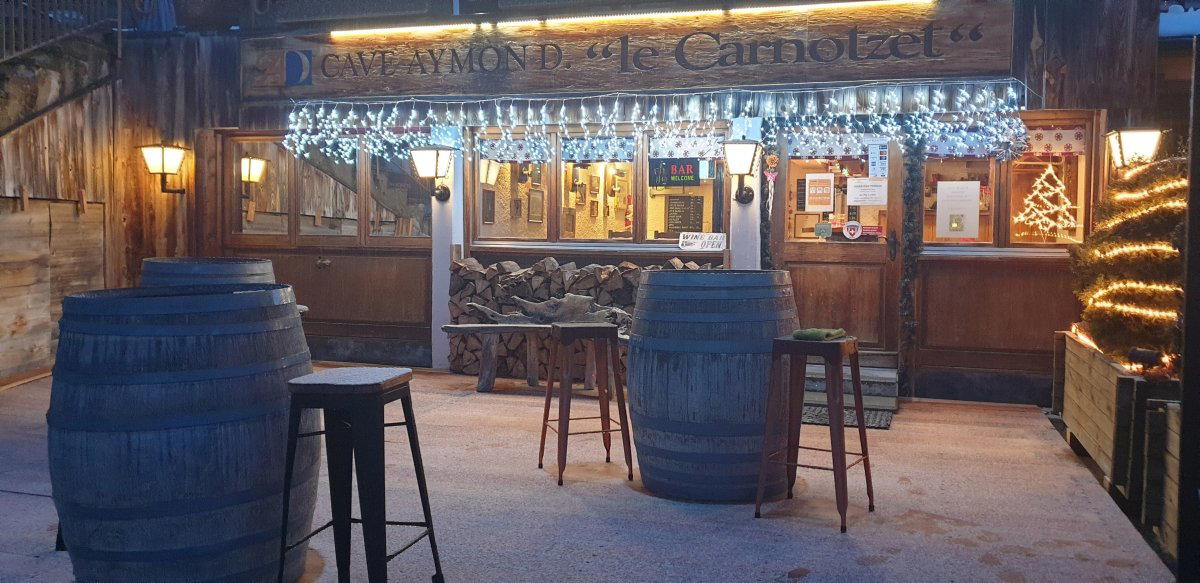
A traditional Stuben room is defined by low ceilings, warm timber panelling, and lighting that prioritises comfort over theatrical effect, the architectural opposite of a metropolitan tasting counter. At Schönried's altitude, that format takes on additional weight: the room is designed to hold warmth against the Bernese Oberland winter. The result is a setting that reads as deliberately grounded rather than formally composed.
How does ERMITAGE Stuben relate to the broader Gstaad dining scene?
Schönried sits immediately adjacent to Gstaad along the MOB railway line through the Saanenland valley, placing ERMITAGE Stuben within the same resort corridor as some of Switzerland's most closely watched seasonal dining rooms. Where Gstaad hotel restaurants often skew toward international clientele and resort-driven menus, a village Stuben at Dorfstrasse 46 in Schönried operates closer to the local community rhythm, a different register within the same geographic dining cluster.
What's the best thing to order at ERMITAGE Stuben?
Specific menu items and dish descriptions are not available in current documentation for ERMITAGE Stuben. The broader alpine Stuben tradition in Switzerland emphasises regional produce and mountain-sourced ingredients, which typically shapes the kitchen's priorities across seasonal menus.
Where is ERMITAGE Stuben in Schönried?
ERMITAGE Stuben is located at Dorfstrasse 46, 3778 Schönried, Switzerland, Schönried.
Do I need a reservation for ERMITAGE Stuben?
Schönried sits within the Gstaad resort area, a destination that draws significant visitor traffic across both winter ski season and summer Alpine periods, demand that consistently pressures table availability at smaller village restaurants. Booking ahead is the practical approach for any visit to a Stuben-format dining room in a resort village of this profile.
What's the defining dish or idea at ERMITAGE Stuben?
The defining idea at ERMITAGE Stuben is structural rather than tied to a single dish: the Stuben format itself imposes a logic of intimacy and locality that shapes what a kitchen can and should do. In the Swiss alpine context, that means the room and the sourcing work as a single argument, warmth, wood, and produce pulled from the surrounding Bernese Oberland.
| Venue | Cuisine | Price | Awards | Notes |
|---|---|---|---|---|
| ERMITAGE StubenThis venue (the venue you are viewing) | Local Mediterranean with Swiss Influences | Not listed | Not listed | Not listed |
| Schloss Schauenstein | Creative Swiss Country Fine Dining | $300–500 | 3 Michelin Stars · World's 50 Best #52 | Modern European, Creative |
| Memories | Modern Swiss Alpine Cuisine | $300–500 | 3 Michelin Stars · La Liste Top Restaurants | Modern Swiss |
| focus ATELIER | Modern French Fine Dining | $200–300 | 2 Michelin Stars · La Liste Top Restaurants | Modern Swiss, Creative |
| Taverne zum Schäfli | Classic French Fine Dining with Creative Accents | $200–300 | 2 Michelin Stars · La Liste Top Restaurants | Swiss, Creative |
| Magdalena | Modern Vegetarian Fine Dining | $200–300 | 2 Michelin Stars · La Liste Top Restaurants | Alpine-Vegetarian, Modern Cuisine |
Continue exploring
More in Schönried
Restaurants in Schönried
All restaurants in Schönried →
Bars in Schönried
Browse all →

Details
- Cozy
- Elegant
- Classic
- Scenic
- Special Occasion
- Hotel Restaurant
- Panoramic View
- Terrace
- Craft Cocktails
- Local Sourcing
- Mountain
- A La Carte
- Vegetarian Friendly
- Gluten Free Options
Current opening hours
- Monday
- 12–2 PM, 7–10 PM
- Tuesday
- 12–2 PM, 7–10 PM
- Wednesday
- 12–2 PM, 7–10 PM
- Thursday
- 12–2 PM, 7–10 PM
- Friday
- 12–2 PM, 7–10 PM
- Saturday
- 12–2 PM, 7–10 PM
- Sunday
- 12–2 PM, 7–10 PM
Hours can change for holidays and private events. Hours as of .
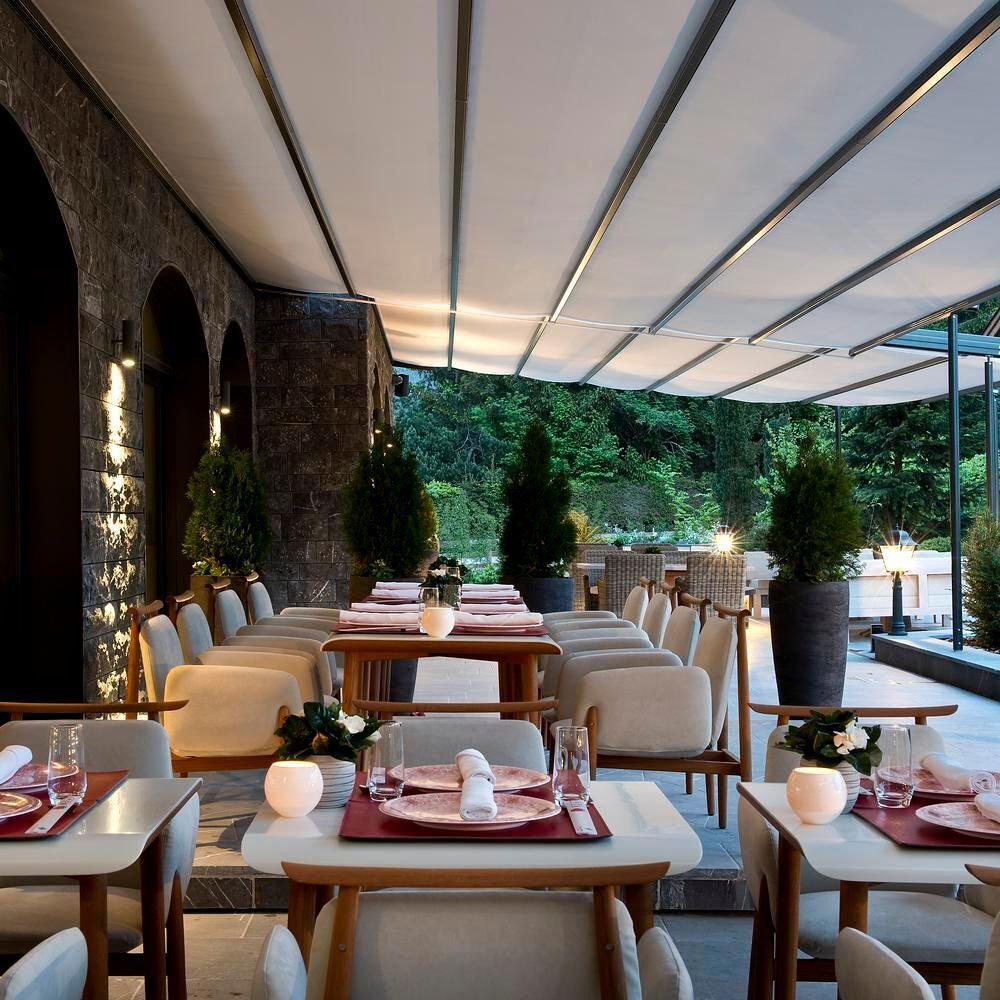
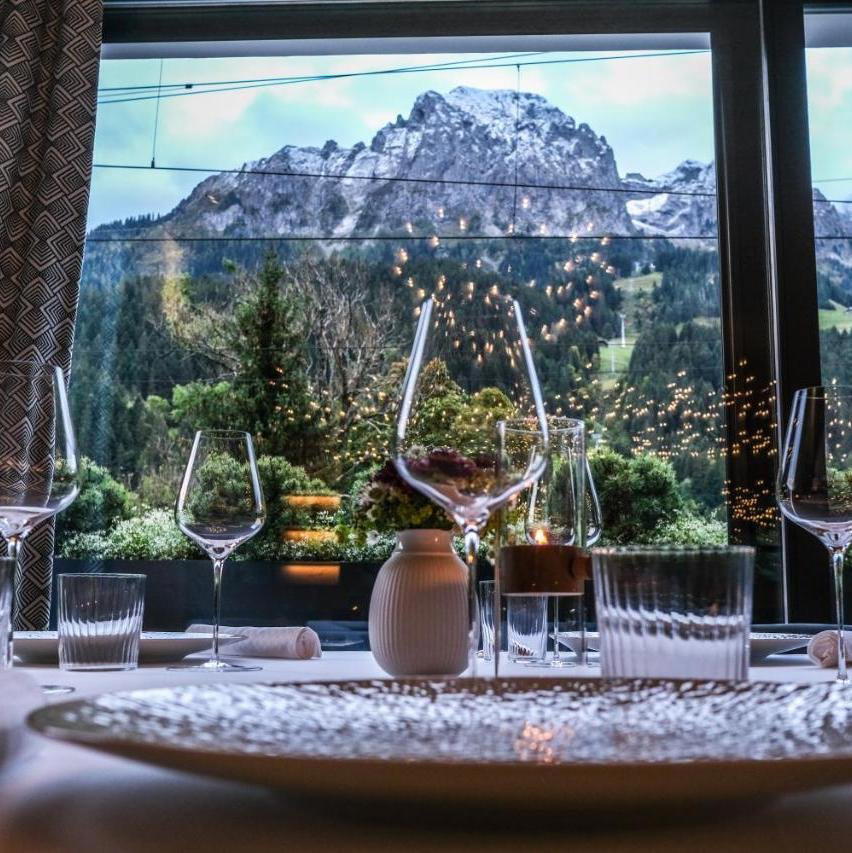
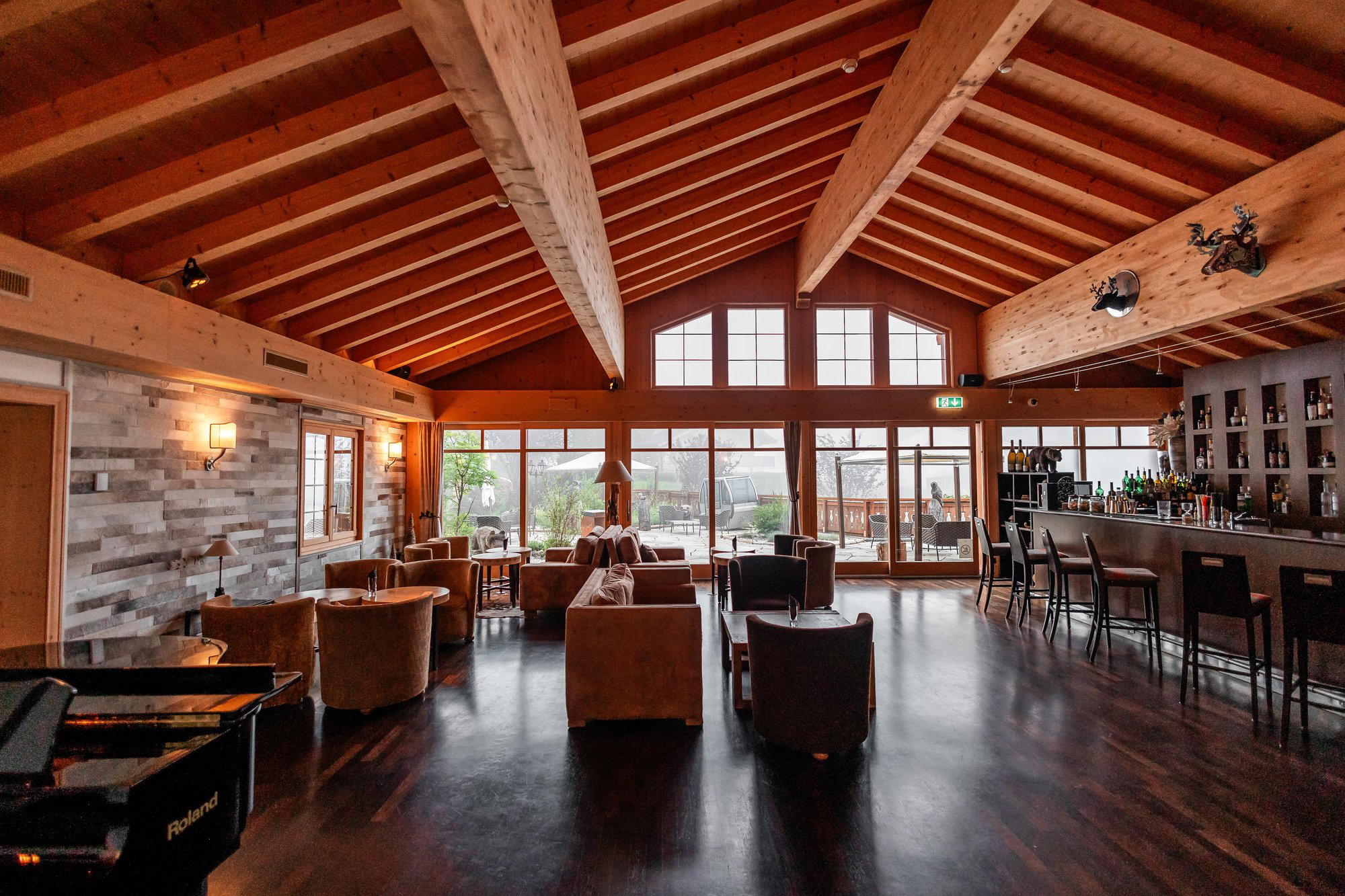
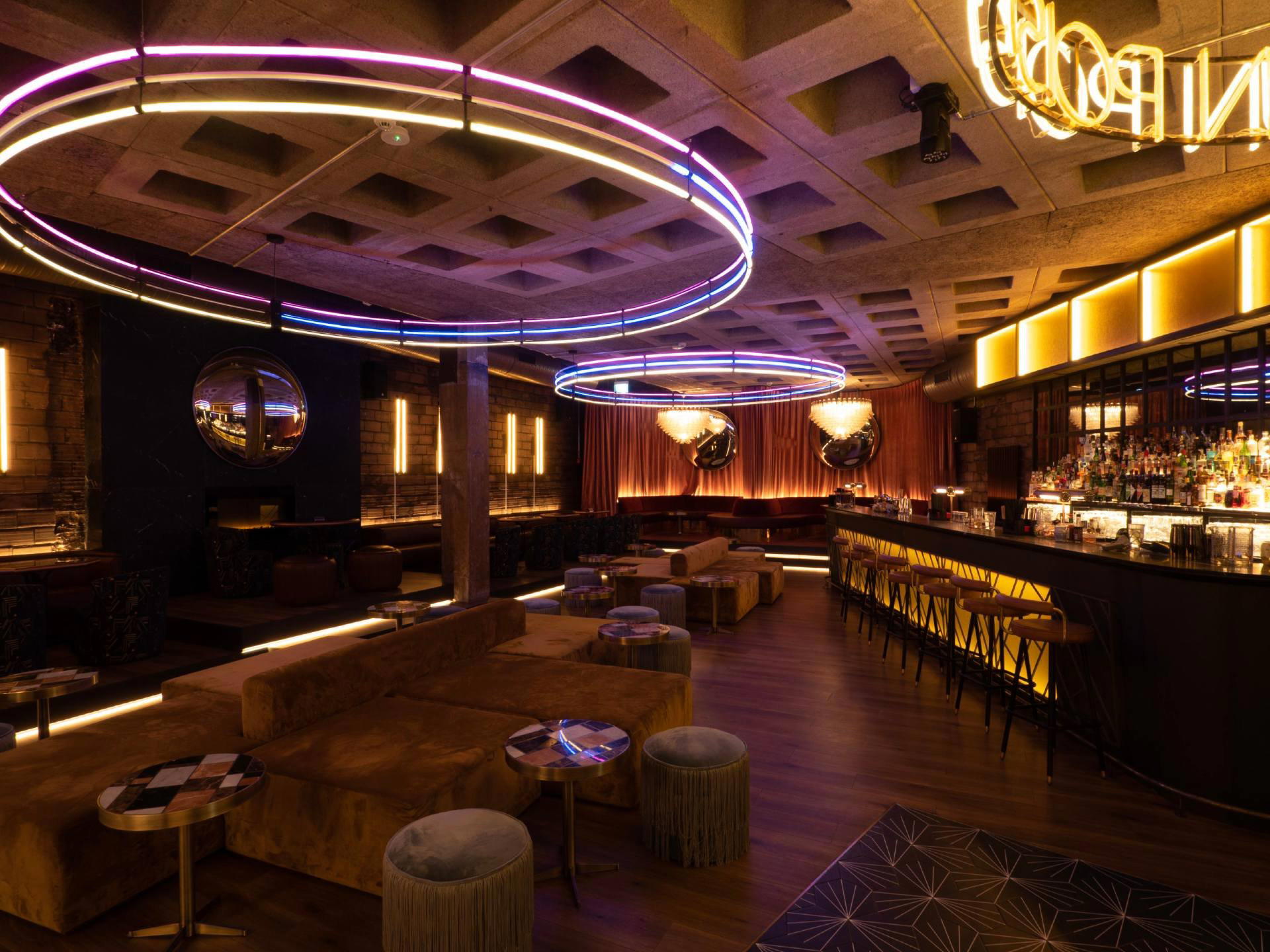
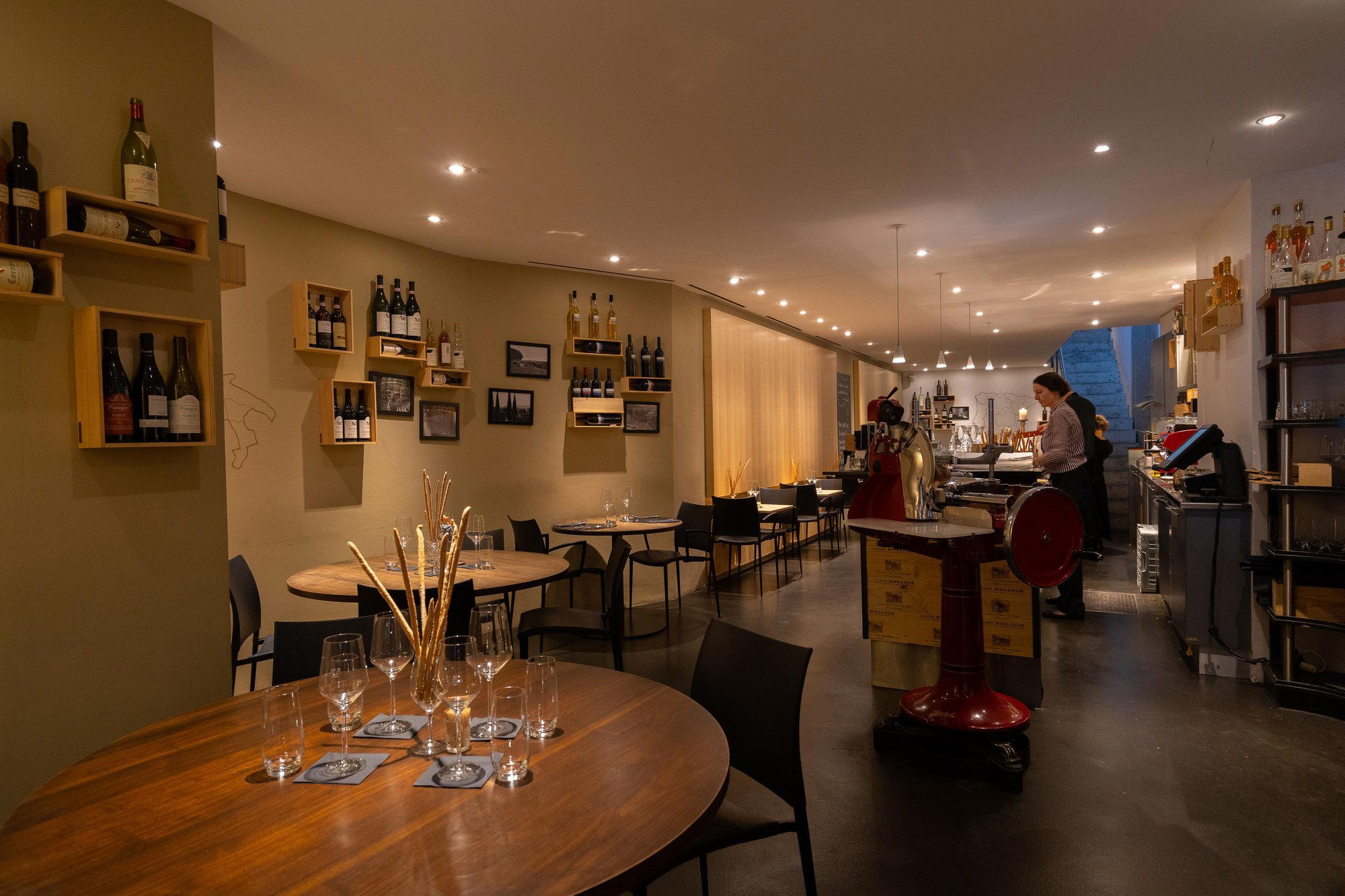
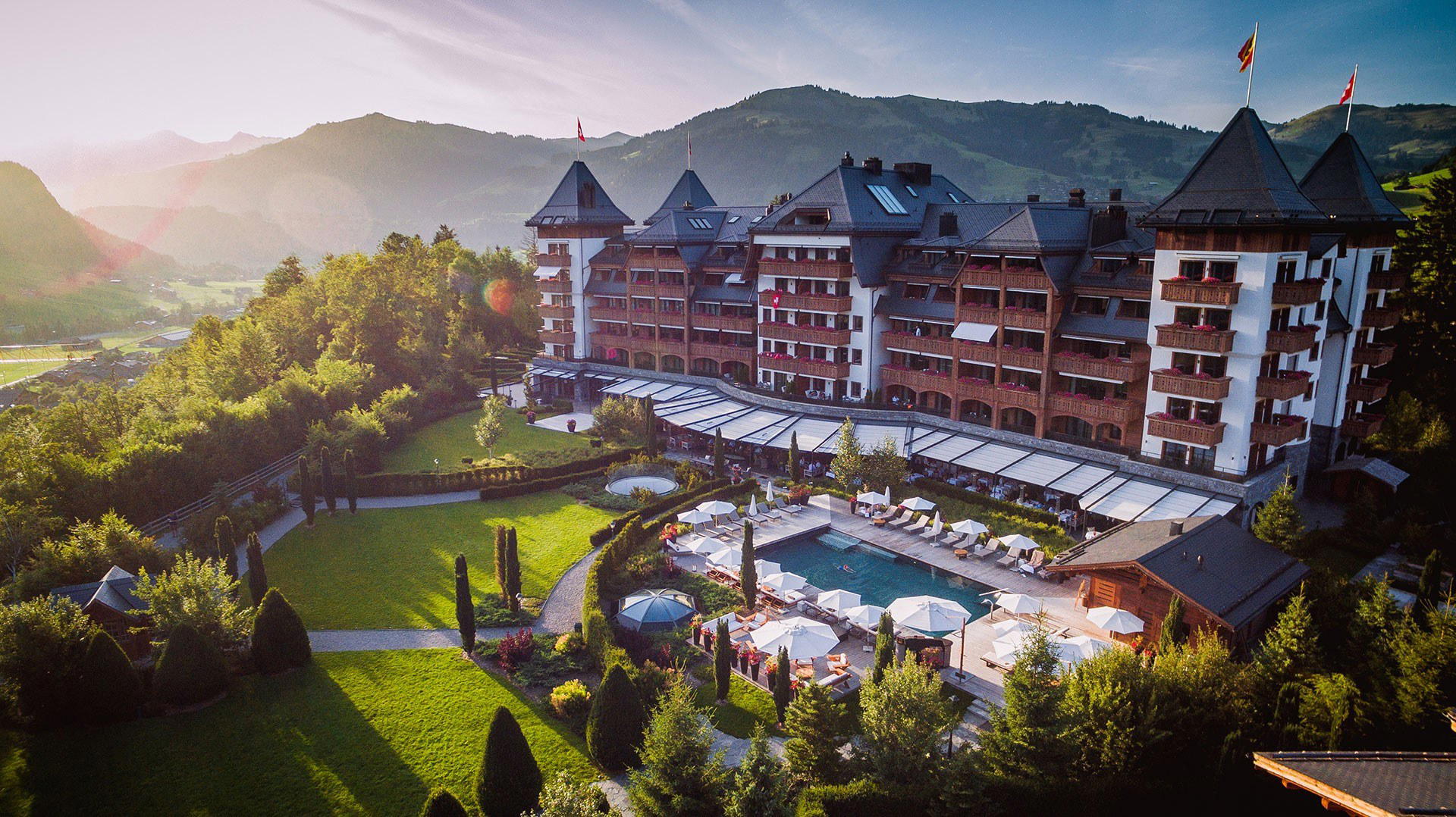
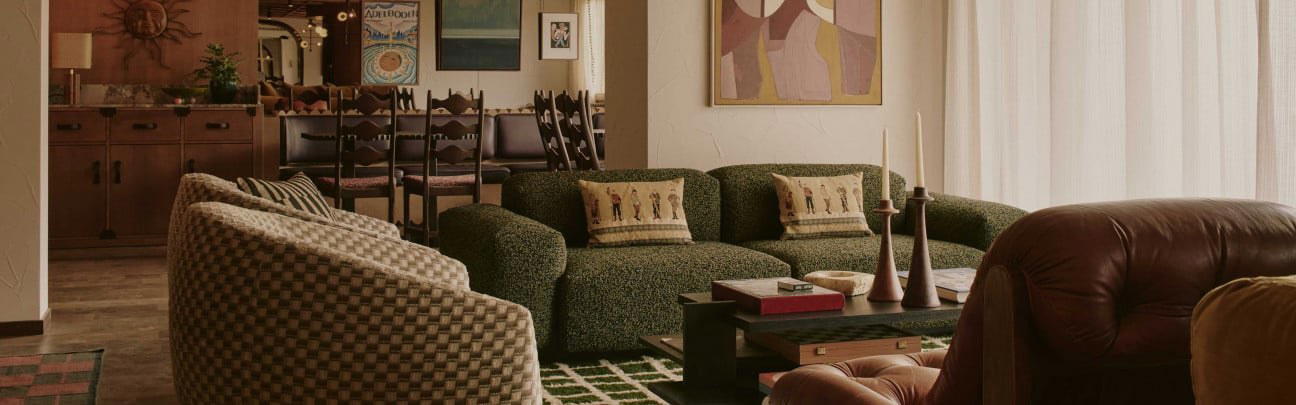
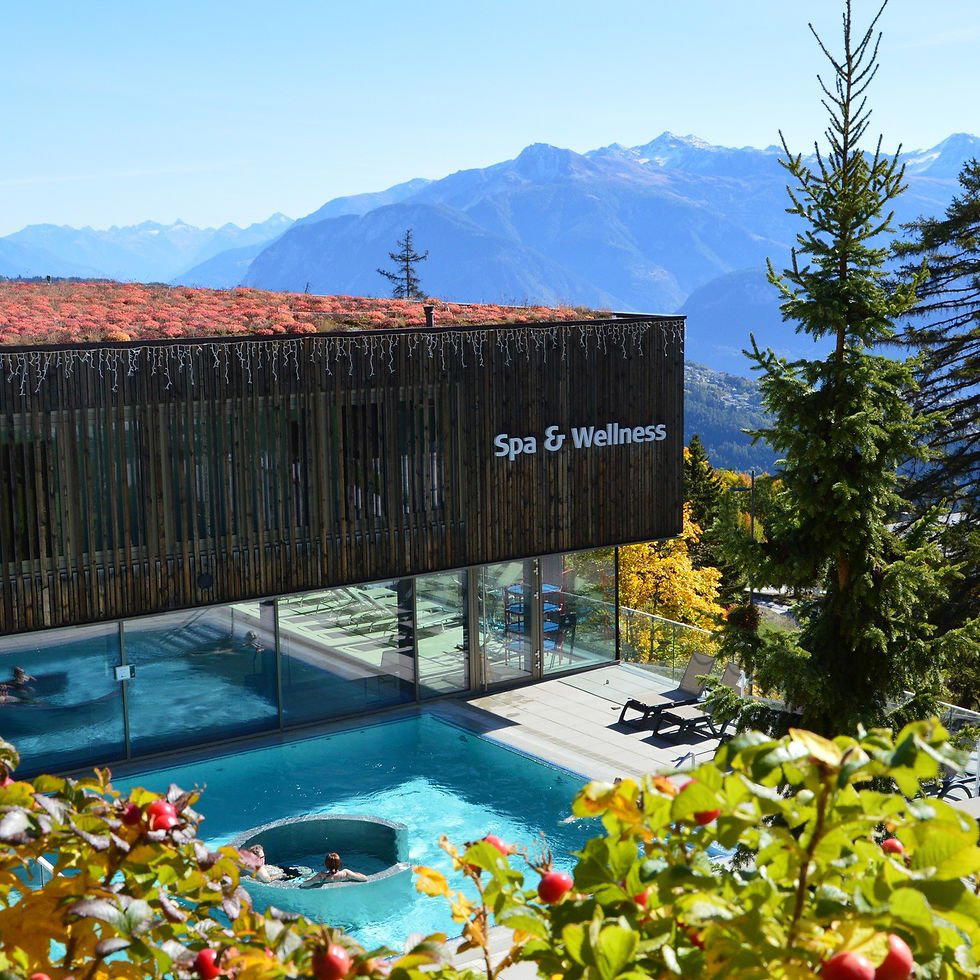
Cozy and elegant atmosphere combining traditional Swiss chalet style with contemporary design, featuring panoramic windows and a homey feel.