Les Jardins de la Tour

A 19th-century house on a quiet Rossinière street, Les Jardins de la Tour offers three- and four-course menus built around fresh regional produce, from seared foie gras with peaches to freshly caught zander. The wood-burning stove, small tables, and attentive service from Christelle Huguenin create a pace that most alpine restaurants, however accomplished, rarely manage. Book ahead, especially for a terrace table.
Pearl is the En Primeur Club membership app — saves, bookings, and concierge access live there. Same editors, same standards.
- Address
- Rue de la Placette 16
- Phone
- +41 26 558 50 53
- Website
- lesjardinsdelatour.ch
- Directions
- Get directions
 Saves & bookings on Pearl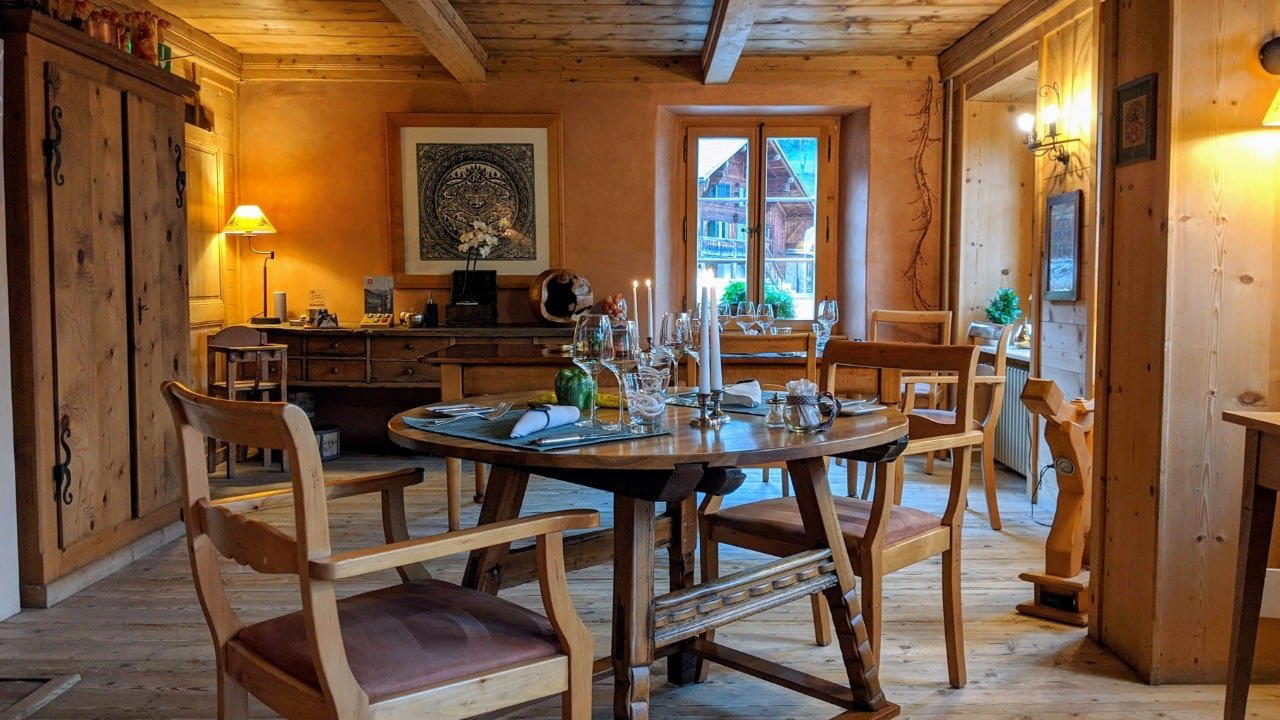
A 19th-Century House and What It Chooses to Cook
Rossinière sits in the Pays-d'Enhaut, a stretch of the Vaud pre-Alps where the valley villages have kept their large painted chalets and resisted the resort-hotel logic that shaped so much of the Swiss mountain interior. Dining here operates on a different register from the Michelin-dense circuits around Geneva or the Hotel de Ville Crissier in Crissier end of the canton. The ambition is quieter, the sourcing more local, and the measure of a good meal is proximity to the landscape rather than distance from it. Les Jardins de la Tour, at Rue de la Placette 16, sits squarely inside that logic. The building is a 19th-century house, wood-rich and chic-rustic in its appointment, the kind of interior that takes decades of considered accumulation to achieve. In winter, a wood-burning stove anchors the room. In warmer months, the alfresco option shifts the experience outside entirely, and bookings for those terrace seats are advised well in advance.
What the Menu Argues About Regional Produce
Swiss alpine cooking has two competing instincts. One looks outward, pulling in international techniques to reframe local ingredients as fine-dining propositions, a tendency visible at addresses like Schloss Schauenstein in Fürstenau or focus ATELIER in Vitznau, where creative frameworks sit around Swiss raw material. The other instinct stays closer to the ground: shorter menus, fewer interventions, produce sourced from the immediate region rather than a national network of artisan suppliers. Les Jardins de la Tour operates in this second mode. The kitchen under chef Ludovic Garnier works from a format of two menus, one at three courses and one at four, and the choices within those menus reflect what is fresh and regional rather than what a fixed seasonal concept demands.
That orientation shows up in the specific dishes that have defined the kitchen's reputation. Seared foie gras arrives paired with peaches, a pairing that only works when the fruit is at the right moment of ripeness, which means it only appears when it should. Zander, a freshwater fish common to the lakes of western Switzerland and the broader arc of the Swiss Plateau, comes freshly caught rather than sourced through a distributor who has held stock for days. The difference in texture and flavour between a zander pulled from the water that morning and one that has sat in a chill chain is significant enough that the kitchen's insistence on fresh catch reads as a structural commitment, not a marketing claim. The menu closes with a chocolate and mint preparation that shows the kitchen understands how to end a meal without overreaching.
This approach to sourcing connects Les Jardins de la Tour to a pattern seen across the more serious small-scale restaurants of the Swiss pre-Alps and Jura arc: the menu is determined by what is available locally rather than constructed first and sourced around. It is a different kind of discipline from the one practised at Memories in Bad Ragaz or Cheval Blanc by Peter Knogl in Basel, but it is no less considered. The peer comparison matters: where those kitchens operate in a register calibrated to Michelin assessment and international dining circuits, Les Jardins de la Tour prices and formats itself for the village and the valley.
The Room and How It Functions
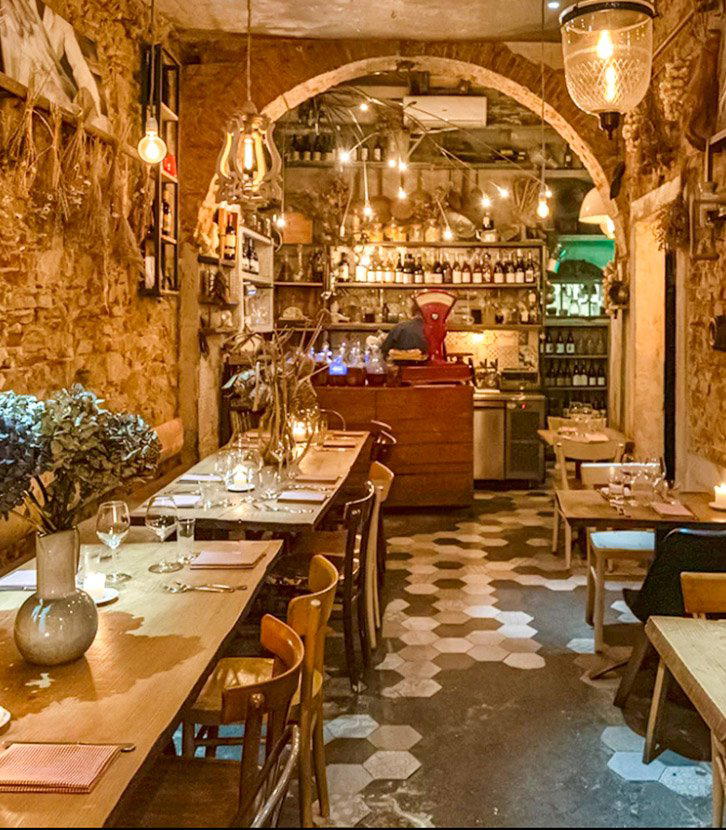
The interior is described as a snug cocoon, and the language is accurate without being sentimental. Small tables create the kind of spacing that makes conversation feel private without the room feeling sparse. The wood detailing and the stove produce a thermal and visual warmth that is particularly relevant in the alpine shoulder seasons, when the days cool faster than visitors expect. Front of house is managed by Christelle Huguenin, and the service is characterised as spot-on rather than formally choreographed, a distinction that matters in a room of this scale. A large staff operating a scripted service at small tables in a 19th-century house would create friction; the approach here is proportionate to the setting.
The experience as a whole occupies a tier in Swiss dining that does not get much editorial coverage because it does not generate Michelin stars or feature in the international tasting-menu conversation that draws readers to properties like IGNIV Zürich by Andreas Caminada in Zurich or L'Atelier Robuchon in Geneva. But the village restaurant with genuine sourcing commitment and a consistent kitchen is its own category, and within Rossinière specifically, it is the address that defines what a serious meal here looks like. For context on the full range of options in the area, see our full Rossinière restaurants guide.
Planning Your Visit
Rossinière is accessible from Montreux via the MOB mountain railway, a route that also connects to Château-d'Oex and Gstaad. The village is small and the restaurant is on Rue de la Placette; arrival by train removes the need to find parking in a setting where streets are narrow and space is not designed for car volumes. Bookings are recommended as a general practice, and for alfresco dining specifically, the available terrace seats fill ahead of indoor tables on fine days. The two-menu format, at three or four courses, means the commitment level is clear before you arrive: this is not a venue where you can order à la carte around a single dish. Come for the full arc of the meal. For accommodation, the Rossinière hotels guide covers options in the village and the immediate valley. Those interested in the broader Pays-d'Enhaut context will find further reading in the Rossinière experiences guide, the bars guide, and the wineries guide.
For comparison across the wider Swiss dining context, the range runs from technically ambitious tasting-menu addresses like 7132 Silver in Vals and Da Vittorio in St. Moritz to city-centre options including Colonnade in Lucerne. For readers arriving from further afield with an interest in how regional sourcing plays out in very different culinary cultures, Le Bernardin in New York City and Emeril's in New Orleans both represent kitchens where the relationship between sourcing and cooking is a central preoccupation, albeit in contexts very different from a pre-Alpine Swiss village. And for those tracking La Brezza in Ascona, the Swiss-Italian lakeside end of the sourcing-led spectrum offers a useful contrast with the mountainous interior that Rossinière represents.
How Les Jardins de la Tour Rossinière compares with similar nearby venues.
| Venue | Cuisine | Price |
|---|---|---|
| Le Roc | Swiss | €€€ |
| Le Café Valrose | Traditional Cuisine | €€ |
| La Table du Valrose | Modern French | €€€€ |
| Le Cerf | Regional Cuisine | €€ |
Recognition history
Dated appearances from independent guides and award organizations, with the underlying list record or original source where available.
Michelin Plate
Michelin · 2026 Michelin Plate
Continue exploring
More in Rossinière
Restaurants in Rossinière
Browse all →
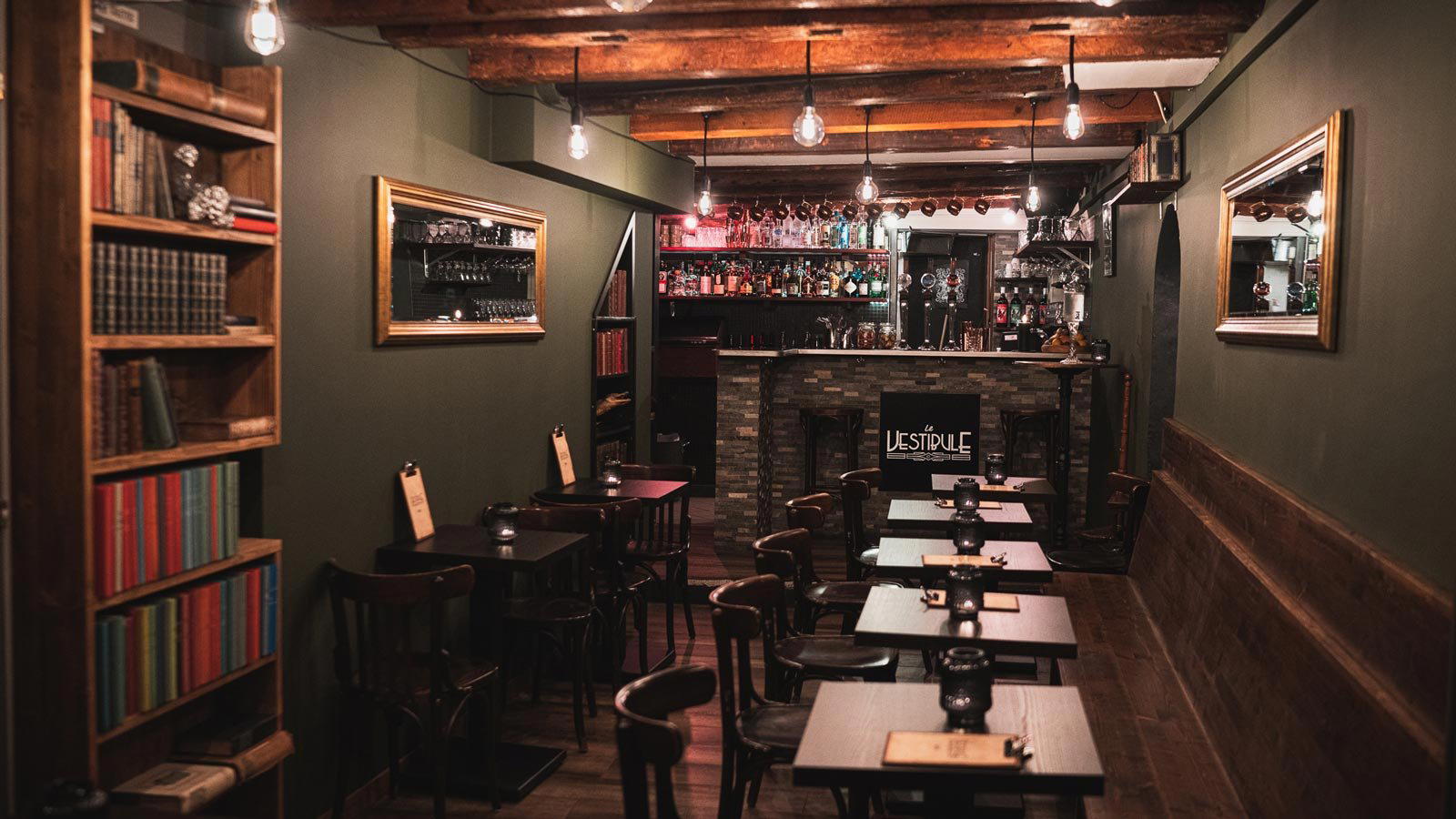
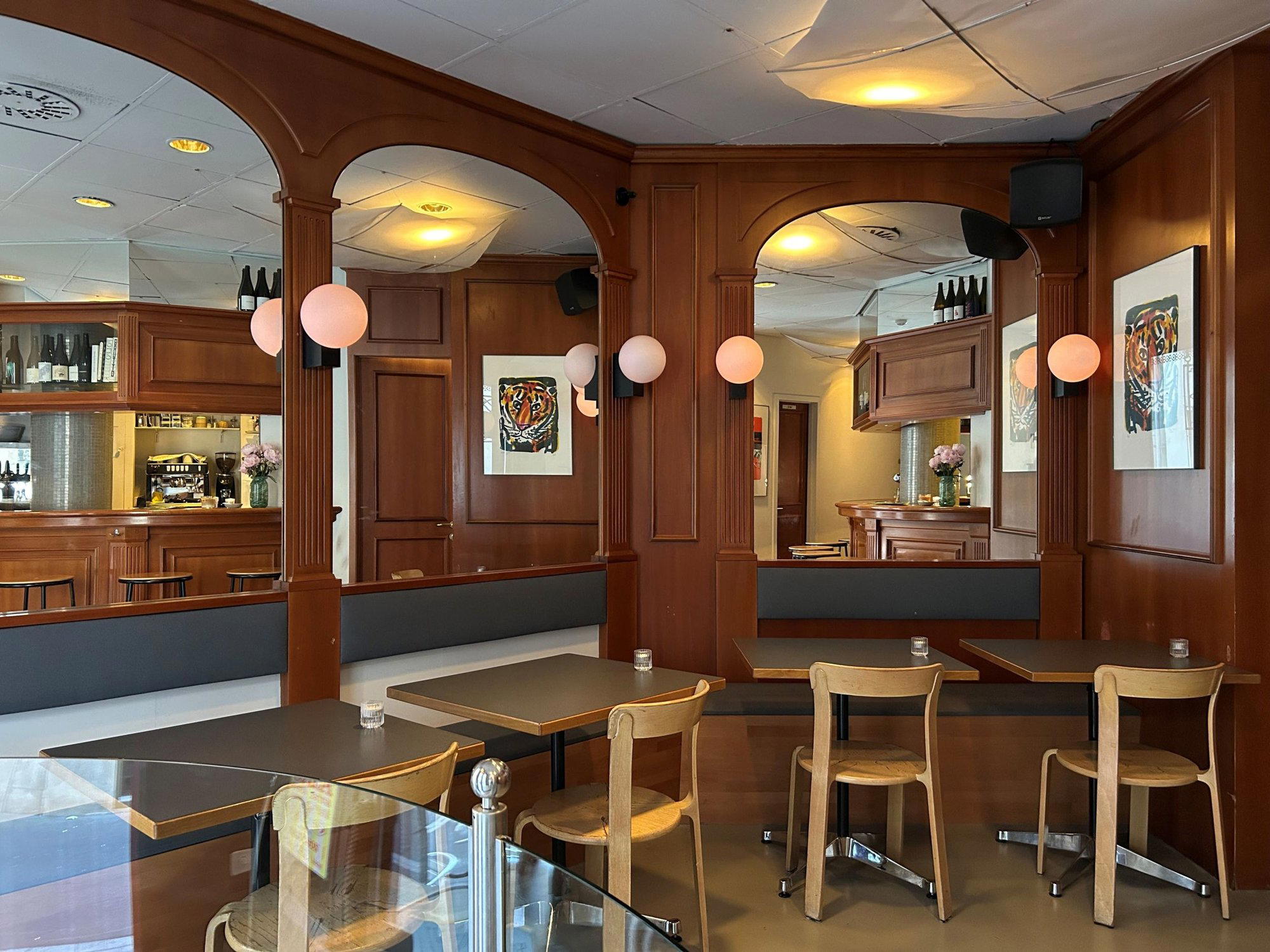
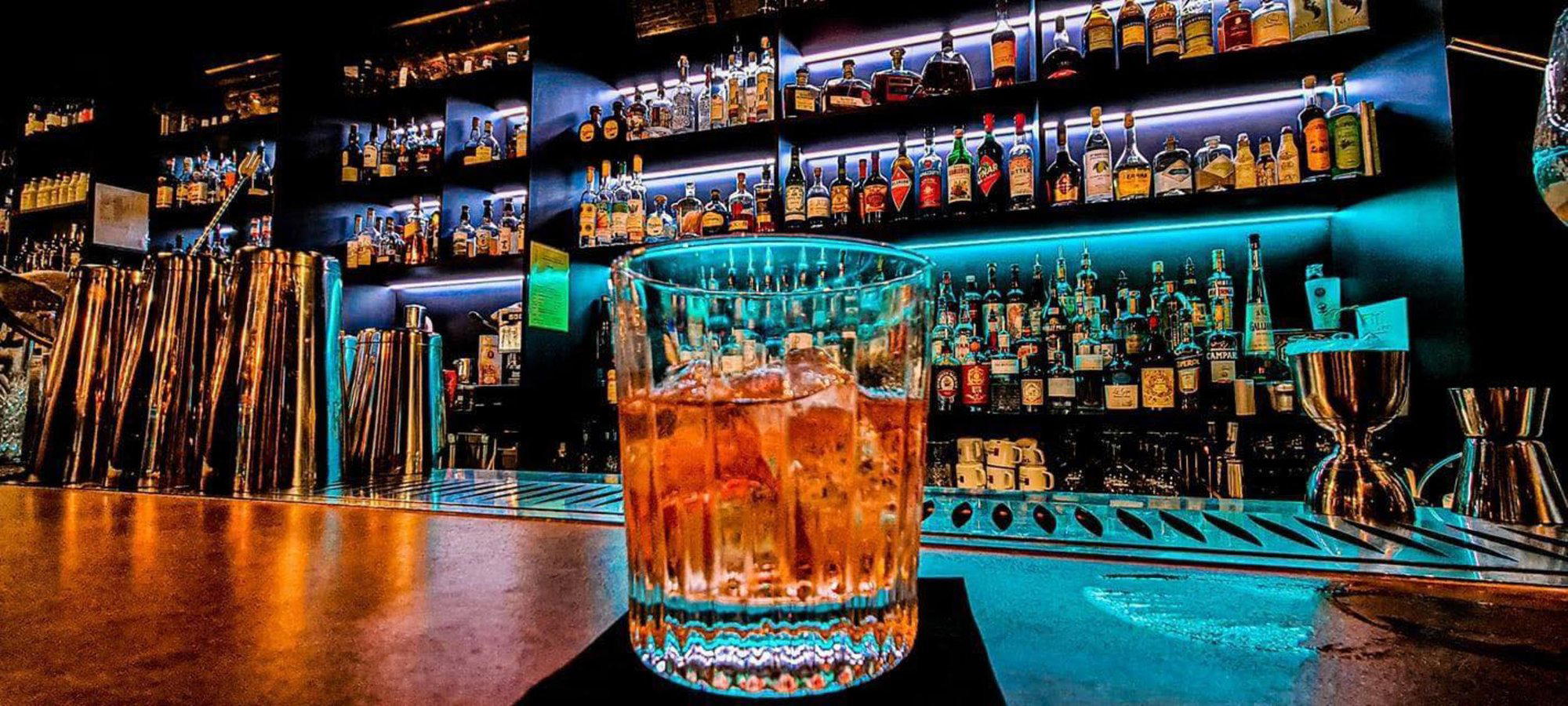
Bars in Rossinière
Browse all →
Hotels in Rossinière
Browse all →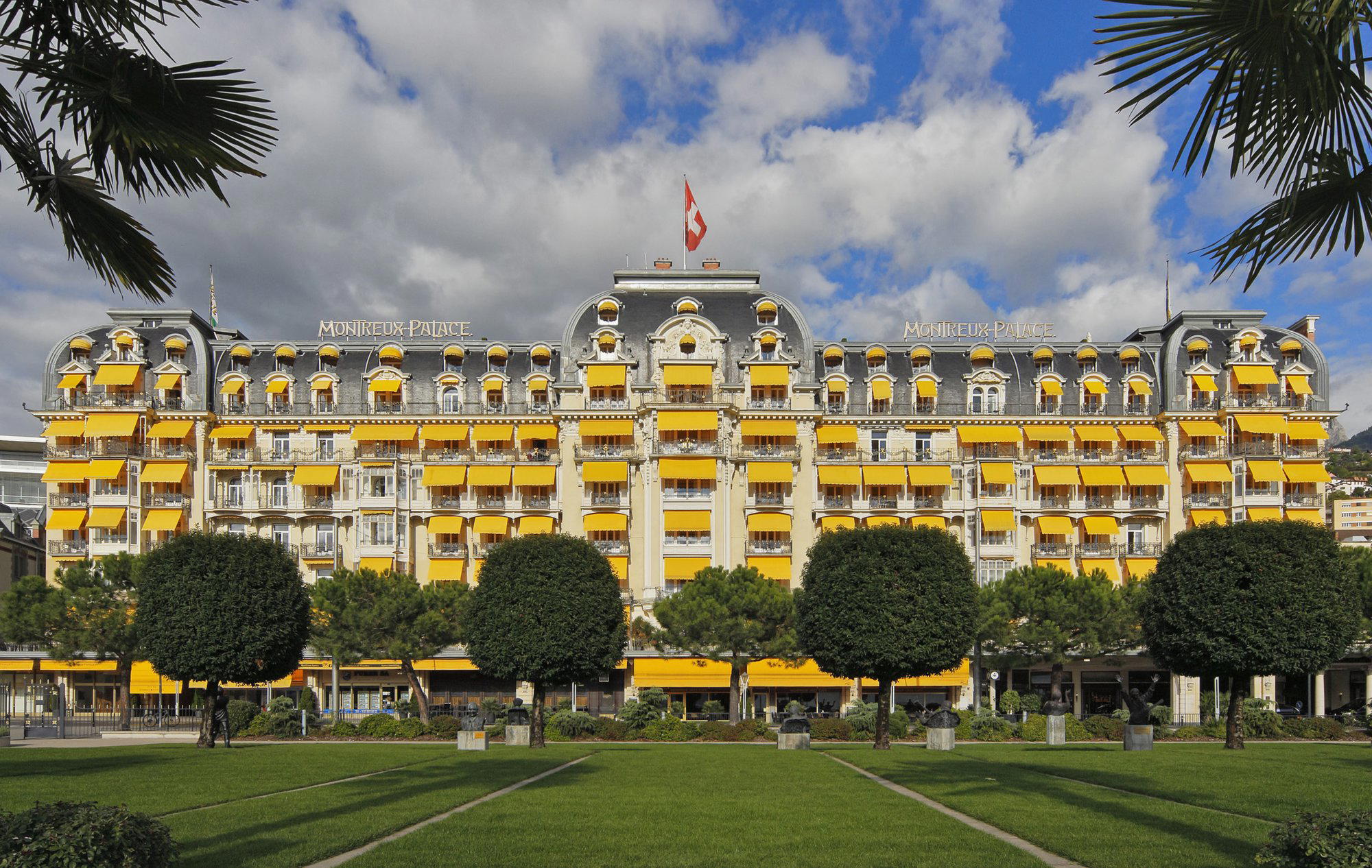
At a Glance
- Intimate
- Cozy
- Elegant
- Scenic
- Classic
- Date Night
- Special Occasion
- Garden
- Terrace
- Historic Building
- Extensive Wine List
- Local Sourcing
- Garden
- Mountain
Current opening hours
- Monday
- Closed
- Tuesday
- Closed
- Wednesday
- Closed
- Thursday
- 7–10 PM
- Friday
- 12–2 PM, 7–10 PM
- Saturday
- 12–2 PM, 7–10 PM
- Sunday
- 12–2 PM
Hours can change for holidays and private events. Last verified .
Warm, cozy living room-like dining room with wood-rich decor, intimate atmosphere like a mountain chalet, and views of the herb and flower garden.
Know Before You Go
- Getting there
- Rue de la Placette 16