AVLU Dubai
AVLU Dubai sits in the city’s widening Aegean-Anatolian lane, where Greek and Turkish cooking reads less as nostalgia than as a contemporary Dubai dining language. The appeal is the category itself: coastal acidity, grilled proteins, shared plates, and Levant-adjacent hospitality reframed for a city that now treats regional nuance as seriously as spectacle.
 Discover on Pearl
Pearl is the En Primeur Club membership app — saves, bookings, and concierge access live there. Same editors, same standards.
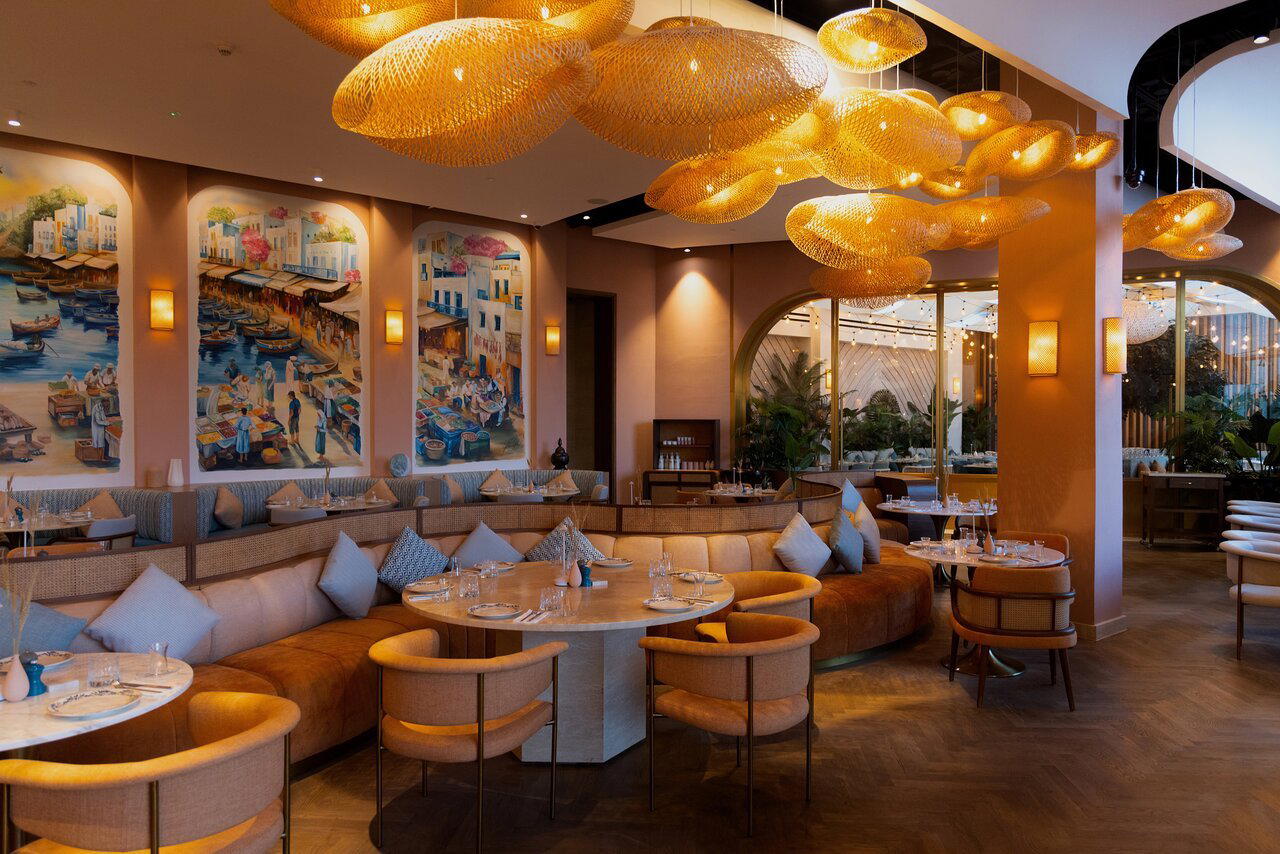
Dubai dining often announces itself before the first plate lands: polished entrances, controlled lighting, a room tuned for conversation and display. AVLU Dubai belongs to the city’s quieter countercurrent, where the draw is not a single chef narrative or trophy list, but the way Greek and Turkish cooking has become part of Dubai’s modern Middle Eastern vocabulary. The room matters because this category depends on tempo: mezze-style pacing, grilled dishes that favor immediacy, and tables built for sharing rather than isolated courses.
Aegean and Anatolian cooking through a Dubai lens
Greek Turkish cuisine occupies a useful position in Dubai. It sits close enough to Levantine and Gulf dining habits to feel legible, yet it brings a different grammar: olive oil instead of butter as a baseline, herbs and citrus as structure, smoke and char as technique rather than decoration, and seafood, lamb, grains, yoghurt, and flatbreads used with restraint. In a city where luxury dining can lean theatrical, this style works when the kitchen keeps the format social and the seasoning direct.
AVLU Dubai is better understood through that category than through a conventional restaurant biography. No named chef, award record, price band, or seat count is attached here, so the useful editorial read is about fit: Greek Turkish cooking answers a Dubai demand for meals that feel generous without requiring a formal tasting-menu frame. It also reflects a broader regional shift. Contemporary Middle Eastern restaurants are less interested in presenting the canon as museum food and more interested in technique, sourcing, and cross-border memory. Greek and Turkish references belong naturally inside that conversation, especially in a city where diners already move between Arabic grills, Mediterranean seafood, hotel dining rooms, and independent neighborhood restaurants in the same week.
The value is in the format, not the trophy case
Dubai has enough award-led rooms for diners who want a clear hierarchy. AVLU Dubai reads differently: the case for going rests on cuisine, mood, and occasion rather than public rankings. That does not make it casual in ambition. It simply places the restaurant in a lane where the test is whether the table holds together: cold starters before hot plates, bread and dips as infrastructure, grilled items arriving with enough pace to keep the meal moving, and a wine or cocktail decision that does not overpower the food’s acidity and smoke.
This is where modern Middle Eastern dining in Dubai has become more interesting. The city no longer needs every serious restaurant to imitate European fine dining. A Greek Turkish table can deliver structure through sequence rather than ceremony. It can serve a business dinner, a family meal, or a late social booking without changing its identity. That flexibility is part of the appeal, particularly for travelers who want Dubai’s regional dining culture without defaulting only to Emirati heritage cooking or high-gloss hotel restaurants.
How to place it within a Dubai dining itinerary
For a compact city dining plan, AVLU Dubai makes sense as the Mediterranean-Middle Eastern anchor rather than the experimental slot. Pair it with broader research across Our full Dubai restaurants guide, then use the rest of the trip to map different parts of the city’s hospitality range through Our full Dubai hotels guide, Our full Dubai bars guide, Our full Dubai wineries guide, and Our full Dubai experiences guide. The wider UAE circuit adds useful contrast, from 3 Fils Abu Dhabi in Abu Dhabi and Angar Restaurant in أبوظبي to Al Madam Restaurant in Sharjah, Al Khyama in Al Ain, Al Falaj in Liwa Desert, and Al Shams Restaurant & Bar in Al Dhafra.
Inside Dubai, adjacent reading can sharpen the itinerary without turning AVLU Dubai into a comparison exercise. & More by Sheraton, 11 Woodfire (Modern Cuisine), 1920, 21 Grams (Balkan), and 3 Fils Counter (French) show how varied the city’s restaurant map has become. Farther afield, Jōdo Saké Bar in Los Angeles and Onigiri Time in Pasadena are useful reminders that diaspora, technique, and casual formats now shape serious dining well beyond the Gulf.
How It Compares
Comparable venues nearby, for context on price, style, and recognition.
| Venue | Cuisine | Price | Awards | Notes |
|---|---|---|---|---|
| AVLU DubaiThis venue — the venue you are viewing | Aegean Greek & Turkish | $$$ | , | |
| Nammos | Mediterranean Seafood with Greek and Global Influences | $$$$ | , | Jumeira |
| 3 Fils Counter | Contemporary Asian with Japanese influence | $$$ | , | Jumeirah Fishing Harbour |
| Sallet al Sayad seafood restaurant مطعم سلة الصياد للمأكولات البحرية | Authentic Arabian Seafood | $$$ | , | Al Karama |
| L'Olivo | Mediterranean Fine Dining with Italian Influences | $$$$ | , | Palm Jumeirah |
| Cazibeli | Modern Turkish Sofra-Style Dining | $$$ | , | Jumeirah |
At a Glance
- Elegant
- Cozy
- Romantic
- Lively
- Trendy
- Scenic
- Date Night
- Business Dinner
- Group Dining
- Celebration
- Special Occasion
- After Work
- Waterfront
- Panoramic View
- Design Destination
- Standalone
- Terrace
- Craft Cocktails
- Local Sourcing
- Sustainable Seafood
- Waterfront
- Skyline
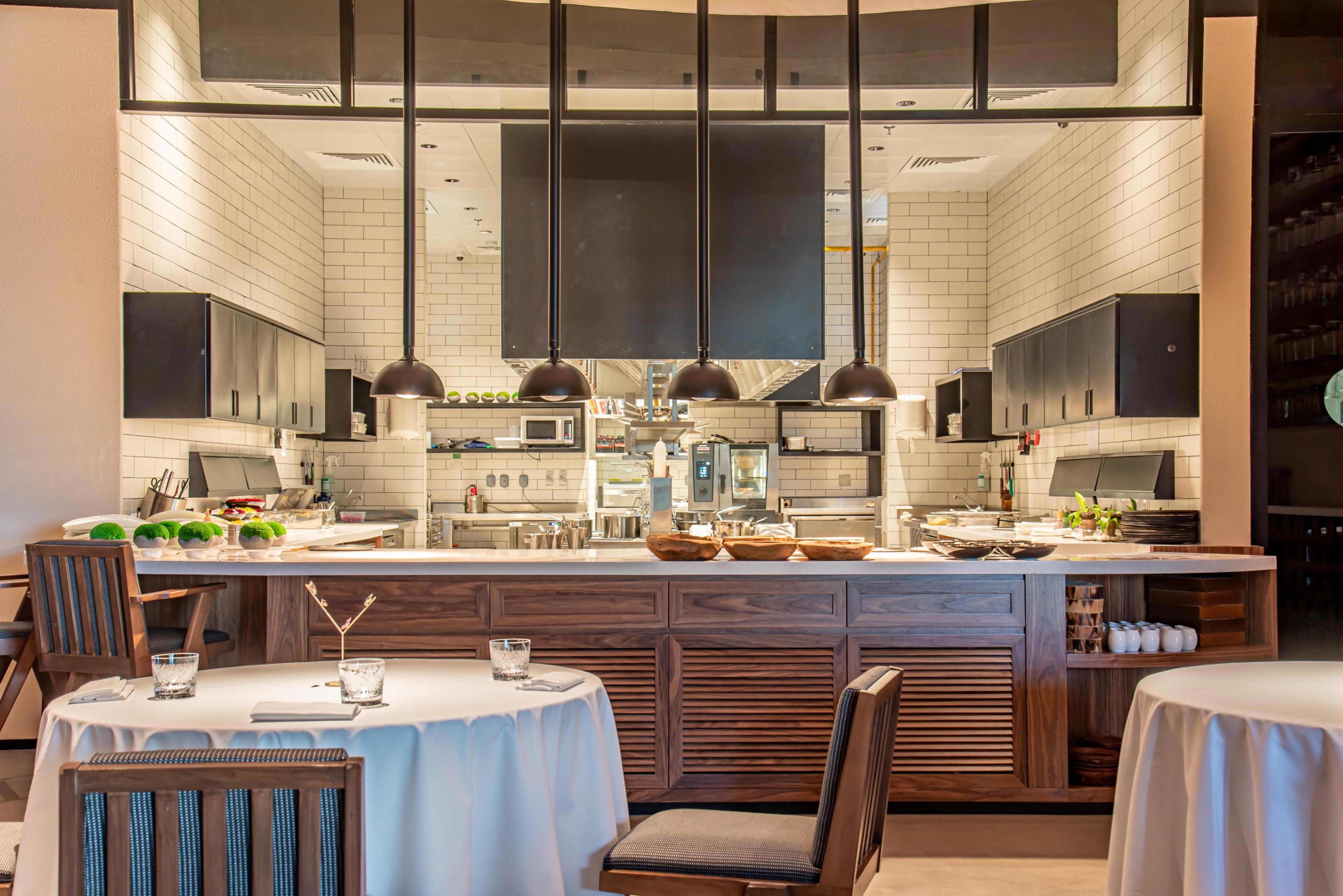
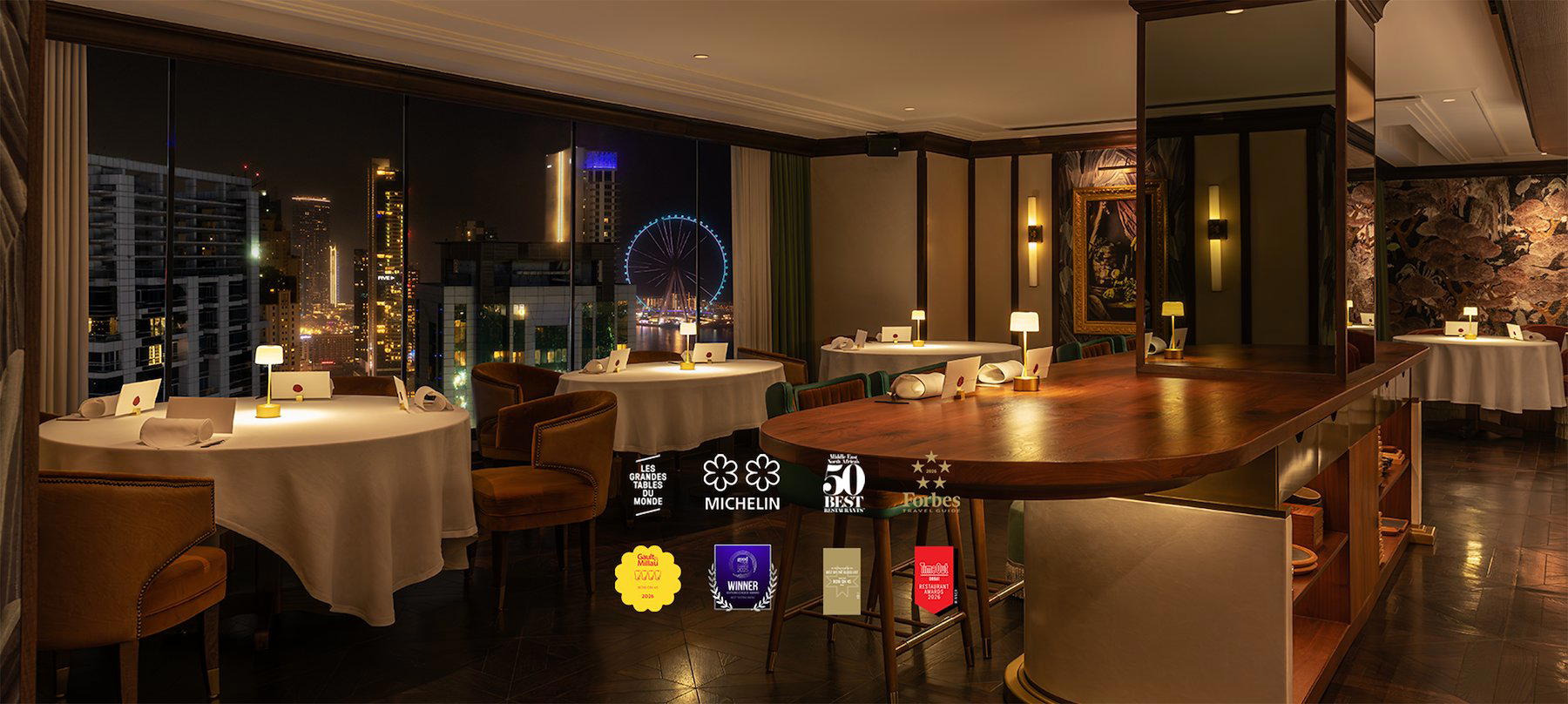
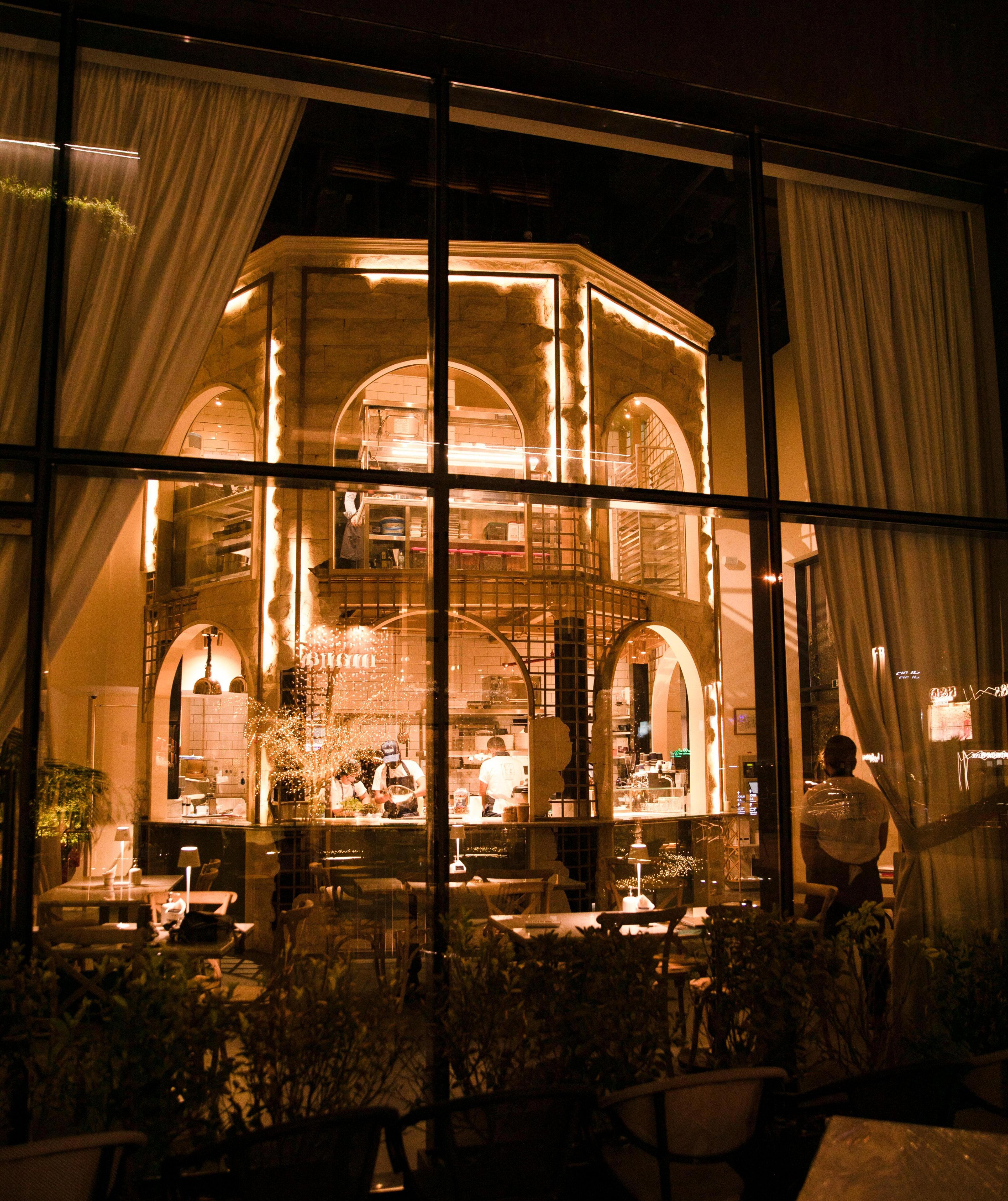
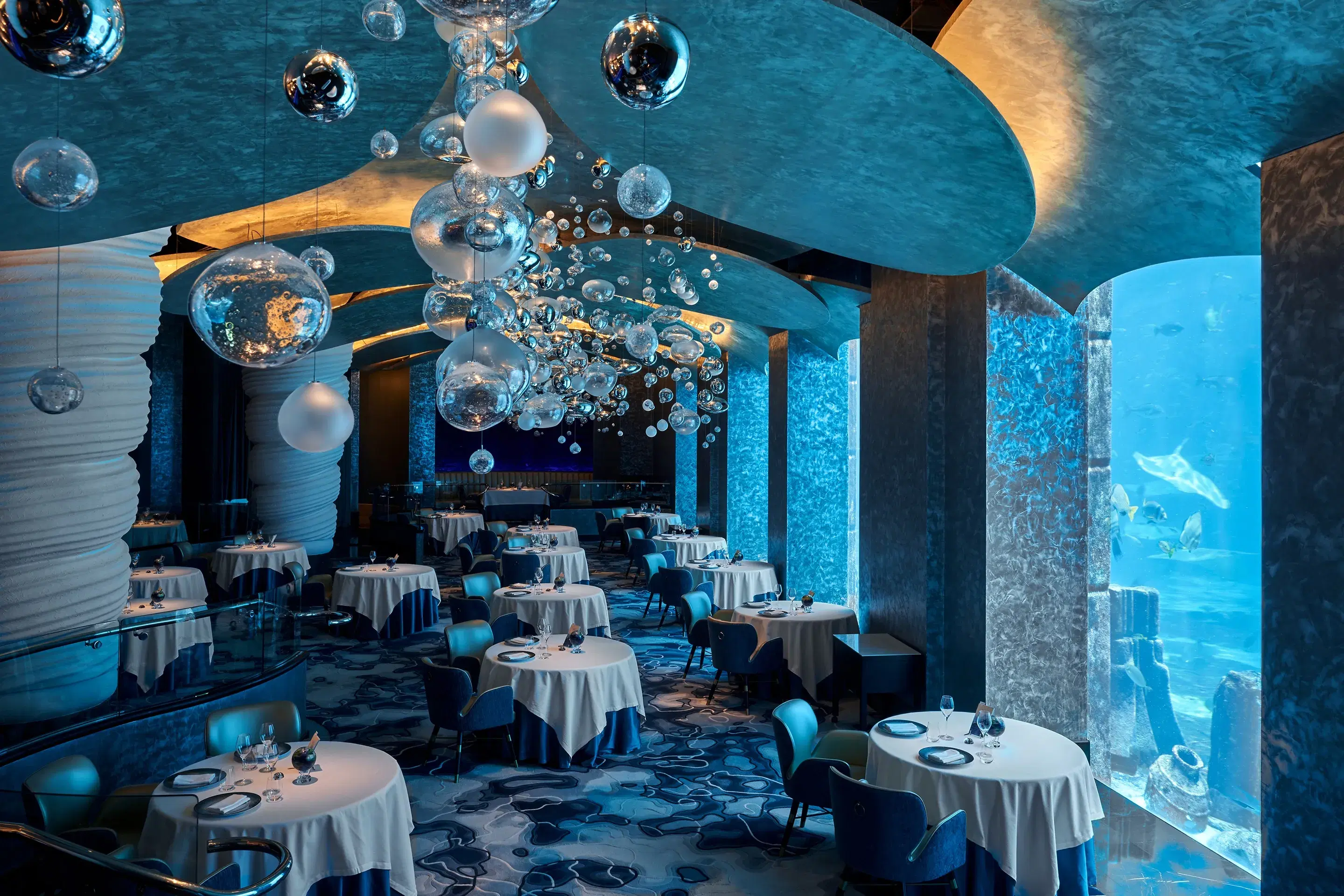
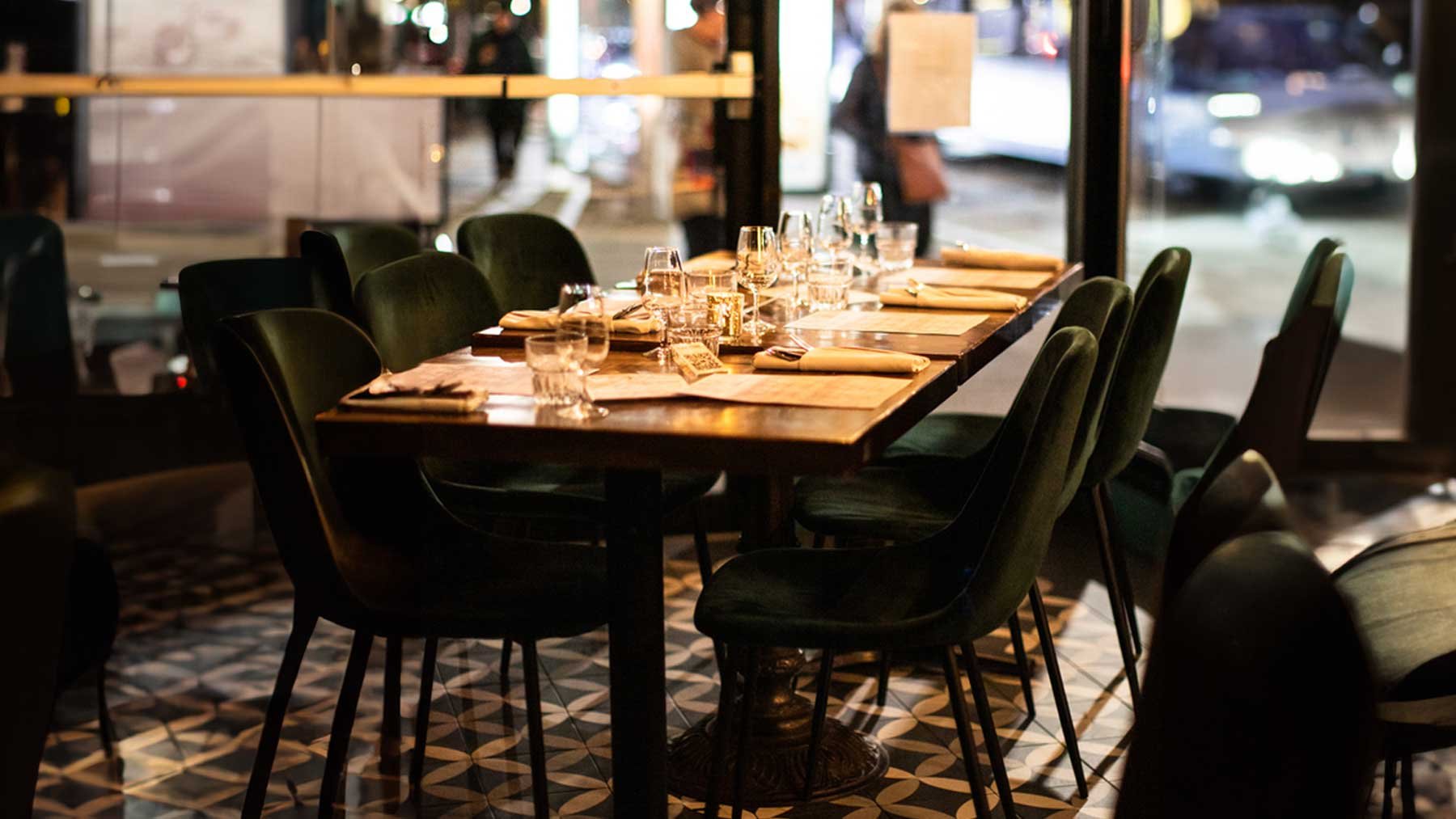
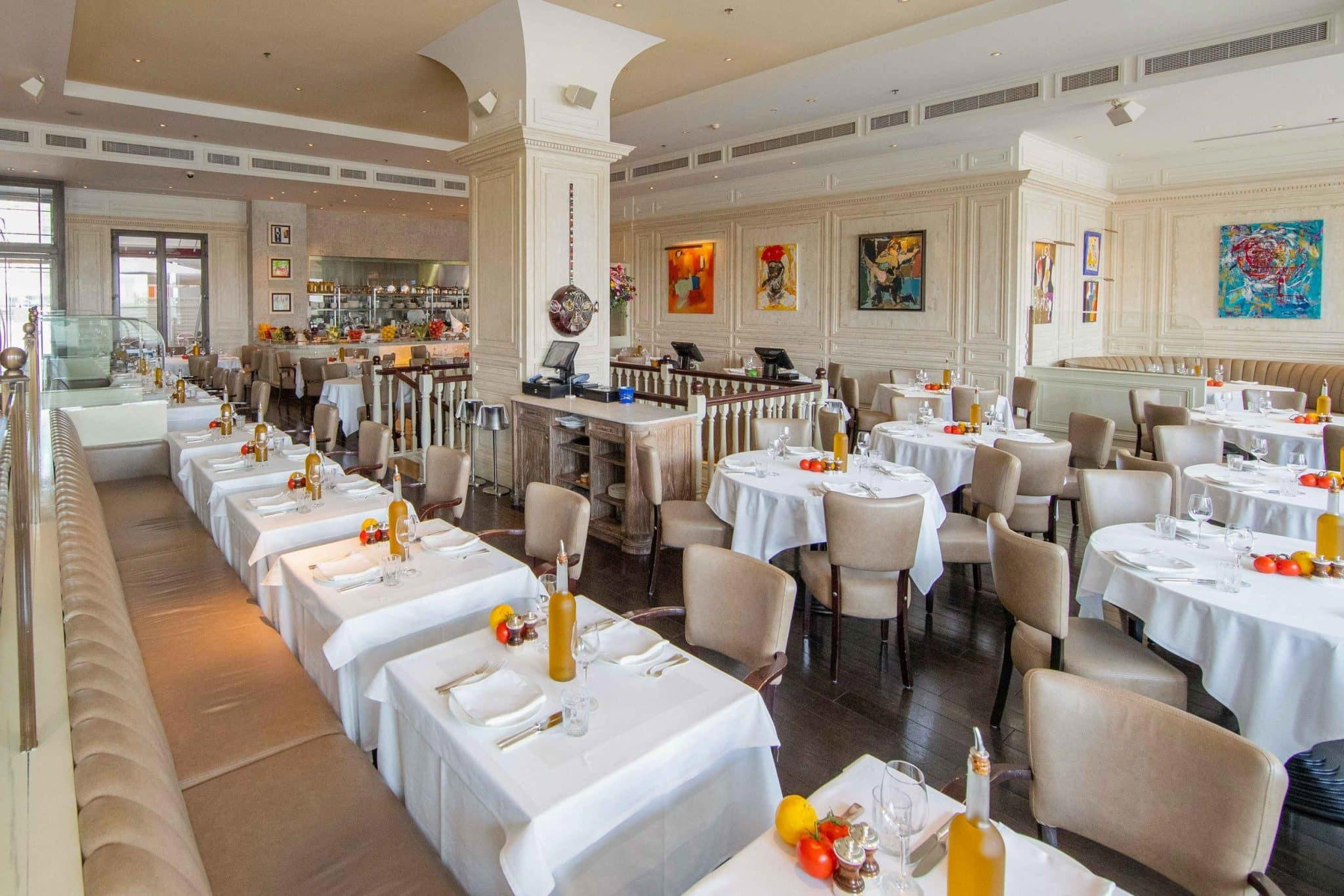
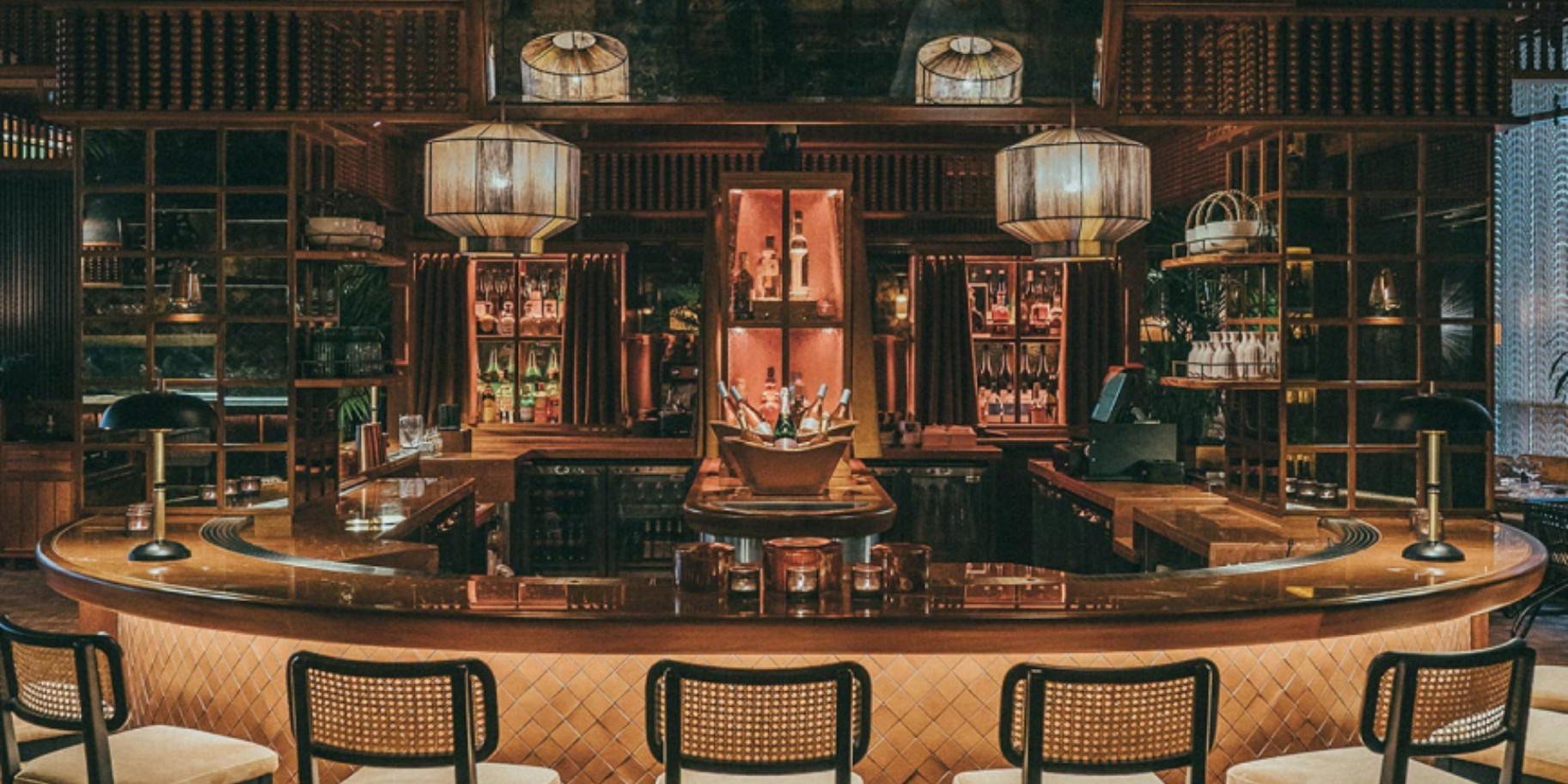
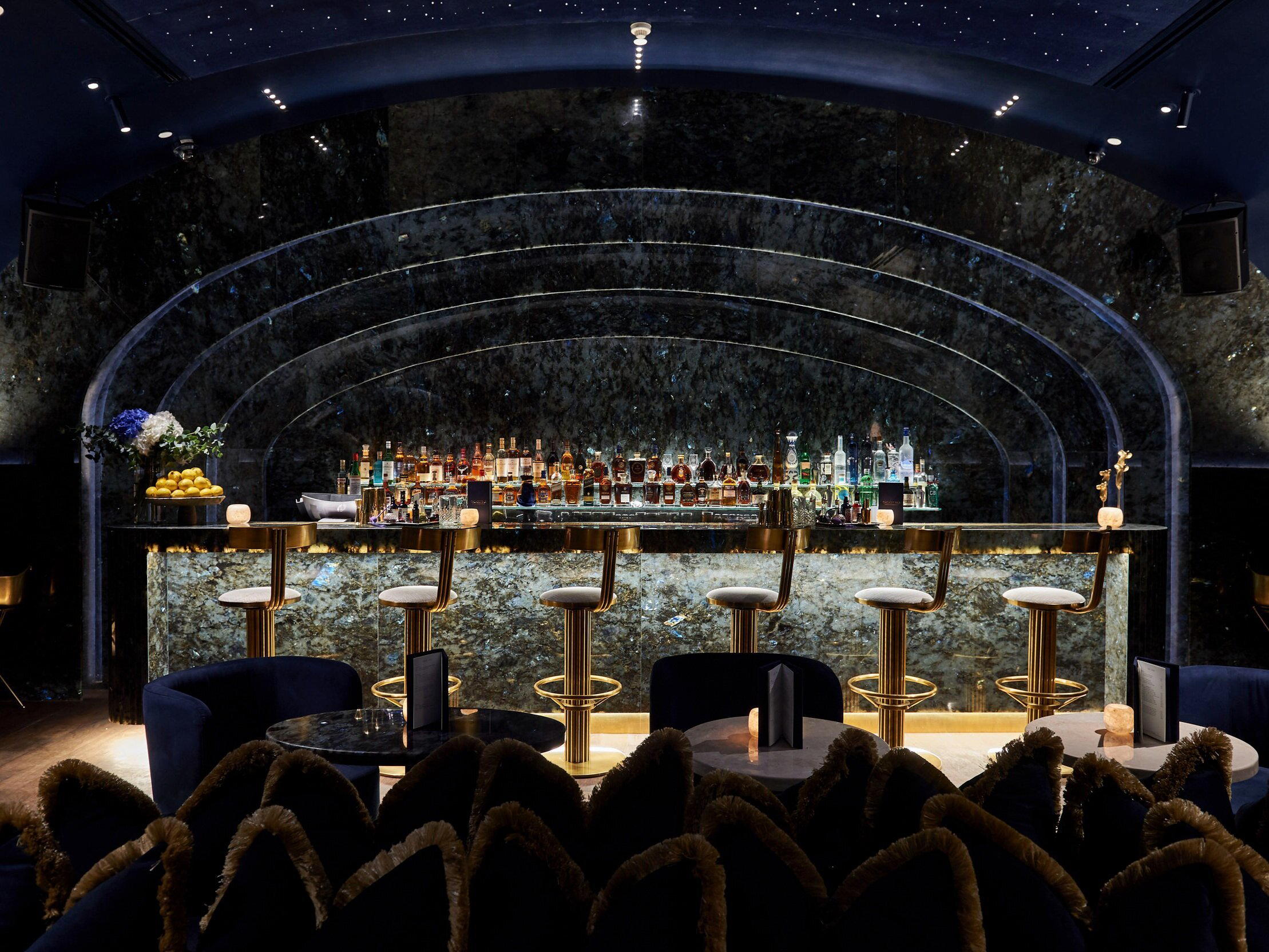
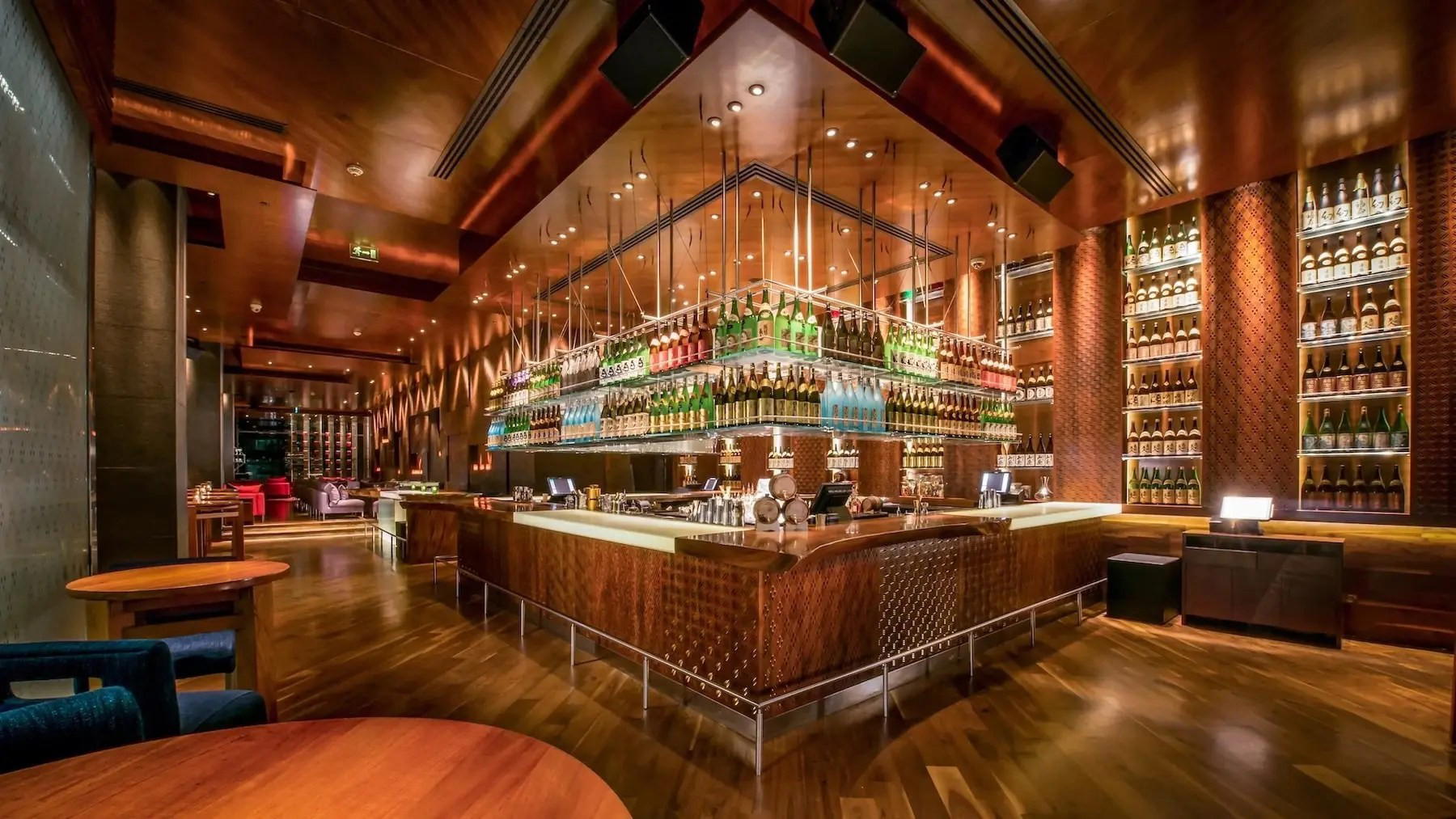
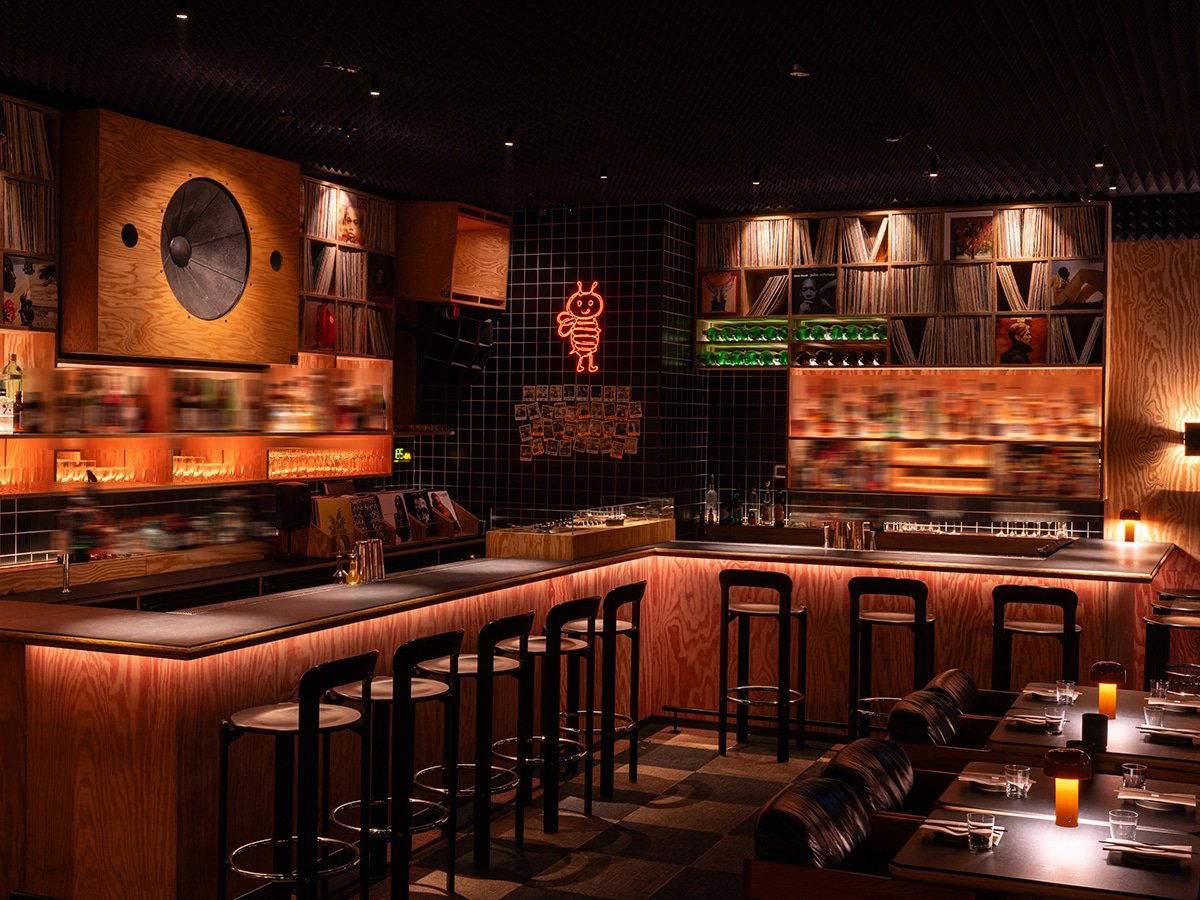
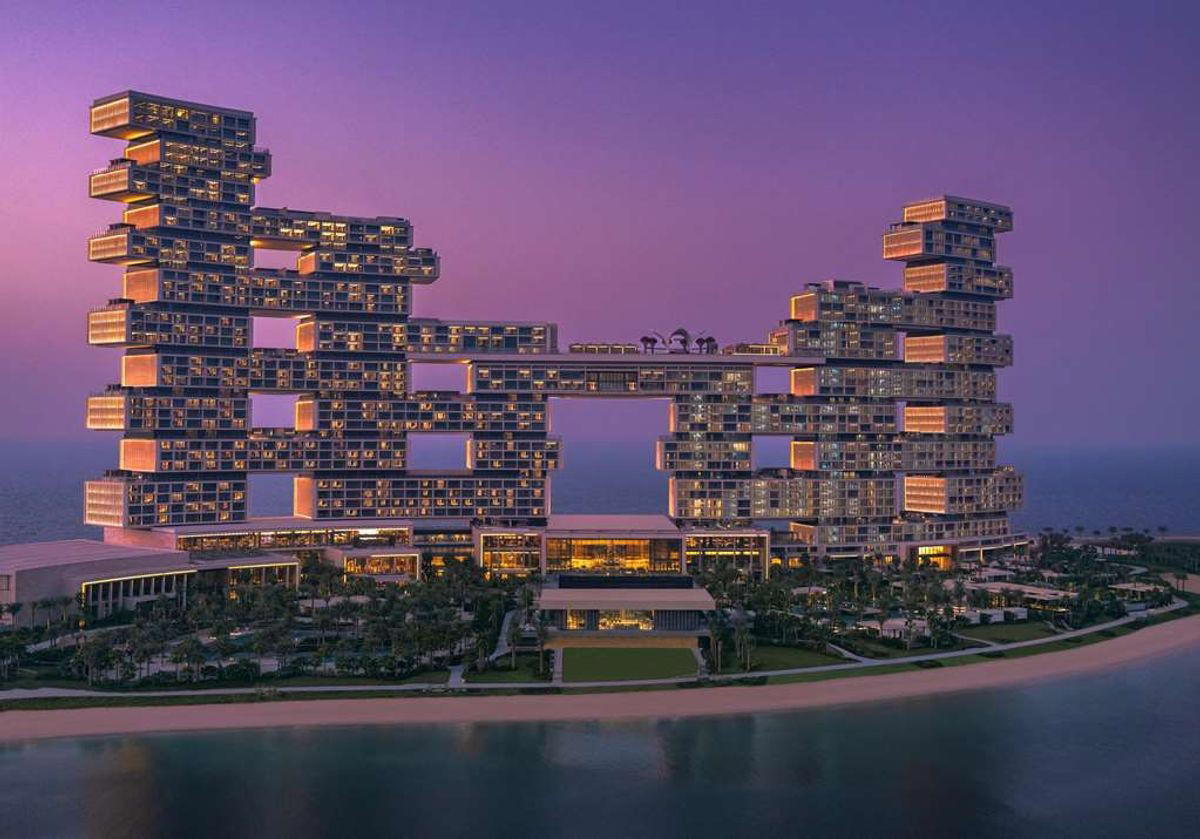
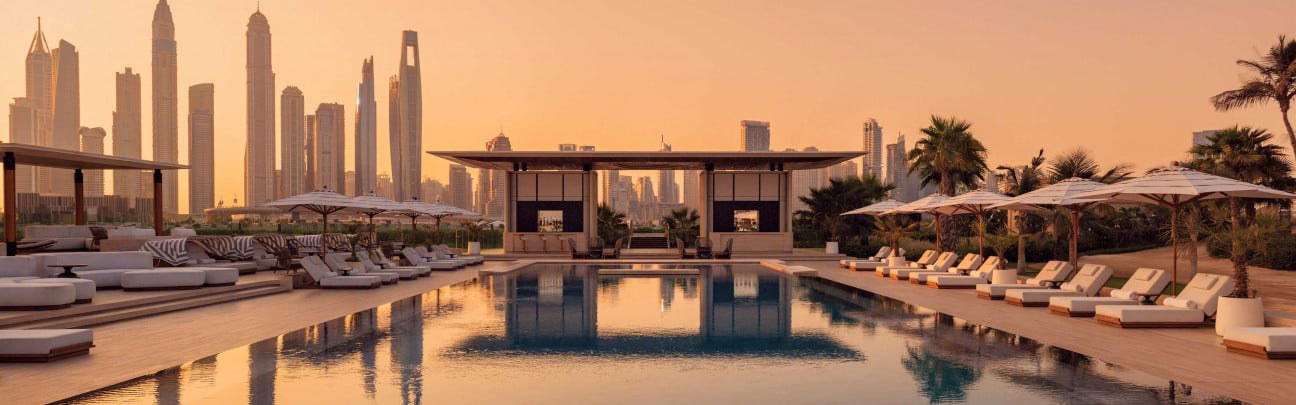
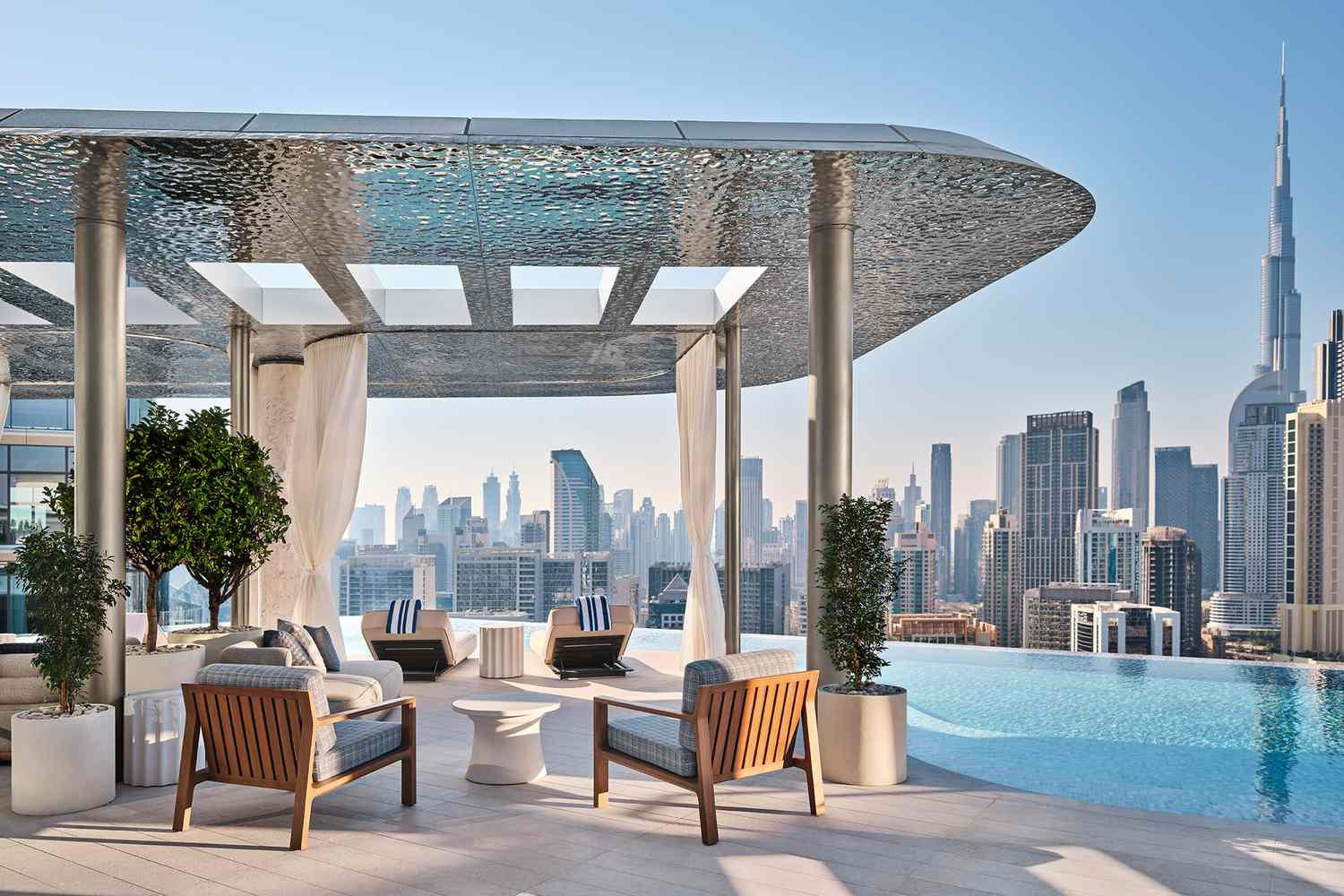
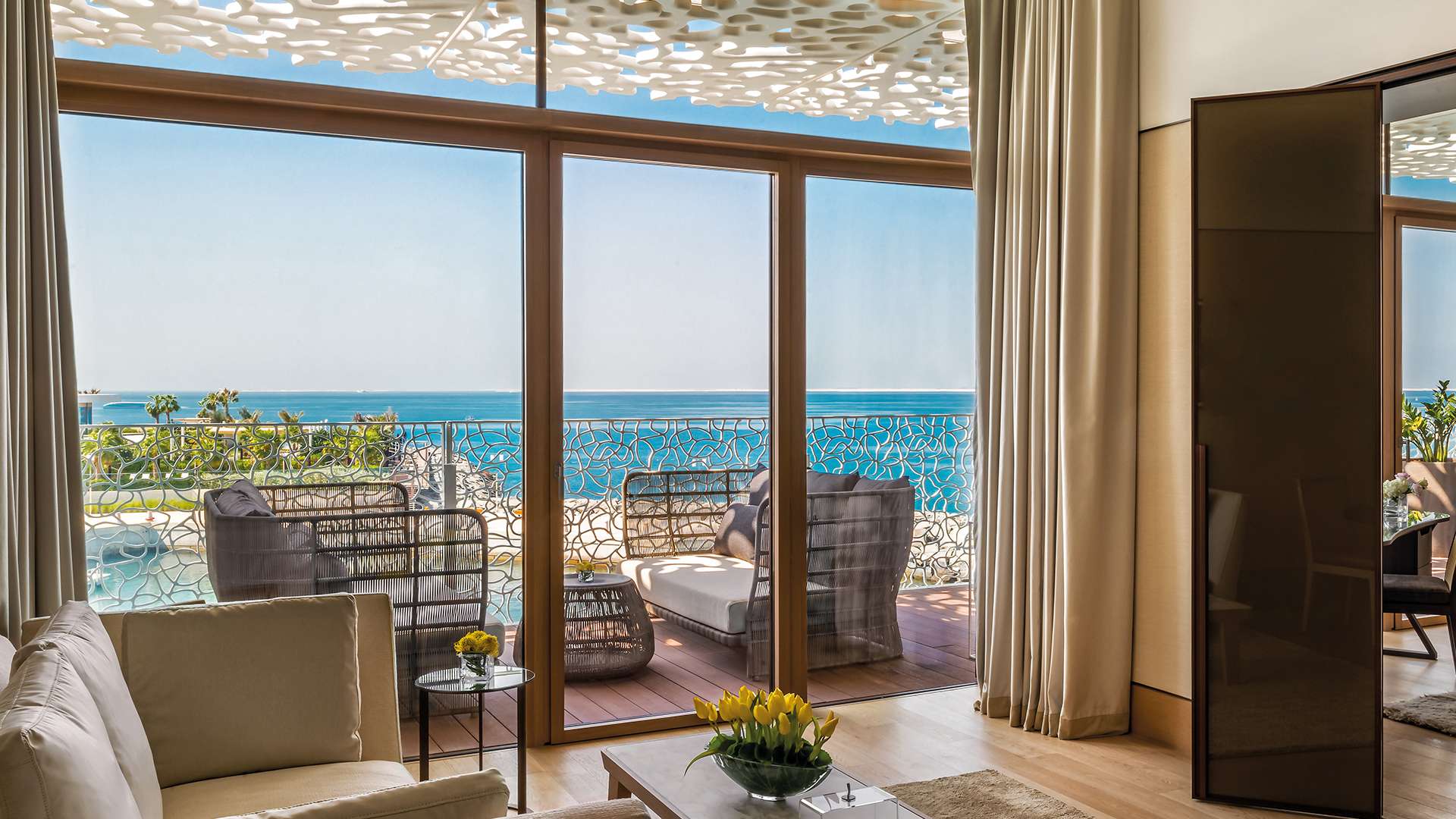
The atmosphere is described as relaxed yet elegant, pairing a refined Aegean coastal dining style with a scenic waterfront setting that feels polished enough for dates and celebrations but comfortable for social gatherings.[0][1]