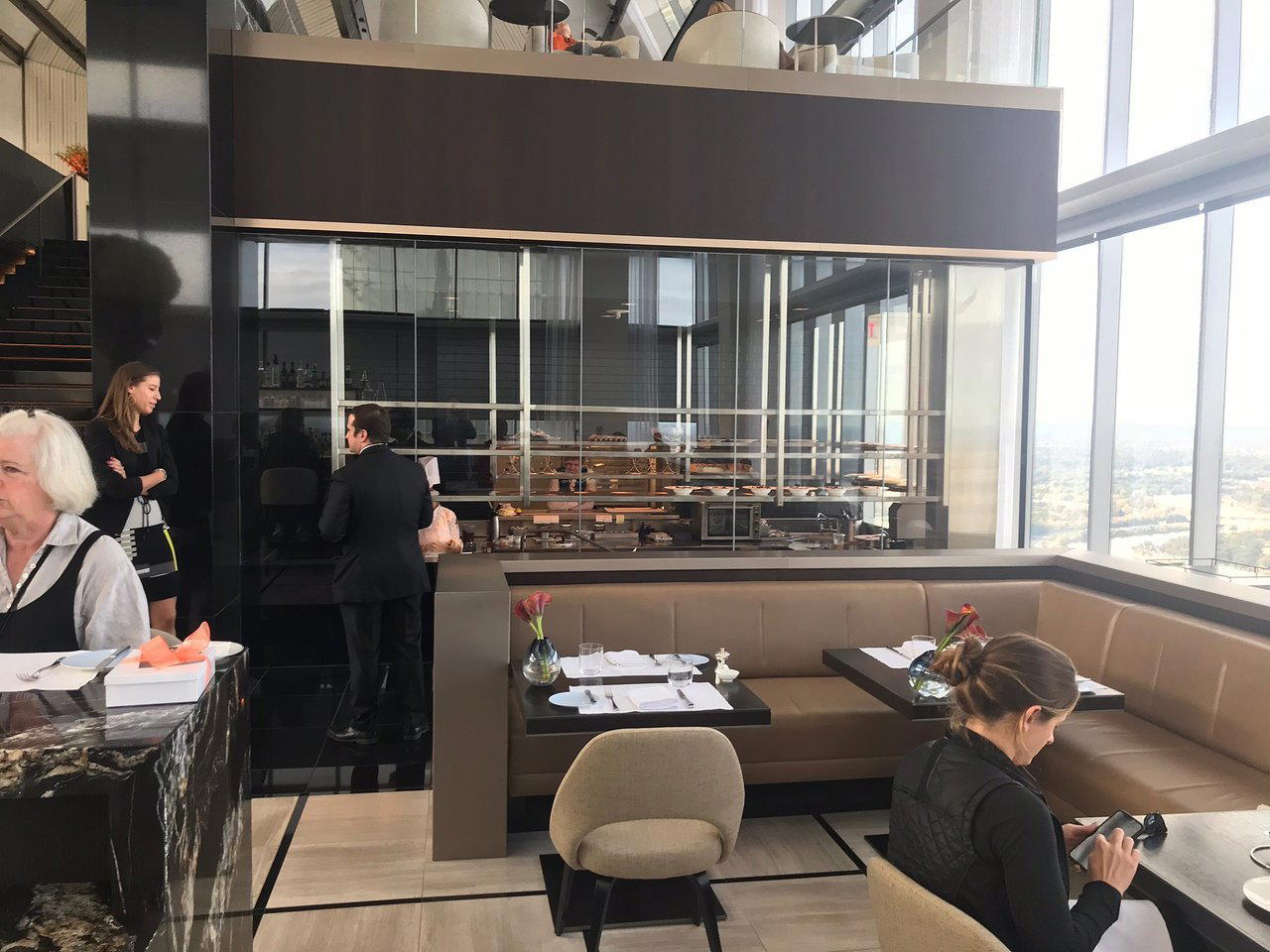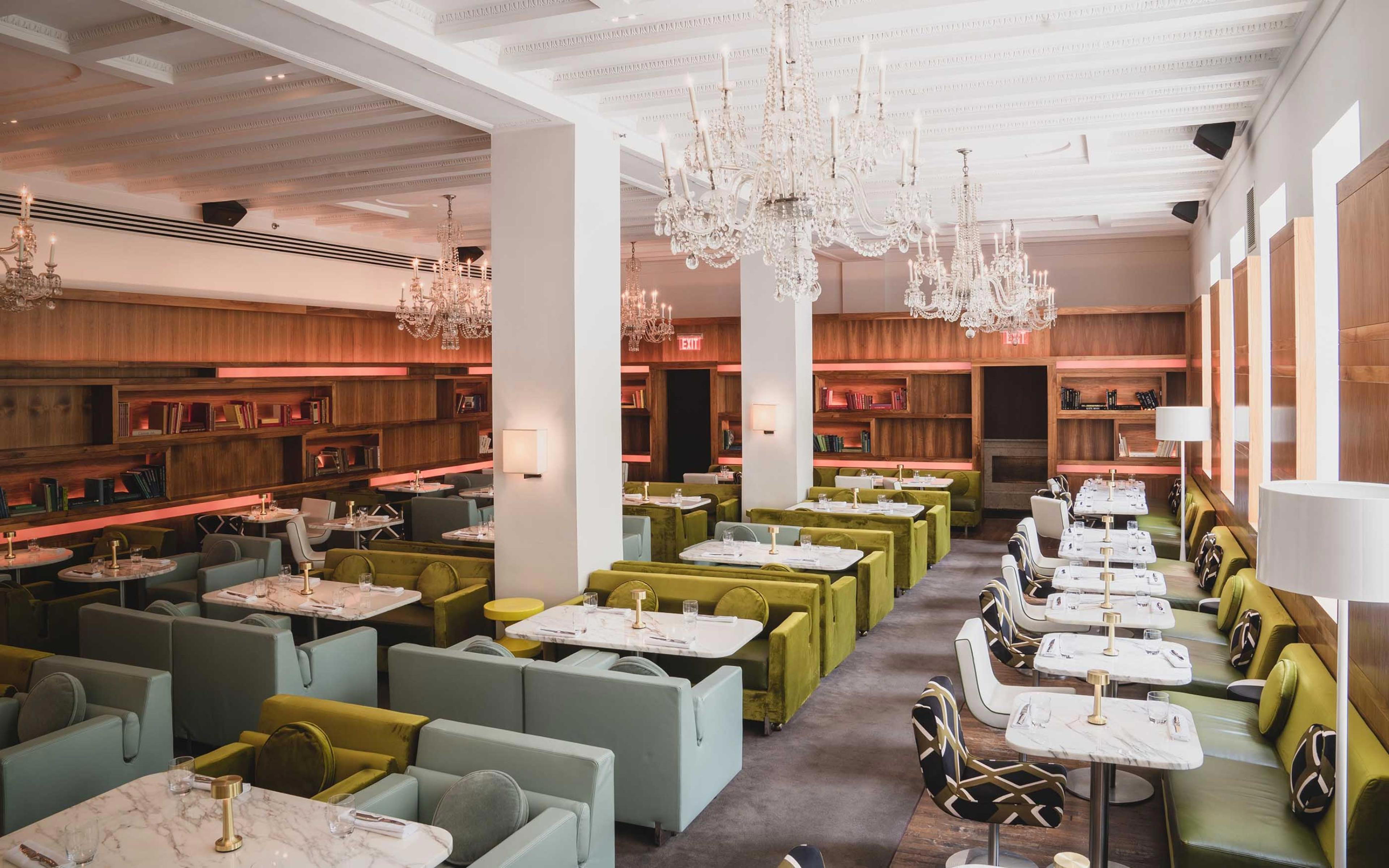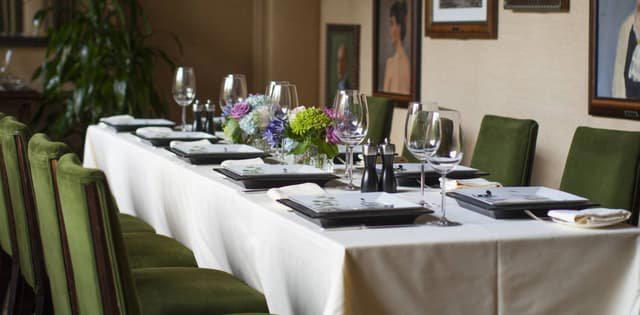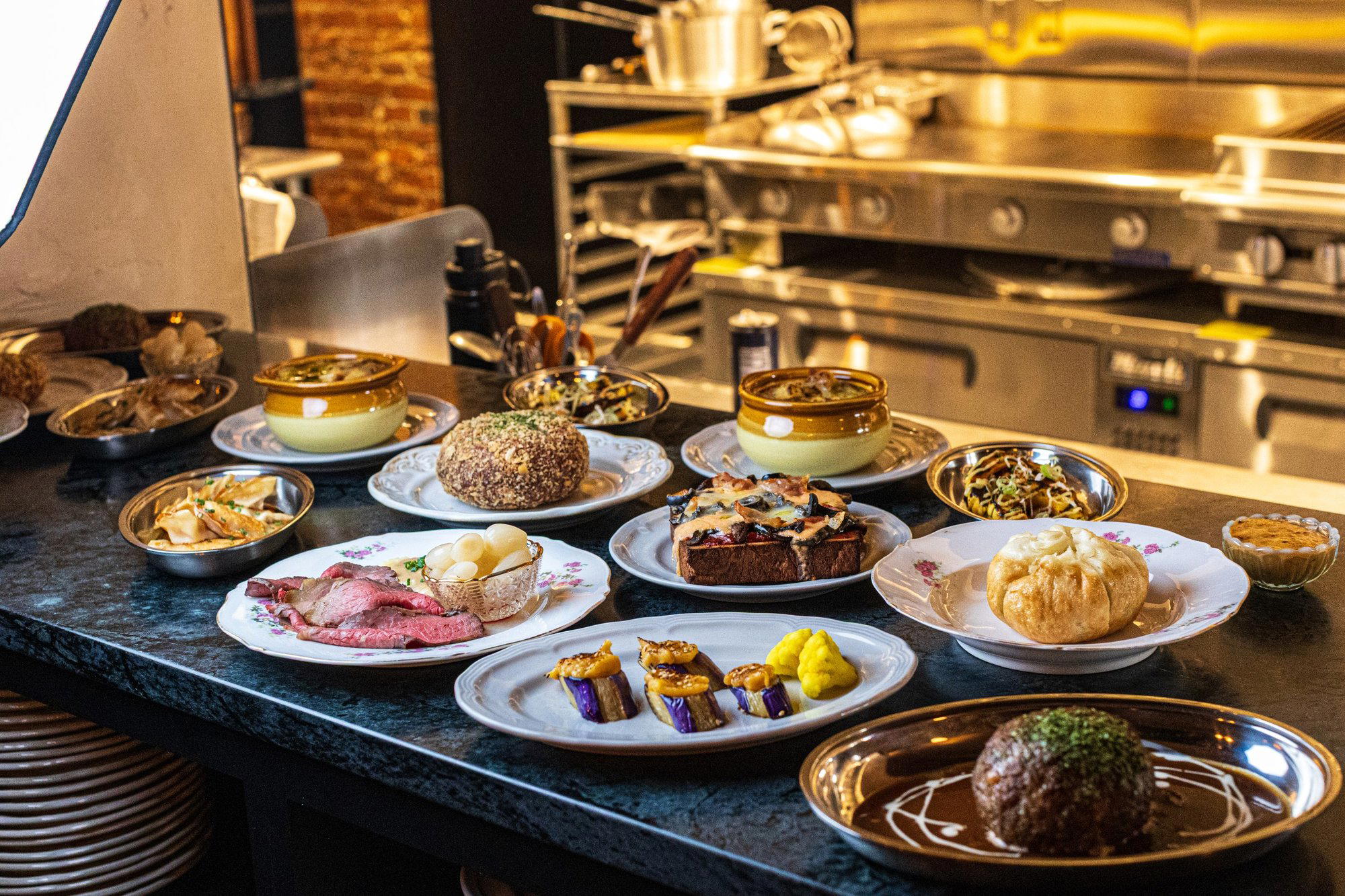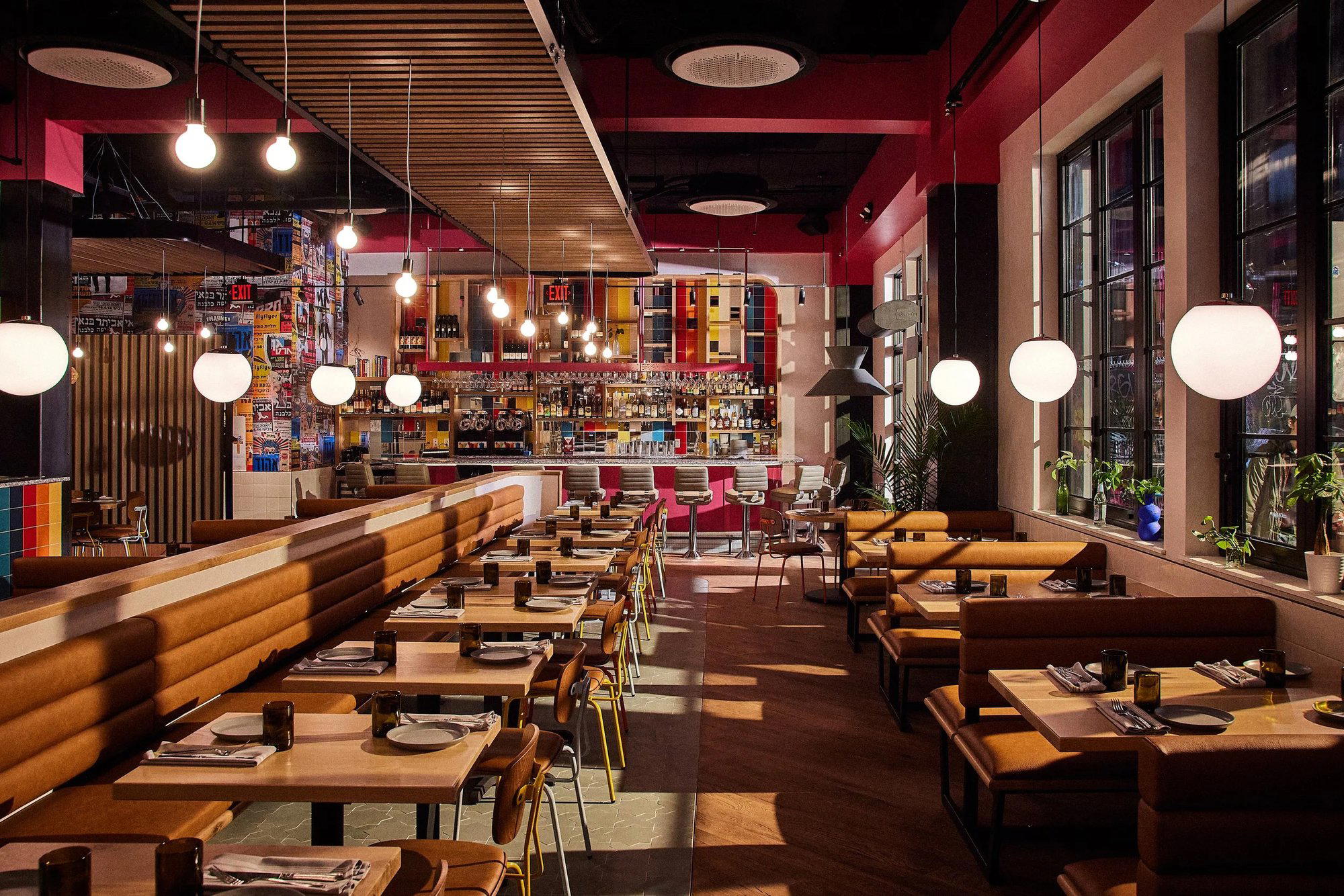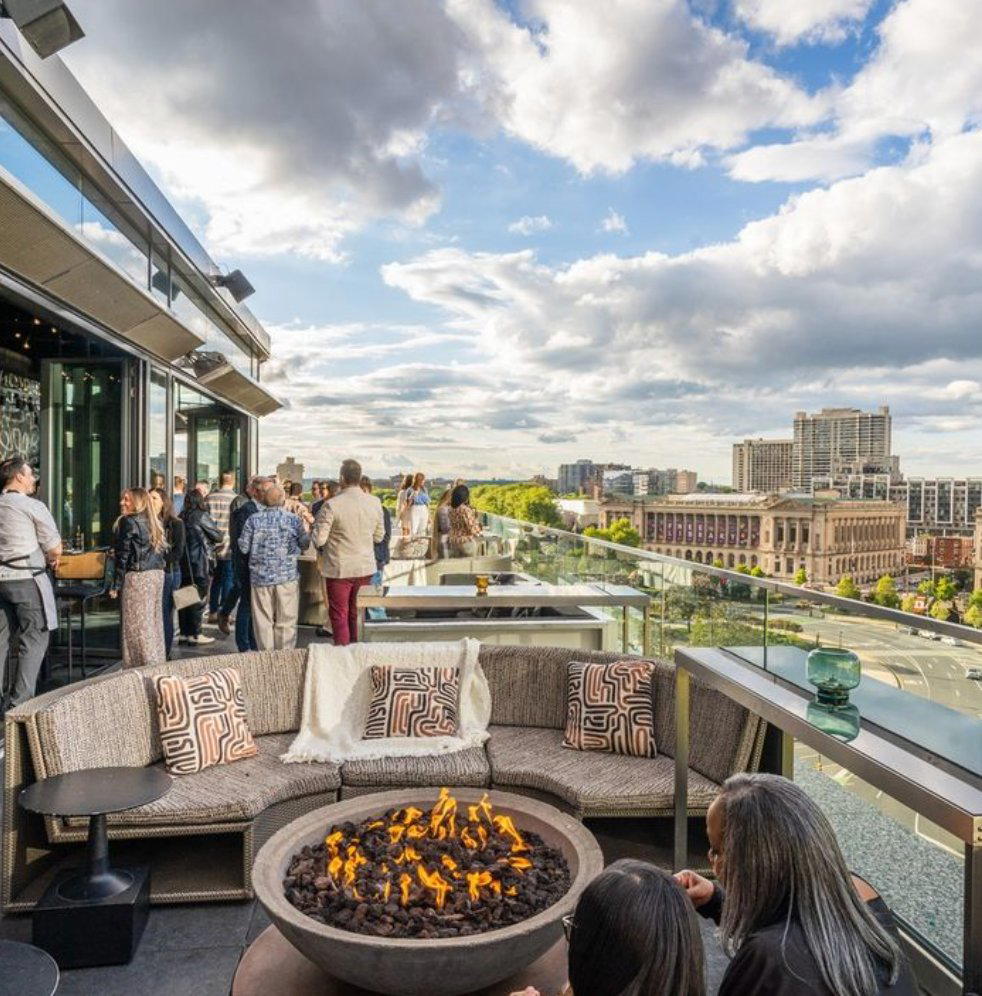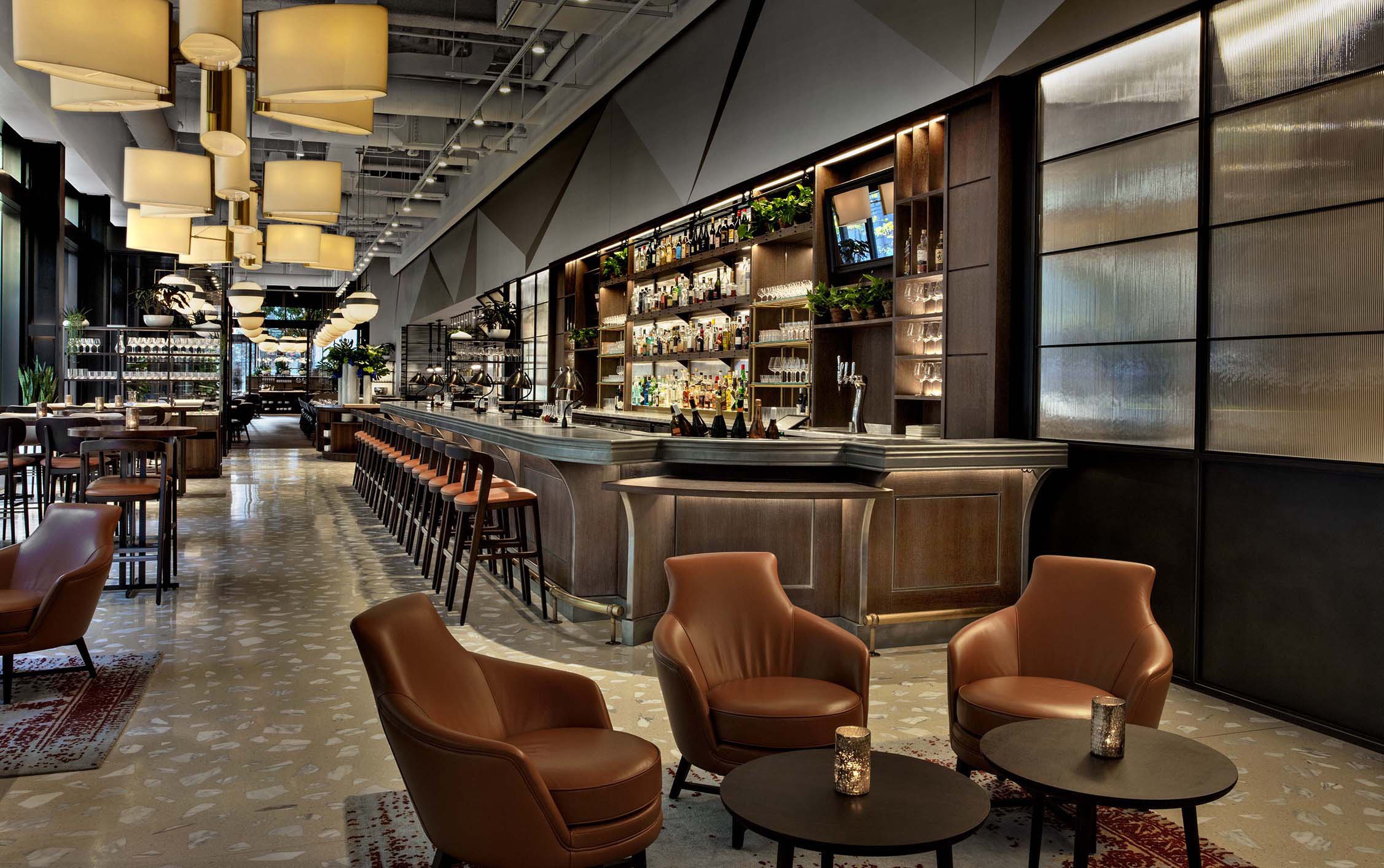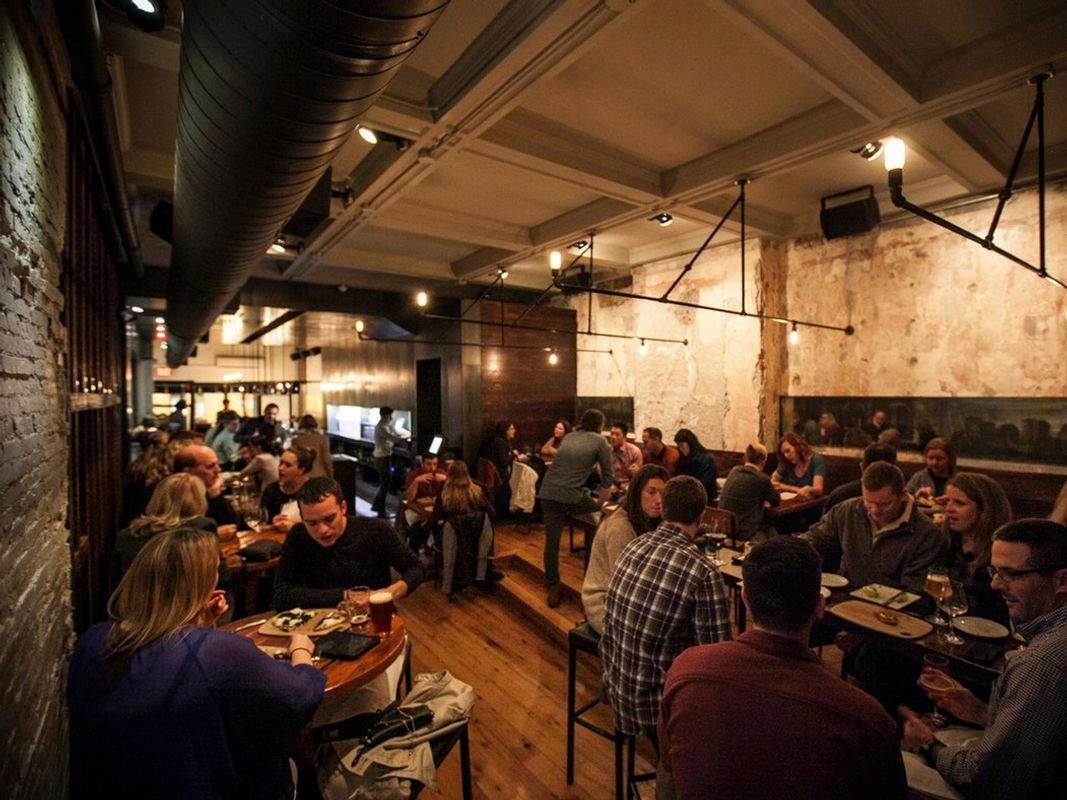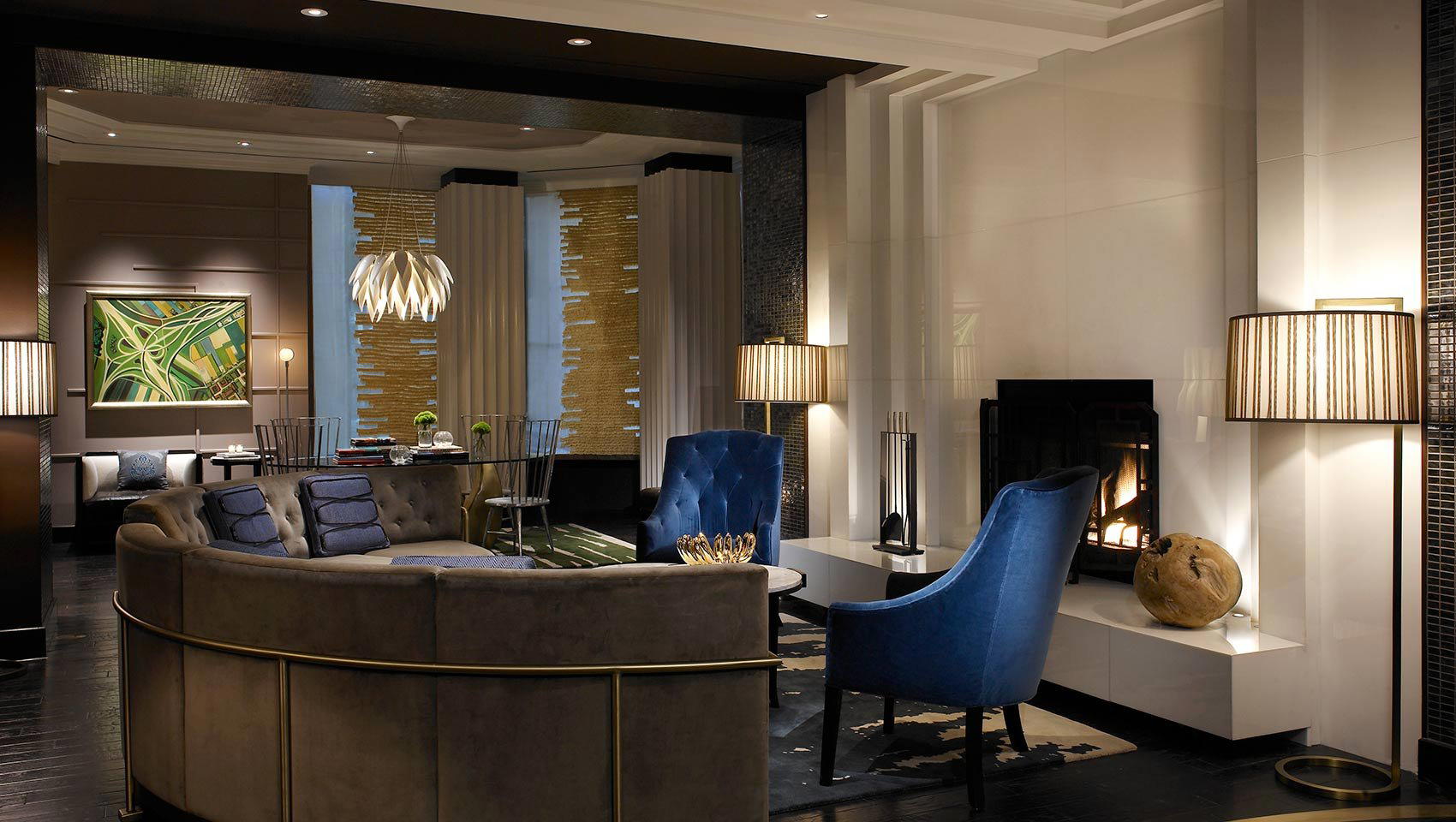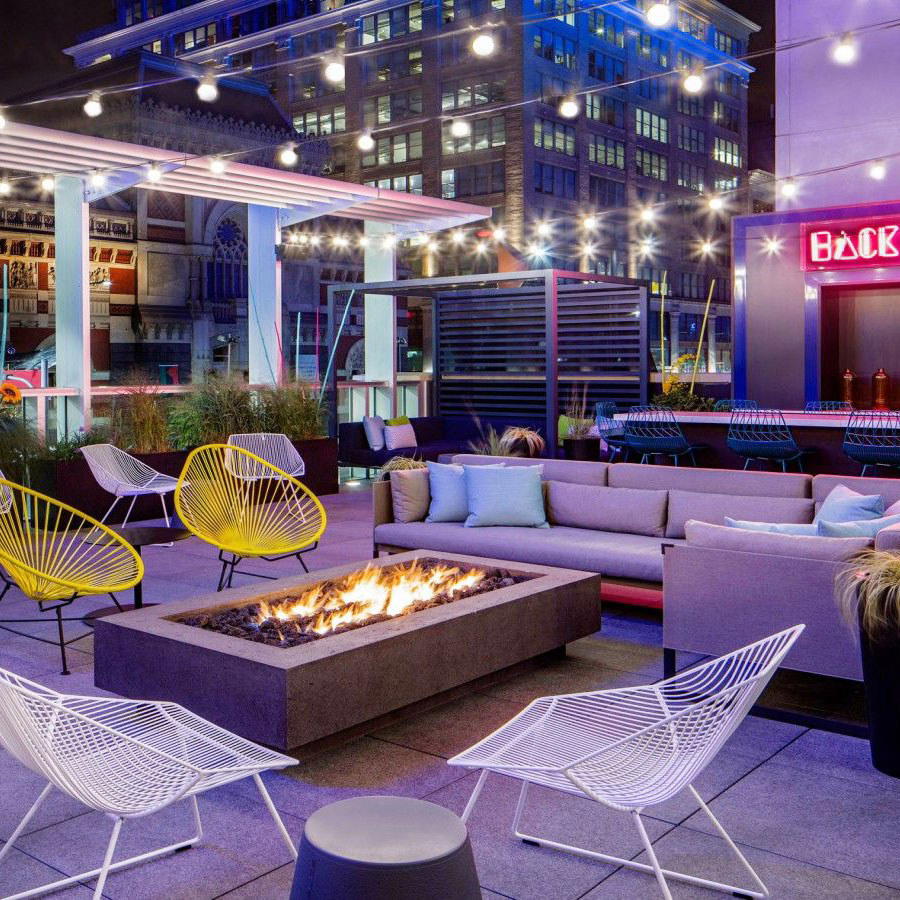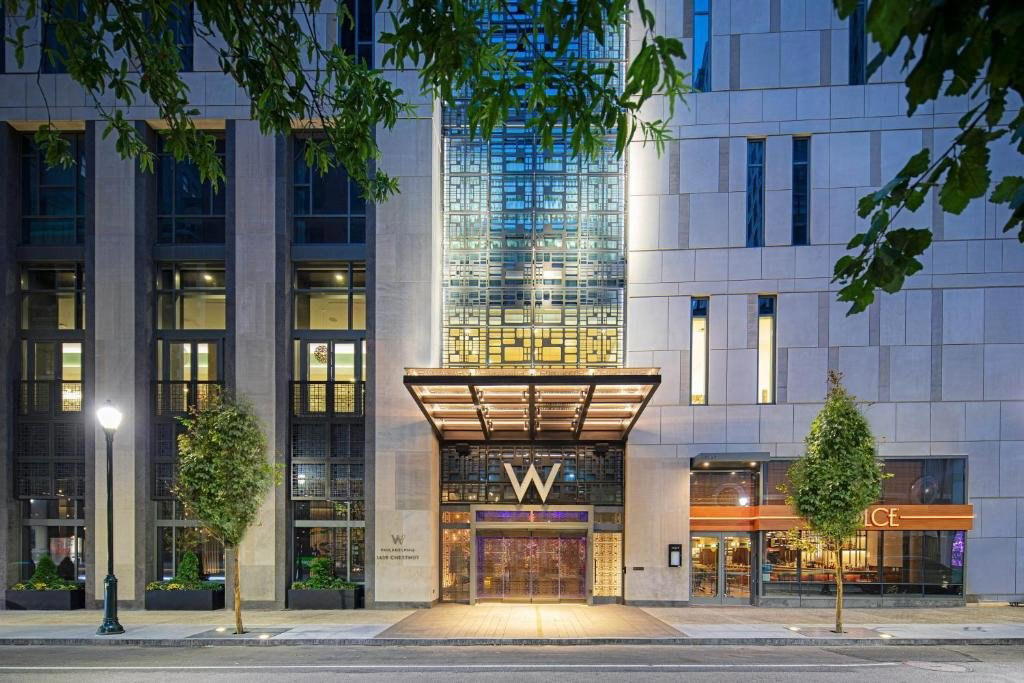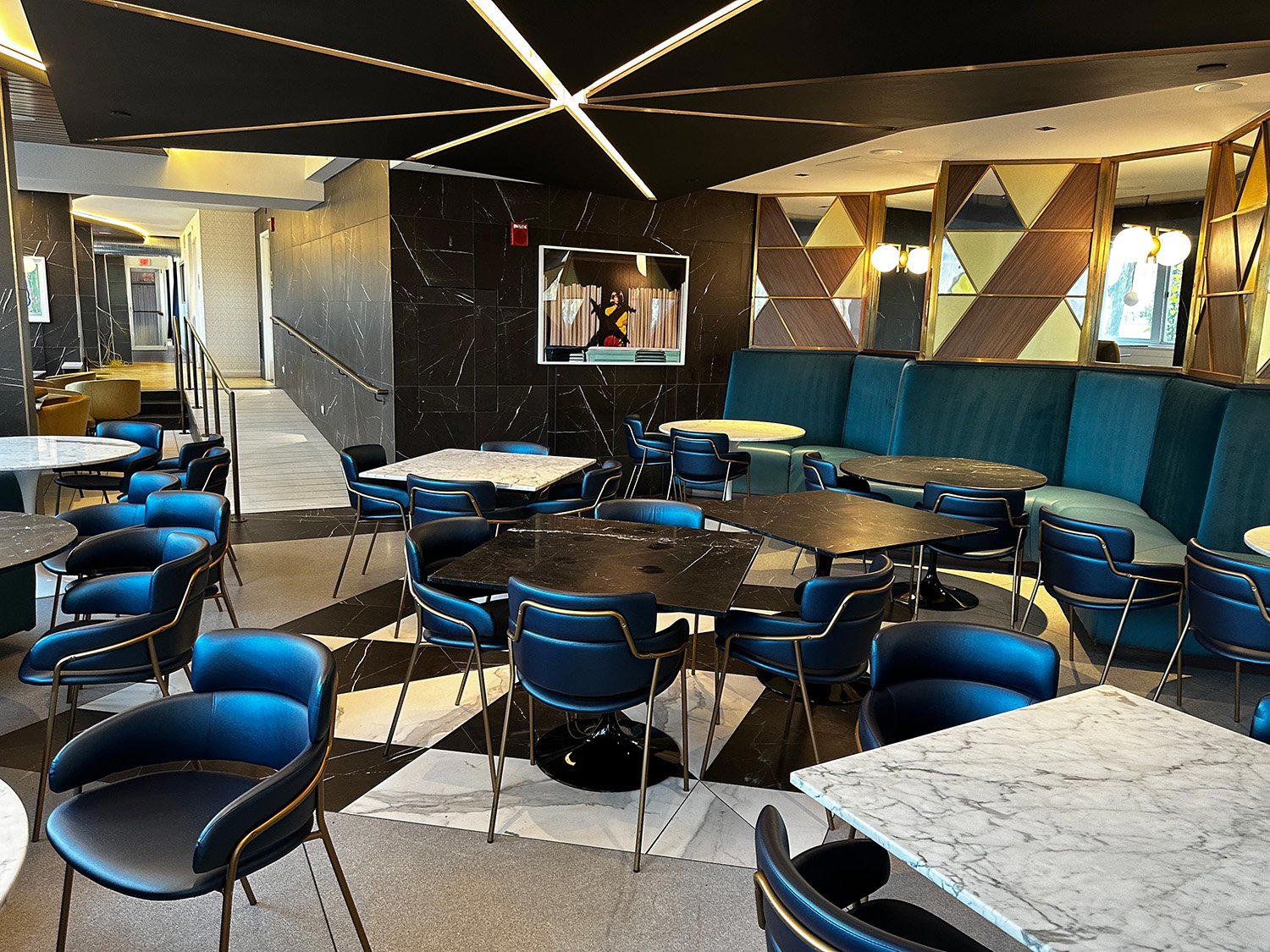
The concept of a dining ritual matters here because it shapes everything about how a guest experiences a meal from arrival through close. On the Parkway, the environmental cues are different from, say, Sansom Street or East Passyunk. There is no street-level restaurant row to orient you, no queue outside a neighbouring spot, no noise bleeding in from the sidewalk. A meal at this address has to generate its own atmosphere from within. That kind of self-sufficiency is either a constraint or an advantage, depending on how deliberately the room handles it. The most rigorous American fine-dining formats, from Lazy Bear in San Francisco to Smyth in Chicago, have understood this: when you remove external street energy, the internal choreography of the meal has to carry the guest from beginning to end.
Philadelphia's Evolving Fine-Dining comparable set
To place AVANA accurately requires understanding what Philadelphia's upper dining tier looks like in 2024. The city has developed a recognisable cohort of restaurants working at a level that warrants comparison with their counterparts in larger American markets. Friday Saturday Sunday has built a reputation on creative New American cooking with genuine critical traction. Mawn has introduced Cambodian and Pan-Asian cooking to a conversation that was previously dominated by European and New American formats. South Philly Barbacoa has demonstrated that the city's most meaningful dining is not confined to prix-fixe rooms.
What this comparable set suggests is that Philadelphia now sustains multiple serious dining traditions simultaneously, without requiring any single venue to represent the whole scene. That maturity is the relevant backdrop for a restaurant at 2200 Benjamin Franklin Parkway. The address implies a certain register, and that register exists within a city that has earned the right to support it.
The Broader American Fine-Dining Frame
American fine dining is not a monolith in 2024. The formats operating at the high end of the market vary considerably in philosophy and execution. The French Laundry in Napa and Addison in San Diego represent one pole, where classical technique and formal structure define the experience. Single Thread Farm in Healdsburg and Providence in Los Angeles represent another, where the sourcing narrative and the relationship between kitchen and farm or sea carry much of the editorial weight. Atomix in New York City and Atelier Moessmer Norbert Niederkofler in Brunico have each shown how a strong conceptual premise can anchor a tasting format across many courses without losing the guest.
What can be said is that the Parkway address sets up a particular expectation about scale and seriousness, one that the internal execution will either reinforce or undercut. The Inn at Little Washington in Washington and Emeril's in New Orleans both demonstrate how regional American fine dining can sustain strong identities outside New York without imitating it. Philadelphia has shown the same capacity.
What the Address Signals
A restaurant on the Benjamin Franklin Parkway is in conversation with the cultural institutions that line it. The Barnes Foundation, one block away, holds one of the most significant Impressionist and Post-Impressionist collections in the world. The Philadelphia Museum of Art closes the Parkway's eastern axis. These are not incidental neighbours. They suggest an audience that approaches cultural experiences with a certain intentionality, and a restaurant at this address is implicitly part of that offer, whether it frames itself that way or not.
The neighbourhood character here is unlike East Passyunk or Fishtown, where the restaurant energy is cumulative and the streetscape does much of the atmospheric work. Logan Square, the neighbourhood surrounding the Parkway, is quieter at dinner, more deliberate in its geography. A guest arriving here for the evening is not passing other restaurants on the way in, not weighing alternatives at the last moment. The commitment to the meal is made earlier, which changes the relationship between guest and room before the first course arrives. That dynamic favours restaurants that understand how to build and sustain a complete evening from within their own four walls.