Auberge Le Cabaliros

Michelin Plate
Our verdict
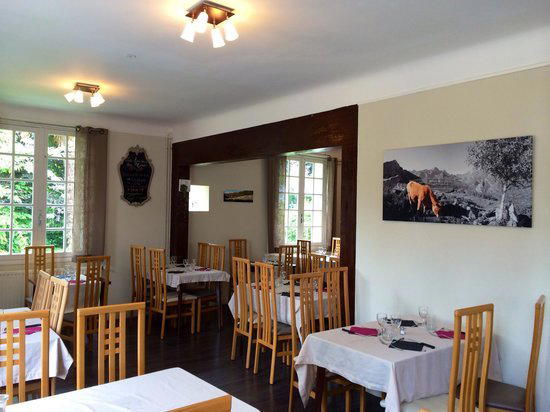
Auberge Le Cabaliros sits in the village of Arcizans-Avant in the French Pyrenees, holding a Michelin Plate in both 2024 and 2025 for its traditional cuisine at a mid-range price point. The setting is the kind of rural auberge that anchors Pyrenean village life, and the cooking draws on the produce and culinary habits of the Hautes-Pyrénées rather than chasing metropolitan trends. At €€, it occupies a specific and increasingly rare category: Michelin-recognised regional cooking without the cost of a destination restaurant.

Pearl is the En Primeur Club membership app, where members save venues, book tables and use the concierge.
The menu
What to order
- Foie gras de canard
- Pavé de Truite des Pyrénées
- Magret de canard
Where the Pyrenees Still Feed the Kitchen
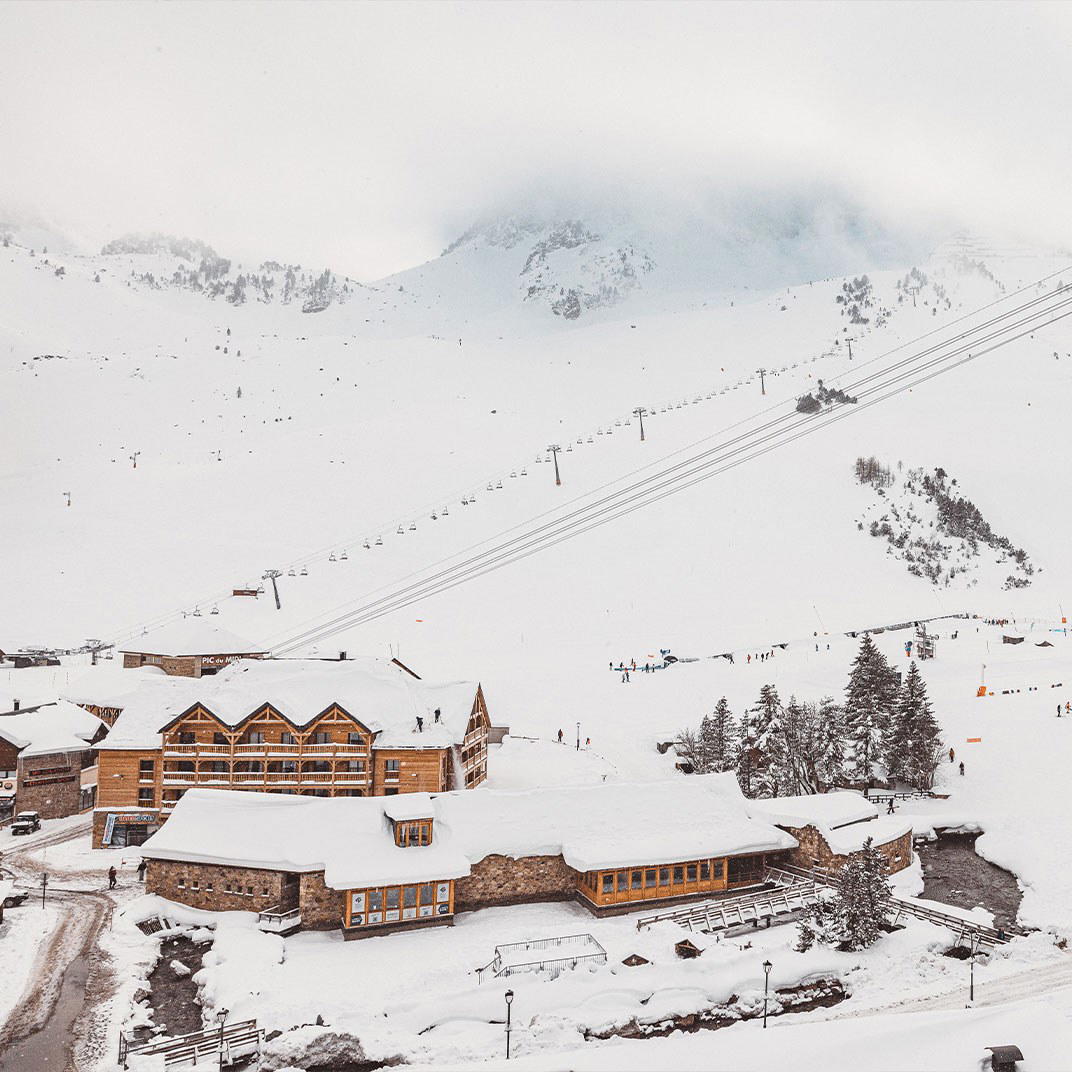
The village of Arcizans-Avant sits in the Hautes-Pyrénées, a few kilometres south of Argeles-Gazost in the Vallée d'Azun. Approaching the auberge along the Rue de l'Église, the scale of the surrounding landscape makes itself felt before the building comes into view: mountain pasture, valley farmland, and the particular kind of silence that suggests a kitchen drawing its larder from the fields and slopes nearby rather than from a regional wholesaler. This is Pyrenean auberge country in its most literal sense, and Auberge Le Cabaliros operates inside that tradition with conviction.
In France's broader dining conversation, attention tends to concentrate at the upper end of the price scale. Auberge Le Cabaliros operates at €€, which in French Michelin terms means something different: it signals a kitchen rooted in regional produce and classical technique, priced for local custom rather than destination dining tourism. The Michelin Plate it has carried in both 2024 and 2025 confirms that the cooking meets a standard of quality the guide considers worth noting, without the formality or cost structure of a starred room.
Traditional Cuisine in a Mountain Region: What That Actually Means
The Hautes-Pyrénées is one of France's more intact agricultural departments. Cattle and sheep graze at altitude through the summer months, supplying the valley markets with lamb, cheese, and dairy products that carry a specificity of flavour tied directly to the terrain. Gascon influence from the neighbouring Gers pushes into the cooking here, duck confit, foie gras preparations, and the use of rendered duck or goose fat as a primary cooking medium are embedded habits rather than borrowed affectations. The mountain streams add trout to the local table, and the higher-altitude markets around Lourdes and Tarbes supply seasonal vegetables that reflect the Pyrenean growing cycle rather than the year-round imported supply chains of larger cities.
Traditional cuisine in this context is not a retrograde label but an accurate one. The kitchens of the Pyrenean auberge tradition work from this agricultural base and have done for generations. Where destination restaurants in the French mountain canon, Flocons de Sel in Megève or Bras in Laguiole, apply creative frameworks or tasting menu structures to regional ingredients, the village auberge format maintains a more direct relationship: local product, established preparation, table service that reflects the community it feeds. Auberge Le Cabaliros sits in that category, and the Michelin Plate signals that the execution within it is competent and consistent.
For points of comparison within the broader French auberge tradition, Auberge de l'Ill in Illhaeusern and Auberge du Vieux Puits in Fontjoncouse demonstrate the ceiling of what the format can achieve over time. At the traditional end of the spectrum, Auberge Grand'Maison in Mûr-de-Bretagne offers a useful regional parallel: Michelin-recognised, rooted in local produce, and priced to serve a local as readily as a travelling diner. These are not the same as urban French institutions like AM par Alexandre Mazzia in Marseille or Assiette Champenoise in Reims, nor do they try to be. The measure of a good auberge is different: regional fidelity, pricing that reflects the local economy, and a dining room that functions as a genuine anchor for village life.
The Source and the Setting
The ingredient sourcing logic of Pyrenean traditional cooking is worth taking seriously as a reason to eat here. Proximity to mountain pasture means that lamb sourced locally carries altitude and mineral character that lowland equivalents do not replicate. The Bigorre pork tradition from this part of the Hautes-Pyrénées, tied to the black Gascon pig breed, is one of France's slower-moving but increasingly recognised charcuterie stories. Trout from the mountain streams of the Vallée d'Azun reaches a kitchen like this with a freshness that makes the category of fish feel entirely different from a city context. None of this requires a creative kitchen to make it worth eating; it requires a kitchen that respects the ingredient enough not to complicate it unnecessarily.
At a €€ price point, the expectation is not that every element of the supply chain will be narrated on a menu card or attributed to a named farm. The expectation is that the produce comes from this landscape, is treated with the techniques this region has historically applied to it, and arrives at table in a form that tastes of where it was raised. When Michelin places a Plate rather than a star, it is signalling that the cooking achieves its stated aim with reliability. For an auberge operating in a village of this scale, that reliability over two consecutive guide years is the relevant credential.
Planning Your Visit
Arcizans-Avant is reached most easily by road from Argeles-Gazost, itself accessible from Lourdes via the N21. The village sits at the entrance to the Vallée d'Azun, which makes it a practical base or stopping point for those moving through the Hautes-Pyrénées toward the Tourmalet or the Cauterets valley. The area draws walkers and cyclists through the warmer months, which shapes the rhythm of village restaurants: summer and early autumn see more passing traffic, while the shoulder seasons return the dining room to its local character. Visitors planning a stay in the area will find guidance on accommodation and local options in our full Arcizans-Avant hotels guide, and the broader dining picture for the area is covered in our full Arcizans-Avant restaurants guide.
The price range of €€ places this in the mid-range bracket for the region. Those spending time in the area looking beyond dining will find further local resources in our full Arcizans-Avant experiences guide, our full Arcizans-Avant bars guide, and our full Arcizans-Avant wineries guide.
Frequently asked questions
Is Auberge Le Cabaliros child-friendly?
The auberge format in French rural communities is typically family-oriented by structure. At €€, with traditional cuisine rather than a tasting menu format, the dining room functions more as a community restaurant than a formal occasion venue. If travelling with children in the Hautes-Pyrénées, the mid-range price and informal regional character of this type of establishment generally accommodates family dining more comfortably than the city fine dining tier.
Is Auberge Le Cabaliros better for a quiet night or a lively one?
In a village of this scale in the Hautes-Pyrénées, the character of a restaurant evening shifts with the season. Summer and weekend service in a Pyrenean valley with active walking and cycling traffic tends toward a fuller, more animated room. Off-season midweek evenings return to a quieter local register. At €€ with Michelin Plate recognition across two consecutive years, this is a room built on regular local custom as much as visiting trade, which means the atmosphere follows the rhythm of the valley rather than the demands of a destination dining audience.
What dish is Auberge Le Cabaliros famous for?
Given the cuisine type, traditional, Pyrenean, operating in the Hautes-Pyrénées, the regional canon points toward preparations built around local lamb, duck, charcuterie from the Bigorre tradition, and freshwater fish from mountain streams. These are the ingredients that define cooking at this altitude and latitude in France. Comparable regional auberges across the French southwest, such as [Auga in Gijón](https://www.enprimeurclub.com/restaurants/auga-gijn-restaurant) on the Spanish side of the range and [Paul Bocuse's Auberge du Pont de Collonges](https://www.enprimeurclub.com/restaurants/paul-bocuse-lauberge-du-pont-de-collonges-collonges-au-mont-dor-restaurant) in the Lyon tradition, illustrate how regional fidelity rather than a single flagship dish tends to define the identity of this type of kitchen. At [Au Crocodile in Strasbourg](https://www.enprimeurclub.com/restaurants/au-crocodile-strasbourg-restaurant), regional Alsatian identity similarly anchors the menu logic more than any single preparation. The Michelin Plate at Auberge Le Cabaliros suggests the kitchen executes its traditional range with consistency rather than building a reputation around one showpiece.
Fast Comparison
| Venue | Cuisine | Price | Awards | Notes |
|---|---|---|---|---|
| Auberge Le CabalirosThis venue (the venue you are viewing) | Traditional French Pyrenean | $30–50 | Michelin Plate | Not listed |
| Alléno Paris au Pavillon Ledoyen | Modern French Fine Dining | $150–200 | 3 Michelin Stars · World's 50 Best #79 | Creative |
| Kei | Contemporary French, Modern Cuisine | Not listed | Michelin 3 Star | Not listed |
| L'Ambroisie | Classic French Haute Cuisine | $300–500 | 2 Michelin Stars · World's 50 Best #23 | French, Classic Cuisine |
| Le Cinq - Four Seasons Hôtel George V | Modern French Fine Dining | $300–500 | 3 Michelin Stars · World's 50 Best #24 | French, Modern Cuisine |
| Plénitude | Modern French Sauce-Led Fine Dining | $300–500 | 3 Michelin Stars · World's 50 Best #14 | Contemporary French |
Recognition history
Dated appearances from independent guides and award organizations, with the underlying list record or original source where available.
Michelin Plate
Michelin
Full recognition history (2 entries)
Michelin Plate
Michelin
Continue exploring
More in Arcizans-Avant
Details
- Rustic
- Cozy
- Scenic
- Classic
- Family
- Date Night
- Special Occasion
- Terrace
- Local Sourcing
- Mountain
- A La Carte
- Vegetarian Friendly
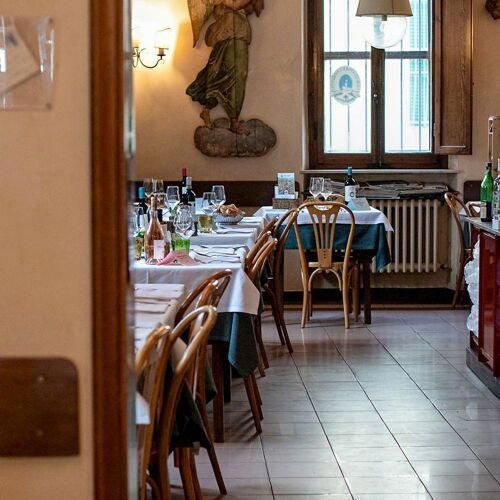
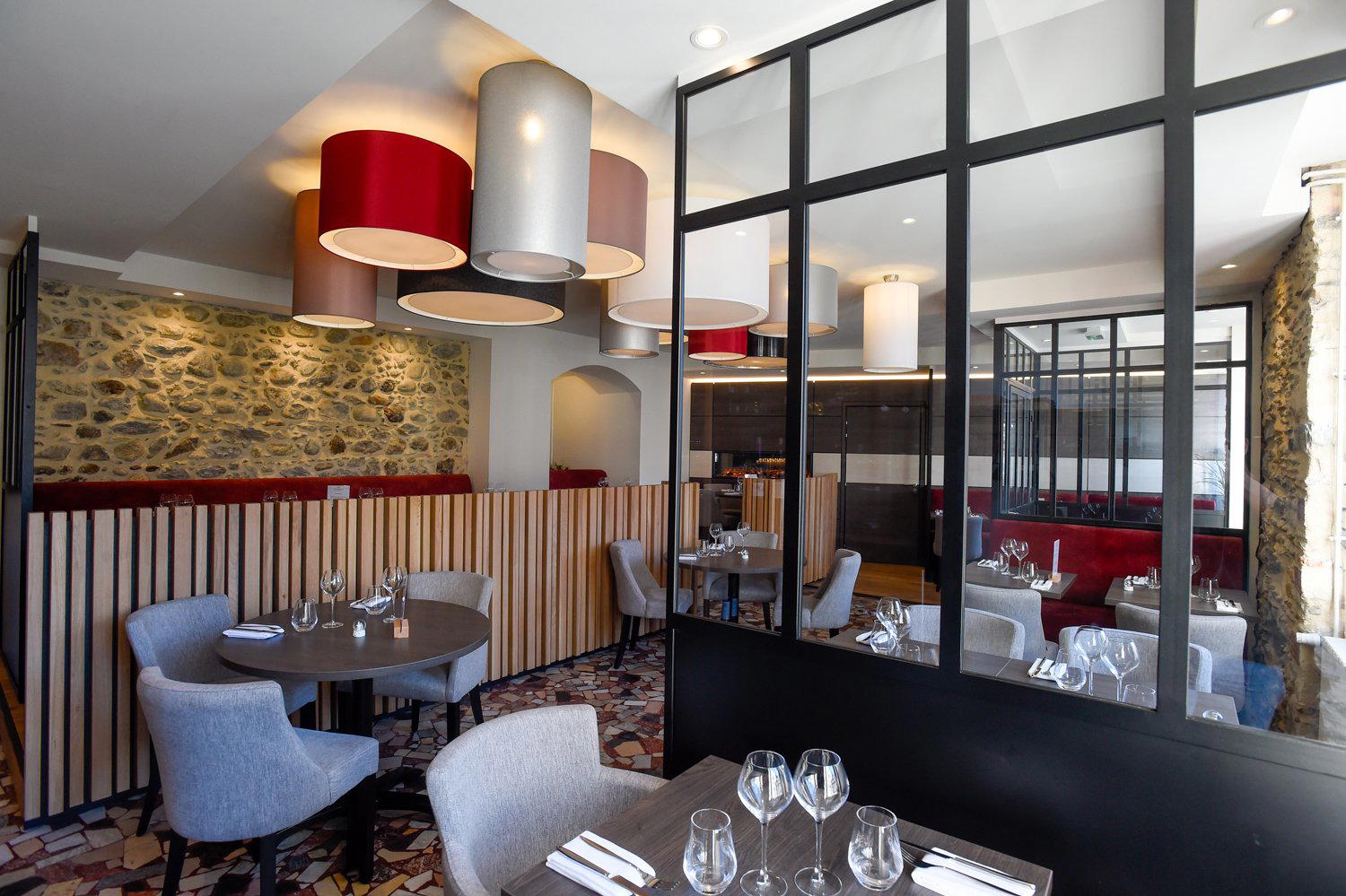
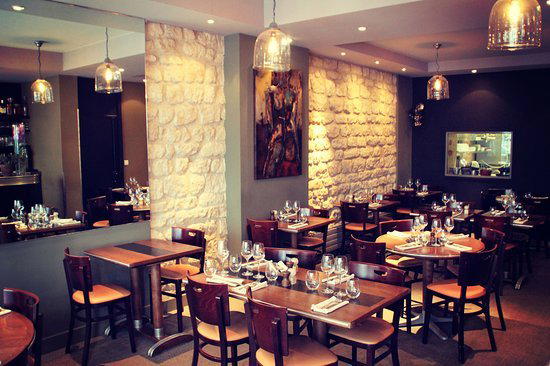
Warm, homey atmosphere with a crackling fireplace in winter and terrace dining overlooking Pyrenean peaks.