Vidocq

A Michelin Plate-recognised table in Formigal's Edificio Jacetania, Vidocq runs a single seasonal set menu that weaves Thai-inflected technique into Aragonese mountain produce sourced from small local suppliers. The result is a contemporary fusion format that positions itself as a serious dining option within Spain's Pyrenean ski corridor, earning a 4.8 Google rating across 743 reviews.
Pearl is the En Primeur Club membership app — saves, bookings, and concierge access live there. Same editors, same standards.
- Address
- Edificio Jacetania, Av. de Huesca, bajos, 22640 Formigal, Huesca, Spain
- Phone
- +34 974 49 04 72
- Website
- restaurantevidocq.com
 Saves & bookings on Pearl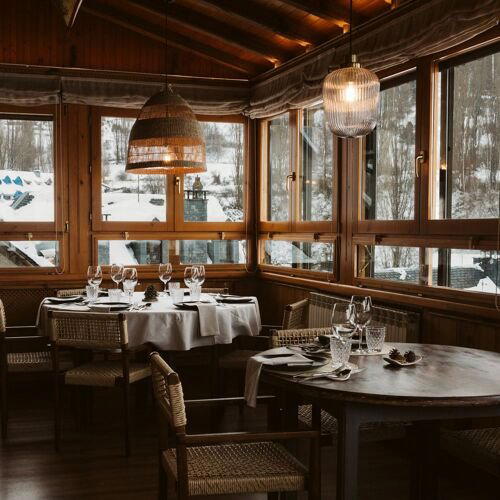
Where the Pyrenees Meet the Plate
Formigal sits at the upper end of the Tena Valley, where the road to the French border narrows and the ski runs of one of Aragon's largest resorts dominate the horizon from late November through April. The dining scene here is, predictably, shaped by that geography: most tables serve hearty mountain staples to fuel skiers, and the competitive set is defined by altitude, seasonality, and a captive clientele. Vidocq, in the Edificio Jacetania on Avenida de Huesca, positions itself differently within that local bracket. It operates a structured contemporary menu in a resort town where structured contemporary menus are rare, and it holds a Michelin Plate recognition for both 2024 and 2025, which places it in a different category from the surrounding après-ski offer.
That Michelin Plate designation is worth contextualising. It does not indicate a starred restaurant, but it does represent Michelin's explicit acknowledgement of good cooking, distinguishing the kitchen from the many resort tables in the Pyrenees that earn no recognition at all. Within the Pyrenean ski corridor, where the dining benchmark tends to sit low, that distinction carries weight. For the broader Spanish contemporary restaurant scene, comparison points sit elsewhere: Arzak in San Sebastián, El Celler de Can Roca in Girona, and Disfrutar in Barcelona operate at the uppermost tier of Spanish creative cooking. Vidocq does not compete in that tier. It is, instead, the serious option within its own geographic niche.
A Fusion Format Rooted in Aragonese Terrain
Spain's contemporary restaurant movement has, over two decades, established a model that the wider world associates with places like DiverXO in Madrid, Mugaritz in Errenteria, and Azurmendi in Larrabetzu: rigorous technique, strong regional identity, and an appetite for cross-cultural influence. What makes the Vidocq approach interesting in its specific context is that it applies a version of that same logic to mountain Aragon, a region whose culinary profile runs to lamb, game, river trout, mountain herbs, and the pulse-and-legume traditions of Pyrenean agriculture. The kitchen incorporates Thai technique and flavour architecture into that Aragonese foundation, a combination that might read as incongruous on paper but reflects a broader tendency within Spanish contemporary cooking to treat Asian method as a toolkit rather than a cuisine to be replicated wholesale.
The parallels are visible elsewhere in Spain's creative tier. Aponiente in El Puerto de Santa María rebuilds Atlantic seafood through a lens of radical technique. Quique Dacosta in Dénia distils the Levantine coast into precise, abstracted forms. Ricard Camarena in València treats the Valencian larder with a severity that reads as contemporary rather than traditional. What each of these kitchens shares is a commitment to regional ingredients as primary material and technique as secondary framework. Vidocq applies the same hierarchy in the Pyrenees, with a supply chain built around small-scale local producers rather than the broader Spanish food industry.
That sourcing decision matters in a resort town. Formigal's seasonal population peaks sharply in winter and drops in summer, and the supply logistics for remote mountain restaurants are genuinely demanding. A kitchen that commits to local-producer relationships in that environment is making an operational choice that runs against the easier path of centralised distribution. The 4.8 Google rating across 768 reviews suggests the approach resonates with the guests who find their way to the table.
The Huellas Menu: One Format, One Direction
The single seasonal set menu, named Huellas (the Spanish word for footprints or traces), is the only format on offer. This is a deliberate constraint. Single-menu kitchens in Spain's contemporary tier have been a standard structural choice since the early 2000s, allowing tight ingredient rotation, coherent narrative across courses, and full kitchen focus on one set of preparations. The name itself carries a regional implication, evoking the marks left by terrain, tradition, and movement through a particular landscape, though the execution translates that into specific flavour combinations rather than visual metaphor alone.
The menu changes with the season, which in a mountain resort context means it shifts noticeably between the ski-season iteration and what the kitchen produces during the quieter warmer months. What remains constant is the structural approach: Aragonese ingredients as the raw material, Asian technique (with a particular debt to Thai flavour logic) as one of the processing frameworks, and a contemporary plating discipline that separates it from both traditional mountain cooking and simple fusion novelty. The cheesecake dessert has attracted particular attention in documented guest responses, though without verified tasting notes this account will not speculate on what distinguishes it technically.
At €€€ on a three-tier scale, Vidocq sits mid-to-upper within the Sallent de Gállego restaurant market. For the level of menu formality and the Michelin recognition, this positioning is consistent with comparable single-menu contemporary tables in secondary Spanish cities. International comparisons in the contemporary format would include César in New York City and Jungsik in Seoul, though both operate in far higher-density competitive environments. Martin Berasategui in Lasarte-Oria offers a reference point for the kind of formal contemporary table that can sustain itself in a non-urban Spanish setting, though at a significantly higher price and star level.
The Name and What It Implies
The restaurant takes its name from Eugène François Vidocq, the nineteenth-century Frenchman whose biography as a former criminal turned founder of the Sûreté Nationale led Arthur Conan Doyle and Edgar Allan Poe to credit him as a foundational influence on the detective figure. Naming a Pyrenean contemporary restaurant after the man considered the first private detective is an unusual cultural move, one that nods toward France (appropriate given the proximity to the French border and the historical cross-Pyrenean exchange of culinary ideas) while signalling a certain wit and narrative self-awareness. It also implies that the kitchen intends to locate things that are not obvious, which is a reasonable summary of the fusion methodology it applies.
Planning a Visit
Vidocq is located at Edificio Jacetania, Avenida de Huesca, in Formigal, the ski resort village within the municipality of Sallent de Gállego. The address places it within comfortable reach of the main ski infrastructure, which makes it a practical option for those who want a serious dinner without leaving the resort zone. Given the seasonal nature of Formigal and the small capacity typical of single-menu contemporary kitchens, advance booking is advisable, particularly during the peak ski season from December through March.
For a broader view of what the area offers, Cambium is the other restaurant in the Sallent de Gállego bracket worth knowing, with a regional cuisine focus that places it in a different stylistic category from Vidocq's fusion format.
What Dish Is Vidocq Famous For?
Vidocq's documented standout is its cheesecake dessert, which has been singled out in guest accounts and appears in the Michelin-adjacent notes associated with the restaurant. More broadly, the kitchen is recognised for its Huellas seasonal set menu, which brings Thai-influenced technique to bear on Michelin Plate-recognised Aragonese mountain cooking sourced from local producers in the Tena Valley. The format changes seasonally, so specific dishes vary, but the structural signature is the combination of Pyrenean raw material and Asian flavour logic within a single-menu contemporary framework.
Cost Snapshot
Comparable venues nearby, for context on price, style, and recognition.
| Venue | Price | Awards | Notes |
|---|---|---|---|
| Vidocq | $$$ | Michelin Plate | Formigal, Contemporary Aragonese-Asian Fusion |
| Cambium | $$$$ | Michelin Plate | Sallent de Gallego, Modern Pyrenean Spanish |
| Las Torres | $$$ | Michelin Plate | Calle Maria Auxiliadora, Mediterranean Spanish |
| Vidocq | $$$ | , | Formigal / Sallent de Gállego (Valle de Tena), Contemporary Pyrenean-Asian fusion tasting menu |
| La Morena | $$$ | Michelin Plate | Nueva Espana, Cádiz-Japanese-Latin American Fusion |
| Treintaitres | $$$ | Michelin Plate | center, Traditional Spanish Vegetable-Led Cuisine |
Continue exploring
More in Sallent de Gállego
Restaurants in Sallent de Gállego
Browse all →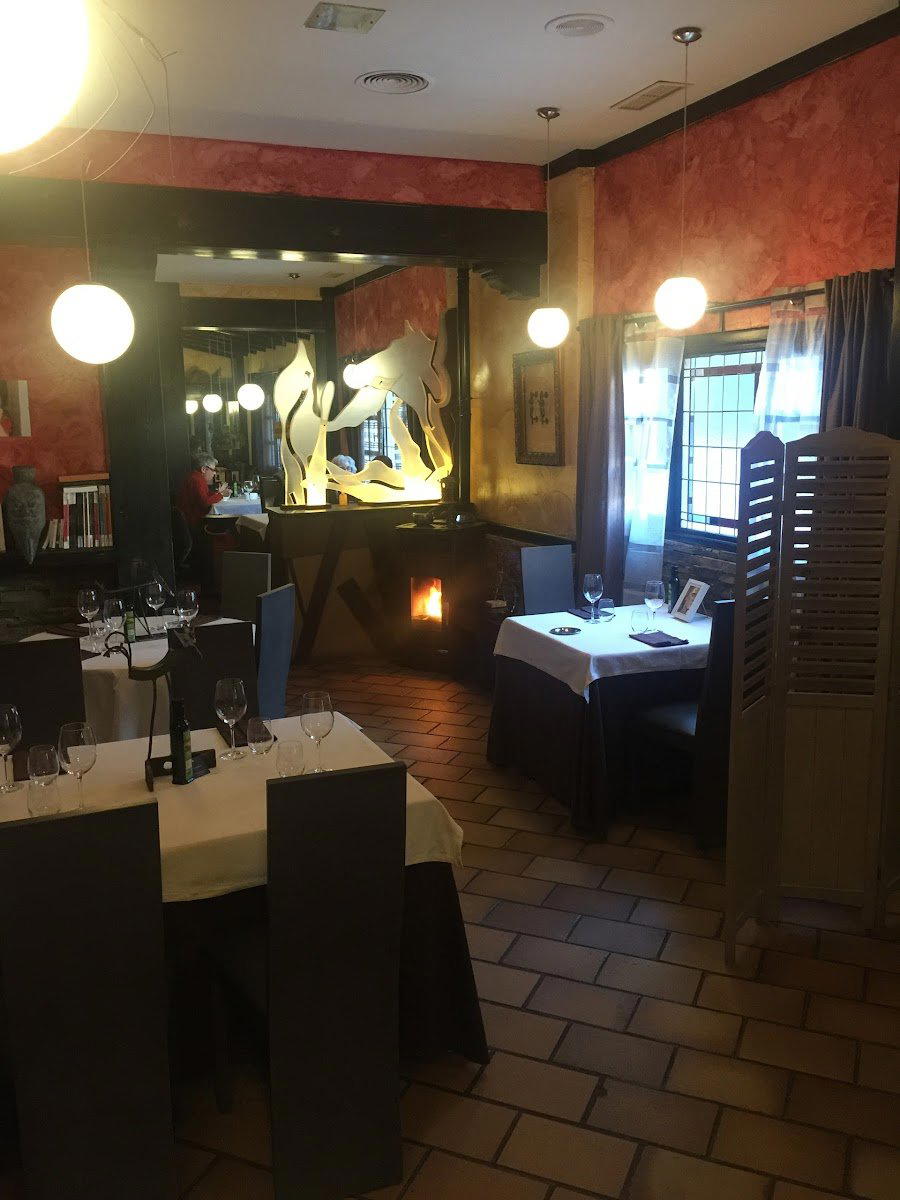
At a Glance
- Cozy
- Intimate
- Rustic
- Elegant
- Date Night
- Special Occasion
- Open Kitchen
- Extensive Wine List
- Local Sourcing
- Organic
- Mountain
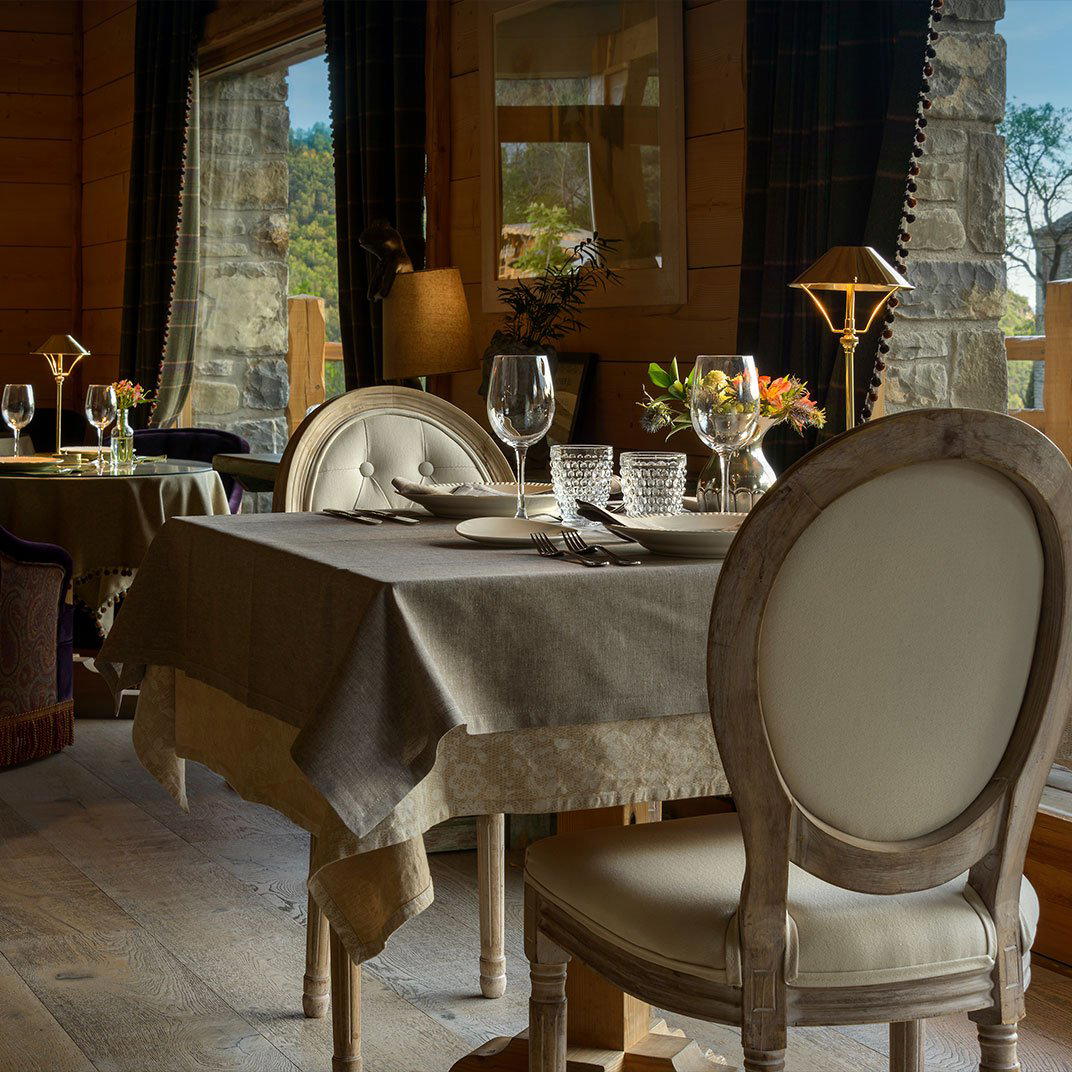
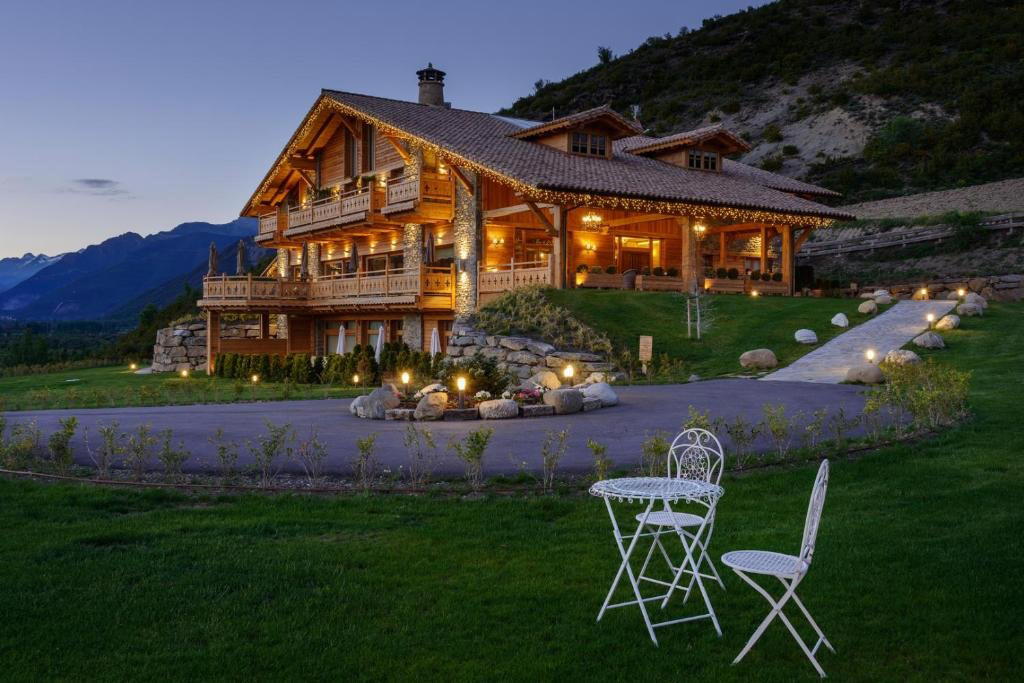
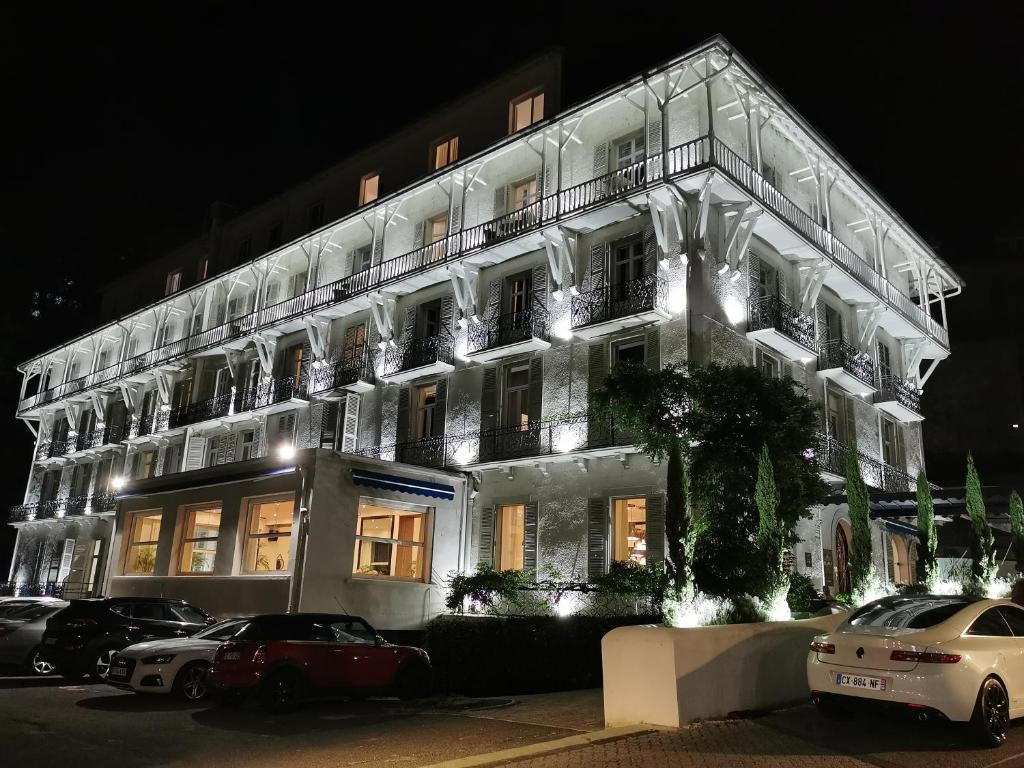
Cozy cottage-like setting with warm, welcoming atmosphere, soft lighting, and attentive service creating an intimate dining experience.