Cambium


A Michelin Plate holder in the Aragonese Pyrenees village of Sallent de Gállego, Cambium roots its seasonal menus in the ingredients and culinary traditions of the Alto Gállego region, IGP Aragón veal, local trout, D.O. Somontano wines, served in rustic dining rooms with views of the surrounding mountains. It offers both à la carte and two tasting menu formats across a mid-range price bracket.
Pearl is the En Primeur Club membership app — saves, bookings, and concierge access live there. Same editors, same standards.
- Address
- Pl. Valle de Tena, 7, 22640 Sallent de Gállego, Huesca, Spain
- Phone
- +34 974 48 82 19
- Website
- cambiumrestaurante.com
- Directions
- Get directions
 Saves & bookings on Pearl
Wood, Stone, and the Pyrenean Larder
Arriving in Sallent de Gállego, a small Aragonese village at roughly 1,300 metres above sea level in the Valle de Tena, the relationship between place and plate becomes immediately legible. The mountains are not backdrop, they are the supply chain. Streams cold enough for trout, high pastures for cattle, and a climate that compresses seasons into short, productive windows: the physical environment of the Alto Gállego shapes what ends up on the table in ways that a flatland restaurant could not replicate simply by sourcing upward.
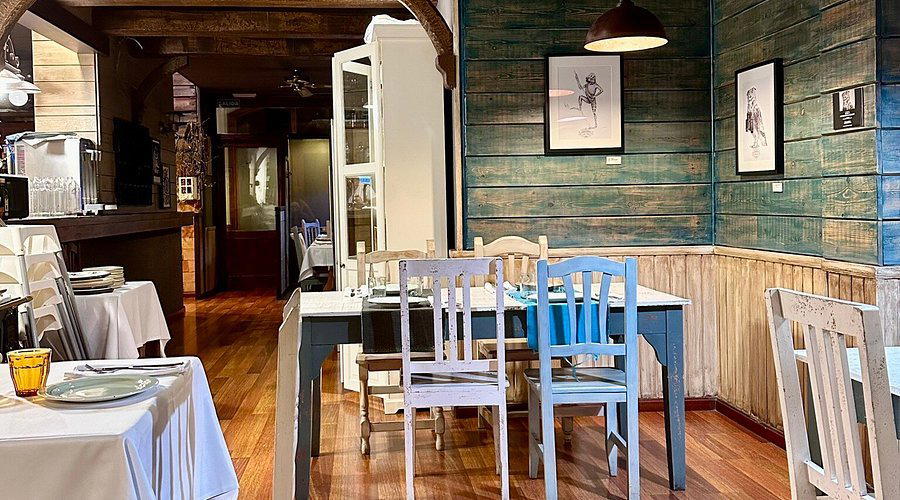
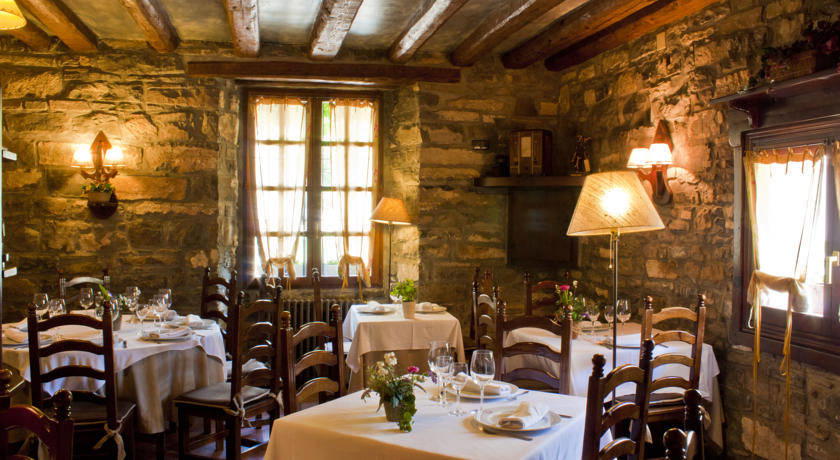
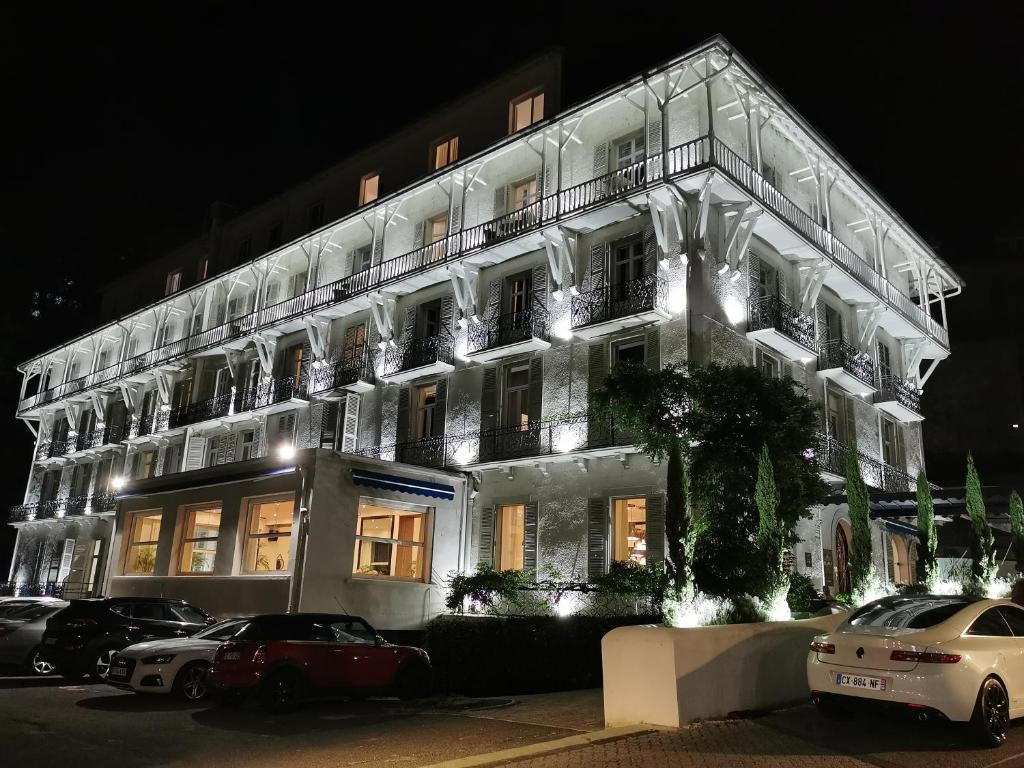
Cambium sits on the village's central square, Plaza Valle de Tena, and its dining rooms read as a direct extension of the surrounding terrain. Wood dominates the interior, beams, panelling, structural details, and windows frame both the village roofline and the mountain ridges beyond. The effect is not decorative rusticity but a coherent visual argument: the environment is the context for the cooking, not a coincidence.
The name itself carries programmatic weight. Cambium derives from the Latin for change and also refers to the meristematic tissue just beneath the bark of a tree trunk, the layer responsible for growth and seasonal transformation. For a restaurant in a mountain village whose culinary offer shifts with altitude-driven seasonality, the name functions as a statement of intent rather than branding.
Sourcing at Altitude: What the Aragonese Pyrenees Produce
Regional cooking in mountain Spain occupies a different register from the avant-garde cuisine that earns Spain its most discussed Michelin stars. Venues like DiverXO in Madrid, Arzak in San Sebastián, or Azurmendi in Larrabetzu operate in a global conversation about technique and concept. Mountain regional cooking, by contrast, is accountable to place in a more literal sense: the credibility of the cooking depends on whether the ingredients are genuinely local and whether the preparation connects to a traceable culinary tradition. Cambium's position in that latter category is explicit.
The marinated Oliván trout referenced in the Michelin documentation points to a specific geography: the Oliván stream system feeds into the upper Gállego river valley, and trout from these cold, fast-moving waters carry a different flavour profile than farmed freshwater fish. Preparing them as a marinated dish acknowledges both the quality of the raw ingredient and the preserving traditions of mountain communities where refrigeration arrived late. The choice to feature them at all is an editorial decision about what this part of Aragón actually tastes like.
IGP Aragón veal is the other anchor protein. The Indicación Geográfica Protegida designation for Aragonese veal covers animals raised in specific conditions across the region, with traceability requirements that make the credential verifiable rather than gestural. In the context of a menu that frames itself around Alto Gállego culinary tradition, featuring protected-designation veal is not a marketing convenience, it is the menu doing what it says it does.
The D.O. Somontano wine list adds a further layer of regional coherence. Somontano's appellation sits at the foot of the Pyrenees to the south, in the province of Huesca, producing varietals that include Moristel, Parraleta, and Alcañón alongside international varieties adapted to the local conditions. The wines are geographically adjacent to the food's source territory, which gives the pairing logic a geographic as well as gustatory rationale. For a high-end restaurant (priced at about €60 per person) to carry an array described as impressive by Michelin's own editorial indicates a list assembled with genuine attention to regional expression rather than easy commercial choices.
Menu Formats and How to Order
Cambium operates two parallel ordering structures. À la carte allows selective engagement with the kitchen's output, useful for diners who want a single strong dish rather than a full arc. The two seasonal tasting menus, Olla Tensina and Summum, offer a more curated route through the kitchen's range. Olla Tensina takes its name from a traditional Aragonese stew format associated with the Tena valley specifically, signalling a menu built closer to local tradition. Summum functions as the more ambitious of the two formats, appropriate for a meal oriented toward understanding the kitchen's full scope.
Both tasting menus operate on request, which in practice means communicating the preference at booking rather than arriving expecting them to appear automatically. This is common in regional Spanish restaurants of this size and type, where tasting menus require advance preparation of quantities and components. Booking ahead with a clear statement of which format you want is not a formality, it is a practical necessity.
The recognition, held in both 2024 and 2025, does not carry the starred tier's weight but is a meaningful signal in this context. It marks a restaurant producing food at a level the Guide considers worth documenting: competent, honest cooking with identifiable character. For a village restaurant in a ski resort area where seasonal visitor traffic is high and consistency under volume pressure is difficult to maintain, holding the Plate across two consecutive years suggests a kitchen with genuine discipline.
Sallent de Gállego as a Dining Destination
The Valle de Tena is primarily known as the access route to the Formigal ski resort, one of the larger ski areas in the Pyrenees, which means the village's restaurant trade is heavily seasonal and visitor-dominated. That dynamic creates a genuine quality ceiling for most venues in the area: high volume, transient clientele, and limited local population to sustain year-round fine dining economics.
Cambium operates inside those constraints while positioning itself at the more considered end of the local offering. Vidocq, also in Sallent de Gállego, takes a contemporary approach that contrasts with Cambium's regional framing, giving visitors a genuine choice between two distinct orientations rather than minor variations on the same format. For visitors spending more than a day in the valley, the two restaurants represent a logical sequence rather than competition for the same meal.
The broader Aragonese Pyrenees sit outside the circuits that send visitors to Spain's most discussed dining rooms. The creative intensity of El Celler de Can Roca in Girona, Mugaritz in Errenteria, or Martin Berasategui in Lasarte-Oria belongs to a different category of Spanish restaurant entirely. Regional mountain cooking operates with different criteria and different ambitions, and the comparison is not meaningful. What Cambium does, ground a menu in a specific high-altitude larder, hold Michelin recognition, and maintain consistency across ski-season volume, is a credible achievement within its actual peer group. For parallels at similar altitude and regional specificity elsewhere in Europe, Gannerhof in Innervillgraten and Fahr in Künten-Sulz occupy adjacent terrain in both geography and culinary philosophy.
Planning Your Visit
Cambium is at Plaza Valle de Tena, 7 in the centre of Sallent de Gállego, accessible on foot from most accommodation in the village. If a tasting menu, either Olla Tensina or Summum, is a priority, state that at the time of booking. For Spain's wider restaurant picture, venues like Quique Dacosta in Dénia, Ricard Camarena in València, Cocina Hermanos Torres in Barcelona, and Aponiente in El Puerto de Santa María anchor different regional traditions at the higher end of the recognition spectrum.
Comparable Spots, Quickly
Comparable venues nearby, for context on price, style, and recognition.
| Venue | Cuisine | Price | Awards | Notes |
|---|---|---|---|---|
| CambiumThis venue — the venue you are viewing | Modern Pyrenean Spanish | $$$$ | Michelin Plate | Not listed |
| Vidocq | Contemporary Aragonese-Asian Fusion | $$$ | Michelin Plate | Formigal |
| Treintaitres | Traditional Spanish Vegetable-Led Cuisine | $$$ | Michelin Plate | center |
| La Cocina del Principal | Traditional Aragonese Grilled Cuisine | $$$ | Michelin Plate | historic quarter |
| Kabia | Modern Basque | $$$ | Michelin Plate | Zumarraga |
| Er Occitan | Modern Spanish with Asian and Latin influences | $$$ | Michelin Plate | Bossòst |
Recognition history
Dated appearances from independent guides and award organizations, with the underlying list record or original source where available.
Macarfi 7.7 Food Rating
Macarfi
Michelin Plate
Michelin
Michelin Plate
Michelin
Michelin Plate
Michelin
Continue exploring
More in Sallent de Gállego
Restaurants in Sallent de Gállego
Browse all →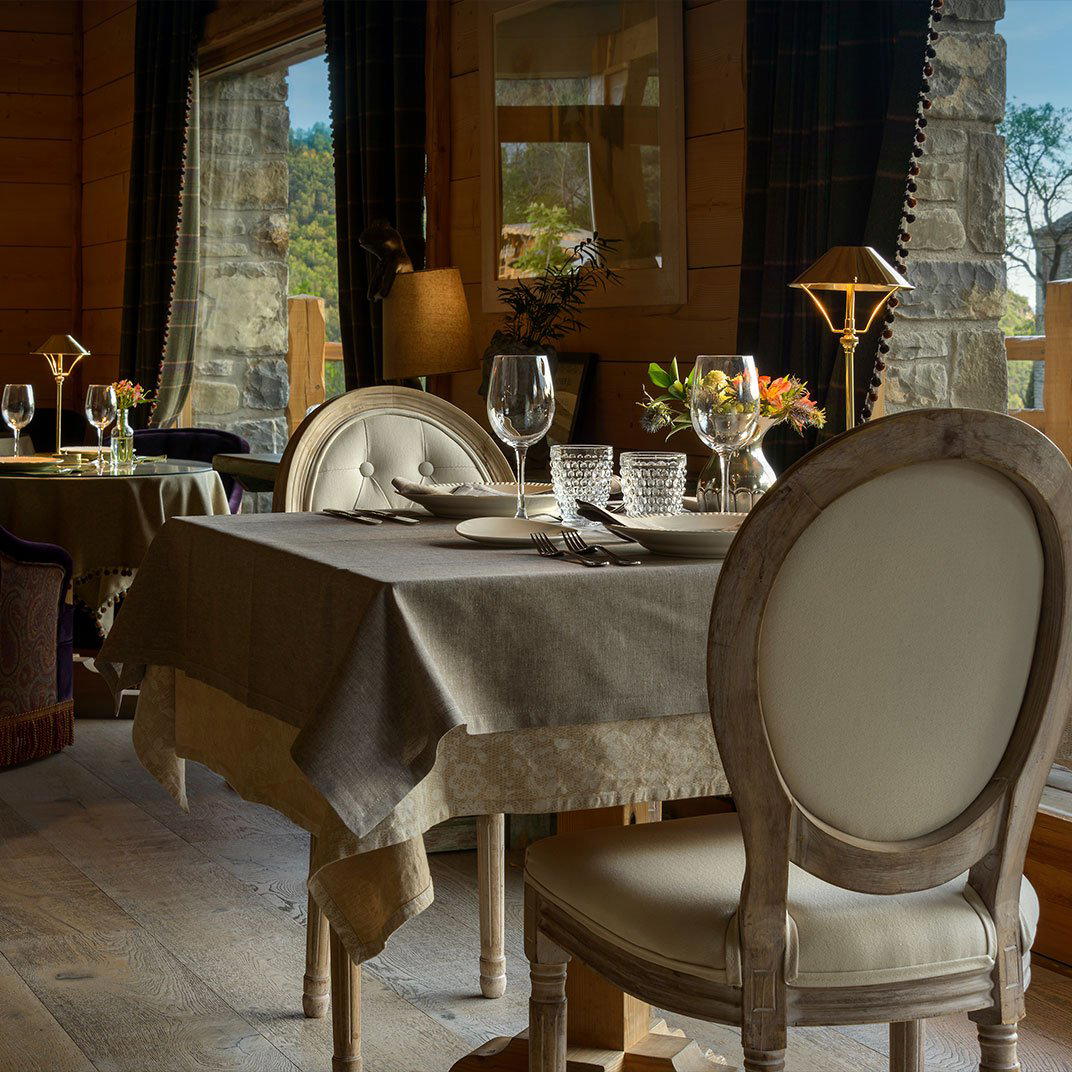
At a Glance
- Rustic
- Cozy
- Scenic
- Elegant
- Date Night
- Special Occasion
- Family
- Open Kitchen
- Panoramic View
- Extensive Wine List
- Local Sourcing
- Mountain
- Street Scene
Current opening hours
- Monday
- Closed
- Tuesday
- 8:15–10 PM
- Wednesday
- 8:15–10 PM
- Thursday
- 1:30–3 PM, 8:15–10 PM
- Friday
- 1:30–3 PM, 8:15–10 PM
- Saturday
- 1:30–3 PM, 8:15–10 PM
- Sunday
- 1:30–3 PM, 8:15–10 PM
Hours can change for holidays and private events. Last verified .
Pleasant rustic-style dining rooms with profusion of wood, warm lighting, and large windows offering impressive Pyrenees mountain views.