Our verdict
Set on the ancient Place de la Libération in Sartène, Le Jardin de l'Echauguette occupies a town that Prosper Mérimée once called the most Corsican of Corsican towns. The restaurant draws on a dining tradition rooted in unhurried ritual, local produce, and the particular pace of the Alta Rocca interior. For visitors arriving from the island's coastal circuits, it represents a different register entirely.

Pearl is the En Primeur Club membership app, where members save venues, book tables and use the concierge.
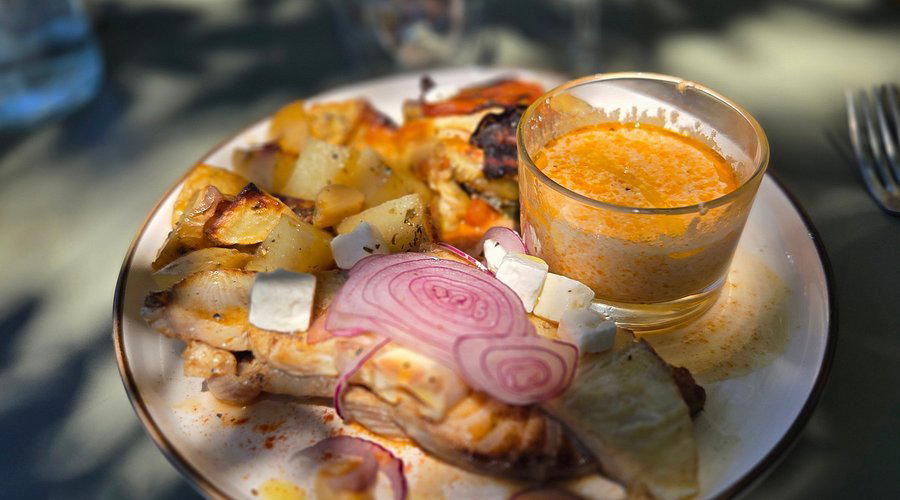
The menu
What to order
- Lasagnes au brocciu
- Daube de veau à la sartenaise
- Fiadone
Sartène and the Rhythm of the Interior Table
Corsica's coastal restaurants compete on sea views and tourist footfall. The interior is a different proposition. Sartène sits roughly 800 metres above sea level in the Alta Rocca, a granite town of severe beauty where the streets narrow to shoulder-width and the light arrives at a different angle than anywhere on the coast. Dining here follows a different logic: slower, more local in its references, and shaped by a culinary tradition that predates the island's postwar tourism economy. Le Jardin de l'Echauguette operates within that tradition, positioned on Place de la Libération at the civic centre of what remains one of the most self-contained towns in the French Mediterranean.
The name itself is a signal. An échauguette is a watchtower or sentry box, an architectural feature common to Corsica's fortified medieval settlements. The word implies surveillance, position, a vantage point over something. Dining in a space that references this language is a minor act of orientation: you are not at a resort, not on a terrace above a marina, but inside a town with its own deep grammar.
The Dining Ritual in a Corsican Interior Town
Across the French restaurant tradition, the meal is understood as a sequence with its own internal discipline: arrival, aperitif, the first read of the menu, a deliberate pause before ordering. In Paris, that ritual runs on a compressed urban schedule. At addresses like Alléno Paris au Pavillon Ledoyen or Assiette Champenoise in Reims, the pacing is orchestrated by large front-of-house teams working precise service intervals. In provincial France, and especially in Corsica's interior, the same ritual runs at a different tempo. Tables are held longer. The space between courses carries more social weight. The meal is not a performance with a fixed runtime; it is the afternoon, or the evening, or both.
Sartène's dining scene reflects this. Across the town's restaurants, from Santu Pultru, which anchors the traditional Corsican end of the spectrum at the €€ price point, through to La Table de la Grotte in the €€€ bracket and La Table de la Plage at the top of the local price range, the expectation is an unhurried meal. Visitors arriving from the coast with a two-hour window will find the format works against them. Sartène rewards those who have already decided to stay.
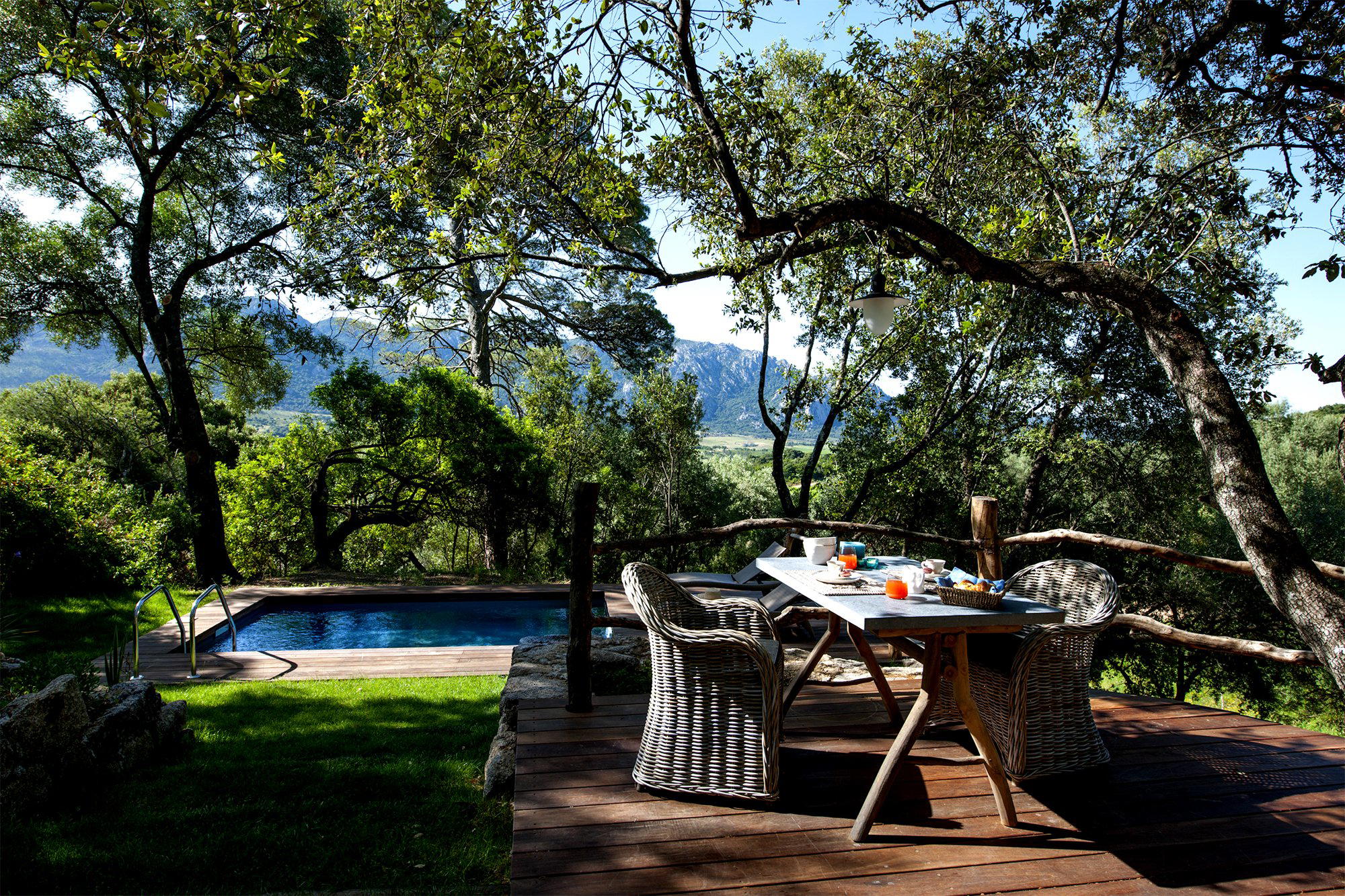
Le Jardin de l'Echauguette belongs to this pattern. The garden reference in the name suggests outdoor or semi-outdoor seating, which in the granite context of Sartène's medieval centre means a space carved from the town's fabric rather than appended to it. That spatial quality shapes the dining experience: the meal happens within the town, not adjacent to it.
Corsican Cuisine and Its Continental Position
Corsican cuisine sits at an intersection that French mainland critics have long underestimated. The island's food draws on charcuterie traditions (lonzu, coppa, figatellu) that share roots with Sardinian and northern Italian curing cultures, combined with a pastoral meat and cheese tradition shaped by transhumance patterns that predate the French administration. Alongside this is a gathering culture: wild herbs, chestnuts, brocciu cheese made from sheep and goat whey, and seafood from both the western and eastern coasts. The result is a regional cuisine with genuine internal complexity, not simply a regional variant of Provençal cooking.
France's most decorated tables, from Mirazur in Menton to Bras in Laguiole, have built their identities around hyperlocal ingredient sourcing and a deep reading of place. Corsican interior restaurants operate with the same raw material logic but without the formal recognition infrastructure. The Alta Rocca's produce, the chestnut forests above Zonza, the shepherds' routes through the mountains behind Sartène, these are the inputs for a cuisine that doesn't require a Michelin star to justify its seriousness. Other Sartène addresses worth mapping include La Table de la Ferme and La Trattoria, which between them cover farm-rooted and Italian-influenced registers. For a full picture of the town's dining options, the EP Club Sartène restaurants guide maps the complete field.
Planning the Visit
Sartène is approximately 55 kilometres north of Bonifacio and 85 kilometres south of Ajaccio by road. Neither distance is long in absolute terms, but Corsican mountain roads operate on their own time scale: the D268 and related routes through the Alta Rocca are scenic, winding, and rarely fast. Arriving in Sartène by mid-afternoon allows for a walk through the Vieux Sartène before an early dinner service, which is the correct sequence for understanding what the town is before the meal begins. Corsica's interior restaurant season runs most reliably from May through October, with August the most active month and early June or September the quietest and most locally oriented periods to visit.
Within the Broader French Dining Context
Positioning Sartène's restaurants against France's formal dining hierarchy is a useful exercise in scope. The country's awarded tables, whether Auberge de l'Ill in Illhaeusern, Au Crocodile in Strasbourg, Flocons de Sel in Megève, Troisgros in Ouches, or Paul Bocuse in Collonges-au-Mont-d'Or, operate inside a recognition system that is structurally weighted toward mainland France. Corsica has historically received modest coverage from that system. This is not evidence of quality deficit. It reflects the logistical and institutional distance of an island from the mainland's review circuits. For readers accustomed to dining at AM par Alexandre Mazzia in Marseille or internationally at Le Bernardin in New York or Atomix, Sartène operates in a category defined not by formal accolade but by authenticity of place and the integrity of a regional tradition that has largely developed outside the spotlight.
Frequently asked questions
Where is Le Jardin de l'echauguette in Sartène?
Le Jardin de l'echauguette is located at Place de la, 20100 Sartène, France, Sartène.
Is Le Jardin de l'Echauguette open year-round, or does it follow a seasonal schedule?
Sartène is an interior Corsican town rather than a coastal resort, which means it does not empty entirely in winter the way beach-oriented destinations do, local residents maintain year-round demand. That said, many smaller restaurants in the Alta Rocca region adjust hours or close for periods outside the May-to-October window. Confirm current operating dates directly, as the venue's seasonal calendar is not publicly listed.
What should I eat at Le Jardin de l'echauguette?
The kitchen sits in Sartène, the heart of Corsica's interior, which means the larder follows the island's land-facing traditions: cured meats from native pig breeds, brocciu cheese, chestnut preparations, and herb-forward sauces tied to the maquis scrubland. Coastal seafood is less central here than at resort-town restaurants. Order according to what the island produces inland, not what you would find on a Bonifacio terrace.
How far ahead should I plan for Le Jardin de l'echauguette?
Sartène draws serious visitors rather than passing tourist volume, which compresses the pool of viable dinner reservations on any given evening in high season (July to August). check the venue's official channels via their address at Place de la, 20100 Sartène to confirm current availability. For shoulder season visits in May, June, or September, lead time requirements are typically lighter, though Corsica's interior restaurants often run shorter seasonal windows than coastal peers.
What's the defining dish or idea at Le Jardin de l'echauguette?
The venue's name references an echauguette, a corner watchtower structure associated with Sartène's fortified old town, which signals a deliberate rootedness in place rather than cosmopolitan trend-chasing. The defining idea is Corsican specificity: sourcing and preparation tied to the Alta Rocca plateau rather than adapted for mainland French expectations. That positioning is less common than it sounds, many Corsican restaurants soften regional character to widen appeal.
Can Le Jardin de l'echauguette handle vegetarian requests?
Corsican interior cuisine is charcuterie-forward by tradition, so vegetarian navigation requires advance communication with the restaurant. Brocciu-based dishes, chestnut preparations, and vegetable sides tied to the maquis do exist within the regional canon, giving a kitchen with local orientation genuine options. Raise dietary requirements when booking rather than at the table, particularly in a smaller Sartène establishment where mise en place is planned tightly.
Cuisine Context
Comparable venues nearby, for context on price, style, and recognition.
| Venue | Cuisine | Price | Awards | Notes |
|---|---|---|---|---|
| Le Jardin de l'echauguetteThis venue (the venue you are viewing) | Traditional Corsican Bistro | $30–50 | Not listed | Not listed |
| La Table de la Ferme | Modern Corsican Fine Dining | $150–200 | 1 Michelin Star | Vallée de l'Ortolo |
| La Trattoria | Traditional Corsican Trattoria | $20–30 | Not listed | Sartène |
| Santu Pultru | Traditional Corsican Farmhouse | Not listed | Michelin Plate | Sartène |
| La Table de la Plage | Mediterranean Beachside Fine Dining | $100–150 | Michelin Plate | Vallée de l'Ortolo |
| La Table de la Grotte | Traditional Corsican | $50–100 | Michelin Plate | Vallée de l'Ortolo |
Continue exploring
More in Sartène
Restaurants in Sartène
All restaurants in Sartène →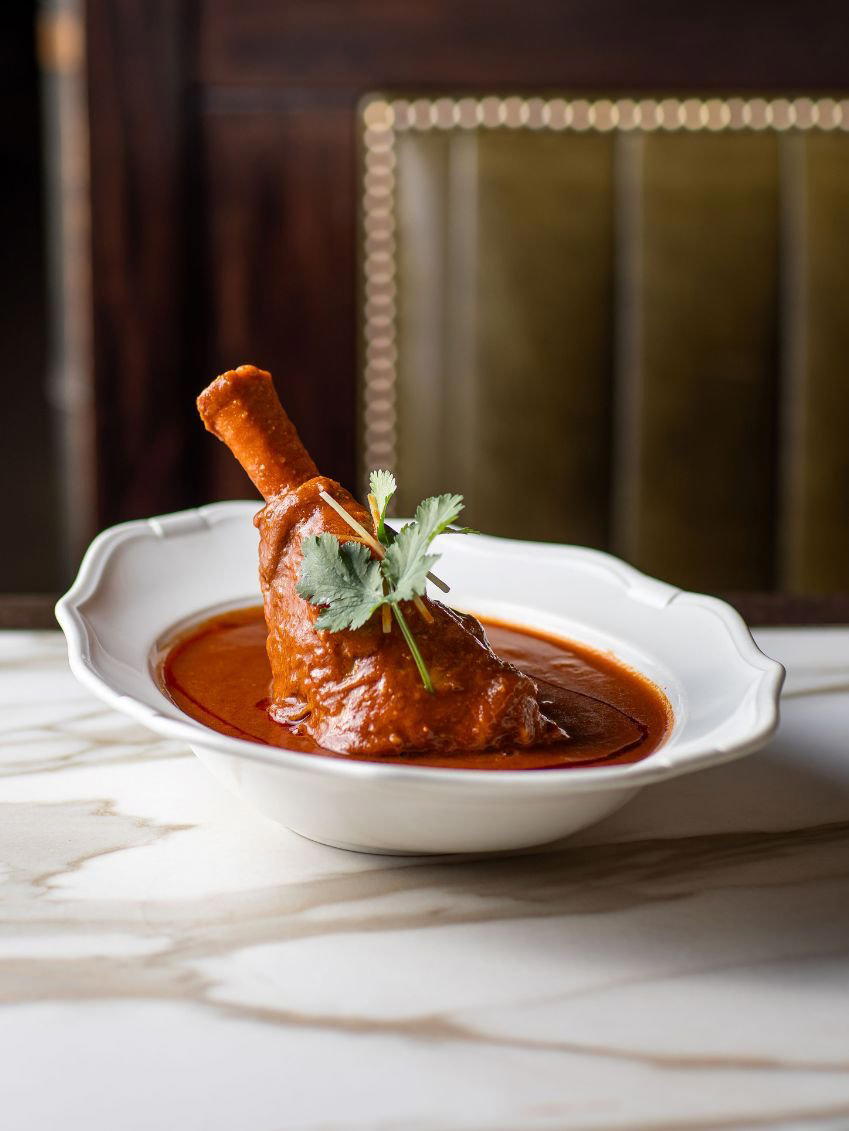
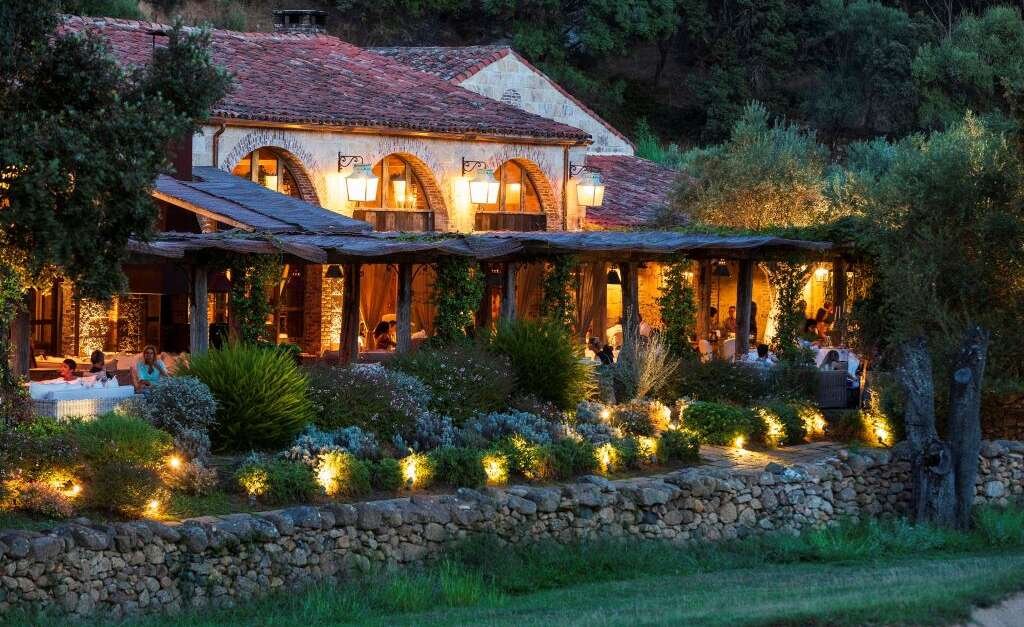
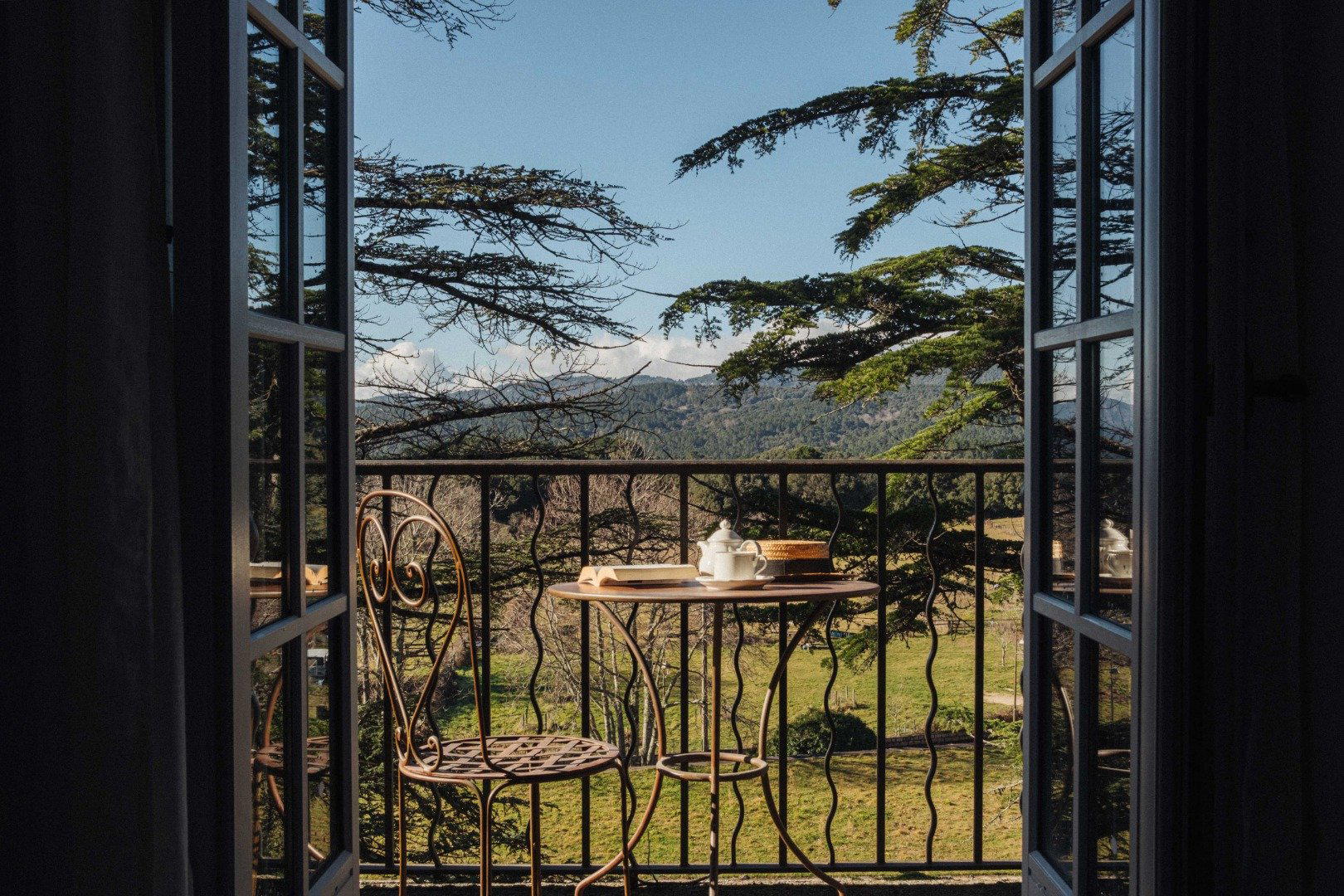
Bars in Sartène
Browse all →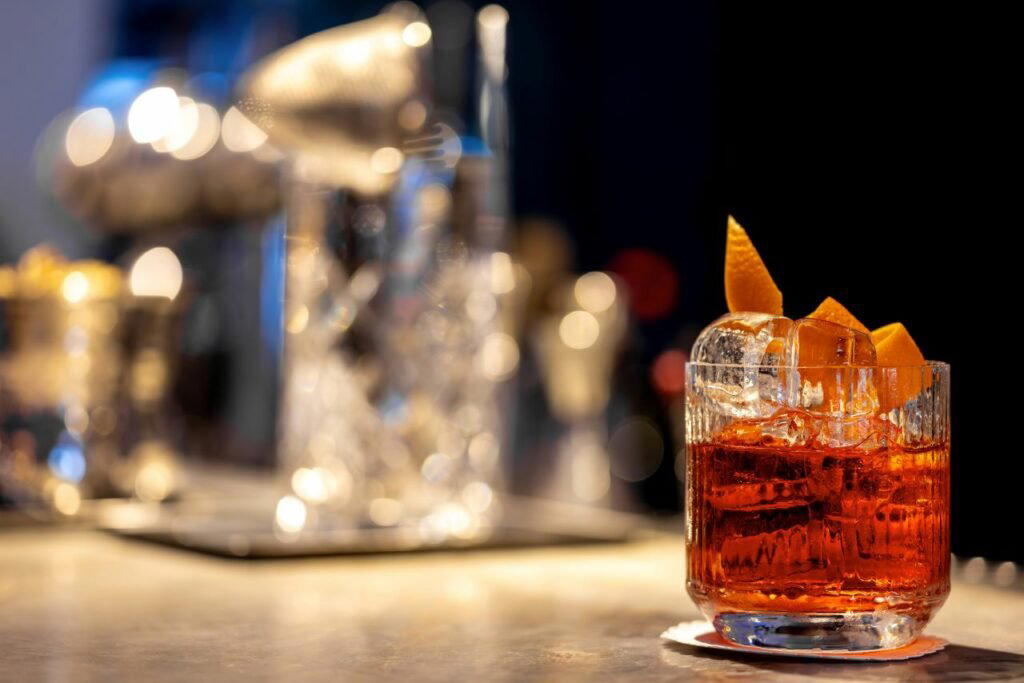
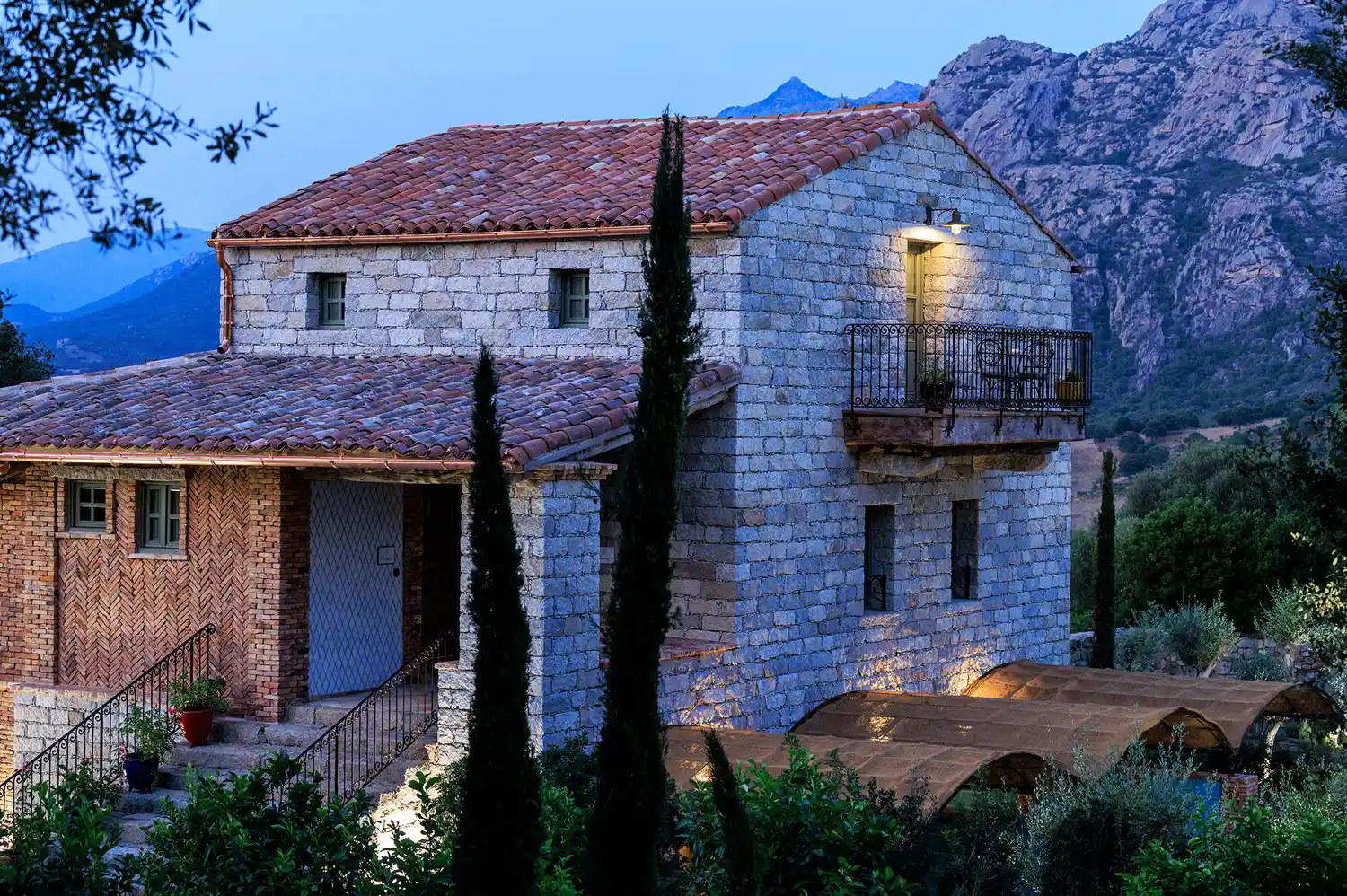

Details
- Rustic
- Scenic
- Cozy
- Elegant
- Special Occasion
- Family
- Terrace
- Garden
- Extensive Wine List
- Local Sourcing
- Garden
- Street Scene
- A La Carte
- Vegetarian Friendly
Current opening hours
- Monday
- Closed
- Tuesday
- 12–2 PM, 7–9:30 PM
- Wednesday
- 12–2 PM, 7–9:30 PM
- Thursday
- 12–2 PM, 7–9:30 PM
- Friday
- 12–2 PM, 7–9:30 PM
- Saturday
- 12–2 PM, 7–9:30 PM
- Sunday
- 12–2 PM, 7–9:30 PM
Hours can change for holidays and private events. Hours as of .
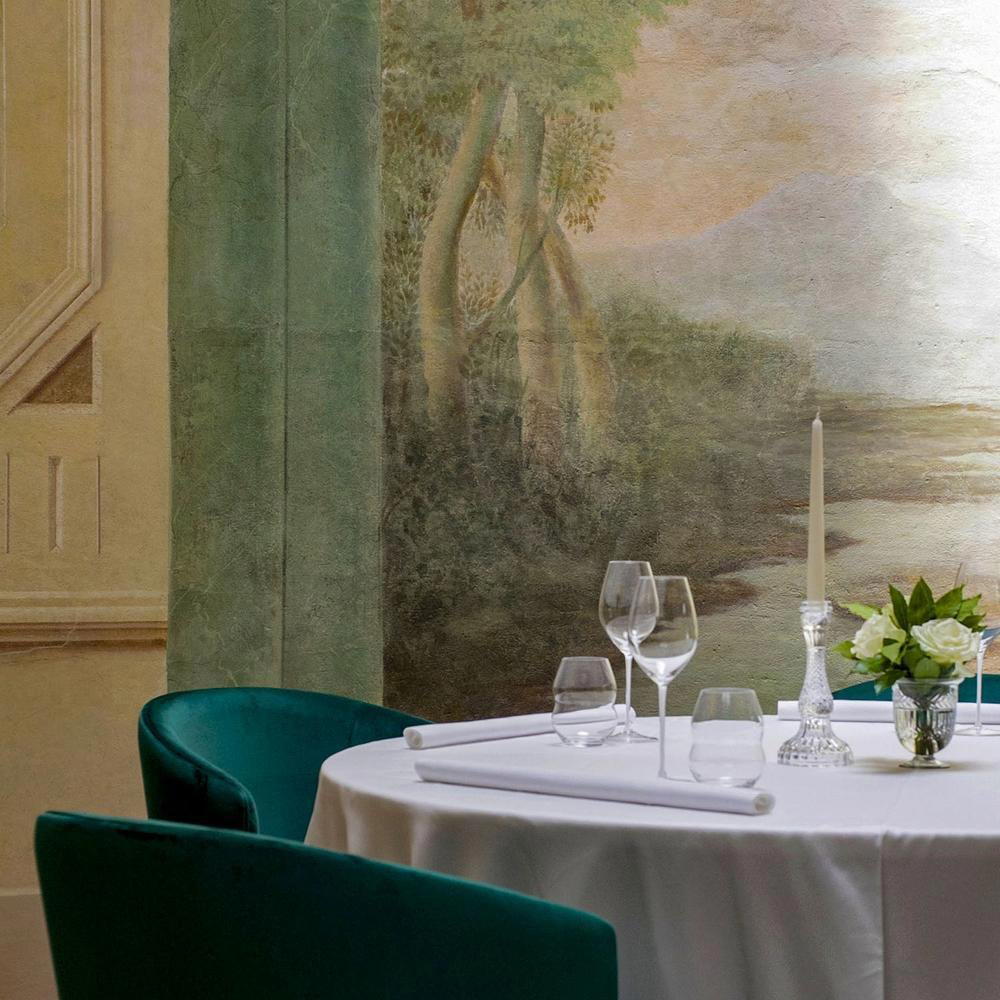
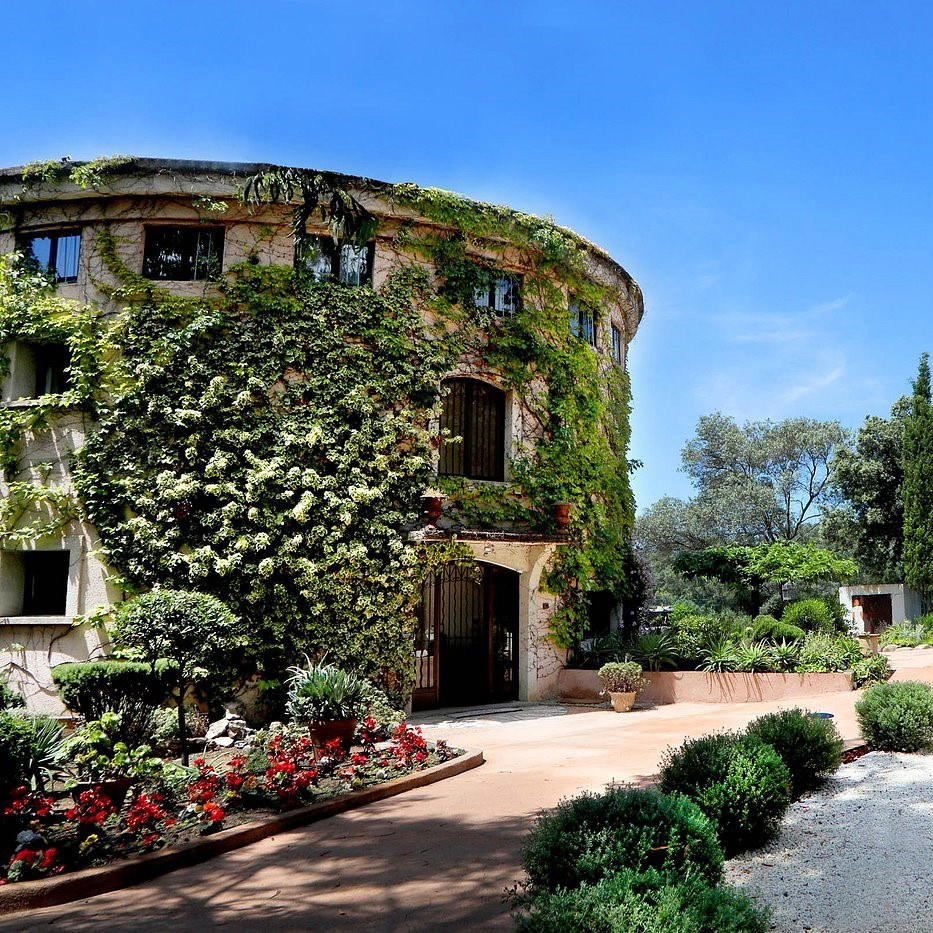
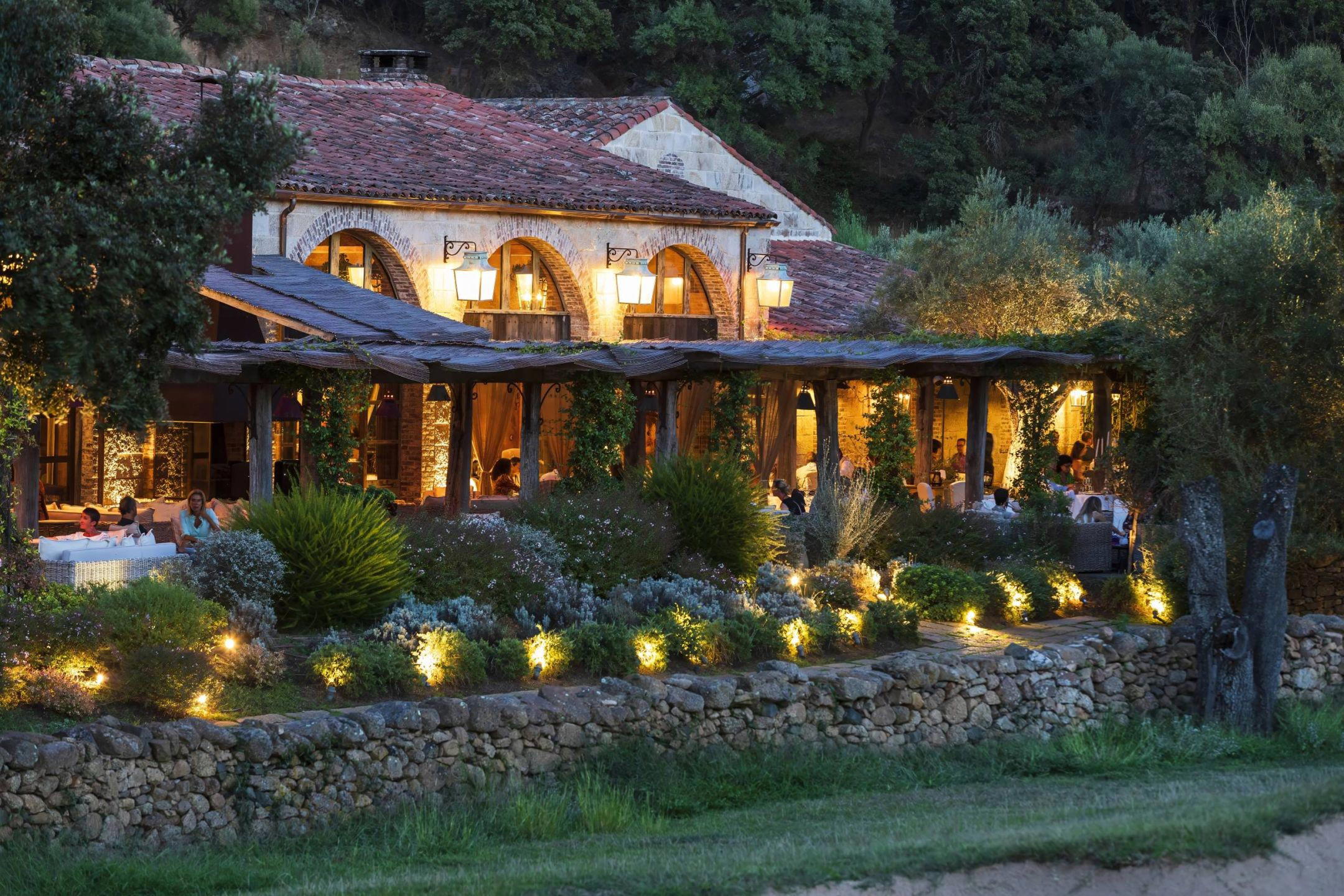
Pleasant high terrace shaded by centenary trees with cozy indoor spaces featuring parquet floors and artwork, creating a warm and inviting atmosphere.