Auberge de l'Espérance

Michelin Plate
Our verdict
Auberge de l'Espérance holds a Michelin Plate in both 2024 and 2025, placing it among the recognised tables of the Périgord Noir. At the €€ price tier, it represents the kind of rooted, produce-driven cooking that this corner of the Dordogne has quietly sustained for generations.

Pearl is the En Primeur Club membership app — saves, bookings, and concierge access live there. Same editors, same standards.
- Address
- 3 Av. des Sycomores, 24480 Le Buisson-de-Cadouin, France
- Phone
- +33 5 53 74 23 66
- Hours
- Mon–Wed ClosedThu–Sun 12–1:30 PM, 7:30–9 PM
- Website
- lesperance.eatbu.com
- Directions
- Get directions
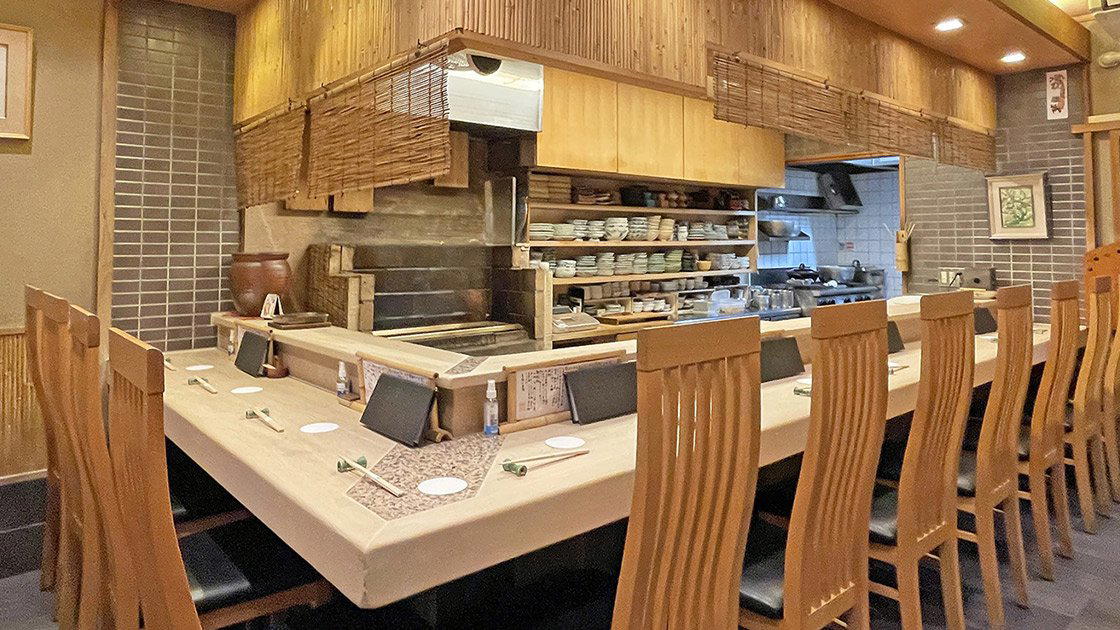
A Village Table in Périgord Noir Country
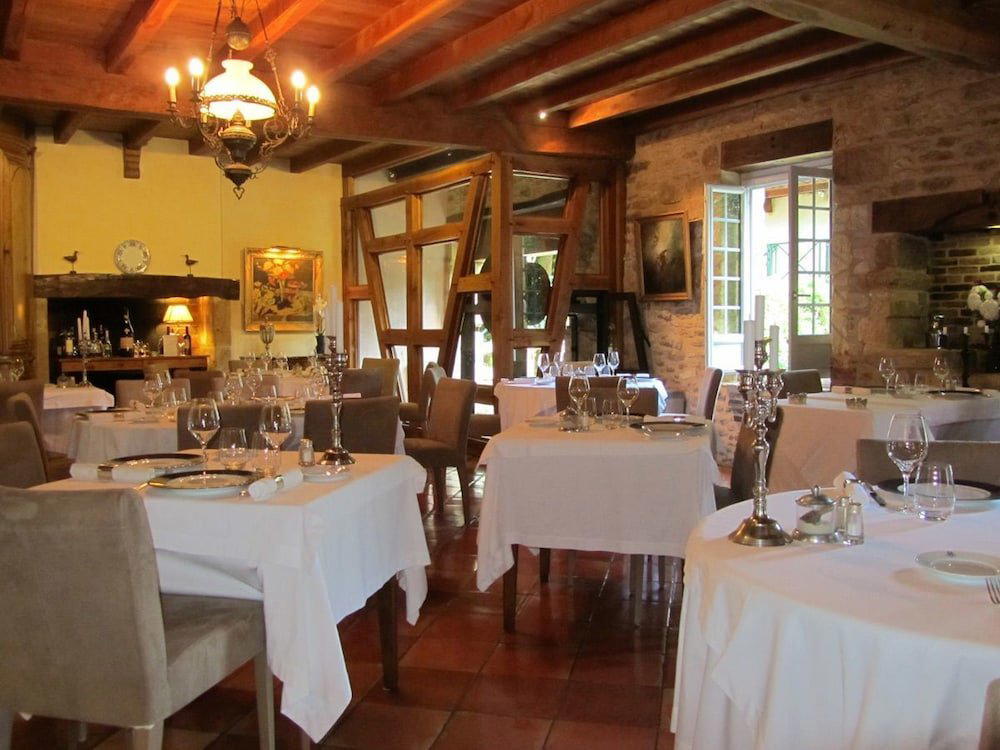
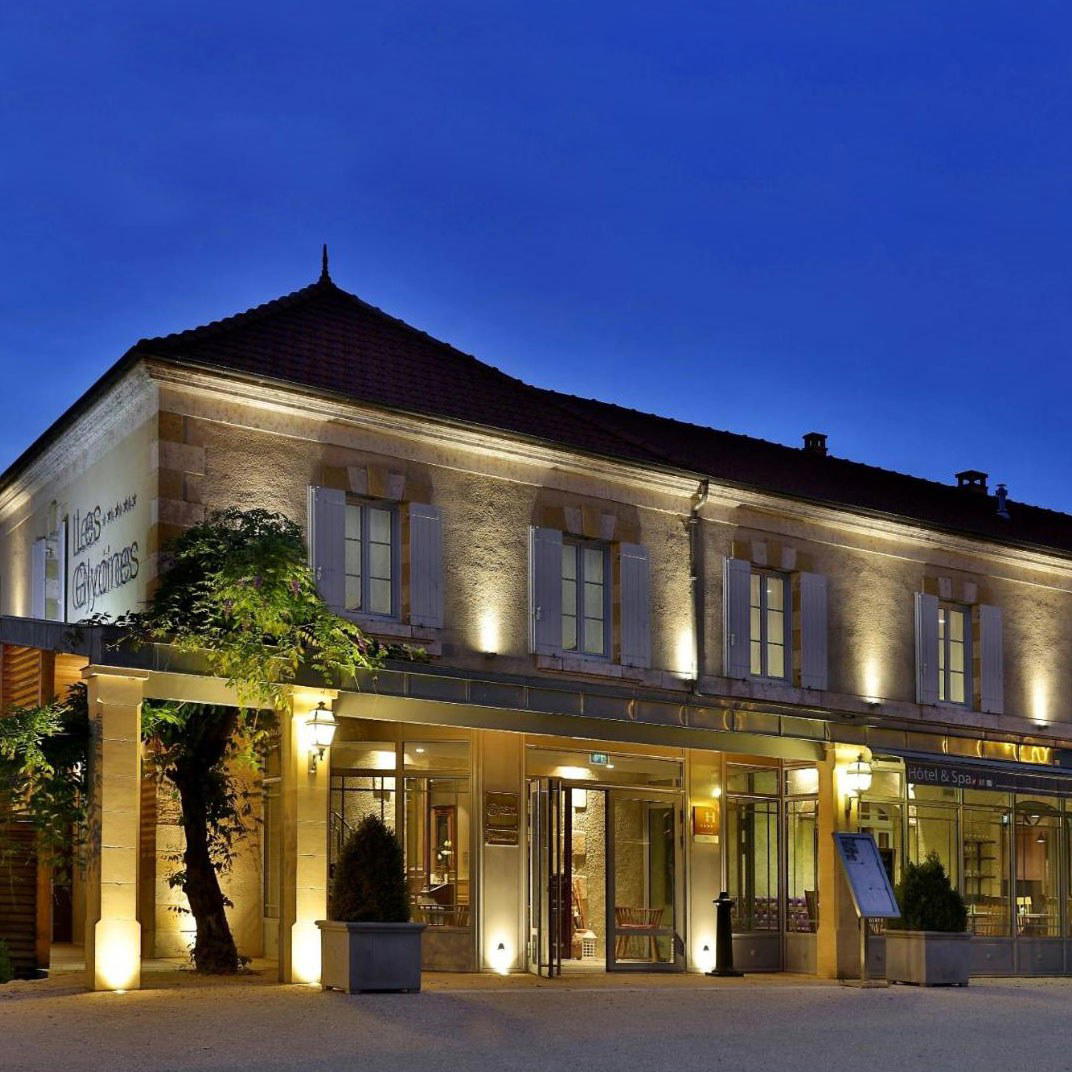
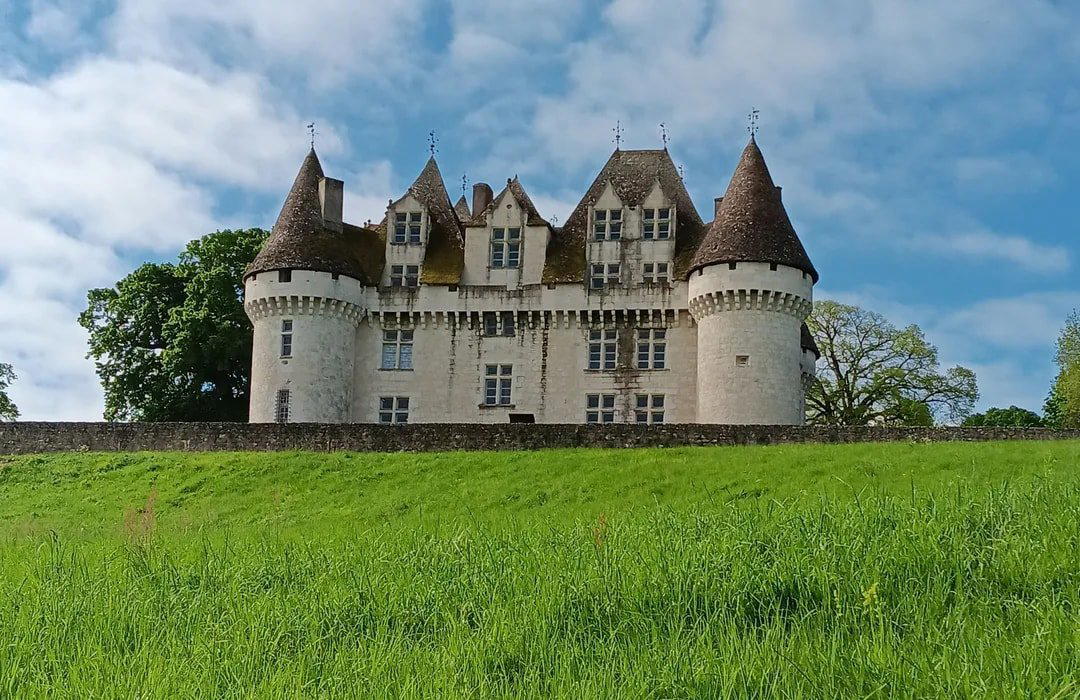
The Dordogne has its own grammar of arrival. You follow roads that narrow through walnut orchards and limestone bluffs, pass the pale abbey towers of Le Buisson-de-Cadouin, and find yourself at a dining room that seems to predate the question of whether it deserves attention. Auberge de l'Espérance, set along the Avenue des Sycomores in the village of Le Buisson-de-Cadouin, belongs to this category: a place the region produces with little fanfare and considerable conviction. The sycamore-lined approach sets a rhythm that the room continues inside, unhurried and grounded in the agricultural world just beyond the window.
In the broader context of French provincial dining, the Périgord Noir occupies a particular position. It is not a scene chasing recognition from Parisian critics or competing on the same axis as the creative kitchens at Alléno Paris au Pavillon Ledoyen or the boundary-pushing menus at Mirazur in Menton. What it does instead is hold a line of regional fidelity that the starred circuit often abandons in pursuit of novelty. Auberge de l'Espérance sits squarely inside that tradition.
What the Périgord Puts on the Plate
The editorial angle that matters most here is not the restaurant itself but what this corner of southwest France sends to its kitchens. The Dordogne produces some of France's most consequential raw materials: black truffles from the Périgord Noir, duck and goose in quantities that define the regional economy, walnuts with AOC designation, and river fish from the Dordogne and Vézère. Foie gras, whether duck or goose, is not a luxury import here but a local staple, produced and processed within driving distance of most village tables. Traditional cuisine in this region means, in practice, a direct pipeline from farm to plate that the phrase rarely carries in urban contexts.
This matters because the Michelin Plate, awarded to Auberge de l'Espérance for both 2024 and 2025, is specifically given for good cooking, not for theatrics, architectural presentation, or provocation. It recognises that the kitchen is doing something honest and consistent with its ingredients. In a département that produces this quality of primary produce, a Michelin Plate at the €€ price point is a signal worth reading carefully. The comparison that holds is closer to other recognised regional auberges working within tight geographic sourcing, places like Auberge Grand'Maison in Mûr-de-Bretagne or Auberge du Vieux Puits in Fontjoncouse, where the discipline is about place and product rather than technique as spectacle.
The Sourcing Logic of Southwest France
Understanding the cooking at a table like this requires understanding how ingredient supply works in the Dordogne. Seasonal truffle markets in Périgueux and Sarlat, walnut producers operating under the Noix du Périgord AOC, and duck farms across the valley floor create an ecosystem where a kitchen sourcing locally is drawing from one of France's most defended and codified food traditions. This is not the loose, aspirational localism of urban restaurants describing their sourcing in press notes. It is structural, embedded in the regional economy, and enforced partly by proximity and partly by the expectations of local diners who know exactly what the land produces in any given month.
The category of Traditional Cuisine, as Michelin applies it, means the kitchen is working within this inherited vocabulary rather than translating or reinterpreting it. Dishes that appear across Périgord tables, confit, magret, walnut-dressed salads, river fish with beurre blanc variations, and seasonal truffle applications through winter, represent a culinary repertoire with deep local roots. The auberge format, combining a dining room with the informality of a village address, reinforces that orientation. The French auberge tradition, as represented by the great examples like Auberge de l'Ill in Illhaeusern, has always been about the relationship between a household and its territory. At the village scale, that relationship is more immediate and less mediated than in any metropolitan context.
How This Fits the Regional Dining Picture
Le Buisson-de-Cadouin is a small commune in the Périgord Pourpre, positioned between Bergerac and Sarlat, within reach of the Dordogne river and the walnut-producing hills to the north. The village is known primarily for the Abbaye de Cadouin, a UNESCO-listed Cistercian abbey that draws visitors along the pilgrimage routes of the region. Dining options at this scale of village in southwest France tend to be sparse, which means that a recognised table operating at this price point carries a significance beyond its size. For travellers routing through the Dordogne valley on the way to or from Sarlat, it represents a practical and substantive stop. For those exploring the area's food culture more deliberately, it is one of the more honest expressions of what the region actually eats rather than what it performs for visitors.
That kind of quotidian reliability is less common than it should be, and at the €€ tier it is the quality most likely to matter to the traveller making a practical dining decision.
For those planning time in this part of France, the full Le Buisson-de-Cadouin restaurants guide covers the wider dining picture, and the hotels guide lists accommodation options for overnight visitors. The bars guide, wineries guide, and experiences guide cover the surrounding area's broader offer, which in the Périgord Noir runs from cave art to Bergerac wine country within a short drive.
Planning a Visit
Auberge de l'Espérance is located at 3 Avenue des Sycomores in Le Buisson-de-Cadouin, in the Dordogne department of southwest France. The €€ pricing places it at an accessible point for the region, consistent with the auberge model where good sourcing and careful cooking are not priced as luxury. Booking in advance is advisable, particularly through the summer season when tourist traffic through the Périgord Noir is at its highest and local tables fill accordingly. The Michelin Plate recognition for two consecutive years makes it a draw beyond purely local clientele, which affects weekend availability in particular. Visitors combining a meal here with a visit to the Abbaye de Cadouin, or routing through on the Dordogne valley circuit, will find the address logical as a lunch or dinner anchor.
For context on how this kind of regional table fits within the broader French auberge tradition, the cooking at places like AM par Alexandre Mazzia in Marseille, Assiette Champenoise in Reims, Au Crocodile in Strasbourg, Paul Bocuse in Collonges-au-Mont-d'Or, Flocons de Sel in Megève, and Auga in Gijón represents different points on the spectrum from regional rootedness to international ambition. Auberge de l'Espérance sits at the rooted end of that spectrum, which is precisely where its value lies.
Frequently asked questions
What does dinner at Auberge de l'Espérance typically cost?
Pricing at Auberge de l'Espérance is listed as €€.
Comparable Spots, Quickly
| Venue | Cuisine | Price | Awards |
|---|---|---|---|
| Auberge de l'EspéranceThis venue — the venue you are viewing | Traditional French Périgord | $30–50 | Michelin Plate |
| Alléno Paris au Pavillon Ledoyen | Creative | Not listed | Michelin 3 Star |
| Kei | Contemporary French, Modern Cuisine | Not listed | Michelin 3 Star |
| L'Ambroisie | French, Classic Cuisine | Not listed | Michelin 3 Star |
| Le Cinq - Four Seasons Hôtel George V | French, Modern Cuisine | Not listed | Michelin 3 Star |
| Plénitude | Contemporary French | Not listed | Michelin 3 Star |
Recognition history
Dated appearances from independent guides and award organizations, with the underlying list record or original source where available.
Michelin Plate
Michelin
Full recognition history (3 entries)
Michelin Plate
Michelin
Michelin Plate
Michelin
Continue exploring
More in Le Buisson-de-Cadouin
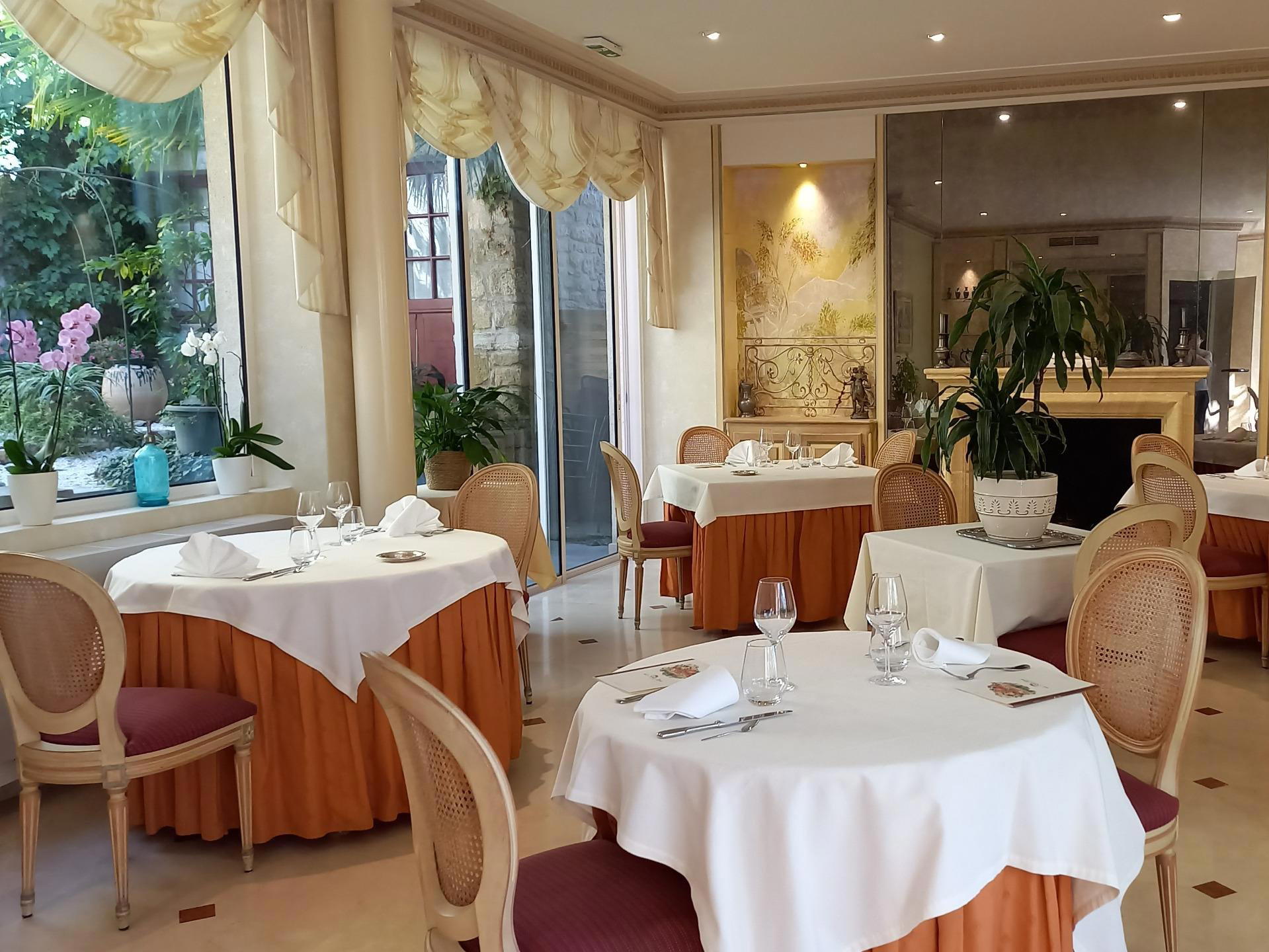
Restaurants in Le Buisson-de-Cadouin
Browse all →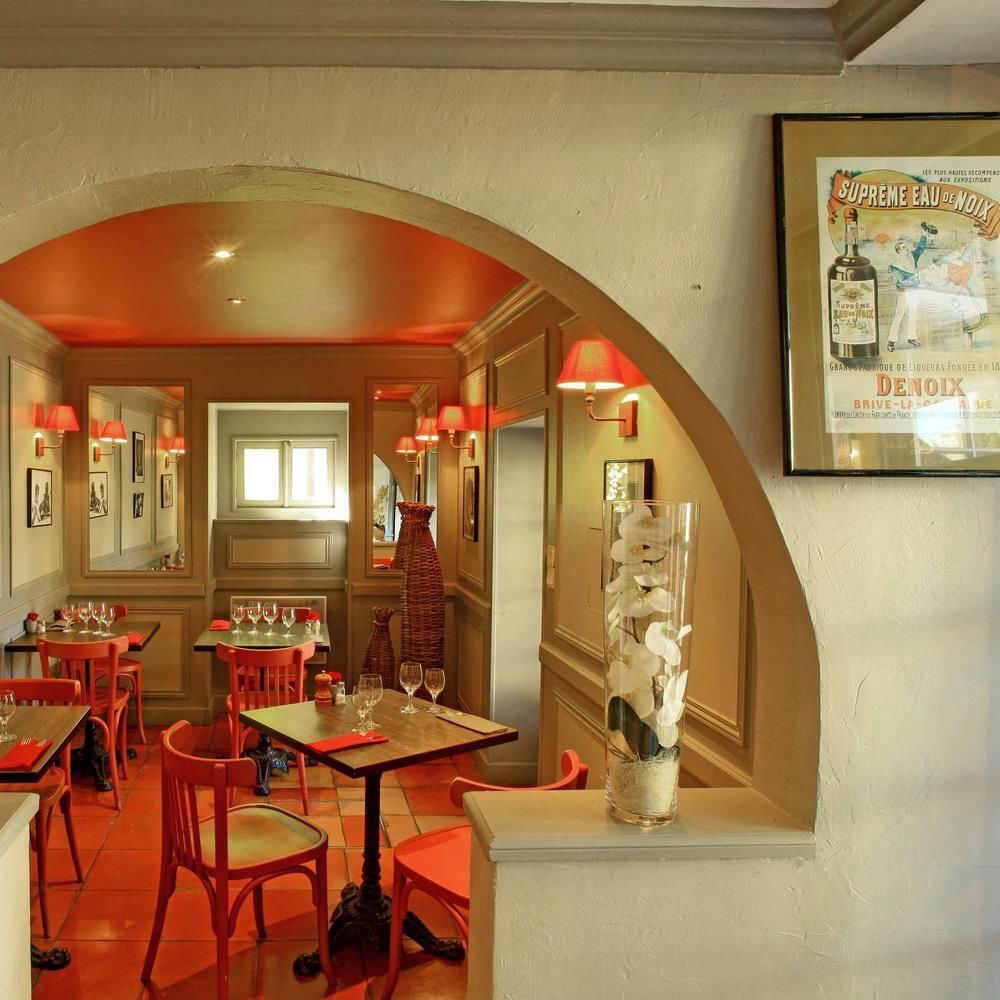
Bars in Le Buisson-de-Cadouin
Browse all →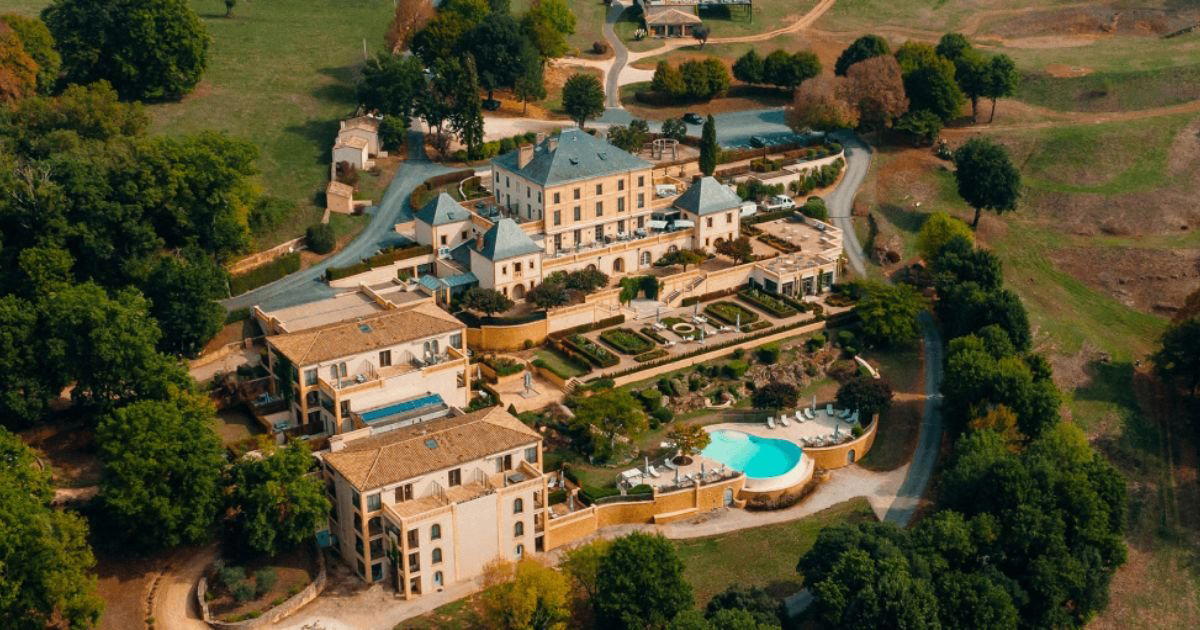
Hotels in Le Buisson-de-Cadouin
Browse all →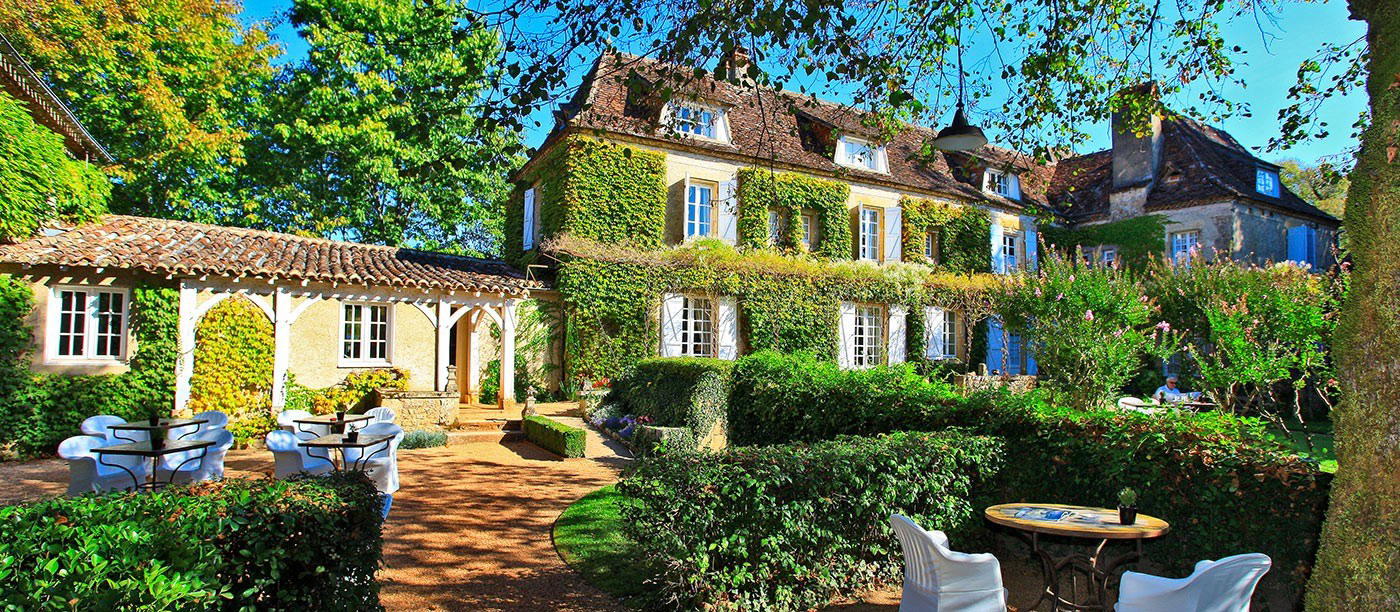

Details
- Cozy
- Rustic
- Intimate
- Classic
- Family
- Special Occasion
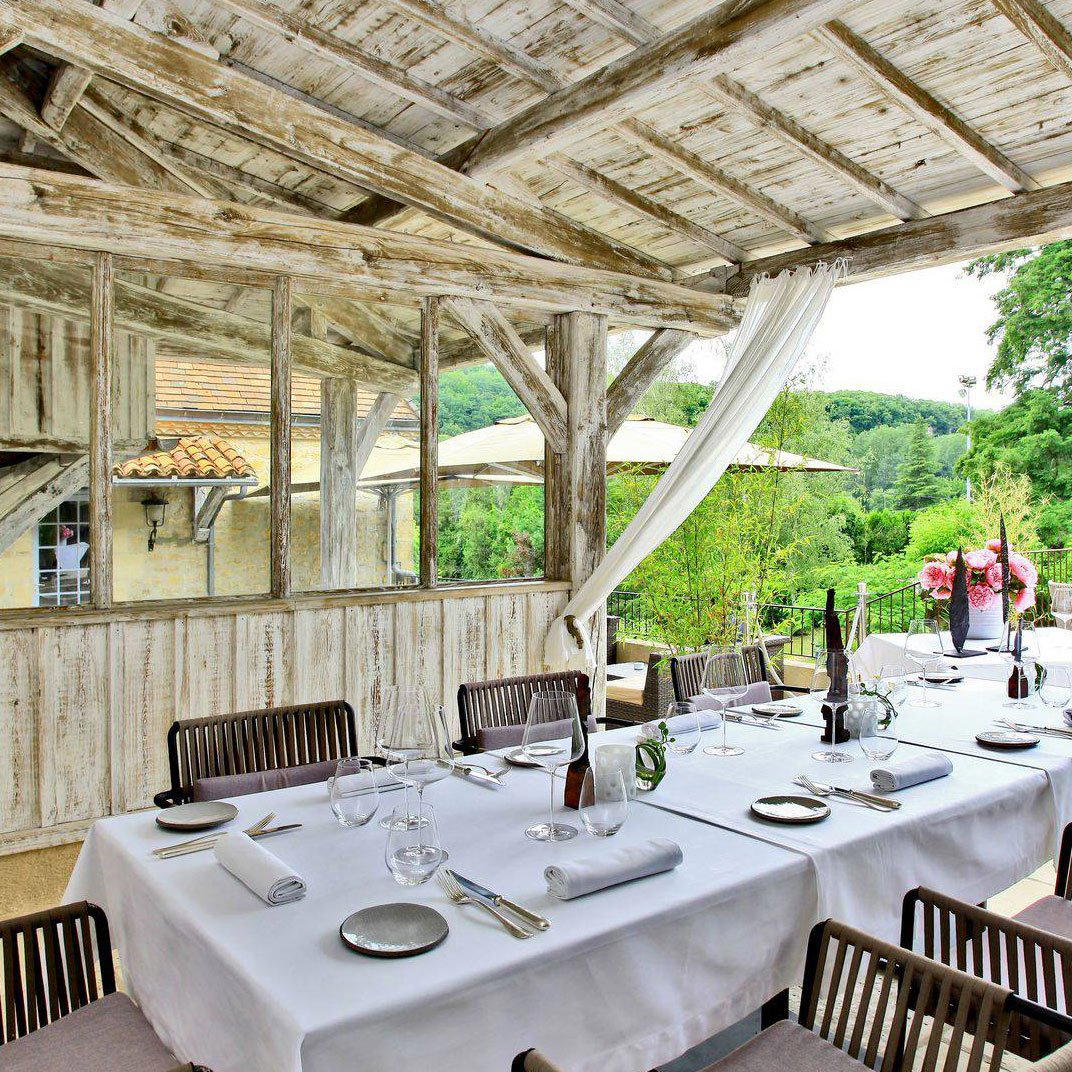
- Terrace
- Local Sourcing
- A La Carte
- Vegetarian Friendly
Current opening hours
- Monday
- Closed
- Tuesday
- Closed
- Wednesday
- Closed
- Thursday
- 12–1:30 PM, 7:30–9 PM
- Friday
- 12–1:30 PM, 7:30–9 PM
- Saturday
- 12–1:30 PM, 7:30–9 PM
- Sunday
- 12–1:30 PM, 7:30–9 PM
Hours can change for holidays and private events. Last verified .
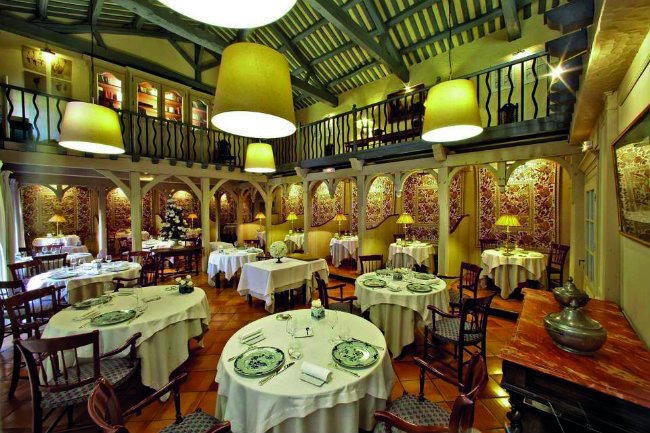
Warm, familial atmosphere with home-like decoration and welcoming service.