Auberge Communale de la Clef d'Or
Auberge Communale de la Clef d'Or sits in the quiet village of Bursinel, in the Vaud wine country between Geneva and Lausanne. The auberge format, communal, rooted in local produce, unhurried, represents a strand of Swiss hospitality that destination restaurants rarely replicate. For travellers moving through the Lake Geneva arc, it offers a different register entirely from the region's more formal tables.
Pearl is the En Primeur Club membership app — saves, bookings, and concierge access live there. Same editors, same standards.
- Address
- Rte du Village 26, 1195 Bursinel, Switzerland
- Phone
- +41218241106
- Website
- laclefdor.ch
- Directions
- Get directions
 Saves & bookings on Pearl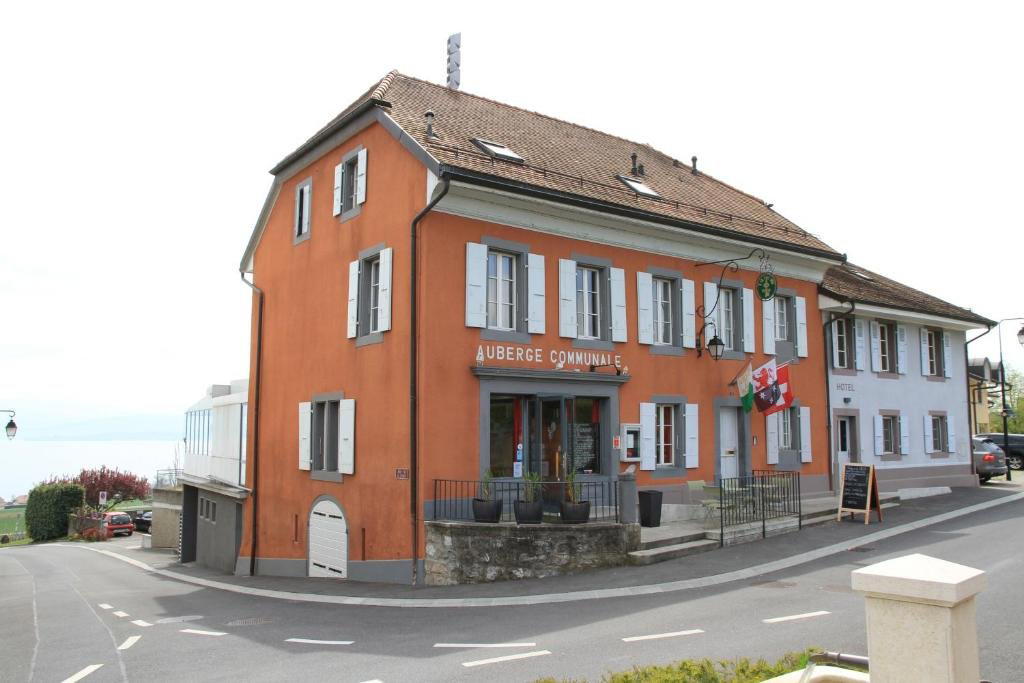
Where the Vaud Countryside Sets the Menu
The villages strung along the northern shore of Lake Geneva between Nyon and Lausanne occupy a particular kind of agricultural quietness. Vineyards press down to the lake edge, dairy farms sit just behind the ridge, and the local auberge, the communal inn that has anchored Swiss village life for centuries, still functions as the place where those two worlds meet on a plate. Bursinel, a small commune in the canton of Vaud, sits squarely in this corridor. Its address, Rte du Village 26, 1195 Bursinel, Switzerland, is a geographic fact.
Auberge Communale de la Clef d'Or fits the template of a village inn that draws its identity from the land immediately around it rather than from a kitchen philosophy constructed for outside audiences. That distinction matters in this part of Switzerland. The Vaud table has historically been organised around what the lake, the vineyards, and the surrounding farmland produce in any given week, and the leading communal auberges still operate on a version of that logic. The sourcing radius is short, the seasonal calendar is visible in what arrives and what disappears, and the cooking tends to reflect the character of the ingredients rather than impose a layer of technique on top of them.
The Auberge Tradition in a Wine-Country Village
Switzerland's auberge communale system is worth understanding before you walk through the door. These establishments, often housed in buildings that have served a civic function since the eighteenth or nineteenth century, were originally tied to the municipality itself, providing food and lodging for travellers and a gathering point for residents. The name "Clef d'Or" (Golden Key) is common across the French-speaking Swiss cantons and signals a particular strand of this tradition: the inn as a place of welcome and passage, rather than destination theatre.
In a region like the La Côte wine appellation, which covers the lakeside slope between Geneva and Lausanne, a venue in this category sits in a different competitive space from formal destination restaurants across Switzerland. Consider the arc of acclaimed Swiss tables: Schloss Schauenstein in Fürstenau, Memories in Bad Ragaz, and Hotel de Ville Crissier in Crissier. These are destination objects, places where the journey is the point and the tasting menu is the governing logic. The Clef d'Or operates in a register that precedes and runs parallel to that category. It is a place you go to eat well because of where you are, not to experience cooking as a performance.
That distinction is part of what makes the La Côte corridor worth understanding on its own terms. The vineyards here produce Chasselas and Pinot Noir primarily, and the local wine culture is informal and wine-with-food rather than wine-as-object. The proximity to Geneva's restaurant culture, roughly thirty kilometres to the southwest, and Lausanne's, a similar distance to the northeast, has not homogenised the village auberge format. These establishments remain oriented toward local produce and local custom, which is precisely their relevance for a traveller who has already done the formal circuit.
Ingredient Sourcing as the Kitchen's Organizing Logic
The La Côte region is among the more productive agricultural zones in French-speaking Switzerland. Market gardens, orchards, and small producers occupy the land between the lakefront vineyards and the Jura foothills above. For a village auberge in Bursinel, the supply chain is a matter of geography rather than sourcing policy: the farms are adjacent, the lake perch and féra (a local whitefish) arrive from the fishermen working the Geneva basin, and the dairy produce reflects the pasture character of the Vaud plateau.
This matters because Swiss lake fish, particularly perch fillets, served meunière or with a simple white wine sauce, represents among the more locavore traditions in European cooking. The fish is caught at short notice, the preparation is simple, and the dish has essentially no shelf life: it belongs to its place and its day. Auberges along the Lake Geneva shore have served this dish in one form or another for generations, and the version you eat in a village like Bursinel is, by definition, closer to its source than what arrives in the city restaurants forty kilometres away.
The vegetable calendar in the Vaud follows the standard French-Swiss seasonal rhythm: asparagus from April through June, tomatoes and courgettes through summer, root vegetables and squash through autumn. An auberge kitchen that respects this calendar will show its hand through what changes on the menu and what disappears rather than through any explicit sourcing statement. For comparison, some of Switzerland's more formal addresses, Magdalena in Schwyz with its Alpine-vegetarian focus, or focus ATELIER in Vitznau, make ingredient sourcing an explicit editorial theme of the experience. At a communal auberge, the same logic applies without the framework around it.
Placing Bursinel in the Broader Swiss Dining Picture
Travellers who build Swiss itineraries around the Michelin-recognized addresses tend to concentrate on Geneva, Lausanne, Zürich, and a selection of destination restaurants in smaller towns, Cheval Blanc by Peter Knogl in Basel, Maison Wenger in Le Noirmont, Einstein Gourmet in Sankt Gallen. These are the flagged points on a recognized circuit. Bursinel and its auberge exist in the negative space of that circuit: accessible by car from Geneva in under thirty minutes, but oriented toward a village rhythm rather than a tourist one.
That negative space is not a failure of recognition. The communal auberge format is structurally resistant to the kind of formal assessment that produces stars and rankings, because its value is relational and contextual rather than technical and scalable. A table at Da Vittorio - St. Moritz in St. Moritz or La Brezza in Ascona is an event; a table at a village auberge on a Tuesday in October is something closer to an argument about how a region actually eats. Both are worth making time for, and the itinerary that contains only one of the two has missed something.
For further context on eating well in the western Swiss wine country and beyond, see our full Bursinel restaurants guide. Readers building a longer Swiss itinerary may also find useful comparison at Skin's - the restaurant in Lenzburg, La Table du Valrose in Rougemont, Taverne zum Schäfli in Wigoltingen, or Mammertsberg in Freidorf, each a different inflection of Swiss regional cooking. For international reference points on how destination dining and neighbourhood dining coexist in the same city conversation, Le Bernardin in New York City and Lazy Bear in San Francisco offer useful comparison. And The Japanese Restaurant in Andermatt is a reminder of how far the Swiss restaurant circuit has diversified from its European-classical roots.
Planning Your Visit
Bursinel sits on the La Côte wine route, reachable by car from Geneva or Nyon; the village is approximately fifteen kilometres from Nyon, making it a manageable afternoon excursion or a natural stop on a drive along the northern lake shore. Given the auberge format, visits tend to work leading at lunch, when the midday service aligns with the agricultural rhythm of the surrounding commune. Reservations are recommended.
Quick Comparison
Comparable venues nearby, for context on price, style, and recognition.
| Venue | Cuisine | Price | Notes |
|---|---|---|---|
| Auberge Communale de la Clef d'OrThis venue — the venue you are viewing | French-Swiss Gastronomic Brasserie | $$$ | Not listed |
| Zimmermania | Classic French Bistro | $$$ | Altenberg |
| Le Café du Tramway | French Bistronomy | $$$ | Pontaise |
| La Tanière | Modern French-Swiss Fusion | $$$$ | Champel |
| Anne-Sophie Pic | Modern French Fine Dining with Swiss Influences | $$$$ | Ouchy |
| Auberge communale | French-Swiss Brasserie & Gastronomic | $$$ | Echandens |
Continue exploring
More in Bursinel
Restaurants in Bursinel
Browse all →
Bars in Bursinel
Browse all →
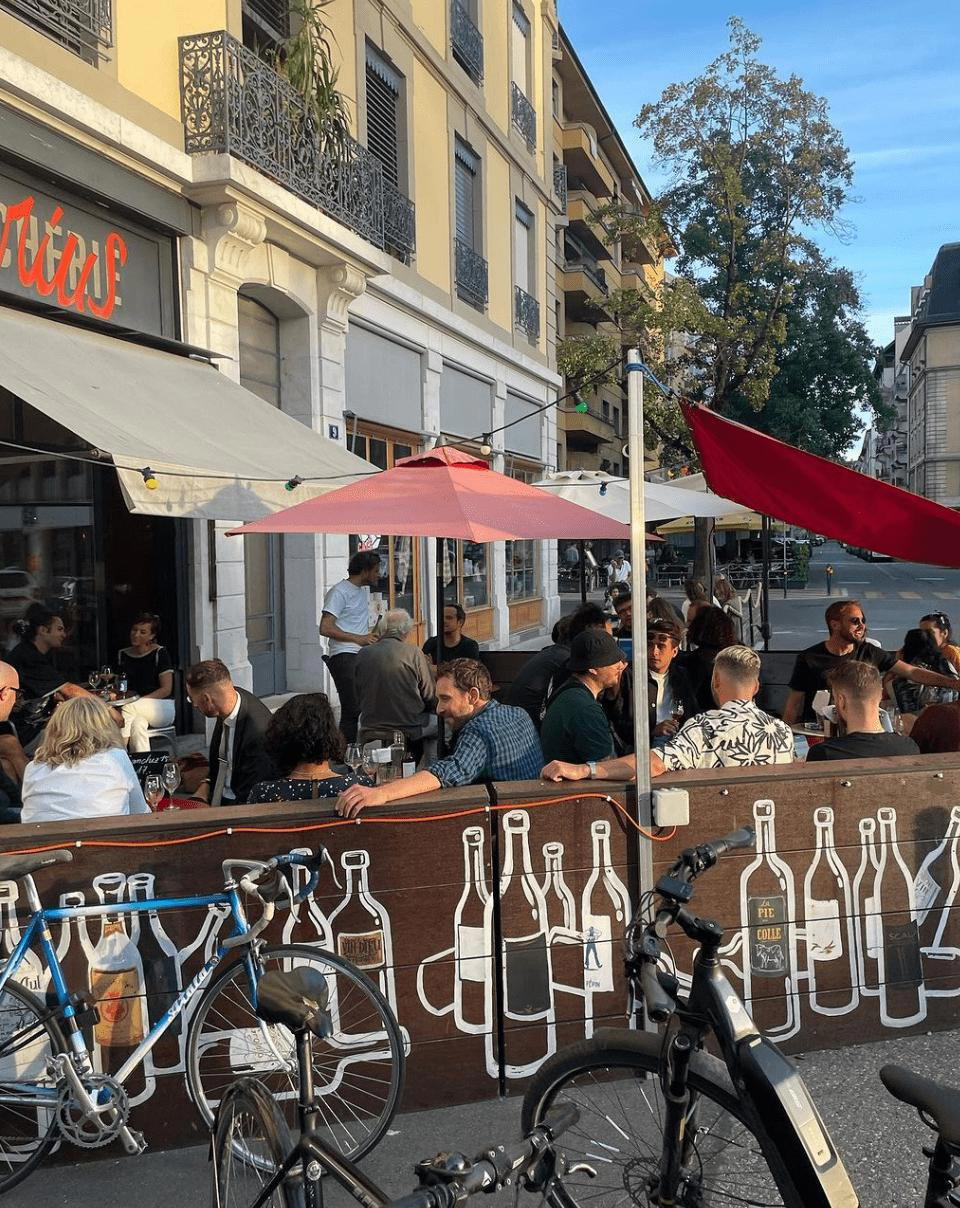
Hotels in Bursinel
Browse all →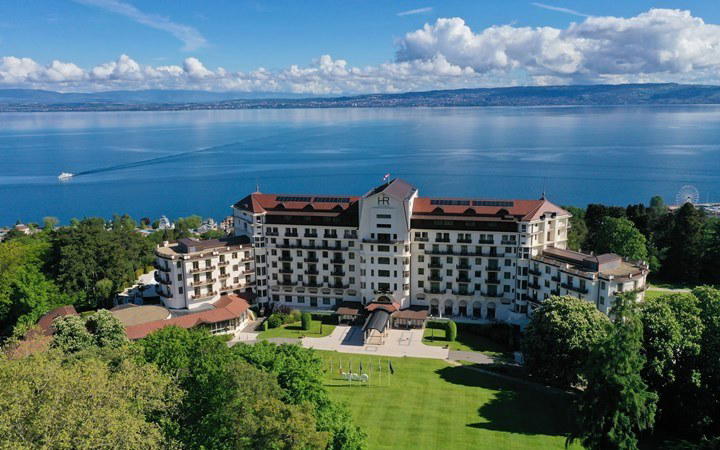
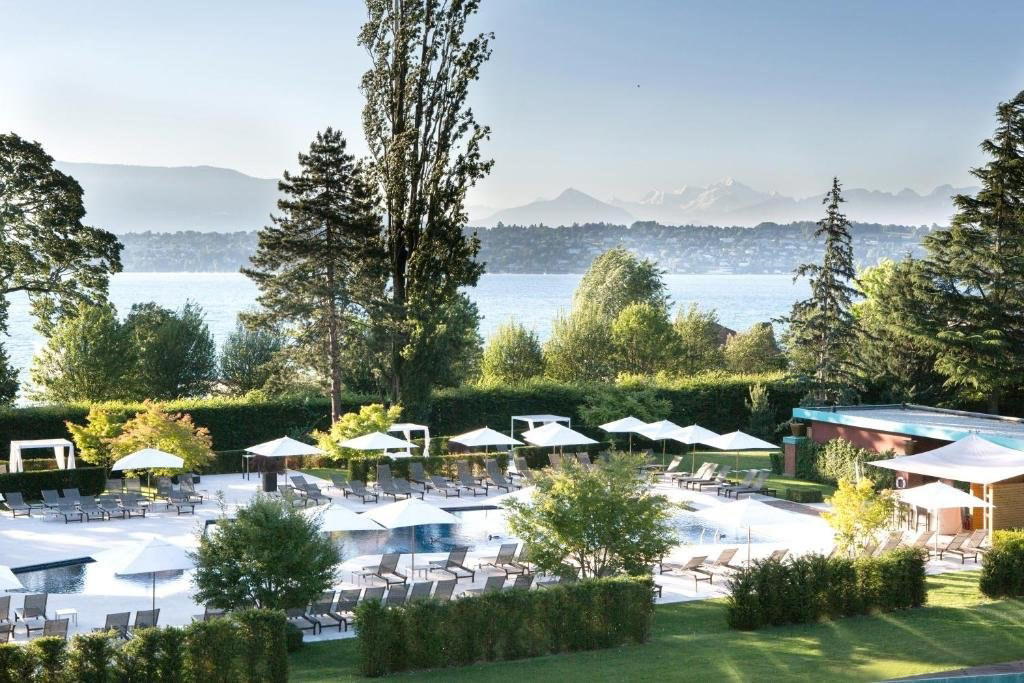
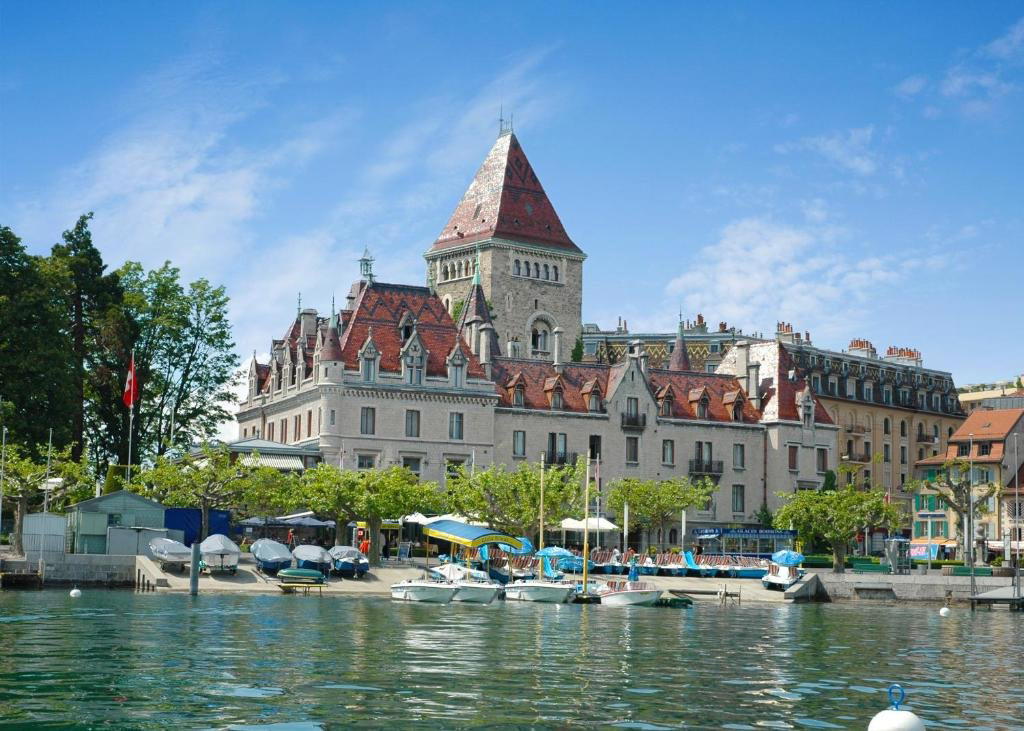
Wineries in Bursinel
Browse all →
At a Glance
- Classic
- Cozy
- Scenic
- Elegant
- Business Dinner
- Special Occasion
- Date Night
- Terrace
- Historic Building
- Extensive Wine List
- Local Sourcing
- Vineyard
- Mountain
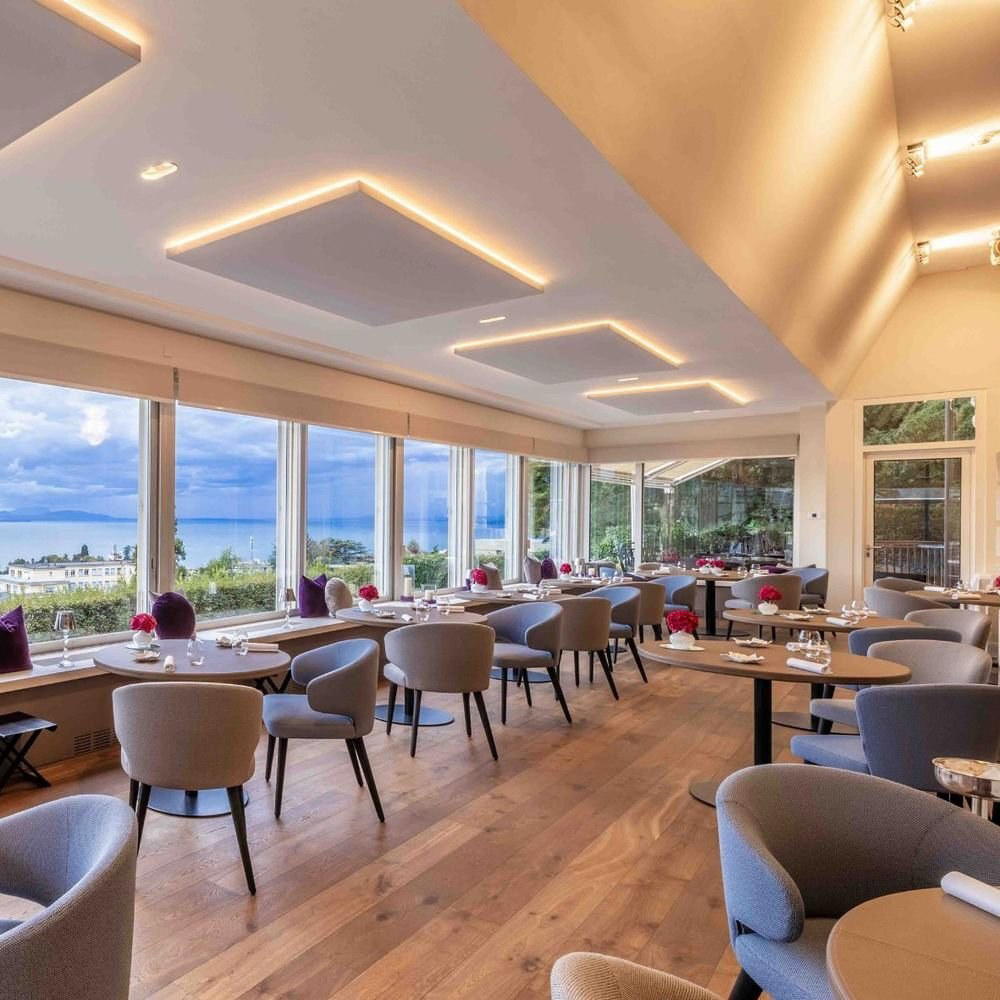
Chaleureux et convivial with terrace and veranda offering notable lake and vine panoramas; charming village atmosphere praised for refined, peaceful setting.