Au Cheval

Au Cheval brings the French-bistro vocabulary into the American diner register: eggs, griddle heat, low light, cocktails, and a menu built for appetite rather than ceremony. Its 2026 Opinionated About Dining Highly Recommended listing places it in the casual category, a useful signal for readers comparing polished bistro technique with Manhattan’s more formal French dining rooms.
Pearl is the En Primeur Club membership app — saves, bookings, and concierge access live there. Same editors, same standards.
- Address
- 800 W Randolph St, Chicago, Illinois, United States
- Phone
- 312-929-4580
- Website
- auchevaldiner.com
 Saves & bookings on Pearl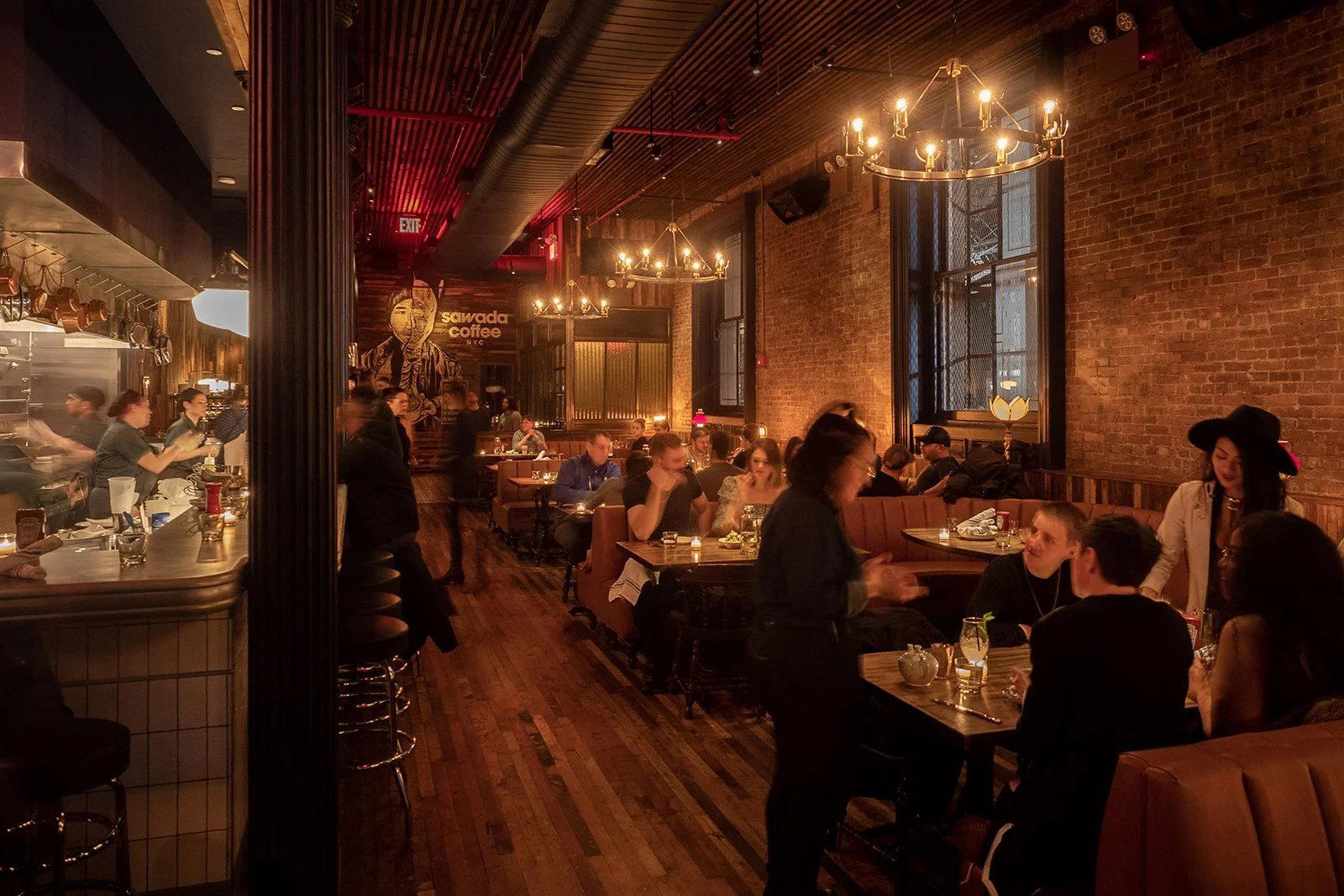
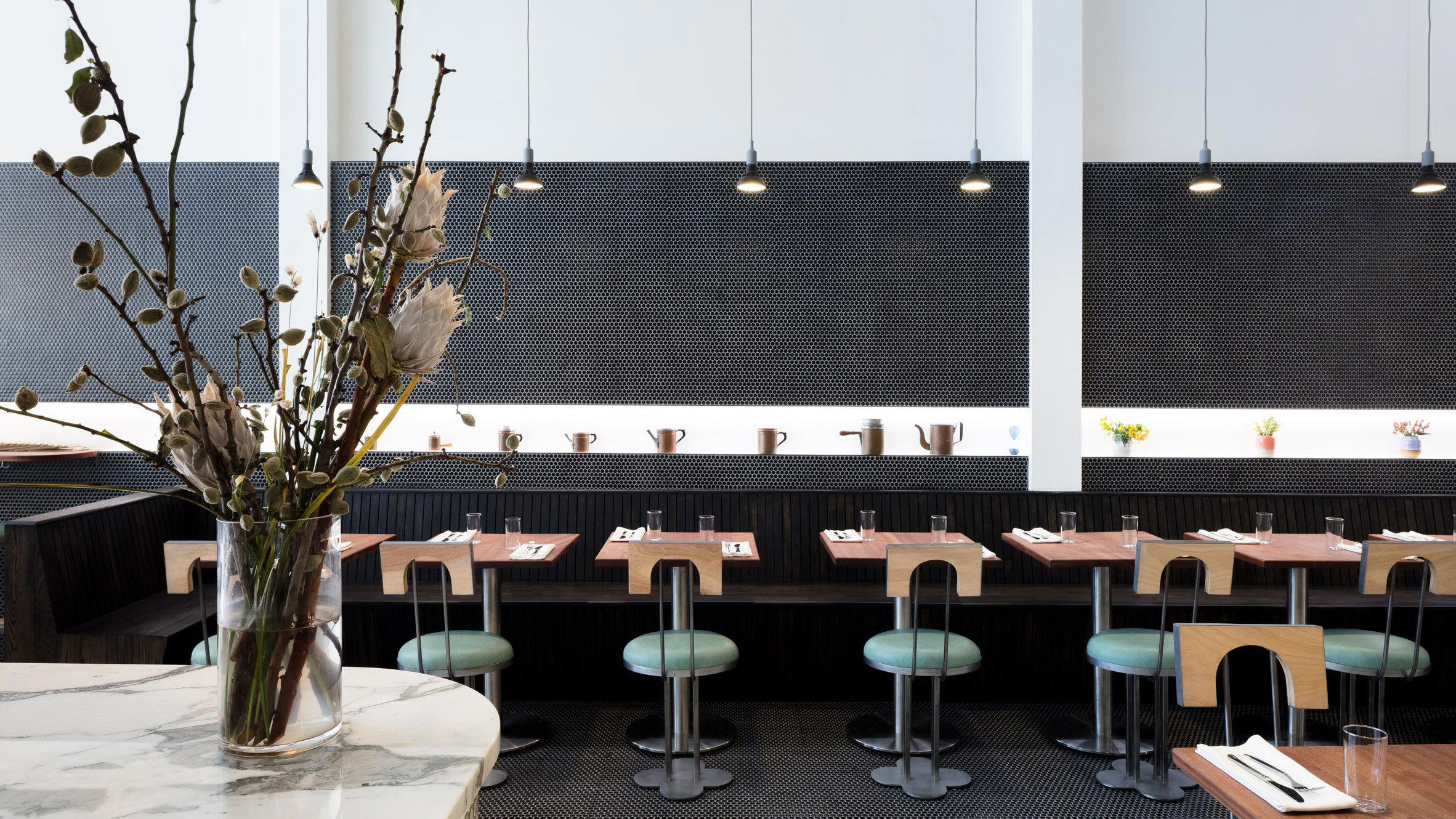
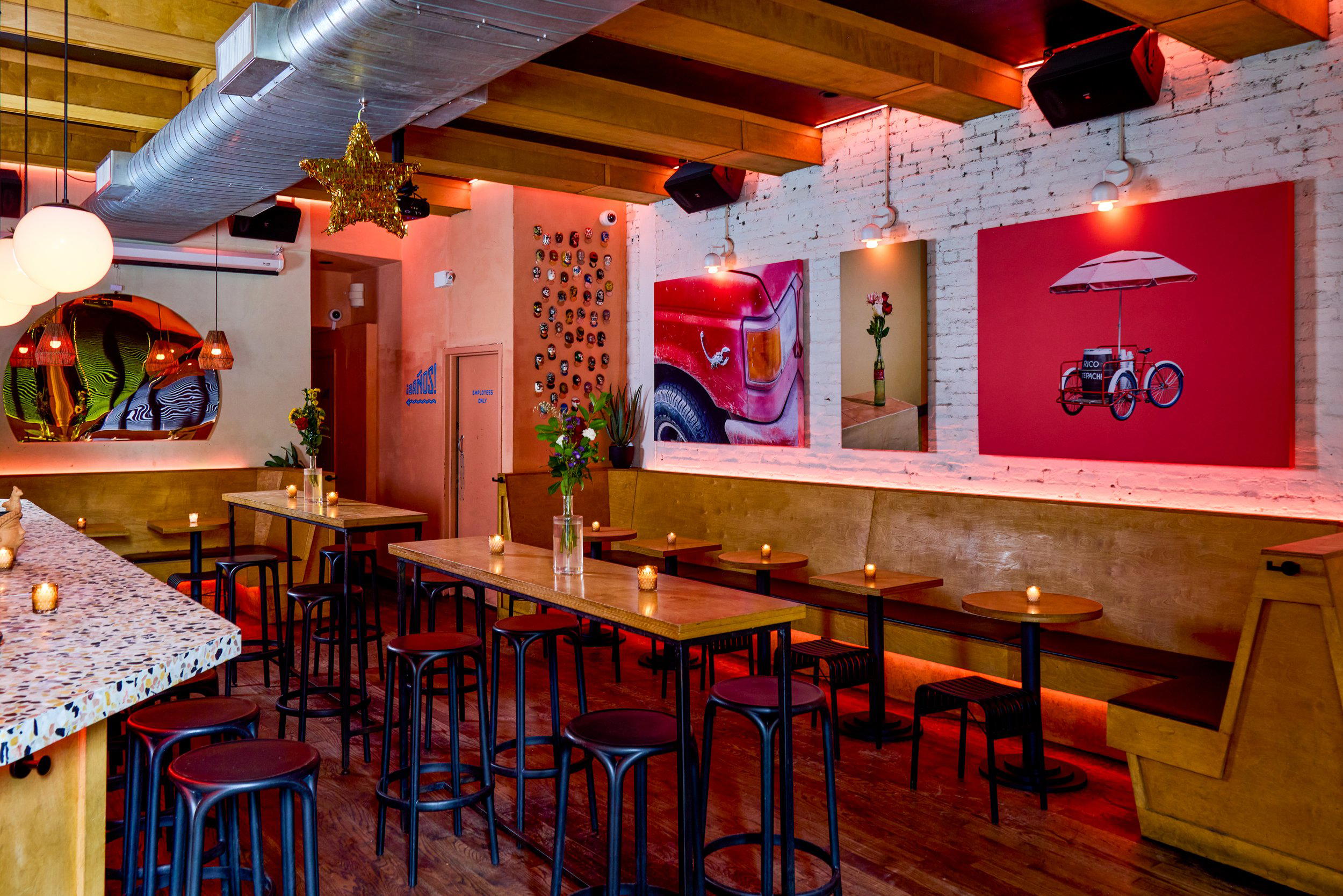
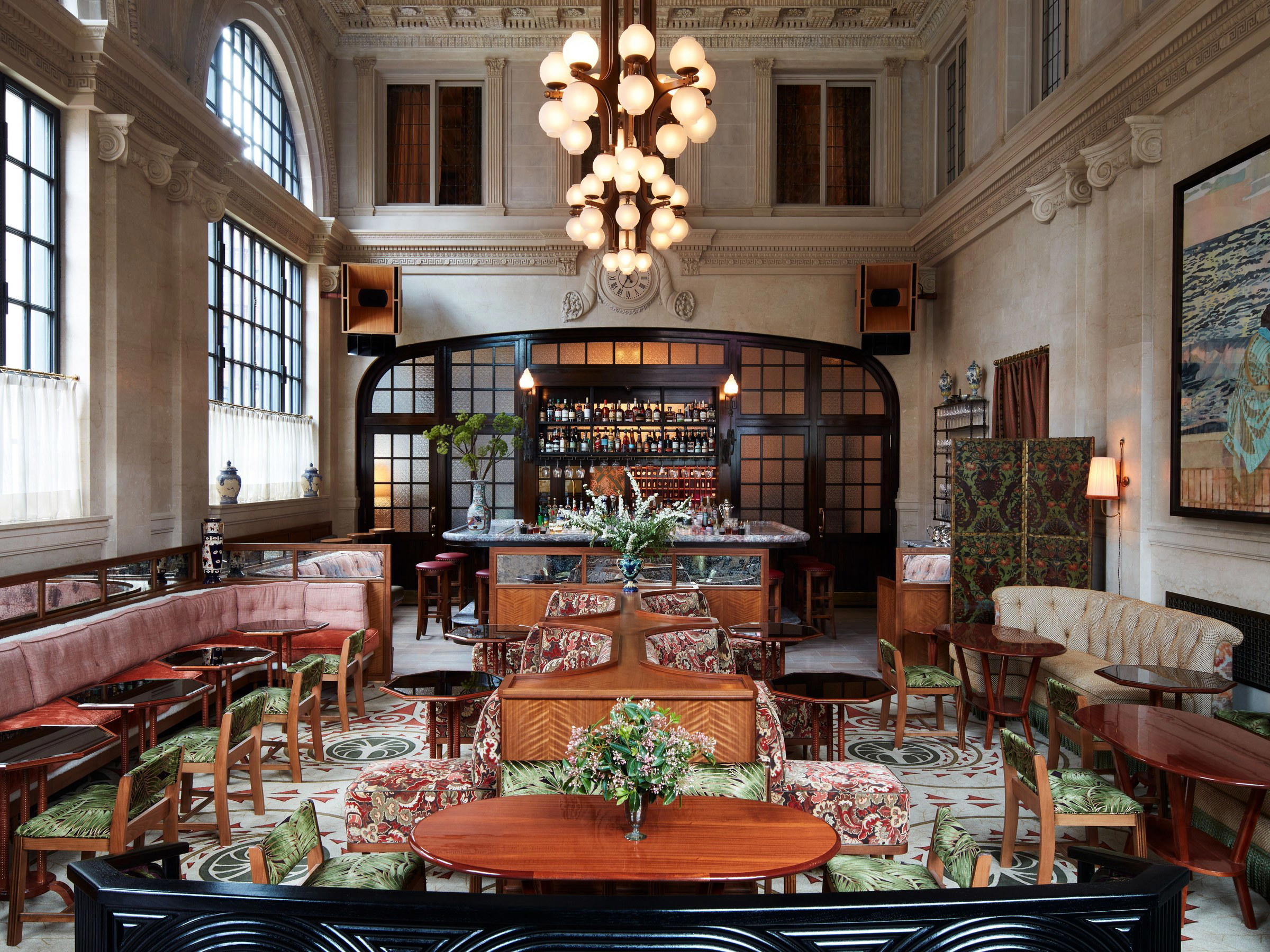
The room reads less like a white-tablecloth bistro than a late-service counter culture translated through French technique: dark surfaces, close tables, a bar-centric rhythm, and food that belongs to the griddle as much as to the brigade system. That tension is the point. New French dining in New York has split between nostalgic dining rooms, chef-led neo-bistros, and casual formats that borrow the confidence of classic sauce work without asking the guest to dress for ceremony. Au Cheval sits in the third camp, where the pleasure comes from compression: bistro richness, diner directness, and a menu language that does not need a tasting format to feel deliberate.
The French-bistro label can mislead if it suggests zinc counters, chalkboard specials, and a purely Parisian script. In contemporary Manhattan, the category has become more elastic. db Bistro Moderne represents the polished Midtown reading, where French technique is framed through business-district formality. Libertine and Mimi push closer to the downtown neo-bistro mood, with intimacy and wine-bar energy doing as much work as the cooking. Au Cheval’s argument is different: it treats the American diner as a serious vessel for bistro appetite.
French technique pushed through the diner format
Useful comparison is not between old France and new America, but between forms of informality. A classic bistro is informal only in relation to haute cuisine; it still carries rules about pacing, table culture, and menu structure. The American diner is informal in a deeper way, built around repetition, late hours, griddle logic, and the democratic promise that rich food does not require explanation. Au Cheval’s French Bistro classification works because it joins those systems rather than choosing between them.
That matters in Manhattan, where casual restaurants often divide into two predictable groups: counter-service speed or reservation-driven polish. The middle ground is harder to execute. It needs enough technical weight to justify attention, but enough looseness to avoid becoming a dressed-down fine-dining room. The presence of chef Brendan Sodikoff in the venue’s credited leadership is relevant here as a credential rather than a biography; the broader point is that this kind of restaurant depends on format discipline. The cooking has to land with bistro density, while the room has to move with diner momentum.
Opinionated About Dining included the restaurant in its 2026 Casual in North America Highly Recommended list, which is a precise kind of recognition. It does not position the restaurant as a formal tasting-menu destination. It places it within a competitive casual field, where consistency, identity, and appetite matter more than ceremony. For a reader sorting Manhattan French options, that distinction is useful: this is not the room for a long dégustation or a quiet study of regional France. It is better understood as a high-energy, technique-aware casual restaurant that uses French-bistro cues without becoming trapped by them.
Where it fits in Manhattan's bistro revival
New York’s recent French revival has not been a single movement. Some rooms revive the look of the old brasserie; some chase the smaller, natural-wine neo-bistro model; others fold French grammar into American comfort food. The last category is the least pure and often the more revealing, because it shows how far French technique has travelled from its institutional setting. Butter, eggs, reductions, crisp edges, and a serious bar program can carry as much cultural meaning as linen and silver.
The restaurant is useful to read beside restaurants such as Prune, Dirty French, Francis & Staub- La Rotisserie, Fulgurances - laundromat, and Mimi, not because they are interchangeable, but because each reflects a different answer to the same New York question: what does French-adjacent dining look like when the city has little patience for museum pieces? The answer here is muscular rather than delicate. The restaurant belongs to the part of the scene where richness is not apologized for, and where the diner form gives French technique a more American pulse.
That also explains why the restaurant’s casual recognition carries weight. Manhattan has many polished rooms and many quick-service specialists; fewer places make a casual format feel like a complete editorial statement. Readers looking for a burger-focused counterpoint can compare the city’s lower-intervention end at 7th Street Burger (Hamburgers), while a morning or daytime register sits elsewhere, at places such as Abraço Bakery (Café). The contrast clarifies the restaurant’s lane: not fast casual, not formal French, but a darker, richer, bar-led form of dining that rewards appetite over restraint.
How to use it in a wider Manhattan itinerary
The smart way to place the restaurant is as part of a downtown restaurant night rather than a classic destination-dining pilgrimage. It suits diners who want French-bistro intensity without the codes of a grand dining room, and it is less compelling for anyone seeking quiet pacing, elaborate menu narration, or a survey of regional French cooking. The restaurant’s appeal is structural: the city’s appetite for casual luxury has made room for places where the format is relaxed but the cooking carries enough weight to be judged seriously.
For broader planning, our full Manhattan restaurants guide maps the dining field across formats, while our full Manhattan hotels guide, our full Manhattan bars guide, our full Manhattan wineries guide, and our full Manhattan experiences guide help frame the rest of the trip. EP Club readers comparing casual recognition across North America can also look outward to Jōdo Saké Bar in Los Angeles, Onigiri Time in Pasadena, ¿Por Qué No? in Portland, 'Ai Love Nalo in Waimanalo Beach, 'āina in San Francisco, 'Ama 'Ama in Kapolei, the restaurant, French Bistro in Chicago, and Bar Boheme, French bistro in Las Vegas.
The critical read is simple: the restaurant is strongest when treated as a case study in how French bistro cooking has been absorbed by American casual dining. Its value is not nostalgia. It is the way a familiar format can carry classical weight without becoming stiff, and how Manhattan’s restaurant culture keeps rewarding rooms that understand the difference between informality and lack of intent.
Category Peers
Nearby venues at a similar price tier for orientation.
| Venue | Cuisine | Price | Notes |
|---|---|---|---|
| Au ChevalThis venue — the venue you are viewing | Polished American Diner | $$$ | Not listed |
| Beauty & Essex | Modern American Small Plates | $$$$ | Lower East Side |
| 7th Street Burger | NYC Smash Burger Shop | $ | Not listed |
| Carne Mare | Italian Chophouse & Steakhouse | $$$$ | Seaport |
| Bar Goto | Japanese Cocktail Bar with Okonomiyaki | $$$ | Lower East Side |
| Aurora | Rustic Italian Trattoria | $$$ | SoHo |
Recognition history
Dated appearances from independent guides and award organizations, with the underlying list record or original source where available.
Opinionated About Dining Casual in North America Highly Recommended
Opinionated About Dining
Continue exploring
More in Manhattan
Restaurants in Manhattan
Browse all →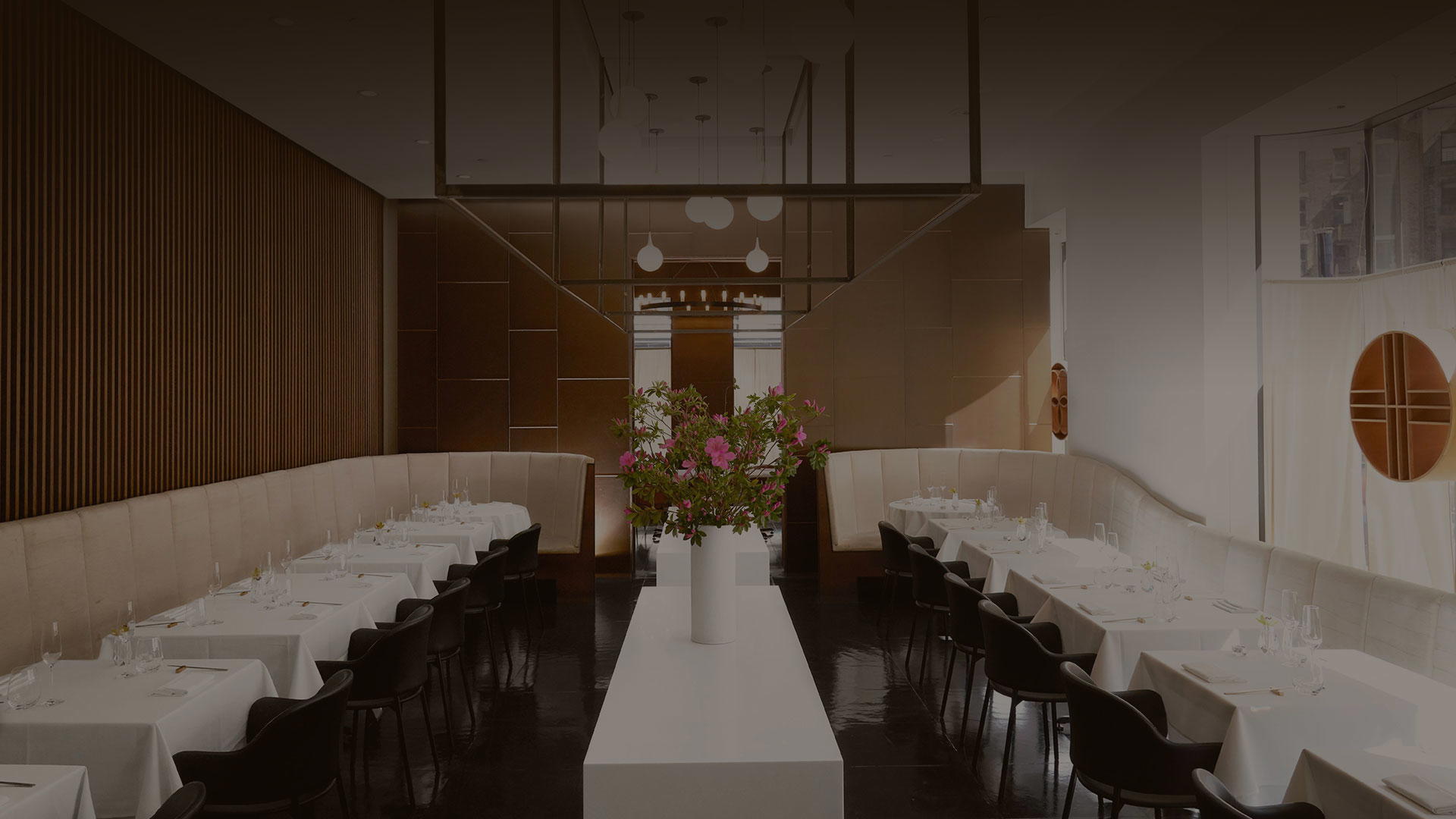
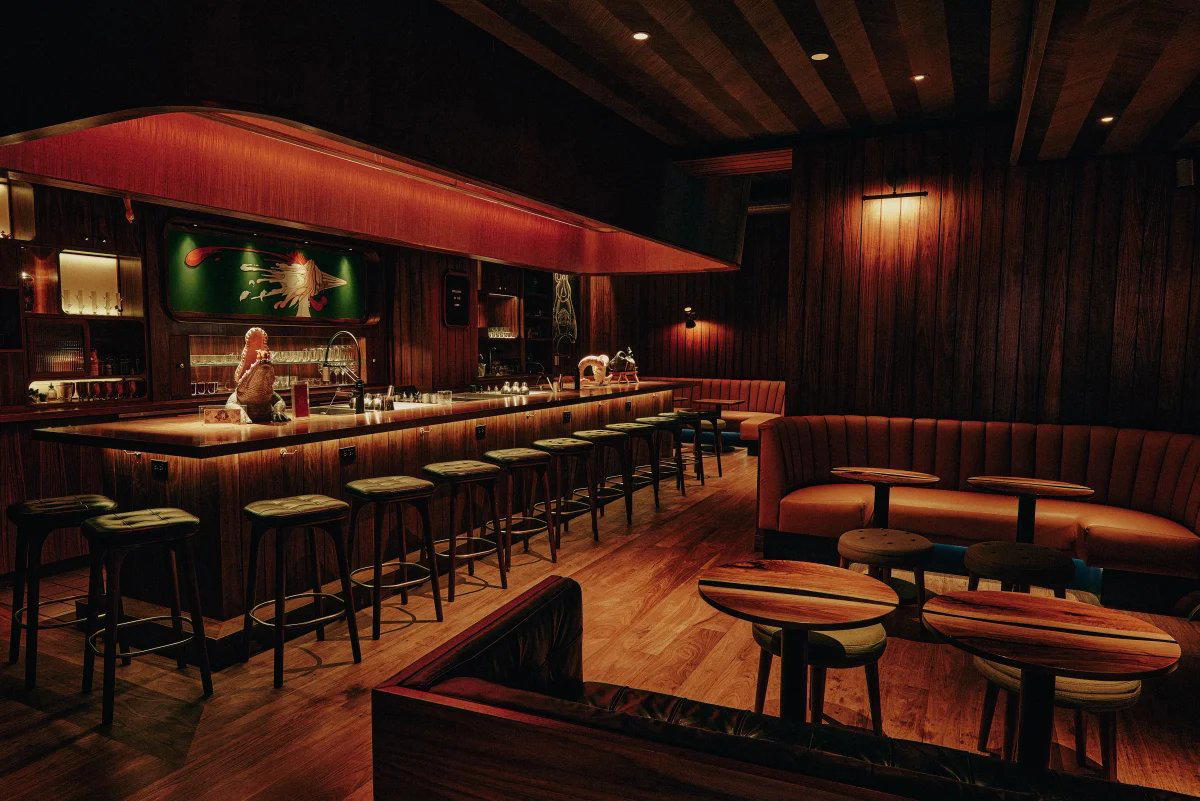
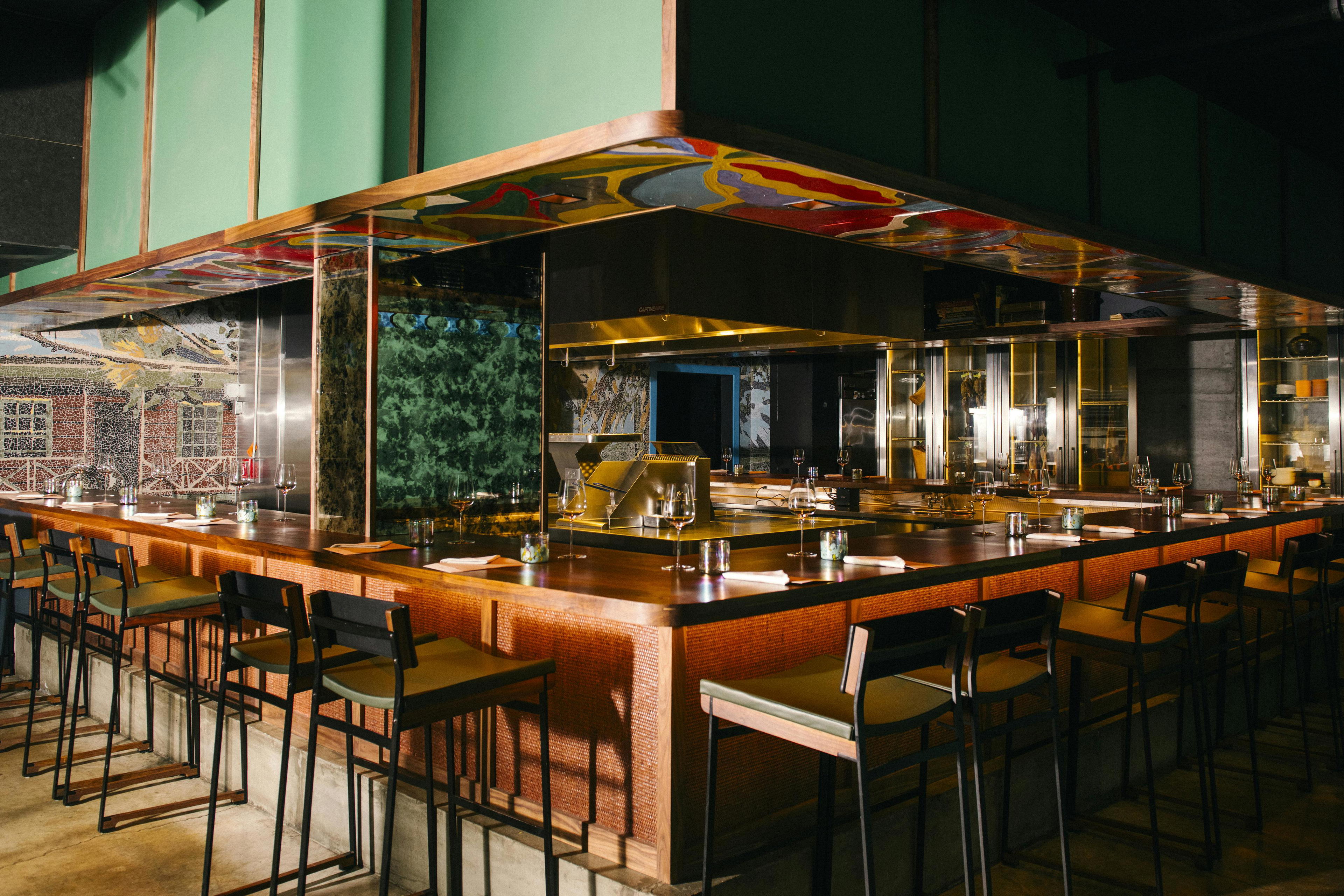
Bars in Manhattan
Browse all →

Hotels in Manhattan
Browse all →



At a Glance
- Cozy
- Classic
- Intimate
- Sophisticated
- Well Known
- Date Night
- Group Dining
- Late Night
- Casual Hangout
- Design Destination
- Standalone
- Craft Cocktails
- Extensive Wine List
- Beer Program
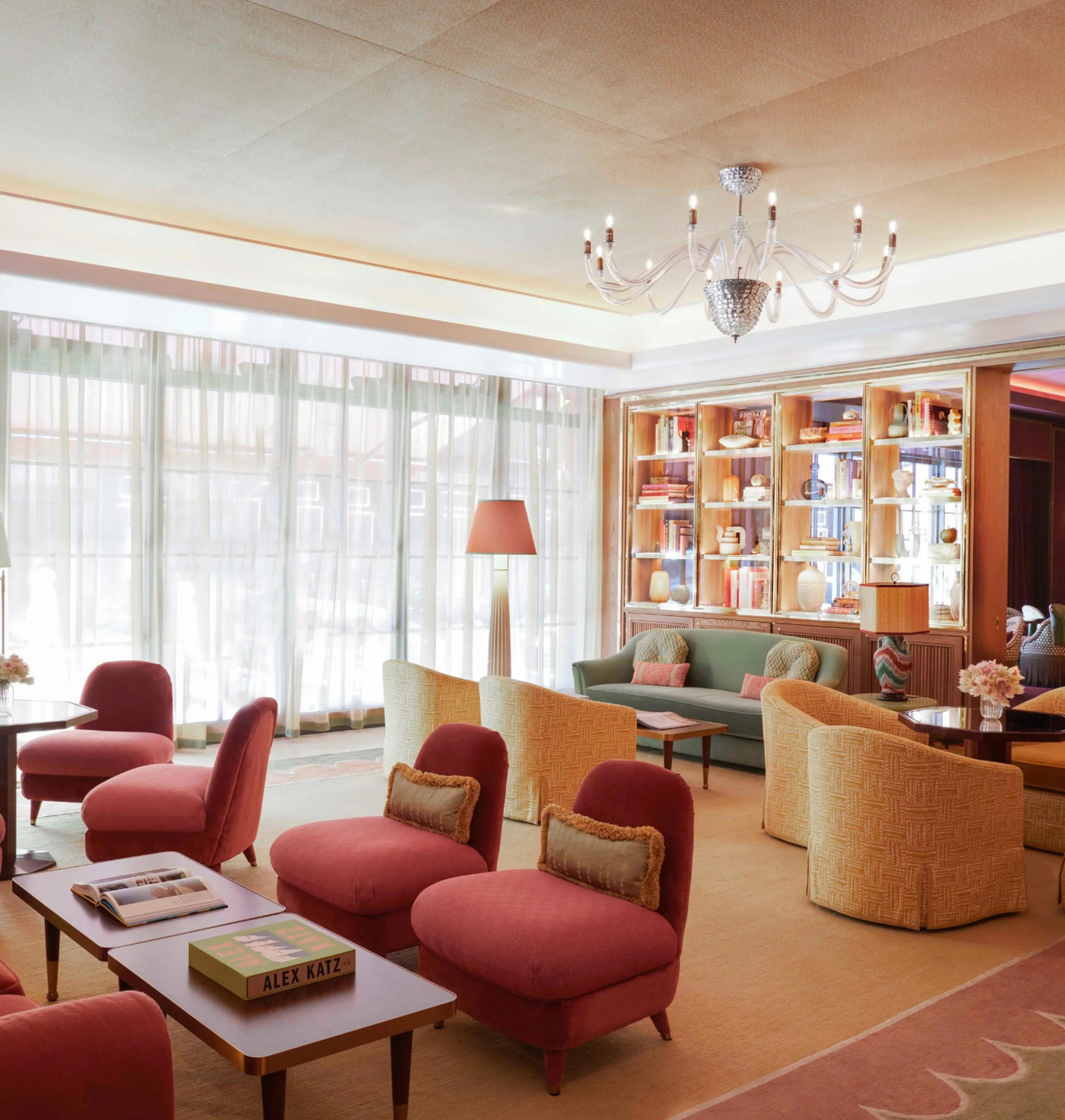
Cozy, intimate, and nostalgic with a classic diner-bar feel that is polished by a Gilded Age-inspired design and a lively late-night atmosphere.