Aurora

Aurora belongs to Manhattan’s Italian dining conversation at the casual end of the critical spectrum, with Riccardo Buitoni attached and a 2026 Opinionated About Dining Casual Recommended citation. The useful lens is regional: New York Italian dining often swings between Roman restraint, Tuscan grill culture, Neapolitan comfort and Milanese polish, and Aurora is better read through that tradition than through spectacle.
- Address
- Manhattan, United States
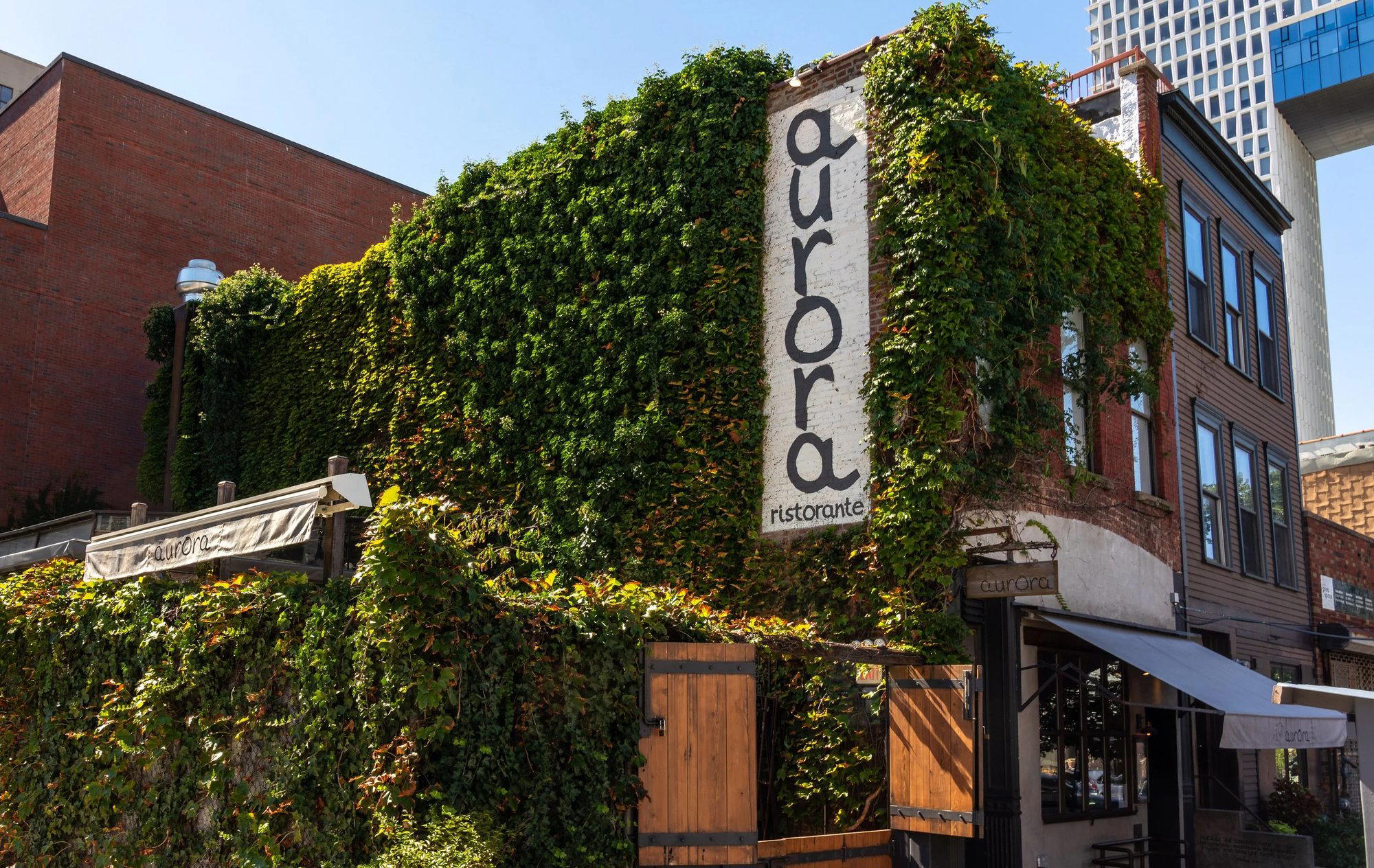
Manhattan Italian rooms tend to announce their intentions before the first plate arrives: low light and wine glasses suggest the downtown trattoria mode, white tablecloth discipline points toward the old Midtown grammar, and a more casual room usually asks the cooking to carry the argument. Aurora sits inside that last category, where the pleasure is less about ceremony than about how clearly a kitchen handles Italian regional habits in a city that has spent decades translating them for New York appetites.
The useful way to read Aurora is not as a generic Italian address, but as part of Manhattan’s long-running negotiation between regional Italy and local expectation. Roman cooking prizes restraint, pecorino, guanciale and the confidence to leave a pasta nearly bare. Tuscan food leans on grill, beans, bitter greens and oil. Neapolitan influence often arrives through tomato, dough and southern generosity, while Milanese polish tends to favor butter, rice and a more tailored dining rhythm. In New York, those borders blur fast. The better casual Italian rooms know when to preserve a regional cue and when to let the city’s appetite for comfort take over.
Regional Italian cooking, translated for a Manhattan casual room
Opinionated About Dining placed Aurora on its 2026 Casual Recommended list for North America, a useful signal because OAD’s casual category rewards restaurants that do not need luxury-service scaffolding to be taken seriously. That matters in Manhattan, where Italian dining can split into three broad lanes: expense-account dining with polished service, neighborhood red-sauce nostalgia, and ingredient-led casual cooking that borrows from several regions without turning the menu into a travel poster. Aurora belongs to the third lane.
Riccardo Buitoni’s name gives the restaurant a clear culinary anchor, but the more interesting story is the category itself. Manhattan has become demanding about Italian food precisely because diners have access to so many versions of it: Roman-leaning pasta counters, Tuscan-spirited grills, wine-bar formats with salumi and conservas, and tasting-menu rooms that treat Italy as a technical language rather than a cuisine of home cooking. A Casual Recommended citation places Aurora in the conversation where execution, consistency and point of view matter more than theatrical rarity.
That makes regional identity the main question. A Manhattan Italian restaurant does not need to declare allegiance to Rome, Tuscany, Naples or Milan to feel coherent, but it does need rules. The cooking has to decide whether acidity leads or fat leads, whether pasta is a centerpiece or one chapter, whether the wine list frames dinner as rustic, coastal, northern or metropolitan. Aurora’s appeal rests in that editorial space: Italian food with enough casual accessibility for New York dining habits, yet enough critical recognition to suggest the kitchen is not coasting on category familiarity.
Why the OAD casual signal matters in New York Italian dining
Awards do not cook dinner, but they clarify context. The 2026 OAD Casual Recommended designation is not a luxury-star claim; it is a placement inside a North American field where casual restaurants are judged against serious peers rather than against convenience dining. For Manhattan, that distinction is useful. The city has many Italian restaurants that are socially useful, professionally run or comfortable. Fewer earn external attention for casual-format cooking without leaning on formal tasting-menu architecture.
This is where Aurora becomes relevant for readers deciding how to spend an evening in Manhattan. The restaurant is not framed here as a trophy reservation or a white-tablecloth pilgrimage. It is better understood as a critic-noted Italian option in a city where regional Italian identity has become one of the sharper dining filters. Diners looking for strict Roman orthodoxy, full Tuscan rusticity or Neapolitan maximalism should judge the menu on those terms when choosing. Diners who value a Manhattan interpretation of Italian cooking, with casual recognition attached, have a clearer reason to pay attention.
The broader Manhattan Italian field rewards fluency over volume. Pasta alone is not enough; neither is a wall of bottles or a few regional adjectives. The restaurants that hold interest tend to show discipline in proportion, pacing and the relationship between food and room. Aurora’s OAD placement indicates that the restaurant has entered that more selective casual conversation, where external recognition follows a total impression rather than a single famous dish.
How to place it in a wider Manhattan plan
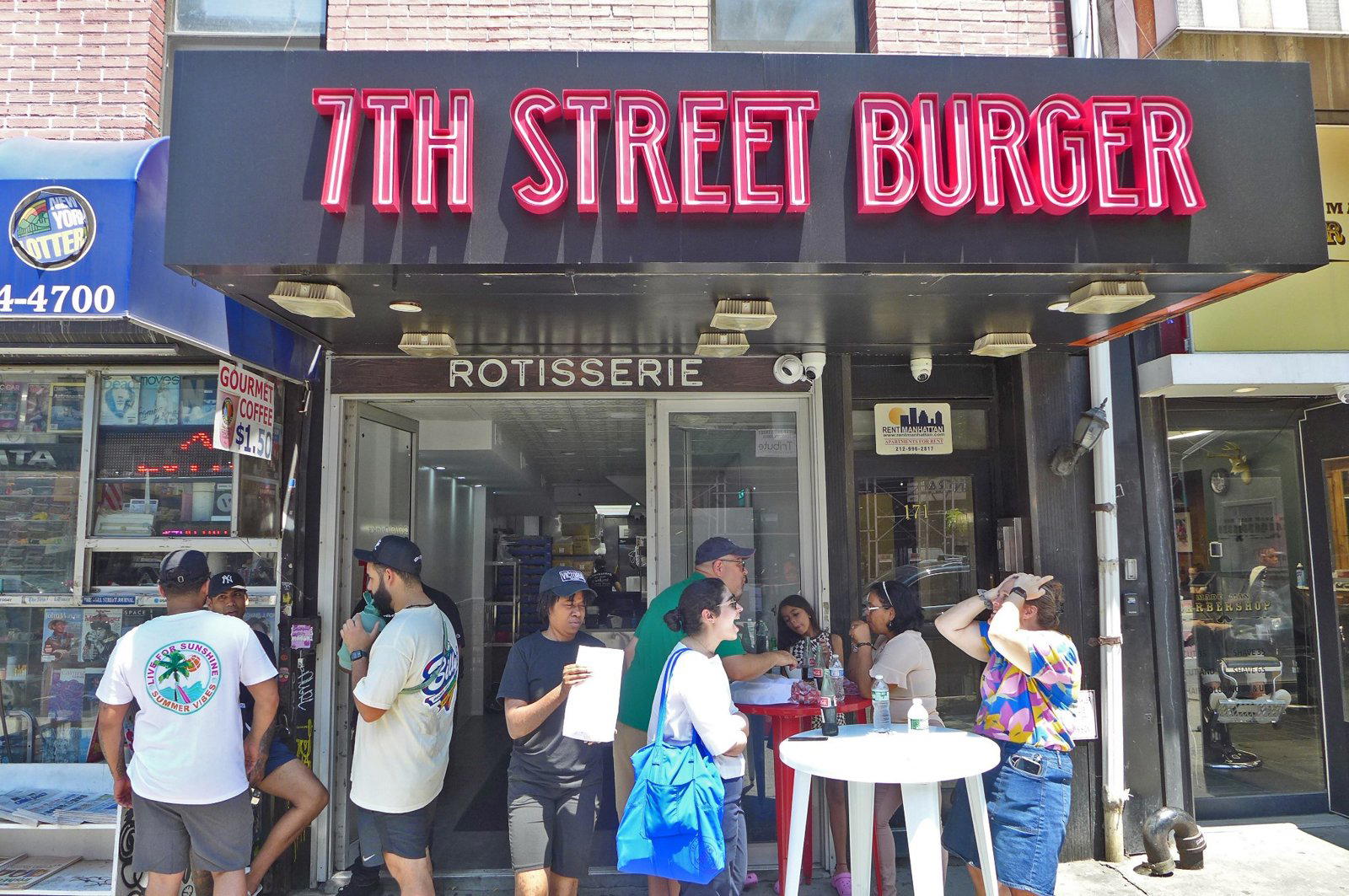
For a Manhattan dining itinerary, Aurora works as part of a broader Italian and casual-restaurant map rather than as an isolated trophy stop. Readers comparing the city’s Italian range can look at Forsythia, Portale, Roscioli NYC and Sfoglia to see how different formats handle the same regional vocabulary. For a sharper contrast in casual New York appetite, 7th Street Burger (Hamburgers) shows how a city can treat speed, repetition and simplicity as its own form of dining culture.
For wider planning, EP Club’s city pages are the cleaner starting point: Our full Manhattan restaurants guide, Our full Manhattan hotels guide, Our full Manhattan bars guide, Our full Manhattan wineries guide and Our full Manhattan experiences guide. Cross-city readers tracking casual precision across cuisines may also compare the editorial logic behind Jōdo Saké Bar in Los Angeles, Onigiri Time in Pasadena, ¿Por Qué No? in Portland, 'Ai Love Nalo in Waimanalo Beach, 'āina in San Francisco, 'Ama 'Ama in Kapolei, 112 Eatery, Italian in Minneapolis and 8 1/2 Otto e Mezzo Bombana (Hong Kong), Italian in Hong Kong.
How It Compares
Comparable venues nearby, for context on price, style, and recognition.
| Venue | Cuisine | Price | Notes |
|---|---|---|---|
| AuroraThis venue — the venue you are viewing | Rustic Italian Trattoria | $$$ | Not listed |
| Ci Siamo | Live-Fire Italian | $$$ | Chelsea |
| Au Cheval | Polished American Diner | $$$ | Chinatown |
| burger joint at Le Parker Meridien | American Burgers | $$$ | Midtown |
| Caffé Panna | Italian-inspired ice cream & coffee shop | $$ | Gramercy |
| Carne Mare | Italian Chophouse & Steakhouse | $$$$ | Seaport |
Recognition history
Dated appearances from independent guides and award organizations, with the underlying list record or original source where available.
Opinionated About Dining Casual in North America Recommended
Opinionated About Dining
Continue exploring
More in Manhattan
At a Glance
- Romantic
- Cozy
- Rustic
- Classic
- Date Night
- Business Dinner
- Group Dining
- Celebration
- After Work
- Standalone
- Design Destination
- Extensive Wine List
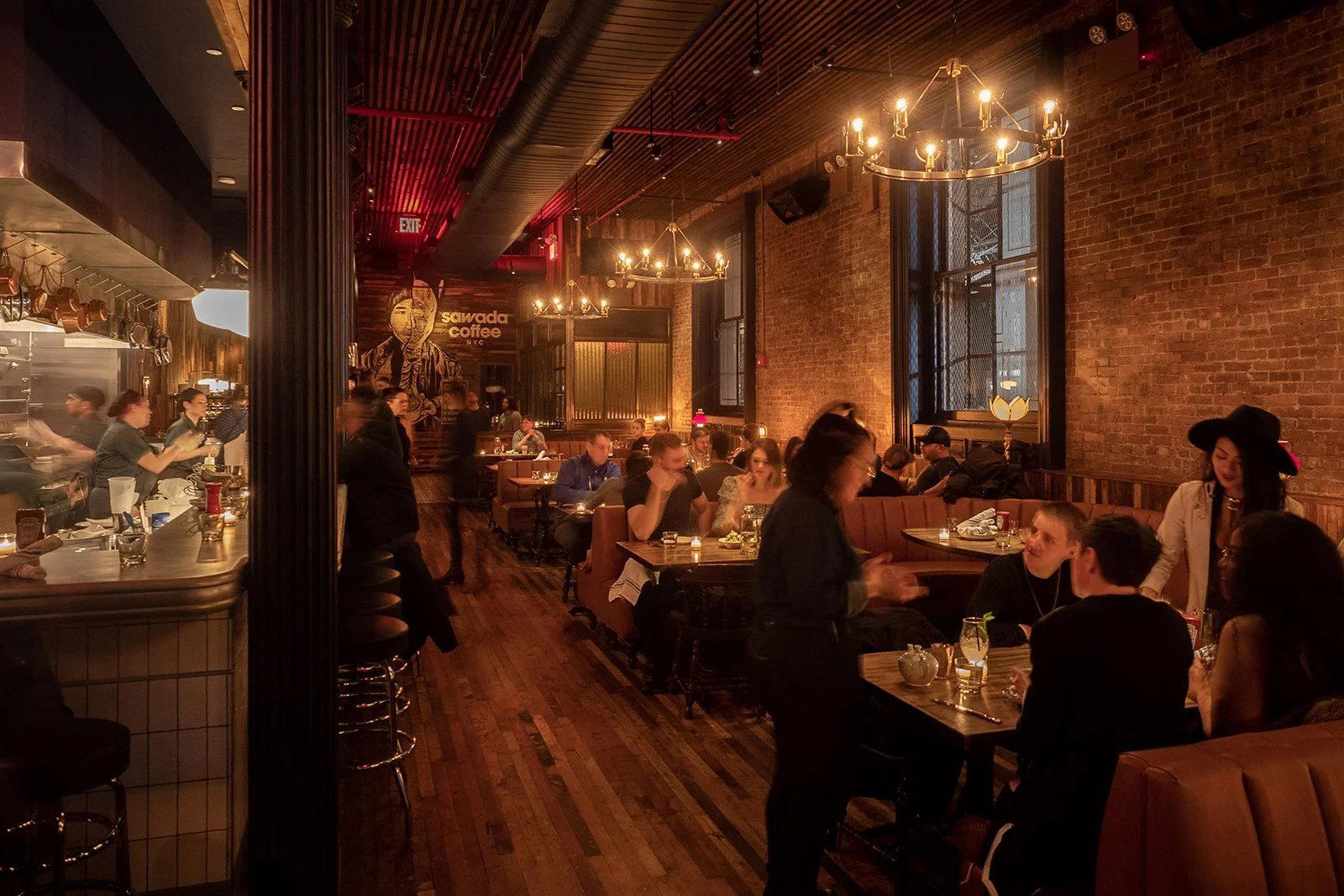
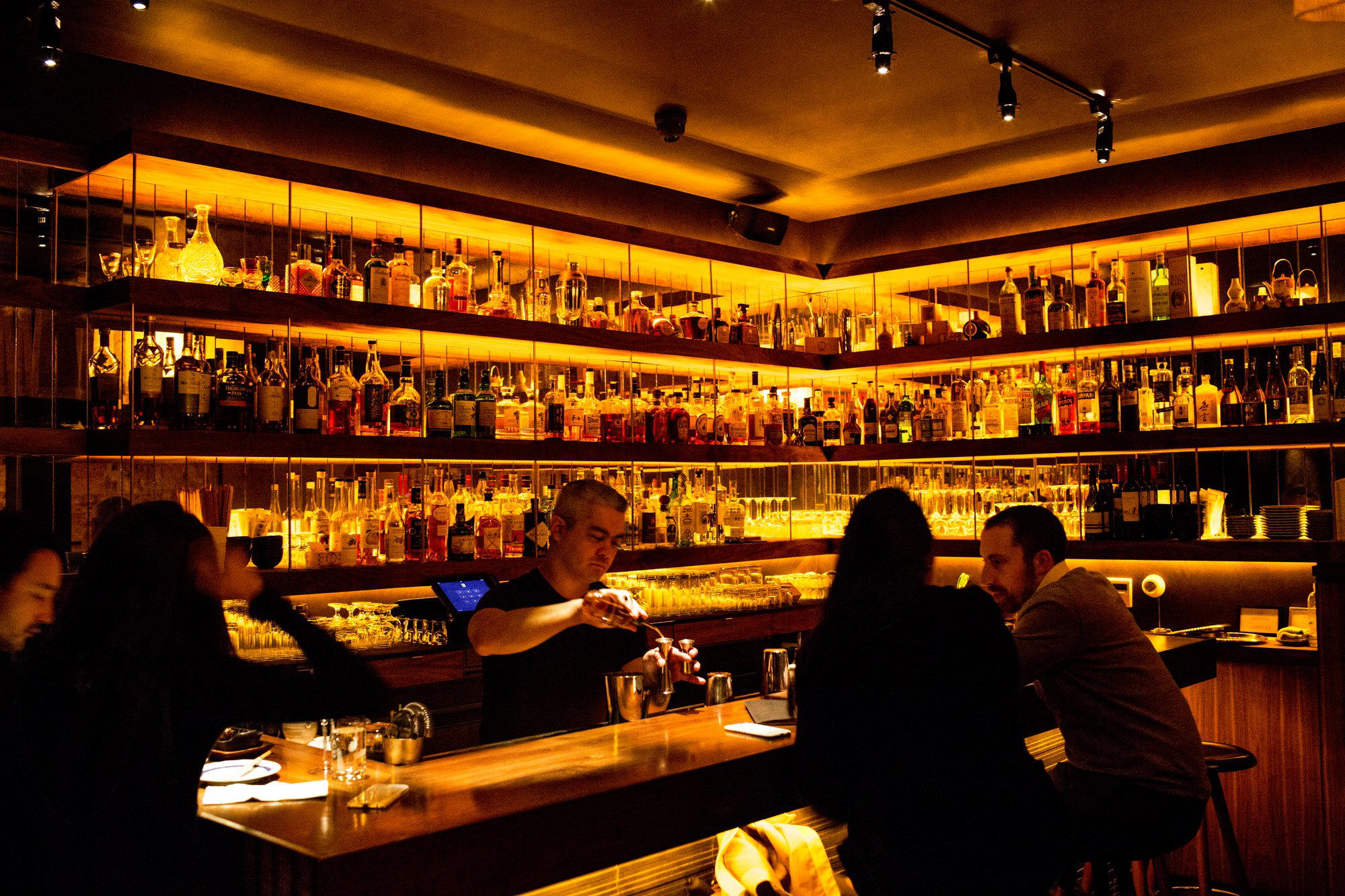
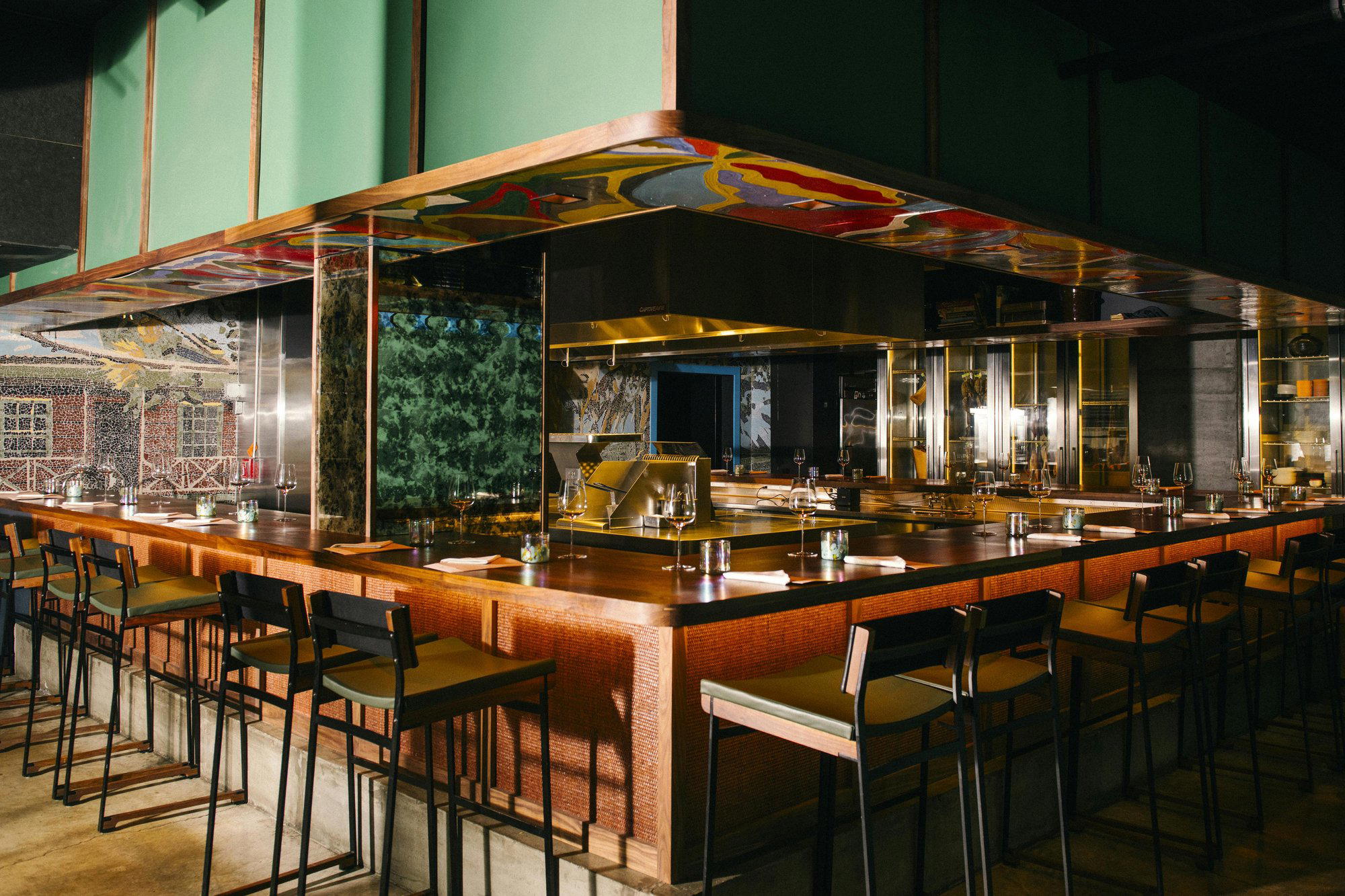
Warm and homey, with rough brick walls, worn wood banquettes, and mounted farm implements that create a cozy, rustic atmosphere suited to intimate dinners yet comfortable for small groups.