Bar Goto

Bar Goto belongs to Manhattan’s Japanese cocktail lane, where precision, pacing, and restraint matter more than theatrical excess. Its 2026 Opinionated About Dining Casual Recommended recognition places it in a credible editorial tier for drinkers who want a bar experience shaped by Japanese culinary logic rather than speakeasy nostalgia.
Pearl is the En Primeur Club membership app — saves, bookings, and concierge access live there. Same editors, same standards.
- Address
- Manhattan, New York, United States
 Saves & bookings on Pearl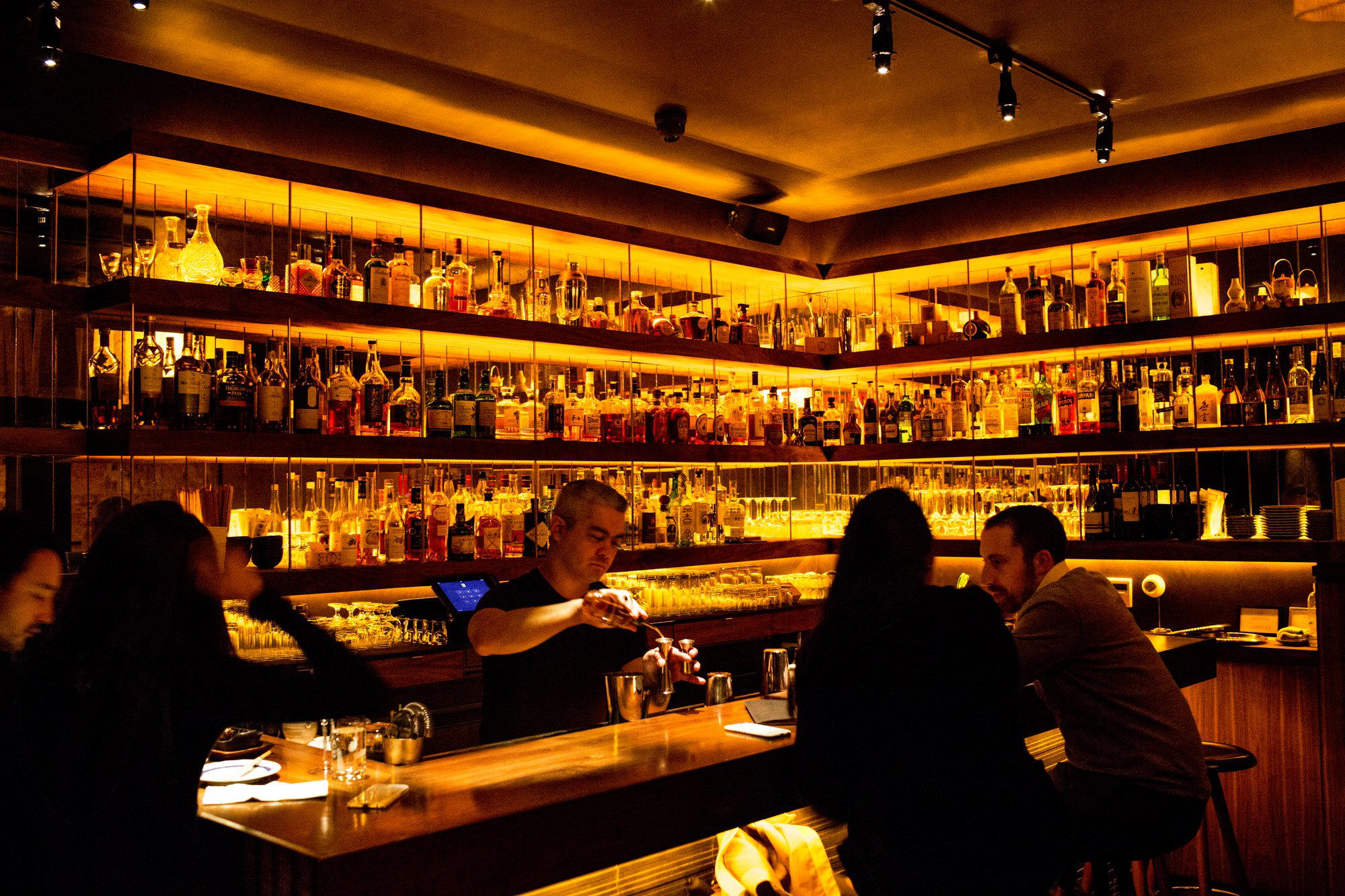
Manhattan cocktail rooms often announce themselves with volume, velvet ropes, and social-media menus. Japanese bar tradition starts elsewhere: lower the temperature, narrow the gestures, and let structure work. Bar Goto fits that quieter grammar. Its category is cocktails, but its logic sits closer to kaiseki than to the high-volume American bar, with sequence, balance, and restraint louder than decoration.
That matters in New York, where Japanese dining has expanded beyond sushi counters and ramen shops into drinking, snacking, and precise hospitality. A Japanese cocktail bar is not simply an izakaya with better glassware. At its strongest, it borrows from the multi-course meal: one drink sets up the next, small plates keep pace with alcohol, and the room asks for attention without ceremony. Bar Goto’s 2026 Opinionated About Dining Casual Recommended listing gives that format external credibility in a city where casual does not mean careless.
Japanese cocktail discipline, read through kaiseki logic
Kaiseki is often misread outside Japan as luxury through multiplication: more courses, plates, and explanation. Its deeper value is control. Seasonality, temperature, proportion, negative space, and the relationship between food and vessel all matter. In a Manhattan cocktail setting, that philosophy favors clean architecture over spectacle. The point is not to turn drinks into dinner, but to make the bar feel composed: bitterness checked against sweetness, garnish treated as function, and food kept close enough to the glass to change the evening’s tempo.
Bar Goto’s Japanese identity works more as lens than theme. The city has many bars selling atmosphere before technique; this address belongs to the smaller group where pleasure comes from calibration. Chef Kiyo Shinoki is the named culinary figure attached to the venue, less as biography than as a signal that food is part of the format. Here, the snack menu is not filler between rounds; it helps decide whether the bar can hold a full evening or only one drink.
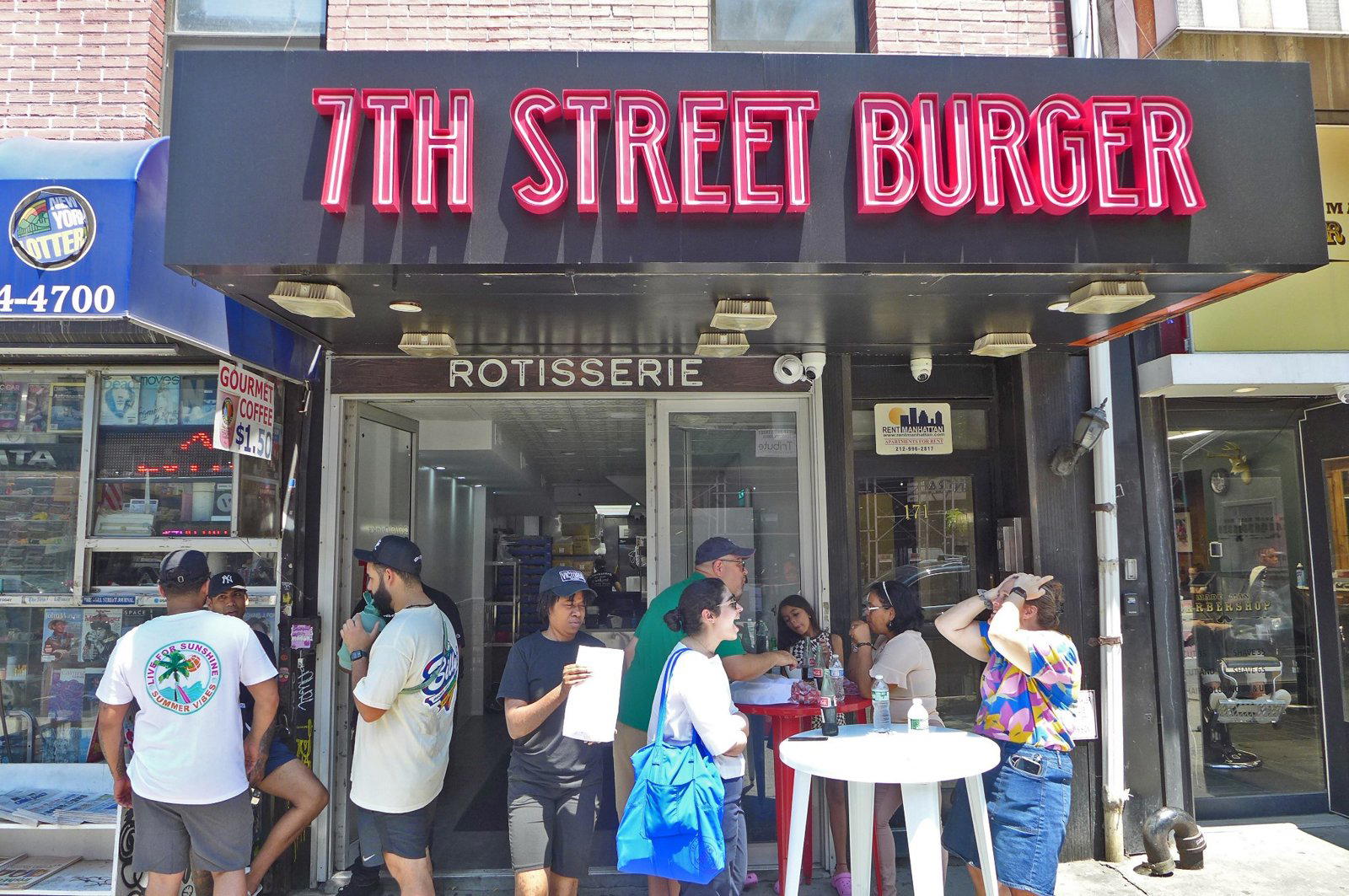
For readers mapping Manhattan by mood, this sits far from the burger-and-beer simplicity of 7th Street Burger, the daytime rhythm of Abraço Bakery, and the bagel-line energy of Apollo Bagels. It also differs from a bistro frame such as Au Cheval, where appetite leads and drinking follows. Here, the bar organizes the night, and food supports the room’s pace.
Where it belongs in Manhattan's Japanese drinking culture
New York’s cocktail evolution has moved through hotel bars, speakeasy codes, craft revivalism, and, more recently, sharper technical clarity. Japanese cocktail culture overlaps with that last phase but is not identical to it. Technique can be rigorous, but the mood is less laboratory than discipline. The better versions avoid cosplay and over-explanation, letting the guest understand the system through timing, glassware, dilution, and savory food that resets the palate.
That is why the restaurant reads as a bar for drinkers who know novelty from editing. The OAD Casual Recommended recognition in 2026 places it within a North American list attentive to informal formats, a useful distinction for Manhattan. Some serious drinking rooms hide behind formality; others dilute seriousness to feel accessible. This one occupies New York’s best middle ground: polished enough for an intentional night, relaxed enough to avoid performance.
The Japanese influence also places it within a wider American conversation. Los Angeles has its own Japanese drinking and snack culture, represented in EP Club by Jōdo Saké Bar in Los Angeles, while Southern California’s casual Japanese food map includes Onigiri Time in Pasadena. Manhattan’s version is denser, more compressed, and more cocktail-led. The comparison is not about ranking cities; it is about reading format. New York tends to make Japanese drinking culture more urban and compact, with the bar seat carrying much of the experience.
How to place it in a Manhattan night
The restaurant works when the evening needs focus rather than sprawl. It is a controlled stop on a Manhattan night, not a catch-all restaurant substitute. The category, Cocktails - Japanese, tells readers how to use it: arrive for drinks with food in the frame, not a conventional multi-course restaurant agenda. That makes it useful before or after dinner, or as the main plan for a group that values conversation and measured pacing over volume.
For neighborhood planning, the broader Manhattan map matters. EP Club’s full Manhattan restaurants guide is the better tool for pairing dinner around it, while the full Manhattan bars guide helps separate serious cocktail rooms from late-night volume plays. Travelers building a full stay can also use the Manhattan hotels guide, the Manhattan experiences guide, and, for a broader drinks lens, the Manhattan wineries guide.
Its editorial value is clearest for readers who care about Japanese aesthetics beyond obvious markers. The kaiseki connection here is not a claim that a cocktail bar becomes a formal tea-adjacent meal. It is a way to understand proportion: the drink should not bully the food, the food should not pull the evening away from the bar, and the room should support the sequence. That is demanding in Manhattan, where bars often confuse energy with excess.
Seen this way, the restaurant is a concise expression of a larger shift: New York drinkers are increasingly comfortable with bars that act like edited dining rooms. The venue’s OAD recognition, Japanese cocktail classification, and culinary credit to Kiyo Shinoki point in the same direction. This is not a place to evaluate by maximalism. Judge it by whether the evening feels properly measured.
For readers extending the itinerary beyond Manhattan, EP Club’s wider Japanese and Pacific dining map includes -Grilled beef Sukiyaki- KAMAKURA TANUKIAN 鎌倉 たぬき庵 in Kamakura, 'Ai Love Nalo in Waimanalo Beach, 'āina in San Francisco, 'Ama 'Ama in Kapolei, and ¿Por Qué No? in Portland. Within New York, Angel's Share remains a useful reference point for the city’s Japanese-influenced cocktail history, while the restaurant, Cocktails - Japanese in New York City belongs to the present-tense version of that conversation.
Comparable Venues Nearby
Comparable venues nearby, for context on price, style, and recognition.
| Venue | Cuisine | Price | Notes |
|---|---|---|---|
| Bar GotoThis venue — the venue you are viewing | Japanese Cocktail Bar with Okonomiyaki | $$$ | Not listed |
| Bar Kabawa | Caribbean Daiquiri & Wine Bar | $$$ | East Village |
| Au Cheval | Polished American Diner | $$$ | Chinatown |
| Aurora | Rustic Italian Trattoria | $$$ | SoHo |
| Clemente Bar | Modern Plant-Based Fine Dining & Cocktails | $$$ | Flatiron District |
| Avra Estiatorio | Upscale Greek seafood and fine dining | $$$$ | Chelsea |
Recognition history
Dated appearances from independent guides and award organizations, with the underlying list record or original source where available.
Opinionated About Dining Casual in North America Recommended
Opinionated About Dining
Continue exploring
More in Manhattan
At a Glance
- Intimate
- Cozy
- Elegant
- Trendy
- Romantic
- Date Night
- After Work
- Late Night
- Solo
- Casual Hangout
- Special Occasion
- Standalone
- Design Destination
- Craft Cocktails
- Sake Program
- Beer Program
- Zero Proof
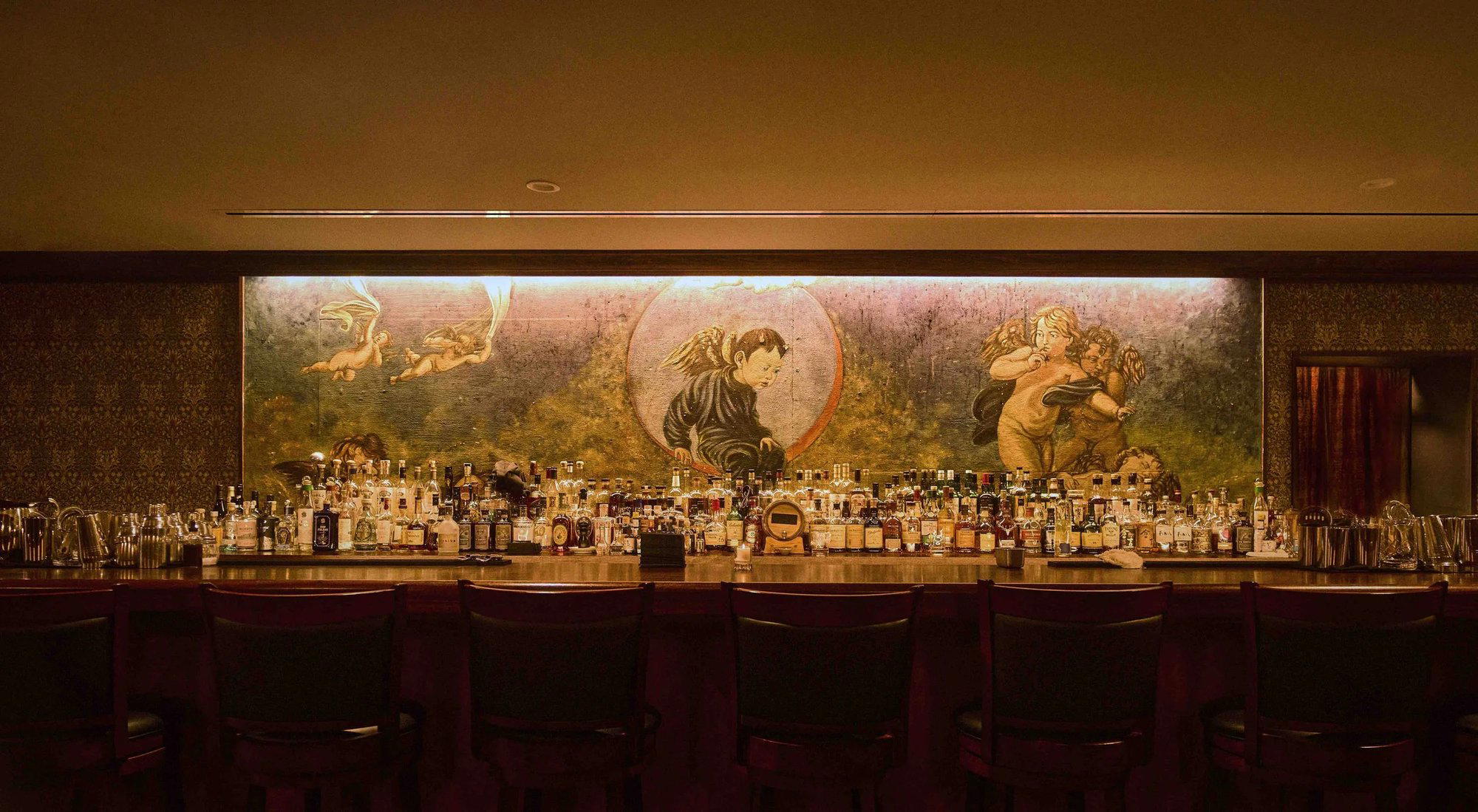
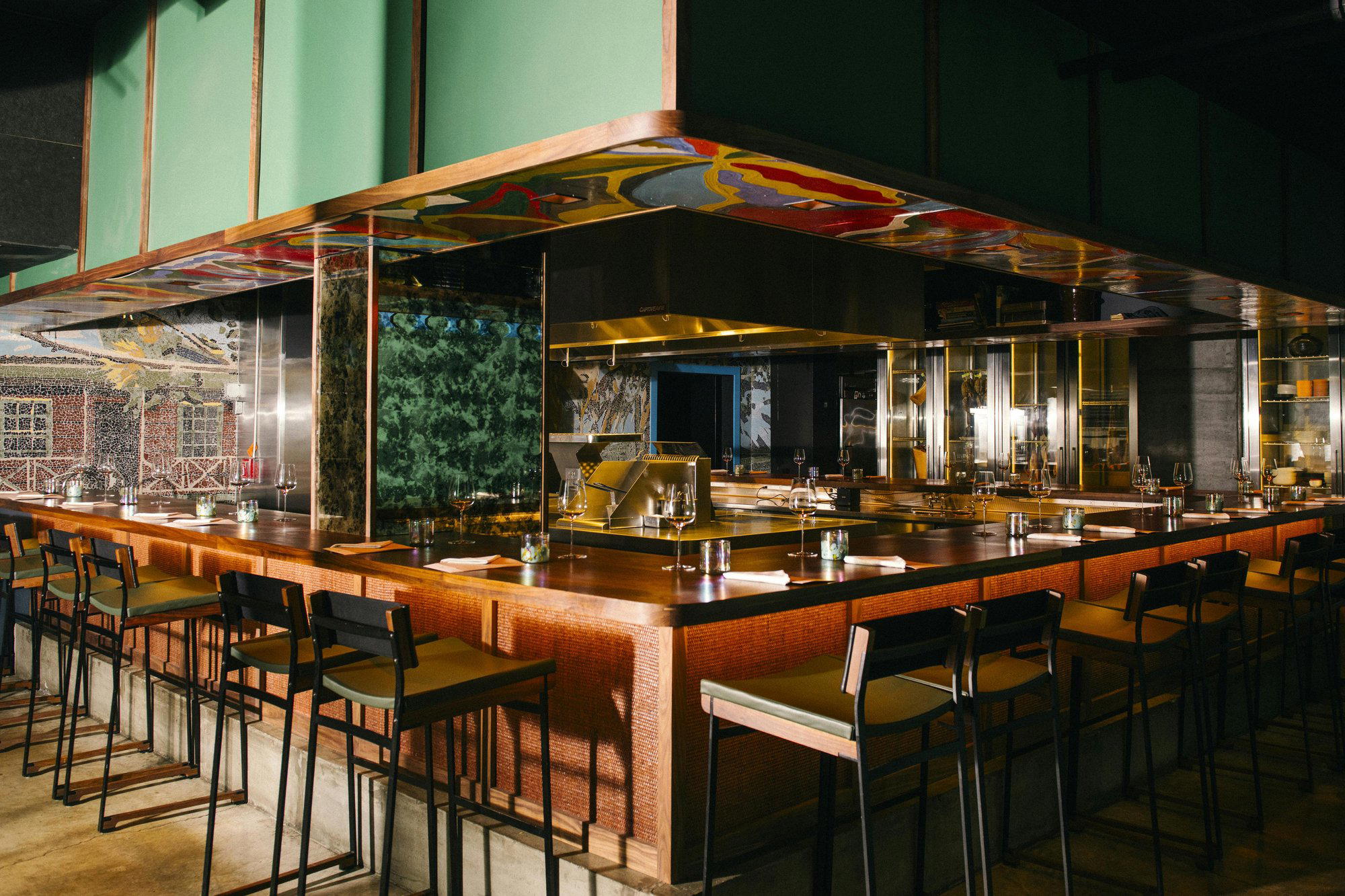
Dimly lit and chic with understated Japanese design, creating a dark, sexy, date-friendly atmosphere that becomes busy and energetic later in the evening.