Ato Sushi
Ato Sushi occupies a quiet address on Skolgatan in central Norrköping, bringing a focused sushi format to a city whose dining scene has long skewed toward European bistros and Italian trattorias. For a mid-sized Swedish city sitting well outside the capital's restaurant orbit, it represents the kind of specialist commitment that tends to thrive where competition is sparse and regulars are loyal.
Pearl is the En Primeur Club membership app — saves, bookings, and concierge access live there. Same editors, same standards.
- Address
- Skolgatan 20, 602 25 Norrköping, Sweden
- Phone
- +46737517737
- Website
- atosushi.se
- Directions
- Get directions
 Saves & bookings on Pearl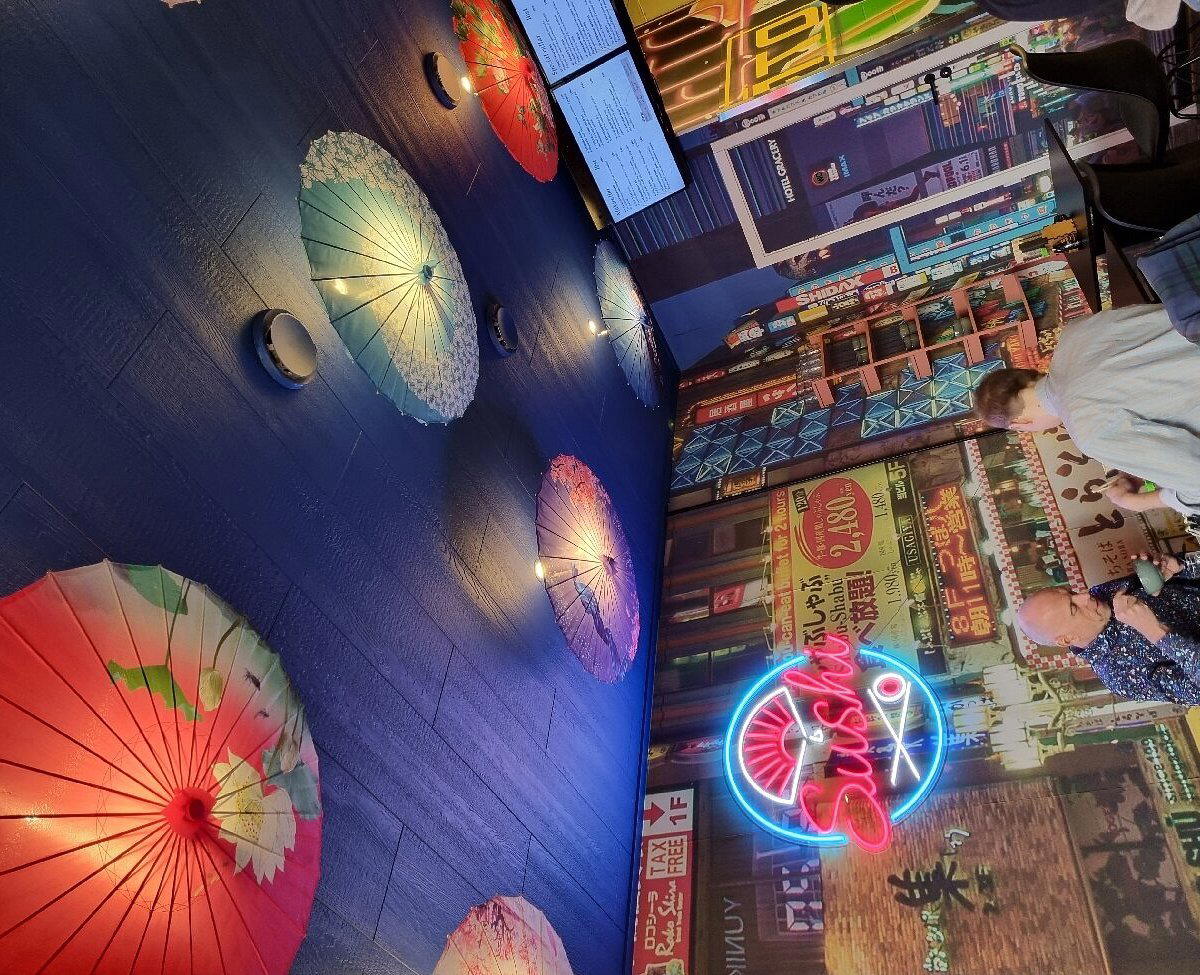
Sushi in a Swedish Industrial City: What That Actually Means
Norrköping is a post-industrial city that has spent the last two decades converting its 19th-century textile mills into cultural venues, university buildings, and independent restaurants. The dining pattern here includes reliable European-leaning addresses, Italian kitchens like Trattoria Gabriel, and wine-forward spots such as Enoteket. Into that context, a dedicated sushi address on Skolgatan reads as a deliberate specialisation rather than a casual addition.
The broader question Swedish sushi raises is ingredient distance. Japan's great fish markets draw from waters that are, by European standards, remote. What arrives at a sushi counter in a mid-sized city like Norrköping has typically passed through several handling stages before reaching the kitchen. That chain matters, because sushi is among the formats most sensitive to it. Rice temperature, fish texture, and the balance between fat and acid in oily cuts are all affected by how recently the product moved. Regional Swedish sushi kitchens have adapted by leaning on local cold-water species, including Baltic herring, Arctic char, and Nordic salmon, where the supply chain is shorter and the quality more consistent.
Skolgatan 20: Reading the Room Before You Sit
Skolgatan runs through a residential and light-commercial part of central Norrköping that sits just off the busier pedestrian zones. The street-level position of a restaurant on that stretch tends to produce a particular kind of room: quieter than the waterfront mill district, drawing a neighbourhood clientele alongside the city-centre visitor who has done some homework. For a sushi restaurant, that quietness is a practical asset. The format rewards attention, and a dining room that isn't competing with ambient noise from adjacent bar traffic tends to suit it.
Ato Sushi's address at number 20 places it within walking distance of Norrköping's central transport links. The city's compact centre means most of the dining strip can be covered on foot.
Where the Fish Comes From, and Why the Sourcing Question Is the Right One to Ask
The ingredient-sourcing frame is one useful lens for assessing a sushi restaurant outside the three or four Swedish cities that have the volume and import infrastructure to sustain a full traditional omakase program. Stockholm's leading counters can access daily Toyosu-linked product through specialist importers. Frantzén in Stockholm operates in an environment where that infrastructure underpins an entire fine-dining ecosystem.
Regional Swedish cities like Norrköping work within tighter constraints, but those constraints have historically pushed kitchens toward something potentially more interesting: a reliance on Scandinavian waters that produce genuinely cold-adapted fish with distinct fat profiles. Norwegian salmon, wild Arctic char from Swedish lakes, and cured Baltic herring all carry flavour characteristics that imported tropical or Pacific species don't replicate. Coastal Swedish restaurants elsewhere in the country have built reputations around exactly this kind of northern sourcing discipline. VYN in Simrishamn and ÄNG in Tvååker both anchor their menus to local produce chains. The question worth asking at any Swedish sushi address away from the major cities is whether the kitchen is leaning into that local sourcing logic or simply importing standard product through slower channels.
What can be said is that the choice matters more in Norrköping than it would in a city with same-day import access, and any visit rewards the guest who asks directly about what is coming from Nordic suppliers versus what is sourced further afield.
Sushi's Place in Sweden's Broader Restaurant Shift
Swedish restaurant culture has moved considerably in the past decade. The Nordic wave that positioned kitchens like Vollmers in Malmö and Signum in Mölnlycke within international conversations about tasting-menu fine dining has filtered down into regional cities, raising the general expectation of what serious cooking looks like outside Stockholm and Gothenburg. Alongside that, Japanese technique has cross-pollinated with Nordic ingredient thinking in ways that go well beyond novelty. Kitchens in Gothenburg and Malmö have produced menus where Japanese precision sits alongside Swedish pantry logic, a pairing that has found a real audience.
Dedicated sushi formats in smaller Swedish cities occupy a different position: they are typically not attempting that hybrid ambition, but are instead making a case that the discipline of traditional sushi preparation deserves its own space, separate from the broader Nordic-Japanese fusion conversation. Whether that case holds depends almost entirely on sourcing rigour and rice execution, the two variables that separate a sushi restaurant that delivers on its format from one that is merely a sushi-shaped menu in a European context.
For reference points elsewhere in Sweden's regional fine-dining tier, PM & Vänner in Växjö, Knystaforsen in Rydöbruk, Sydkustens at Pillehill in Skivarp, Bistro Jarlen in Halmstad, and Archipelago of Gothenburg in Styrsö each show how regional Swedish kitchens have built serious propositions away from the major cities. And internationally, the sourcing discipline that defines great sushi at the leading level is visible at places like Le Bernardin in New York City and the community-driven tasting format of Lazy Bear in San Francisco, both of which illustrate what sustained ingredient commitment looks like across different formats.
Planning Your Visit
Ato Sushi is located at Skolgatan 20, 602 25 Norrköping. The restaurant is recommended for reservations and is open Tuesday through Thursday from 11 AM to 9 PM, Friday from 11 AM to 10 PM, and Saturday from 12 PM to 9 PM; it is closed Monday and Sunday. Norrköping is served by frequent direct trains from Stockholm Central, with the journey running around an hour and a half, making a same-day trip from the capital feasible if you are combining the restaurant with other city stops.
Comparison Snapshot
Comparable venues nearby, for context on price, style, and recognition.
| Venue | Cuisine | Price | Notes |
|---|---|---|---|
| Ato SushiThis venue — the venue you are viewing | Modern Japanese Sushi | $$ | Not listed |
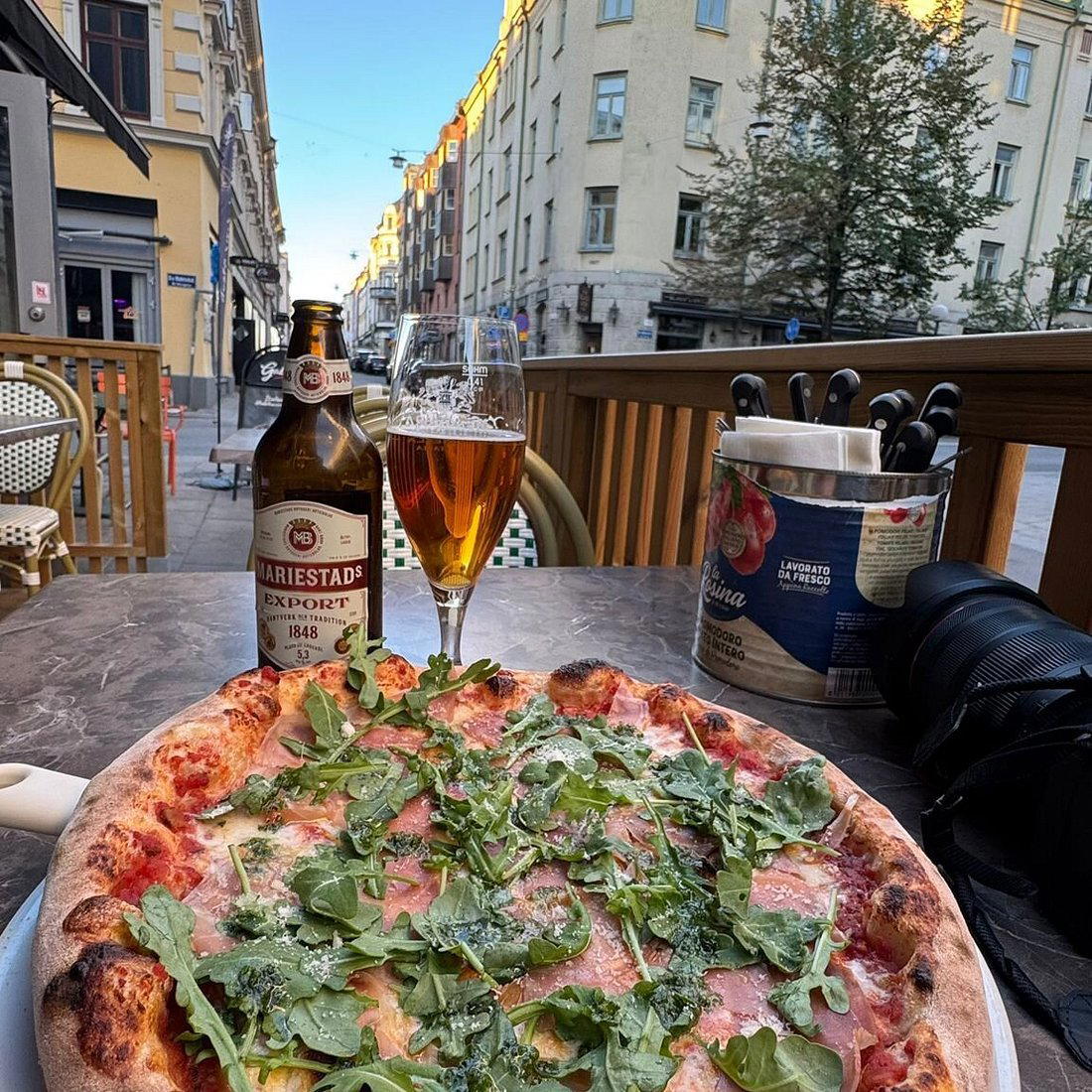
| Trattoria Gabriel | Authentic Italian Trattoria with Neapolitan Pizza | $$ | Gamla Staden |
| Enoteket | Classic Italian with Wine Bar | $$ | Industrilandskapet |
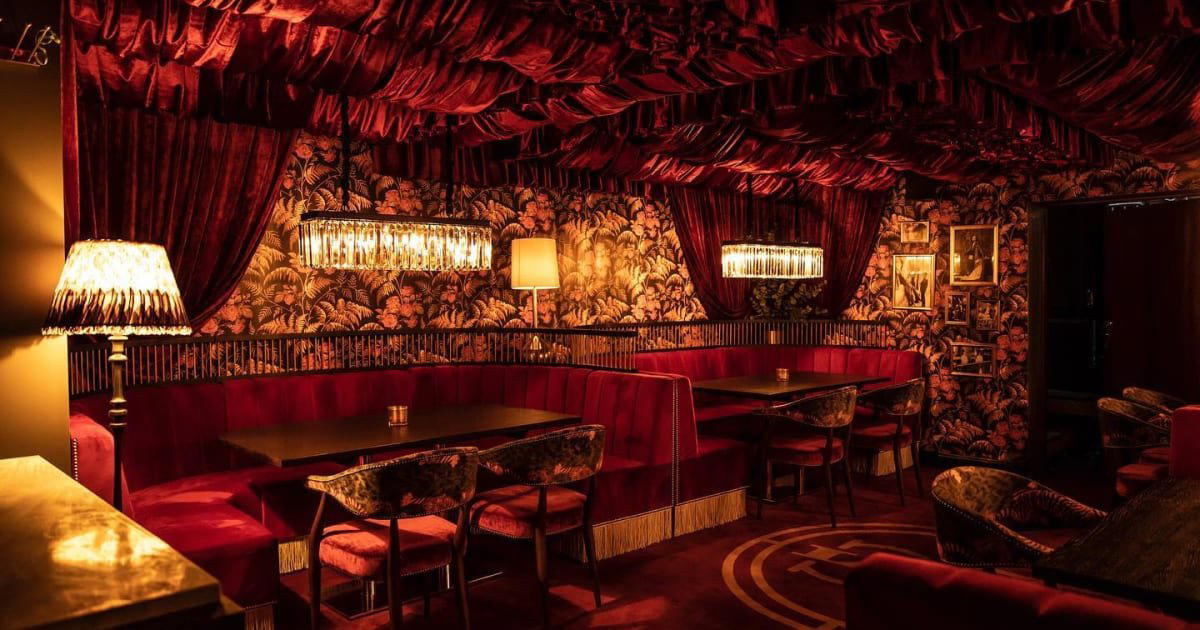
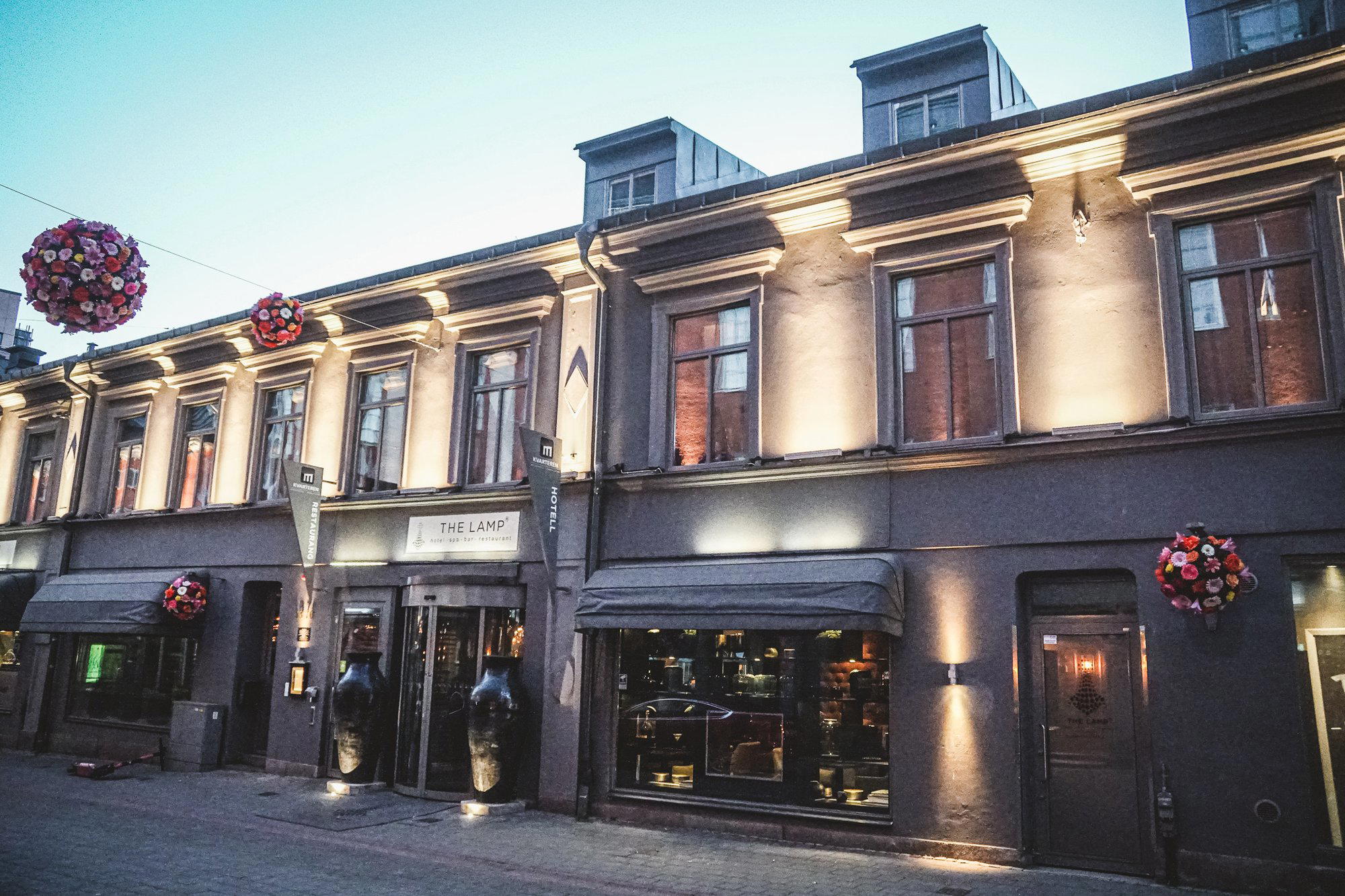
| The Lamp Restaurant | Swedish flavors with Asian fusion | $$$ | Gamla Stan |
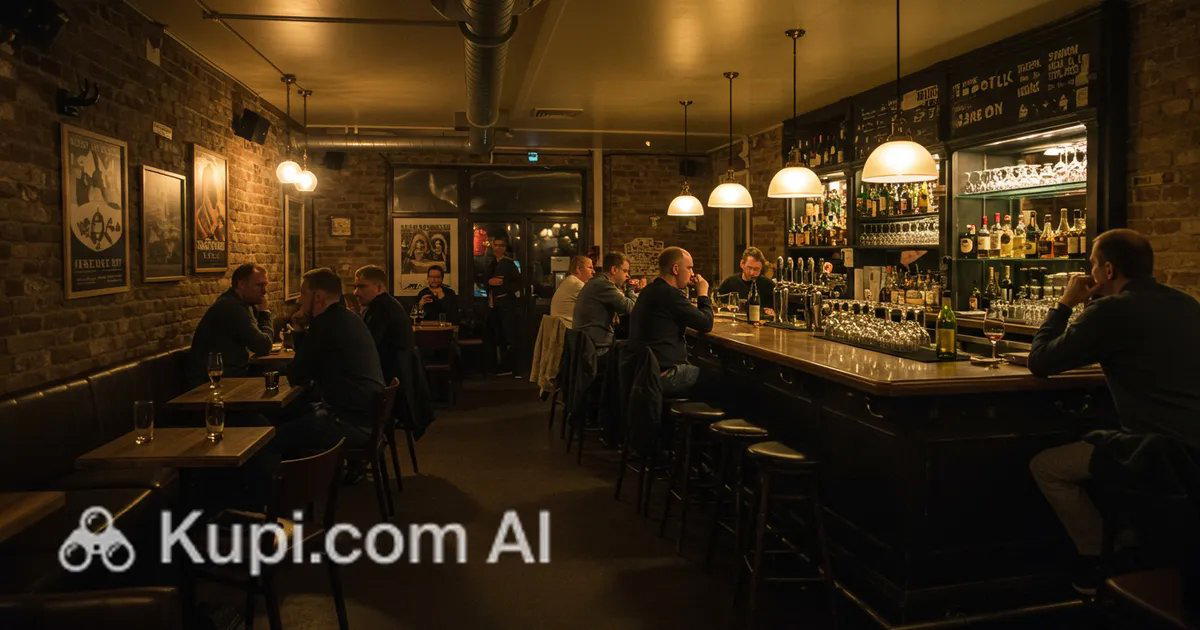
| Lagerqvist | Classic Swedish Grill & Cocktails | $$ | Gamla Staden |
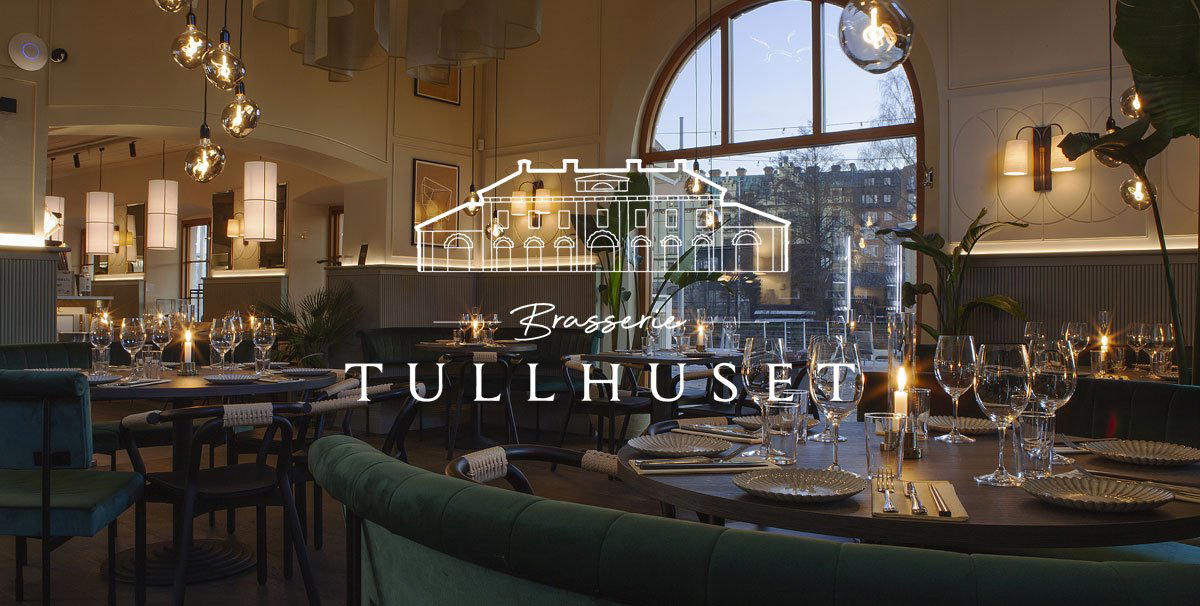
| Brasserie Tullhuset | Nordic Brasserie with International Influences | $$$$ | Central Norrköping |
Continue exploring
More in Norrköping
Restaurants in Norrköping
Browse all →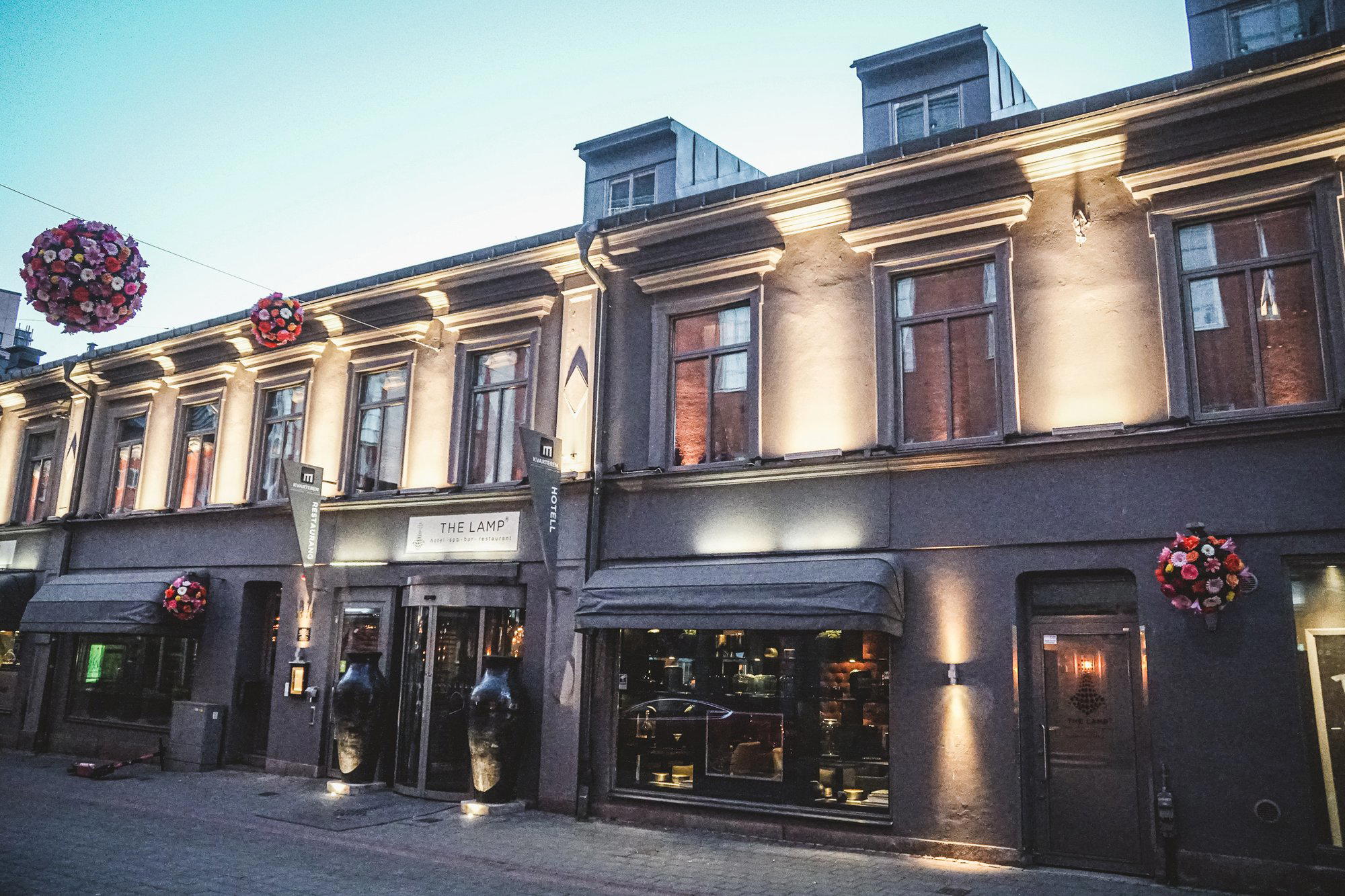
At a Glance
- Modern
- Date Night
- Casual Hangout
Current opening hours
- Monday
- Closed
- Tuesday
- 11 AM–9 PM
- Wednesday
- 11 AM–9 PM
- Thursday
- 11 AM–9 PM
- Friday
- 11 AM–10 PM
- Saturday
- 12–9 PM
- Sunday
- Closed
Hours can change for holidays and private events. Last verified .
Modern Japanese atmosphere focused on freshness and authenticity with a balance of traditional and creative sushi presentations.