Our verdict
Atelier Plume fits Taipei’s growing appetite for pastry-led cafe culture, where ingredient clarity matters as much as room design. The Songshan address gives it a polished urban setting rather than a tourist-market frame, making it better read as a focused patisserie stop than a full restaurant occasion.

Pearl is the En Primeur Club membership app, where members save venues, book tables and use the concierge.
The menu
What to order
- Croissants
- Seasonal fruit tarts
- French pastries and breads
In Taipei, the rhythm around a cafe can be office towers, traffic lights, apartment entrances and the clipped pace of city life, not the slow theatre of a destination dining room. That setting matters. Taipei’s cafe culture is increasingly precise: less oversized dessert counters, more controlled portions, careful sourcing and rooms that let pastry carry the argument. Atelier Plume fits that lane as a cafe and patisserie, where the serious question is not how many items fill the case, but how clearly a focused pastry stop can read within the city.
Taipei has long treated sweetness more lightly than many Western dessert capitals. Its strongest pastry rooms often borrow broad international structure and local ingredient logic without becoming fusion theatre. A patisserie here must meet several expectations at once: clean finishes, moderate sweetness, visual discipline and enough ingredient identity to justify a dedicated stop rather than a convenience coffee break.
Pastry in Taipei now depends on sourcing, not spectacle
The more interesting end of Taipei patisserie is moving away from novelty shapes and sugar-heavy display. Ingredient sourcing is now the real distinction, especially in a market shaped by local fruit seasons, tea culture and a demanding cafe audience. A good tart or entremets in Taipei is rarely praised for size. It is judged on whether acidity, cream, crumb and temperature feel deliberate.
Atelier Plume’s cafe-and-patisserie category makes it part of that broader conversation. The format carries the editorial signal: not a multi-course restaurant asking for a long evening, and not a volume bakery. It is a narrower proposition, suited to a city where high-spec cafes often act as informal tasting counters for pastry, coffee and tea.
That distinction helps visitors map Taipei by appetite. Other Taipei dining rooms may speak to the city’s comfort-food register, direct casual pleasures or broader conversations about local cooking. A patisserie stop fills a different slot: shorter, quieter and more dependent on product detail than appetite alone.
The sourcing angle also explains why Taipei’s cafe scene has become more exacting. Taiwan has credible agricultural depth, from fruit and honey to tea, and dessert makers know local ingredients can do more than decorate a familiar template. The strongest pastry logic treats provenance as structure: citrus for lift, tea for bitterness, dairy for texture, chocolate for depth, not menu adjectives pasted onto familiar forms.
Taipei gives the cafe a city-life setting, not a postcard one
Taipei resists a single travel image. It has office density, residential calm and polished commercial streets suited to weekday cafe rituals. That makes a patisserie here read differently from one framed mainly by a heritage lane, landmark or night-market corridor. The audience can include local regulars, nearby workers and visitors planning by the city’s daily rhythms rather than by a single postcard view.
For travellers, Atelier Plume is a useful punctuation mark in a Taipei day, not the day’s central meal. Approach it as a pastry-and-cafe stop, not a substitute for a full Taiwanese dinner or chef’s tasting format. That matters because Taipei’s casual surface rhythm can blur its highly specific dining categories. Beef noodle shops, banquet restaurants, dessert cafes, tea houses and contemporary tasting rooms each carry their own codes.
Readers building a wider Taipei itinerary can place this address within city planning rather than force it into a ranking exercise. Our full Taipei restaurants guide gives the dining spread; our full Taipei bars guide covers the city after dark; our full Taipei hotels guide helps choose a base; and the wider cultural frame sits in our full Taipei experiences guide. Wine-focused travellers can also check our full Taipei wineries guide, though Taipei patisserie usually speaks more fluently to tea and coffee than to cellar culture.
The practical judgment is simple: this suits a controlled afternoon stop better than a large-group feast. The cafe-patisserie format rewards people comparing textures, sweetness levels and ingredient expression without committing to a long service arc. Families can make sense here if comfortable with a quieter cafe rhythm and pastry portions, while diners expecting a broad savoury menu should plan a separate meal before or after.
How to read it against Taipei's broader eating map
Taipei rewards category discipline. Treating every address as interchangeable misses what the city does well: specialist formats with narrow focus. A patisserie such as Atelier Plume should be judged differently from contemporary dining rooms, regional Taiwanese counters, and night-market or casual street-food addresses. The question is not whether it replaces those meals. It gives the day another register.
That register matters across Taiwan. Dessert and snack culture are not side notes; they shape how people move through cities. Within Taipei and beyond, the contrast sharpens against other formats: comfort dishes, roast meats, grilled snacks, formal restaurant settings and highly local counters. The point is not to collapse them into one list, but to see how fragmented and format-specific Taiwan’s eating map can be.
There is also an international echo. The precision expected from a small Taipei pastry cafe is close to the logic that makes compact specialist formats compelling to travellers who understand food by format. Scale is not the point. Clarity is.
The editorial read: Atelier Plume is for the part of a Taipei itinerary needing quiet concentration rather than culinary theatre. Its value lies in the city’s serious cafe-patisserie culture, where ingredient sourcing, restraint and city fit matter more than ceremony. Treat it as a focused stop in Taipei, then let Taipei’s larger dining circuit do the rest.
Frequently asked questions
Is Atelier Plume good for families?
Atelier Plume is a cafe / patisserie in Taipei, so it fits families looking for a daytime pastry stop rather than a long dining sit-down.
How would you describe the vibe at Atelier Plume?
The setting reads as a daytime cafe rather than a formal dining room: Atelier Plume is a cafe / patisserie in Taipei. The rhythm is calm, pastry-led, and built for a short stop rather than a drawn-out meal.
How would you describe the cuisine at Atelier Plume?
Atelier Plume is a cafe / patisserie.
What are Atelier Plume's hours?
Check directly with Atelier Plume for current opening hours before visiting.
Where exactly is Atelier Plume?
Taipei.
Comparable Venues Nearby
Comparable venues nearby, for context on price, style, and recognition.
| Venue | Cuisine | Price | Awards | Notes |
|---|---|---|---|---|
| Atelier PlumeThis venue (the venue you are viewing) | Modern French Patisserie with Taiwanese Seasonal Ingredients | $20–30 | Not listed | Not listed |
| Clover | French Contemporary | $150–200 | Michelin Plate | Xingya |
| Adachi | Traditional Japanese Omakase | $300–500 | Not listed | Jingxin |
| 漂亮餐廳 Pearl Liang | Cantonese Seafood and Dim Sum | $50–100 | Not listed | Xinyi District |
| Mu: Taipei | Innovative Taiwanese Fine Dining | Not listed | Not listed | Sinsing District |
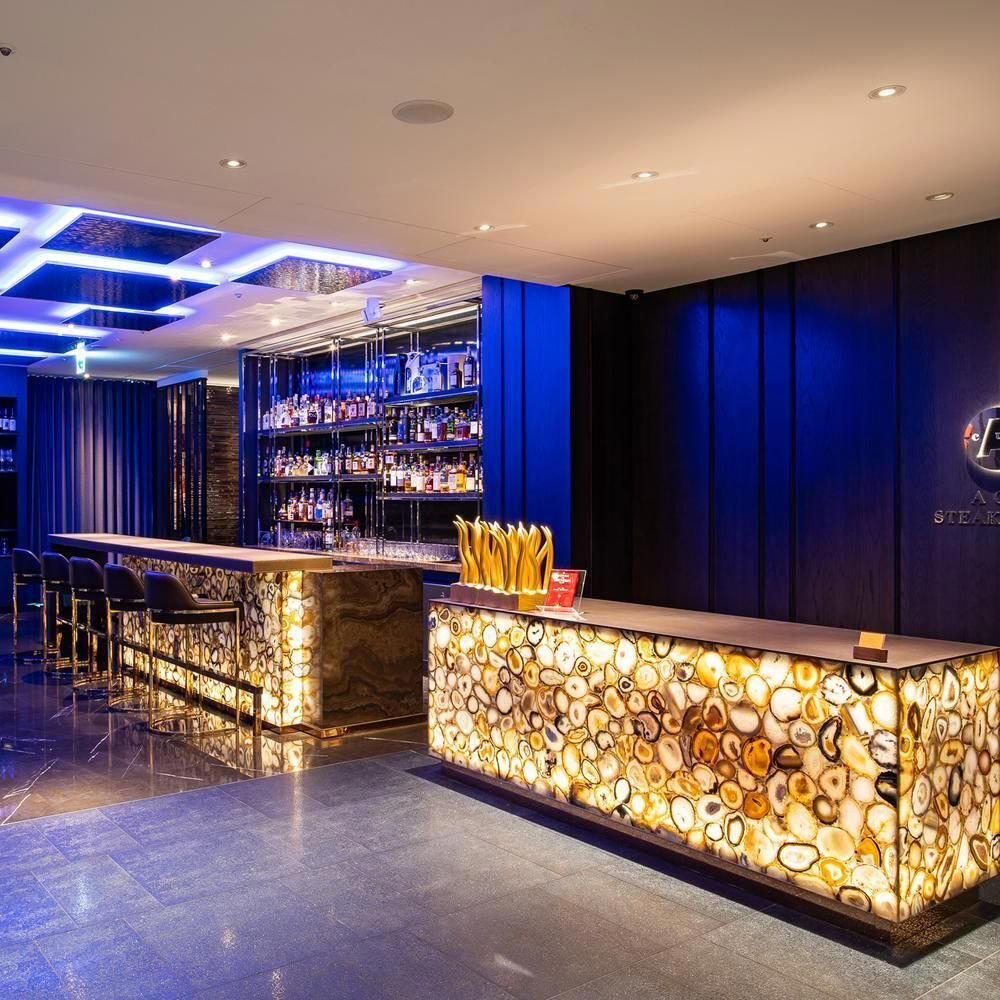
| Le Blanc | American Steakhouse | $30–50 | Not listed | Da'an District |
Continue exploring
More in Taipei
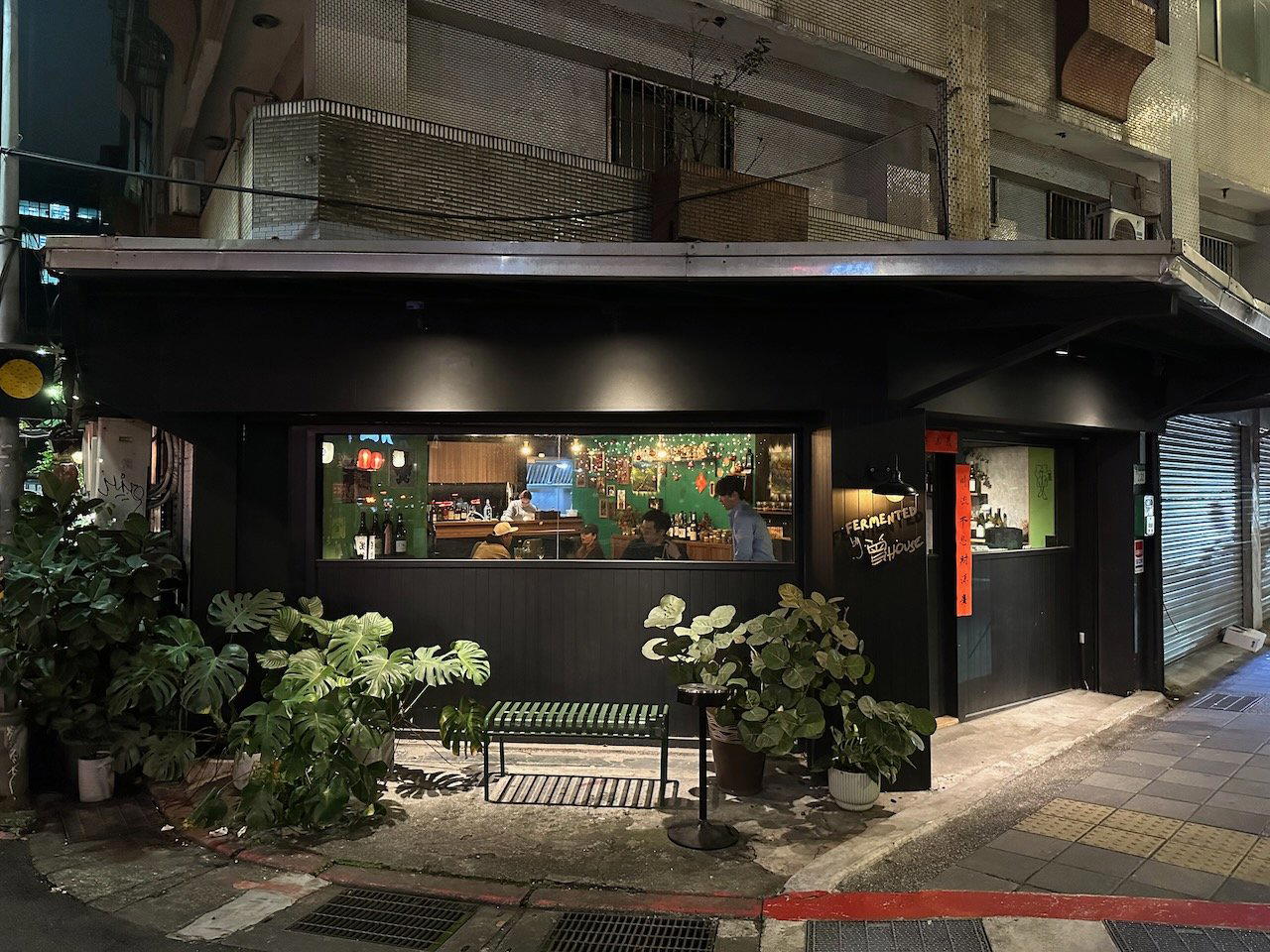
Restaurants in Taipei
All restaurants in Taipei →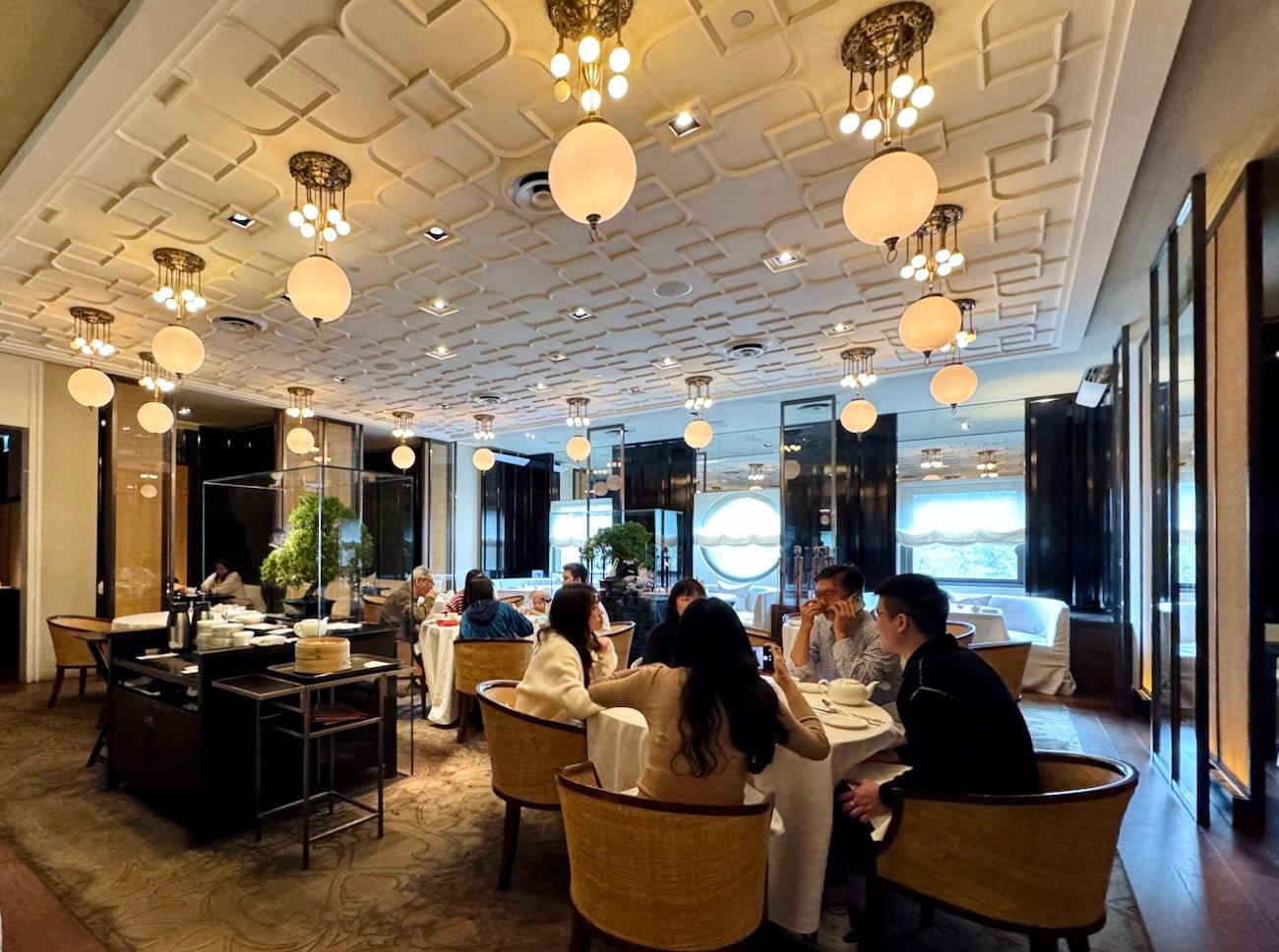
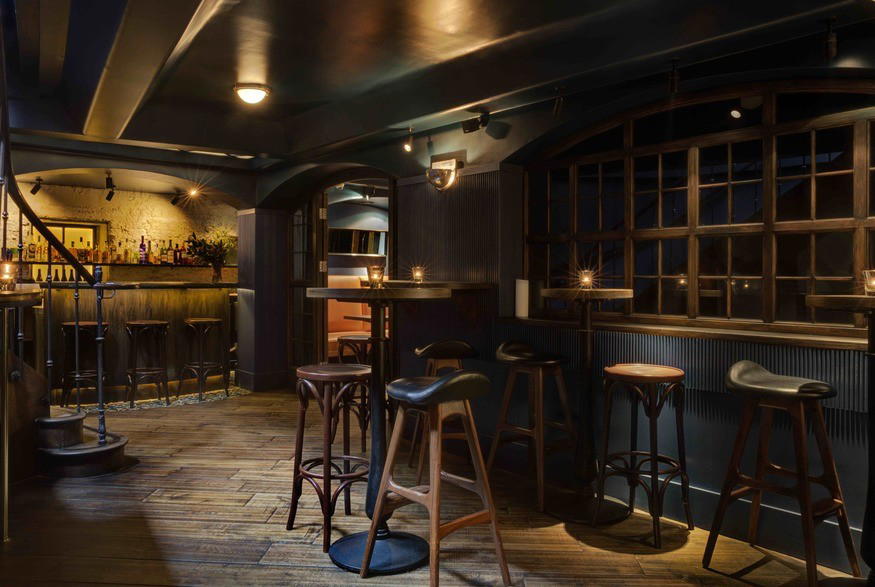
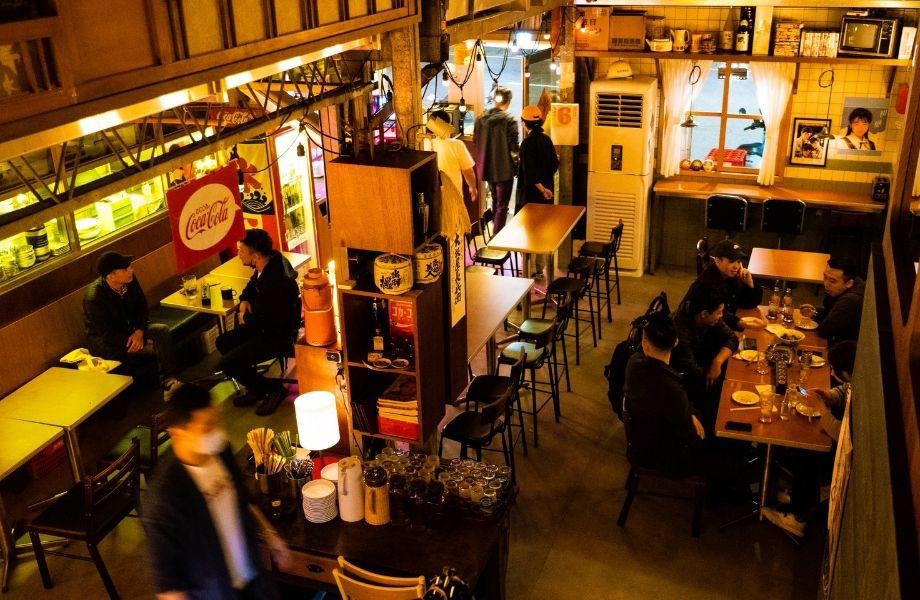
Bars in Taipei
All bars in Taipei →
Hotels in Taipei
All hotels in Taipei →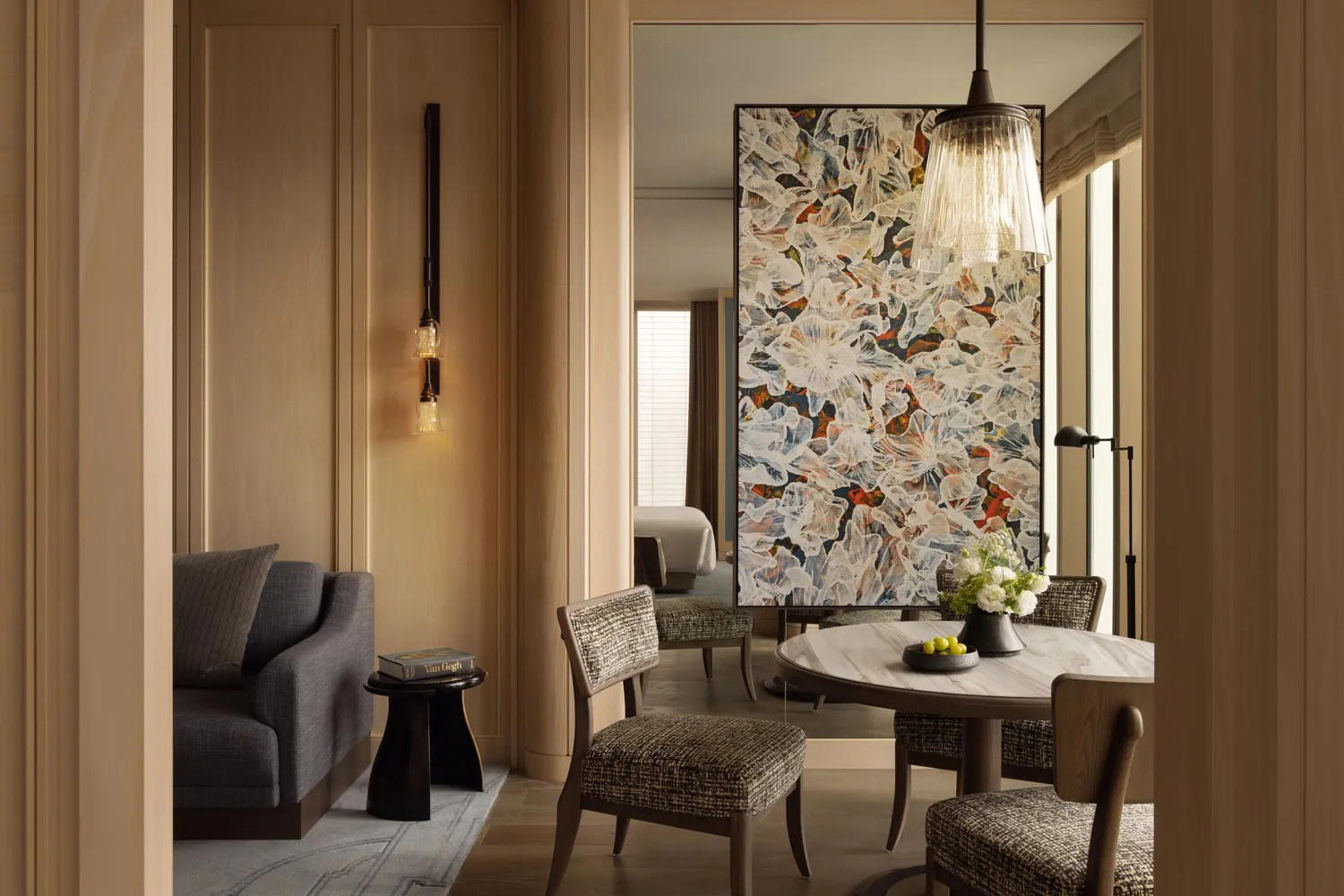
Wineries in Taipei
Browse all →
Details
- Elegant
- Modern
- Cozy
- Sophisticated
- Scenic
- Date Night
- Solo
- Casual Hangout
- After Work
- Special Occasion
- Design Destination
- Hotel Restaurant
- Local Sourcing
- Street Scene
- A La Carte
- Counter Dining
- Small Plates
- Coffee
- Tea
- Non Alcoholic Cocktails
Current opening hours
- Monday
- Closed
- Tuesday
- 11 AM–7 PM
- Wednesday
- 11 AM–7 PM
- Thursday
- 11 AM–7 PM
- Friday
- 11 AM–7 PM
- Saturday
- 11 AM–7 PM
- Sunday
- 11 AM–7 PM
Hours can change for holidays and private events. Hours as of .
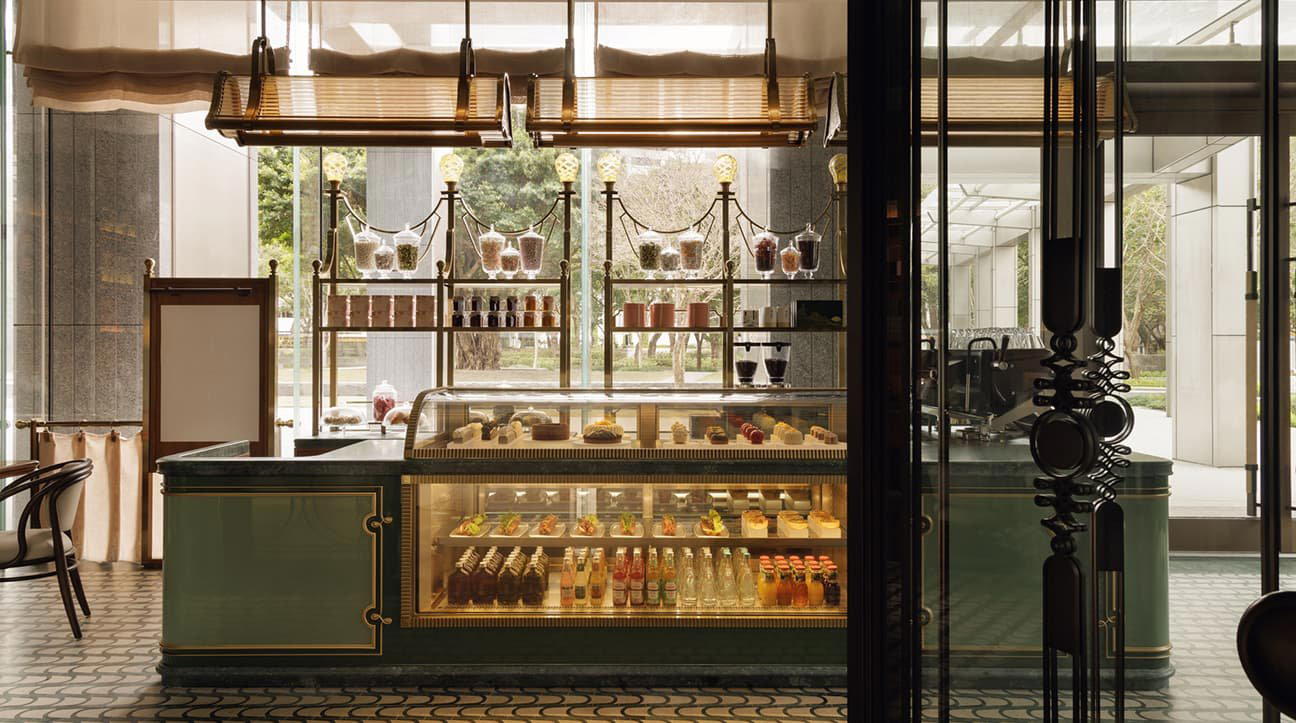
A bright, serene patisserie with large glass windows overlooking a tree-lined boulevard, sage-green and marble tones, and a calm, refined atmosphere suited to relaxed pastry and tea breaks.