Google: 4.2 · 1,562 reviews
Asian Star
Asian Star sits on Union Park Ave in Midvale, Utah, positioned among a growing cluster of Asian dining options in the Salt Lake Valley's southern suburbs. The restaurant draws from a tradition of communal, ingredient-forward cooking that has steadily gained ground in the region. For diners tracking where serious Asian cuisine is taking root outside major coastal markets, Midvale deserves attention.
 Discover on Pearl
Pearl is the En Primeur Club membership app — saves, bookings, and concierge access live there. Same editors, same standards.
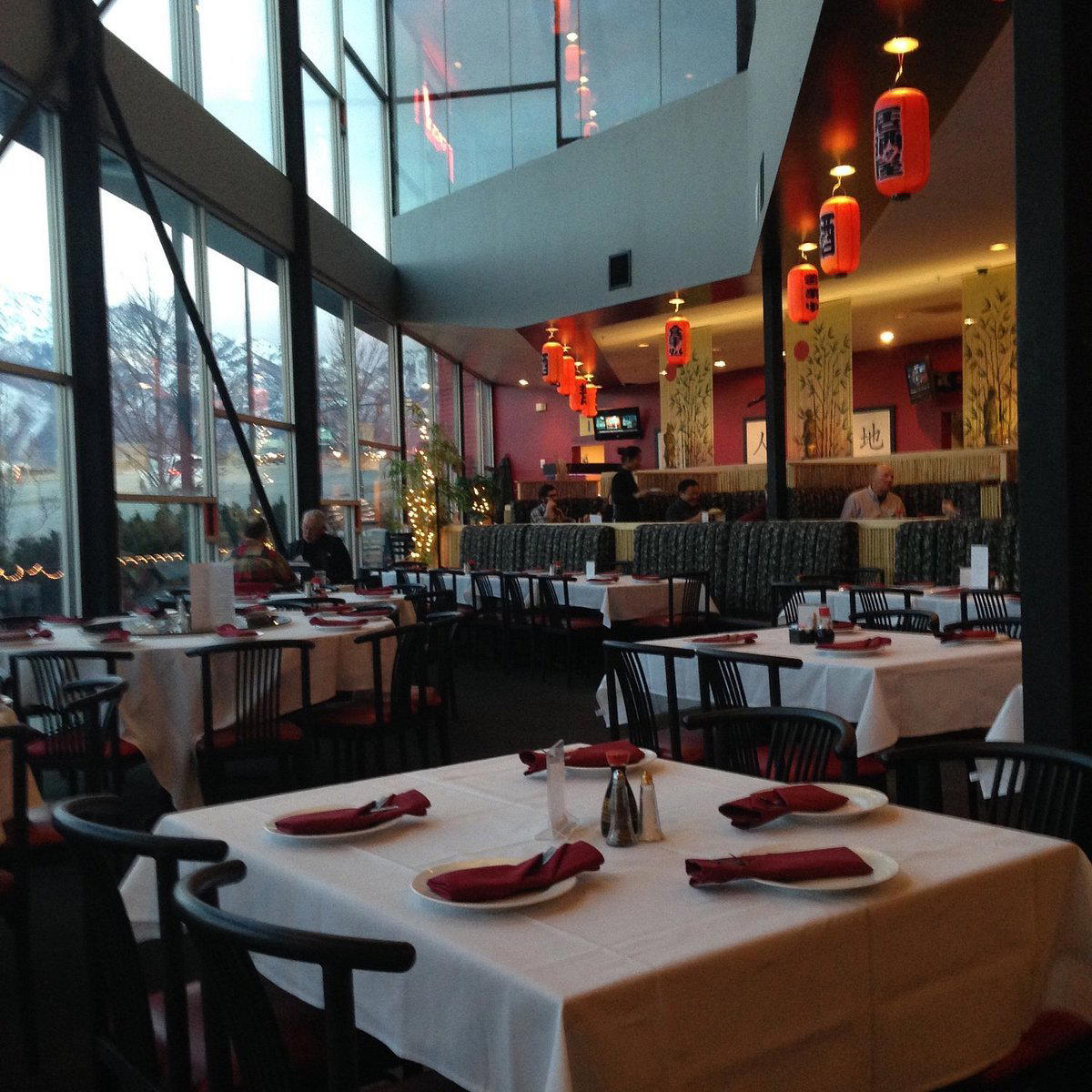
Where Midvale's Asian Dining Scene Is Heading
The Salt Lake Valley's southern suburbs have spent the better part of the last decade quietly accumulating a dining density that would have seemed implausible in the early 2000s. Union Park Ave, the commercial corridor running through Midvale, now hosts a cross-section of independent restaurants that reflects the area's shifting demographics and appetite. Asian Star, at 7588 Union Park Ave, sits within that pattern rather than outside it. Understanding what the restaurant represents means first understanding what the corridor has become: a mid-tier suburban stretch where ingredient-conscious operators are finding a viable audience, and where diners are increasingly willing to travel south from Salt Lake City proper for food that doesn't come with a downtown premium attached.
The ingredient sourcing question matters here more than it might at a destination tasting counter. In the $$$$ tier of American dining, places like Single Thread Farm in Healdsburg or Blue Hill at Stone Barns in Tarrytown have made provenance the organizing principle of their entire format. The conversation about where food comes from has filtered steadily downward through the price tiers since then, reshaping expectations even at accessible neighborhood restaurants. Asian cuisine formats, which have historically organized themselves around freshness as a structural principle rather than a marketing one, are well-positioned to absorb that shift. A Vietnamese kitchen that sources aromatics carefully, or a Chinese operation that builds broth from scratch daily, is practicing ingredient discipline that predates the farm-to-table branding wave by generations.
The Physical Address and What It Signals
Arriving on Union Park Ave, the commercial character is immediately readable: strip-mall frontage, parking-lot approaches, the kind of built environment that filters out the design-conscious crowd and concentrates the food-conscious one. This is not a neighborhood where restaurants succeed on ambiance alone. The diners who find their way to this stretch are typically regulars with specific dishes in mind, or newcomers following a recommendation precise enough to cut through the visual noise of the corridor. That dynamic rewards kitchens that are consistent rather than theatrical, and it creates a loyal base that word-of-mouth can build on steadily over years. Asian Star occupies that kind of address, and the implications for what to expect are worth naming plainly: the room will be functional, the focus will be on the food, and the price point will reflect a suburban cost structure rather than an urban one.
For context on what the broader Midvale dining scene looks like, our full Midvale restaurants guide maps the range of options across price tiers and cuisine types. Nearby, Hoof & Vine operates at the higher end of the local market, while Tsunami Restaurant in Union Heights represents the established end of Asian dining in the area.
Ingredient Logic in Asian Cooking Formats
The broader Asian dining category covers an enormous range of culinary traditions, each with its own sourcing logic. Japanese formats, from ramen to omakase, are built around the quality of dashi, proteins, and rice in ways that make ingredient provenance immediately legible in the finished dish. Korean cooking depends on fermentation timelines and the quality of gochugaru and doenjang that no amount of technique can compensate for if the base ingredients are poor. Chinese regional cooking, particularly in Sichuan and Cantonese traditions, turns on the precision of spice sourcing and the freshness of aromatics. Southeast Asian kitchens require herbs, citrus, and fish sauce of a quality that is still unevenly available in inland American markets.
This is the supply-chain reality that shapes Asian restaurants outside coastal cities. In markets like Salt Lake City and its suburbs, the gap between what is available locally and what the cuisine technically requires has narrowed significantly over the past decade, driven by the growth of Asian grocery infrastructure and direct-import specialty distributors. Restaurants that have adapted to source within that improved supply environment are cooking noticeably differently than those still working with commodity-tier ingredients. The distinction is most visible in broth-based dishes, in the quality of tofu and fermented condiments, and in the freshness of seafood on inland menus. Where a restaurant sits on that sourcing spectrum tells you more about what the food will taste like than almost any other single variable.
At the level of American fine dining, this ingredient discipline reaches its highest expression at places like Le Bernardin in New York City or Providence in Los Angeles, where sourcing decisions are documented and narrated as part of the dining experience. Korean fine dining has pushed this further still: Atomix in New York City has built an entire format around the transparency of its ingredient sourcing, with printed cards explaining provenance for each course. The question for accessible neighborhood restaurants in markets like Midvale is how much of that ingredient seriousness translates down the price spectrum, and how much of it the local supply chain can actually support.
Planning a Visit
Asian Star is located at 7588 Union Park Ave, Midvale, UT 84047, on a commercial strip with surface parking that makes arrival by car the practical default for most visitors. The restaurant's position within a well-trafficked suburban corridor suggests walk-in availability is generally more accessible than at reservation-dependent urban operations. For diners coming from Salt Lake City proper, the drive south on I-15 puts Union Park Ave within reasonable reach without requiring the kind of advance planning typical of destination-tier restaurants. Phone and website details are not currently listed in our database, so confirming current hours before visiting is advisable. Midvale's Asian dining corridor rewards the kind of exploratory visit where you arrive with a specific dish target rather than a general appetite, so arriving with a sense of what the kitchen does well will produce a better experience than browsing blind.
For comparison points elsewhere in the Mountain West and beyond, Frasca Food & Wine in Boulder and The Wolf's Tailor in Denver illustrate how ingredient-serious cooking operates in inland Western markets at a higher price tier. In the fine-dining register, Lazy Bear in San Francisco, Smyth in Chicago, Emeril's in New Orleans, Addison in San Diego, The French Laundry in Napa, The Inn at Little Washington, ITAMAE in Miami, and Atelier Moessmer Norbert Niederkofler in Brunico each represent the ceiling of ingredient-led cooking in their respective markets, and the distance between those rooms and a suburban Utah strip-mall address is not simply one of price.
At-a-Glance Comparison
These are the closest comparables we have in our database for quick context.
| Venue | Cuisine | Price | Awards | Notes |
|---|---|---|---|---|
| Asian Star | This venue | |||
| Le Bernardin | French, Seafood | $$$$ | Michelin 3 Star | French, Seafood, $$$$ |
| Lazy Bear | Progressive American, Contemporary | $$$$ | Michelin 2 Star | Progressive American, Contemporary, $$$$ |
| Atomix | Modern Korean, Korean | $$$$ | Michelin 2 Star | Modern Korean, Korean, $$$$ |
| Per Se | French, Contemporary | $$$$ | Michelin 3 Star | French, Contemporary, $$$$ |
| Masa | Sushi, Japanese | $$$$ | Michelin 3 Star | Sushi, Japanese, $$$$ |
Continue exploring
More in Midvale
Restaurants in Midvale
Browse all →
Bars in Midvale
Browse all →
Hotels in Midvale
Browse all →
Wineries in Midvale
Browse all →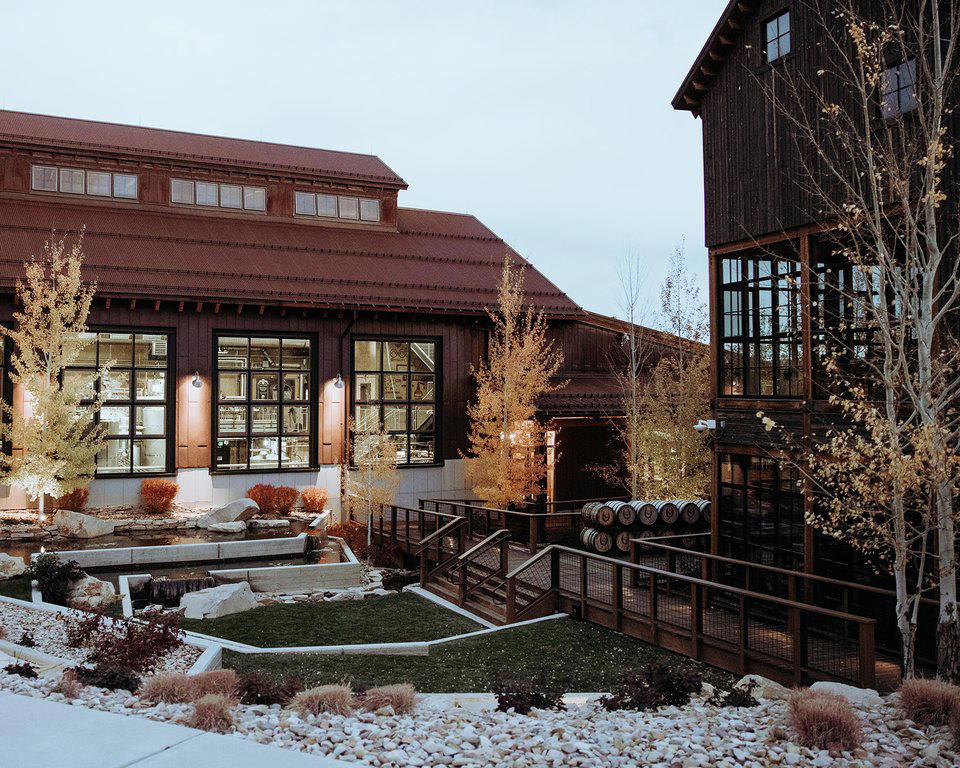
At a Glance
- Cozy
- Modern
- Family
- Casual Hangout
Warm and welcoming atmosphere with modern glass-front design and leisurely dining vibe.