Asakuma Rice
Asakuma Rice occupies a specific and deliberate position on La Cienega Boulevard, where the West Hollywood dining corridor thins out into quieter blocks. The restaurant operates within a broader Los Angeles tradition of Japanese-inflected rice-focused cooking that sits between casual and counter-service formats. Expect a meal structured around grain rather than protein, placing it in a distinct tier among the city's Japanese-leaning options.
- Address
- 848 N La Cienega Blvd, Los Angeles, CA 90069
- Phone
- +13106527780
- Website
- asakumarice.com
- Directions
- Get directions
La Cienega's Rice Counter and Where It Sits in the LA Scene
West Hollywood's La Cienega corridor has long functioned as one of Los Angeles's more reliable restaurant streets, running the full price spectrum from mid-range neighborhood staples to white-tablecloth destinations. Asakuma Rice, at 848 N La Cienega Blvd, is a Japanese-Chinese hybrid with a sushi bar organized around rice as the meal's structural center rather than its supporting element. That orientation places it in a different conceptual tier from the city's sushi counters and kaiseki rooms, and closer to a tradition of deliberate grain-focused cooking that has gained considerable traction in Los Angeles over the past decade.
Los Angeles now hosts among the more layered Japanese dining ecosystems outside Japan. At the upper end, counters like Hayato operate kaiseki formats at $$$$ price points, while sushi-focused rooms compete for the omakase market that has expanded significantly since 2018. The rice-forward format occupies a more specialized niche within that ecosystem, one where the grain's quality, preparation, and sequencing carry the same narrative weight that protein commands at conventional counters. Understanding where Asakuma Rice sits requires understanding that niche first.
The Arc of the Meal: Grain as the Through-Line
In rice-centered formats, the meal's progression reads differently than a conventional Western multi-course structure or even a Japanese omakase. The grain arrives not as a closer, the way steamed rice typically ends an omakase sequence, but as the subject of each course's logic. Texture, temperature, and accompaniment vary as the meal moves forward, creating a tasting arc that rewards attention to what is happening to the rice as much as what is being served alongside it.
This approach has parallels in fine dining elsewhere. At Single Thread Farm in Healdsburg, a single agricultural ingredient often anchors the meal's identity across multiple courses. At Blue Hill at Stone Barns in Tarrytown, the farm's output shapes a narrative sequence that builds rather than simply varies. The rice-forward model applies similar logic: a single foundational ingredient becomes the lens through which seasoning, pairing, and temperature shifts communicate. For a diner accustomed to protein-led progression, the recalibration is noticeable.
In Los Angeles specifically, this format sits in productive tension with the city's dominant Japanese dining modes. Kato, operating at the $$$$ tier with New Taiwanese inflections, builds its tasting menu around a different kind of cultural specificity. Somni deploys molecular techniques in a format where the plate's visual grammar is as deliberate as its flavor sequence. Asakuma Rice, by contrast, focuses its editorial identity on something quieter and more granular: the behavior of rice under different preparations, and the way that behavior shapes what surrounds it.
Los Angeles as Context: Why This Format Works Here
The city's demographics and ingredient infrastructure create conditions that favor specialist Japanese formats. Southern California's proximity to premium rice-growing regions, combined with a large Japanese-American community that has shaped local food culture over several generations, means that grain quality and preparation receive more serious attention here than in most American cities. Farmers' market culture reinforces this: Los Angeles diners have spent two decades developing literacy around ingredient sourcing that makes a rice-focused tasting format legible in a way it might not be in a city with thinner food-culture infrastructure.
That context also shapes where the restaurant lands in comparison to peers. The city's most decorated addresses, including Providence at the contemporary seafood end, and Osteria Mozza as the Italian anchor of the LA dining calendar, operate at scale and with institutional recognition. A grain-focused counter on La Cienega competes differently: on specificity, on the depth of a single culinary idea, and on the kind of focused execution that smaller formats can sustain more reliably than large rooms.
Across the country, restaurants building tasting progressions around a single foundational idea have found durable audiences. Smyth in Chicago and Lazy Bear in San Francisco both demonstrate that a clearly articulated culinary argument, sustained across a full meal, generates the kind of critical and diner loyalty that diffuse menus rarely achieve. The rice-forward model is a version of that same bet.
Placing Asakuma Rice in the National Picture
Japanese-inflected grain cooking sits at a productive edge of American fine dining right now. The broader conversation about rice as a fine-dining subject has gained traction alongside the growth of Korean tasting menus at places like Atomix in New York City, where fermented grain preparations appear as deliberate course elements. Addison in San Diego and Frasca Food and Wine in Boulder each demonstrate how regional ingredient specificity, when applied consistently across a menu, creates a dining identity that travels beyond the city where the restaurant operates.
In that national picture, a Los Angeles rice counter on La Cienega is not an outlier. It is a local expression of a wider shift toward single-subject dining, where depth of focus replaces breadth of offering as the primary signal of seriousness. Whether that seriousness translates into the kind of critical recognition that formats like The French Laundry in Napa or Le Bernardin in New York City have accumulated over decades depends on execution sustained over time, not on concept alone.
For reference on European analogues in the single-subject fine dining mode, Atelier Moessmer Norbert Niederkofler in Brunico applies a comparable logic to Alpine ingredients, building a meal's full arc from a tightly circumscribed regional pantry. The discipline required is similar even when the source material differs entirely. And at the southern end of the Louisiana tradition, Emeril's in New Orleans and The Inn at Little Washington in Washington remind us that regional grain and staple-ingredient traditions, when taken seriously, have produced some of American dining's most durable institutions.
Price and Recognition
Comparable venues nearby, for context on price, style, and recognition.
| Venue | Cuisine | Price | Notes |
|---|---|---|---|
| Asakuma RiceThis venue — the venue you are viewing | Not listed | $$ | Not listed |
| Northern Cafe & Chinese Dumpling House | Not listed | $$ | Hollywood, Northern-style Chinese Dumpling House |
| M Joy | San Gabriel, Xinjiang-Style Lamb Rice | $$ | Not listed |
| Firstborn | Chinatown, Modern Chinese-American | $$$ | Not listed |
| Pine and Crane Silverlake | Silver Lake, Fast-Casual Taiwanese | $$ | Not listed |
| Badmaash | Downtown LA, Modern Indian Gastropub | $$ | Not listed |
Continue exploring
More in Los Angeles
Restaurants in Los Angeles
Browse all →
Bars in Los Angeles
Browse all →
Hotels in Los Angeles
Browse all →

Wineries in Los Angeles
Browse all →
At a Glance
- Modern
- Sophisticated
- Casual Hangout
- Open Kitchen
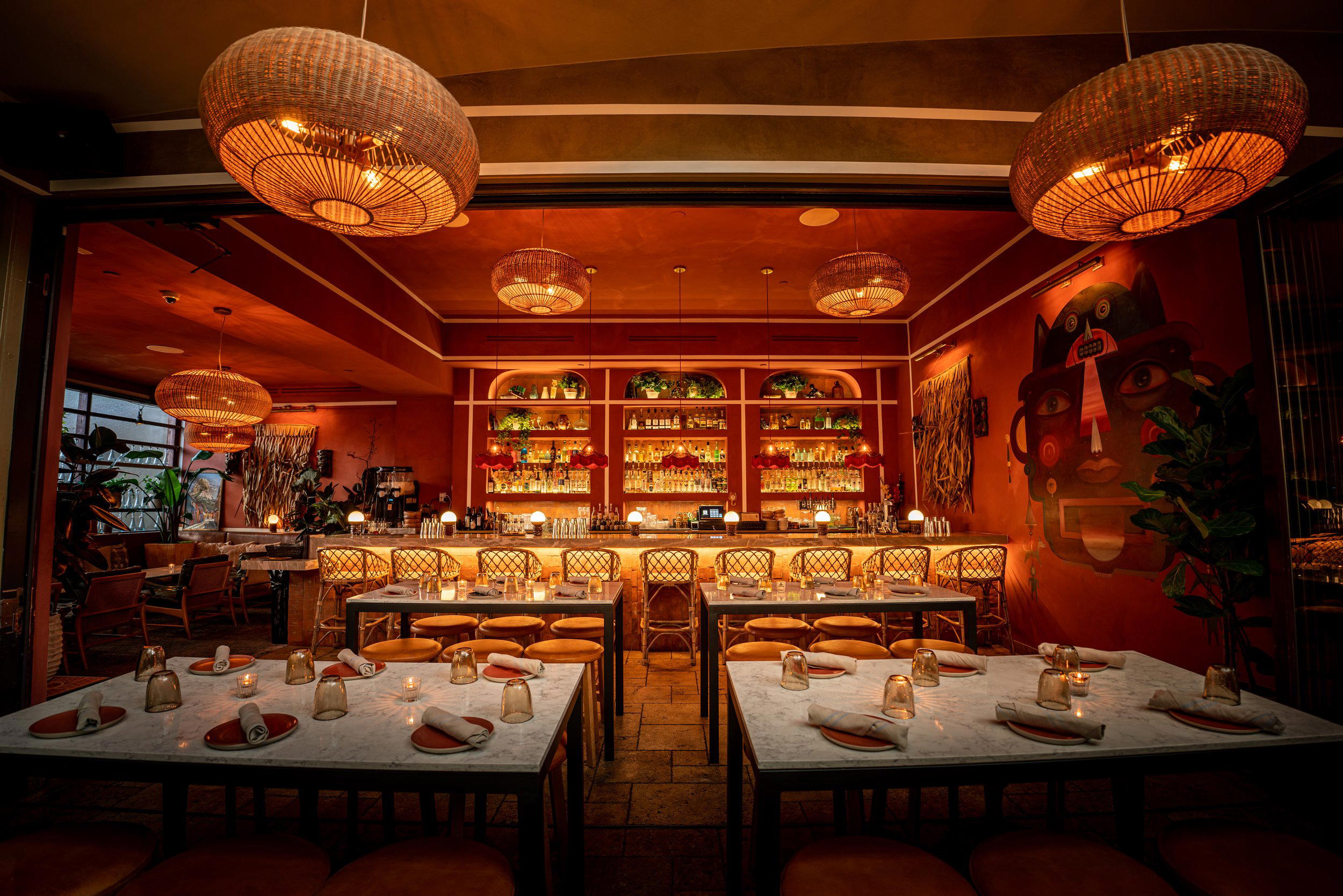
Sophisticated modern décor featuring a backlit sushi bar, high-back chocolate banquettes, and a ceiling with gold and red-boxed lighting fixtures.