Art Sushi


Michelin Plate · The Good Food Guide GFG Good
Our verdict
A Michelin Plate-recognised sushi counter in Bournemouth's Westbourne suburb, Art Sushi is run by Kamil Skalczynski, an adviser to the World Sushi Skills Institute. The omakase menu is the clear choice here, offering six chef-selected pieces that reflect the same care running through every chirashi platter and California-style variation on the counter. At ££, it sits well below the price point of comparable recognition in London.

Pearl is the En Primeur Club membership app — saves, bookings, and concierge access live there. Same editors, same standards.
- Address
- 42E Poole Rd, Westbourne, Bournemouth BH4 9DW, United Kingdom
- Phone
- +44 1202 082328
- Hours
- Mon–Tue ClosedWed–Sat 5–10 PMSun 12–4 PM
- Website
- artsushi.co.uk
- Directions
- Get directions
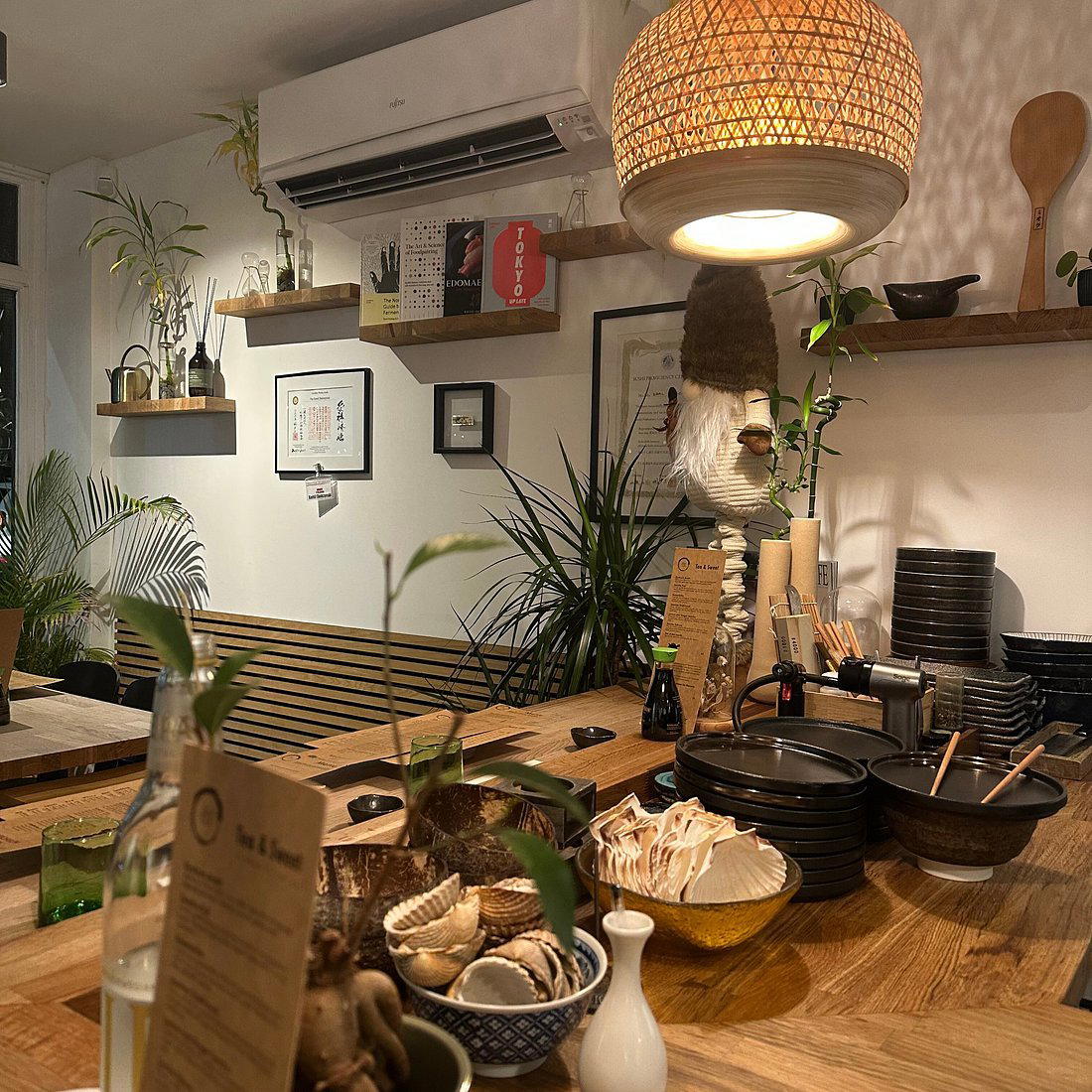
A Counter in Westbourne, a Standard That Travels
The old 1920s Grand Cinema in Westbourne lends the street a faded civic weight. To one side of it, Art Sushi's stark grey frontage offers no hint of the precision work happening inside. This is a small room, counter-forward in layout, where the act of preparation is as much the point as the result. The chef works within arm's length; the blade work is visible; the portioning is deliberate. These are the material conditions that define serious omakase dining anywhere in the world, and they are present here in a Bournemouth suburb at a ££ price point that has no equivalent in London or Tokyo. For broader context on the Bournemouth dining scene, our full Bournemouth restaurants guide maps the range.
Credentials in an Unlikely Postcode
Japanese food culture has a formal system for recognising sushi expertise outside Japan. The World Sushi Skills Institute, operating under the patronage of the Japanese government, designates advisers who meet its standards for technique and understanding. Chef-owner Kamil Skalczynski holds that designation, making him one of very few practitioners outside Japan, and the only one operating in a coastal English suburb, to carry that credential. The fact that Skalczynski is Polish adds a layer of interest: the World Sushi Skills Institute's recognition cuts across nationality, and the counter at Westbourne reflects that rigour in practice, not just on paper.
That credential matters when considering where Art Sushi sits relative to the broader range of Japanese dining in the United Kingdom. London's omakase market has grown considerably, with counters aligned to Kanesaka lineage and Tokyo training now operating across Mayfair and the City at prices that begin at three figures per head. The coastal south has no comparable concentration.
The Menu as Seasonal Argument
Omakase, in its purest form, is a declaration of trust: the diner defers entirely to the chef's judgement, and the chef responds with whatever the market and the season have made available. The kaiseki philosophy that underpins much of high Japanese cooking treats this not as convenience but as an aesthetic commitment. Each course exists in relation to the others; the sequence has pacing; garnishes carry meaning. Art Sushi's omakase is a six-piece chef-selected menu, a format that compresses the kaiseki argument into a tight succession of choices where every element carries more weight for the brevity of the whole.
Outside the omakase, the menu demonstrates a command of multiple Japanese formats. Chirashi sushi mobilises garnishes of glazed kanpyo gourd, soy-marinated ajitama eggs, edamame and avocado across preparations of sea bass, salmon, yellowfin and Dorset crab. The use of local crab in a chirashi context is not incidental: it reflects the same seasonal logic that runs through Japanese fish cookery, adapted to the Dorset coast. Nigiri run to scallop with tobiko roe and sansho pepper. California-style variations in tempura include king prawn with mint and salmon with mango, formats that read as accessible but are executed with the same attention given to the more traditional preparations. Sunday service is structured around chirashi sushi specifically, giving that format its own dedicated context within the week.
The drinks follow with clarity: sake cocktails and a short list of white wines, sharpened to complement rather than compete. Neither list appears designed to extend spending; both are proportionate to the room and the food.
Placing Art Sushi in a Wider Conversation
The Michelin Plate, awarded for two consecutive years, signals cooking of a quality that the Guide considers worth a detour rather than a destination in itself, but at this price point and in this postcode, the distinction between detour and destination collapses. Comparable Michelin-recognised Japanese restaurants in the UK are concentrated in London. Travelling to Bournemouth for this counter is, for most visitors, a deliberate choice rather than an opportunistic one, which places it in a different category than its awards tier might suggest. For comparable intent at the higher end of the spectrum, counters in Tokyo such as Myojaku and Azabu Kadowaki define what serious omakase looks like at the apex of the form. The Westbourne counter operates at a fraction of that price and without the same density of competitive pressure, but the credential framing the kitchen is drawn from the same institutional source.
Among the UK's recognised special-occasion restaurants, the tendency is toward multi-course European formats. The Fat Duck in Bray, The Ledbury in London, L'Enclume in Cartmel, Moor Hall in Aughton, Gidleigh Park in Chagford, Hand and Flowers in Marlow, Le Manoir aux Quat' Saisons in Great Milton, Restaurant Andrew Fairlie in Auchterarder, and Opheem in Birmingham define their ambition through elaborate tasting menu architecture. Art Sushi works from a different formal tradition entirely, one where restraint in the number of elements and precision in their execution replace the elaboration model. The counter format is not a concession to the room size; it is the correct setting for this kind of cooking.
Planning a Visit
Art Sushi sits at 42E Poole Road in Westbourne, Bournemouth BH4 9DW, a short distance from the main Bournemouth centre and accessible by local bus along the Poole Road corridor. The omakase menu is the recommended format for a first visit; Sunday chirashi sushi provides a useful alternative for those who want a more visually composed, single-course experience. The ££ price positioning makes the counter accessible relative to its Michelin-recognised peers, and the counter seating means the viewing angle onto the preparation work is part of the experience rather than incidental to it. Visitors planning a broader Bournemouth stay can reference our Bournemouth hotels guide, while those exploring the area's wider food and drink offer will find context in our bars guide, wineries guide, and experiences guide.
Frequently asked questions
What price level is Art Sushi?
Pricing at Art Sushi is listed as ££.
What's the address for Art Sushi?
Art Sushi is located at 42E Poole Rd, Westbourne, Bournemouth BH4 9DW, United Kingdom, Bournemouth.
How It Stacks Up
| Venue | Cuisine | Price | Awards |
|---|---|---|---|
| Art SushiThis venue — the venue you are viewing | Modern Sushi Omakase | $20–30 | Michelin Plate · The Good Food Guide GFG Good |
| The Ledbury | Modern European, Modern Cuisine | Not listed | Michelin 3 Star |
| Sketch, The Lecture Room and Library | Modern French | Not listed | Michelin 3 Star |
| CORE by Clare Smyth | Modern British | Not listed | Michelin 3 Star |
| Restaurant Gordon Ramsay | Contemporary European, French | Not listed | Michelin 3 Star |
| Dinner by Heston Blumenthal | Modern British, Traditional British | Not listed | Michelin 2 Star |
Recognition history
Dated appearances from independent guides and award organizations, with the underlying list record or original source where available.
Michelin Plate
Michelin
The Good Food Guide GFG Good
The Good Food Guide
Full recognition history (4 entries)
Michelin Plate
Michelin
Michelin Plate
Michelin
Continue exploring
More in Bournemouth
Restaurants in Bournemouth
Browse all →
Bars in Bournemouth
Browse all →

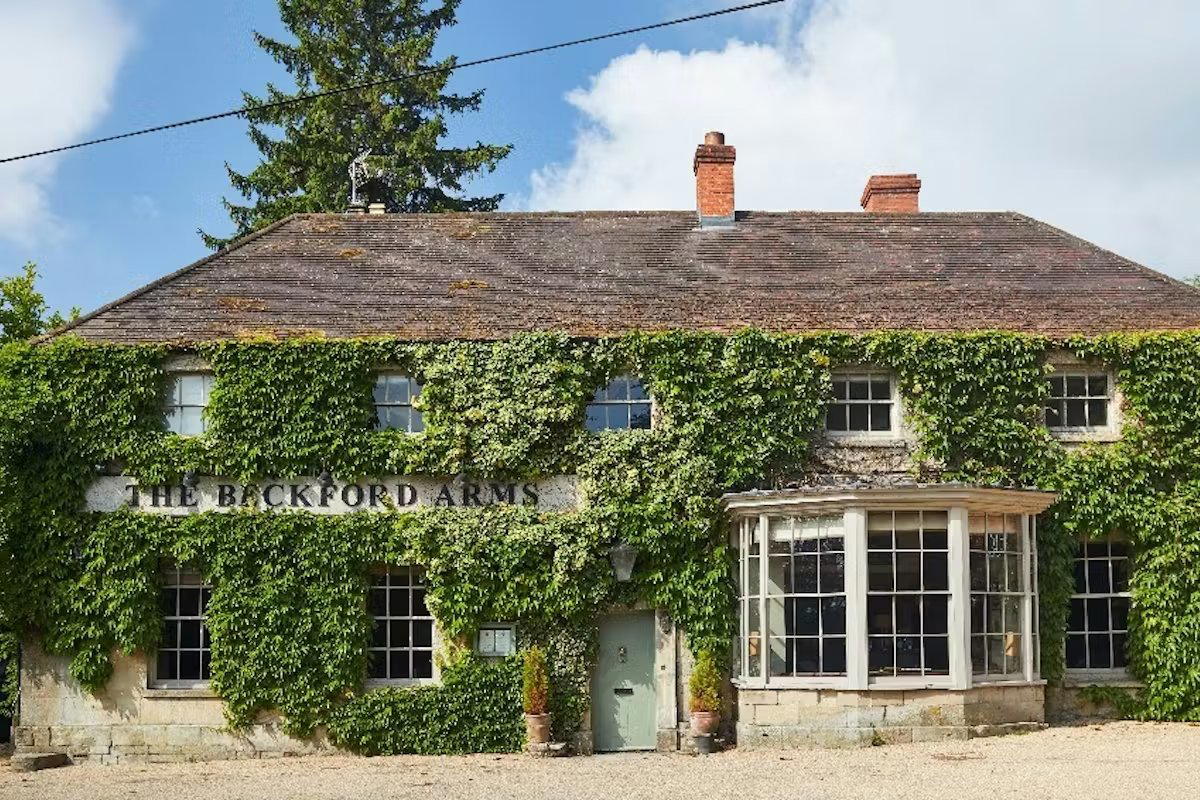
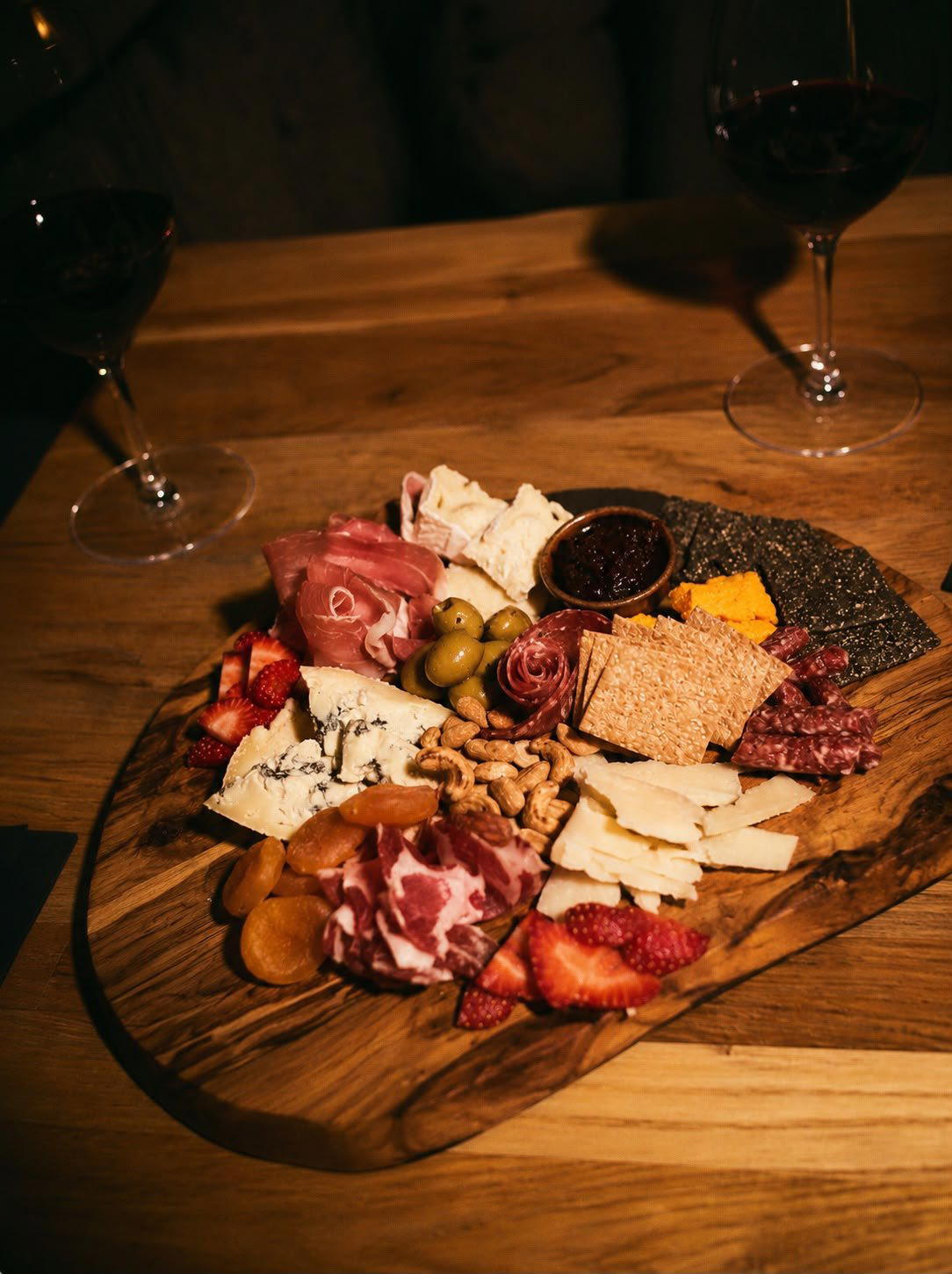
Hotels in Bournemouth
Browse all →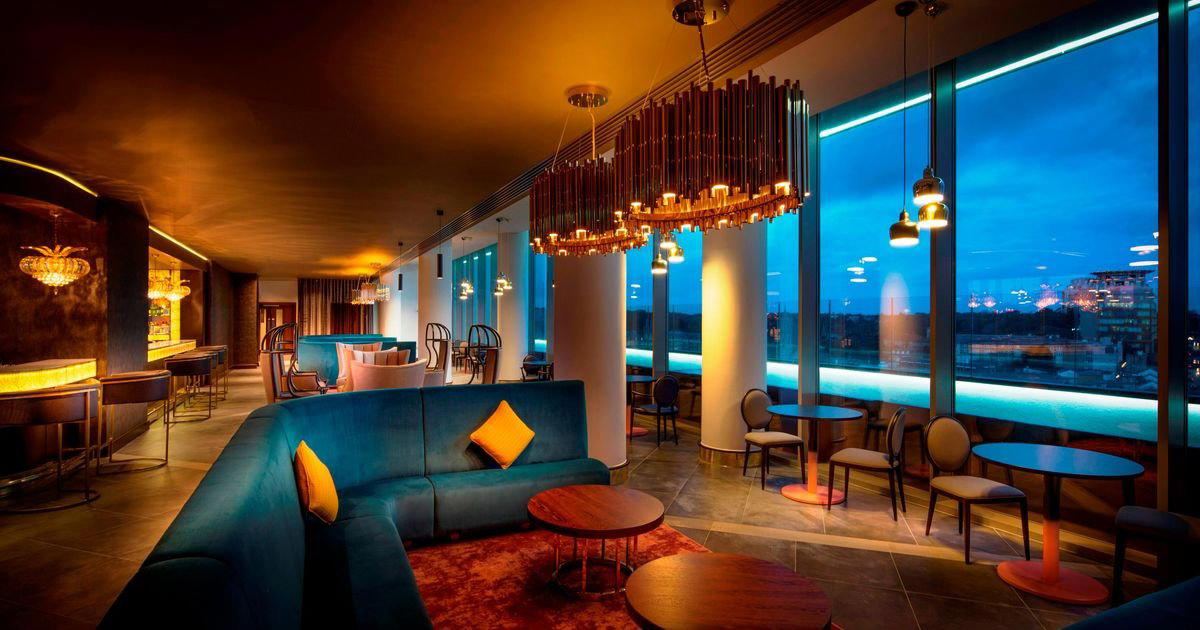
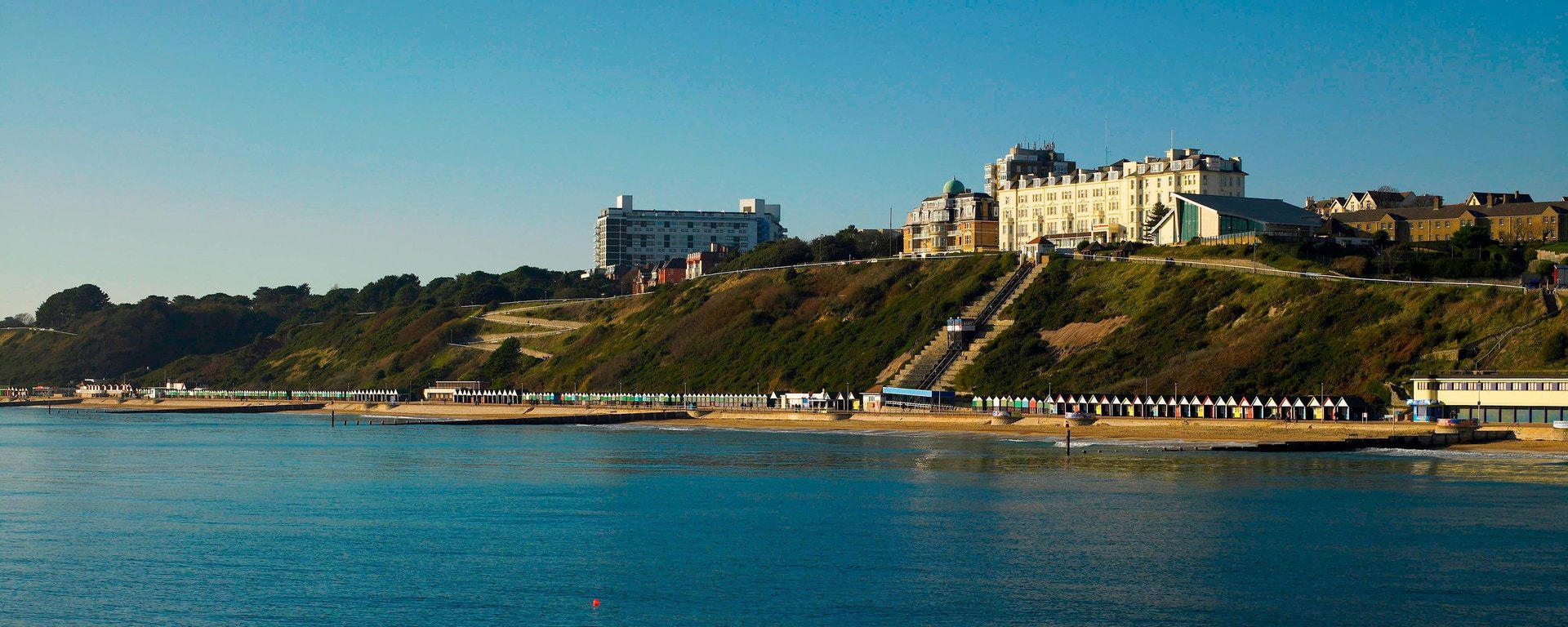
Wineries in Bournemouth
Browse all →
Details
- Romantic
- Intimate
- Cozy
- Elegant
- Date Night
- Special Occasion
- Chefs Counter
- Open Kitchen
- Sake Program
- Local Sourcing
- Omakase
- A La Carte
- Counter Dining
- Vegetarian Friendly
- Gluten Free Options
Current opening hours
- Monday
- Closed
- Tuesday
- Closed
- Wednesday
- 5–10 PM
- Thursday
- 5–10 PM
- Friday
- 5–10 PM
- Saturday
- 5–10 PM
- Sunday
- 12–4 PM
Hours can change for holidays and private events. Last verified .
Relaxed yet professional atmosphere with calm, romantic lighting, lovely decor, and the excitement of watching the chef prepare dishes live.