Our verdict
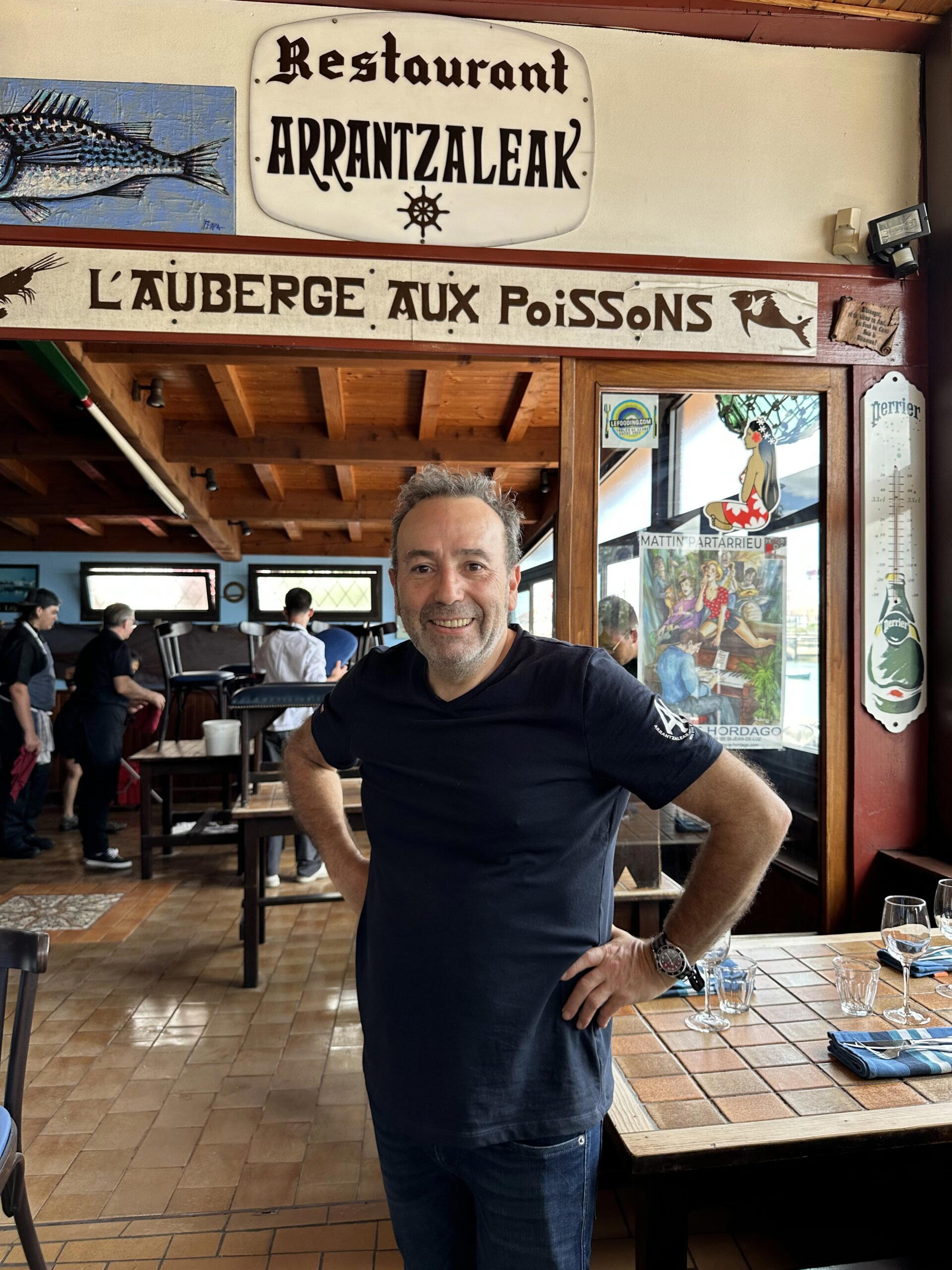
Arrantzaleak sits on the Ciboure waterfront at 18 Avenue Jean Poulou, drawing from the same Bay of Biscay fishing tradition that has shaped Basque coastal cooking for generations. The name itself signals the kitchen's orientation: 'arrantzaleak' means fishermen in Basque, and the menu follows that declaration with seafood sourced from the immediate harbour. For visitors exploring the Basque Country's dining circuit, it anchors the more casual, port-facing end of Ciboure's restaurant scene.

Pearl is the En Primeur Club membership app — saves, bookings, and concierge access live there. Same editors, same standards.
The menu
What to order
- Stuffed mussels
- Grilled hake with piquillos
- Gambas a la brasa
Where the Harbour Shapes What Ends Up on the Plate
The approach to Arrantzaleak follows Avenue Jean Poulou along the Ciboure quayside, where the smell of salt water and diesel from fishing boats arrives before the restaurant does. This is not a stretch of road that was designed with dining tourism in mind. It is a working port edge, and Arrantzaleak sits within that context rather than apart from it. The gap between what the Bay of Biscay produces and what reaches the table here is measured in minutes and metres, not supply chains and distribution hubs.
That proximity to source is the defining condition of Basque coastal cooking, and Ciboure sits at one of its most productive nodes. The bay's hake, anchovy, and tuna runs have sustained the fishing communities of Ciboure and Saint-Jean-de-Luz across the estuary for centuries. 'Arrantzaleak' translates from Basque as fishermen, and the name functions as an editorial position: the kitchen's identity is tied explicitly to the people who work the water, not to any abstract cuisine category.
Sourcing as the Central Argument
In coastal Basque cooking, the sourcing hierarchy is not a marketing choice — it is the technical foundation. Fish cooked within hours of landing behaves differently than fish that has travelled. Texture holds differently under heat. The flesh has not begun the enzymatic breakdown that dulls flavour and softens structure. Restaurants in this tradition, from mid-range pintxos bars to the formal dining rooms of San Sebastián, operate on the understanding that a simpler preparation of better-sourced fish outperforms complex technique applied to older product.
This principle is what separates port-side restaurants like Arrantzaleak from city-centre seafood venues inland. The logistics of the quayside — morning unloading, direct purchase from the fleet, a kitchen that adjusts its menu to what came off the boats rather than a fixed supplier sheet, are the actual differentiator. It is an approach with deep roots in the Basque fishing economy, where relationships between the dock and the kitchen have been commercial and personal simultaneously for generations.
Within Ciboure's own dining circuit, the approach maps to a recognisable tier. Chez Mattin operates at a similar price register with a traditional Basque frame, while Ekaitza pushes into more modern cuisine territory at the €€€ level. Arrantzaleak occupies the working-port end of that local spectrum, where the format is less formal and the ingredient sourcing does most of the work. La Table de Megumi adds a further register to the town's range, demonstrating that Ciboure's small footprint contains more dining variety than its size suggests. For a full read of how these places map across the town, the EP Club Ciboure restaurants guide lays out the context.
The Basque Coast in a Broader French Context
France's premium dining conversation is dominated by restaurants operating at a substantial remove from raw ingredient origins. The country's most formally recognised tables, among them Flocons de Sel in Megève, Mirazur in Menton, and the institutional anchors like Alléno Paris au Pavillon Ledoyen and Troisgros in Ouches, apply transformation, technique, and provenance storytelling as layers over the base ingredient. Venues like Paul Bocuse's Auberge du Pont de Collonges, Bras in Laguiole, Auberge de l'Ill in Illhaeusern, and Les Prés d'Eugénie in Eugénie-les-Bains each built their reputations through kitchen mastery applied to regional produce.
The Basque coast sits at the other pole of this spectrum. Here, proximity to source is the prestige signal, not distance from it. Port-facing restaurants in Ciboure and Saint-Jean-de-Luz are not aspiring to the formal dining model. They represent a competing logic: that the leading version of a hake or a tuna is the one that has had the least time between water and heat. It is a position with its own intellectual consistency, and it has produced a regional cooking culture that attracts serious eaters from across France and beyond. For comparison points in other coastal-sourcing traditions, Le Bernardin in New York has built a decades-long reputation on the same foundational argument, applied at a higher price point and formal register.
The Seasonal Rhythm of the Bay
Anchovy season along this stretch of the Basque coast runs from spring through early summer, with the local fleet targeting schools that move through the Bay of Biscay on their Atlantic migration. Hake is a year-round mainstay but peaks in quality through the cooler months when water temperatures drop. Tuna, principally bonito del norte, the white-fleshed albacore prized in Basque cooking, runs through July and August, driving one of the region's most important commercial fishing periods.
Restaurants that source directly from the fleet adjust their menus in response to these rhythms, which means what is available in April differs significantly from what arrives in October. Visitors who understand this seasonal structure can plan accordingly, arriving during peak anchovy or bonito periods to encounter those ingredients at their freshest. The summer and early autumn window, when bonito is running and the port is at full activity, draws the largest volume of visitors to the Ciboure and Saint-Jean-de-Luz waterfront.
Planning a Visit
Arrantzaleak is at 18 Avenue Jean Poulou in Ciboure, directly on the waterfront facing the estuary. Ciboure sits immediately south of Saint-Jean-de-Luz, separated by the Nivelle river, and is reachable by car from Biarritz in under 30 minutes. The town has limited parking near the quay in high season, and arriving on foot from Saint-Jean-de-Luz across the bridge is a practical alternative for those already in the area. For visitors building a multi-restaurant itinerary through the French Basque country, venues like La Table du Castellet, Georges Blanc in Vonnas, Auberge du Vieux Puits in Fontjoncouse, Le 1947 in Courchevel, and Lazy Bear in San Francisco represent different points on the spectrum from casual sourcing-led formats to formal tasting-menu structures.
Frequently asked questions
Is Arrantzaleak suitable for children?
Arrantzaleak's setting on the Ciboure waterfront at 18 Avenue Jean Poulou — with working fishing boats visible from the quayside — makes it genuinely engaging for children with an interest in where food comes from. The cooking centres on daily harbour catches, which tends toward straightforward preparations of fresh fish rather than elaborate tasting menus. Families should confirm current service formats and any age considerations directly with the restaurant before booking.
What is the atmosphere like at Arrantzaleak?
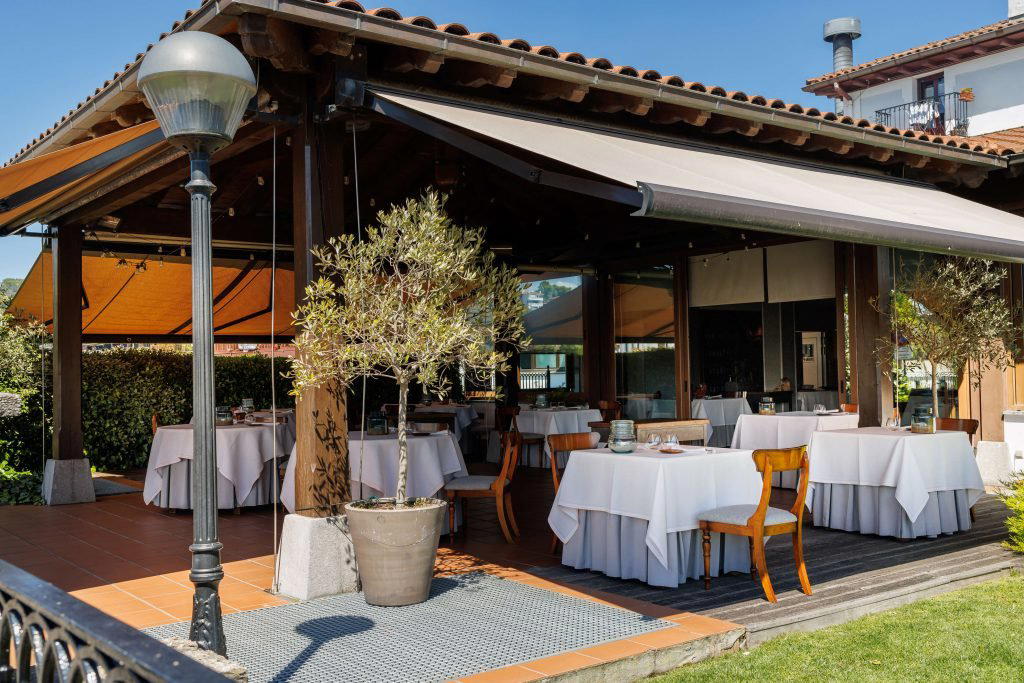
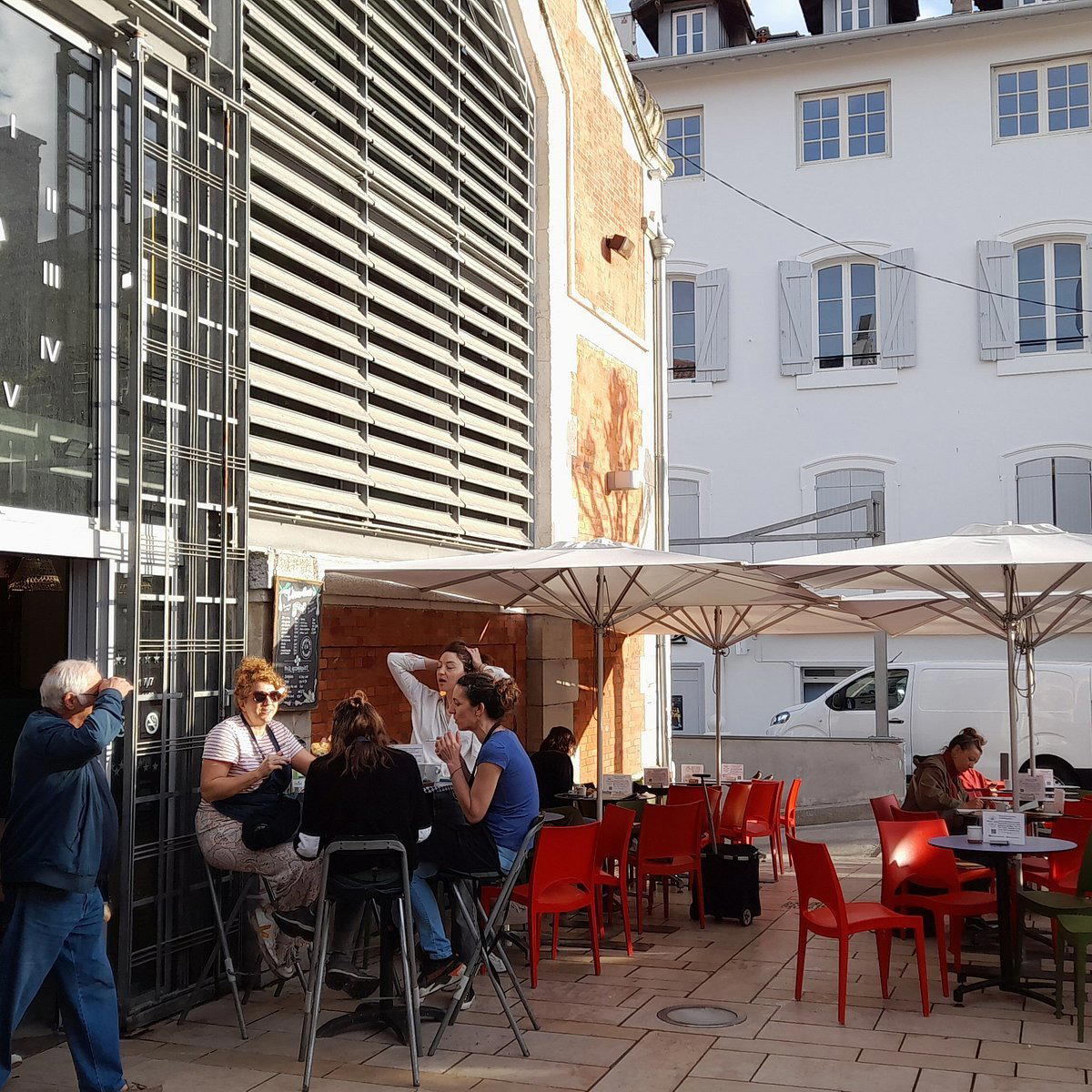
The restaurant sits directly on the Ciboure waterfront facing the estuary, and the harbour context shapes the mood more than any interior design decision. Salt air, the movement of fishing boats on the quayside, and cooking that changes with what the local fleet brings in give the room its character. This is not a destination built around theatrical service or formal ritual — the focus is the catch.
How does Arrantzaleak's location in Ciboure differ from dining in nearby Saint-Jean-de-Luz?
Ciboure sits immediately across the estuary from Saint-Jean-de-Luz, the better-known tourist destination on this stretch of the Basque coast, but Arrantzaleak's address at 18 Avenue Jean Poulou places it closer to the working harbour infrastructure that actually supplies both towns. That proximity to the fleet is not incidental — coastal Basque cooking at this level depends on fish reaching the kitchen within hours of landing, a logistical reality that restaurants sited further inland or in more commercially developed areas cannot replicate.
What do people recommend at Arrantzaleak?
Given Arrantzaleak's position on the Ciboure quayside and its grounding in coastal Basque sourcing, visitors consistently point to the seafood preparations built around same-day harbour landings. Anchovy season along this stretch of coast runs spring through early summer, and dishes featuring the local fleet's catch during that window are a particular draw. Specific menu items vary with availability, so current recommendations are best confirmed at time of booking.
What's Arrantzaleak's location?
Arrantzaleak is located at 18 Av. Jean Poulou, 64500 Ciboure, France, Ciboure.
Fast Comparison
Comparable venues nearby, for context on price, style, and recognition.
| Venue | Cuisine | Price | Awards | Notes |
|---|---|---|---|---|
| ArrantzaleakThis venue — the venue you are viewing | Traditional Basque Seafood | $30–50 | Not listed | Not listed |
| Crocodiles | Farm to table | Not listed | Michelin Plate | Ciboure |
| Chez Mattin | Traditional Basque | $50–100 | Michelin Plate | Croix Rouge |
| La table de Megumi | Japanese Fusion with Local Basque Influences | $20–30 | Not listed | Port |
| Ekaitza | Modern Basque Fine Dining | $100–150 | 2 Michelin Stars · La Liste Top Restaurants | port de plaisance |
| Capbourrut | Basque-Inspired French Bistronomique | $50–100 | Not listed | Ustaritz |
Continue exploring
More in Ciboure
Restaurants in Ciboure
All restaurants in Ciboure →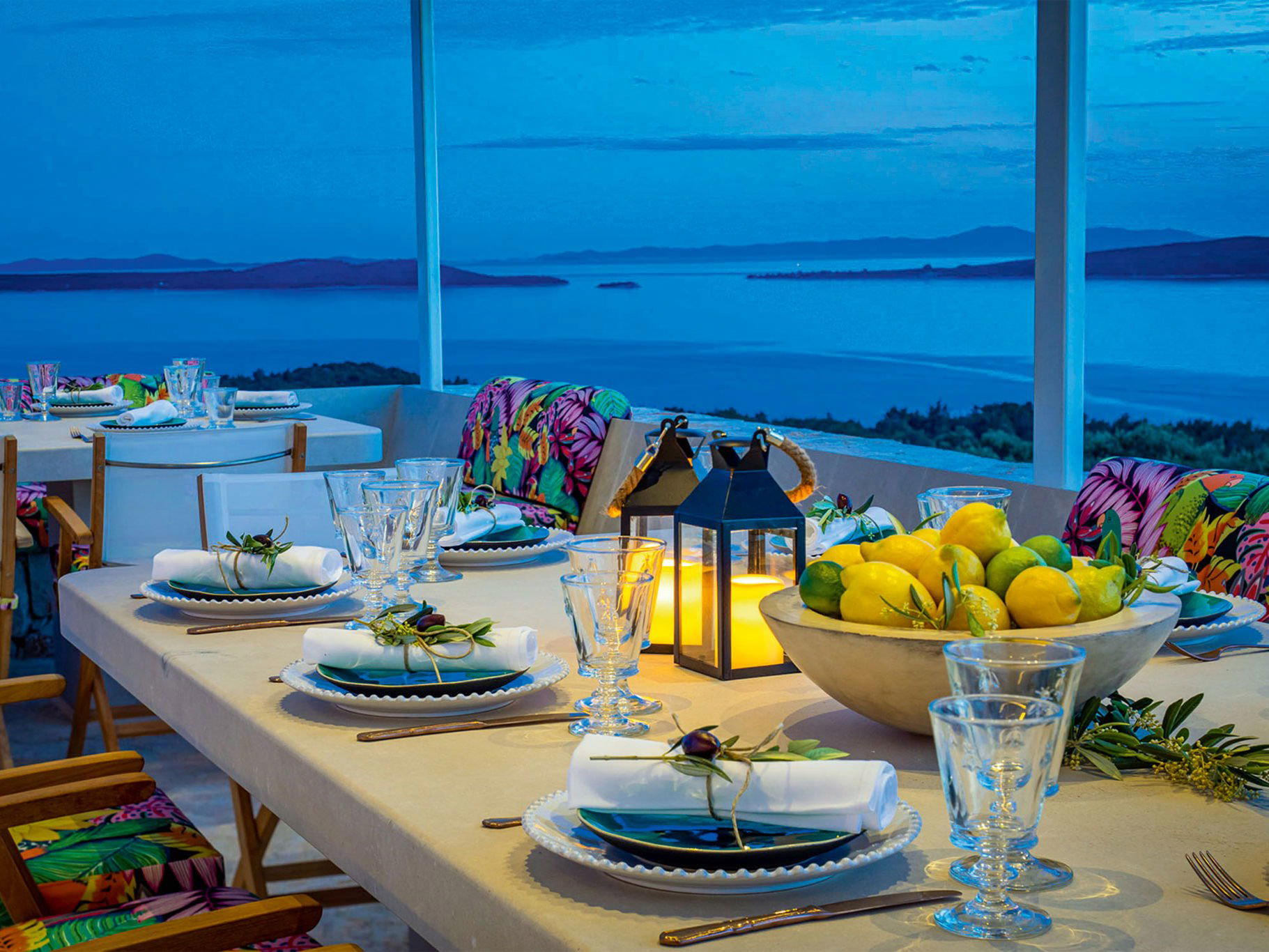
Details
- Rustic
- Cozy
- Classic
- Family
- Casual Hangout
- Waterfront
- Open Kitchen
- Local Sourcing
- Waterfront
- A La Carte
Current opening hours
- Monday
- Closed
- Tuesday
- Closed
- Wednesday
- 12–2 PM, 7–10 PM
- Thursday
- 12–2 PM, 7–10 PM
- Friday
- 12–2 PM, 7–10 PM
- Saturday
- 12–2 PM, 7–10 PM
- Sunday
- 12–2 PM, 7–10 PM
Hours can change for holidays and private events. Last verified .
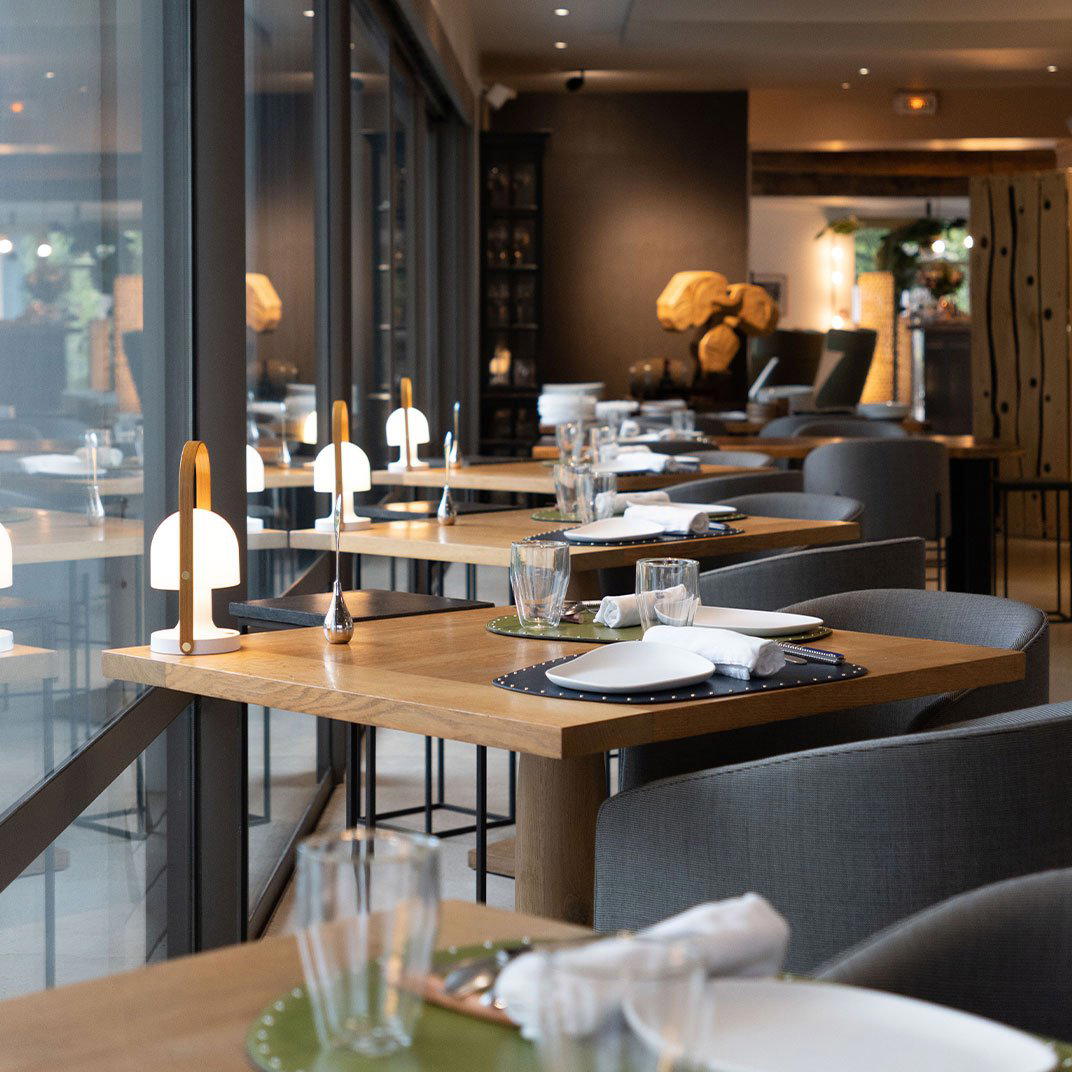
Modest rustic decor with fishing nets, cork floats, and trophy fish in a cozy, authentic seaside atmosphere.