Our verdict
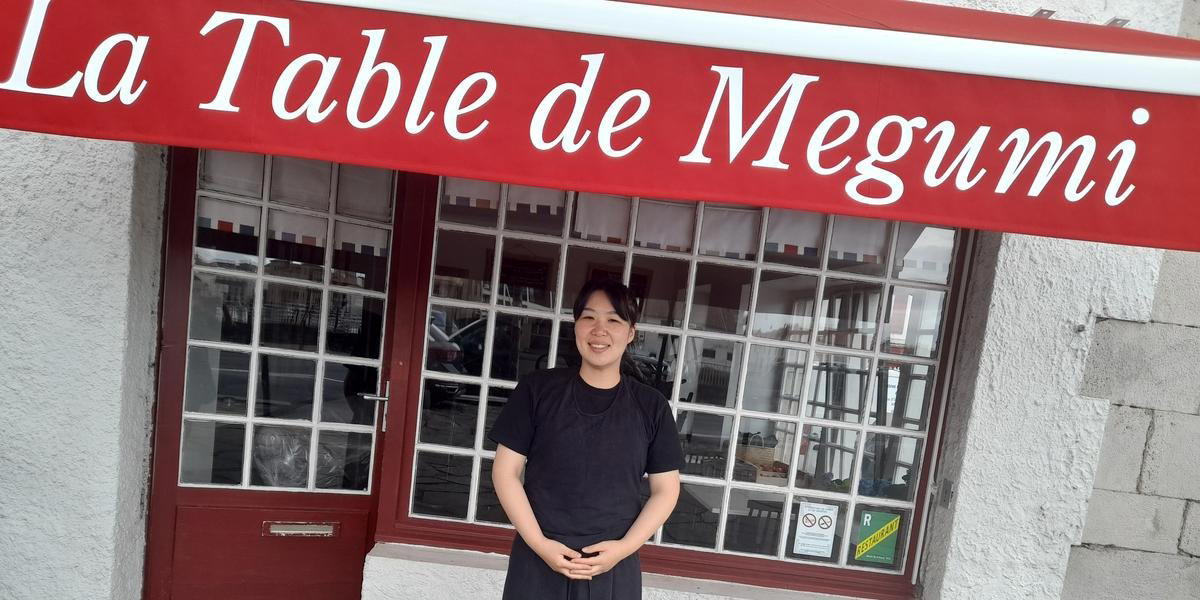
On the quayside at Ciboure, La table de Megumi sits where the Basque fishing tradition meets Japanese culinary sensibility — a combination that mirrors the broader Franco-Japanese dialogue playing out across France's coastal kitchens. The address alone, on the Quai Maurice Ravel opposite Saint-Jean-de-Luz, signals a kitchen that draws from the sea immediately outside its windows and translates that proximity into something precise and considered.

Pearl is the En Primeur Club membership app — saves, bookings, and concierge access live there. Same editors, same standards.
- Address
- 15 Quai Maurice Ravel, 64500 Ciboure, France
- Phone
- +33547022929
- Hours
- Mon–Tue ClosedWed–Sat 12:30–2:30 PM, 7:30–9 PMSun 12:30–2:30 PM
- Website
- instagram.com
- Directions
- Get directions
The menu
What to order
- Sashimi de thon blanc
- Bouillon dashi
- Panna cotta au lait d’amandes
Where the Basque Coast Feeds the Kitchen
The Quai Maurice Ravel in Ciboure runs along the channel that separates the town from Saint-Jean-de-Luz, with fishing boats docking close enough that the catch moves from net to kitchen in the kind of compressed supply chain that most coastal restaurants claim but few can actually demonstrate. At number 15, La table de Megumi occupies a position where provenance is not an abstraction. The Atlantic here — specifically the waters of the Basque Country coast — produces anchovies, axoa fish, merlu (hake), and the small squid that define the local plate. The sourcing conversation in this part of France starts with the port, not the inland market.
That geography matters because the Basque Country operates as one of France's most coherent regional food systems. The fishing grounds off Saint-Jean-de-Luz and Ciboure have supplied local tables for centuries, and the surrounding foothills and valleys add Espelette pepper, Ossau-Iraty sheep's cheese, and Bayonne-cured products to a pantry that is unusually complete by the standards of any French region. A kitchen on the Quai Maurice Ravel inherits that supply chain automatically. What distinguishes one restaurant from another at this address is what it does with that inheritance, and in Megumi's case, the Franco-Japanese register of the name alone suggests a different interpretive approach to those Basque raw materials than the region's more traditional dining rooms.
The Franco-Japanese Dialogue on a Basque Plate
France and Japan share a particular culinary conversation, one that has been running in earnest since the 1960s when Japanese chefs began arriving in French kitchens and returning home to reinterpret what they had learned. That exchange has moved in both directions: French technique applied to Japanese ingredients in Tokyo, and Japanese precision applied to French and European produce in cities from Paris to Marseille. For reference on how that dialogue operates at the highest levels of French dining, AM par Alexandre Mazzia in Marseille shows how intensely personal and technically specific that fusion can become, while Mirazur in Menton demonstrates the terrain-driven approach that places geography at the center of every dish.
What makes a Franco-Japanese kitchen in Ciboure specifically interesting is the quality of the local protein. Basque hake is among the most prized in Europe, the fishing fleet at Saint-Jean-de-Luz lands it fresh, and its firm white flesh handles precise cooking with the kind of clarity that Japanese technique rewards. Similarly, the region's anchovies, cured or fresh, translate well into preparations that emphasize umami without obscuring the fish itself. A Japanese sensibility applied to these ingredients does not dilute their identity; it tends, if anything, to intensify it by stripping away the butter-heavy preparations that sometimes mask what the Atlantic actually tastes like.
Ciboure's Dining Tier and La table de Megumi's Position in It
Ciboure's restaurant scene runs across a clear range of registers. Chez Mattin holds the traditional Basque position at the accessible end, priced at €€ and focused on the local canon. Ekaitza operates at €€€ in the modern cuisine tier, with a more contemporary approach to the same regional ingredients. La table de Megumi sits in that upper bracket of Ciboure dining, where the expectation is a considered menu, a shorter format, and cooking that rewards attention rather than volume. For a broader map of what the town offers across price points and styles, the full Ciboure restaurants guide gives the complete picture. Arrantzaleak is also worth noting as another address drawing from the same fishing-port context.
Across France more broadly, the restaurants that have built the most durable reputations in coastal markets share a particular discipline: they commit to the ingredient as it arrives, season by season, rather than engineering a fixed menu around a stable of crowd-pleasing preparations. Christopher Coutanceau in La Rochelle operates on exactly that principle, with a sustainably sourced seafood program that has earned it sustained Michelin recognition. Auberge du Vieux Puits in Fontjoncouse applies similar thinking to inland southern French produce. The pattern holds: sourcing discipline translates into menu coherence, and menu coherence is what separates a restaurant worth travelling for from one that simply occupies a good address.
What the Address on the Quai Tells You
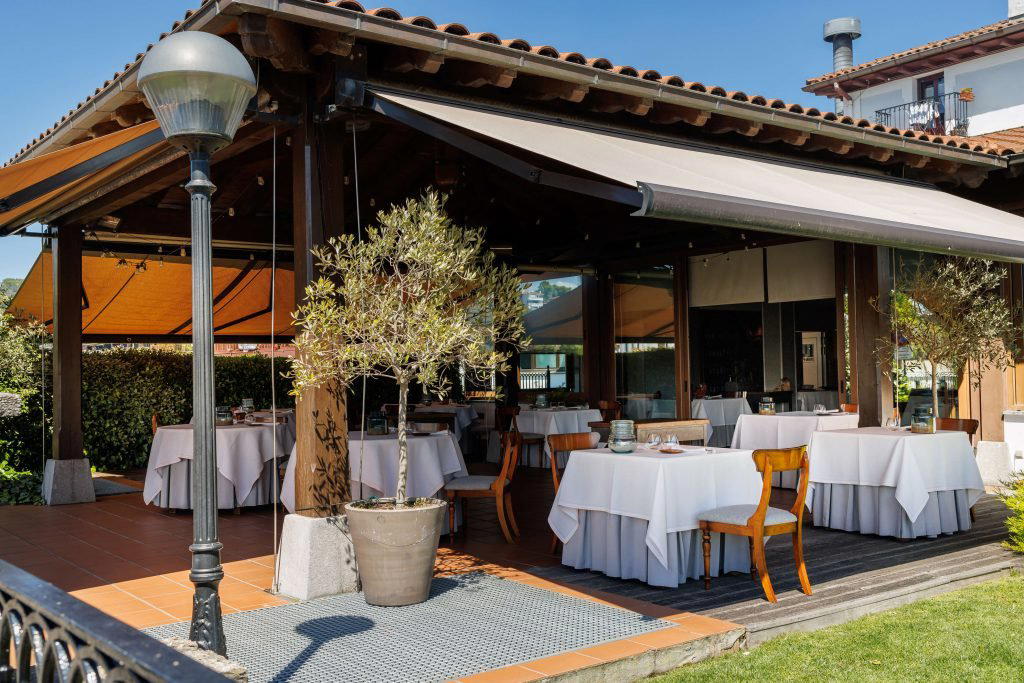
The Quai Maurice Ravel is named for the composer born in Ciboure in 1875, and the quayside carries a particular character, facing Saint-Jean-de-Luz across the harbor mouth, exposed to the light off the water, with the profile of the Basque hills visible inland. A dining room at this address has a specific atmospheric register regardless of the cuisine: the environment is maritime and unhurried, with the rhythm of the tides and the movement of boats in the channel setting a pace that dense urban dining rooms cannot replicate. Franco-Japanese cooking in that context reads differently than it would in Paris or Lyon. The restraint that characterizes both culinary traditions, French classical and Japanese washoku, aligns naturally with a harbor setting that has its own built-in sense of place.
For travelers building an itinerary around France's serious restaurant addresses, Ciboure occupies an unusual position. It is small enough that most visitors route through Saint-Jean-de-Luz without crossing the bridge, yet it carries a dining scene that punches above the expectations of a town this size. Reaching Ciboure from Biarritz takes under thirty minutes by road; from Bayonne, the drive is roughly the same. The Basque Country's transport infrastructure makes day trips feasible, but the region rewards slower movement, with the combination of coast, hills, and the Spanish border creating an unusually layered geography for a short trip. Those planning further afield in French fine dining will find useful reference points in addresses like Flocons de Sel in Megève, Bras in Laguiole, or Troisgros in Ouches, each representing a different model of how French cooking connects to its immediate territory.
Planning Your Visit
La table de Megumi is located at 15 Quai Maurice Ravel, 64500 Ciboure, on the waterfront directly across the harbor from Saint-Jean-de-Luz. Current hours, booking availability, and pricing are best confirmed directly with the restaurant, as specific operational details are not published through third-party channels at the time of writing. Given the size and character of the Basque coastal dining scene, small rooms at this address tend to fill quickly in summer; arriving with a reservation rather than on spec is the safer approach. The wider context of French fine dining at comparable addresses, from Alléno Paris au Pavillon Ledoyen to Assiette Champenoise in Reims, suggests that the restaurants doing the most interesting sourcing-led work tend to operate on tighter capacity, which reinforces that point.
Frequently asked questions
Would La table de Megumi be comfortable with kids?
La table de Megumi sits on the Quai Maurice Ravel waterfront in Ciboure, a setting that lends itself to longer, considered meals rather than quick family stops. The Franco-Japanese format suggests a kitchen focused on precise, course-led cooking, which tends to suit adults and older teenagers better than young children. Families with small kids would likely find Ciboure's more casual quayside spots a better fit for an early evening.
What should I expect atmosphere-wise at La table de Megumi?
The address on Quai Maurice Ravel places the restaurant directly on the channel separating Ciboure from Saint-Jean-de-Luz, with fishing activity visible from the waterfront. That setting frames what is likely a composed, relatively intimate room rather than a loud brasserie. The Franco-Japanese register points toward quiet focus at the table, where the cooking does the talking.
How does La table de Megumi fit into Ciboure's restaurant scene compared to traditional Basque options?
Ciboure's dining options range from traditional Basque tables like Chez Mattin at the accessible end to more refined addresses further along the quay. La table de Megumi occupies a distinct position by applying Japanese technique to the same Basque Atlantic ingredients that supply its neighbours, creating a different entry point into the region's produce rather than competing directly with its French Basque counterparts. For visitors already familiar with the local Basque kitchen, this Franco-Japanese angle offers a contrasting perspective on the same coastline.
What's the signature dish at La table de Megumi?
What the name and address signal clearly is a kitchen operating at the intersection of French Basque produce and Japanese technique, where the day's catch from the Ciboure quayside is the logical centrepiece. Any definitive dish list is worth confirming directly with the restaurant before visiting.
What's the address for La table de Megumi?
La table de Megumi is located at 15 Quai Maurice Ravel, 64500 Ciboure, France, Ciboure.
What's the best way to book La table de Megumi?
A website and phone number for La table de Megumi are not currently listed in public directories. For a waterfront restaurant at this address in Ciboure, the most reliable approach is to call ahead once contact details are confirmed via the venue directly or through local tourism offices in Saint-Jean-de-Luz. Walk-ins are a lower-probability option for any restaurant operating at this tier on the Basque Coast.
What's the standout thing about La table de Megumi?
The location on Quai Maurice Ravel gives La table de Megumi direct access to one of the Basque Coast's most active fishing channels, with Saint-Jean-de-Luz harbour visible across the water. Layering Japanese culinary sensibility onto that supply chain, in a town with no shortage of straightforwardly French Basque options, marks this as a specific and deliberate proposition in Ciboure's dining tier.
Side-by-Side Snapshot
Comparable venues nearby, for context on price, style, and recognition.
| Venue | Cuisine | Price | Awards | Notes |
|---|---|---|---|---|
| La table de MegumiThis venue — the venue you are viewing | Japanese Fusion with Local Basque Influences | $20–30 | Not listed | Not listed |
| Arrantzaleak | Traditional Basque Seafood | $30–50 | Not listed | Ciboure |
| Crocodiles | Farm to table | Not listed | Michelin Plate | Ciboure |
| Chez Mattin | Traditional Basque | $50–100 | Michelin Plate | Croix Rouge |
| Ekaitza | Modern Basque Fine Dining | $100–150 | 2 Michelin Stars · La Liste Top Restaurants | port de plaisance |
| Le Trinquet Moderne | French Basque Bistro | $20–30 | Not listed | Quartier des arènes |
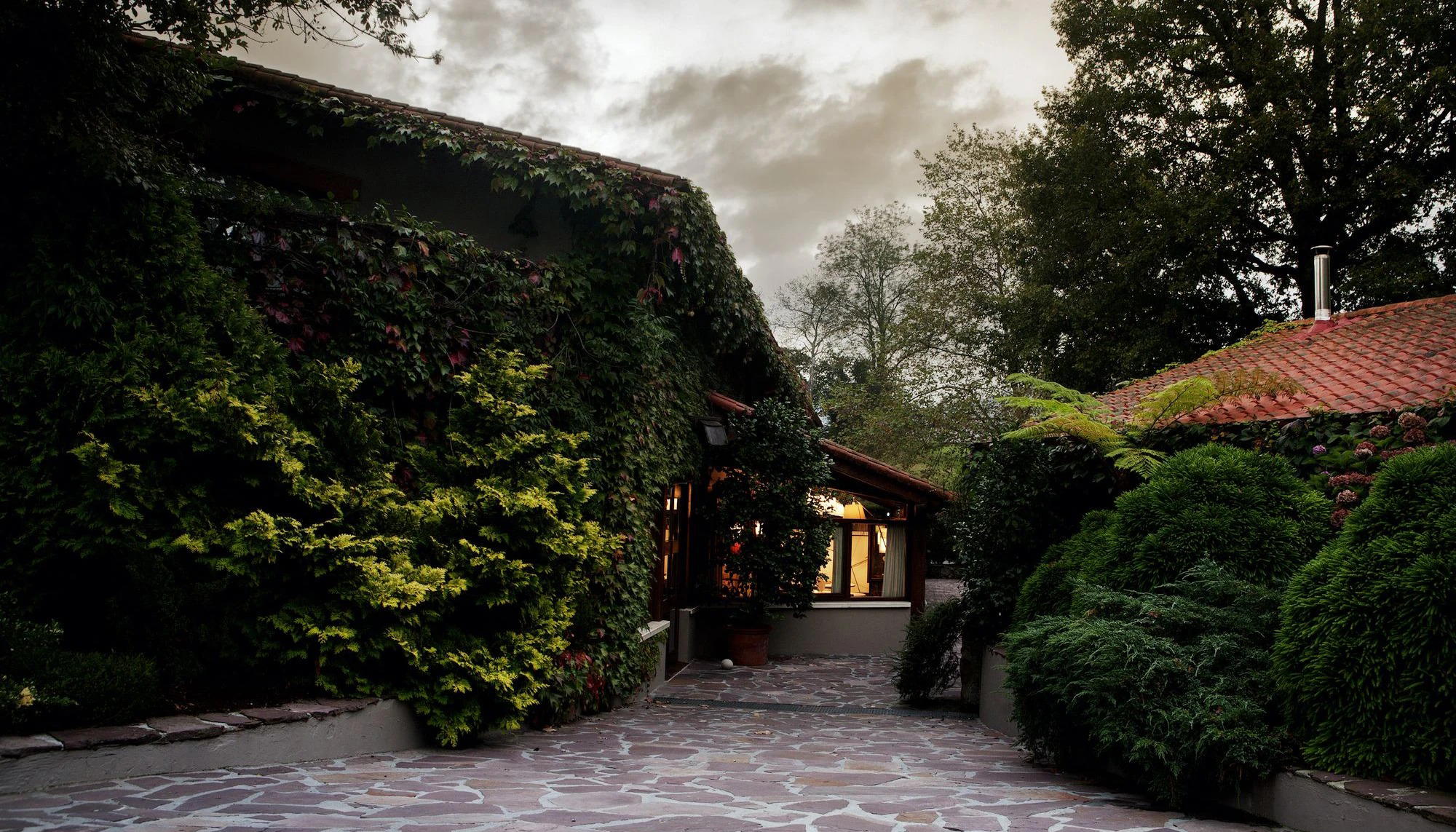
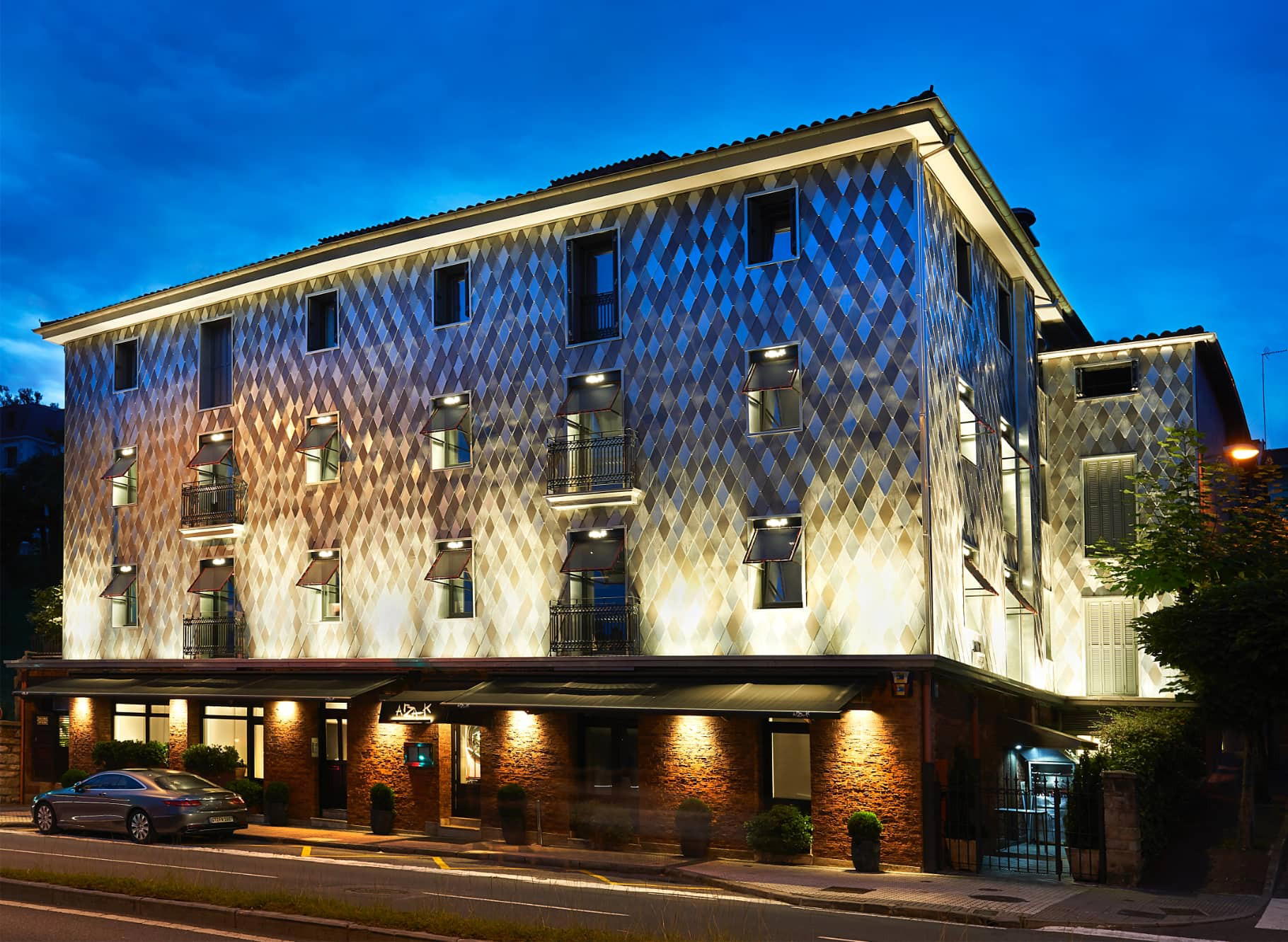
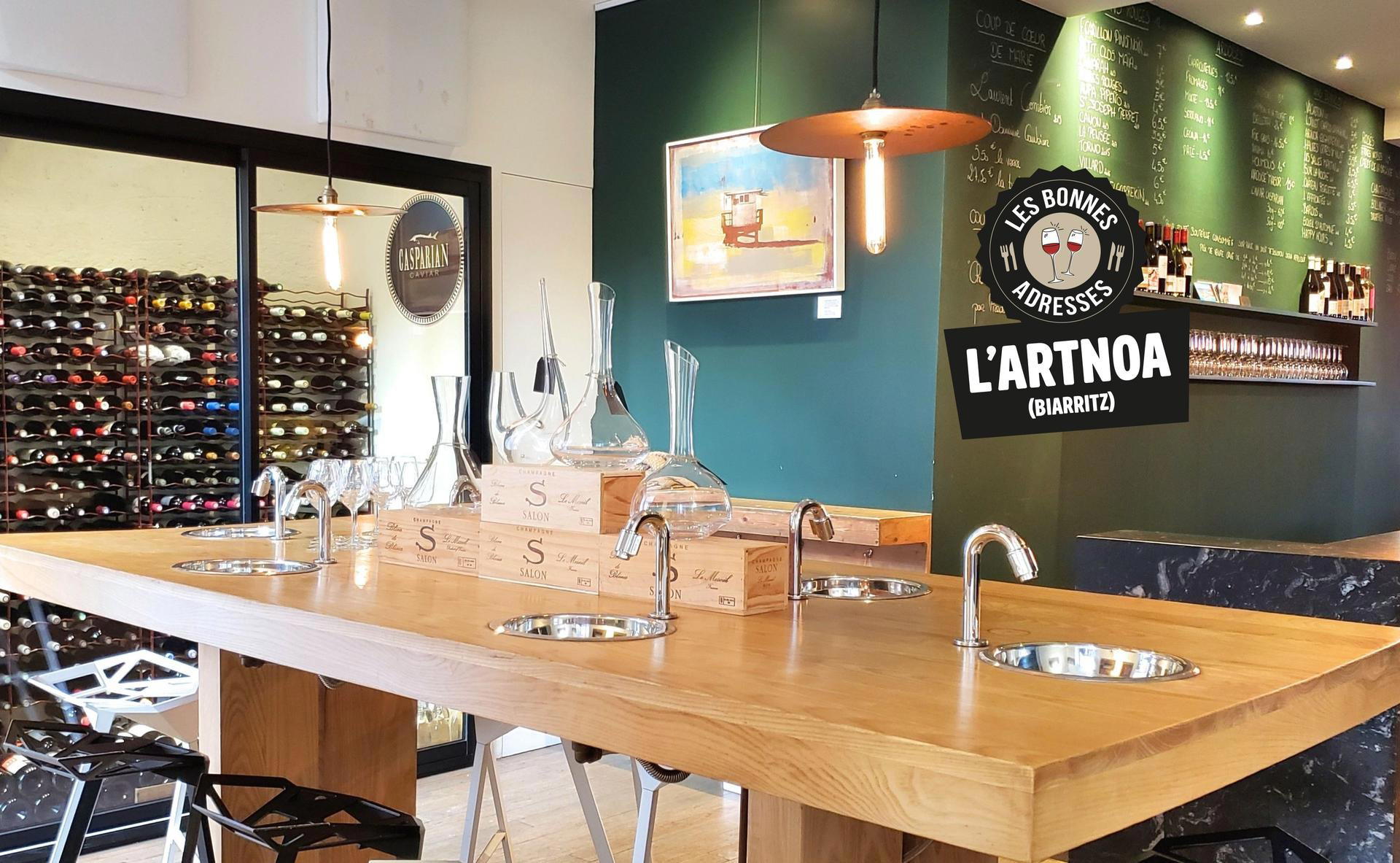
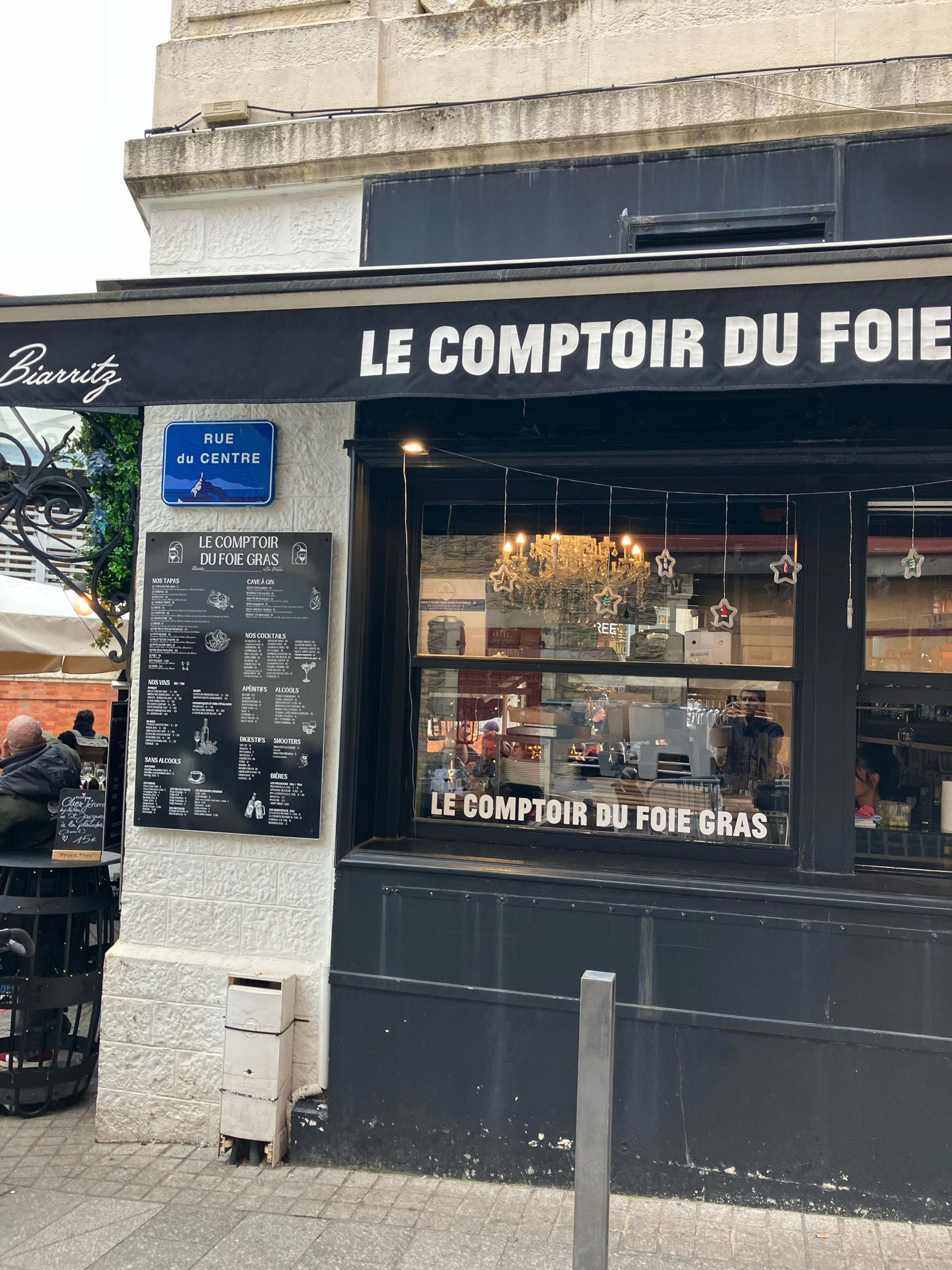
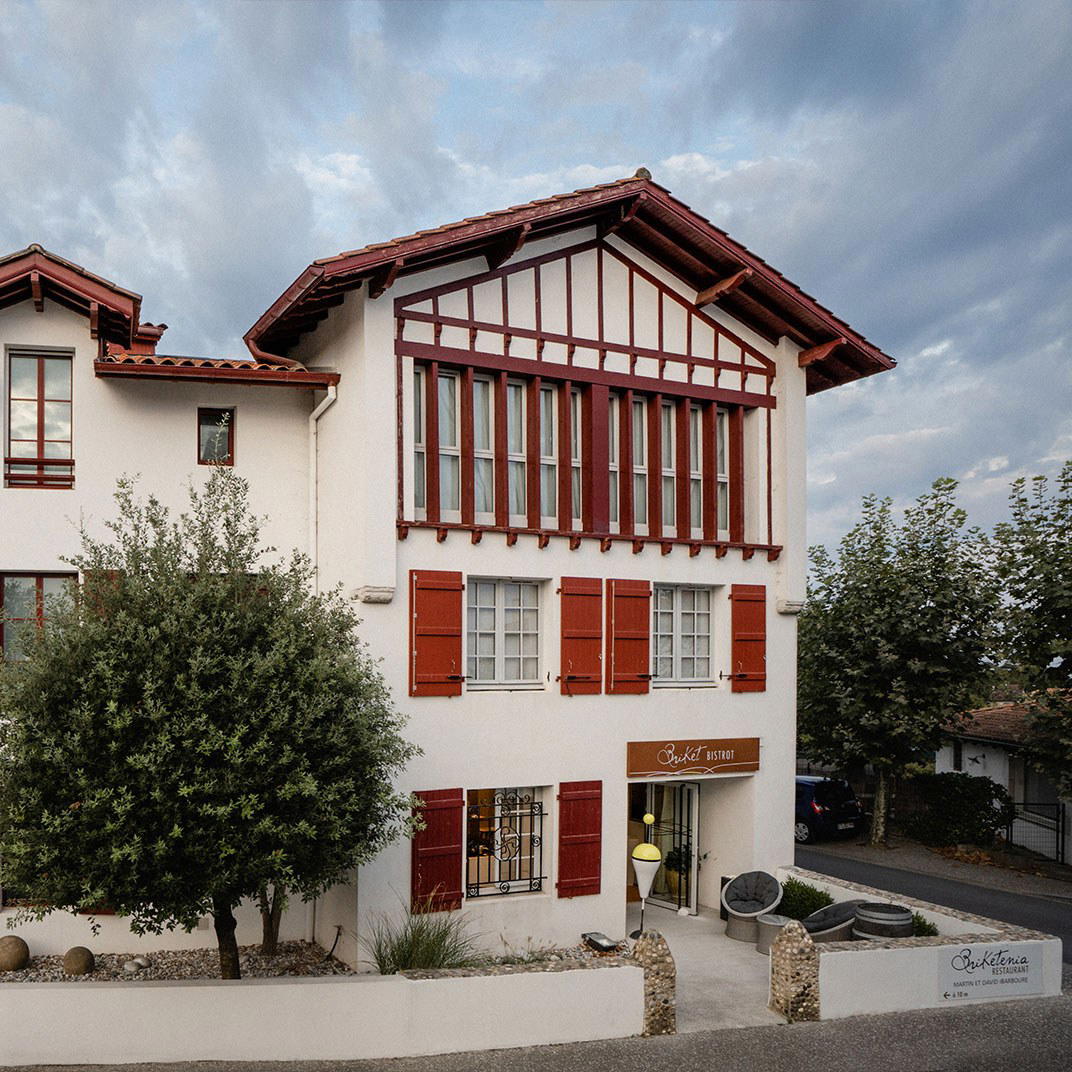
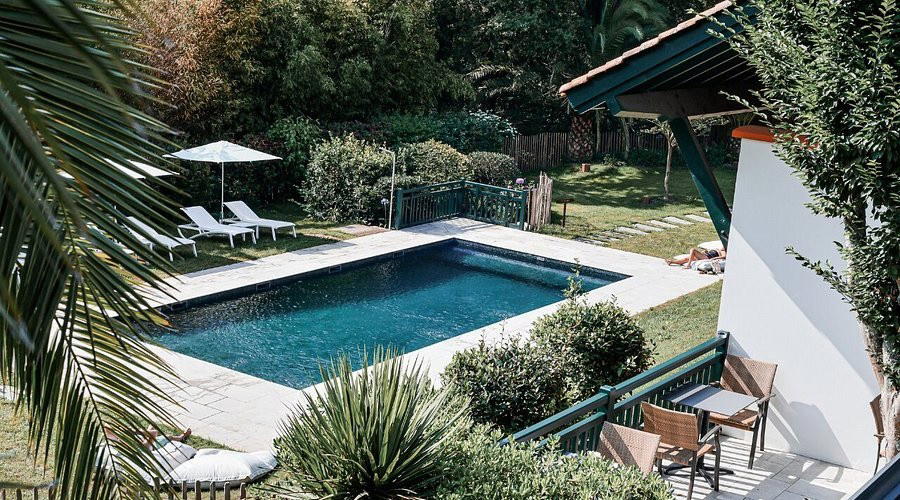
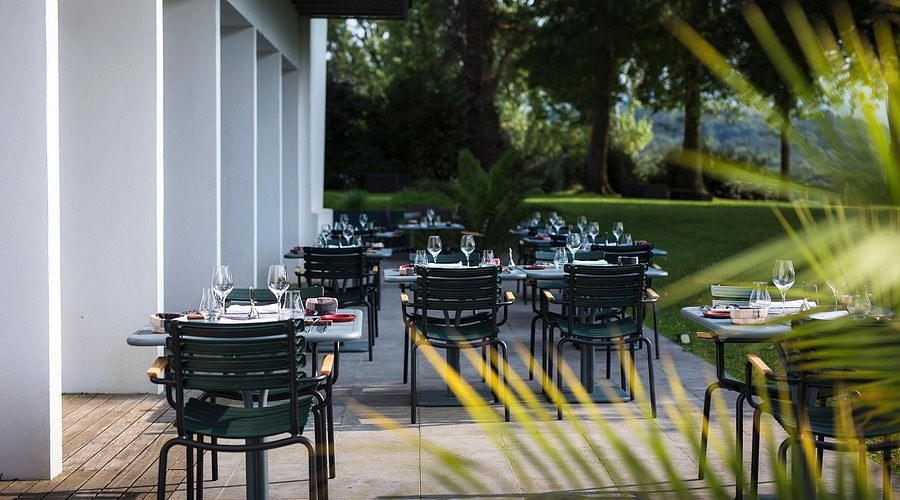
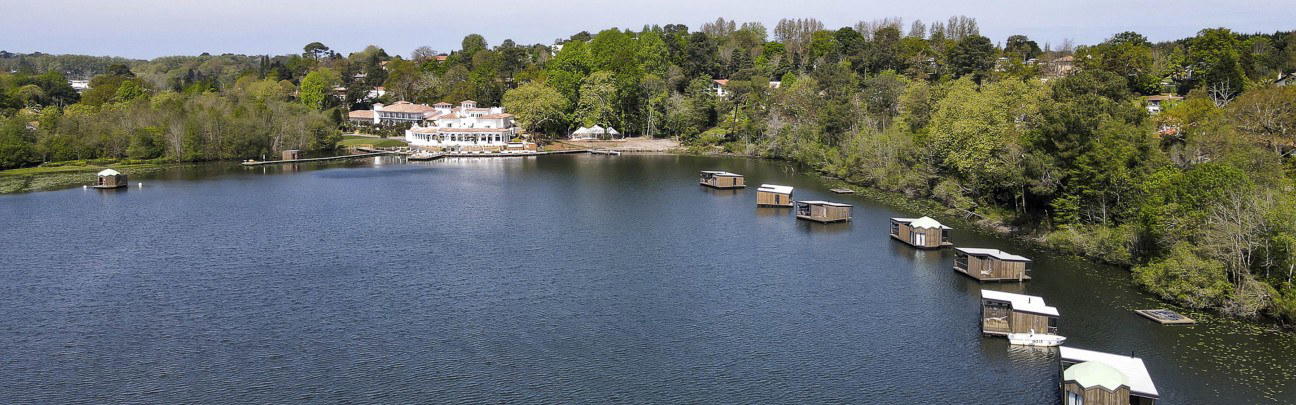
La table de Megumi
The wine
- Wine program
- Curated wine list
- Natural wine
- Sake program
Details
- Intimate
- Cozy
- Elegant
- Date Night
- Special Occasion
- Open Kitchen
- Terrace
- Natural Wine
- Sake Program
- Local Sourcing
- Waterfront
- Street Scene
- A La Carte
- Sake
- Natural Wine
- Vegetarian Friendly
Current opening hours
- Monday
- Closed
- Tuesday
- Closed
- Wednesday
- 12:30–2:30 PM, 7:30–9 PM
- Thursday
- 12:30–2:30 PM, 7:30–9 PM
- Friday
- 12:30–2:30 PM, 7:30–9 PM
- Saturday
- 12:30–2:30 PM, 7:30–9 PM
- Sunday
- 12:30–2:30 PM
Hours can change for holidays and private events. Last verified .
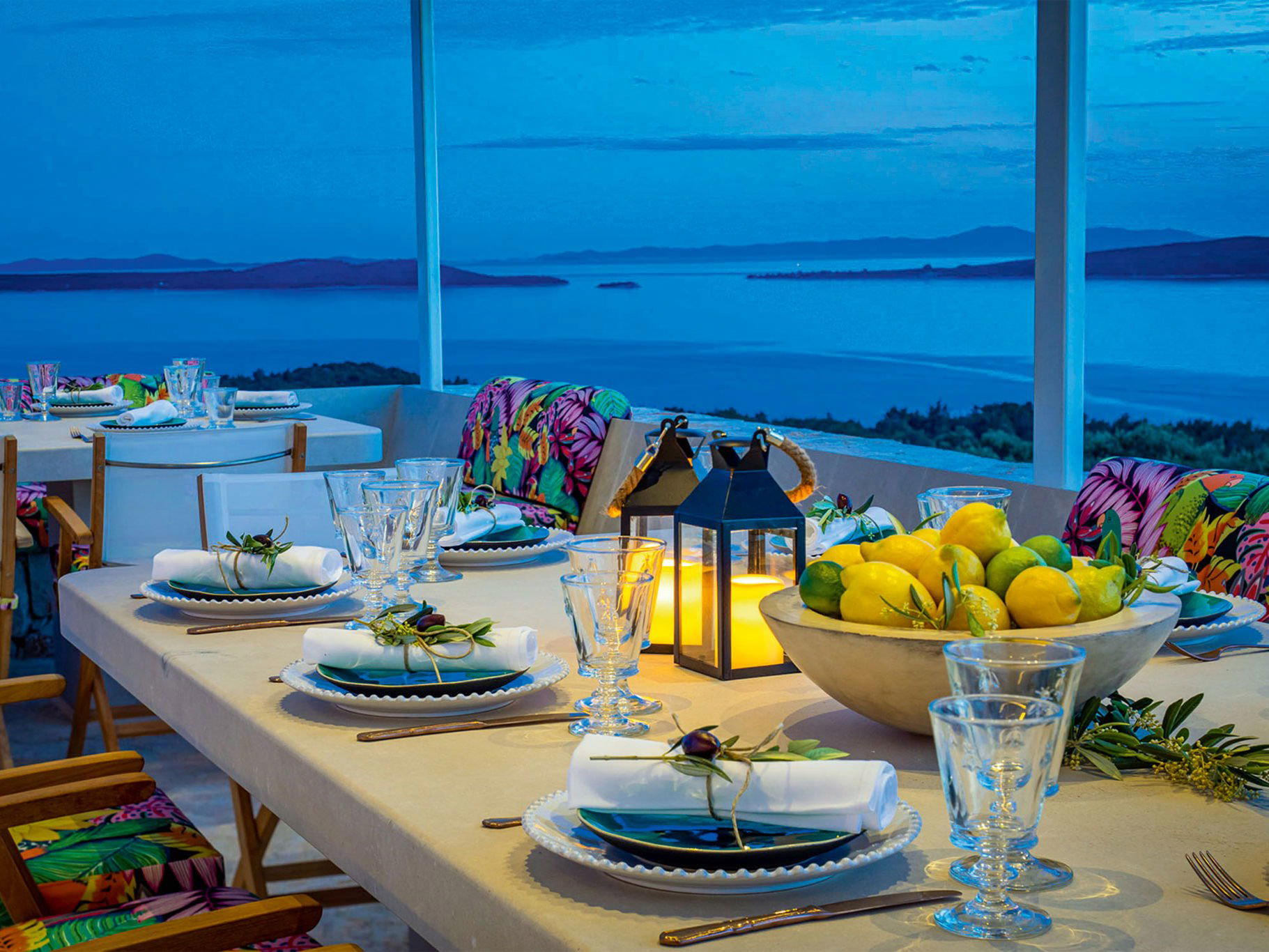
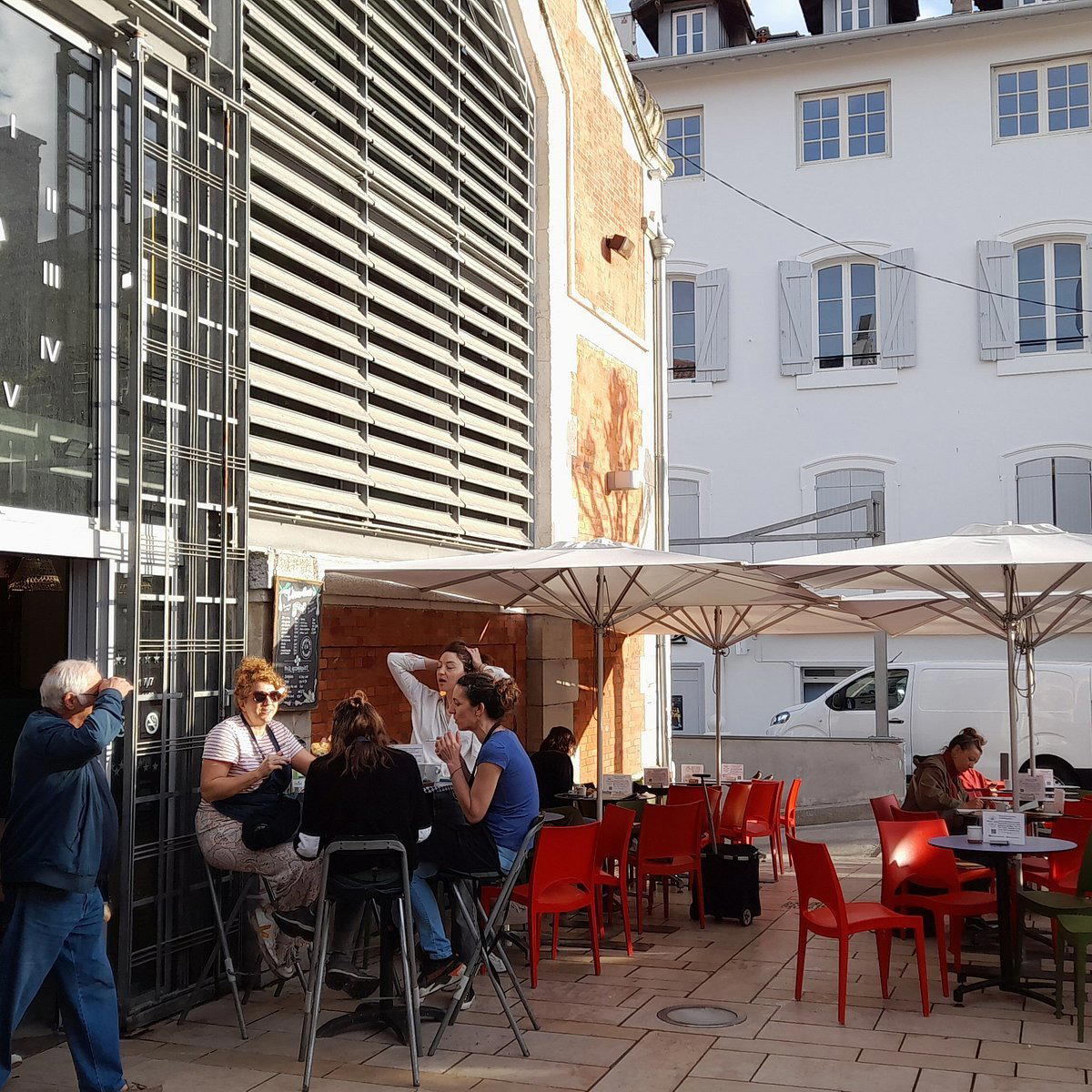
Simple, épuré setting with small dining room, six tables, and a bustling open kitchen creating an intimate, unpretentious atmosphere.