Arethusa Farm
Our verdict
Arethusa Farm sits along Bantam Road in Litchfield County, Connecticut, where a working dairy operation anchors a broader hospitality model built around provenance and agricultural practice. The farm's address at 822 Bantam Rd places it at the center of a rural dining tradition that draws from New England's farm-to-table movement and connects directly to its companion restaurant, Arethusa al tavolo. Litchfield County has become one of the Northeast's more serious destinations for ingredient-driven dining.

Pearl is the En Primeur Club membership app — saves, bookings, and concierge access live there. Same editors, same standards.
- Address
- 822 Bantam Rd, Bantam, CT 06750
- Phone
- (860) 361-6460
- Hours
- Mon–Thu 10:30 AM–6 PMFri–Sat 10:30 AM–8 PMSun 10:30 AM–6 PM
- Website
- arethusafarm.com
- Directions
- Get directions
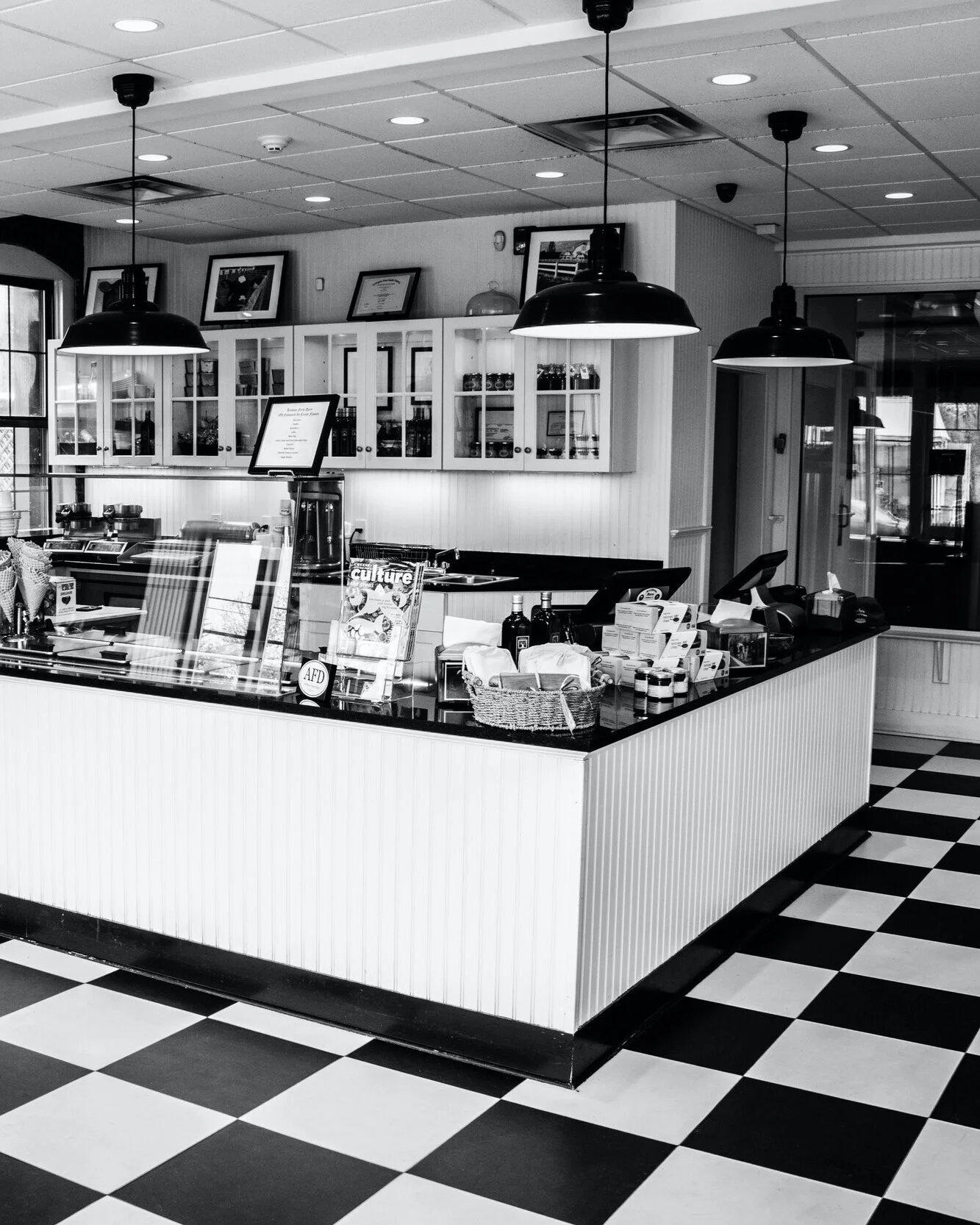
The menu
What to order
- Bella Bantam cheese
- Arethusa Farm Dairy Artisan Cheeses
Where the Farm Defines the Table
Litchfield County, Connecticut occupies a specific and underappreciated position in the American farm-to-table narrative. While coastal cities have largely institutionalized the language of provenance, turning farm credits into menu decoration, this corner of the Northeast still operates with agricultural infrastructure that precedes the trend. Arethusa Farm, addressed at 822 Bantam Rd in the small town of Bantam, sits within that tradition not as a concept but as a working proposition: a dairy farm that produces the goods that reach the plate, without the interpretive distance that characterizes most farm-branded dining elsewhere.
The farm's cultural context matters here. New England's relationship with land-based food production is older and more institutionally embedded than California's celebrated wine-country dining model. Where Single Thread Farm in Healdsburg and The French Laundry in Napa operate inside an established premium hospitality corridor, Arethusa Farm functions in a quieter geography, one where the agricultural identity is less curated for tourism and more embedded in actual land use. That distinction shapes everything about how a visit here reads against comparable American farm-dining experiences.
The Farm-to-Fork Tradition in New England Context
The farm-to-table movement in the United States has two distinct strains. One is performative: menus that list farm names as trust signals, sourcing that happens upstream and invisibly. The other is structural: hospitality operations physically attached to or directly reliant on working agriculture. Arethusa Farm belongs to the second category.
Blue Hill at Stone Barns represents perhaps the most elaborated version of this model in the American Northeast, with a full agricultural research dimension and a fine-dining format that draws national and international visitors. Arethusa operates at a different scale and with a different register of ambition, one rooted in Litchfield County's character as a working agricultural community that has also, gradually, become a weekend destination for New York and Connecticut residents with appetite for quality provisions and considered dining. The companion property, Arethusa al tavolo, represents the white-tablecloth expression of what the farm produces.
Litchfield County as a Dining Destination
The county's dining identity has developed along lines different from the Catskills or the Hudson Valley. It is less gallery-and-weekend-house and more working-town-with-serious-provisions. The food culture here is built around farmstands, cheese production, and a handful of destination-level restaurants that draw from what the surrounding land actually produces. This gives the area a coherence that more obviously tourist-facing regions sometimes lack: the ingredients on the table correspond to the landscape visible from the road.
For visitors orienting around ingredient-driven dining in the broader American context, Litchfield County operates at a remove from the restaurant corridors that produce most critical attention. The conversation about farm-integrated dining in America tends to center on California (where Addison in San Diego and Lazy Bear in San Francisco represent distinct regional expressions of premium American cooking), on New York City (where Le Bernardin and Atomix anchor the upper tier), and on a few outliers like Smyth in Chicago, The Inn at Little Washington, or Frasca Food and Wine in Boulder. Connecticut's Litchfield County sits outside those corridors, which is part of why the agricultural seriousness here has developed without the overlay of destination-dining theatre.
What Arethusa Farm Represents in the Provenance Conversation
The broader American dining culture has spent the better part of two decades interrogating provenance. Which farm, which season, which practice. The conversation has produced genuine advances in sourcing standards at serious restaurants from Oyster Oyster in Washington, D.C. to ITAMAE in Miami to The Wolf's Tailor in Denver. It has also produced a predictable inflation of language, where farm-sourcing claims have become ambient noise rather than meaningful signal.
Arethusa Farm's position in this conversation is grounded by the fact of the farm itself. A working dairy operation in Bantam, Connecticut is a specific, verifiable, agricultural fact. The cheese and dairy products it produces have a regional reputation built over years of consistent output. This kind of accumulated, specific credibility is different from the sourcing narratives that restaurants construct around themselves, and it reflects a model of food production and hospitality integration that is worth understanding on its own terms rather than through the lens of fine-dining credentials.
For comparison, consider the approach at Emeril's in New Orleans or Providence in Los Angeles, where the sourcing story is real but exists at one remove from the production itself. At Arethusa, the production is on the premises. That proximity changes the nature of the claim. It also changes what a visit here means for a reader interested in understanding how land-to-table agriculture actually functions in a New England context, rather than how it is narrated.
Internationally, the model finds parallels in destination farm-dining operations like Atelier Moessmer Norbert Niederkofler in Brunico, where Alpine agricultural identity and culinary practice are genuinely continuous rather than rhetorically connected. The geographic and cultural specificity that makes those European examples compelling applies equally to what Arethusa Farm represents in the Connecticut countryside.
Planning a Visit
Bantam sits within Litchfield County, accessible from New York City by road in approximately two hours depending on route. The farm itself is located at 822 Bantam Rd. Visitors combining a stay with dining should note that the companion fine-dining restaurant, Arethusa al tavolo, operates separately and warrants advance planning. For a broader orientation to what the area offers, our full Bantam restaurants guide maps the local dining options against the county's agricultural character. Litchfield County visits tend to reward time spent: the county's food culture is distributed across farmstands, cheese counters, and destination restaurants rather than concentrated in a single district, and the drive between them is part of the experience in a region where landscape and larder remain genuinely connected.
Frequently asked questions
Where exactly is Arethusa Farm?
Arethusa Farm is located at 822 Bantam Rd, Bantam, CT 06750, Bantam.
Can you visit Arethusa Farm directly from New York City as a day trip?
Bantam, Connecticut sits approximately two hours from New York City by road, making Arethusa Farm a practical day trip for visitors based in the metro area. The farm is located on Bantam Rd in Litchfield County, a region with a distinct agricultural identity that differs from the more gallery-driven Hudson Valley circuit. Visitors should confirm current retail hours in advance, as the farm's schedule reflects an operational dairy rather than a hospitality-first venue.
What's the best thing to order at Arethusa Farm?
Arethusa Farm's dairy products, including its cheeses, are the foundation of its standing in Bantam and across the broader Connecticut food community. These are the items that have driven the farm's reputation in Litchfield County, and they represent the most direct expression of what the operation actually does at the production level.
How hard is it to get a table at Arethusa Farm?
Arethusa Farm's hospitality model is not structured around a conventional restaurant reservation system. Its retail and dairy dimensions make it accessible to visitors without advance booking in the way a tasting-menu counter would require, though specific hours and availability should be confirmed directly before planning a trip to Bantam.
What is Arethusa Farm known for?
Arethusa Farm is a working dairy farm at 822 Bantam Rd in Bantam, Connecticut, with a regional reputation built around its cheese and dairy production. Its agricultural identity is central to Litchfield County's farm-to-table food culture, placing it alongside a small group of New England producers where the sourcing is the story rather than an afterthought on a menu.
Is Arethusa Farm good for vegetarians?
A working dairy farm with a food culture rooted in cheese and dairy production is, structurally, well-suited to vegetarian visitors. Bantam's agricultural setting means the farm's core output aligns with plant-adjacent diets, though visitors with specific dietary requirements should verify the current retail and food offering before arrival.
Cost Snapshot
Comparable venues nearby, for context on price, style, and recognition.
| Venue | Cuisine | Price | Awards | Notes |
|---|---|---|---|---|
| Arethusa FarmThis venue — the venue you are viewing | Modern Farm-to-Table American | $50–100 | Not listed | Not listed |
| Arethusa al tavolo | New England American Farm-to-Table | $50–100 | Wine Spectator Award of Excellence | Bantam, New England American Farm-to-Table |
| Lost Fox inn | Seasonal American tavern in a historic inn | $50–100 | Not listed | Litchfield, Seasonal American tavern in a historic inn |
| Nouveau Monde | New American Gastropub | $50–100 | Star Wine List · Wine Spectator Best of Award of Excellence | Sandy Hook, New American Gastropub |
| Match | Seasonal New American with Global Influences | $50–100 | Not listed | South Norwalk (SoNo), Seasonal New American with Global Influences |
| Nataz | American Prix Fixe | $30–50 | Not listed | Downtown Southington, American Prix Fixe |
Continue exploring
More in Bantam
Restaurants in Bantam
Browse all →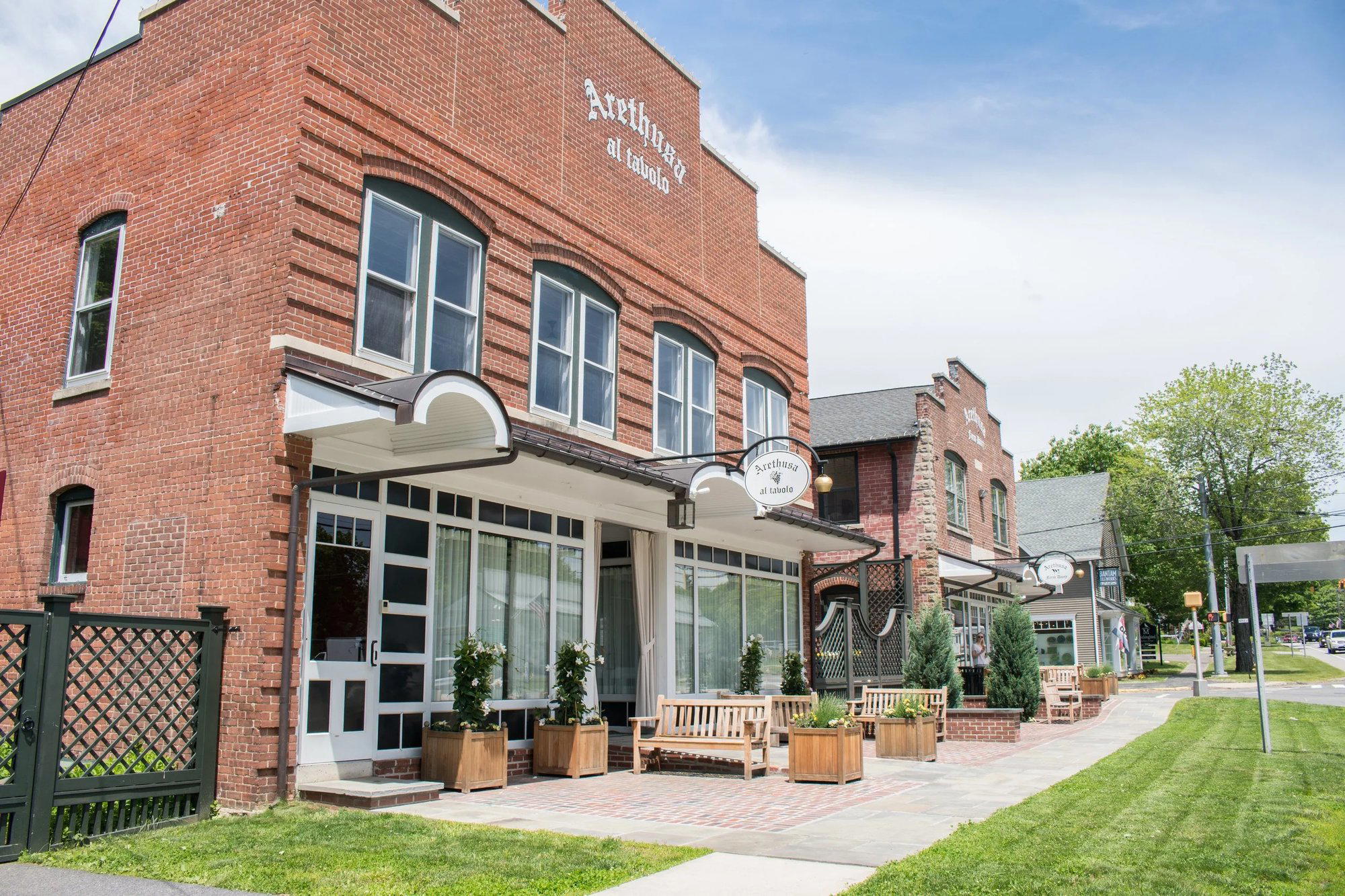
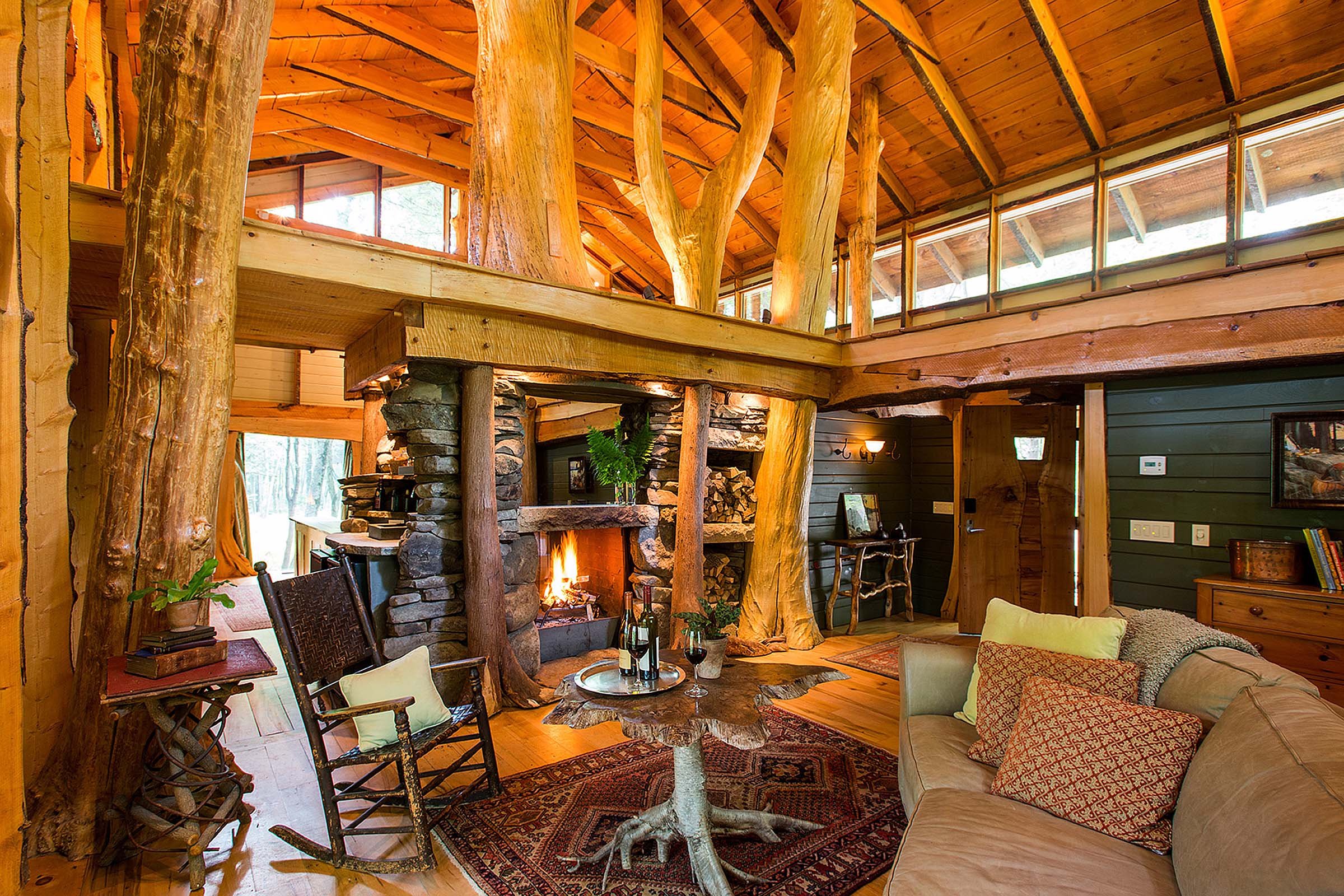
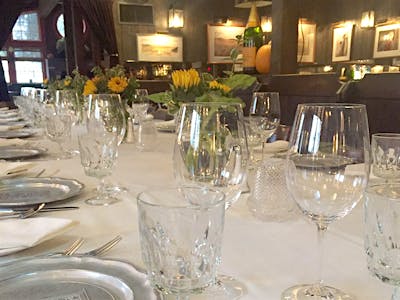
Bars in Bantam
Browse all →
Hotels in Bantam
Browse all →
Wineries in Bantam
Browse all →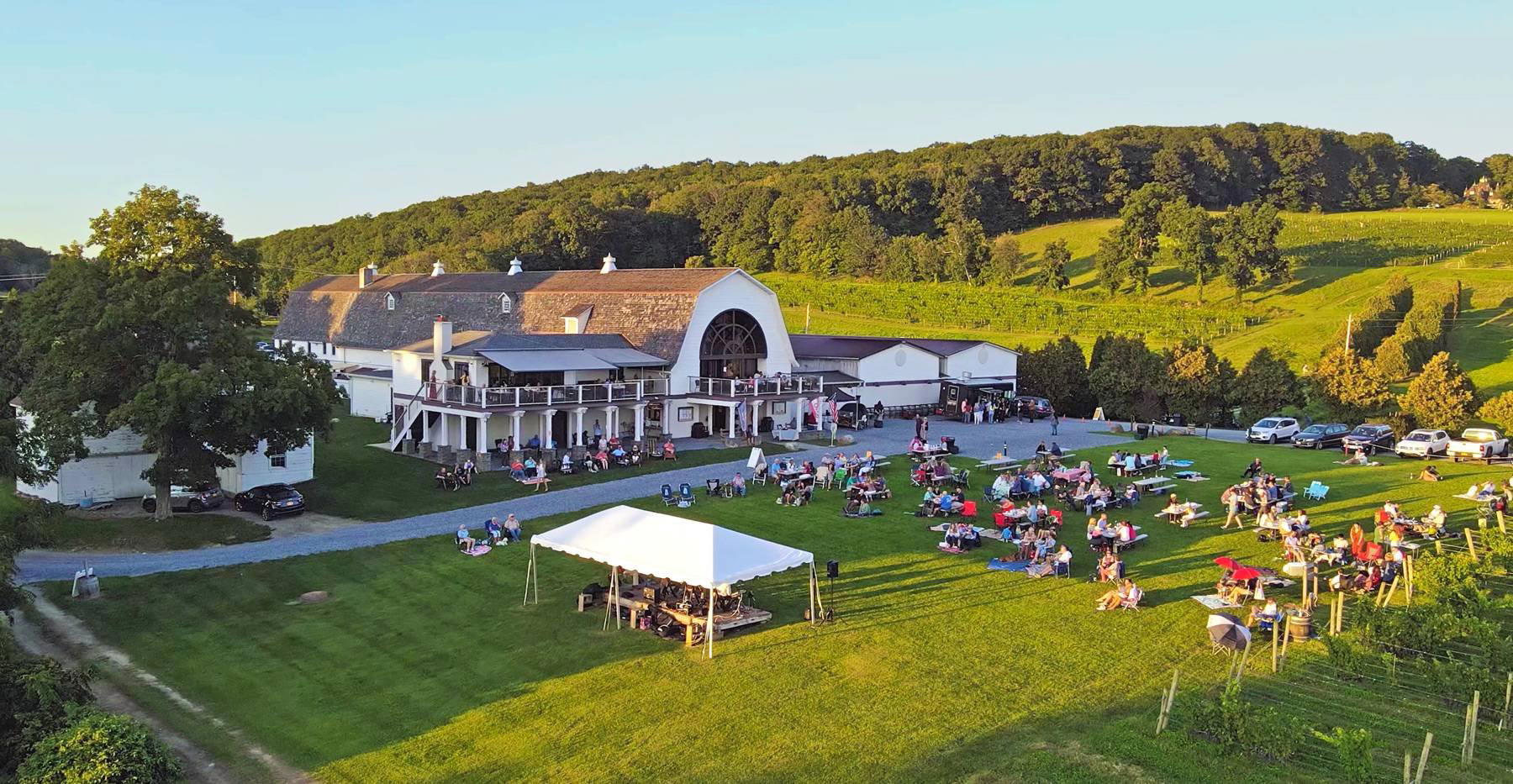
Details
- Rustic
- Elegant
- Cozy
- Scenic
- Date Night
- Special Occasion
- Standalone
- Craft Cocktails
- Farm To Table
- Local Sourcing
- A La Carte
- Vegetarian Friendly
- Vegan Options
- Gluten Free Options
Current opening hours
- Monday
- 10:30 AM–6 PM
- Tuesday
- 10:30 AM–6 PM
- Wednesday
- 10:30 AM–6 PM
- Thursday
- 10:30 AM–6 PM
- Friday
- 10:30 AM–8 PM
- Saturday
- 10:30 AM–8 PM
- Sunday
- 10:30 AM–6 PM
Hours can change for holidays and private events. Last verified .
Cozy and elegant atmosphere in a former village general store, featuring creative farm-to-table dishes with warm, comfortable modern American presentation.