Lost Fox inn
Lost Fox inn belongs to Litchfield’s country-road dining conversation, where farm proximity matters as much as plate style. With no public awards, price band, chef, or menu format listed, the useful read is contextual: expect a rural Connecticut address to be judged against ingredient access, seasonality, and the quieter standards set by the county’s established kitchens.
Pearl is the En Primeur Club membership app — saves, bookings, and concierge access live there. Same editors, same standards.
- Address
- 571 Torrington Rd, Litchfield, CT 06759
- Phone
- (860) 222-0855
- Website
- lostfoxinn.com
- Directions
- Get directions
 Saves & bookings on Pearl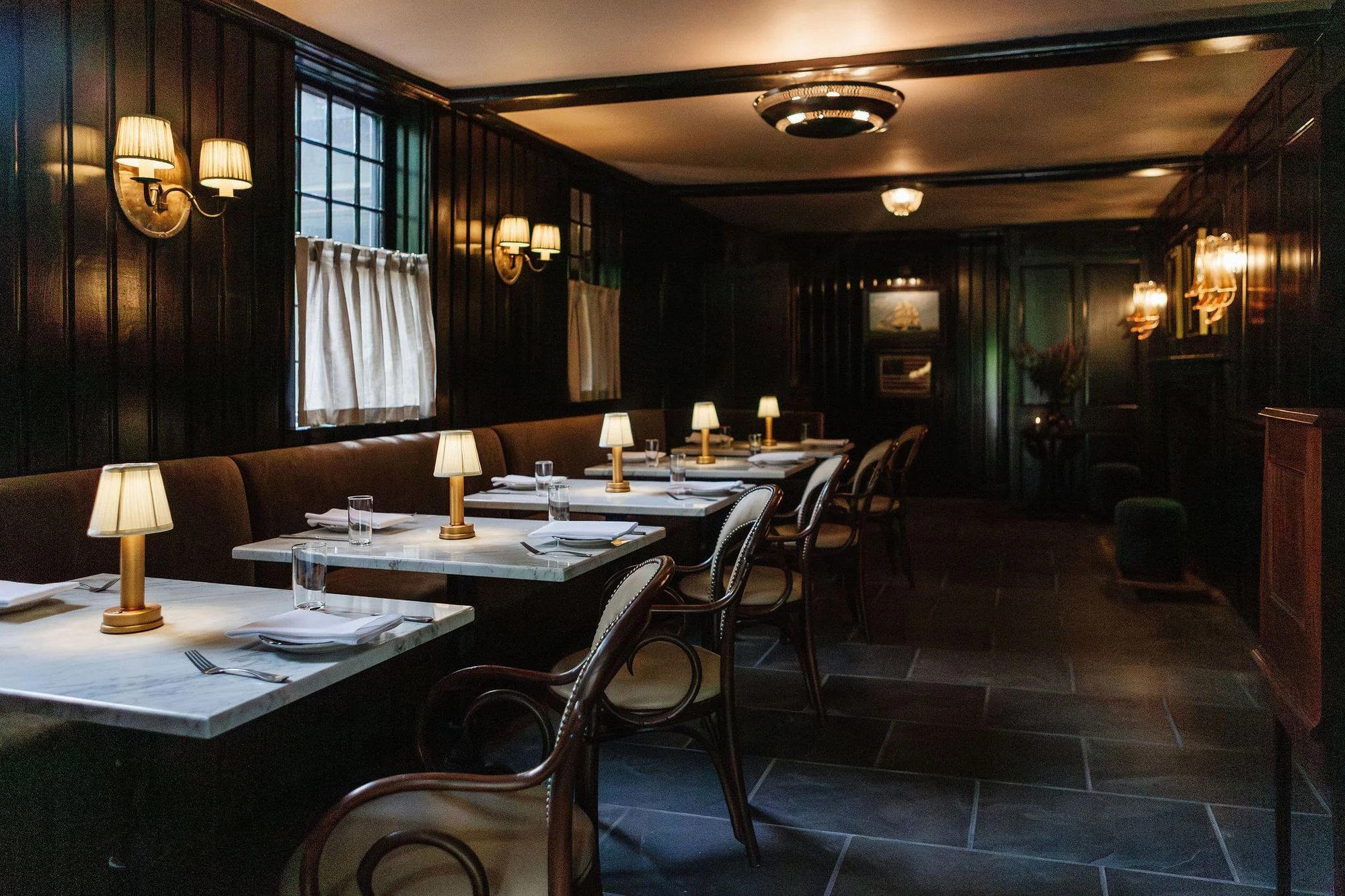
The approach to rural Litchfield dining is rarely urban in tempo. Roads narrow, farm fields interrupt the map, and the meal is framed before the first course by Northwest Connecticut’s agricultural cadence. Lost Fox inn sits in Litchfield, a setting that places it inside the county’s most persuasive food argument: in this part of Connecticut, sourcing is not a slogan but a geographic advantage, with dairy farms, orchards, maple producers, vegetable growers, and pasture-raised meat all within the regional orbit.
That matters because Litchfield County has spent years building a dining identity around proximity. The stronger kitchens here tend to read the season closely rather than chase metropolitan novelty. Spring favors greens and dairy; summer pushes berries, corn, tomatoes, and herbs into the foreground; autumn brings apples, squash, game-friendly sauces, and deeper pantry work. A country inn in this setting is judged less by theatrical plating than by whether it understands that rhythm.
A country-road address in a farm-driven county
Litchfield’s dining scene splits into a few clear lanes: village-center restaurants, destination farm properties, tavern-style rooms, and inns that depend on weekend traffic as much as local repeat business. Lost Fox inn belongs to the inn-and-country-road side of that map, a format with different expectations from a town-center dining room such as West Street Grill. The question is not which room is more formal; it is whether the meal feels anchored to the surrounding county rather than imported from a generic New England template.
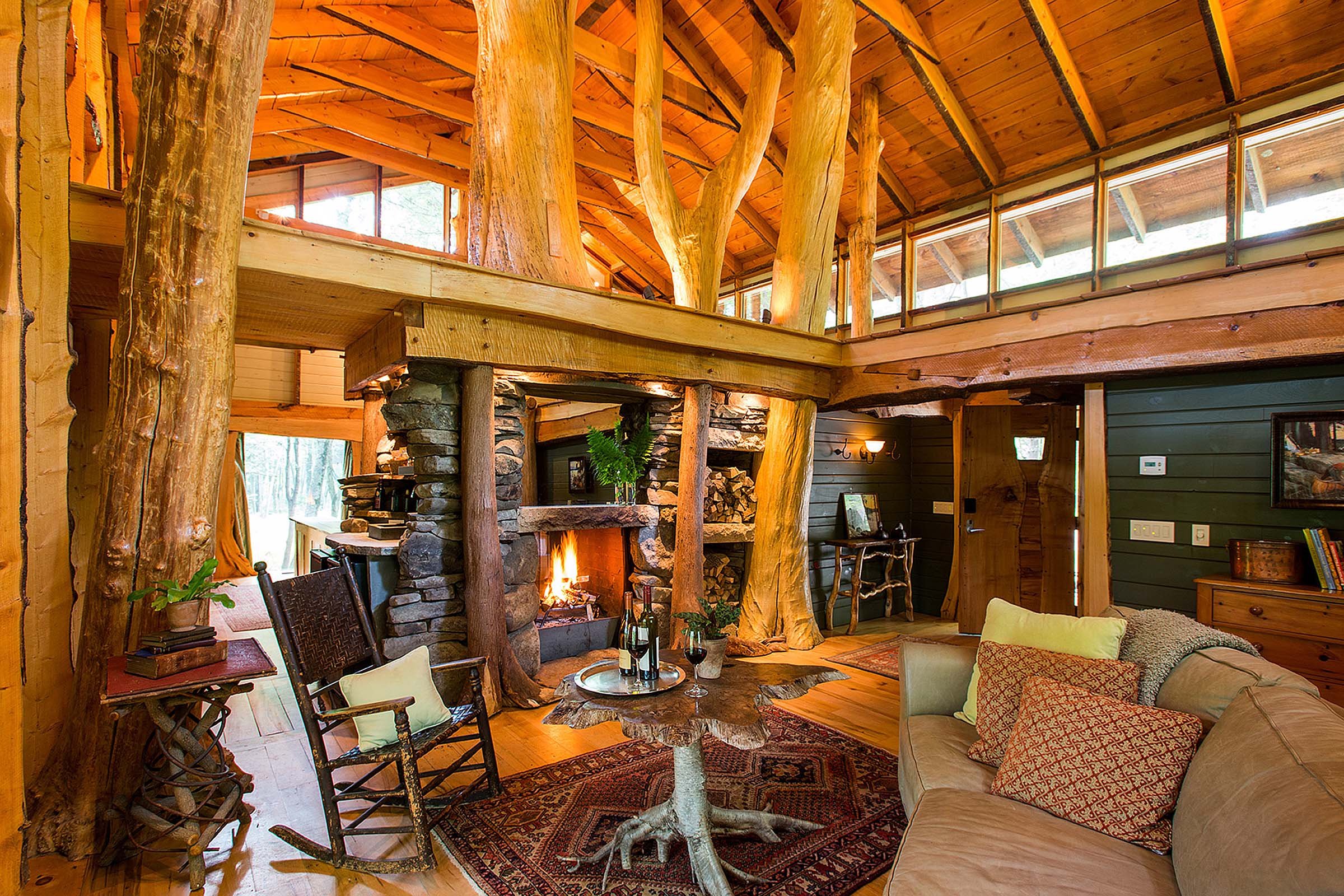
The broader competitive set helps clarify the standard. Arethusa Farm and Arethusa al tavolo sit within the area’s wider dining vocabulary, while the Restaurant at Winvian Farm represents another destination point in the county. Against that backdrop, a place like Lost Fox inn is read through restraint: local sourcing, a room suited to the countryside, and a menu that can absorb seasonal shifts without turning every dish into a manifesto.
Public listing data gives Lost Fox inn a strong reader-facing signal. That changes the way it should be evaluated: not through chef celebrity or a declared ranking, but through whether the experience delivers on the promise implied by that local reputation. In Litchfield, the more useful test is whether the kitchen makes the county legible on the plate: dairy with character, produce that follows the calendar, meats and grains that feel regionally plausible, and cooking that does not bury those inputs under excess technique.
Where sourcing carries more weight than spectacle
Ingredient sourcing is the serious lens here. Litchfield County’s agricultural base gives restaurants a structural advantage over many suburban dining markets: the supply chain can be short, seasonal, and personal without needing to advertise itself loudly. That does not guarantee quality, but it raises the burden of proof. A restaurant in this county has less excuse for anonymous produce or a menu that is dropped into any commuter town from elsewhere in Connecticut.
For travelers, this makes the category appealing but also uneven. Some rural inns lean on atmosphere and underdeliver on the plate; others use the slower setting to cook with more specificity than a city restaurant paying city rent. Lost Fox inn should be considered in that second conversation only if the meal reflects the county’s materials rather than merely its scenery. The distinction matters for readers planning a food-led weekend: the room may set the mood, but sourcing determines whether the stop belongs in a serious itinerary.
Litchfield also rewards comparison by mood and format. A village restaurant suits a tighter lunch or dinner plan; a farm property asks for more time; an inn can work when the meal is part of a broader countryside day. Readers mapping the area can use our full Litchfield restaurants guide for dining context, then widen the trip through our full Litchfield hotels guide, our full Litchfield bars guide, our full Litchfield wineries guide, and our full Litchfield experiences guide. The county works better as a linked itinerary than as a single-table chase.
How to read Lost Fox inn within a wider food map
The wider EP Club map shows how local identity changes from place to place: some dining rooms frame their appeal through beverage culture, others through a compact staple, casual neighborhood demand, or a produce-forward regional context. Litchfield’s equivalent signal is agricultural proximity. That is the lens that separates a convincing country meal from a merely pretty room.
Other regional identities make the same point differently, with each dining market sitting inside its own culinary grammar. Lost Fox inn’s grammar is Connecticut countryside: measured, seasonal, and credible only when the kitchen lets local supply shape the meal.
The editorial verdict is cautious but useful. Lost Fox inn is a Litchfield address to assess through sourcing discipline, countryside context, and its strong public rating signal rather than chef celebrity or a publicly listed price tier. For a traveler already building a Northwest Connecticut weekend, it belongs on the research list if the goal is a meal tied to the county’s farms and roads rather than a high-gloss destination format.
How Lost Fox inn Litchfield compares with similar nearby venues.
| Venue | Cuisine |
|---|---|
| Restaurant at Winvian Farm | American Farmhouse |
Continue exploring
More in Litchfield
Restaurants in Litchfield
Browse all →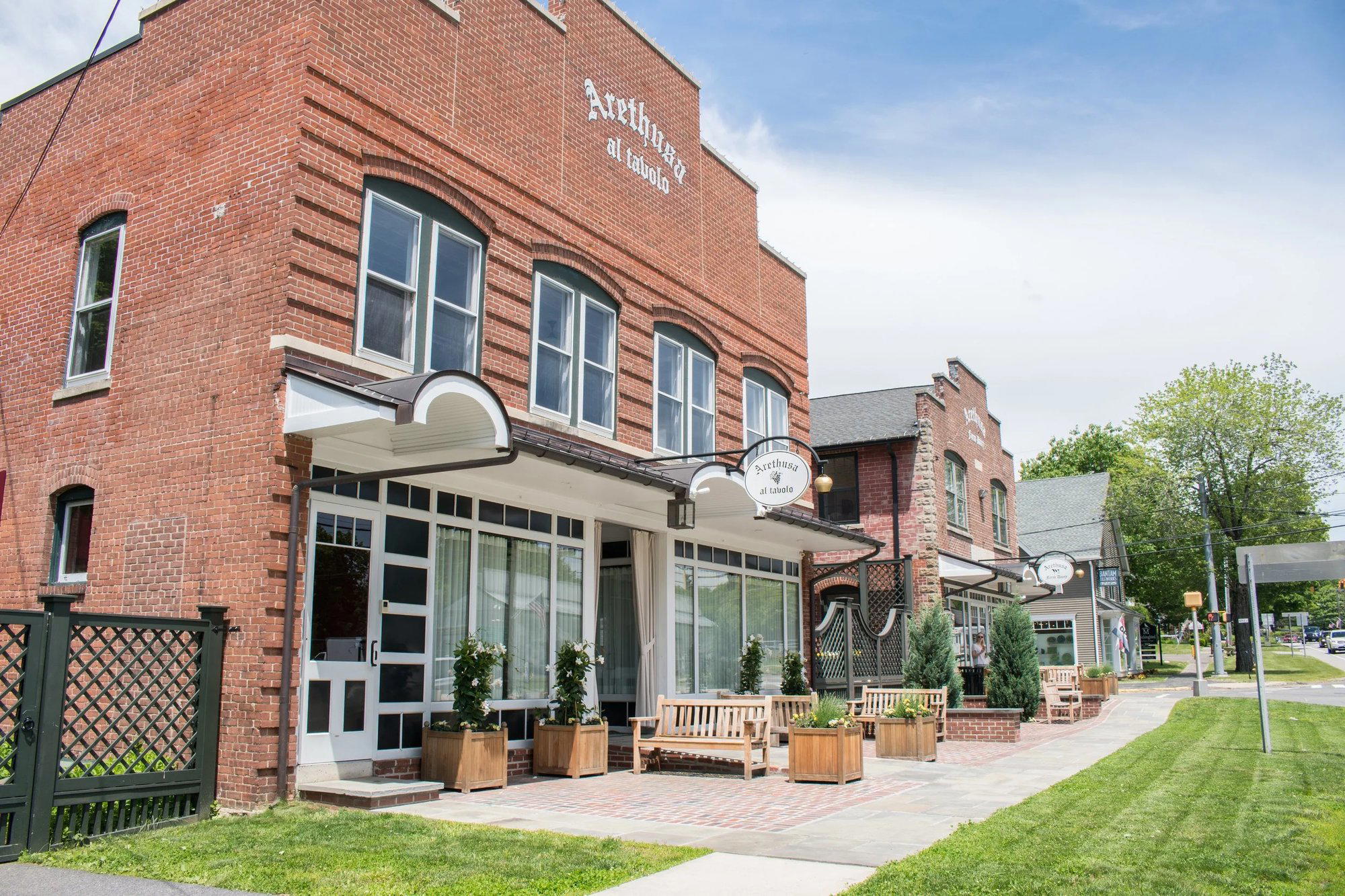
Bars in Litchfield
Browse all →

At a Glance
- Cozy
- Elegant
- Classic
- Rustic
- Romantic
- Date Night
- Celebration
- Special Occasion
- Group Dining
- Private Event
- Private Dining
- Historic Building
- Design Destination
- Hotel Restaurant
- Craft Cocktails
- Local Sourcing
- Farm To Table
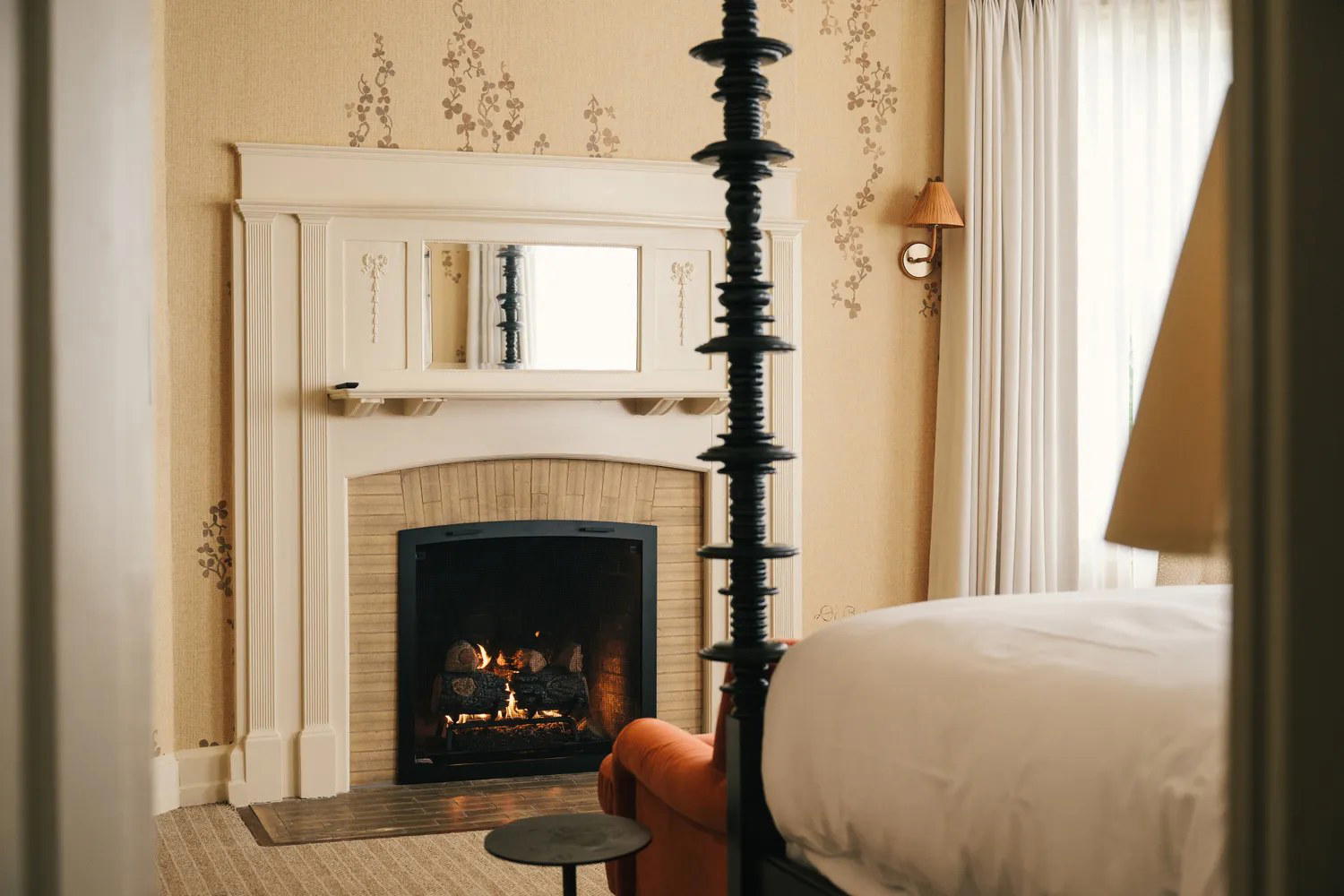
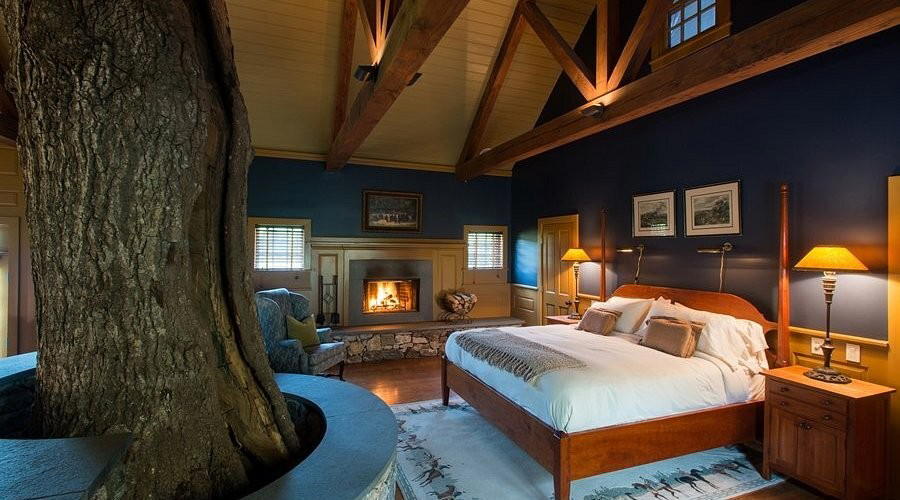
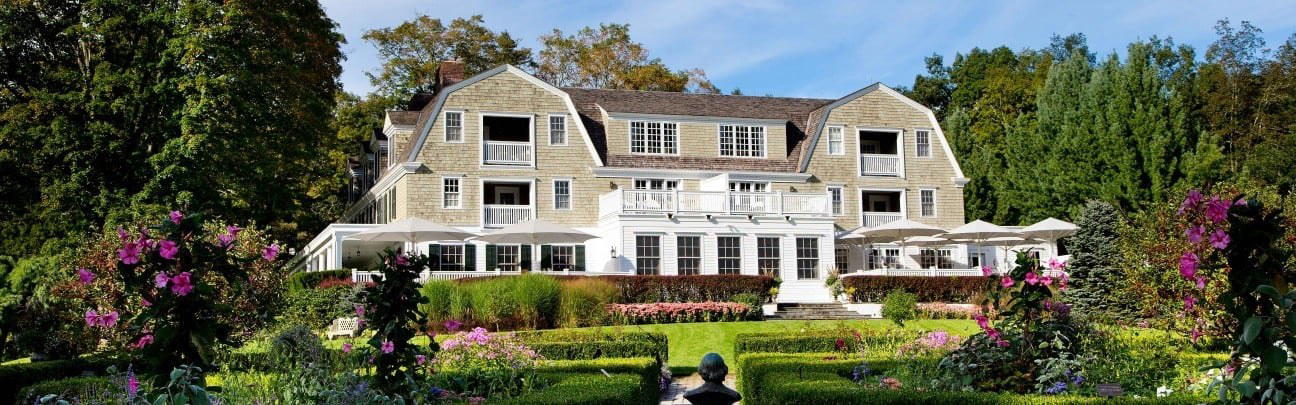
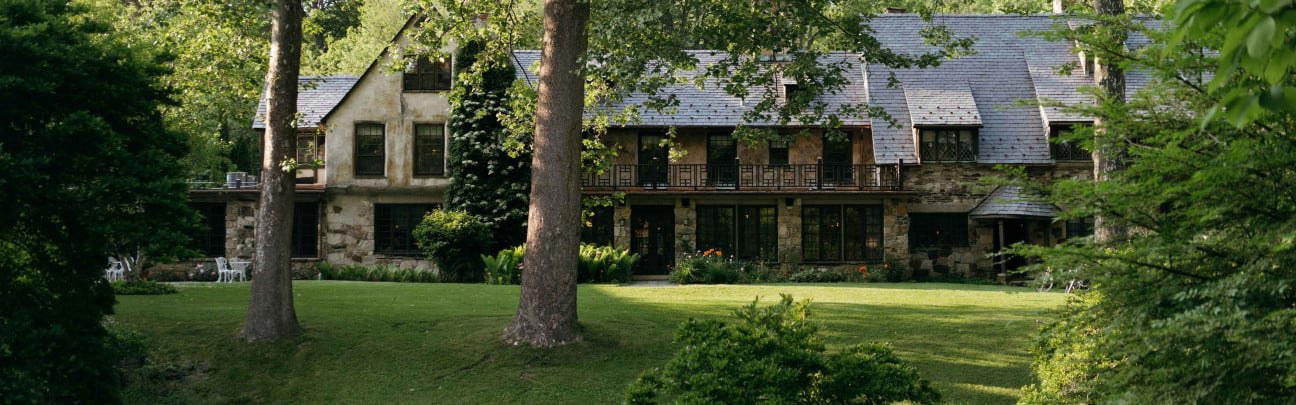
Refined yet cozy tavern atmosphere in a historic colonial building, with fireplaces, warm lighting, and a polished but relaxed boutique-hotel feel.
Know Before You Go
- Reservations
- Recommended
- Dress code
- Smart casual
- Getting there
- 571 Torrington Rd, Litchfield, CT 06759