Jewel of Himalaya
Jewel of Himalaya brings Himalayan and South Asian cooking to Newtown, Connecticut, occupying a spot at 266 South Main Street where the cuisine speaks to a broader regional tradition rarely represented in Fairfield County. For residents and visitors seeking something outside the area's Italian and American defaults, it functions as a dependable local reference point for this corner of the Northeast dining map.
Pearl is the En Primeur Club membership app — saves, bookings, and concierge access live there. Same editors, same standards.
- Address
- 266 S Main St, Newtown, CT 06470
- Phone
- +12033049383
- Website
- himalayarestaurantct.com
- Directions
- Get directions
 Saves & bookings on Pearl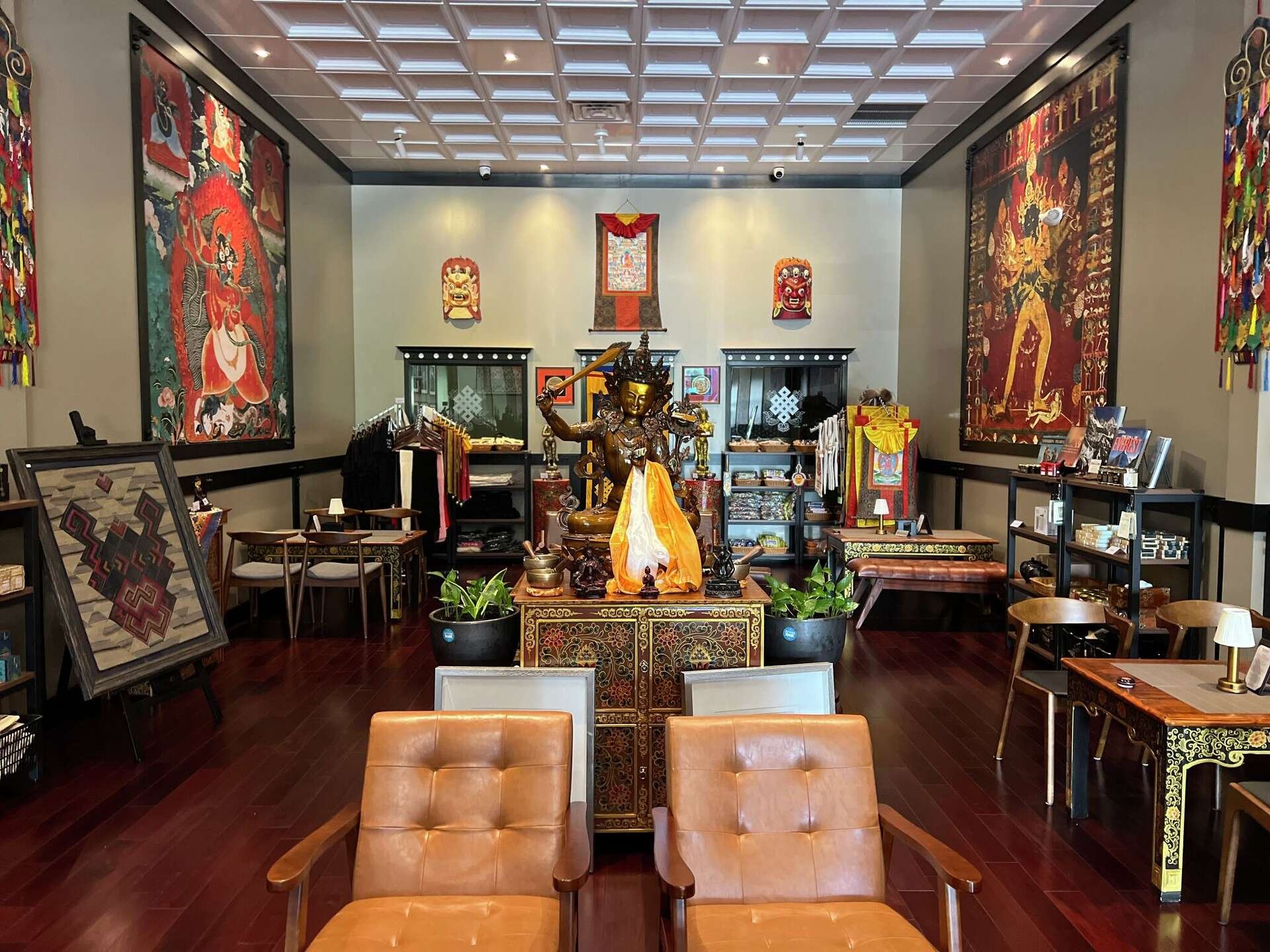
A Cuisine Built on Altitude and Distance
The Himalayan culinary tradition is among the more geographically constrained food cultures represented in American dining. Shaped by altitude, trade routes, and the layered influences of Tibetan, Nepali, and North Indian cooking, it produces a set of flavors and techniques that sit apart from the South Asian mainstream. Spicing tends toward warmth rather than heat, fermented ingredients appear where fresh ones historically could not reach, and slow-cooked preparations reflect the practical demands of high-elevation cooking. When that tradition translates to a small Connecticut town, the question is always how faithfully the sourcing and preparation hold up against the original regional logic.
Jewel of Himalaya is a casual Himalayan Indian Nepali restaurant at 266 S Main St in Newtown, Connecticut. It sits in a part of Fairfield County where the dining options run heavily toward Italian-American and contemporary bar food. That context matters. A Himalayan kitchen in this setting is not competing against a dense urban comparable set of similar restaurants; it is, in many respects, defining the category for its immediate geography. That position carries both opportunity and responsibility in how the food is presented and sourced.
What Himalayan Sourcing Actually Means in Connecticut
Ingredient sourcing is where Himalayan cuisine in the American Northeast faces its sharpest test. The pantry that defines the tradition at its origin relies on items that are difficult to replicate locally: high-altitude lentils, Nepali spice blends, timur (Himalayan pepper), gundruk (fermented leafy greens), and varieties of dried meat that carry specific provenance. Serious Himalayan kitchens in the United States tend to source these items through specialist importers, most concentrated in New York City's Jackson Heights neighborhood or through the small but established Nepali grocery networks that serve communities in Connecticut, Massachusetts, and New Jersey.
The integrity of the resulting plate depends heavily on this supply chain. When timur arrives fresh from an importer rather than substituted with a generic Sichuan peppercorn, it reads differently on the palate: more citrus-forward, less numbing. When gundruk is house-fermented rather than omitted, dishes like gundruk soup carry an umami depth that changes the character of the entire meal. These are not minor distinctions; they are what separates a kitchen genuinely working in the tradition from one borrowing its aesthetic. Newtown's distance from major metropolitan supply chains makes consistent execution of this kind of sourcing a genuine operational challenge, and the commitment a kitchen shows to solving that challenge is one reliable indicator of ambition.
Restaurants across the country working in similar territory, from Blue Hill at Stone Barns in Tarrytown to Single Thread Farm in Healdsburg, have demonstrated that sourcing discipline and geographic specificity can define a restaurant's identity as clearly as any technique. In those cases the produce comes from within walking distance. Himalayan cuisine asks a different kind of sourcing commitment, one measured in supply chain depth rather than farm adjacency.
The South Main Street Setting
Newtown's downtown corridor along South Main Street is a mix of independent retail, casual dining, and the kind of New England civic architecture that defines small Connecticut towns. The street is walkable from the town green, and the mix of residents and commuters passing through creates a regular weekday trade for neighborhood restaurants. For a cuisine like Himalayan, which benefits from repeat visits to understand the menu's range and the kitchen's strengths, a neighborhood setting has clear advantages over the high-turnover tourist traffic of larger markets.
The presence of both Gigi Pizzeria and Rising Sun Workshop within Newtown's dining scene suggests a local appetite for independent, category-specific restaurants alongside the expected chain options. Jewel of Himalaya occupies a distinct lane within that local map.
Himalayan Cooking in the Broader American Dining Scene
The national conversation around ambitious American dining has centered for years on restaurants operating at price points and ambition levels far above what most neighborhoods can support. Places like Le Bernardin in New York City, Alinea in Chicago, The French Laundry in Napa, Lazy Bear in San Francisco, and Atomix in New York City represent a tier of dining that demands significant investment and advance planning from diners. That tier matters for benchmarking technique and ambition, but it is not where most diners eat most of the time.
More instructive comparison for a restaurant like Jewel of Himalaya is with a different pattern: specialist ethnic kitchens in mid-sized American cities and smaller towns that carry a culinary tradition with authenticity and rigor without operating at fine dining price points. Causa in Washington, D.C. demonstrates how a specific regional cuisine (Peruvian, in that case) can establish a serious identity within a competitive urban market. Bacchanalia in Atlanta and Brutø in Denver each show how regional American markets can support restaurants with genuine culinary ambition outside the coastal fine dining centers.
Himalayan category in particular remains underdeveloped relative to the depth of the cuisine. Nepalese and Tibetan cooking has found footholds in cities with established South Asian communities, particularly New York, where the Jackson Heights and Woodside neighborhoods have supported Himalayan restaurants for decades. Outside those clusters, the cuisine's representation thins quickly. That makes any Himalayan kitchen in a small Connecticut town something worth tracking for how it maintains standards without the competitive pressure of a denser market.
Planning a Visit
The restaurant is located at 266 South Main Street, Newtown, Connecticut 06470. Newtown is accessible by car from Hartford, Bridgeport, and the western Connecticut suburbs, placing it within reasonable reach of a significant regional population. For those traveling from New York, the drive through Fairfield County typically runs around 80 miles from Midtown Manhattan, making it more practical as a destination for local residents than for city-based visitors making a dedicated trip. Hours are Tuesday through Saturday 11:30 AM to 3 PM and 5 PM to 9:30 PM, Sunday 1 PM to 8:30 PM, and Monday closed. Reservations are recommended.
Comparable Venues
Comparable venues nearby, for context on price, style, and recognition.
| Venue | Cuisine | Price | Notes |
|---|---|---|---|
| Jewel of HimalayaThis venue — the venue you are viewing | Himalayan Indian Nepali | $$ | Not listed |
| Jewel of Himalaya, Newtown CT | lounge | $$$ | Newtown |
| Athithi Indian Cuisine | Authentic Indian Cuisine | $$ | Gateway Plaza |
| Claire's Corner Copia | Vegetarian Bakery Cafe | $$ | Downtown |
| Bistro V | Classic French Bistro & Patisserie | $$ | Greenwich Avenue |
| PRIME BGR | Gourmet Burgers & Craft Beer Gastropub | $$ | Downtown New Haven |
Continue exploring
More in Newtown
Restaurants in Newtown
Browse all →

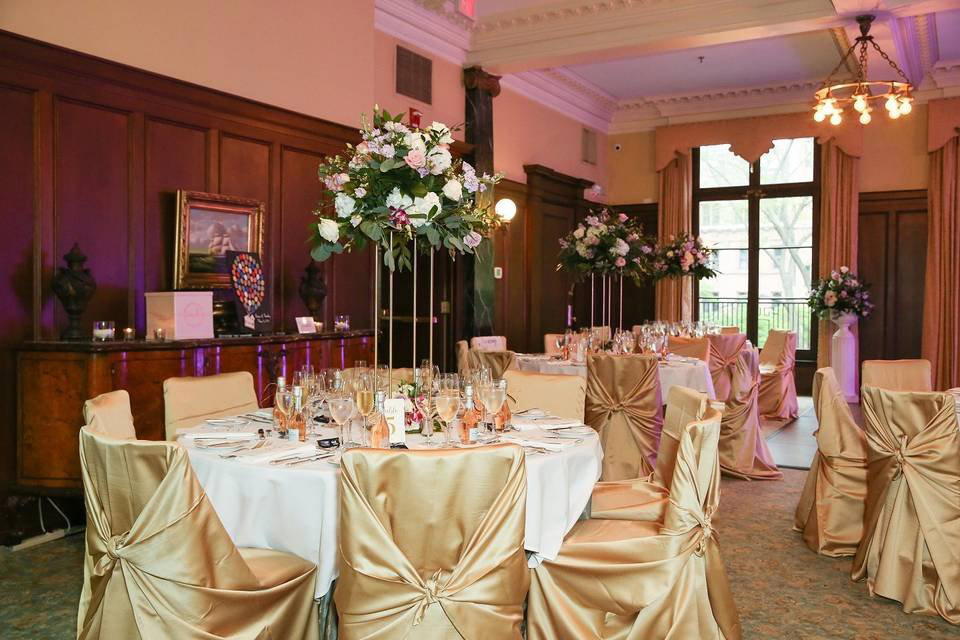
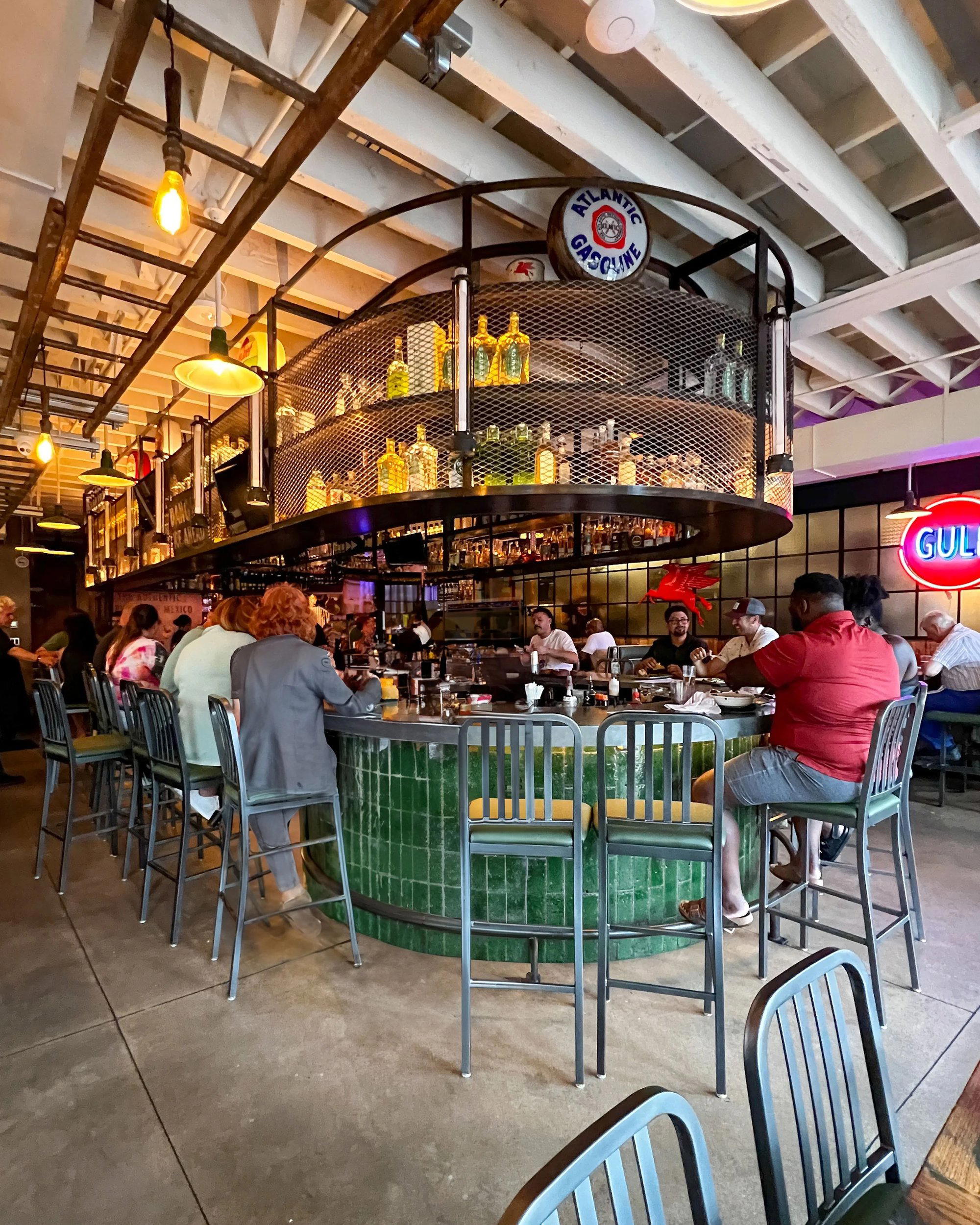
Bars in Newtown
Browse all →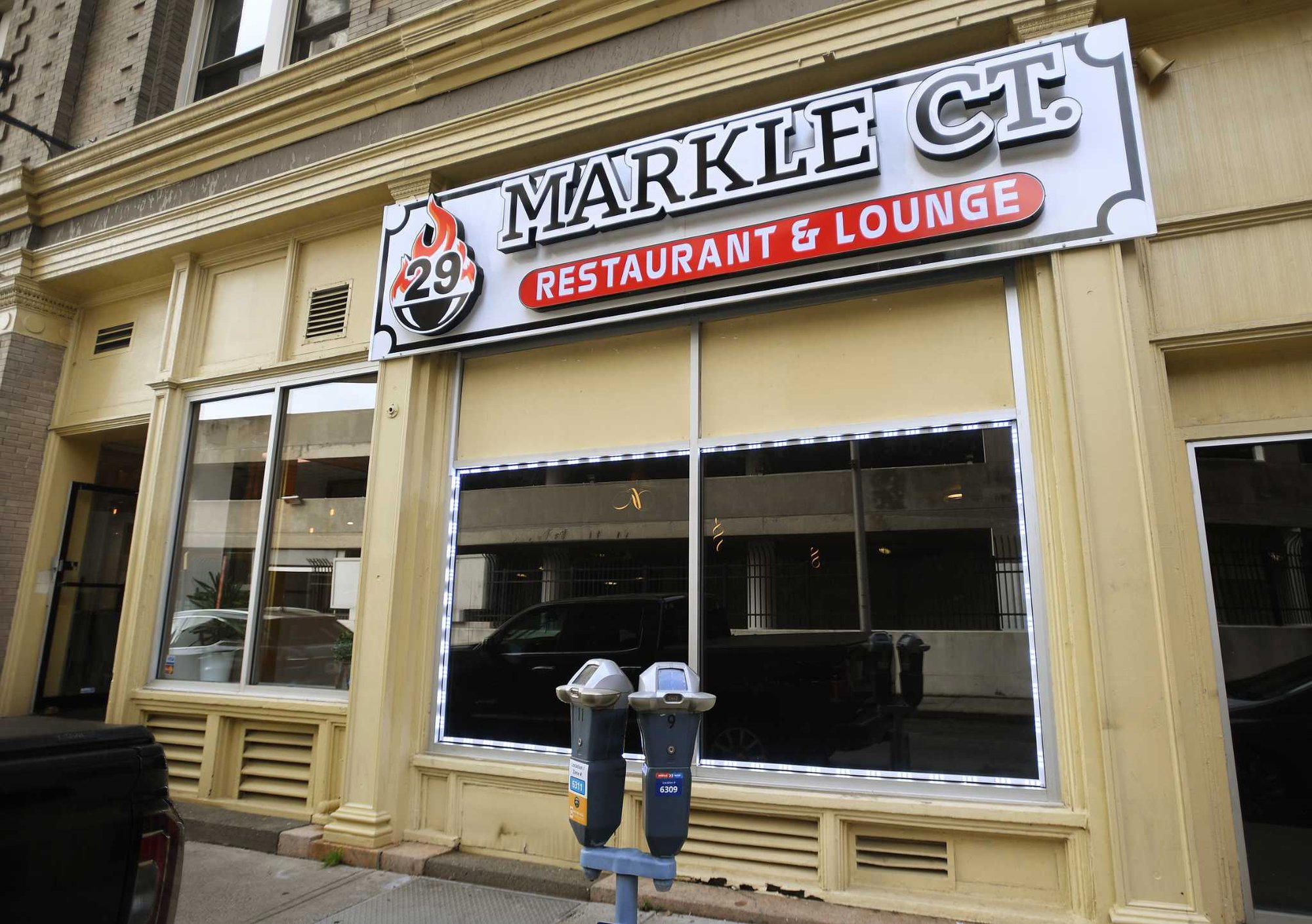
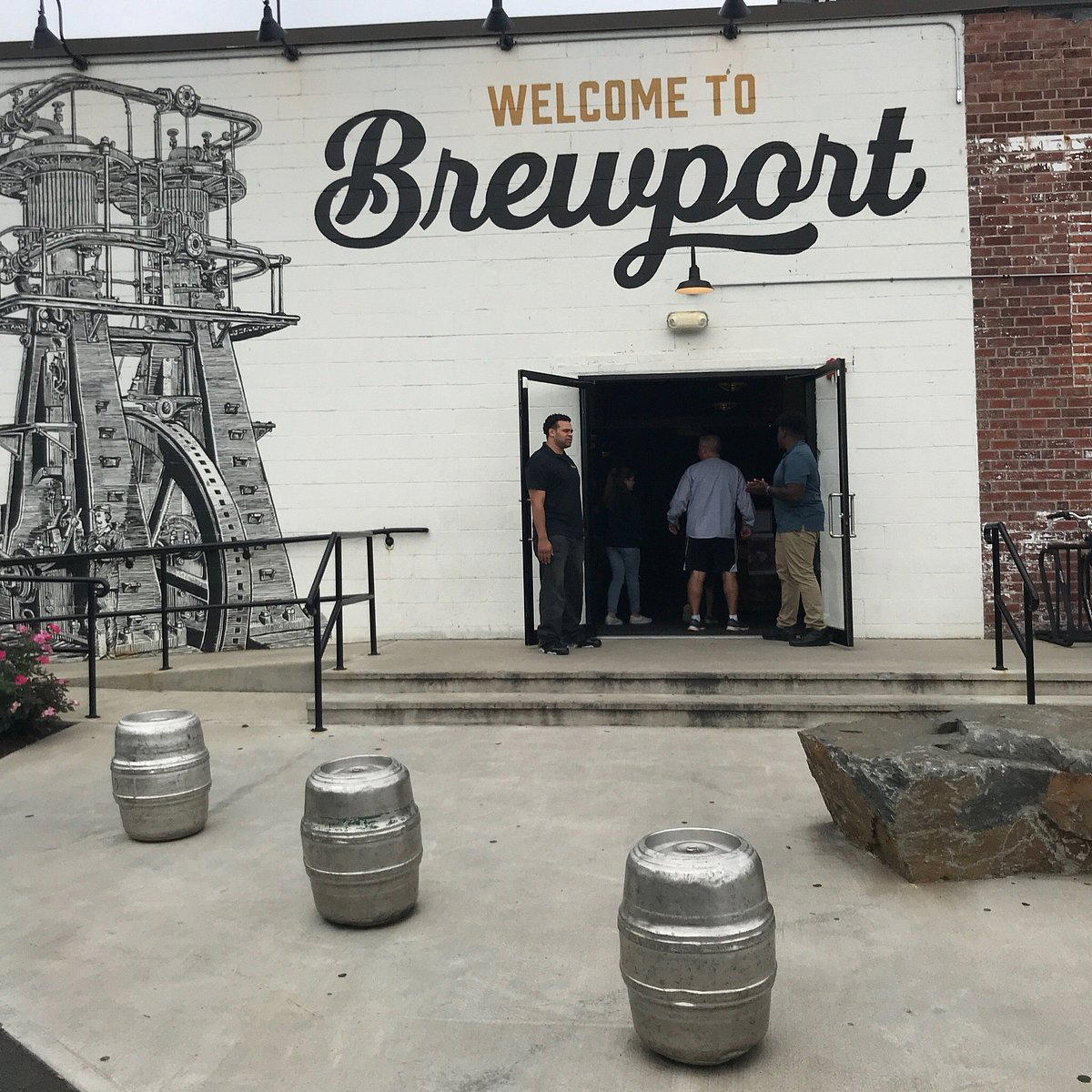
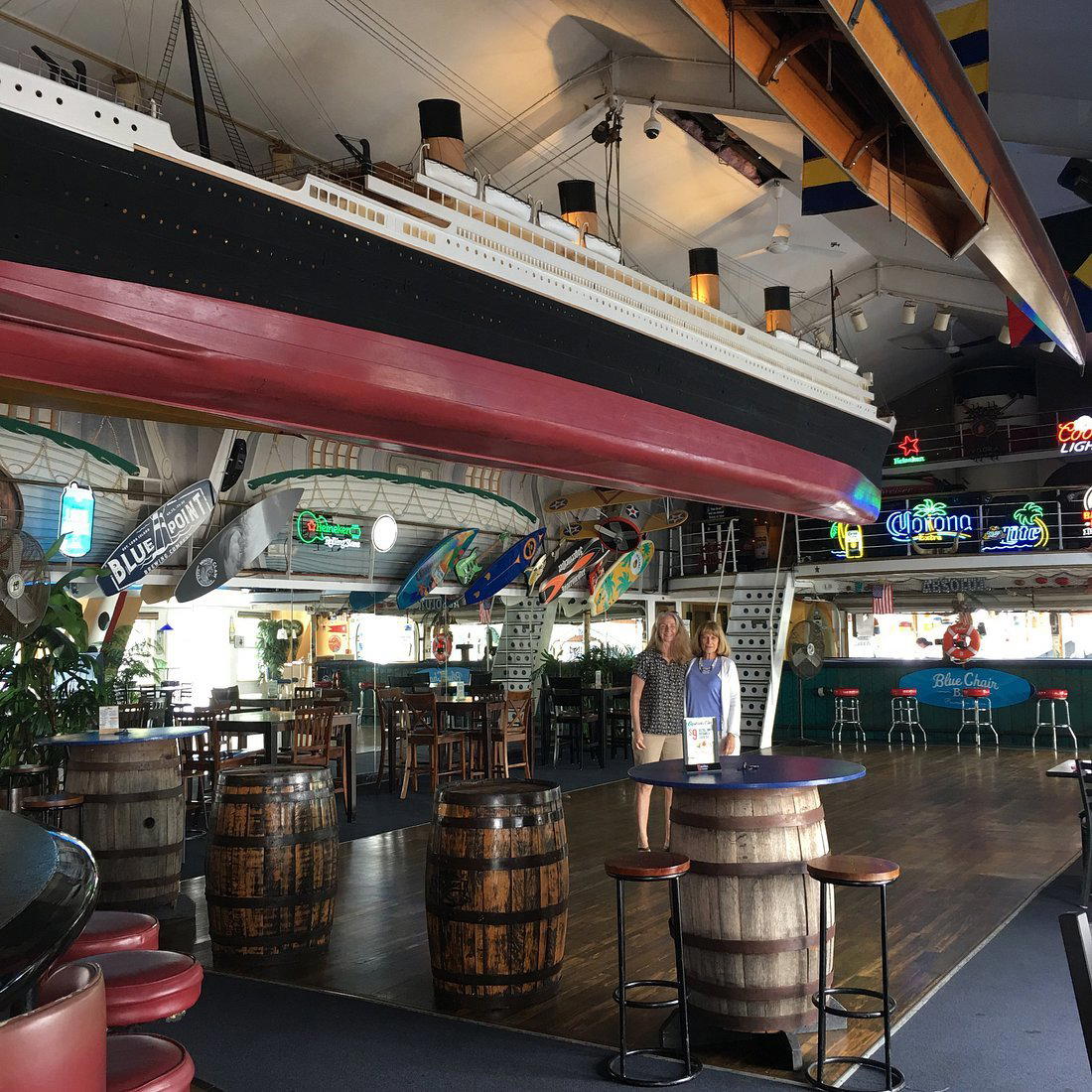
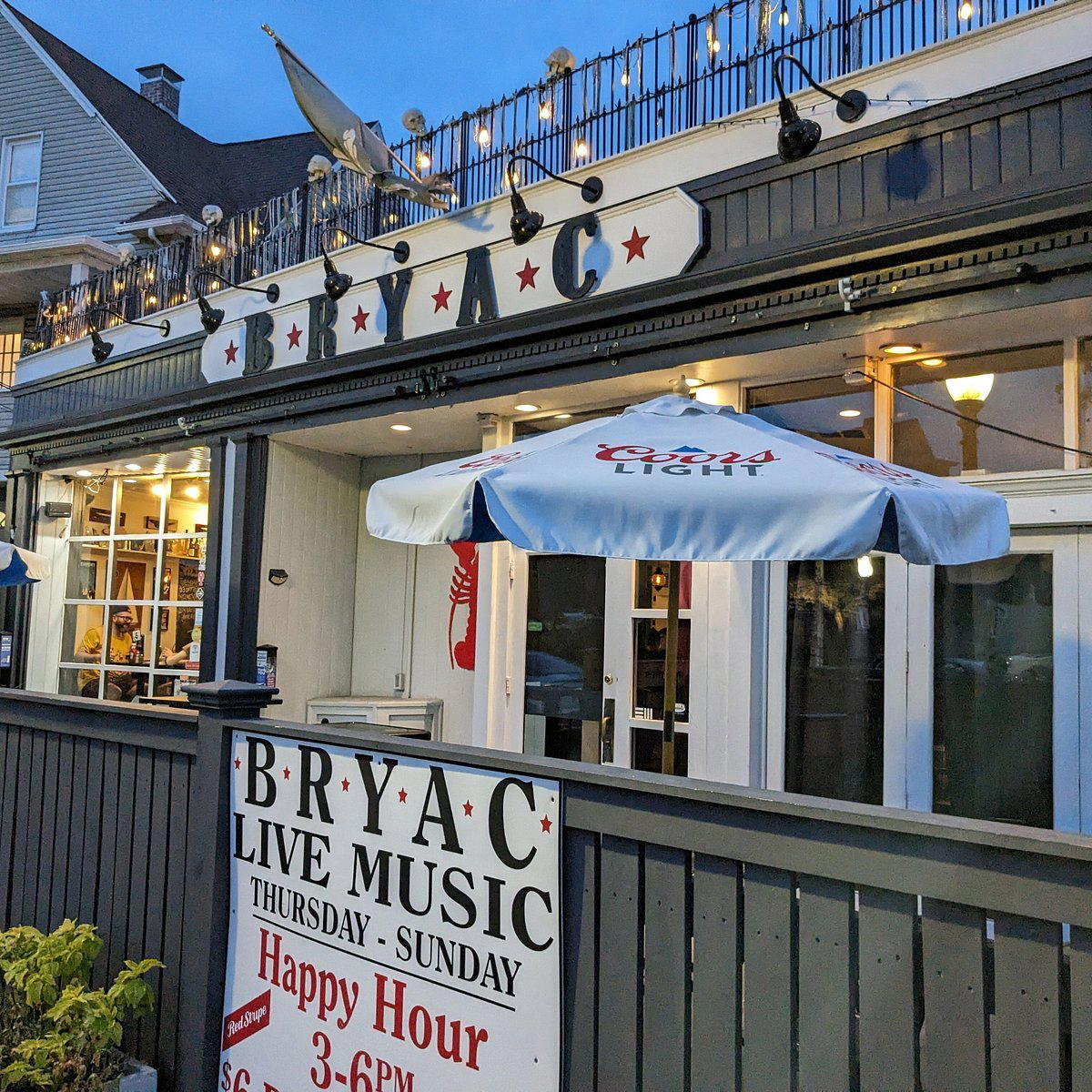
Hotels in Newtown
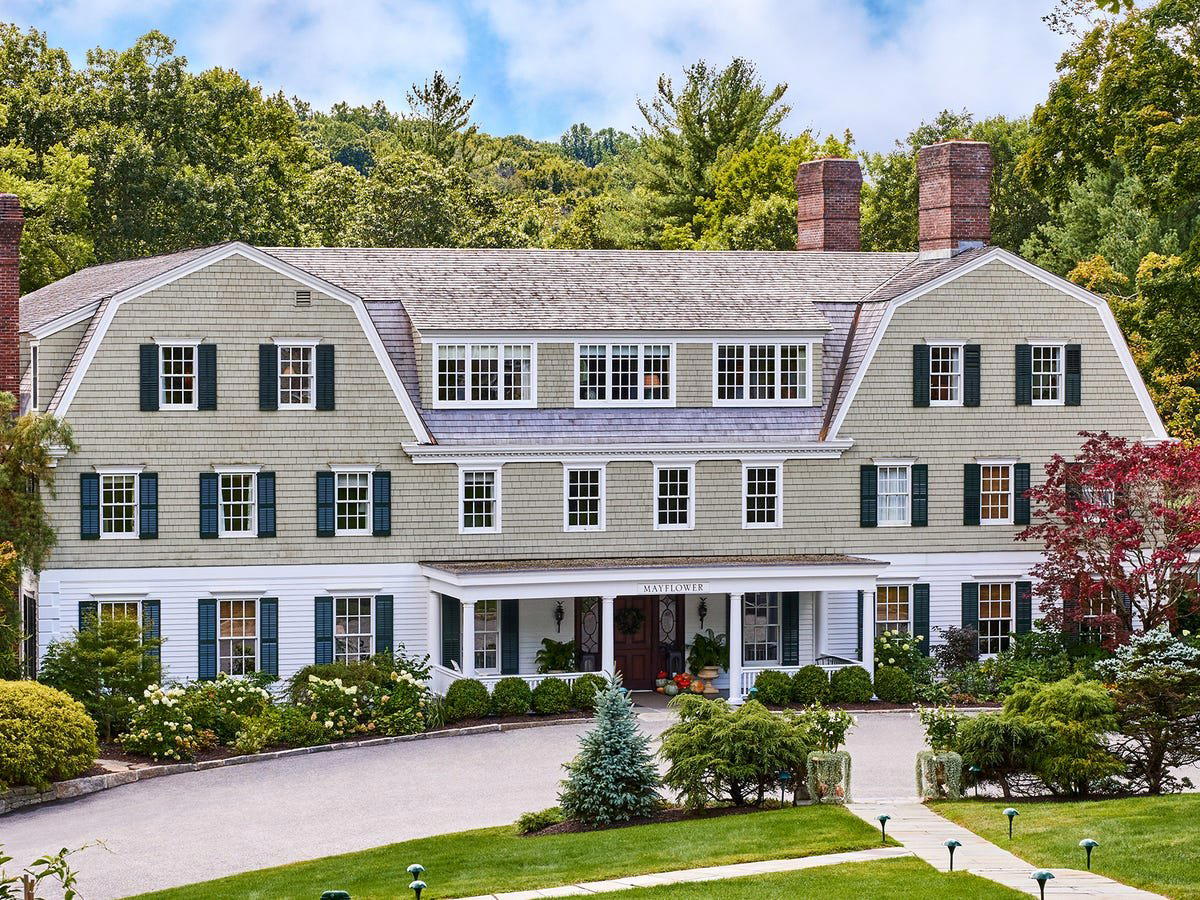
Browse all →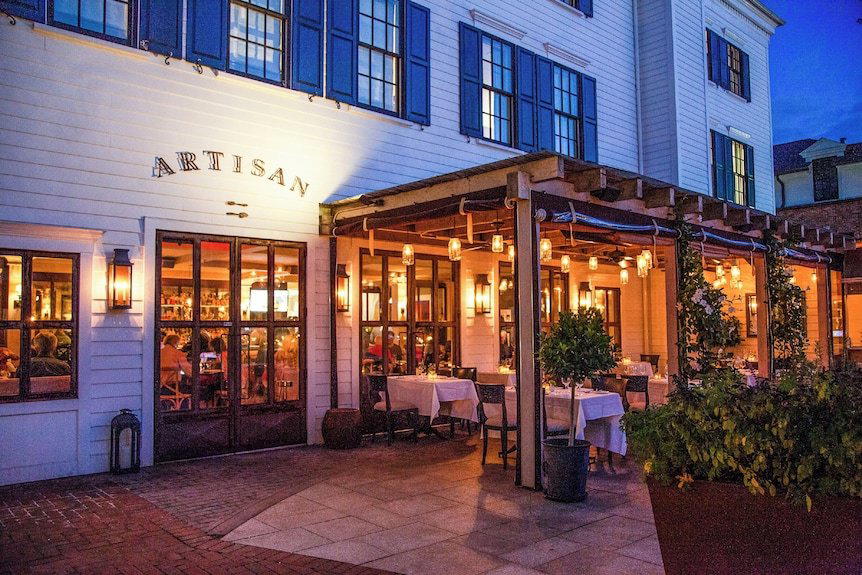

At a Glance
- Cozy
- Elegant
- Date Night
- Family
- Open Kitchen
- Beer Program
Current opening hours
- Monday
- Closed
- Tuesday
- 11:30 AM–3 PM, 5–9:30 PM
- Wednesday
- 11:30 AM–3 PM, 5–9:30 PM
- Thursday
- 11:30 AM–3 PM, 5–9:30 PM
- Friday
- 11:30 AM–3 PM, 5–9:30 PM
- Saturday
- 11:30 AM–3 PM, 5–9:30 PM
- Sunday
- 1–8:30 PM
Hours can change for holidays and private events. Last verified .
Beautiful space with stylish decor, beautiful paintings, and a beautiful bar; calm atmosphere with moderate noise.