Aotori

Counter yakitori in Østerbro from the team behind Kappo Andō. Eight seats face a binchotan grill turning Danish chicken and seasonal vegetables into skewers, with an offal selection when available and an extensive sake list. Informal tonkatsu specialist Akaton occupies the back room.
Pearl is the En Primeur Club membership app — saves, bookings, and concierge access live there. Same editors, same standards.
- Address
- Øster Farimagsgade 93, Copenhagen, Capital Region, 2100, DNK
- Phone
- +45 29 82 97 46
- Website
- aotori.dk
- Directions
- Get directions
 Saves & bookings on Pearl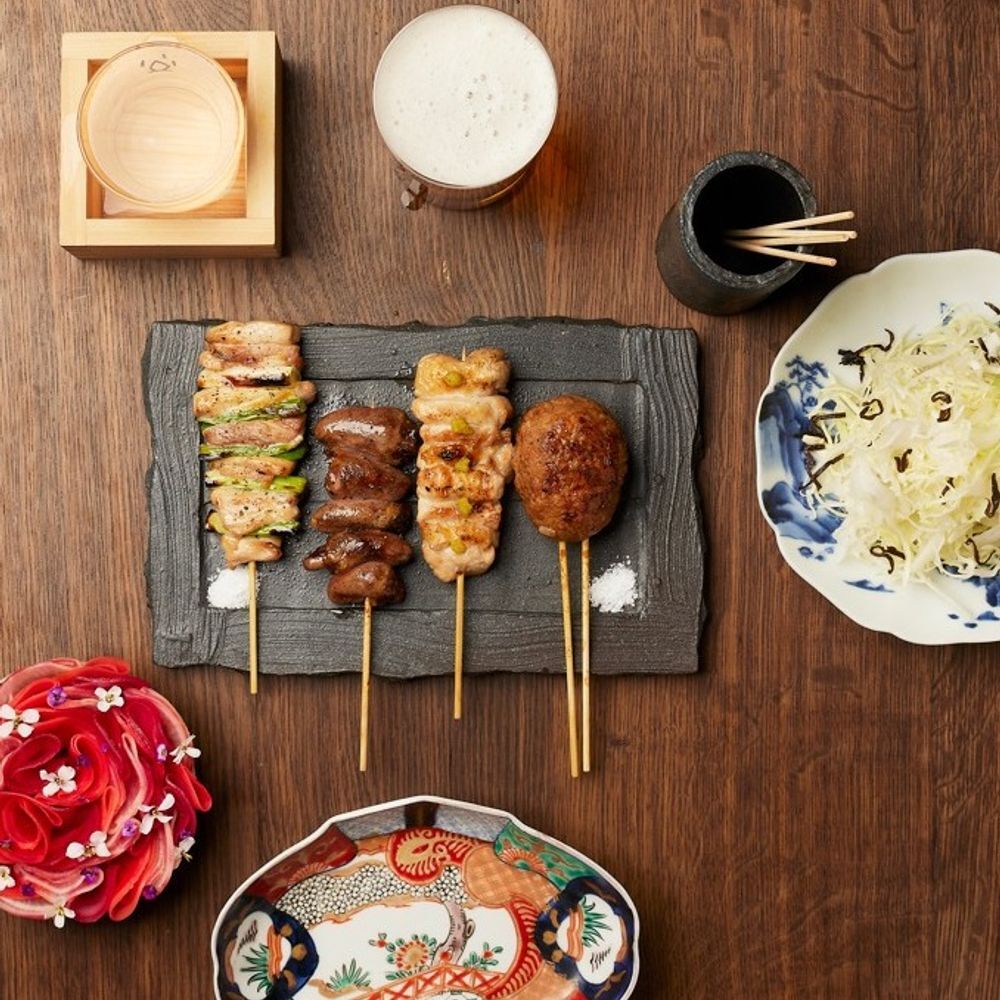
Walk past the same corner site that once housed Kappo Andō and you'll find Aotori, the second yakitori venture from the same team. The eight-seat counter sits directly in front of a binchotan charcoal grill, the kind of setup that turns proximity into theatre and makes smoke part of the meal. This is Østerbro, just outside the city centre, where the address, Øster Farimagsgade 93, places you in a neighbourhood known more for residential calm than culinary density. Copenhagen's restaurant scene has leaned into Japanese formats for years, and yakitori counters represent a narrower, technique-specific lane within that broader turn.
Danish Chicken, Binchotan Heat
Aotori sources Danish chicken for the skewers, a deliberate choice that separates it from import-reliant Japanese kitchens elsewhere in Europe. The cuts, breast, thigh, skin, cartilage, come from local suppliers, and the vegetable selection follows the same logic: seasonal, regional, and cooked over the same charcoal. Offal appears when the supply allows, and when it does, it's worth ordering. The binchotan grill reaches temperatures that standard charcoal can't match, searing skin to a crisp shell while keeping the interior moist. This is the technical baseline for yakitori at this counter format, where the chef works within arm's reach and timing dictates the meal's rhythm. The team's prior experience at Kappo Andō, a Japanese contemporary kitchen that occupied this exact spot, shows in the knife work and pacing, though the menu here is narrower and more anchored to the grill.
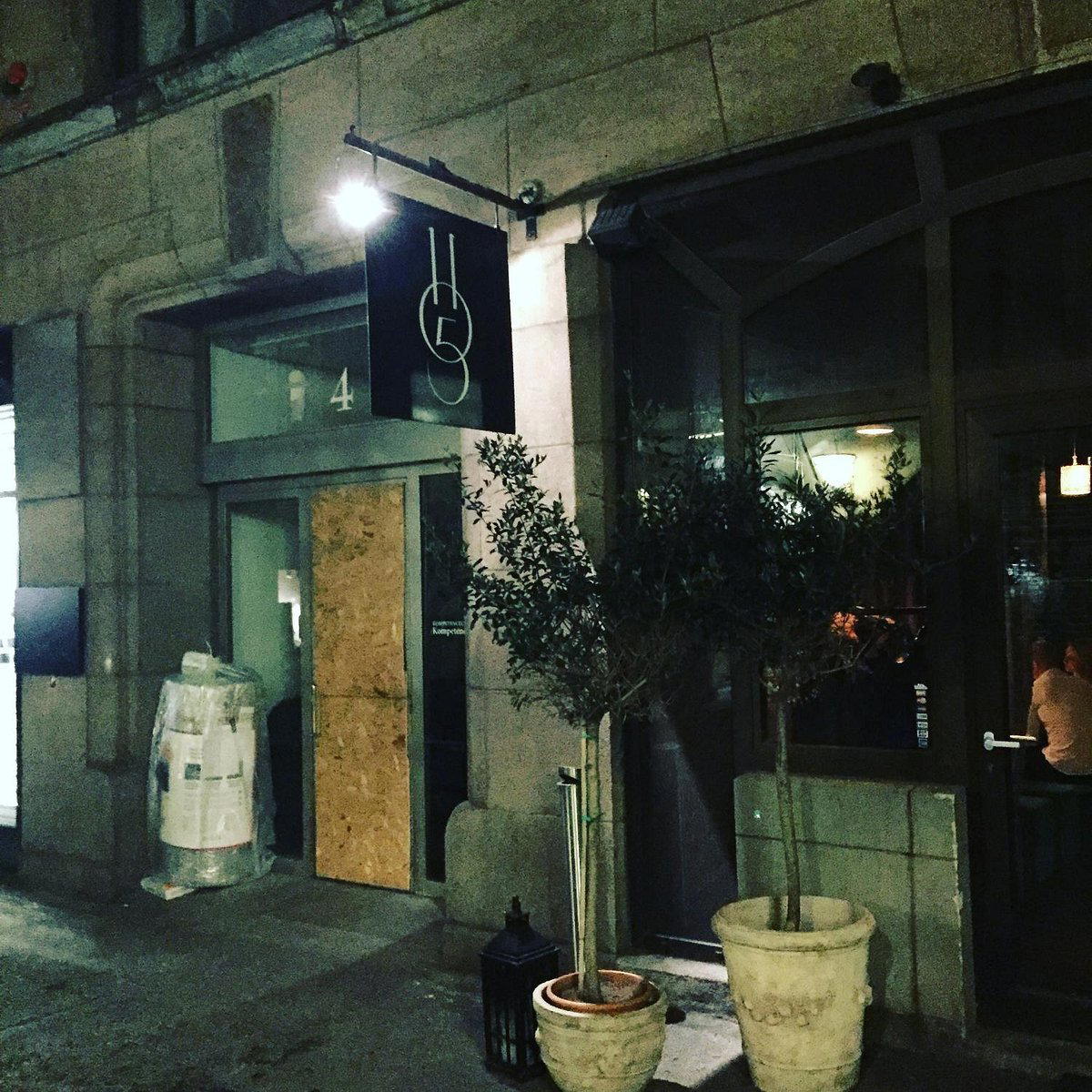
Vegetables, often overlooked in yakitori kitchens focused solely on poultry, get equal attention here. Seasonal Danish produce rotates through the grill, and the smoke treatment suits root vegetables and alliums particularly well. The ingredient-sourcing strategy defines the menu's boundaries: no imports, no compromises on provenance, and a deliberate focus on what Denmark can supply within the yakitori framework. It's a constraint that forces creativity and aligns with the city's broader ingredient-first movement, one visible at venues like 1105 Copenhagen and akmē in Nordhavn.
Sake by the Glass, Tonkatsu in the Back
The sake list runs deep, with an emphasis on by-the-glass offerings that suit the counter format. For drinkers familiar with Japanese breweries, the selection offers range; for those new to sake, the staff can guide based on preference rather than jargon. Sake aficionados will find enough depth here to make multiple visits worthwhile, and the pairing logic, matching rice-based brews to charcoal-grilled poultry, works better than wine in this setting.
In the back room, Akaton operates as a separate, tonkatsu-focused kitchen. The format is direct: breaded, deep-fried pork served with rice, miso soup, shredded cabbage, and pickles. It's a casual counterpoint to the counter's formality, and the two kitchens share a philosophy around sourcing and preparation without overlapping in execution. If you're not interested in the counter experience or prefer a quicker, less structured meal, Akaton offers an alternative under the same roof. The tonkatsu format, panko-crusted, fried to order, sliced tableside, is simpler than yakitori but no less dependent on ingredient quality and frying discipline.
The team's decision to expand beyond Kappo Andō into two distinct formats reflects Copenhagen's appetite for Japanese technique, but also the city's small-scale, neighbourhood-driven dining culture. Both Aotori and Akaton operate within tight physical and conceptual boundaries, which keeps the focus sharp. The counter's eight seats mean you're part of a small group, and the grill's visibility means you watch every skewer as it's prepared. There's no hiding technical flaws at this distance, and the format demands consistency across every service.
For context, Copenhagen's Japanese dining scene now includes high-end sushi (such as nearby options in Østerbro), ramen specialists, and izakaya-style spots, but yakitori counters remain a smaller niche. Aotori competes less with broad-menu Japanese kitchens and more with other technique-specific formats where the chef's skill and the ingredient quality define the experience. The pricing isn't published, but the counter format, binchotan grill, and sake list signal a mid-to-upper tier within the city's Japanese category. If you're comparing it to Jōdo Saké Bar in Los Angeles or Onigiri Time in Pasadena, you're looking at different service models entirely, Aotori's counter intimacy and live-fire cooking place it closer to omakase pacing than casual izakaya.
The location, just outside central Copenhagen, means it's accessible by bike or public transport but not in the tourist-heavy core. That keeps the clientele more local and repeat-visit-oriented, which suits the counter's small capacity. If you're exploring Copenhagen's full restaurant landscape, Aotori fits into the city's Japanese dining tier alongside Aamanns 1921 and other format-driven kitchens. The lack of public contact details, no listed phone or website, suggests reservations likely run through social channels or direct outreach, a common pattern for small-capacity counters that prefer to control booking flow.
For sake drinkers and yakitori enthusiasts, Aotori offers a focused, technically sound experience. For diners looking for a broader Japanese menu or more flexibility, the format may feel restrictive. The offal, when available, separates the menu from poultry-only yakitori counters, and the Danish sourcing gives the kitchen a regional identity that import-heavy competitors lack. The verdict: a disciplined, ingredient-led counter with enough depth in the sake list and grill work to justify repeat visits, particularly if you time it for offal availability or bring a group interested in exploring the by-the-glass sake selection.
Side-by-Side Snapshot
Comparable venues by cuisine and price in the same metro.
| Venue | Cuisine | Price | Awards |
|---|---|---|---|
| Aotori | First came Kappo Andō, now there’s Aotori, which occupies the same corner site just outside the city centre. Brought to you by the same team, it expands on their previous yakitori experience, with the grilled chicken skewers cooked on the binchotan grill directly in front of the eight-seater counter. Various Danish chicken cuts and locally sourced vegetables lead the way, but when there’s offal available, it’s worth a try. For sake aficionados, there’s an extensive selection by the glass, while in the back room, informal Akaton specialises in tonkatsu – breaded, deep-fried pork served with rice, miso soup, shredded cabbage and pickles. | This venue | Not listed |
| Kappo Andō | Japanese Contemporary | €€€ | Japanese Contemporary, €€€ |
| Østerberg Ice Cream | Ice Cream | Ice Cream | Not listed |
Recognition history
Dated appearances from independent guides and award organizations, with the underlying list record or original source where available.
Michelin Plate
Michelin
Continue exploring
More in Copenhagen
Restaurants in Copenhagen
Browse all →
Bars in Copenhagen
Browse all →
Hotels in Copenhagen
Browse all →

At a Glance
- Intimate
- Modern
- Cozy
- Sophisticated
- Solo
- Date Night
- Special Occasion
- Chefs Counter
- Design Destination
- Standalone
- Sake Program
- Local Sourcing
- Street Scene
Current opening hours
- Monday
- Closed
- Tuesday
- Closed
- Wednesday
- 5:30 PM–12 AM
- Thursday
- 5:30 PM–12 AM
- Friday
- 5 PM–12 AM
- Saturday
- 5 PM–12 AM
- Sunday
- Closed
Hours can change for holidays and private events. Last verified .
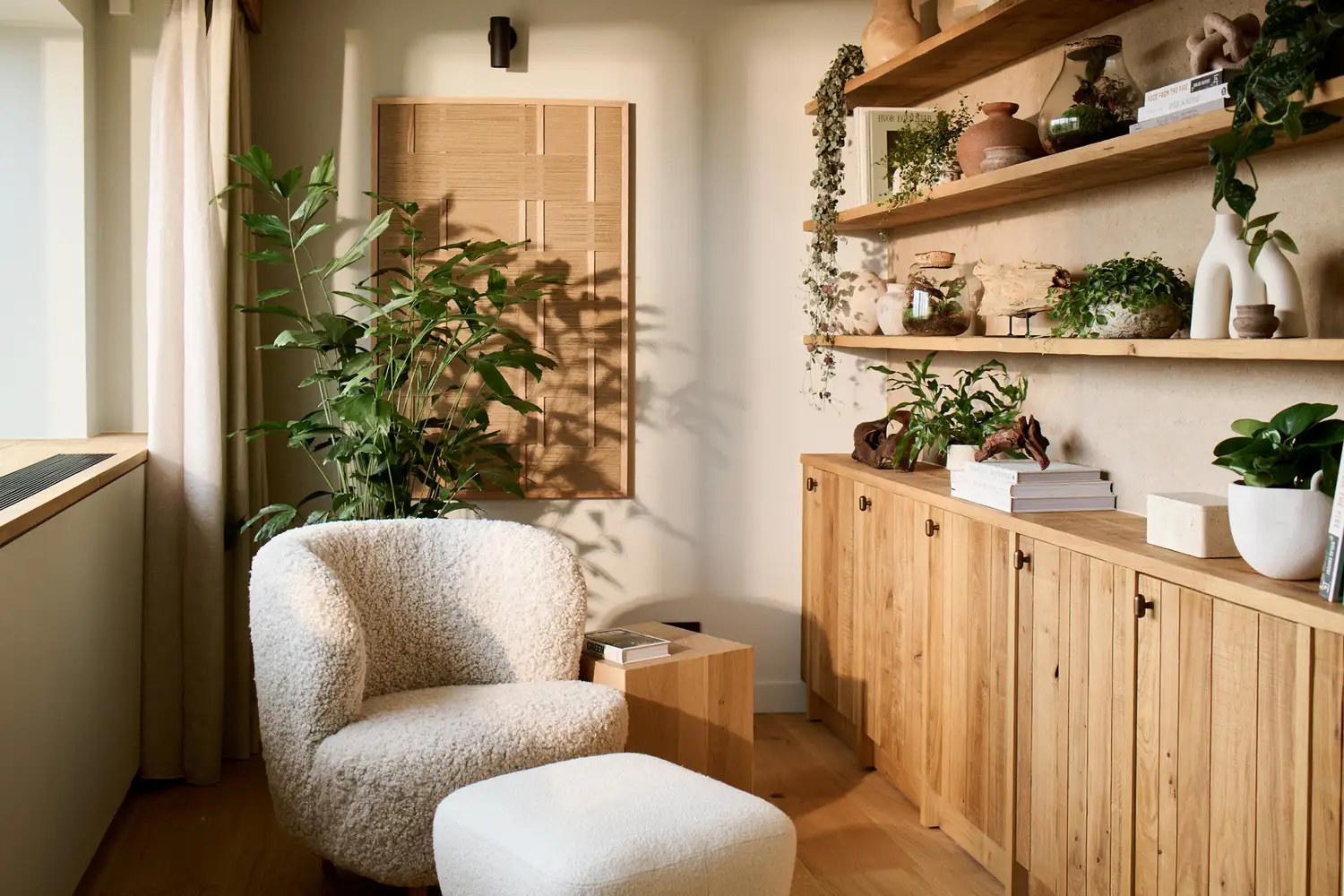
Precision-focused and intimate, with a dark-wood contemporary Japanese setting that feels calm and refined.