Located on Meandrou 15 in the Ambelokipi district of Athens, Aoritis Kritis Thimises draws on Cretan culinary tradition in a city where regional Greek cooking is gaining serious critical attention. The address places it within walking distance of several mid-to-upper-tier Athens restaurants, making it a practical anchor for an evening in this part of the city.
Pearl is the En Primeur Club membership app — saves, bookings, and concierge access live there. Same editors, same standards.
- Address
- Meandrou 15, Athina 115 28, Greece
- Phone
- +302107255699
- Website
- aoritis.com
- Directions
- Get directions
 Saves & bookings on Pearl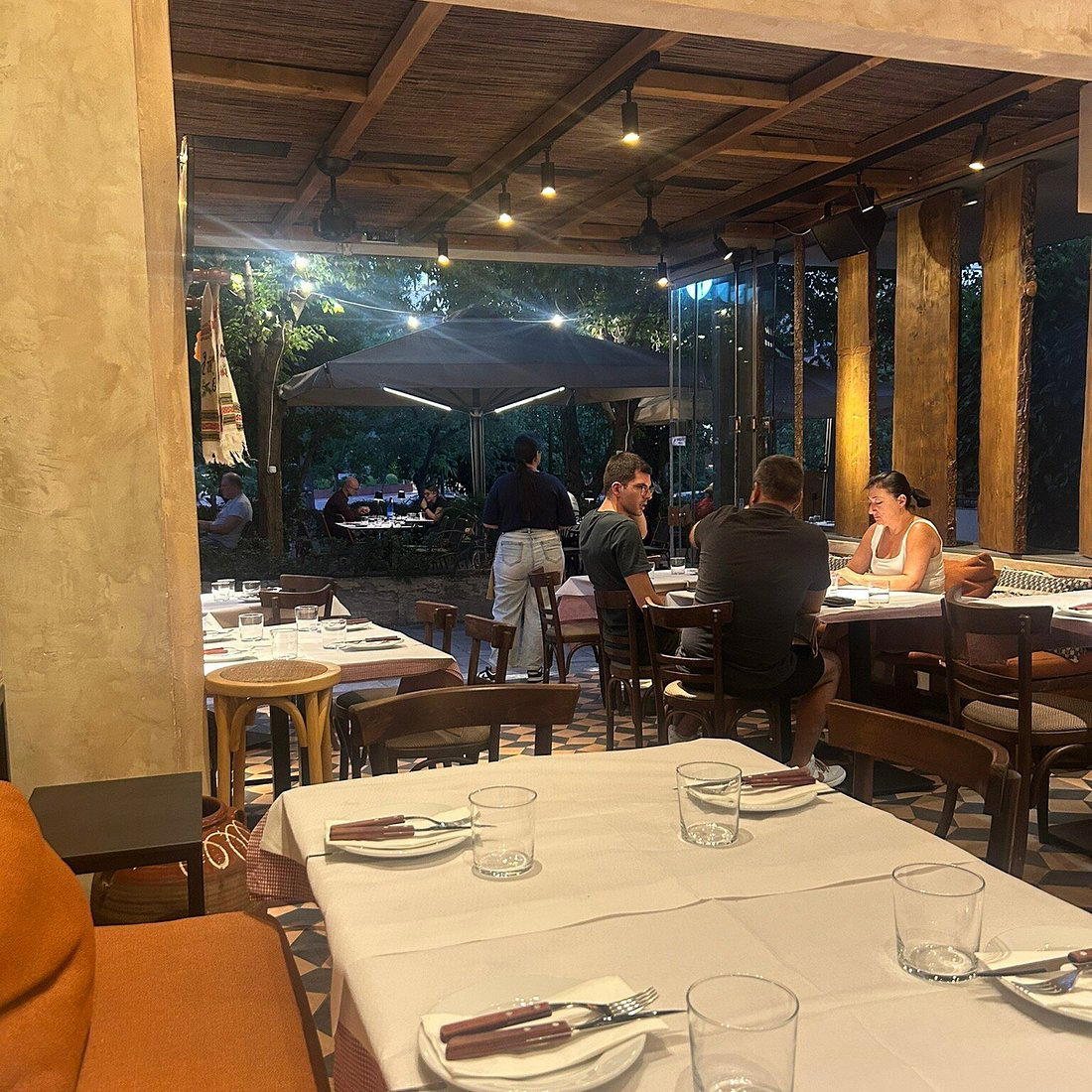
Where Cretan Tradition Meets the Athens Dining Scene
Athens has spent the better part of a decade repositioning itself as a serious dining destination, moving well beyond the taverna circuits that once defined visitor expectations. Aoritis Kritis Thimises is a Traditional Cretan Greek restaurant in Athens, set in Ambelokipi at Meandrou 15, with a casual dress code and recommended reservations. Cretan cooking occupies a distinct position in that conversation. Its reliance on olive oil, wild greens, aged cheeses, and slow-cooked pulses gives it a coherence that separates it from the broader category of "Greek food," and Athens has progressively seen kitchens lean into that specificity rather than dilute it for a metropolitan audience.
Aoritis Kritis Thimises, on Meandrou 15 in the Ambelokipi neighbourhood, sits inside that pattern. The name itself carries the weight of Cretan identity: aoritis points toward the undefined, the unmeasured, while kritis anchors the concept firmly to Crete, and thimises invokes memory and remembrance. Together they suggest a kitchen working from a place of cultural fidelity rather than trend-chasing, which in the current Athens dining environment is a meaningful positioning choice.
The Room and How It Reads
Ambelokipi sits a few kilometres northeast of the Acropolis, away from the densely touristed triangle of Monastiraki, Psiri, and Koukaki. The neighbourhood functions primarily as a residential and professional district, which means restaurants here serve a local clientele as much as a visitor one. That dynamic tends to produce spaces that feel less performative than the restaurant-dense areas closer to the centre. On Meandrou, the street-level approach is quiet, the kind of setting where the room inside does the communicating rather than the facade.
Cretan-inflected interiors in Athens often draw on the island's vernacular: rough stone, dark wood, ceramic vessels, the visual vocabulary of a rural tradition translated into an urban dining context. What is consistent across Cretan-heritage restaurants in this tier is that the room functions as a supporting argument for the food rather than the destination itself.
The Collaborative Logic Behind Regional Kitchens
In a restaurant anchored to regional tradition, the dynamic between kitchen, floor, and cellar operates differently than in a contemporary tasting-menu format. The editorial angle here is worth examining: Cretan cooking is not a cuisine that benefits from a single auteur voice. Its depth comes from accumulated knowledge, from producers, from the specific sourcing relationships that make wild thyme honey or Graviera from Rethymno meaningful rather than decorative. When that sourcing intelligence is matched by a front-of-house team that can articulate it to guests, and a wine program that pulls from Cretan appellations rather than defaulting to Santorini Assyrtiko or Peloponnese Agiorgitiko, the collaborative structure becomes the point.
Greek regional wine has grown considerably in critical standing over the past decade. Crete's native varieties, Vidiano, Kotsifali, Mandilari, and Liatiko among them, are now appearing on serious wine lists in European capitals, which means a Cretan restaurant in Athens that pours them intelligently is working with genuinely interesting material. The sommelier role in that context is not decorative; it is an act of regional advocacy that extends the kitchen's argument into the glass.
Aoritis Kritis Thimises occupies a different position: it belongs to the smaller group of Athens restaurants making a specific regional argument rather than a broadly contemporary one.
Cretan Cooking in Context
Understanding what a kitchen rooted in Cretan tradition is attempting requires some grounding in what that tradition actually contains. Crete produces some of Greece's most documented culinary output: its extra-virgin olive oils consistently rank among the highest-polyphenol in the Mediterranean, its cheeses (Graviera, Mizithra, Anthotyros) carry protected designation of origin status, and its wild herb culture, thyme, sage, dittany, marjoram, gives even simple preparations a distinctive aromatic character. The Cretan diet was one of the populations studied in Ancel Keys's original Seven Countries Study in the 1960s, which established its cardiovascular benefits and placed it at the foundation of what became the global concept of the Mediterranean diet.
A kitchen serious about that tradition will source dry-aged Cretan pork, use snails braised with rosemary in the way they appear at festival tables in Heraklion, and lean on legumes, fava, chickpeas, and black-eyed peas prepared with restraint rather than embellishment. These are not luxury ingredients in the conventional sense, but in skilled hands they carry more cultural information than most imported prestige products.
For those exploring the broader Greek dining scene beyond Athens, the EP Club has documented regional properties with serious food programs: Selene in Santorini, Aktaion in Firostefani, and Etrusco in Kato Korakiana each represent a version of Greek regional cooking rendered at a high level. Island dining is also covered through Almiriki in Mykonos, Olais in Kefalonia, and Old Mill in Elounda, the latter placing Cretan dining in a resort context. Luxury beach programs are covered by Avaton in Halkidiki, Myconian Ambassador in Platis Gialos, and Myconian Utopia in Elia. For reference points outside Greece in the collaborative, team-driven dining format, Le Bernardin in New York City and Lazy Bear in San Francisco both demonstrate how kitchen-floor-cellar integration produces a coherent guest experience at the highest level. And To Psaraki in Vilcahda rounds out the Greek archipelago coverage with a seafood-forward perspective.
Planning Your Visit
The restaurant is located at Meandrou 15, Ambelokipi, Athens 115 28. The neighbourhood is accessible by metro via the Ambelokipi station on Line 3. Call ahead to confirm current hours and reservation availability, especially on weekends. Restaurants in this part of Athens tend to operate dinner service from early evening, with kitchens staying open later than northern European equivalents. Arriving without a reservation on a weekend carries meaningful risk for any Athens restaurant with a local following.
Booking and Cost Snapshot
Comparable venues nearby, for context on price, style, and recognition.
| Venue | Cuisine | Price | Notes |
|---|---|---|---|
| Aoritis Kritis ThimisesThis venue — the venue you are viewing | Kolonaki, Traditional Cretan Greek | $$ | Not listed |
| MIRONI Restaurant | Omonoia, Authentic Greek Kitchen | $$ | Not listed |
| Hill Athens | Thiseio, Modern Greek Bistro | $$$ | Not listed |
| Ama Lachei | Lofos Strefi, Modern Greek Meze | $$ | Not listed |
| Old School | Not listed | $$ | Makrygianni, Traditional Greek with Modern Touches |
| Kuzina | Thiseio, Modern Greek Fusion | $$$ | Not listed |
Continue exploring
More in Athens
Restaurants in Athens
Browse all →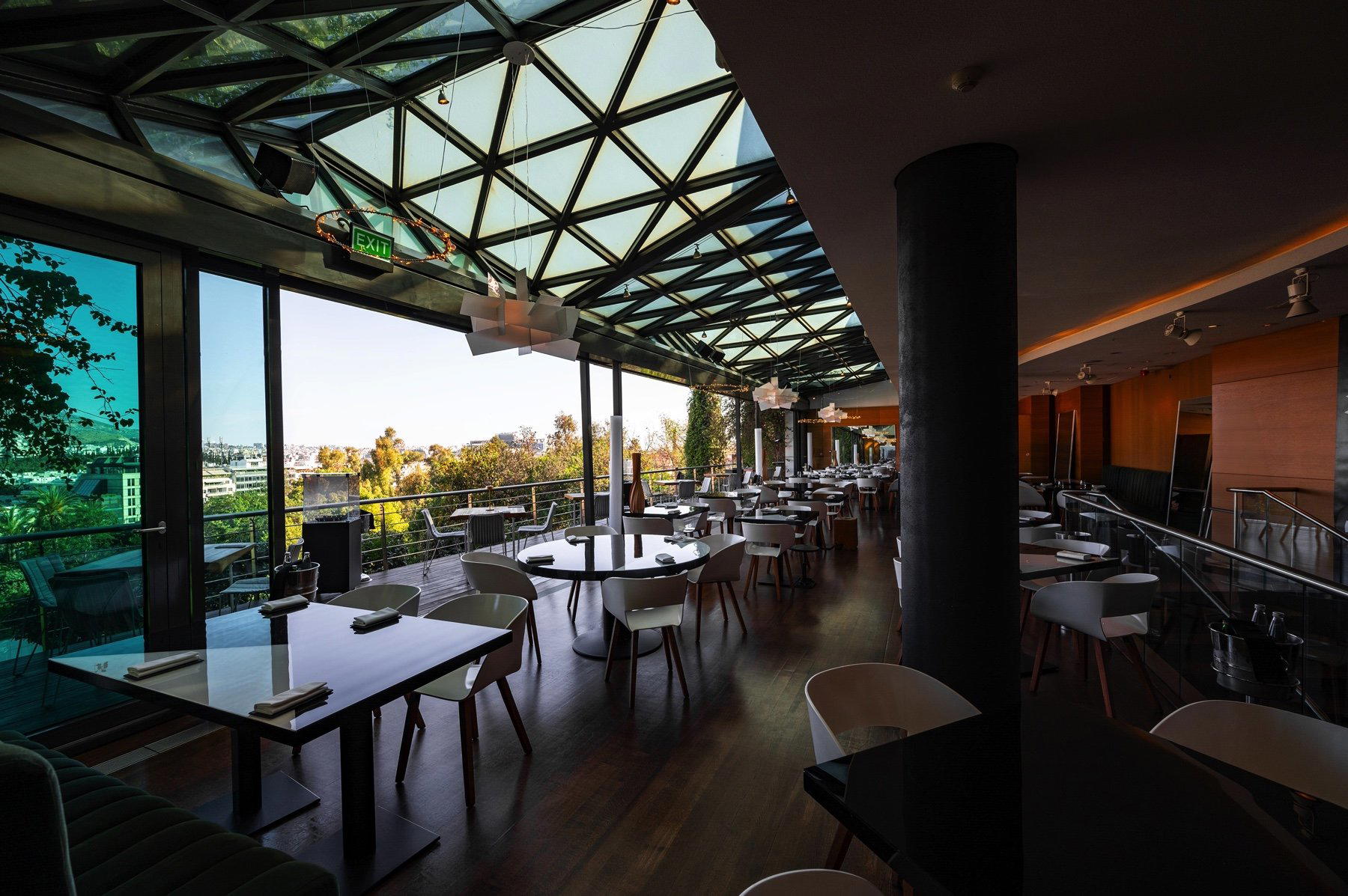
Bars in Athens
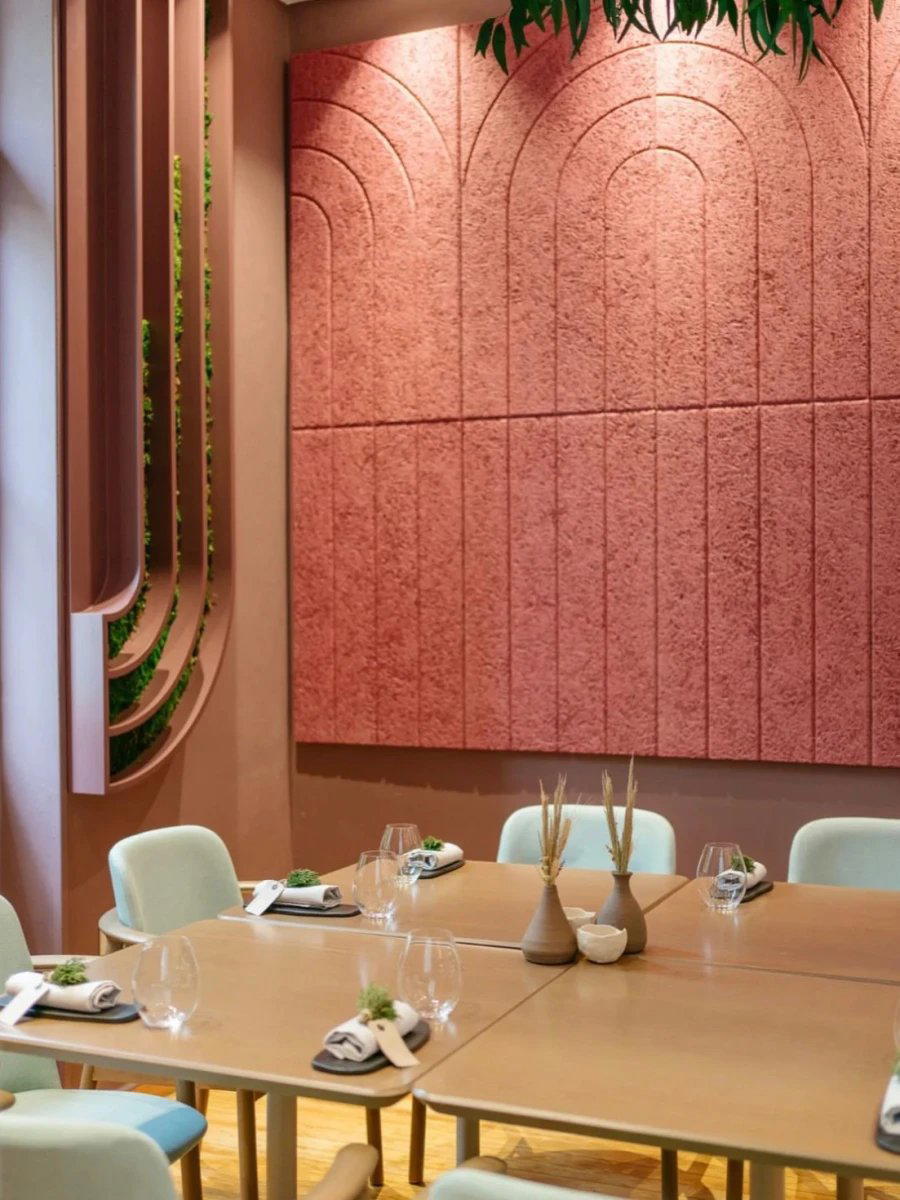
Browse all →
Hotels in Athens
Browse all →


At a Glance
- Cozy
- Rustic
- Classic
- Family
- Casual Hangout
- Special Occasion
- Open Kitchen
- Natural Wine
- Local Sourcing
Current opening hours
- Monday
- 4 PM–1 AM
- Tuesday
- 4 PM–1 AM
- Wednesday
- 4 PM–1 AM
- Thursday
- 4 PM–1 AM
- Friday
- 2 PM–1 AM
- Saturday
- 2 PM–1 AM
- Sunday
- 2–11 PM
Hours can change for holidays and private events. Last verified .
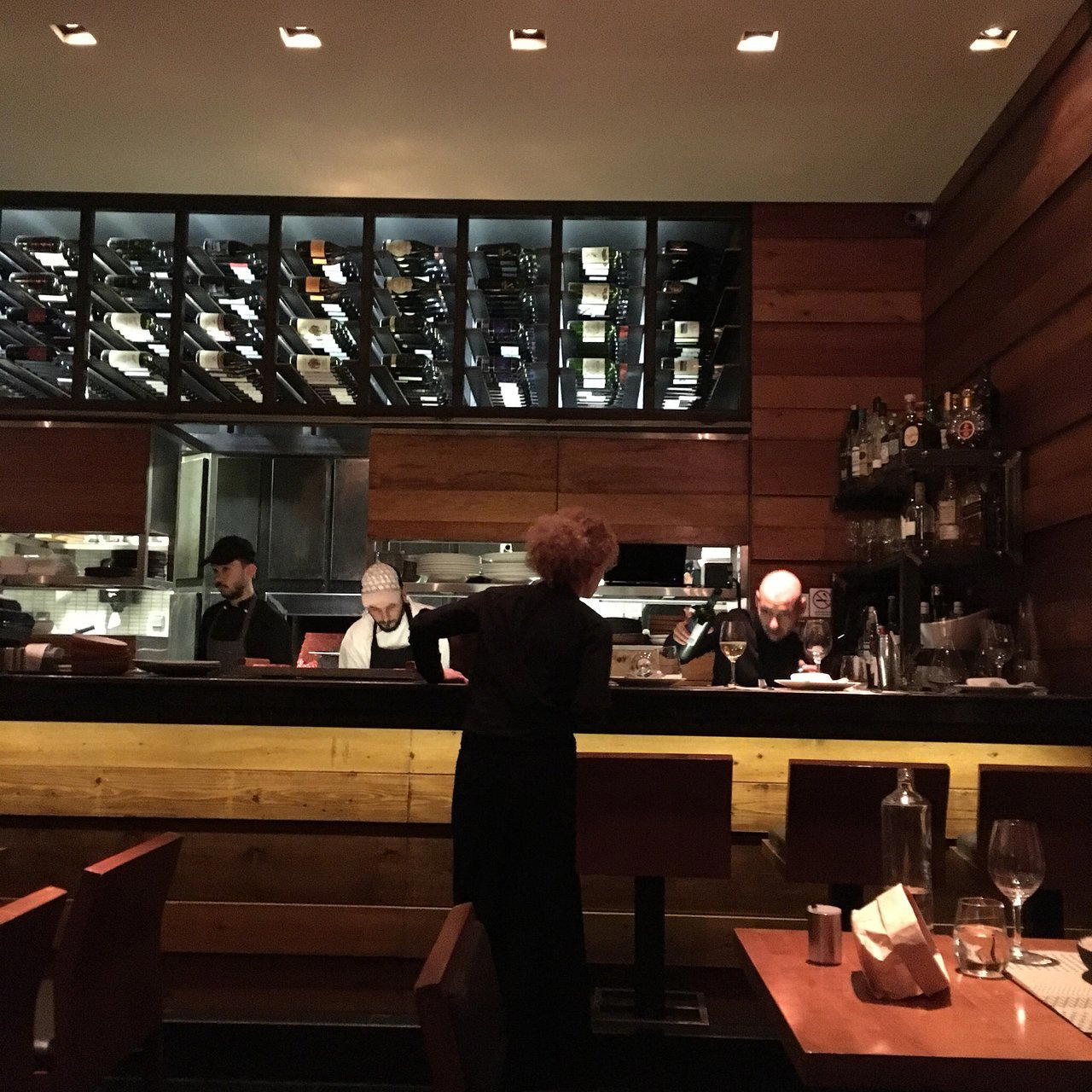
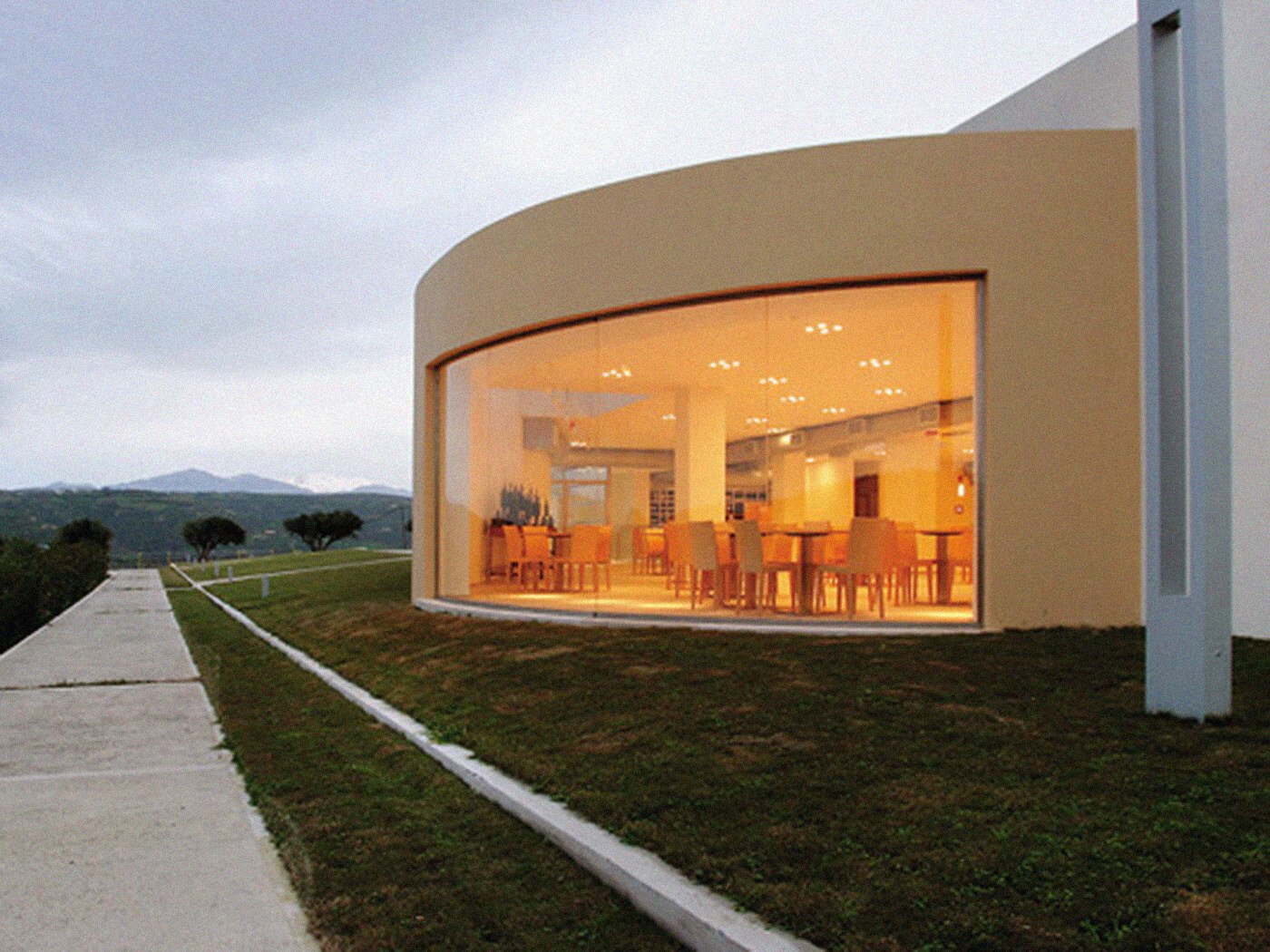
Homely yet modern Cretan mansion-style interior with wood and earthy tones, warm open kitchen fires, and lively cooking atmosphere.