Antigua Taquería La Oriental
Our verdict
Positioned on the Autopista México-Puebla at Km 100, Antigua Taquería La Oriental sits at one of the most trafficked food corridors between Mexico City and Puebla. The taquería represents a style of roadside eating that has shaped central Mexican food culture for generations, where the ingredient sourcing and preparation traditions of the Puebla-Tlaxcala valley define the menu rather than chef celebrity or formal dining formats.

Pearl is the En Primeur Club membership app — saves, bookings, and concierge access live there. Same editors, same standards.
- Address
- Autopista México - Puebla Km 100 (Entre Entronque Aeropuerto Y Real De La Posta), 74160 Huejotzingo, Puebla
- Directions
- Get directions
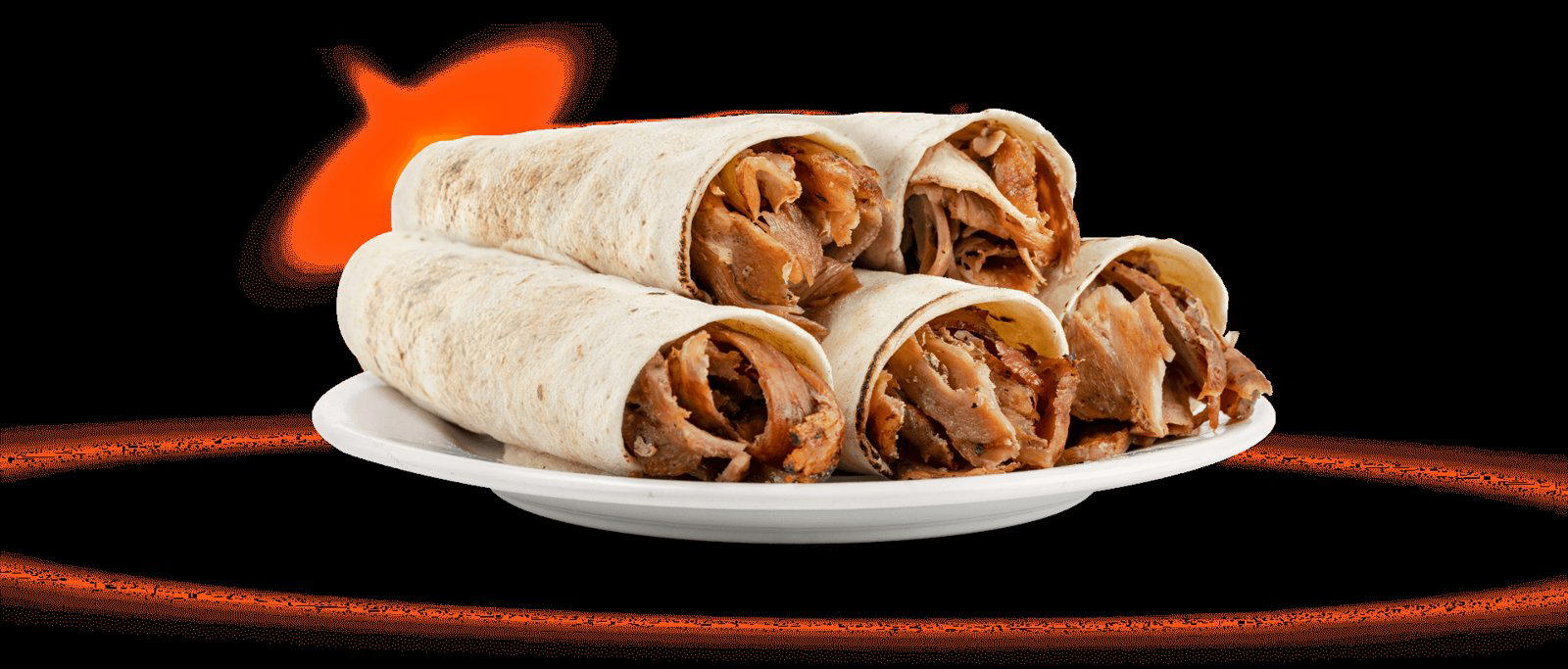
The Road Between Two Cities, and What It Feeds You
The stretch of highway connecting Mexico City to Puebla is not just infrastructure. It is one of the oldest food corridors in central Mexico, a route along which carnitas stands, tlayuda carts, and taquería paradas have operated for decades, feeding truckers, families, and travellers moving between two of the country's most significant culinary cities. Antigua Taquería La Oriental sits at Km 100 of that autopista, positioned between the airport interchange and Real de la Posta in Huejotzingo, Puebla. The address alone tells you something about the eating tradition you are entering.
Huejotzingo is not a destination city in the way Puebla is, but the municipality sits inside a region with deep agricultural roots. The Puebla-Tlaxcala valley has been a food-producing zone since pre-colonial times, and the ingredients that define Poblano cooking — chile varieties, corn cultivars, pork from regional farms — are grown and raised in the terrain immediately surrounding this stretch of road. A taquería that draws from that geography is doing something categorically different from a restaurant that sources by catalogue.
Where the Ingredient Story Starts
Mexico's contemporary fine dining conversation, represented by restaurants like Pujol in Mexico City or KOLI Cocina de Origen in Monterrey, has spent years building a vocabulary around regional sourcing and indigenous ingredients. What that conversation sometimes obscures is the fact that roadside taquerías in places like Huejotzingo have been practicing ingredient locality by necessity and tradition long before the term entered menu design. There are no imported proteins on these counters. The flavour profile is determined by what the valley produces.
The chile ancho, a dried poblano pepper, is fundamental to this region's identity. Grown extensively in Puebla state, it delivers the earthy, medium-heat base that distinguishes central Mexican cooking from northern or coastal styles. Corn for tortillas in this corridor is typically sourced from local milpas, the traditional polyculture plots that have maintained native corn varieties for centuries. A tortilla made from that corn has a flavour and texture that industrially processed masa cannot replicate. The distinction is not marketing; it is agronomics.
Pork preparation along the México-Puebla autopista corridor reflects the same regional specificity. The Mixteca Poblana tradition of chicharrón, carnitas, and al pastor variants that appear in local taquerías draws on pigs raised in the immediate region. This is not the curated farm-to-table narrative you find at places like Animalón in Valle de Guadalupe or Olivea Farm to Table in Ensenada. It is simply how these operations have always worked, because the supply chain was always local.
The Roadside Format as a Culinary Category
It is worth establishing what a roadside taquería on the autopista is and is not. It is not a sit-down restaurant with a tasting menu structure. It is not competing with the formal Poblano dining room at Casa Barroca in Puebla. The format is counter service or limited table service, the pace is fast, and the kitchen operates around a narrow, well-executed menu where one or two preparations are done at volume and done correctly.
This format produces some of the most concentrated flavour expressions in Mexican cooking. When a kitchen makes one thing repeatedly for years, the margins of error narrow and the execution tightens. The taquería that lines the autopista corridor between Mexico City and Puebla has been refined by repetition and by competition: there are multiple stops on this road, and a traveller has options. The ones that survive do so on the quality of the product.
Compare this to the pressure that shapes tasting-menu restaurants: Le Chique in Puerto Morelos or HA' in Playa del Carmen compete on innovation and experience architecture. A roadside taquería competes on the tortilla, the salsa, and the protein. The feedback loop is immediate and unmediated by atmosphere or service design.
Huejotzingo as Context
Huejotzingo itself carries historical weight that the autopista food stop does not always signal visibly. The town is known for its Franciscan convent, one of the oldest in Mexico, and for its Carnival celebration, which is among the most attended in the country. It is a municipality with a strong indigenous heritage and an agricultural economy that feeds directly into the food character of the region.
Travellers driving the México-Puebla route often treat Huejotzingo as a pass-through, but the food stops along Km 100 are a reason to slow down. The corridor sits roughly equidistant between the capital and central Puebla, making it a natural stopping point for both highway travellers and locals from the surrounding communities. This dual audience, road traffic and local clientele, is what sustains roadside operations at this kilometre marker over time.
For context on how regional identity shapes restaurant character elsewhere in Mexico, the sourcing approaches at Levadura de Olla Restaurante in Oaxaca or the farm-tied format at Lunario in El Porvenir illustrate how deeply geography can define a menu. In Huejotzingo, that geographic definition happens at the taquería level, without the formal framing those restaurants apply.
Planning Your Stop
Antigua Taquería La Oriental is located at Autopista México-Puebla Km 100, between the airport interchange and Real de la Posta in Huejotzingo, Puebla. The address is formatted for highway access, meaning it is designed to be reached by car from the autopista. Travellers arriving from Mexico City on the 150D toll road will reach the Km 100 zone before entering central Puebla, making it a natural stop on the inbound leg. Arrival during morning or midday service hours is standard for taquerías of this style, as many operate from early morning through the early afternoon when product is freshest.
For broader planning in the region, the full Huejotzingo restaurants guide covers the dining options across the municipality. Travellers building a longer Puebla-area itinerary might also reference Alcalde in Guadalajara or Pangea in San Pedro Garza Garcia for comparison points on how regional Mexican cooking operates at different price tiers and format types across the country.
Frequently asked questions
Is Antigua Taquería La Oriental good for families?
Roadside taquerías at highway rest points like Km 100 on the México-Puebla autopista are structurally built for groups of all sizes, with fast service and informal seating that accommodates children without ceremony. La Oriental's location between the airport interchange and Real de la Posta in Huejotzingo means it functions as a practical midpoint stop, which suits families travelling between Mexico City and Puebla. The format does not require reservations or a set dining pace.
What kind of setting is Antigua Taquería La Oriental?
This is a highway-facing roadside taquería at Km 100 of the Autopista México-Puebla in Huejotzingo, Puebla — not a sit-down dining room with tablecloths and a maître d'. The setting is open, practical, and calibrated for travellers in transit, with the kind of counter or open-kitchen format common to the central Mexican autopista food tradition. Dress and demeanour are entirely informal.
Is Antigua Taquería La Oriental worth a deliberate stop driving from Mexico City to Puebla?
At Km 100 on the Autopista México-Puebla, La Oriental sits almost exactly at the midpoint of the roughly two-hour drive between the two cities, which makes it a logical pause rather than a detour. Huejotzingo has operated as a waypoint on this corridor since long before the modern highway existed, and taquerías in this stretch have fed that traffic for generations. If you are driving the route, the stop requires no meaningful additional time and places you inside one of central Mexico's oldest continuous roadside food traditions.
What should I order at Antigua Taquería La Oriental?
The venue sits within Huejotzingo, a Puebla-state municipality with deep connections to regional ingredients and traditional preparation methods that predate the autopista itself. Roadside taquerías on this corridor are historically associated with carnitas, pastor, and locally sourced meats prepared at volume. For current menu specifics, stopping in person remains the most reliable approach, as this category of venue operates on daily availability rather than a printed fixed menu.
Where do I go for Antigua Taquería La Oriental?
Antigua Taquería La Oriental is located at Autopista México - Puebla Km 100 (Entre Entronque Aeropuerto Y Real De La Posta), 74160 Huejotzingo, Puebla, Huejotzingo.
Fast Comparison
| Venue | Cuisine | Price | Awards | Notes |
|---|---|---|---|---|
| Antigua Taquería La OrientalThis venue — the venue you are viewing | Mexican Taqueria | Not listed | Not listed | Not listed |
| Pujol | Modern Mexican Fine Dining | $200–300 | 2 Michelin Stars · World's 50 Best #60 | Mexican |
| Quintonil | Modern Mexican Fine Dining | $300–500 | 2 Michelin Stars · World's 50 Best #7 | Modern Mexican, Contemporary |
| Rosetta | Mexican-Italian Fusion Fine Dining | $30–50 | 1 Michelin Star · World's 50 Best #39 | Italian, Creative |
| Pangea | Contemporary Mexican Fine Dining | Not listed | 1 Michelin Star · La Liste Top Restaurants | Modern Mexican, Contemporary |
| Le Chique | Avant-Garde Mexican Tasting Menu | $200–300 | 1 Michelin Star · World's 50 Best #58 | Mexican, Contemporary |
Continue exploring
More in Huejotzingo
Restaurants in Huejotzingo
Browse all →
Bars in Huejotzingo
Browse all →

Details
- Casual Hangout
- Standalone
- A La Carte
Casual roadside eatery with lively local atmosphere.