Our verdict
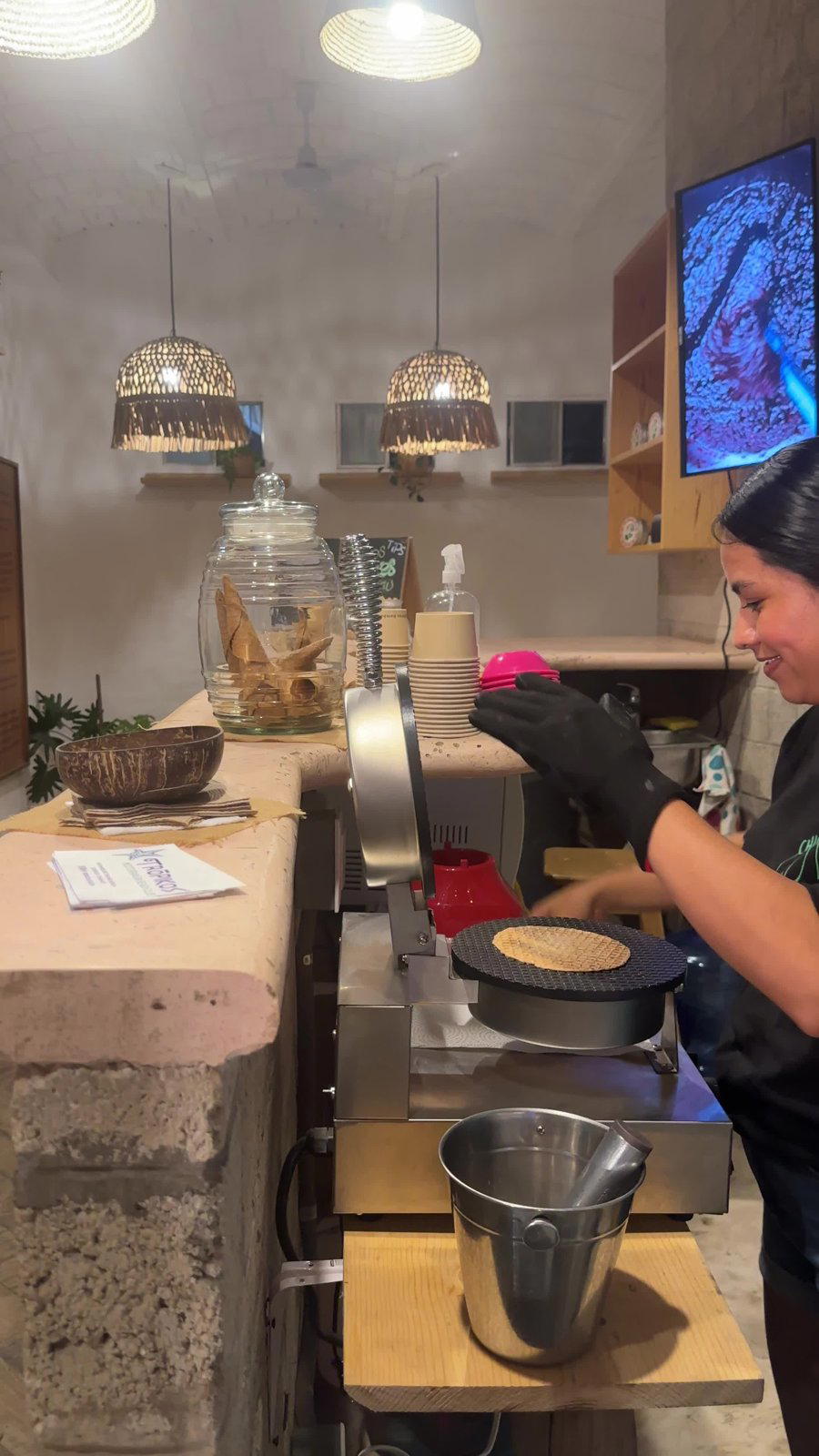
In Sayulita's loose, surf-town grid, Pollos Yollanda represents a particular strand of Mexican casual dining: the neighbourhood rotisserie where sourcing and simplicity do the work. Chicken is the whole point here, cooked with the directness that defines Nayarit's street-food tradition. For visitors tired of tourist-facing menus, it reads as the real thing.

Pearl is the En Primeur Club membership app — saves, bookings, and concierge access live there. Same editors, same standards.
- Address
- Nayarit
- Directions
- Get directions
The menu
What to order
- Pollos Asados
- Quarter Chicken Plate
Where Smoke and Salt Define the Meal
Sayulita's dining character splits along a familiar coastal Mexican fault line. On one side sit the palapa restaurants aimed squarely at foreign visitors, their menus spanning tacos, ceviche, and margaritas in roughly equal measure. On the other sits a quieter category: the local institution that has never needed to explain itself to tourists, because it wasn't built for them in the first place. Pollos Yollanda occupies that second position. The smell of slow-cooked chicken reaches the street before the sign does, and that, in practical terms, is the marketing.
The rotisserie tradition Pollos Yollanda belongs to is one of the most geographically honest forms of Mexican casual dining. Pollo asado and pollo rostizado culture runs deep through coastal Nayarit, where family-run spots turn birds over wood or charcoal fires with minimal intervention. The logic is agricultural before it is culinary: fresh, local poultry cooked simply has always outperformed complicated preparations of inferior product. In a state where small producers still supply a meaningful share of what lands on local tables, that calculus holds.
The Sourcing Argument, Made Simply
The ingredient-sourcing conversation in Mexican dining has gained significant critical attention over the past decade, largely driven by restaurants like Pujol in Mexico City and Alcalde in Guadalajara, where provenance is named, documented, and built into the price. But the sourcing argument doesn't only manifest at the fine-dining tier. A Nayarit rotisserie operating on tight margins with a local customer base has its own version of that discipline: you buy what's nearby because it's fresher, cheaper, and because your regulars will notice if quality drops.
That structural logic — local supply chains maintained by economic necessity rather than gastronomic ideology — produces some of the most consistent food in Mexican coastal towns. It also means places like Pollos Yollanda rarely appear in the editorial coverage that attaches to, say, Arca in Tulum or HA' in Playa del Carmen, both of which have built formal sourcing narratives into their identity. The sourcing at a neighbourhood rotisserie is quieter, but it isn't incidental.
Nayarit's agricultural profile supports this kind of operation well. The state produces chiles, citrus, and corn in quantities that keep local restaurant costs grounded, and the Pacific coast proximity means that a kitchen willing to work with regional suppliers has real options.
Sayulita's Casual Dining Tier, Honestly Assessed
Sayulita has developed a split restaurant economy over the past fifteen years. The town's growth as a surf destination drew investment in mid-range and upper-casual dining, with spots like Don Pedro's anchoring a tourist-facing tier that prices accordingly. That tier serves a real purpose, but it operates with different priorities than the spots that predate the tourism wave. Pollos Yollanda sits outside that economy, serving a clientele that is more local than visiting and that judges value by different standards.
That positioning matters for the visitor who wants to understand how Sayulita actually eats, rather than how it performs eating for an outside audience. The town's casual food culture, below the tourist-facing tier, runs on taquerias, ceviches sold from coolers near the beach, and rotisseries like this one. Our full Sayulita restaurants guide maps the broader dining picture, including which end of that spectrum is worth your time depending on what you're after.
Across Mexico's wider dining conversation, the gap between formally recognized restaurants and neighbourhood institutions is a persistent editorial blind spot. The farm-to-table programs at Olivea Farm to Table in Ensenada and the origin-focused menus at KOLI Cocina de Origen in Monterrey attract award attention because they articulate their sourcing in language critics recognize. A rotisserie in a surf town does not do that work, but the underlying food relationship with place can be just as direct.
The Format and What It Delivers
Rotisserie chicken as a restaurant format is unforgiving in a specific way: there is nowhere to hide a substandard bird. The cooking method is slow and visible, the product is simple enough that off-quality sourcing reads immediately, and the customer base at a local spot is experienced enough to notice. Mexican pollo asado traditions add a layer of complexity through marinades and rubs, typically built around citrus, dried chiles, garlic, and achiote depending on the regional style, but the base product still has to carry the result.
In Nayarit specifically, the chile-and-citrus profile tends toward brightness rather than depth, which suits the coastal climate and the informal eating context. What the format suggests is a kitchen that has made its choices about preparation and stuck with them, which is its own form of editorial statement.
The comparison tier here isn't the fine-dining Mexican circuit represented by Levadura de Olla Restaurante in Oaxaca or Lunario in El Porvenir. Those restaurants are engaged in a different conversation about Mexican cuisine and regional identity. Pollos Yollanda belongs to the category of place that sustains a town's daily food life: consistent, affordable, and operating without the infrastructure of a formal dining program. In that category, longevity in a competitive local market is its own credibility signal.
Planning Your Visit
Pollos Yollanda is located in Nayarit, within Sayulita's walkable town grid. For visitors arriving from Puerto Vallarta, the drive runs approximately 40 kilometres north along Federal Highway 200, with Sayulita accessible by taxi or shuttle services that operate regularly from the airport and hotel zone. The rotisserie format at spots like this typically means the leading availability is at lunch and in the early evening, when birds come off the spit fresh rather than having rested through a long service. Arriving at opening or shortly after tends to produce better results than late-night visits. Pricing at local rotisseries in the Nayarit coastal corridor generally sits well below the tourist-facing restaurant tier, making it one of the more direct ways to eat well in Sayulita without absorbing the premium that comes with beachfront positioning. No reservation infrastructure is typical for this format.
Frequently asked questions
Is Pollos Yollanda good for families?
Rotisserie formats are structurally family-friendly: the food arrives fast, the price point stays accessible, and there is no dress code or reservation pressure. Pollos Yollanda sits within Sayulita's walkable town grid in Nayarit, which makes it easy to reach on foot from most of the town's accommodation clusters. The casual, counter-style setup removes the friction that slows down meals with children.
What's the vibe at Pollos Yollanda?
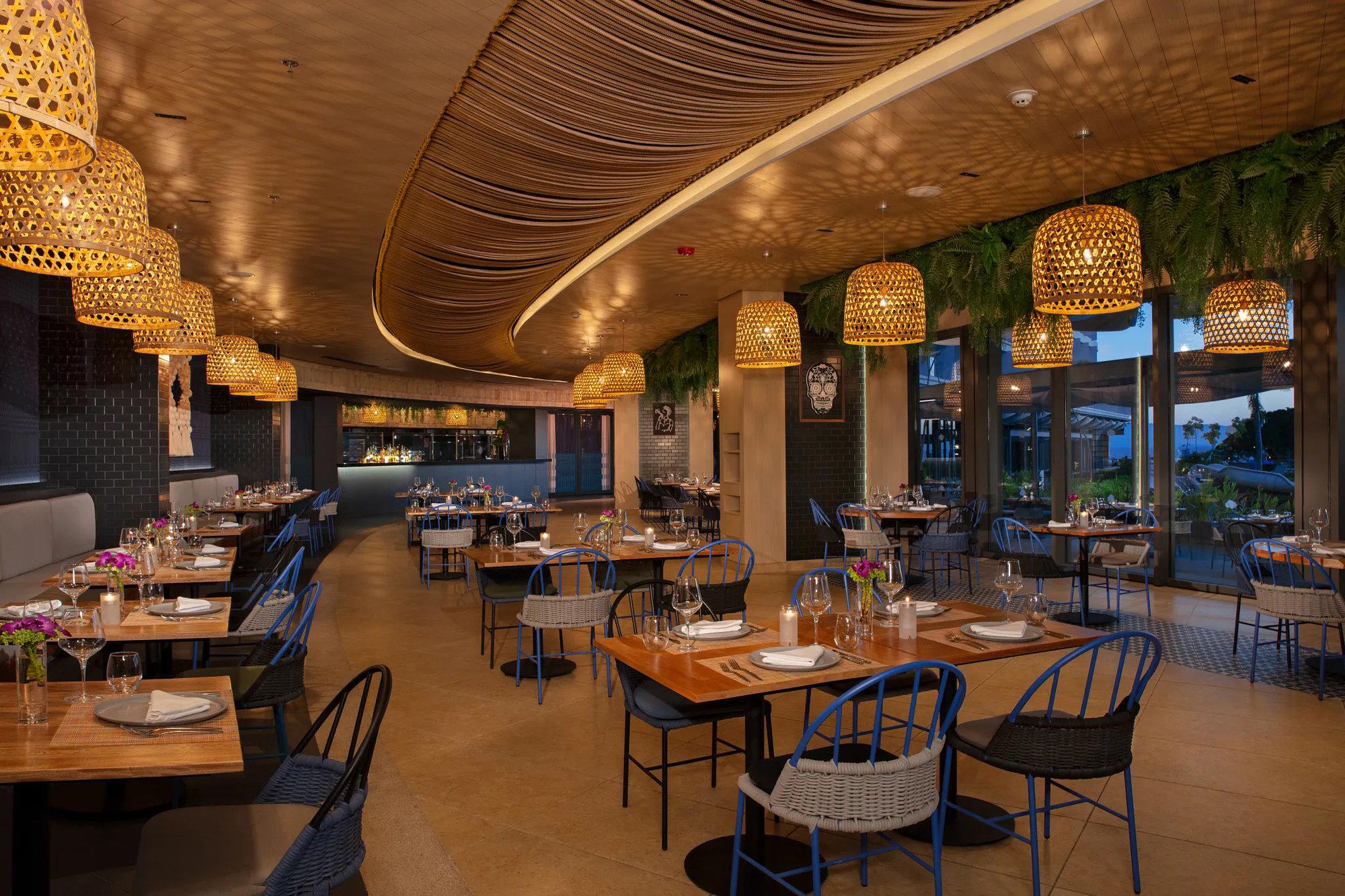
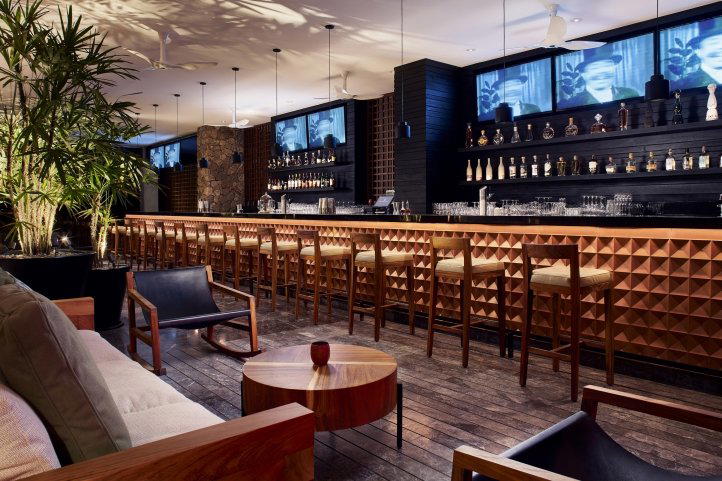
Pollos Yollanda operates in Sayulita's resident-facing register rather than its tourist-facing one — a distinction that matters in a town where the two tiers have diverged sharply over the past fifteen years. Expect a no-frills setup in Nayarit's coastal heat: practical seating, smoke in the air, and a clientele that includes working locals alongside visiting surfers who have done enough research to find the spot. There is nothing performative about it.
How does Pollos Yollanda compare to other casual chicken spots in the Sayulita area?
Sayulita's dining economy in Nayarit has split into two visible tiers: spots built around tourist price tolerance, and spots that serve the town's year-round population on local economics. Pollos Yollanda sits in the latter category, which typically means lower price points and a menu anchored to regional tradition rather than international-friendly adaptations. For visitors, that distinction is the practical signal that the cooking follows Nayarit's pollo asado conventions rather than a modified version designed for foreign palates.
What's the best thing to order at Pollos Yollanda?
The organizing logic of the menu is the rotisserie chicken, and that is where attention should go. Nayarit's pollo asado tradition builds on citrus marinades and dried chiles, which suits the slow, open-fire cooking method — a format that rewards quality birds and punishes average ones equally. Side dishes in this regional style typically run to rice, beans, and fresh salsas, but the chicken itself is the reason to visit.
Fast Comparison
Comparable venues nearby, for context on price, style, and recognition.
| Venue | Cuisine | Price | Notes |
|---|---|---|---|
| Pollos YollandaThis venue — the venue you are viewing | Flame-Grilled Mexican Chicken | $10–20 | Not listed |
| Don Pedro's | Mediterranean with Mexican Influence | $20–30 | Sayulita |
| El Rey Del Taco | Authentic Mexican Street Tacos | $1–10 | Playa del Carmen |
| Tacos de pescado El Nuevo Jaliscience | Baja Fish Taco Taqueria | Not listed | El Sauzal |
| Tacón de Marlin | Mexican Seafood Burritos | Not listed | Cinco de Diciembre |
| Balam Balam | Traditional Mexican Seafood | $10–20 | Emiliano Zapata |








Details
- Rustic
- Casual Hangout
- Standalone
- A La Carte
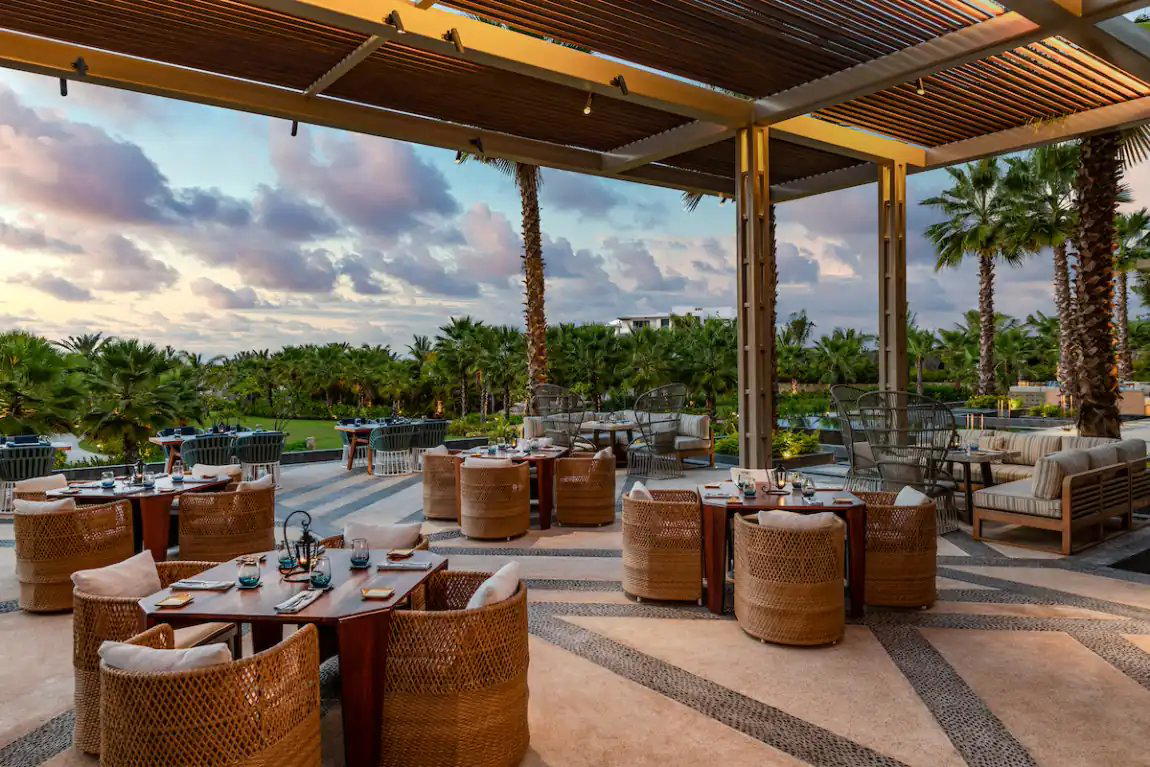
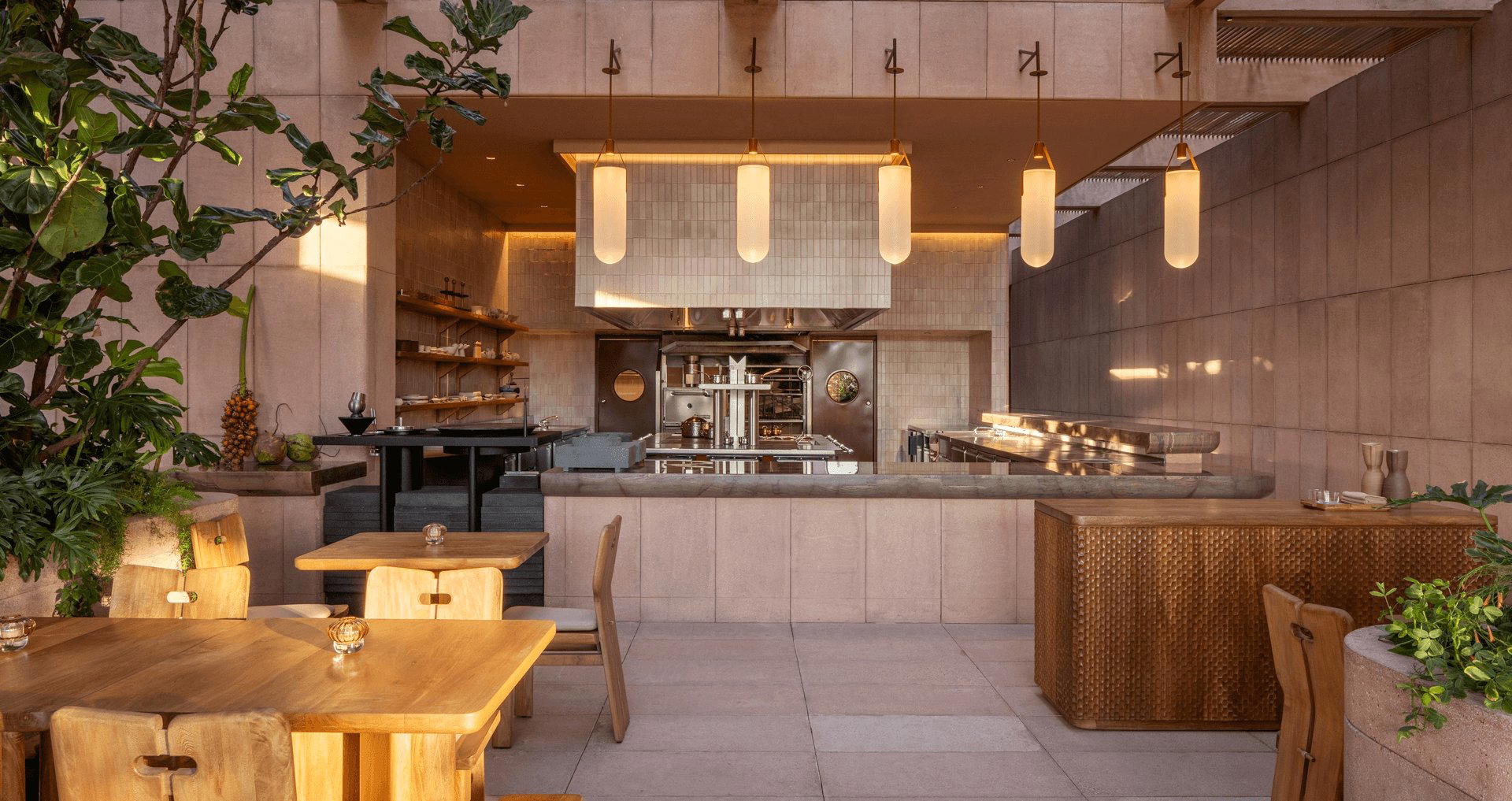
Casual street food spot with the aroma of charcoal-grilled chicken and visible grill action creating an authentic local vibe.