World's Best Steaks Europe's 50 Best #16
Our verdict
Inside a former Marais butcher shop on Rue Volta, Anahi marries Argentine fire cookery with French precision under the direction of Mauro Colagreco and Riccardo Giraudi. The room, with its original mosaic tiles and mirrored ceilings, frames a menu built around rare-breed beef, South American flavour signatures, and a wine list that ranges from boutique Malbec to classic Bordeaux.

Pearl is the En Primeur Club membership app, where members save venues, book tables and use the concierge.
The menu
What to order
- Picanha
- Ceviche
- Rubia Gallega côte de bœuf
A Butcher Shop Reborn: Fire, Meat, and the Marais
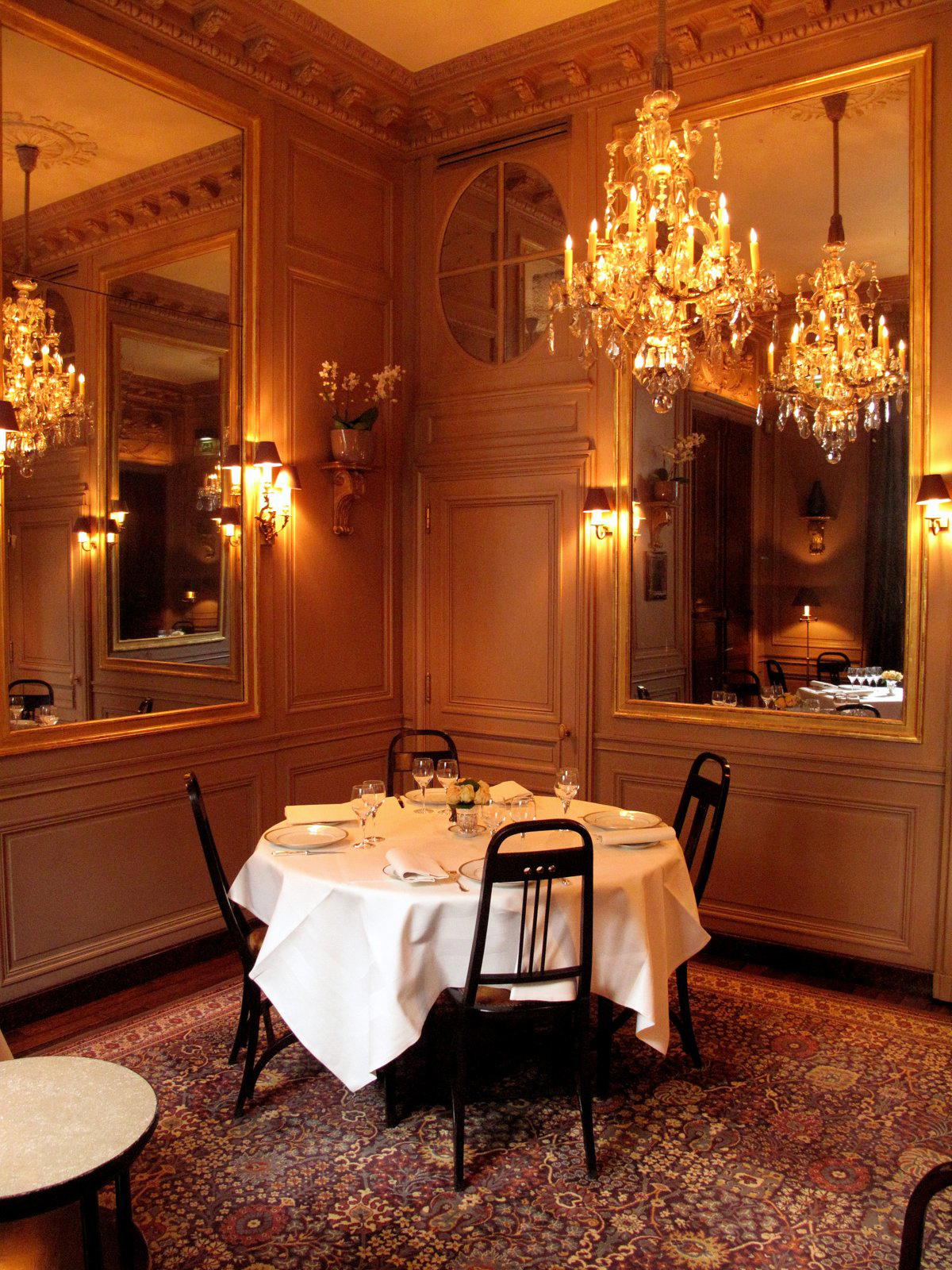
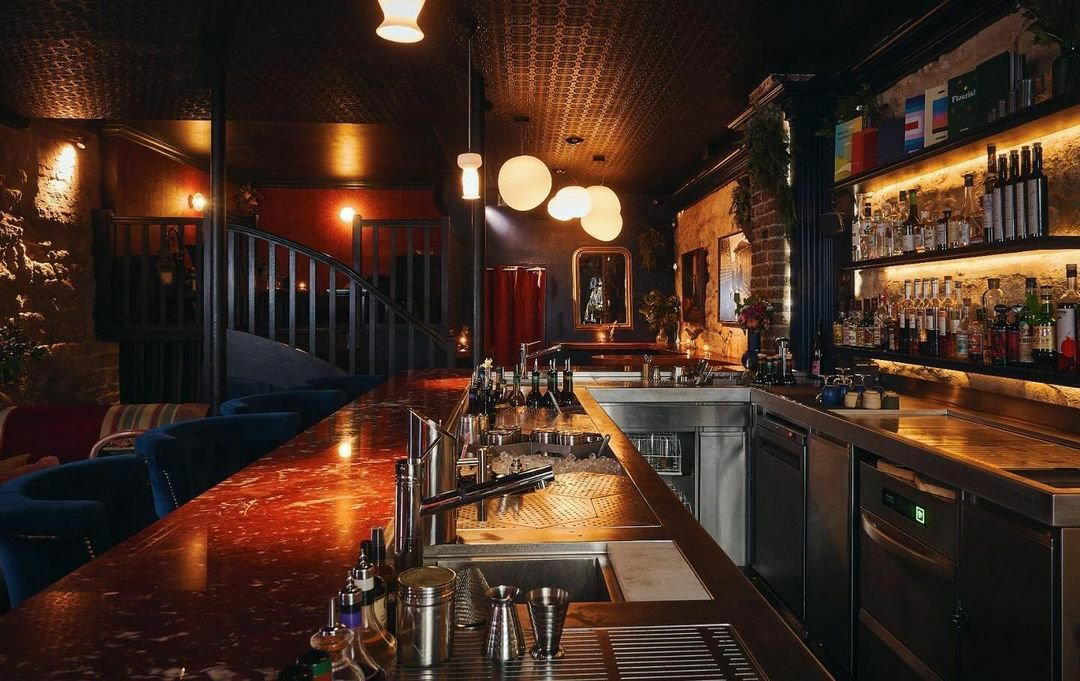
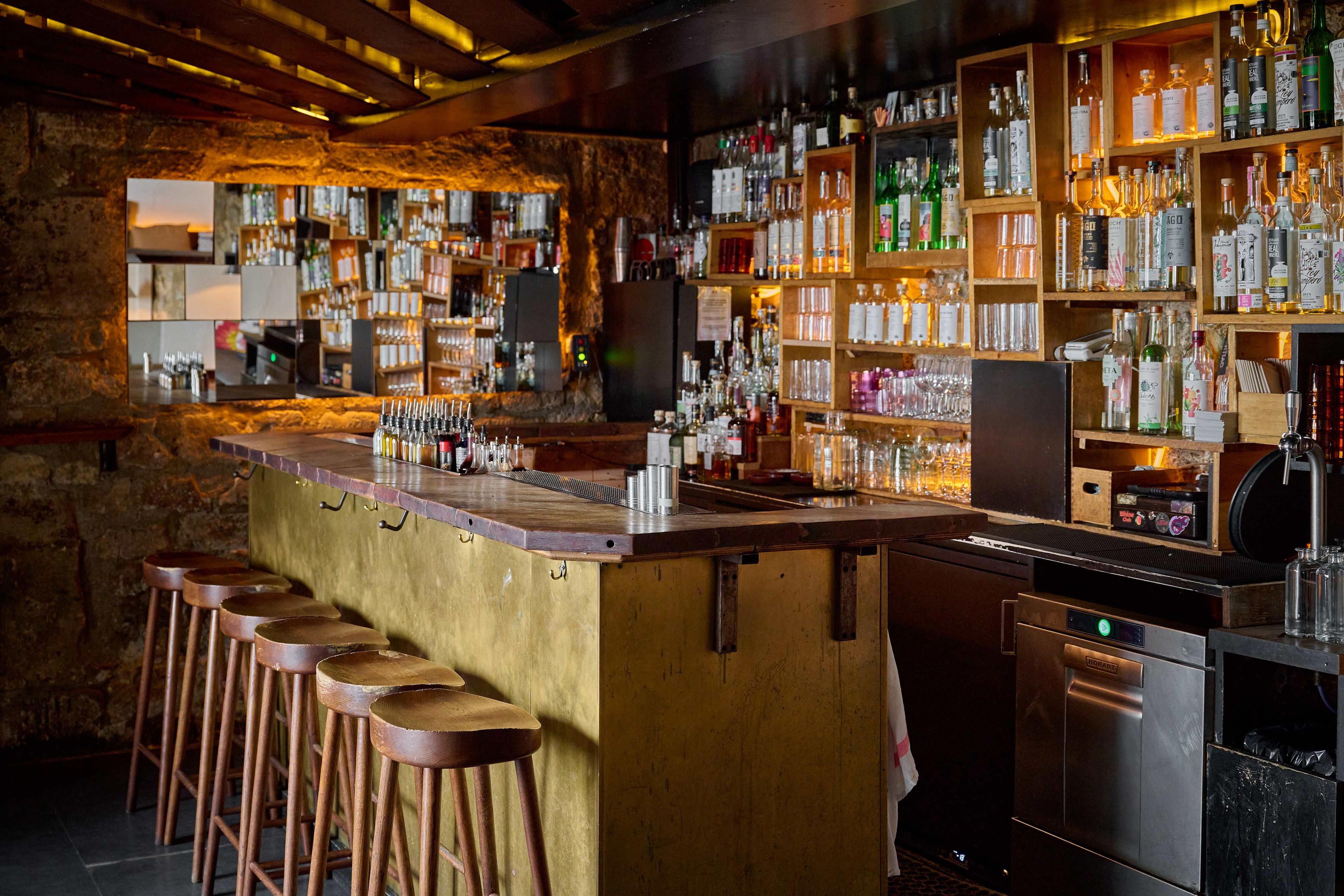
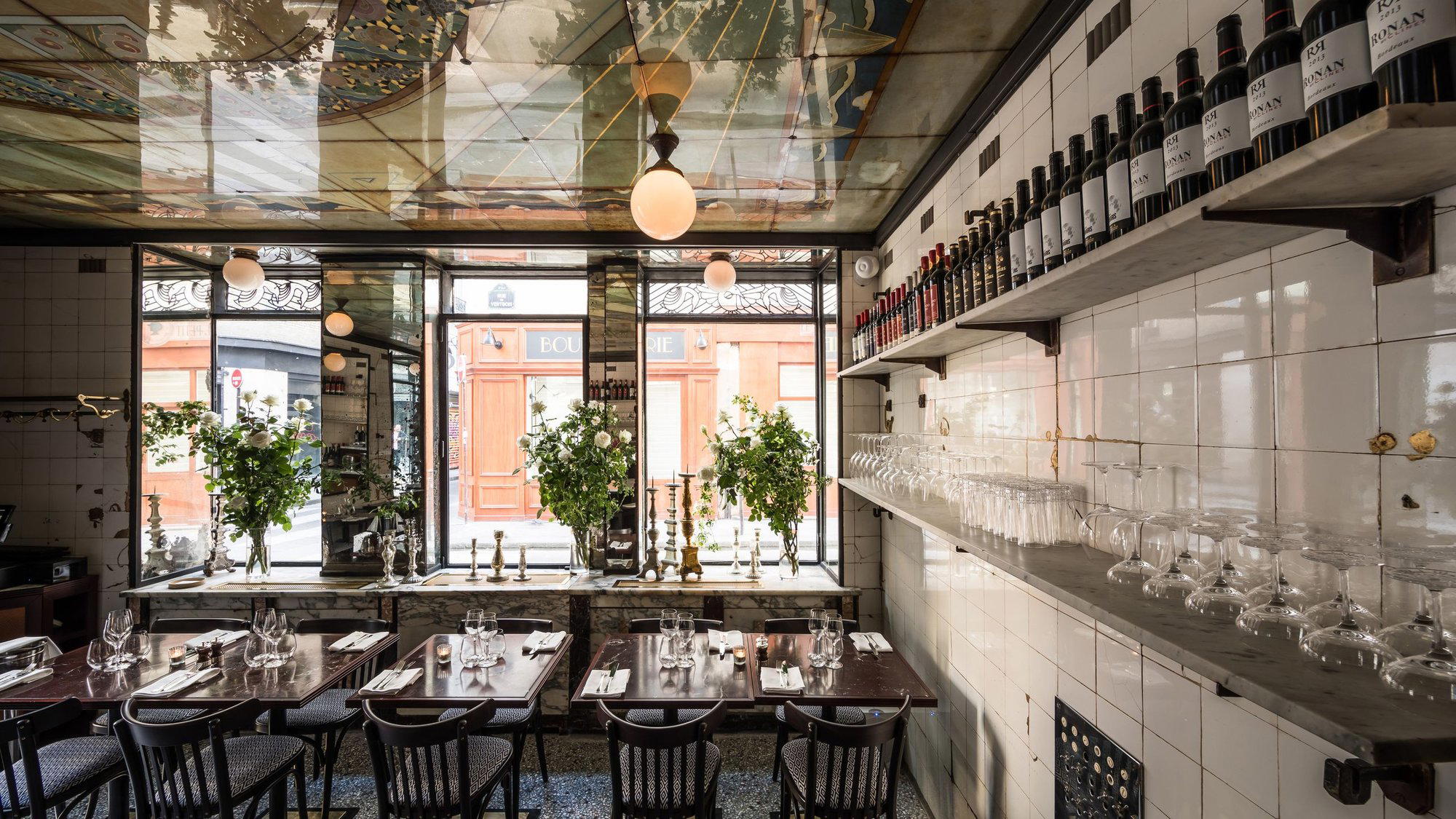
The 3rd arrondissement has long occupied an unusual position in Paris dining. Less formally weighted than the 8th, where three-Michelin-star rooms like Le Cinq at the Four Seasons Hôtel George V and Alléno Paris au Pavillon Ledoyen anchor a very particular kind of occasion dining, the Marais has historically absorbed a more restless energy: galleries beside synagogues, falafel counters beside serious wine bars. Anahi, at 49 Rue Volta, fits that neighbourhood logic and then complicates it. The room was a butcher shop. You can still read that history in the mosaic floor tiles, the ironwork, and the mirrored ceilings that amplify candlelight into something more theatrical than a white-tablecloth room would allow. Walking in, the atmosphere arrives before the menu does.
That continuity from the space's past function to its present one is not decorative coincidence. Anahi is, at its core, a serious beef restaurant, operating in a city that has always valued quality animal husbandry but has rarely made Argentine-inflected open-fire cookery a fine-dining proposition. The venue does exactly that, and the physical setting reinforces the argument before a single plate lands.
Where South American Technique Meets French Market Discipline
The editorial angle that matters most for understanding Anahi is the one the venue's own kitchen enacts: techniques and sourcing traditions imported from the Southern Cone, applied to materials that range from American and Japanese Wagyu to Australian beef. This is not fusion in the diluted sense. It is the application of Argentine parrilla logic, specifically high-heat open-flame grilling that prioritises surface char and internal temperature control, to cuts sourced through networks that only operate at a certain scale and seriousness.
Mauro Colagreco, whose three-Michelin-star restaurant Mirazur in Menton has placed him among the small group of French-based chefs working at the highest level of contemporary cuisine, brings Argentine technical grounding to the project. Riccardo Giraudi, whose Beefbar operations span multiple cities, contributes sourcing access to rare breeds and premium-grade product. Chef Thierry Paludetto runs the kitchen day-to-day, translating those combined inputs into a consistent service. The structure of that collaboration is visible on the menu: Rubia Gallega côte de bœuf, Kobe, and USDA Prime alongside wet and dry aged cuts, each prepared over a high-temperature broiler rather than the lower, slower heat of some European steak traditions.
The distinction matters. High-temperature broiling creates a different surface texture and Maillard reaction than wood-fire grilling at moderate heat. It is the technical choice that connects Anahi to the Argentine tradition rather than to, say, the British approach to aged beef or the Japanese teppanyaki method. Paris has seen cross-cultural technique applied to French product at length, from the Japanese-French synthesis visible at Kei to the terrain-driven abstraction at Arpège, but the South American axis in fine dining has remained comparatively underrepresented. Anahi occupies that gap with some force.
Beyond the Grill: The Supporting Programme
A kitchen built around premium beef could easily narrow into a single-note experience. Anahi extends past that by framing the grill work within a broader South American flavour vocabulary. Empanadas, chimichurri, provoleta, and chorizo appear on the menu not as novelty but as structural accompaniments, the same role they play in Argentine cooking at home: punctuation around the main event, not afterthoughts. The result is a menu that reads with internal consistency rather than the slightly arbitrary feel that some steakhouse supporting menus carry.
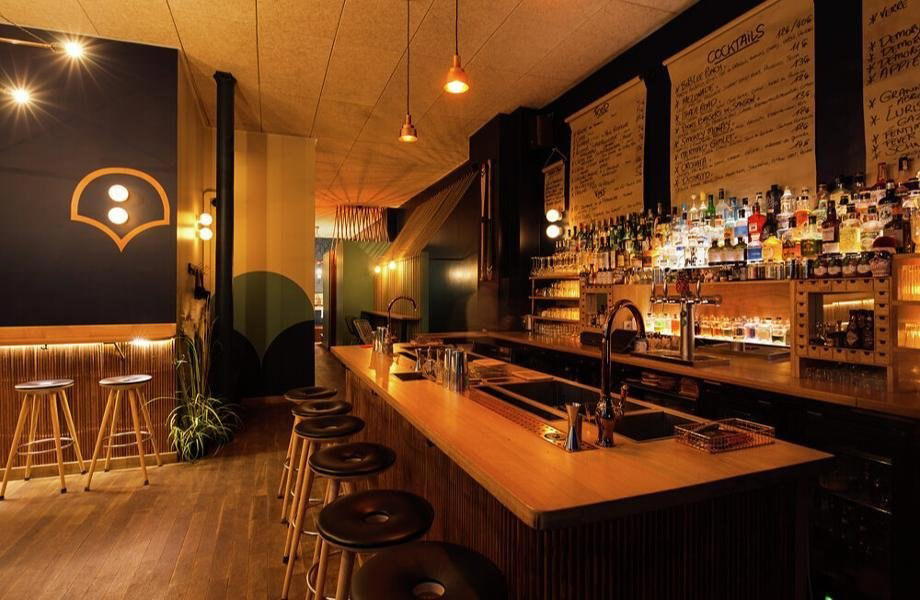
The wine programme follows the same cross-hemisphere logic. A list that places Malbec alongside Bordeaux is not unusual in itself, but the framing of South American producers alongside French classics at this price and atmosphere level is a coherent extension of what the kitchen is doing. House-aged Negronis and Pisco-based cocktails at the bar apply the same approach: the techniques are familiar, the references are South American.
For context on how this sits within the broader Paris dining register, the city's most-discussed formal rooms, including L'Ambroisie in the Place des Vosges, remain anchored to classical French product hierarchies. Anahi operates in a different register entirely, closer in spirit to the kind of informal-meets-serious positioning that, in New York, venues like Atomix have demonstrated in the Korean-fine-dining space, or that Le Bernardin once demonstrated for French seafood in an American context: a non-local tradition applied with enough seriousness to reframe how a city thinks about a particular cuisine.
The Room and the Service Register
The atmosphere at Anahi rewards attention. The preserved butcher-shop architecture places it in a small category of Parisian dining rooms where the physical heritage of the space actively contributes to the experience, rather than functioning as neutral backdrop. The mosaic tiles and ironwork read as continuity from the building's original function, which is appropriate given that the kitchen's purpose, at its most direct, is the preparation of excellent animal protein.
Service operates at a register that suits the room: knowledgeable about the sourcing and preparation behind each cut, warm rather than formal, moving at a pace that acknowledges the evening is supposed to feel like an occasion without insisting on ceremony. This positions Anahi slightly apart from the more architecturally austere dining rooms that Paris's highest-end addresses, such as the starred rooms at landmark French restaurants like Troisgros or Bras in the French provinces, tend to project. The soul of the room is closer to a Buenos Aires parrilla that has been given a Parisian art direction budget.
Planning Your Visit
Anahi is located at 49 Rue Volta in the 3rd arrondissement, a short walk from the Arts et Métiers and Temple metro stations. The Marais concentration of galleries, concept stores, and serious independent wine bars makes the neighbourhood a reasonable anchor for a longer evening. Given the profile of the project and the two names attached to it, tables at peak times require advance planning; treating this as a same-week booking is likely to produce limited options on the evenings most suited to a long dinner. The venue is oriented toward dinner as the primary format. Dress expectation aligns with the room: smart, but not the suit-and-tie register of the 8th arrondissement palace hotel dining rooms.
For a wider view of where Anahi sits within the city's eating and drinking options, EP Club's guides to Paris restaurants, Paris bars, Paris hotels, Paris wineries, and Paris experiences cover the broader context. Among France's other significant addresses, Flocons de Sel in Megève, Auberge de l'Ill in Illhaeusern, and Paul Bocuse's L'Auberge du Pont de Collonges represent different registers of the French fine-dining tradition for those building a longer itinerary around serious food.
Frequently asked questions
Can I bring kids to Anahi?
Anahi's setting, a converted 19th-century butcher shop with mosaic tiles and candlelit warmth at 49 Rue Volta, skews toward adult dinner occasions rather than family meals. The menu centres on premium aged cuts from USDA Prime to Japanese Wagyu, which is a narrow proposition for younger diners. That said, there is no documented age restriction; the question is more about fit than policy.
What's the overall feel of Anahi?
The room is the former butcher shop it has always been, ironwork, mirrored ceilings, and original mosaic tiles give it a physical identity that most Paris dining rooms can't replicate. Co-direction by Mauro Colagreco and Riccardo Giraudi pulls the register toward South American warmth rather than Parisian formality. Service is described as personal and knowledgeable without ceremony.
Is Anahi Michelin-listed?
Anahi has received recognition including: Latin Soul, Parisian Elegance and Fire-Lit Precision Tucked into the vibrant Marais district, Anahi is a culinary revival unlike any other in Paris. Co-helmed by Mauro Colagreco, the celebrated Argentine chef behind Mirazur and Riccardo Gir….
What's the must-try dish at Anahi?
The kitchen's focus is squarely on fire-grilled beef, with the Rubia Gallega côte de bœuf and American and Japanese Wagyu cuts positioned as the centrepiece of the menu. For context beyond the grill, the empanadas and provoleta represent Colagreco's Argentine reference points translated into a Parisian kitchen. The beef programme draws from both wet- and dry-aged stock across USDA Prime, Australian, and Japanese sourcing.
Cuisine-First Comparison
A compact comparison to help you place this venue among nearby peers.
| Venue | Cuisine | Price | Awards | Notes |
|---|---|---|---|---|
| AnahiThis venue (the venue you are viewing) | Modern Argentine Steakhouse | $100–150 | World's Best Steaks Europe's 50 Best #16 | Not listed |
| Alléno Paris au Pavillon Ledoyen | Modern French Fine Dining | $150–200 | 3 Michelin Stars · World's 50 Best #79 | Creative |
| Kei | Modern French with Japanese Influences | $300–500 | 3 Michelin Stars · World's 50 Best #93 | Contemporary French, Modern Cuisine |
| L'Ambroisie | Classic French Haute Cuisine | $300–500 | 2 Michelin Stars · World's 50 Best #23 | French, Classic Cuisine |
| Le Cinq - Four Seasons Hôtel George V | Modern French Fine Dining | $300–500 | 3 Michelin Stars · World's 50 Best #24 | French, Modern Cuisine |
| Plénitude | Modern French Sauce-Led Fine Dining | $300–500 | 3 Michelin Stars · World's 50 Best #14 | Contemporary French |
Recognition history
Dated appearances from independent guides and award organizations, with the underlying list record or original source where available.
World's Best Steaks Europe's 50 Best Steak Restaurants #16 · No. 16
World's Best Steaks · Europe's 50 Best Steak Restaurants 2026
Full recognition history (3 entries)
World's Best Steaks 101 Best Steak Restaurants #56
World's Best Steaks
World's Best Steaks 101 Best Steak Restaurants #34
World's Best Steaks