Curate

Relais Chateaux Award
Our verdict
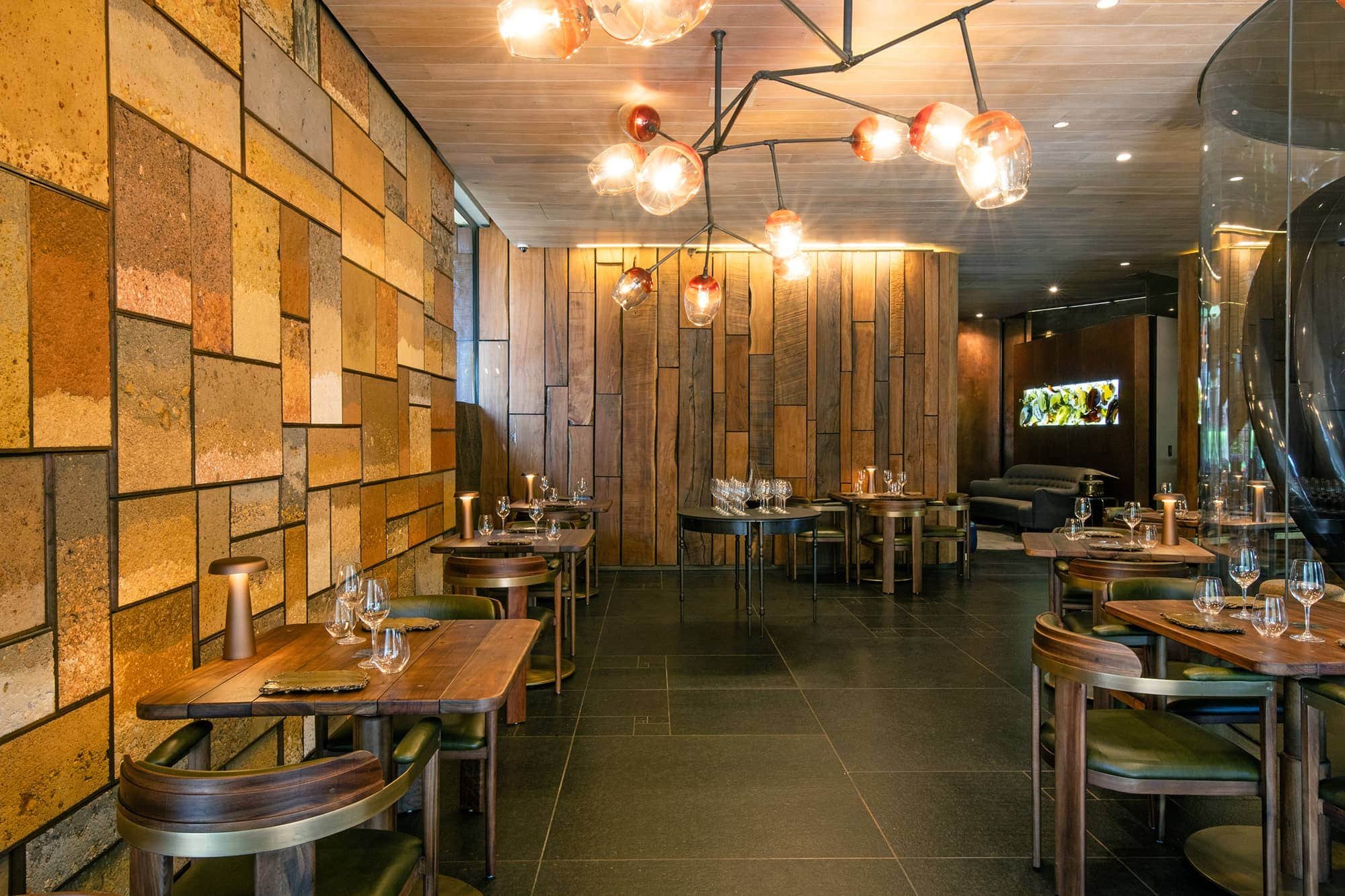
Curate brings South African produce and contemporary tasting-menu cooking into the Wine Gallery setting in Bantry Bay. The appeal is not scale or celebrity-chef theatre, but a controlled dinner format that treats regional ingredients, cultural memory, and polished plating as the main event.

Pearl is the En Primeur Club membership app, where members save venues, book tables and use the concierge.
The menu
What to order
- Amagwinya steamed breads with caviar and smoked snoek
- Reimagined melktert
- Reinvented bobotie
Curate gives Cape Town diners a clear first argument before the meal begins: this is a contemporary restaurant built around South African cooking rather than a generic international template. In a city where dinner can often compete with scenery, the stronger reading is to keep attention on the food, the pacing, and the way local identity is translated for a modern dining room.
Cape Town’s contemporary dining scene has spent the past decade refining a particular language: local produce, coastal access, farm relationships, and technique borrowed from global restaurants. Curate belongs to that conversation through a South African menu framed by a sense of place. The point is less about presenting heritage as nostalgia than about translating it with control, where ingredients carry the identity of the meal more than décor or biography.
South African ingredients treated as the main narrative
Ingredient sourcing matters in Cape Town because geography gives restaurants unusual range. The city has access to seafood, agricultural regions, mountain herbs, fruit-growing areas, and a pantry shaped by layered South African influences. A South African restaurant in this context has to do more than decorate familiar technique with local labels; it has to make produce, seasoning, and memory feel structurally important.
Curate’s stated category is South African cuisine, which places the restaurant within the more serious end of Cape Town dining, where menus are expected to show origin and intent rather than assemble luxury ingredients by default. In practical terms, that framing gives the kitchen a clear editorial line: the meal should feel rooted in South Africa, not simply polished for an international audience.
That local focus also matters because Cape Town has a deep culture of pairing food with wine, produce, and setting. Restaurants in the city handle that relationship in different ways: some lean casual, others treat the full meal as a more deliberate experience. Curate’s proposition is strongest when the food remains the centre of gravity and the South African identity is allowed to shape the evening rather than simply decorate it.
For readers mapping the city before dinner, our full Cape Town restaurants guide gives the broader view of how contemporary dining rooms, coastal addresses, and produce-led kitchens divide the market. Travellers planning a full stay can pair that with our full Cape Town hotels guide, our full Cape Town bars guide, our full Cape Town wineries guide, and our full Cape Town experiences guide.
Where the format fits in Cape Town's dinner culture
Cape Town can be deceptively casual. Some of its strongest meals happen in relaxed dining rooms and destination settings where the surroundings do heavy work. Curate takes a more focused route: a restaurant experience in Cape Town where South African cooking is the principal frame. That makes it better suited to diners who want intent and coherence than to those looking for a loose, drop-in meal.
The chef name provided for Curate is Kieran Whyte, but the more useful way to read the restaurant is not as a biography-led project. In a city where restaurant narratives often orbit founders, farms, and destination views, this format pushes attention back to the ingredients and the edit. South African cuisine is too broad to be reduced to a single style: it includes fire cooking, preserved fish, spice routes, maize, game, coastal harvests, orchard fruit, and a long history of adaptation.
That editorial choice is the critical test. When a kitchen claims South African identity, the question is not whether every plate announces it loudly. The better question is whether the menu uses local produce and cultural references with enough discipline that the meal could not have been conceived in a generic international hotel dining room. Curate’s strongest proposition is that it works from South African material first, then applies the polish of a contemporary format.
For travellers extending the itinerary beyond one dinner, South Africa’s dining map changes quickly by region. Cape Town’s restaurant culture can be read alongside other dining in the city and beyond it, where the balance between setting, produce, and culinary identity shifts from place to place. Curate remains the point of reference here: a Cape Town restaurant whose appeal rests on its South African focus.
The decision: choose it for focus, not spectacle
Curate makes sense for diners who want South African cooking in a composed Cape Town format. The restaurant’s strength is the combination of a contemporary dining-room structure and a clear commitment to local culinary identity. It is not the right choice if the priority is a quick, casual meal with no need for that kind of focus.
The Cape Town dining circuit offers many versions of destination eating, from relaxed neighbourhood rooms to more occasion-driven restaurants. Readers comparing styles across the city should think about how setting, menu format, and produce-driven cooking create different kinds of special-occasion meals, rather than treating every serious dinner as the same kind of experience.
The sharper reading is this: Curate is for a Cape Town evening where the origin of the food matters. The contemporary format supplies control, and the South African focus gives the meal its reason to exist. In a city rich with scenery and competing dining styles, that kind of discipline is a useful counterweight.
Frequently asked questions
Can I bring kids to Curate?
Curate is best understood as a focused Cape Town dining room rather than a casual drop-in restaurant. Parents should check directly with the restaurant before booking if they need child-friendly arrangements.
What is the atmosphere like at Curate?
Curate has a composed, contemporary feel, with the emphasis placed on South African cooking and a focused restaurant experience rather than a loud or purely casual format.
Is Curate Michelin-listed?
No Michelin recognition has been provided for Curate. The recognition provided is its inclusion in Inside Guide’s article, “The 30 Hottest New Restaurants in Cape Town.”
What cuisine category does Curate fall under?
Curate serves South African cuisine.
What days is Curate closed?
Specific opening hours and closing days have not been provided here. Check directly with Curate before planning a visit.
Where is Curate in Cape Town?
Cape Town.
What has Curate built its reputation on?
Curate is presented as a Cape Town restaurant focused on South African cuisine. Its current recognition includes being featured in Inside Guide’s “The 30 Hottest New Restaurants in Cape Town.”
Reputation & Price
Comparable venues nearby, for context on price, style, and recognition.
| Venue | Cuisine | Price | Awards | Notes |
|---|---|---|---|---|
| CurateThis venue (the venue you are viewing) | Modern South African Fine Dining | Not listed | Relais Chateaux Award | Not listed |
| Talking To Strangers | Modern African Street Food Tapas | $20–30 | Not listed | Bo-Kaap, Modern African Street Food Tapas |
| Amura at Mount Nelson | Marine-inspired Spanish seafood fine dining | $50–100 | Not listed | Gardens, Marine-inspired Spanish seafood fine dining |
| The Company's Garden Restaurant | South African Cafe | $10–20 | Not listed | City Bowl, South African Cafe |
| EDGE | Modern African Fire Cuisine | Not listed | The Best Chef One Knife | Cape Town CBD, Modern African Fire Cuisine |
| Rikū ’s Counter | Modern Japanese Omakase | $150–200 | The Best Chef One Knife | Mowbray, Modern Japanese Omakase |
Recognition history
Dated appearances from independent guides and award organizations, with the underlying list record or original source where available.
Relais Chateaux Award
Relais Chateaux
Continue exploring
More in Cape Town
Restaurants in Cape Town
All restaurants in Cape Town →
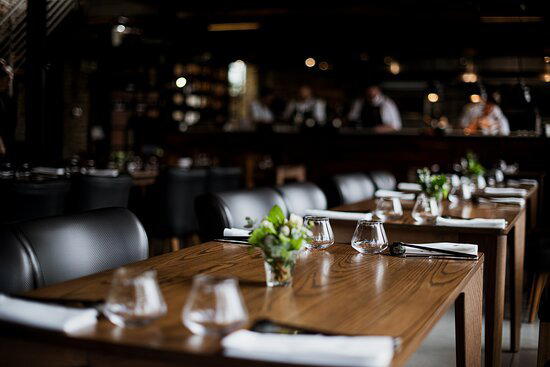
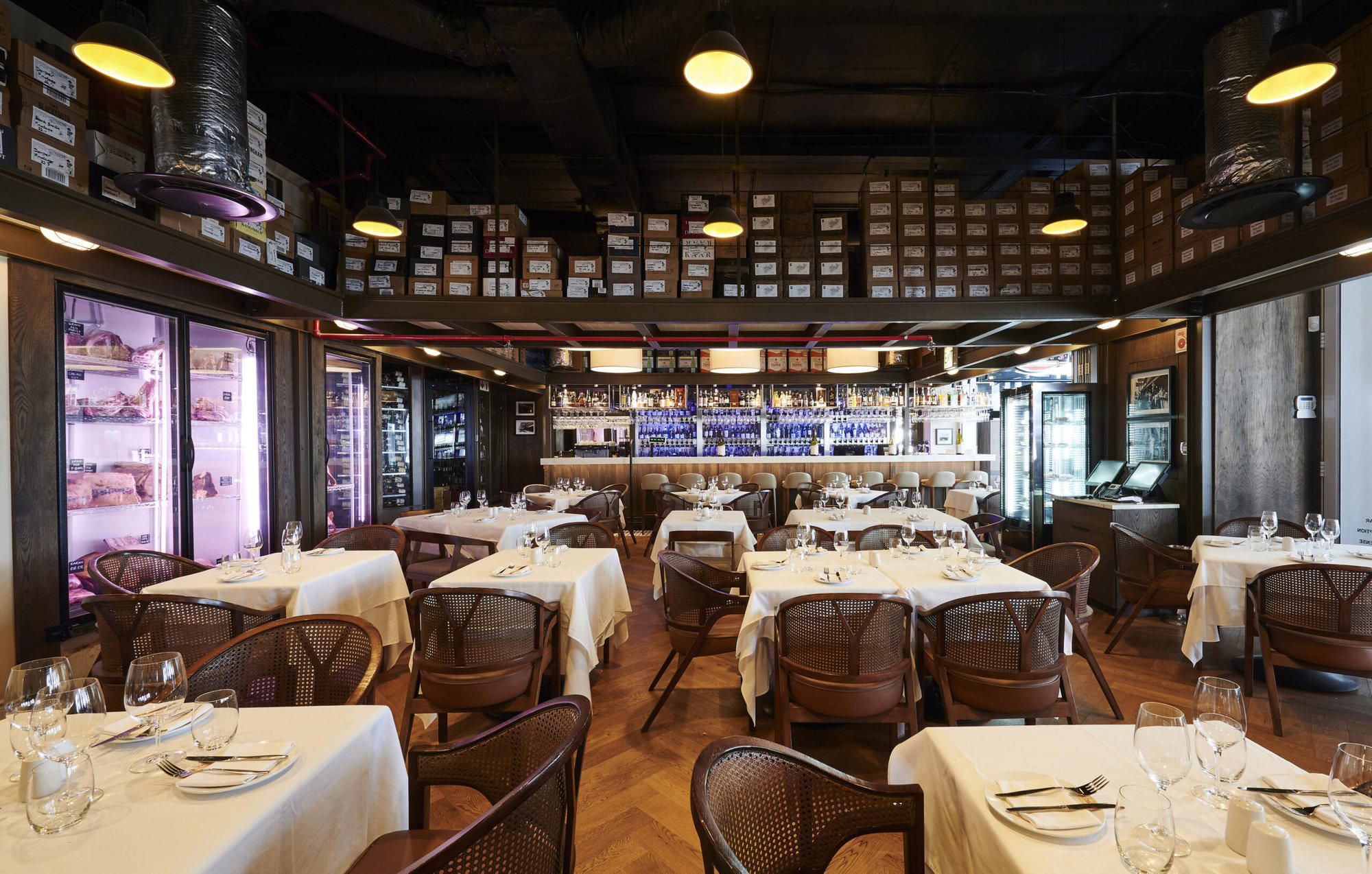
Bars in Cape Town
All bars in Cape Town →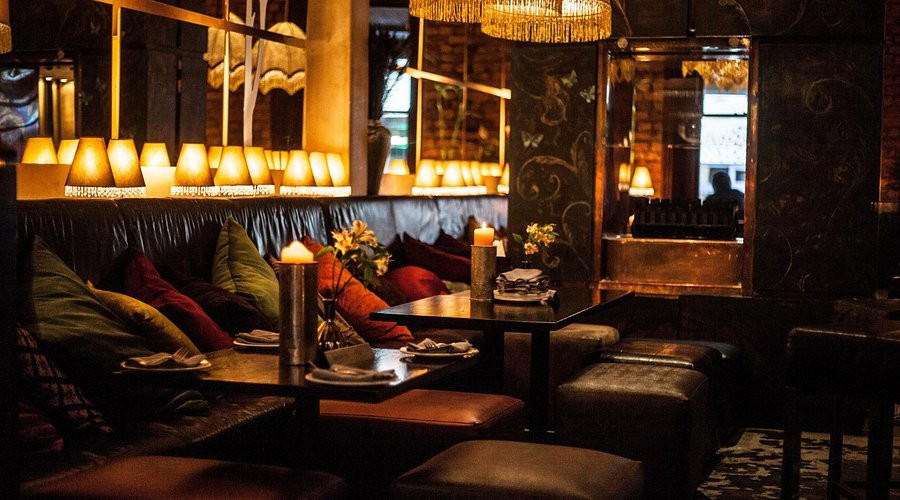
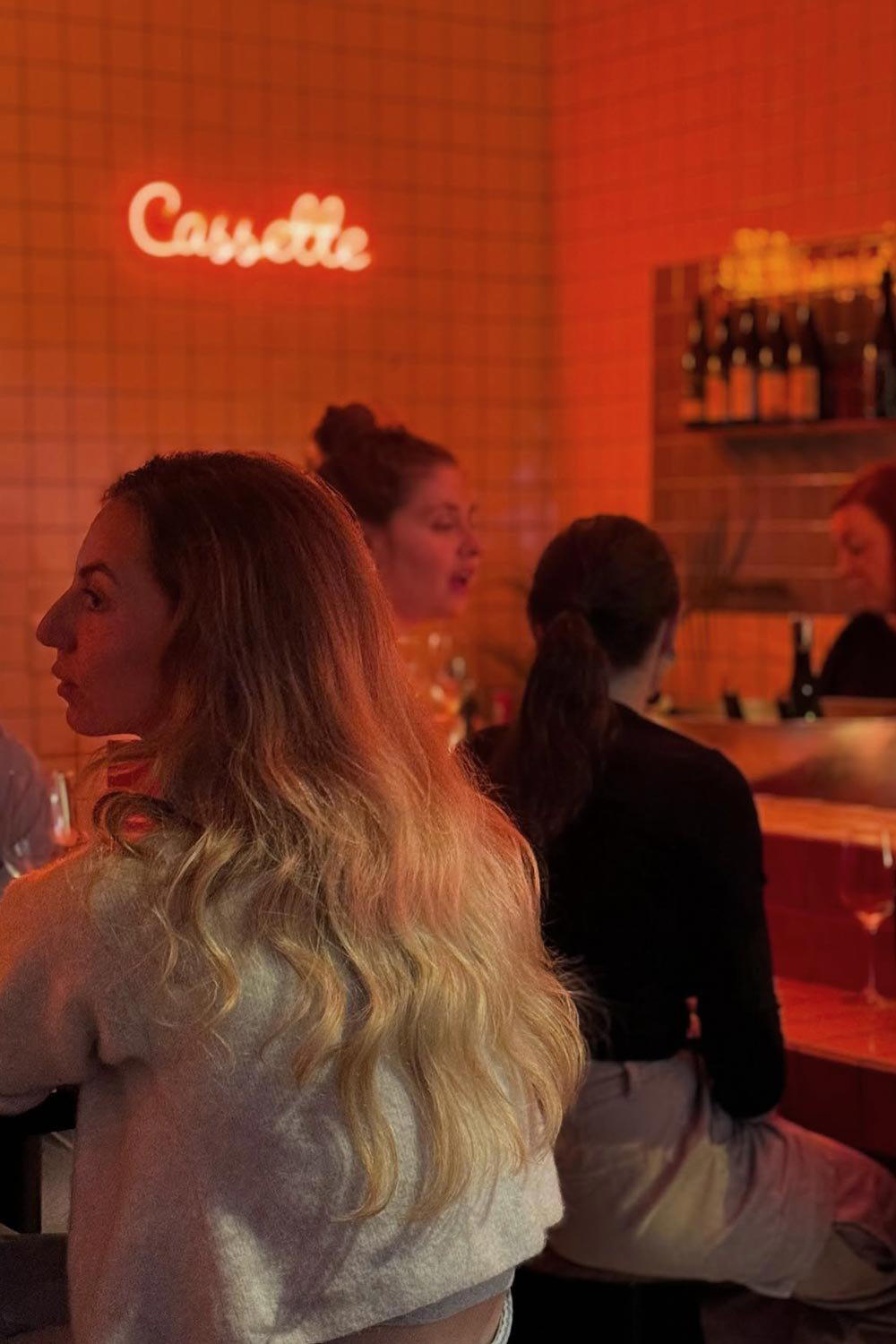


Curate
The wine
- Wine program
- Deep wine list
- Extensive wine list
- Sommelier-led
Details
- Sophisticated
- Intimate
- Elegant
- Modern
- Date Night
- Special Occasion
- Celebration
- Design Destination
- Standalone
- Sommelier Led
- Extensive Wine List
- Local Sourcing
- Tasting Menu
- South African Wine
- Vegetarian Friendly
Current opening hours
- Monday
- Closed
- Tuesday
- 6–10:30 PM
- Wednesday
- 6–10:30 PM
- Thursday
- 6–10:30 PM
- Friday
- 6–10:30 PM
- Saturday
- 6–10:30 PM
- Sunday
- Closed
Hours can change for holidays and private events. Hours as of .
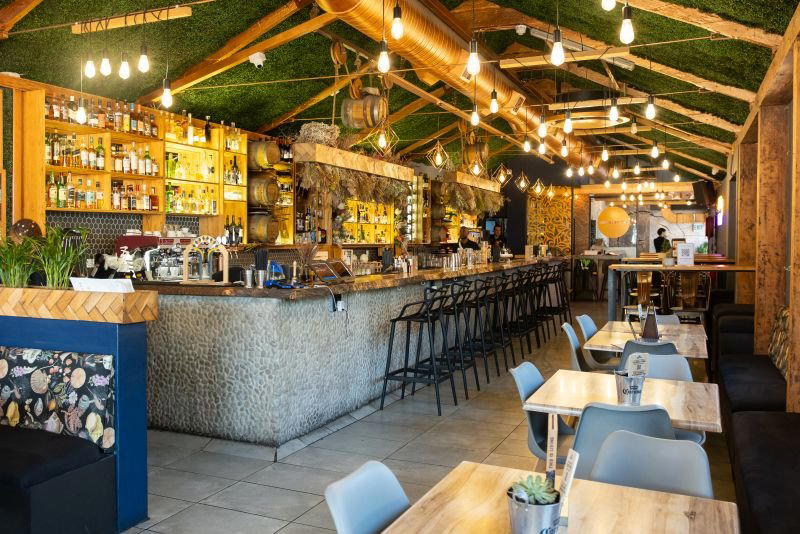
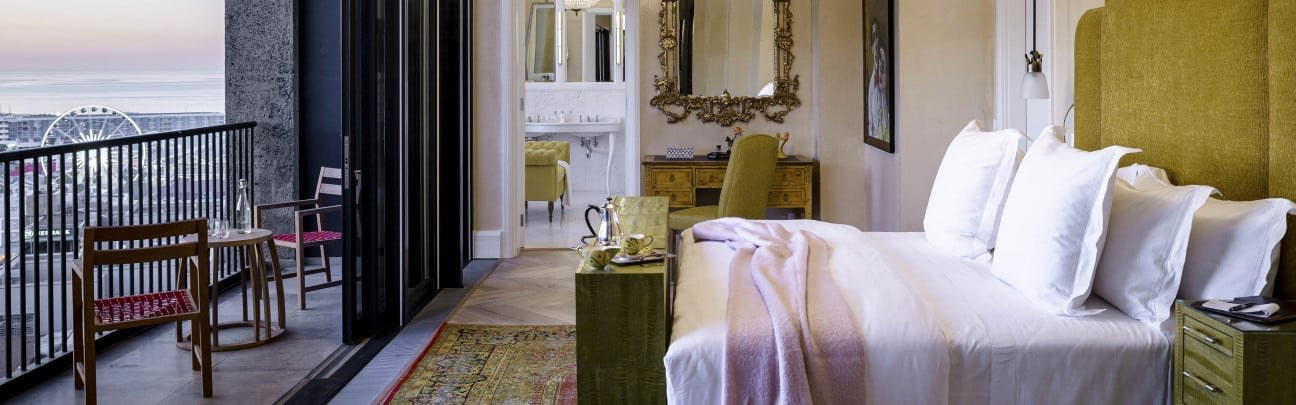
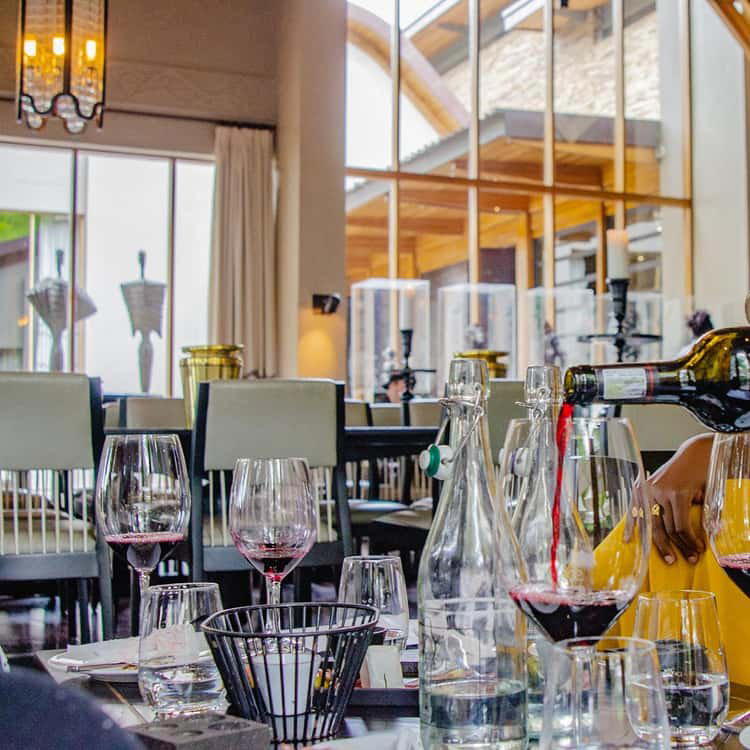
A deeply contemporary, moody, and artistic setting with sculptural design, textured finishes, and intimate lighting.