
Set within the historic Palazzo Forti in Verona's centro storico, Amo Bistrot holds a consecutive Michelin Plate (2024 and 2025) for a menu that moves between Italian meat and fish traditions and Asian-inflected formats, bao, tapas-style sharing plates, and a Sunday brunch that draws a loyal local following. The cloister terrace, with its ancient stone walls and soft evening lighting, is the room Verona forgets to tell you about.
Pearl is the En Primeur Club membership app — saves, bookings, and concierge access live there. Same editors, same standards.
- Address
- Vicoletto Due Mori, 5, 37121 Verona VR, Italy
- Phone
- +39 045 806 9146
- Website
- amobistrot.it
- Directions
- Get directions
 Saves & bookings on Pearl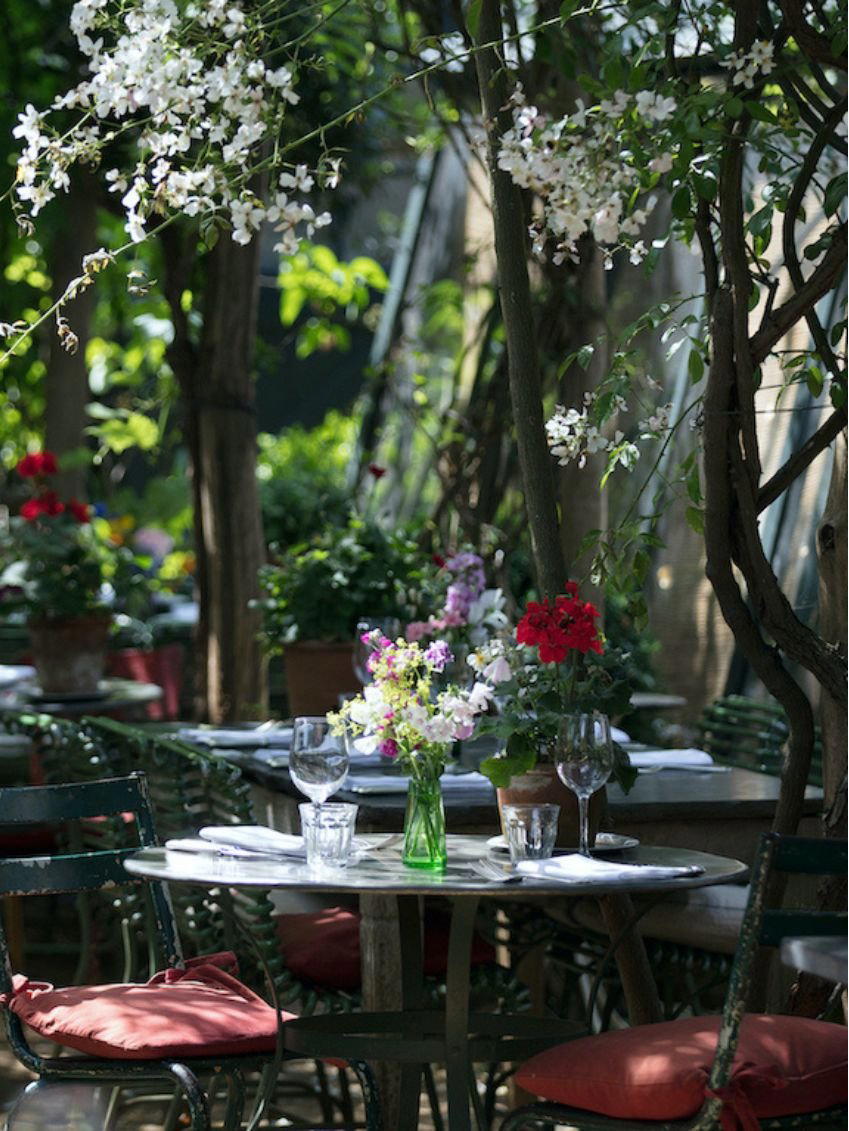
A Palazzo, a Cloister, and a Menu That Refuses to Stay in One Country
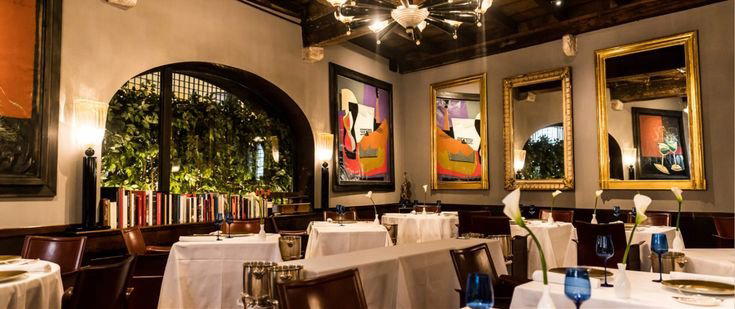
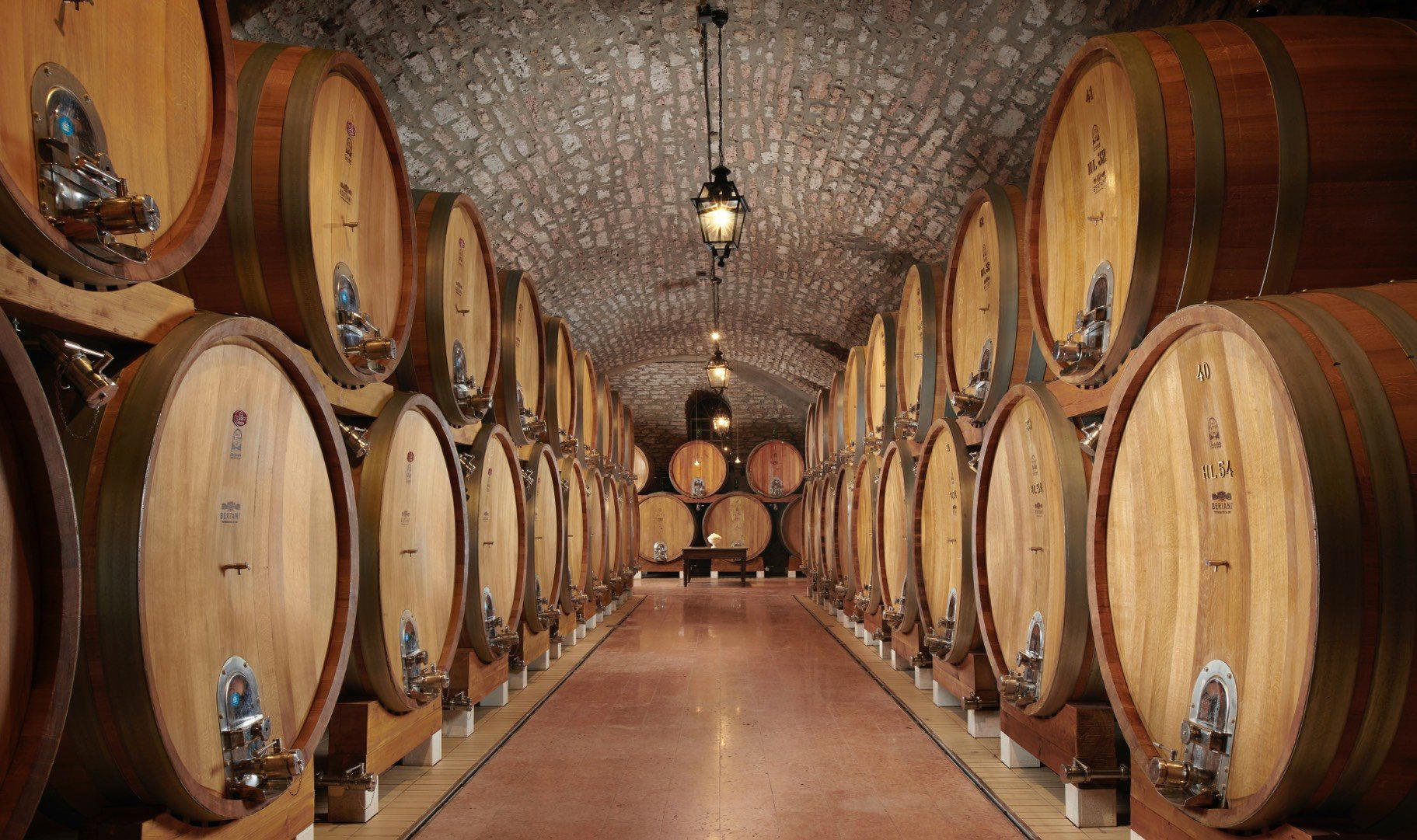
Verona's centro storico is dense with medieval palazzi repurposed as restaurants, and the conventions of the form are well established: exposed stone, vaulted ceilings, candlelight, risotto all'Amarone. Amo Bistrot, housed inside Palazzo Forti on the quiet Vicoletto Due Mori, occupies that same architectural envelope but draws a markedly different set of conclusions about what should go on the plate. The dining room presents the familiar contrast of ancient bones, stone walls, wooden ceiling beams, set against contemporary furniture, a combination that has become common in Italian city-centre dining but which here feels less like a styling choice and more like a signal: the building is traditional, the kitchen is not obliged to be.
The cloister is the detail worth noting before anything else. In the summer months, tables set against the old cloister walls under soft, considered lighting constitute one of the more quietly atmospheric dining settings in the city. Verona has many outdoor eating, but most of it faces a piazza or a busy street. Eating in an enclosed courtyard with centuries-old stonework on three sides is a different register entirely, and the light has been handled with enough care to make the space feel intentional rather than incidental.
Where the Cuisine Sits in Verona's Dining Spectrum
Verona's restaurant scene has a clearly stratified structure. At the leading, tasting-menu houses like Casa Perbellini 12 Apostoli (three Michelin stars) and Il Desco (one Michelin star) occupy the €€€€ bracket with formal, progressive Italian menus. At the other end, trattorie like Al Bersagliere anchor the city in Venetian cooking at entry-level prices. The mid-range €€ tier has traditionally been held by places like Trattoria al Pompiere, which operates squarely within regional Veronese conventions.
Amo Bistrot prices in that same €€ bracket but competes on a different axis. The kitchen, under Chef Eduardo García, does not treat the Veneto as its primary reference point. Instead, the menu sits at the intersection of Italian meat and fish preparations and Asian culinary formats, a position that makes Amo one of the few fusion-oriented restaurants in Verona operating at this accessibility level with consecutive Michelin recognition. The 2024 and 2025 Michelin Plate distinctions are a signal that the format has been executed with sufficient consistency and discipline to register on the guide's radar, even if the approach sits outside what Michelin typically rewards most generously in northern Italy.
The Cultural Logic of the Menu
Fusion menus carry real risk in cities with strong culinary identities, and Verona, with Amarone, horse meat, and bigoli in the civic consciousness, qualifies. The more credible fusion formats tend to be those with structural logic rather than mere eclecticism: a dish concept drawn from one tradition, ingredients or technique from another, resolved into something with internal coherence. The tapas and bao format at Amo Bistrot addresses this by using the sharing-plate structure as an organising principle. Bao, the Taiwanese steamed bun that spread through European bistro menus in the early 2010s, has by now accumulated enough presence in Western casual dining that it reads less as novelty and more as an established format. Deploying it alongside traditional Italian meat and fish preparations frames the menu as a set of parallel tracks rather than a collision.
This kind of cross-cultural menu architecture has been explored at various levels of ambition across Europe. At the higher end, restaurants like Osteria Francescana in Modena have used cultural reference and contrast as a conceptual framework, though within a strictly Italian idiom. More directly comparable fusion operations include Ajonegro in Logroño and Arkestra in Istanbul, both of which work at the intersection of local and Asian traditions. The restaurant is doing something structurally similar but at a different price point and in a city where the local culinary tradition is, if anything, more assertive than in either of those contexts.
The Sunday brunch offering extends the menu's reach into a format that remains underdeveloped in Verona relative to northern Italian cities like Milan. That Amo has built what appears to be a consistent brunch programme adds a dimension that few comparable venues in the city have committed to with the same regularity.
Verona's Broader Restaurant Conversation
For readers building a Verona itinerary, the restaurant fills a specific gap: a Michelin-recognised restaurant at accessible prices with a menu that diverges from regional convention.Al Capitan della Cittadella or Iris Ristorante. The commitment to regional cooking rooted in the Po Valley and northern Italian traditions is well served by Dal Pescatore in Runate if you are willing to travel. For the full range of what Italian fine dining looks like at the highest level, Enoteca Pinchiorri in Florence, Enrico Bartolini in Milan, and Le Calandre in Rubano, all within reasonable reach, represent the upper register. Alto Adige adds a further dimension via Atelier Moessmer Norbert Niederkofler in Brunico.
Planning Your Visit
The restaurant is on Vicoletto Due Mori, 5, a small side street close to Palazzo Forti in the historic centre, within walking distance of the Arena and Piazza delle Erbe. The €€ pricing positions it as an accessible mid-range option against the tasting-menu houses that dominate Michelin-recognised dining in the city. If the cloister is your priority, summer evenings are the operative window; the combination of warm temperatures and the old courtyard walls at that time of year makes the outdoor space the clear choice over the interior. Booking ahead is recommended, particularly for cloister seating in summer and for Sunday brunch.
Cuisine and Recognition
Comparable venues nearby, for context on price, style, and recognition.
| Venue | Cuisine | Price | Awards | Notes |
|---|---|---|---|---|
| Amo BistrotThis venue — the venue you are viewing | Italian-Asian Fusion Bistro | $$$ | Michelin Plate | Not listed |
| La Loggia Bistrò | Modern Italian Bistro | $$$ | Michelin Plate | Citta' Antica |
| Trattoria I Masenini | Modern Italian Trattoria | $$$ | Michelin Plate | Cittadella |
| Trattoria al Pompiere | Traditional Veneto Trattoria | $$$ | Michelin Plate | Citta' Antica |
| Vescovo Moro | Modern Italian Fine Dining | $$$$ | Michelin Plate | S. Zeno |
| Arche | Modern Veronese with Fish Specialties | $$$ | Not listed | Citta' Antica |
Recognition history
Dated appearances from independent guides and award organizations, with the underlying list record or original source where available.
Michelin Plate
Michelin
Michelin Plate
Michelin
Michelin Plate
Michelin
Continue exploring
More in Verona
Restaurants in Verona
Browse all →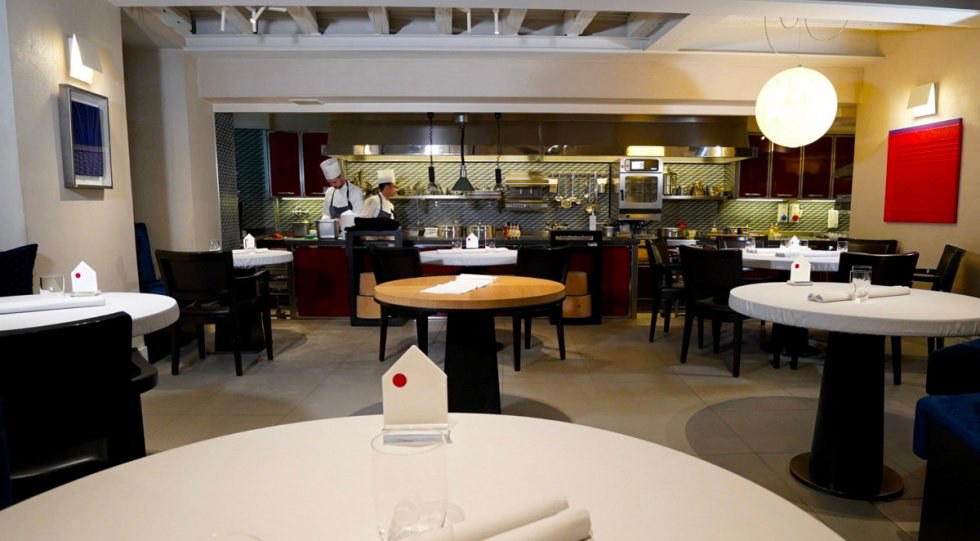
Bars in Verona
Browse all →
Hotels in Verona
Browse all →
At a Glance
- Romantic
- Cozy
- Elegant
- Modern
- Intimate
- Date Night
- Special Occasion
- Brunch
- Open Kitchen
- Terrace
- Historic Building
- Extensive Wine List
- Craft Cocktails
- Local Sourcing
Current opening hours
- Monday
- 7 PM–12 AM
- Tuesday
- 7 PM–12 AM
- Wednesday
- 7 PM–12 AM
- Thursday
- 7 PM–12 AM
- Friday
- 7 PM–12 AM
- Saturday
- 12–2:30 PM, 7 PM–12 AM
- Sunday
- 11:30 AM–3 PM, 7 PM–12 AM
Hours can change for holidays and private events. Last verified .
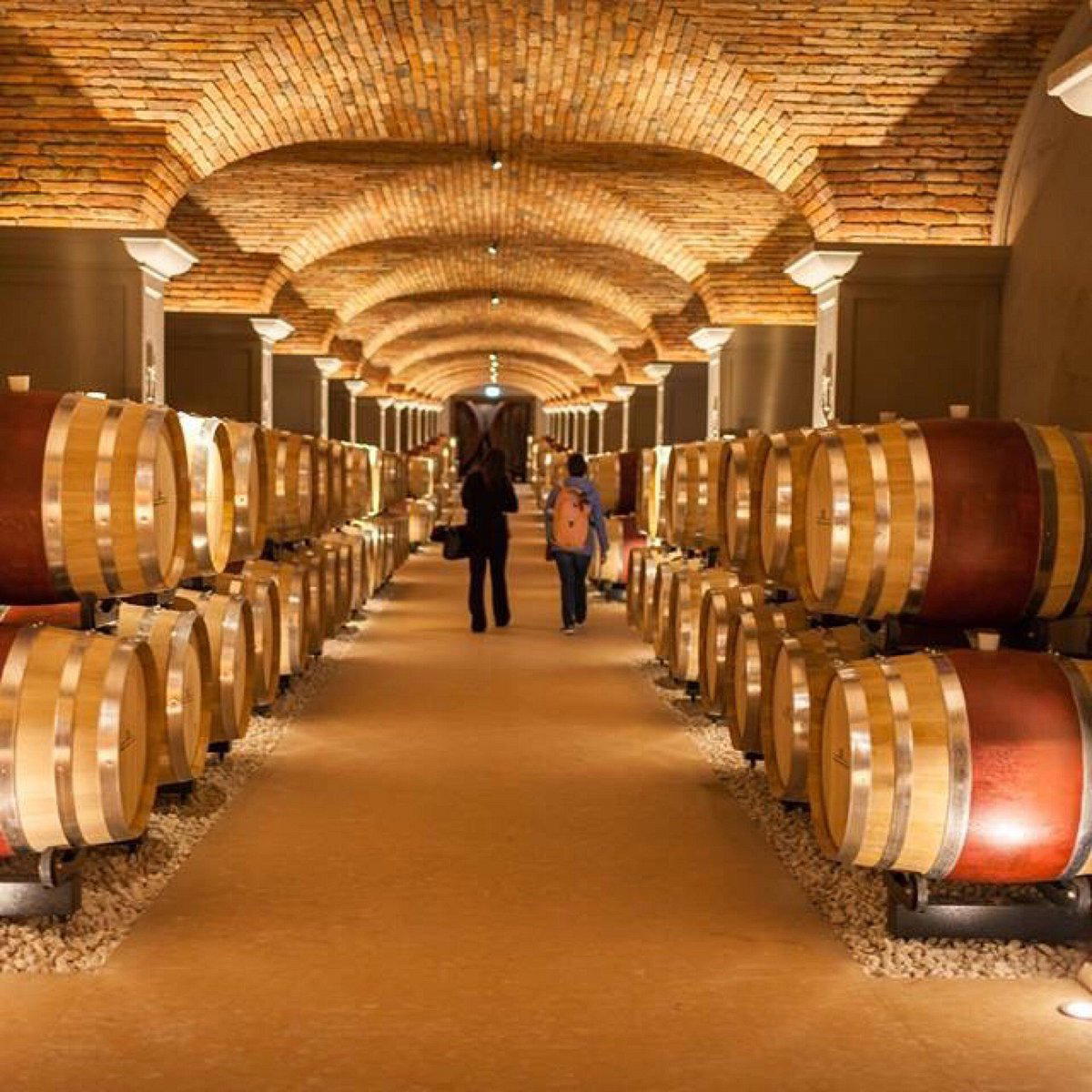
Beautiful relaxing atmosphere with elegant decor, exposed stone walls, wooden ceilings, contemporary furnishings, and soft lighting in the cloister.