Our verdict
Amici sits in Changning, a district where Shanghai dining often feels less ceremonial than the riverfront hotel rooms and Bund tasting counters. With no awards, chef billing, cuisine label, or price band attached, it reads less as an accolade-led destination and more as a neighbourhood reference point for judging how Shanghai’s ingredient conversation plays out away from the city’s louder restaurant corridors.

Pearl is the En Primeur Club membership app — saves, bookings, and concierge access live there. Same editors, same standards.
- Address
- 1116 Yan An Xi Lu, Chang Ning Qu, 200052
- Directions
- Get directions
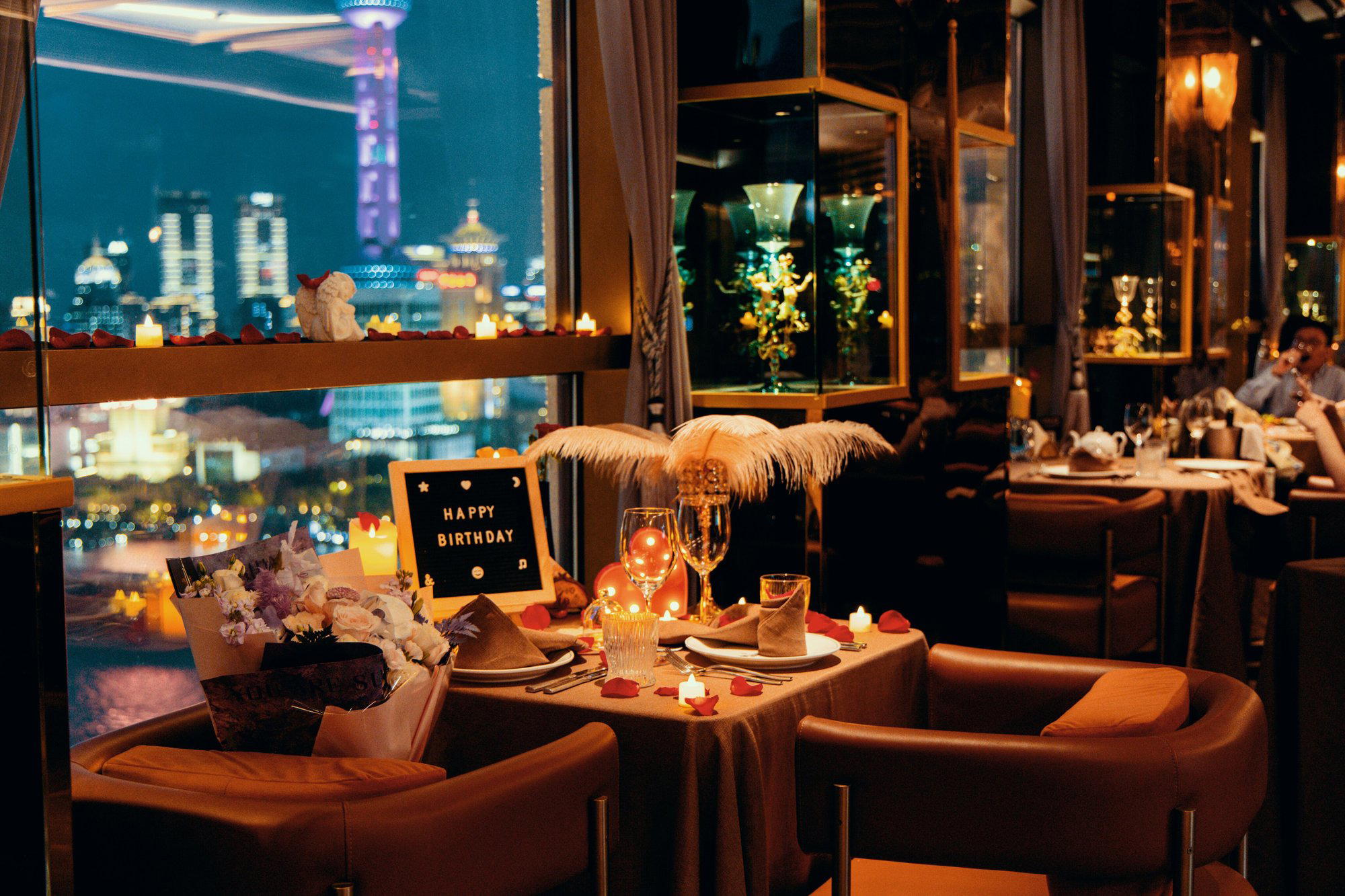
The menu
What to order
- Seafood buffet
- Sashimi
- Crab legs
- Salmon dishes
- Desserts and cakes
- Ice cream
Shanghai is not only a city of skyline dining rooms and choreographed arrival sequences. It is also a working urban restaurant map, dense with daily movement, local routines, small dining addresses, and the everyday rhythm that gives the city depth beyond its most photographed zones. Amici belongs to that map: not a listing to inflate with unsupported detail, but a restaurant to read through Shanghai’s broader question of consistency, usefulness, and how much a place needs to declare before the meal begins.
That distinction matters in a city where restaurants often split into two visible camps. One camp sells the view, the polished arrival, or the formal dining format. The other depends on repeat local use, practical convenience, and the quiet credibility of a room that does not need to be over-described. Shanghai has room for both. The point is not whether one model is superior; it is that they answer different dining needs. A Shanghai address places a restaurant in a city where convenience, regularity, and a clear sense of purpose often carry more weight than ceremony.
Shanghai dining rewards kitchens that source with restraint rather than spectacle
Ingredient expectations in Shanghai are shaped by the city’s range: everyday neighborhood meals, polished dining rooms, casual counters, and more formal restaurants all sit close together in the same urban conversation. Restaurants that work outside a heavily publicised tasting-menu frame have less room for theatre. They are judged by whether the meal feels considered, whether the kitchen is consistent, whether the room functions smoothly, and whether the experience earns its place without excessive explanation.
Amici should be understood inside that practical Shanghai tradition. The available public profile is more useful as context than as a platform for unsupported claims about a named chef or fixed category, so the better reading is measured. In Shanghai, a restaurant’s credibility is often built through usefulness: a setting that fits city movement, a room that can work for a meal rather than an occasion, and a kitchen whose choices are best assessed at the table rather than through proclamation.
For readers comparing formats across the city, the contrast is instructive. Some Shanghai dining rooms sit closer to the city’s high-rise grammar, where service architecture and setting shape expectations before the menu appears. Other specialists belong to a different conversation again, one in which product focus, group dining logic, and local preference are judged against regular use. Amici is better read through city function and measured expectation than through trophy comparisons.
Shanghai's quieter addresses compete on repeat value
The city’s restaurant culture has become increasingly layered. A visitor can build an entire itinerary around formal dining rooms, cocktail-led evenings, and polished hotel settings, yet the more revealing meals often happen in parts of the city where residents actually eat. Shanghai is international enough to support varied tastes, local enough in its daily habits to resist the total conversion of dining into performance.
That makes Amici useful for a specific reader. It is not best approached through unsupported assumptions about a published chef biography, a rigid tasting format, or a specific culinary label. It is more relevant for a diner mapping Shanghai beyond the obvious prestige zones and paying attention to how restaurants fit into daily urban life. In that context, restraint is not a slogan. It is a practical way to judge whether a restaurant can hold attention in a city with demanding diners and little patience for inconsistency.
Cross-city comparisons underline the point. Across China, different places attach value to product, memory, and format in their own ways, from regional dining rooms to casual counters and more formal destination restaurants. Shanghai’s version is more cosmopolitan and more restless. A restaurant without a large public narrative has to earn attention through execution rather than mythology.
How to place it in a Shanghai itinerary
Amici makes the most sense as part of a wider Shanghai plan rather than as the sole anchor of a trip. Use it to understand the city’s everyday dining rhythm, then compare that with Shanghai’s polished rooms, hotel restaurants, and specialist counters. The broader edit is available in Our full Shanghai restaurants guide, while the surrounding travel frame sits in Our full Shanghai hotels guide, Our full Shanghai bars guide, Our full Shanghai wineries guide, and Our full Shanghai experiences guide. For a wider Pacific Rim contrast in casual precision and drinks culture, other focused formats show how a sense of place can be communicated with less ceremony.
The editorial verdict is measured: this is a Shanghai listing to approach through city context and practical expectation, not through unsupported rhetoric. In a city where hype can outrun substance, that restraint is useful. The more valuable question is not whether the room announces greatness, but whether it helps explain how Shanghai eats when the city is not performing for the skyline.
Frequently asked questions
Where is Amici in Shanghai?
Amici is located in Shanghai.
Do I need a reservation for Amici?
A reservation is sensible for a Shanghai dining address like Amici, especially if planning an evening around the city. Timing the visit around your schedule matters.
What's the standout thing about Amici?
Its clearest point of reference is its Shanghai setting. That places Amici within a city where everyday restaurants can carry real weight in local dining plans.
Is Amici allergy-friendly?
For allergies, contact Amici directly before visiting and confirm the kitchen's approach with the team in Shanghai. Without a published cuisine type or menu detail, the safest move is to verify before you go.
Is Amici okay with children?
Amici's record does not specify a family policy, so the practical step is to check before bringing children. Its Shanghai setting makes it easy to place within a wider city itinerary.
What's the vibe at Amici?
Expect a Shanghai restaurant setting shaped more by city context than by theatrical positioning. Amici is best approached as part of the city’s everyday dining map rather than as a destination-room drama.
How It Stacks Up
Comparable options at the same price tier.
| Venue | Cuisine | Price | Awards |
|---|---|---|---|
| AmiciThis venue — the venue you are viewing | Italian & Western Hotel Buffet | $20–30 | Not listed |
| Royal China Group | Refined Cantonese Seafood | $50–100 | Black Pearl 1 Diamond |
| O²on2 | All-Day Asian and Western Hotel Dining | Not listed | Not listed |
| Xing Guo Lu | Shanghainese | Not listed | Not listed |
| Horita | Traditional Japanese Kaiseki | $300–500 | Black Pearl 1 Diamond |
Amici
Featured Guides


Details
- Family
- Group Dining
- Casual Hangout
- After Work
- Hotel Restaurant
- Extensive Wine List
- Buffet
- A La Carte
- Wine
- Beer
- Pescatarian Friendly
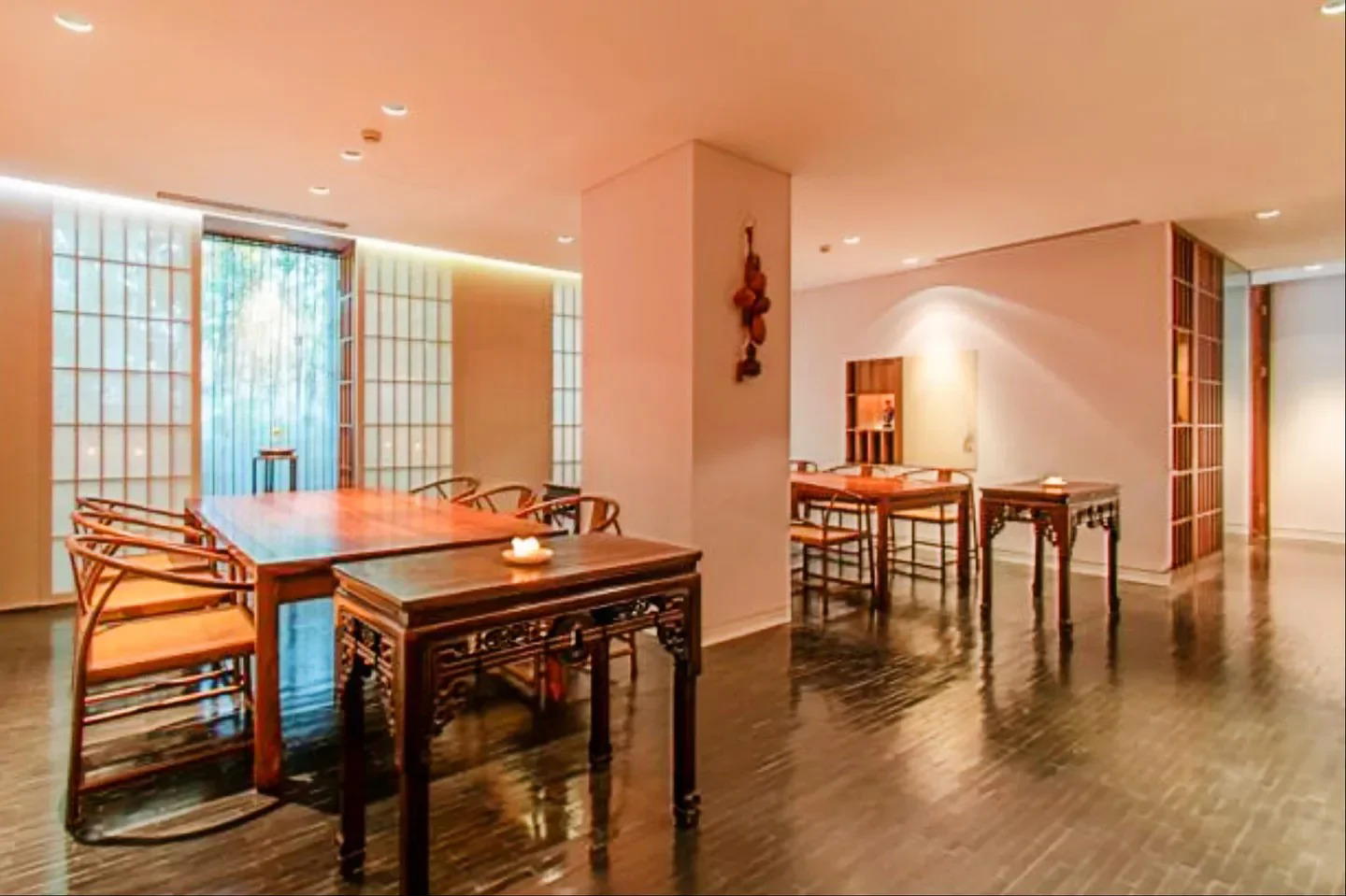
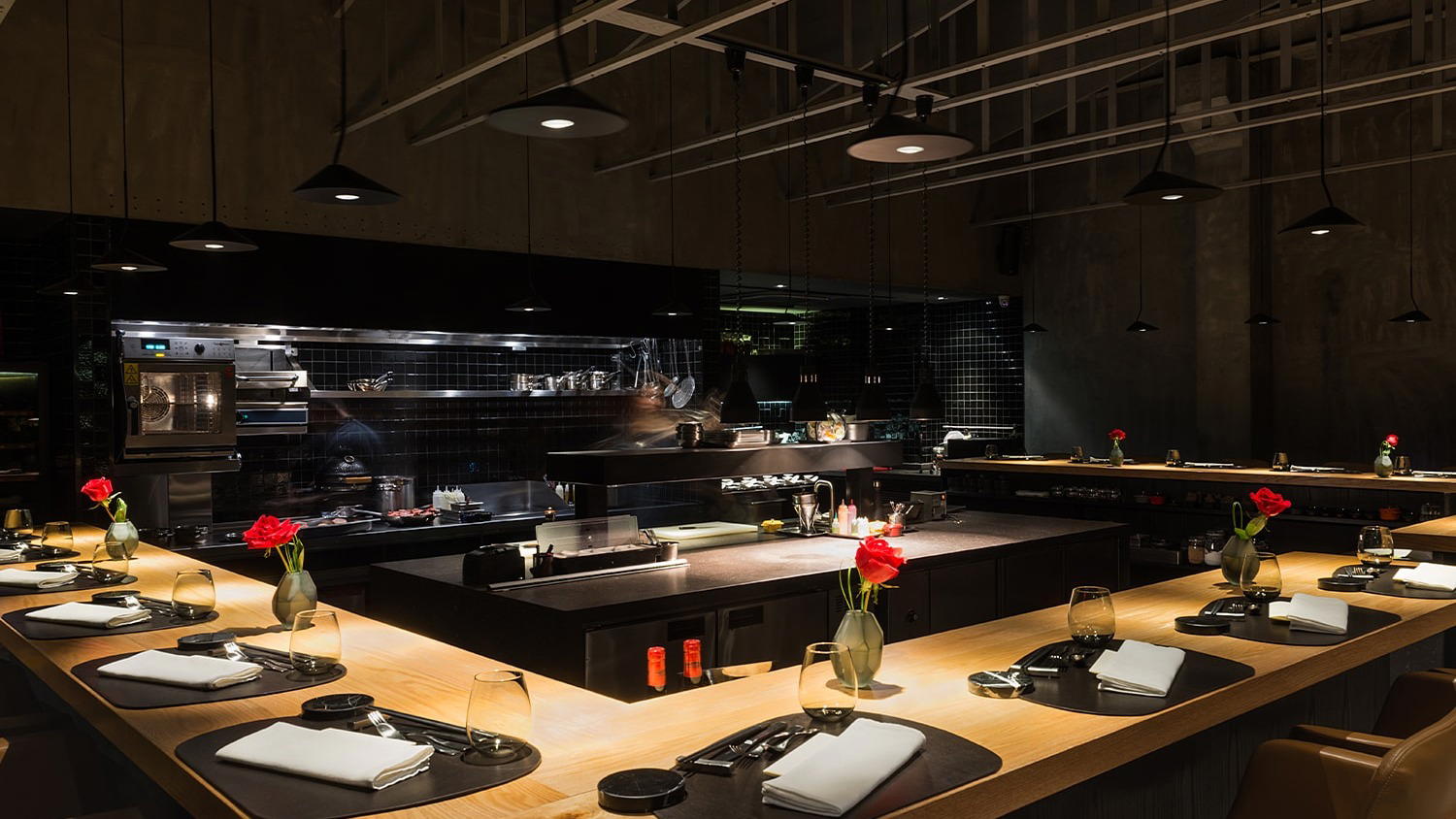
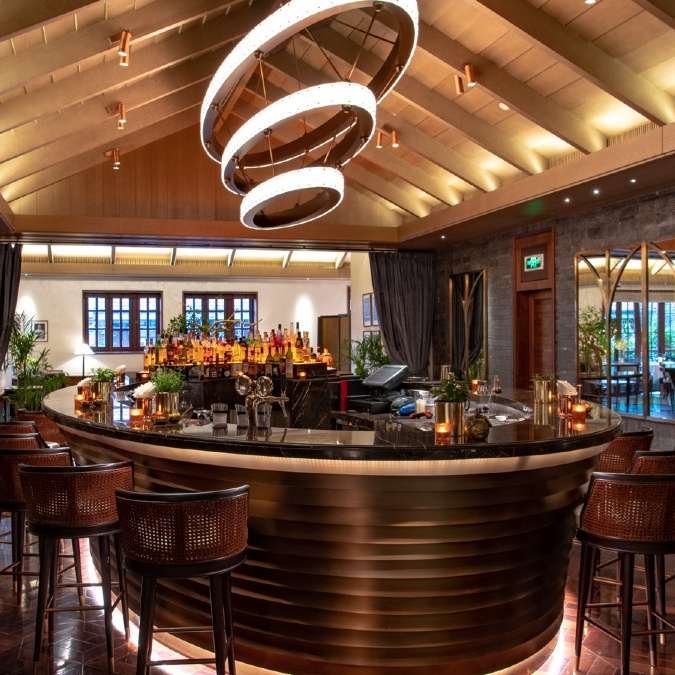
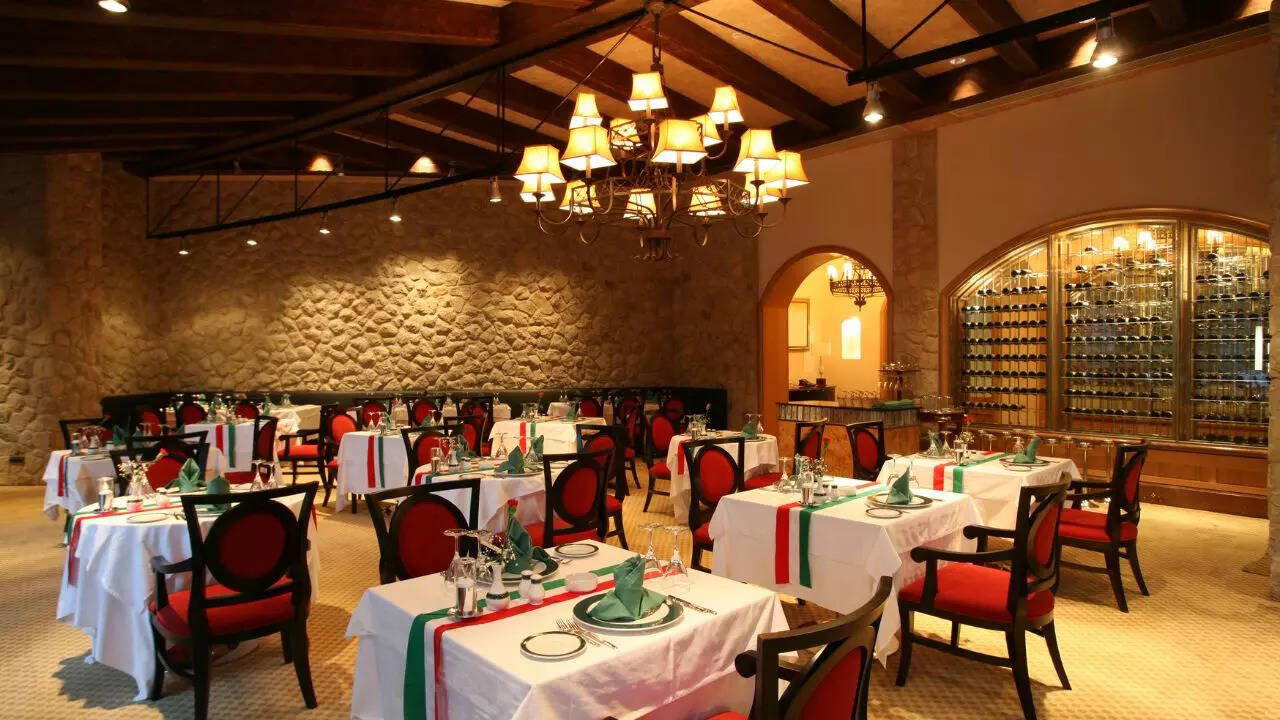
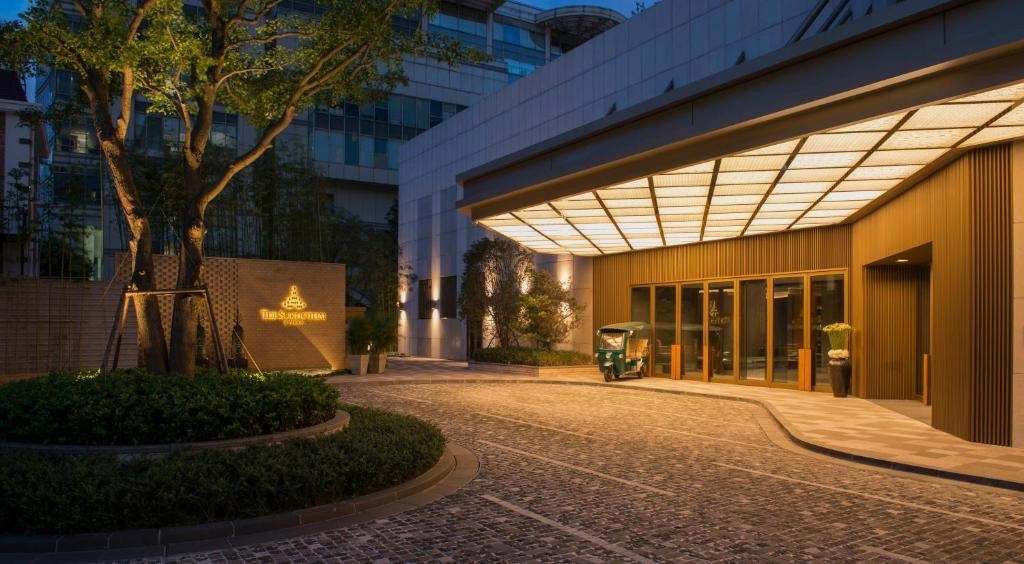
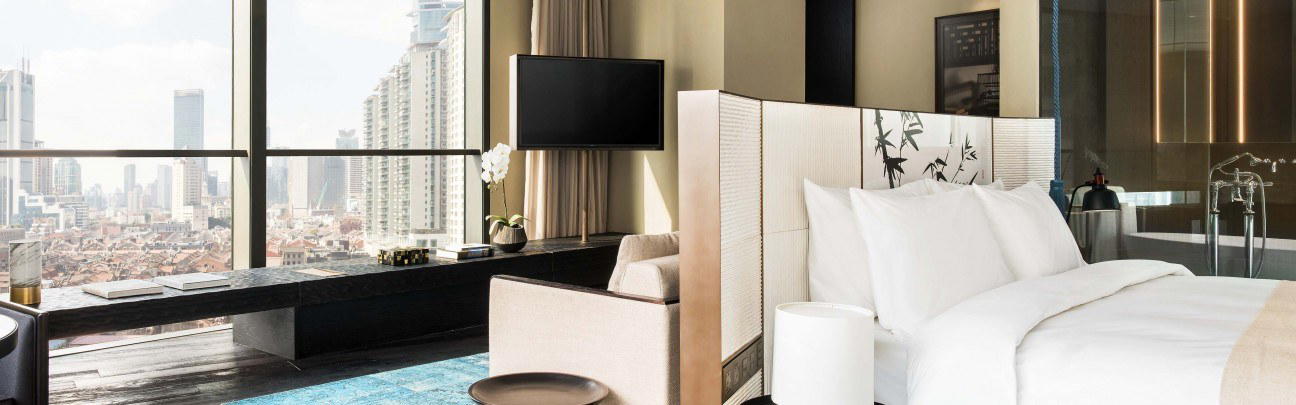
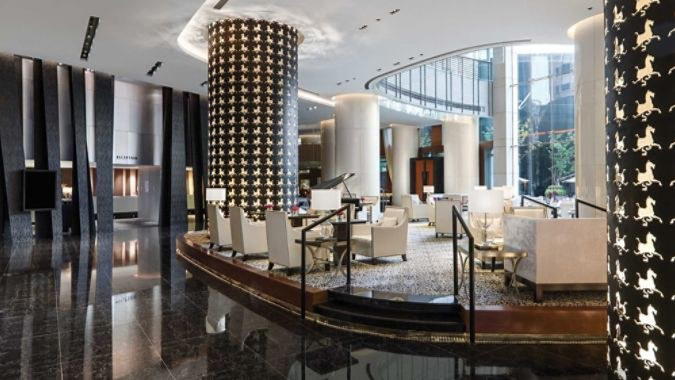
Located inside a five-star hotel with an elegant but slightly dim dining room away from the windows; window seats offer a nicer outlook over the busy central Shanghai streets, while service is attentive and particularly caring toward families with children.