Ambra


Michelin Plate
Our verdict
Ambra operates as a restaurant within a restaurant on South 4th Street, offering a communal-table tasting format in the dining room or four seats at the kitchen counter. Chef Chris D'Ambro's seasonally driven Italian menu runs upward of three hours, with house-made pasta, gnocchi, and warm focaccia at its core. Ranked #775 on Opinionated About Dining's 2025 Casual North America list, Ambra pairs every course with a required free-flowing beverage program.

Pearl is the En Primeur Club membership app — saves, bookings, and concierge access live there. Same editors, same standards.
- Address
- 705 S 4th St, Philadelphia, PA 19147
- Phone
- (267) 858-9232
- Hours
- Mon–Wed ClosedThu–Sat 6:15–10 PMSun Closed
- Website
- ambraphilly.com
- Directions
- Get directions
The menu
What to order
- Sweet Potato Gnudi
- Pappardelle Inspired by Cheesesteaks
A Counter, a Table, and Three Hours in South Philly
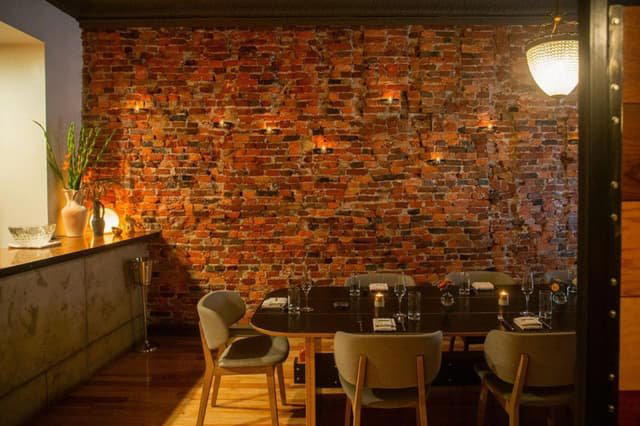
South Fourth Street in Queen Village doesn't announce itself as a dining destination. The blocks between South Street and Passyunk Avenue carry the quiet density of a residential neighborhood that happens to have good taste: corner bars with serious beer lists, narrow rowhouses with herb pots on the stoops. Ambra sits inside this fabric, occupying what is effectively a room inside another restaurant — a format that signals its intentions before a single course arrives. There is a communal table in the dining room and four seats at the kitchen counter. That is the offer in full, and it focuses everything that follows.
The format belongs to a particular current in American fine dining: the tasting menu as an intimate, participatory event rather than a sequence of plates delivered to anonymous two-tops. The same logic drives nationally recognized rooms like Lazy Bear in San Francisco and Alinea in Chicago, where the constraints of space and seat count are the program rather than a limitation. Ambra operates inside that same tradition, at a price point and neighborhood context that are decisively Philadelphia rather than destination-city grand.
Italian Seasonality as a Working Method
Italian cooking in America exists in a wide range, from the red-sauce vernacular of South Philly's own history to the Michelin-registered precision of kitchens like 8 1/2 Otto e Mezzo Bombana in Hong Kong or the quietly radical localism of cenci in Kyoto. What connects the stronger examples across all those contexts is a commitment to seasonality as an operating principle rather than a marketing phrase. At Ambra, that commitment shows up in house-made pasta and gnocchi calibrated to what is coming out of regional farms, warm focaccia that anchors the meal in the Italian bread tradition, and proteins like sweetbreads and lamb that reflect older Italian butchery values. The menu changes as the seasons shift; the menu you eat in October is not the menu from June. Chef Chris D'Ambro shapes this program, and his engagement with guests during the meal is part of the format rather than incidental to it.
Among Philadelphia's Italian options, Ambra occupies a different register than Barbuzzo, which runs a more accessible all-day format anchored in wood-fired cooking and aperitivo culture. Ambra's tasting structure, kitchen counter seats, and three-hour pace place it in the slower, more considered tier of the city's dining options — closer in spirit to the commitment required at Friday Saturday Sunday or Fork than to a casual neighborhood trattoria. Its 2025 ranking at #775 on Opinionated About Dining's Casual North America list confirms that national food circles are paying attention, even if the room seats only a handful of people on any given night.
The Pairing Program as an Editorial Statement
Required beverage pairings are not common at this price tier in American dining. The convention belongs more typically to high-end omakase formats or starred tasting rooms. When a kitchen mandates free-flowing pairings rather than offering them as an opt-in, it is making a structural claim: the beverage program is not a supplement to the food, it is co-equal with it. In the Italian tradition, this inseparability has deep roots. Northern Italian pasta traditions grew up alongside the wines of Piedmont and Friuli; Campanian cuisine and Falanghina have a symbiosis that predates any sommelier program. The pairing, in that frame, is not service theater but a culinary logic that long predates the modern tasting-menu format.
For Ambra, the requirement matters because it closes the interpretive gap between what the kitchen intends and what a guest might experience. House-made pasta has textural registers, the slip of fresh egg dough, the chew of a thicker pappardelle, that shift depending on what is in the glass. Sweetbreads read differently against an oxidative white than against a red with tannin. The kitchen at Ambra is, in effect, asking guests to receive both tracks simultaneously. That is a coherent Italian position, even if it is a demanding one for guests arriving without a strong beverage interest. At venues like Single Thread Farm in Healdsburg or The French Laundry in Napa, pairing programs carry the weight of multi-person teams and wine cellars built over decades. Ambra's version is intimate, presumably flexible in practice, and built to the room's small scale rather than to institutional ambition.
How Ambra Sits in Philadelphia's Dining Conversation
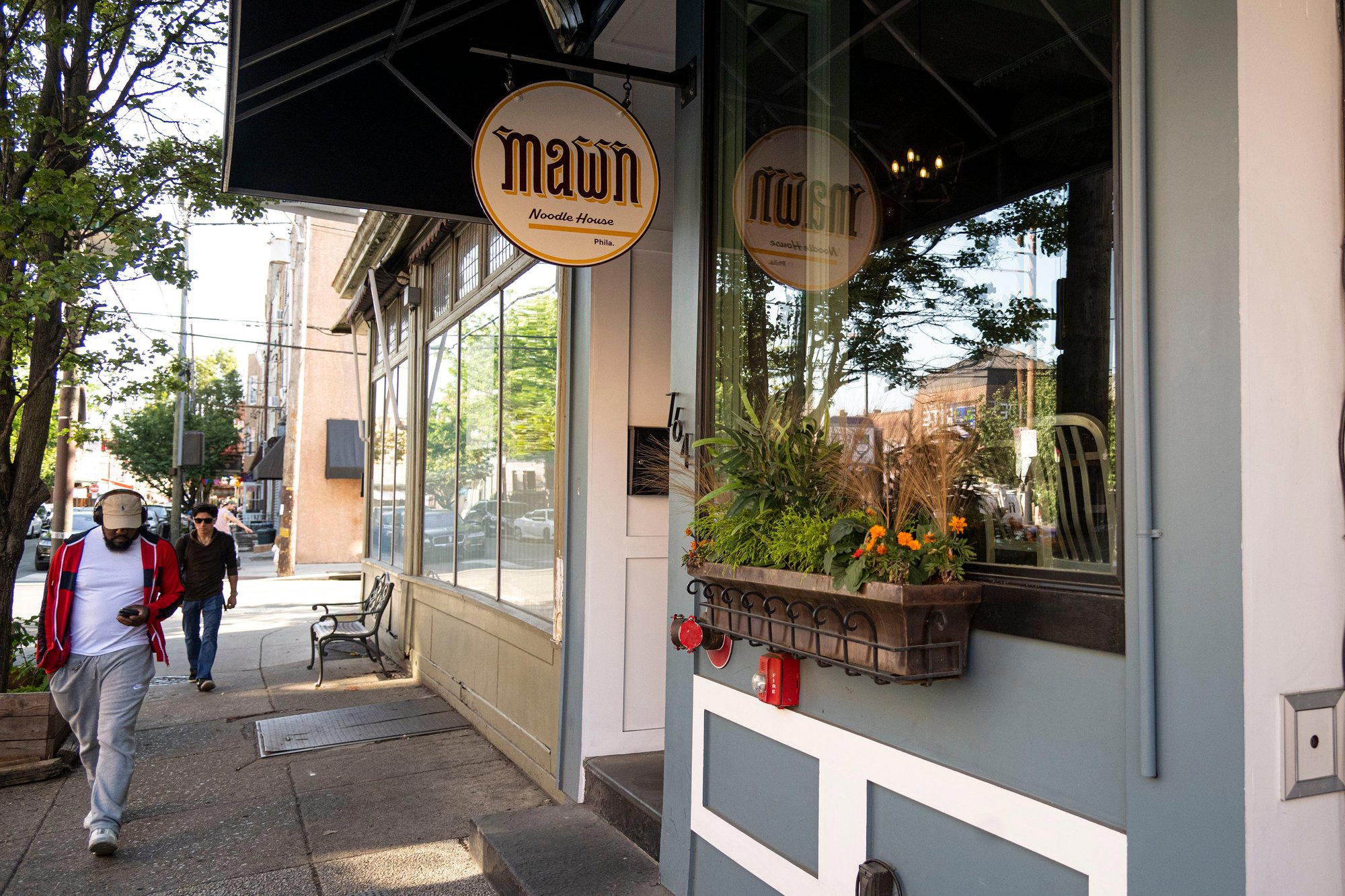
Philadelphia's serious dining tier has expanded significantly over the past decade.Mawn brings Cambodian and pan-Asian technique into the same conversation; My Loup works a French-inspired register that prizes restraint and precision. Ambra contributes Italian technique and a hospitality format borrowed from the counter-dining tradition, adding a specific flavor to a city that now has the depth to support genuine specialization across cuisines.
At this seat count, repeat visitors and word-of-mouth matter more than algorithm reach. The rooms at Ambra are not built for Instagram coverage of a large table; they are built for the experience of a small group moving through a long meal together.
For comparison with Italian cooking executed at the highest register internationally, the contrast with 8 1/2 Otto e Mezzo Bombana and cenci is instructive: both operate with enormous material resources and international recognition. Ambra works with different constraints and a different ambition, rooted, neighborhood-scaled, and structured around the kind of meal that requires no rush and produces no clean summary.
Planning Your Visit
Ambra is located at 705 South 4th Street in Queen Village, one of the denser and more walkable sections of South Philadelphia. The three-hour tasting format and free-flowing beverage requirement mean this is an evening-commitment reservation rather than a dinner slot to fill between other plans. Given the small seat count, reservations will almost certainly be necessary, and availability is likely to be tight in advance. Beverage pairings are required, not optional, so guests should plan accordingly when budgeting for the meal. For broader context on Philadelphia's dining, hotel, and nightlife options, see our full Philadelphia restaurants guide, our full Philadelphia hotels guide, our full Philadelphia bars guide, our full Philadelphia wineries guide, and our full Philadelphia experiences guide.
Frequently asked questions
What is the signature dish at Ambra?
Ambra does not operate around a fixed signature dish in the conventional sense. The menu is a seasonally rotating tasting format, which means the throughline is a set of techniques and ingredients rather than a single plate. House-made pasta and gnocchi appear consistently as central elements, as does warm focaccia. Proteins like sweetbreads and lamb reflect Italian butchery traditions and shift with the season. The free-flowing beverage pairing is required, so the full experience is built around the interplay of all these courses with their pairings rather than any single dish as the headline. Chef Chris D'Ambro's engagement with guests during the meal is itself part of what guests come for. Opinionated About Dining's 2025 Casual North America ranking (#775) points to consistent kitchen execution across seasons rather than a single set-piece moment.
Just the Basics
| Venue | Cuisine | Price | Awards | Notes |
|---|---|---|---|---|
| AmbraThis venue — the venue you are viewing | Modern Italian Tasting Menu | $300–500 | Michelin Plate | Not listed |
| Fork | Seasonal New American | Not listed | James Beard Award Outstanding Restaurateur #1 · Wine Spectator Award of Excellence | New American |
| Friday Saturday Sunday | Modern American Tasting Menu | $100–150 | 1 Michelin Star · World's 50 Best #40 | New American |
| South Philly Barbacoa | Authentic Mexican Barbacoa Taqueria | $10–20 | James Beard Award Best Chef: Mid Atlantic · Chef's Table Featured on Chef's Table | Mexican |
| Barbuzzo | Mediterranean Small Plates & Pizza | $30–50 | Not listed | Italian |
| Federal Donuts | Fried Chicken & Donuts | $10–20 | Not listed | Doughnuts |
Recognition history
Dated appearances from independent guides and award organizations, with the underlying list record or original source where available.
Michelin Plate
Michelin
Opinionated About Dining Casual in North America Recommended
Opinionated About Dining
Full recognition history (3 entries)
Opinionated About Dining Casual in North America Ranked #775
Opinionated About Dining
Continue exploring
More in Philadelphia
Restaurants in Philadelphia
Browse all →
Bars in Philadelphia
Browse all →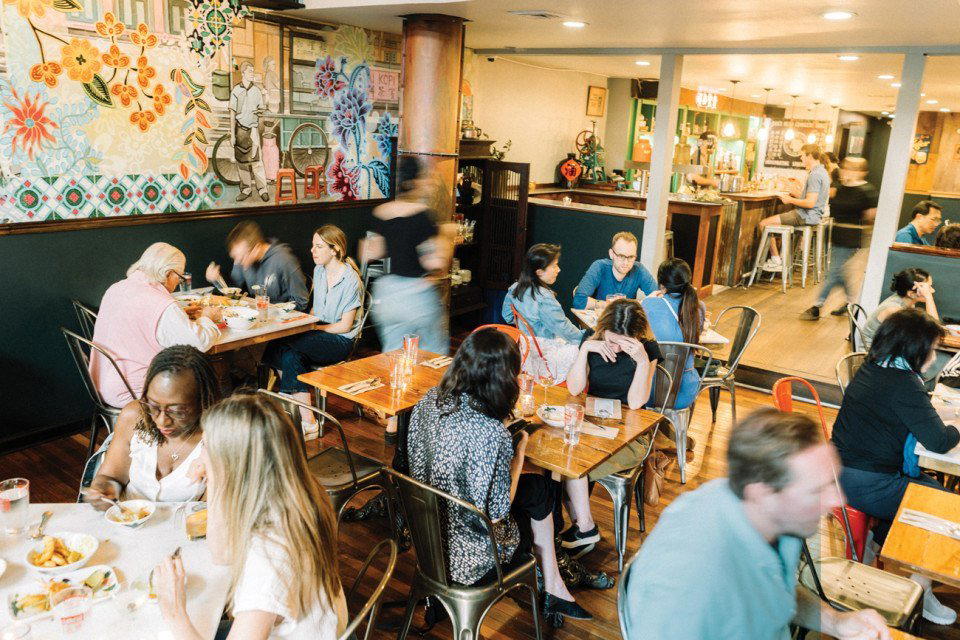
Details
- Intimate
- Elegant
- Cozy
- Sophisticated
- Date Night
- Special Occasion
- Chefs Counter
- Open Kitchen
- Sommelier Led
- Local Sourcing
- Tasting Menu
- Wine Pairings
- Grappa
Current opening hours
- Monday
- Closed
- Tuesday
- Closed
- Wednesday
- Closed
- Thursday
- 6:15–10 PM
- Friday
- 6:15–10 PM
- Saturday
- 6:15–10 PM
- Sunday
- Closed
Hours can change for holidays and private events. Last verified .
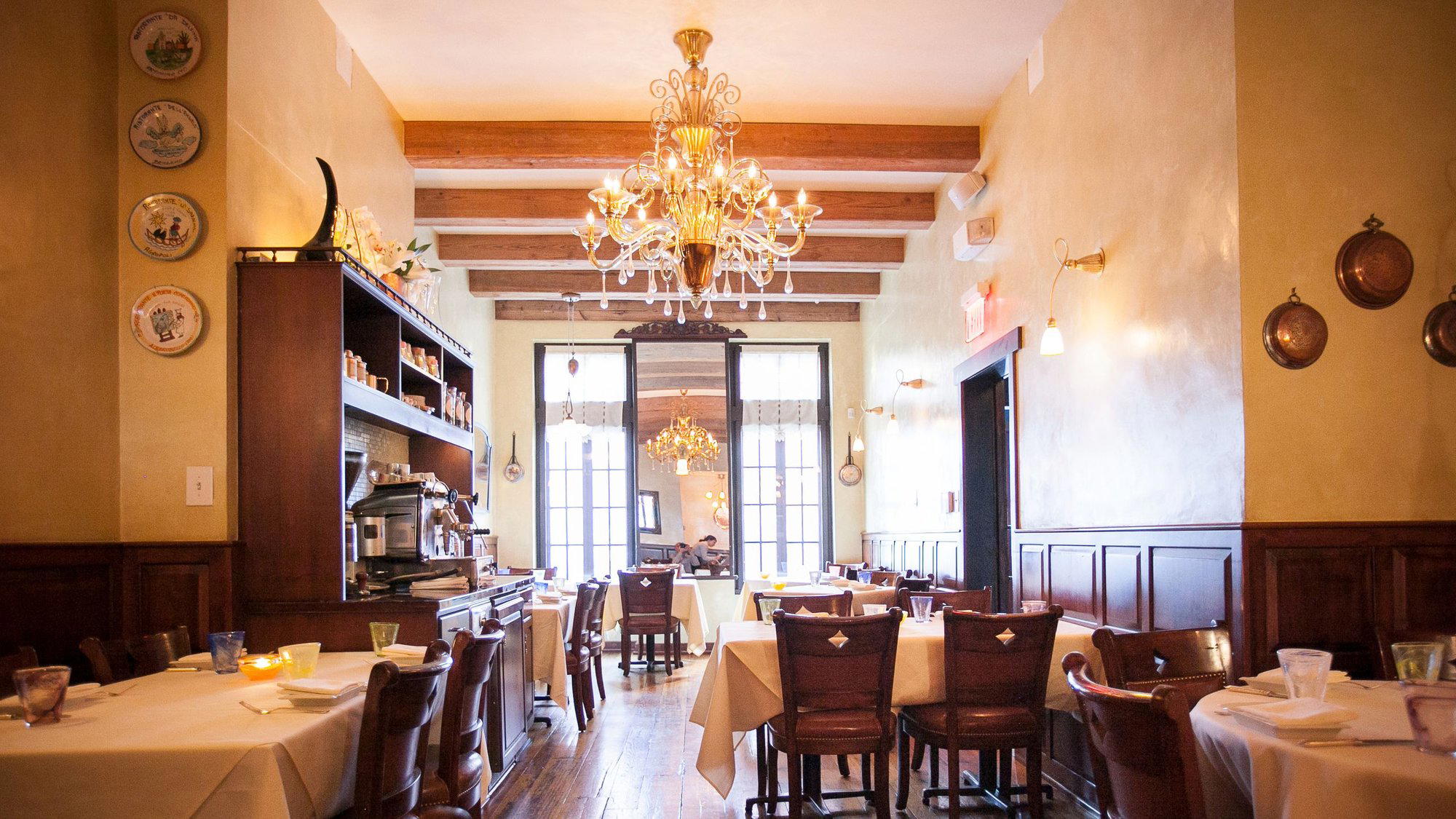
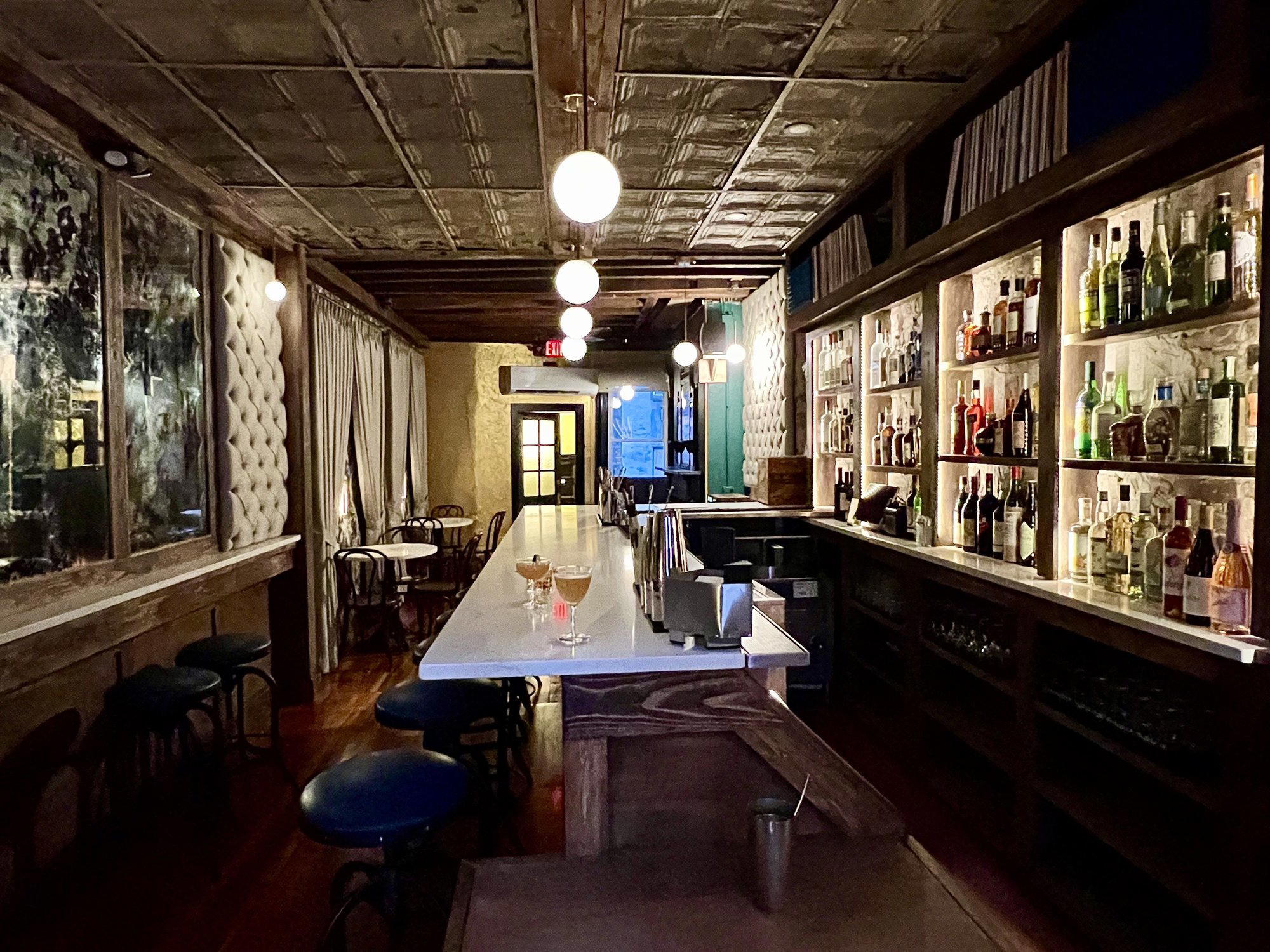
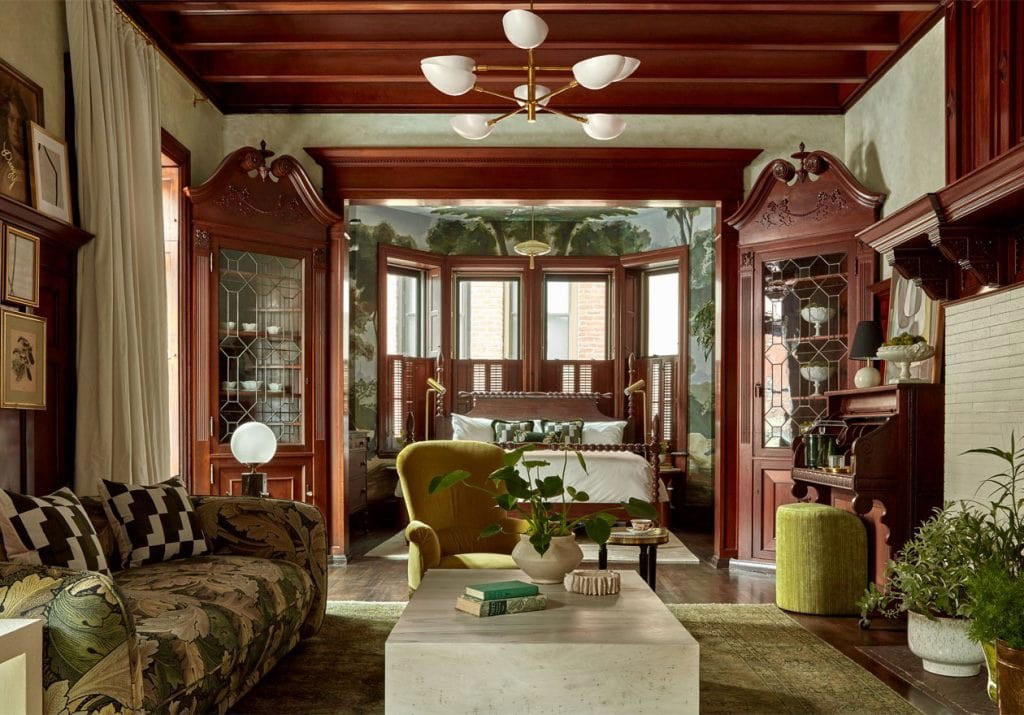
Warm, inviting, and cozy with an intimate atmosphere centered around a communal dining room table or kitchen counter seats.