Fiorella Philadelphia


Michelin Bib Gourmand · OpenTable Top 100 Restaurants
Our verdict
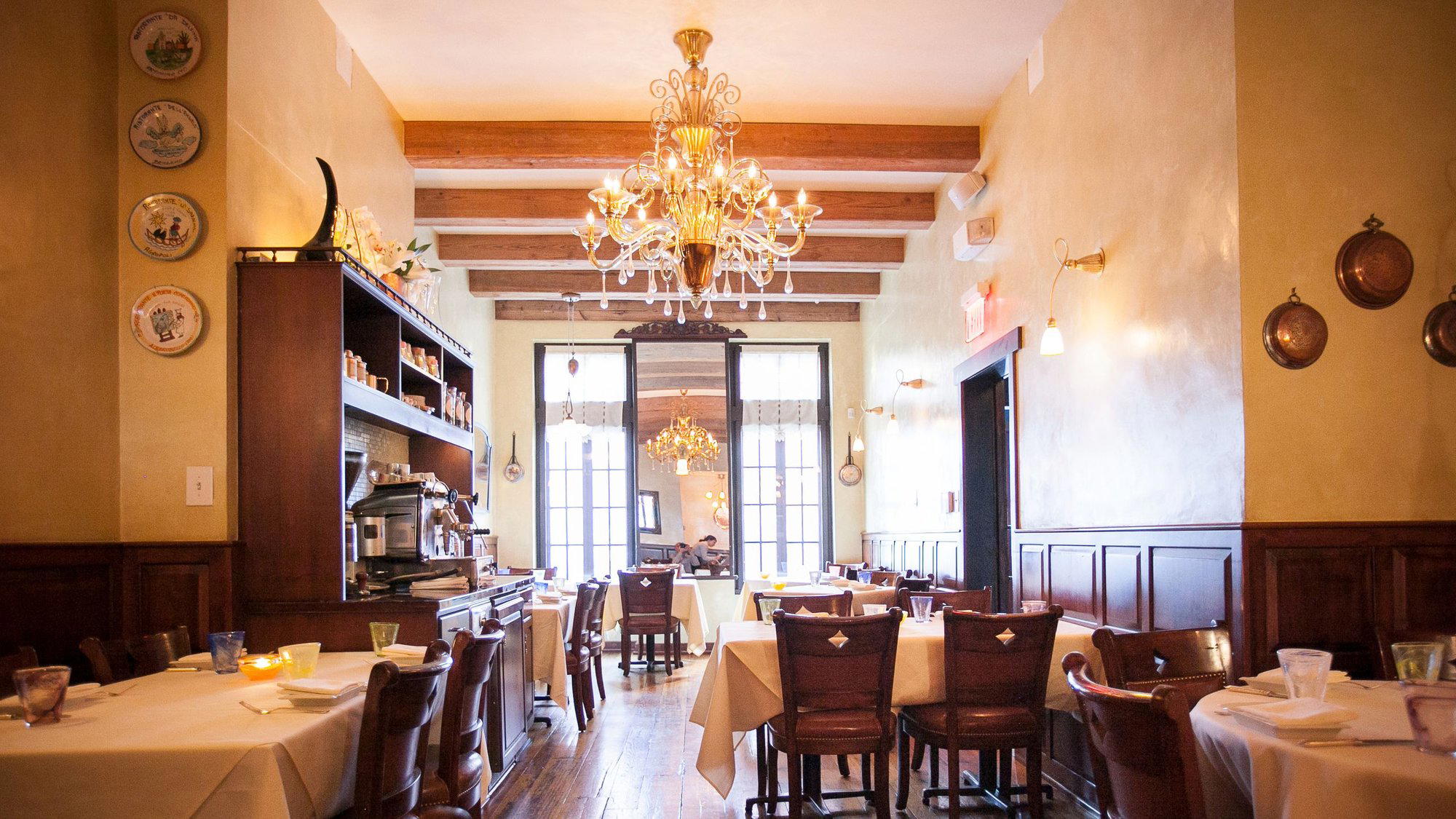
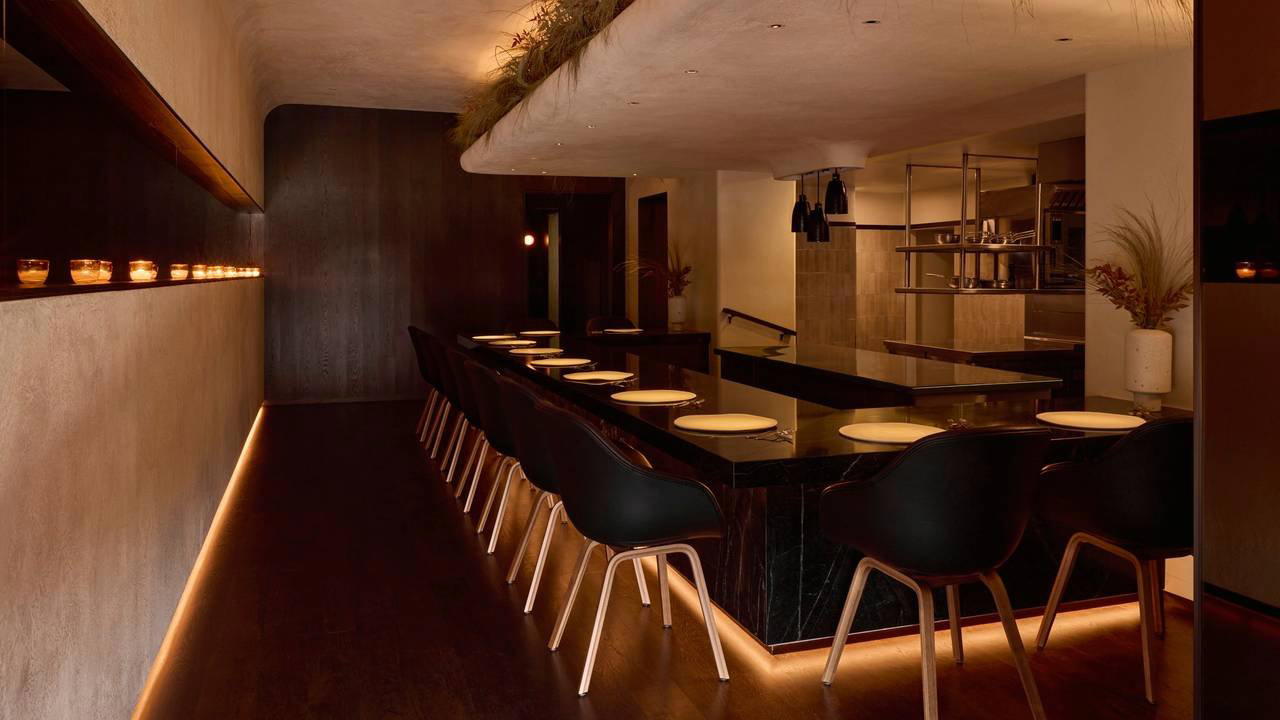
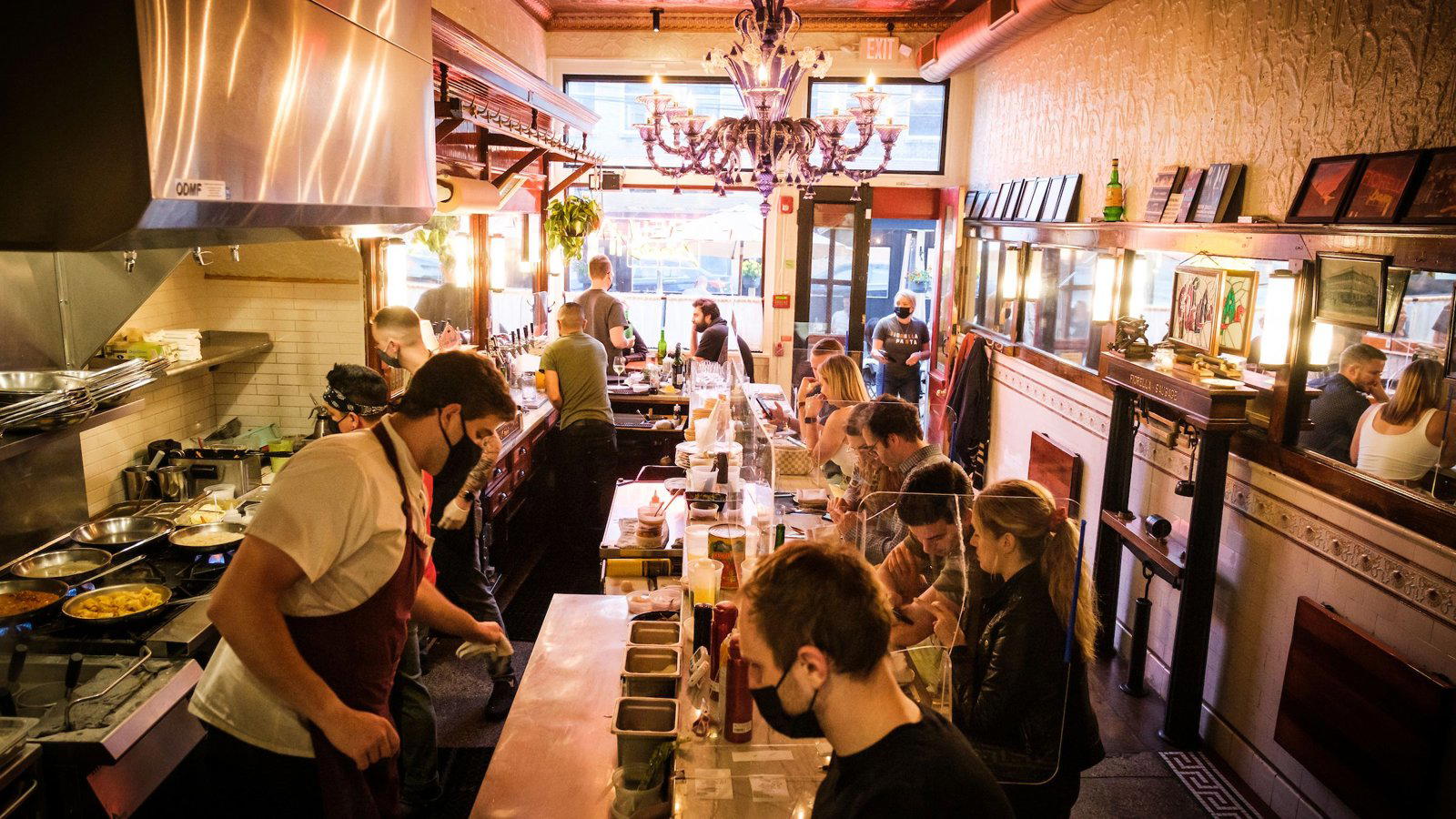
Inside a former South Philly butcher shop with roots going back to 1892, Fiorella Philadelphia operates as a pasta-centric bar under Marc Vetri, turning out handmade cacio e pepe, ricotta gnocchi, and seasonal mezzelune from a tight, rotating menu. The storefront sits in the historic Italian Market on Christian Street, and the kitchen's commitment to seasonal ingredients keeps the short menu in near-constant motion.

Pearl is the En Primeur Club membership app — saves, bookings, and concierge access live there. Same editors, same standards.
- Address
- 817 Christian St, Philadelphia, PA 19147
- Phone
- (215) 305-9222
- Hours
- Mon–Thu 4–9 PMFri–Sat 4–10 PMSun 4–9 PM
- Website
- fiorellaphilly.com
- Directions
- Get directions
- Booking
- Book on OpenTable
The menu
What to order
- Tonnarelli cacio e pepe
- Ricotta gnocchi
- Rigatoni fiorella sausage ragu
- Mezzelune with sweetbreads and veal
South Philly's Italian Market and the Logic of Small Menus
The Italian Market on South 9th Street has carried Philadelphia's immigrant food identity for well over a century, and Christian Street runs parallel to that tradition rather than on top of it. At 817 Christian St, the building that houses Fiorella has its own layered history: a sausage business founded in 1892, three generations of butchery, and now a storefront dining room that uses that provenance as an argument for restraint. The space is intimate by design. The kitchen is small, the menu is short, and neither of those facts is an accident.
This corner of South Philadelphia has a different texture from the tourist-facing stretch of 9th Street. The foot traffic is more local, the pace slower, and the restaurants that work here tend to do so by building repeat custom rather than chasing destination diners. Fiorella fits that pattern. It operates as a pasta-centric bar, which means the bar component is load-bearing: the room is built for drinking alongside eating, not merely waiting to eat. That format suits a neighborhood where dinner can extend into the evening without ceremony.
Where the Ingredients Come From and Why the Menu Moves
The editorial case for a frequently changing menu is usually seasonal sourcing, and that is precisely how Fiorella operates. A pasta kitchen that commits to seasonal ingredients faces a structural discipline that a static menu does not: flour and egg ratios, filling compositions, and sauce pairings all shift with what is available and what is at its finest. The result is a menu that functions more like a snapshot than a standing document.
This approach places Fiorella in a different category from the Roman trattoria model, where cacio e pepe and carbonara are fixed points regardless of season. Here, those preparations appear when the kitchen judges them to be at their leading expression, not because they are permanent fixtures. The tonnarelli used for cacio e pepe is a square-cut pasta that holds a sauce built from aged Pecorino and black pepper without deflating under its weight. The precision required to make that dish work consistently, on housemade pasta, is not incidental. It is the point.
The broader sourcing context matters for South Philly specifically. The Italian Market and its surrounding blocks have long operated as a distribution network for specialty ingredients, imported goods, and locally produced provisions. A restaurant drawing on that geography has a different supply relationship than one operating in a more isolated neighborhood. The proximity to vendors, importers, and producers is structural to how kitchens like this one maintain quality on a rotating menu without the overhead of a larger operation.
Marc Vetri, the Vetri Family Lineage, and What That Signals
Marc Vetri's position in Philadelphia dining is well-documented: the Vetri family of restaurants established the benchmark for serious Italian cooking in the city, and that reputation carries verifiable weight across decades of critical recognition. Fiorella sits within that lineage, but it operates at a different register than the flagship Vetri Cucina. Where that room commands a prix fixe format at premium price points, Fiorella is a neighborhood bar with a focused pasta menu. That distinction matters for how you approach the booking and what you expect when you arrive.
The credentials function as a trust signal for technique. Housemade ricotta gnocchi, described as cloud-like and served in brown butter, requires a specific ratio of ricotta to flour to achieve a texture that doesn't tighten on contact with heat. Mezzelune stuffed with sweetbreads and veal represents a more ambitious filling than the cheese-and-herb standard, requiring sourcing decisions that most small menus avoid. These are not casual choices. They reflect a kitchen operating with professional discipline inside a small format, which is a harder thing to sustain than it appears from the outside.
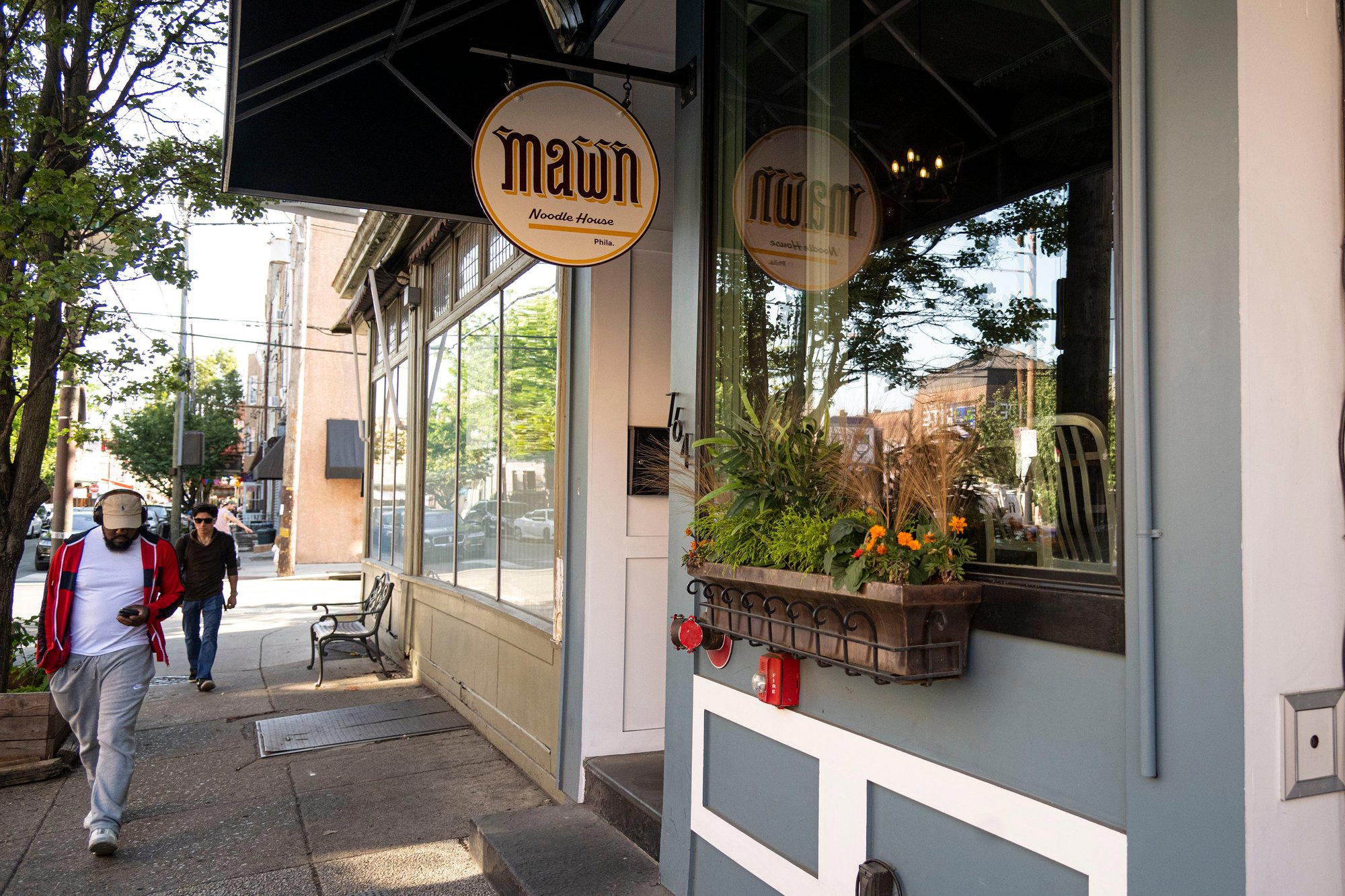
For a broader map of where Fiorella sits in Philadelphia's current restaurant picture, it is worth considering the range of seriousness operating across the city's neighborhoods. Fork and Friday Saturday Sunday represent the New American tier with longer tasting formats. Mawn and My Loup work in Cambodian-Pan-Asian and French-inspired registers respectively. Fiorella is not competing with any of them on format or ambition scale. It is making a different argument: that a tight pasta menu, sourced well and executed with precision, is complete on its own terms.
Closer geographically, South Philly Barbacoa operates in the same neighborhood with a similarly focused Mexican format, and the logic is comparable: one cuisine, done with depth rather than breadth. That is a South Philly pattern as much as a culinary one.
The Pasta Bar Format and How to Use It
The pasta-centric bar format has specific practical implications. The menu runs through antipasti, pasta, and dessert, which means the structure is clear but the list within each section is short. A simple scoop of ice cream closes the meal, which signals that the kitchen is not trying to extend the check through elaborate dessert courses. That kind of editorial discipline at the end of a menu is a choice, and it tells you something about what the kitchen prioritizes.
The bar component means that arriving for drinks and a single pasta course is a legitimate way to use the space, not an incomplete version of dinner. That flexibility makes the room function at different paces on different nights, and it suits the neighborhood's character. The storefront size keeps the experience at a human scale: you are not eating in a production-scaled dining room, and the kitchen is not cooking for anonymity.
Planning around the menu rotation means checking what is current before you arrive. Given that ingredients drive the changes, late autumn and winter typically favor richer fillings and heavier sauces, while spring and early summer shift toward lighter compositions. The ice cream offering may also reflect what is seasonal, though the dessert section has never been the room's main event.
Philadelphia's dining scene across formats and neighborhoods is covered in our full Philadelphia restaurants guide. For accommodation context, see our full Philadelphia hotels guide. If the evening extends beyond dinner, our full Philadelphia bars guide covers the city's drinking options, and our full Philadelphia experiences guide maps broader programming across the city. Those planning around wine will find regional context in our full Philadelphia wineries guide.
For reference points at a different scale, the housemade pasta tradition that Fiorella works within connects to a wider conversation about Italian technique in American fine dining. Le Bernardin in New York City and The French Laundry in Napa represent what technical precision looks like at maximum ambition. Alinea in Chicago and Atomix in New York City take that technical argument in a different direction entirely. Fiorella is not operating in that register, and it is not trying to. The argument here is for focus, not scale. Lazy Bear in San Francisco, Single Thread Farm in Healdsburg, Emeril's in New Orleans, and 8 1/2 Otto e Mezzo Bombana in Hong Kong each demonstrate what Italian or seasonal-ingredient cooking looks like when the format expands. Fiorella makes the inverse case.
Practical Notes
Fiorella Philadelphia is at 817 Christian St in South Philadelphia's Italian Market area, a short walk from the 9th Street Market corridor. The format is pasta bar with a short antipasti section and a simple dessert course. The menu rotates seasonally, so the specific pastas available will vary from visit to visit. The room is small, which means reservations or early arrival matter more here than they would at a larger operation.
Frequently asked questions
Does Fiorella Philadelphia work for a family meal?
The format is compact — a tight menu of antipasti, pasta, and dessert in a small storefront on Christian St — which suits a focused group rather than a large family gathering. The menu changes seasonally, so there is enough variety across courses to satisfy different preferences, but the intimate scale means it works best for two to four people who want to eat well rather than accommodate a wide range of appetites.
How would you describe the vibe at Fiorella Philadelphia?
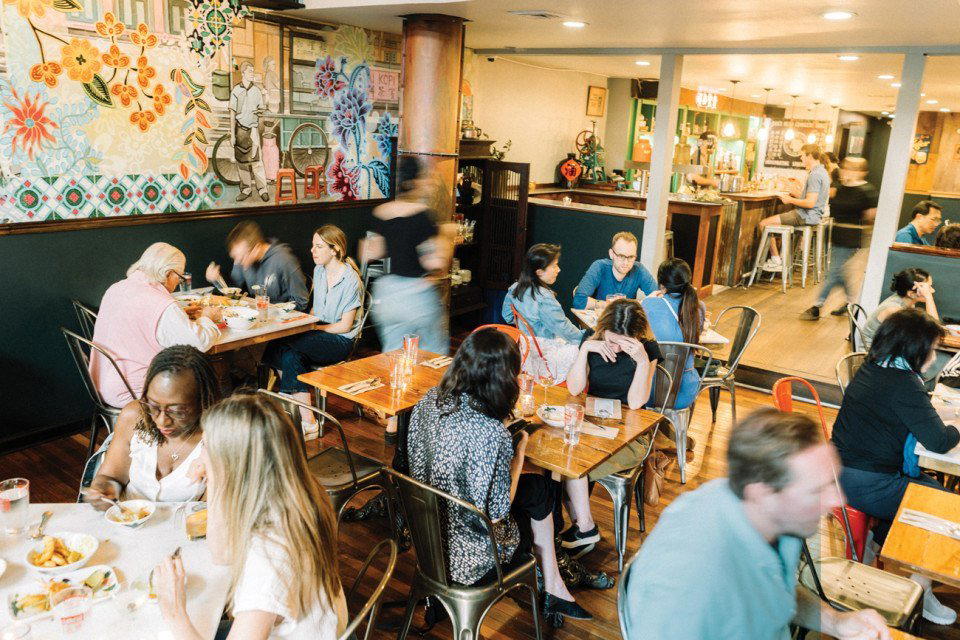
The room occupies the former site of the Fiorella sausage business, established in 1892, which sets the tone: it reads as a neighbourhood spot with genuine history behind it rather than a themed Italian concept. Marc Vetri's involvement brings credibility associated with Philadelphia's most documented Italian cooking, but the format here is a bar, not a formal dining room.
What distinctions does Fiorella Philadelphia have?
Fiorella Philadelphia has received recognition including: If you’re staying away from carbs, then you best steer clear of this restaurant too. But for everyone else, this tiny but mighty kitchen in South Philly is impossible to resist. Once a butcher shop that spanned three generations, the restau….
What's the must-try dish at Fiorella Philadelphia?
The menu rotates with seasonal ingredients, so no single dish is permanent. That said, the editorial record specifically calls out the cacio e pepe with tonnarelli and the ricotta gnocchi in brown butter as representative of what the kitchen does with handmade pasta. The mezzelune stuffed with sweetbreads and veal has also drawn attention as a more ambitious option.
| Venue | Cuisine | Price | Awards |
|---|---|---|---|
| Fiorella PhiladelphiaThis venue — the venue you are viewing | Handmade Italian Pasta | $50–100 | Michelin Bib Gourmand · OpenTable Top 100 Restaurants |
| Fork | Seasonal New American | Not listed | James Beard Award Outstanding Restaurateur #1 · Wine Spectator Award of Excellence |
| Friday Saturday Sunday | Modern American Tasting Menu | $100–150 | 1 Michelin Star · World's 50 Best #40 |
| South Philly Barbacoa | Authentic Mexican Barbacoa Taqueria | $10–20 | James Beard Award Best Chef: Mid Atlantic · Chef's Table Featured on Chef's Table |
| Barbuzzo | Mediterranean Small Plates & Pizza | $30–50 | Not listed |
| Federal Donuts | Fried Chicken & Donuts | $10–20 | Not listed |
Recognition history
Dated appearances from independent guides and award organizations, with the underlying list record or original source where available.
Michelin Bib Gourmand
Michelin
OpenTable Top 100 Restaurants
OpenTable