Amber Garden


Amber Garden holds consecutive Michelin Plate recognition for 2024 and 2025, making it one credentialled Chinese restaurant in Amstelveen's dining scene. Priced at the €€€ tier, it occupies a specific niche: Chinese cooking with enough technical seriousness to earn Michelin attention in a suburb better known for Dutch fine dining..
Pearl is the En Primeur Club membership app — saves, bookings, and concierge access live there. Same editors, same standards.
- Address
- Van Heuven Goedhartlaan 15, 1181 LE Amstelveen, Netherlands
- Phone
- +31 20 737 0821
- Website
- ambergarden.nl
- Directions
- Get directions
 Saves & bookings on Pearl
Chinese Cooking with Michelin Recognition in the Amsterdam Suburbs
Amstelveen sits roughly ten kilometres south of Amsterdam's centre, close enough to draw city cyclists and commuters, far enough that its restaurant scene operates on its own terms. The suburb is better known internationally for Aan de Poel (€€€€ · Creative), a two-Michelin-star address that anchors the upper tier of local fine dining. But Chinese cooking at a serious technical level is rarer in this postcode, which is precisely what makes Amber Garden's Michelin recognition worth attention.
The Michelin Plate is not a star, but it is a meaningful sign of quality. For a Chinese restaurant in suburban Amsterdam, earning that designation two years running positions Amber Garden in a small peer group: Chinese addresses in the Netherlands recognised by Michelin tend to cluster in Amsterdam itself, and Amstelveen-based recognition at this level is genuinely uncommon.
The Ritual of the Steamer: What Dim Sum Means in a European Context
Across southern China and in Chinese communities throughout Europe, the morning meal has long been structured around dim sum: small, steamed or fried preparations served in bamboo steamers or on trolleys, shared at the table, ordered in rounds. The ritual is social before it is gastronomic. You order as you go, you pour tea for your table companions before yourself, and the pace is set by appetite rather than a fixed tasting sequence.
In the Netherlands, that tradition is most visible in Amsterdam's larger Chinese restaurants along Zeedijk and in the suburbs where Chinese communities established themselves in the mid-twentieth century. What separates the stronger kitchens from the merely functional ones is technical consistency: whether the char siu filling in a bao holds its moisture, whether the har gow wrapper has the correct translucency without tearing, whether the turnip cake carries a clean caramelised crust without oiliness. These are not flourishes; they are craft indicators. A Michelin Plate signals that inspectors found that level of execution present.
Amber Garden's price positioning at €€€ places it above the casual dim sum tier and closer to the midpoint between neighbourhood Chinese dining and the fine-dining bracket occupied by addresses like Ciel Bleu in Amsterdam. That positioning implies a kitchen aiming for something more deliberate than volume-driven service. It also creates an interesting comparative reference: for Chinese cooking at this price point and recognition level elsewhere in the Netherlands, the closest peer may be Mei Wah in Eindhoven, which operates in a similarly mid-tier, recognition-adjacent space.
Amber Garden in Amstelveen's Broader Dining Context
Amstelveen's dining scene is more varied than its suburban reputation suggests. Bistro Toost (€€ · Modern French) covers the accessible French bistro register. Ron Gastrobar Indonesia (€€ · Indonesian) represents the Indonesian influence that runs through Dutch food culture at large. SAAM restaurant (€€€ · South African) adds an international speciality tier. Against that backdrop, the restaurant occupies the Chinese position at the €€€ level, a category the suburb has limited competition in.
This matters for visitors deciding how to organise time between central Amsterdam and the suburbs. The case for making the journey out to Amstelveen is strongest when you can combine it with the dining context: the suburb offers a more considered, less tourist-pressured Chinese dining experience than you might find in Amsterdam's Chinatown corridor, with Michelin-level recognition adding a legibility that makes the decision easier for visitors unfamiliar with the local scene.
A volume of reviews that size, maintaining that average, indicates consistent execution over an extended period rather than a single spike of early enthusiasm. It also suggests a regular customer base, which in Chinese restaurants of this type usually means the dim sum offering is strong enough to sustain repeat visits.
What to Know Before Visiting
The restaurant is located at Van Heuven Goedhartlaan 15 in Amstelveen. The address is accessible from Amsterdam by bike (a route that takes cyclists through the southern edge of the city and into a quieter suburban grid) and by public transport. For those arriving by car from within the Netherlands, Amstelveen sits just off the A9 and A10 ring routes, and parking in the immediate area is generally more available than in central Amsterdam.
Reservations are recommended, especially for weekends. The restaurant is open Mon: 4:30–10 PM; Tue: 4:30–10 PM; Wed: 4:30–10 PM; Thu: 12–10 PM; Fri: 12–10 PM; Sat: 12–10 PM; Sun: 12–10 PM.
The €€€ price tier places the restaurant in a bracket that implies multi-course ordering or dim sum sharing across several rounds. A table of two at this level in the Netherlands would typically expect to spend in the range that corresponds to a thorough meal rather than a quick lunch, though the exact per-head cost depends on ordering depth.
Michelin-Recognised Chinese Cooking in the Netherlands: The Wider Picture
The Netherlands has an unusually developed Chinese-Indonesian culinary heritage by European standards, a product of colonial-era migration that brought Cantonese and Fujian cooking traditions into Dutch food culture decades before pan-Asian dining became a European trend. The result is that Chinese restaurants here range from deeply embedded community canteens to technically ambitious kitchens that draw on that history while operating at a more contemporary level of execution.
Michelin's Netherlands selections for Chinese cooking remain selective. In a guide that gives multiple stars to Dutch addresses like De Librije in Zwolle, 't Nonnetje in Harderwijk, Brut172 in Reijmerstok, De Bokkedoorns in Overveen, De Groene Lantaarn in Staphorst, and De Lindehof in Nuenen, a Plate for Chinese cooking in Amstelveen indicates inspectors found a kitchen operating above the regional baseline. That is the context in which the restaurant's two consecutive Plates carry weight: not as an absolute ceiling, but as a reliable indicator that the cooking meets a consistent standard that most comparable addresses in the suburbs do not.
Price and Recognition
Comparable venues nearby, for context on price, style, and recognition.
| Venue | Cuisine | Price | Awards | Notes |
|---|---|---|---|---|
| Amber GardenThis venue — the venue you are viewing | Chinese | $$$ | Michelin Plate | Not listed |
| SAAM restaurant | Amstelveen, South African-Dutch Fusion | $$$ | Michelin Plate | Not listed |
| Bistro Toost | Oude Dorp, Modern French Bistro | $$$ | Michelin Plate | Not listed |
| Ron Gastrobar Indonesia | Amstelveen, Modern Indonesian Rijsttafel | $$$ | Michelin Plate | Not listed |
| Aan de Poel | Amstelveen, Modern French Fine Dining | $$$$ | Michelin 2 Star | Not listed |
| Bar Bù | Not listed | $$$ | Michelin Plate | Nieuwe Werk, Modern Cantonese French Fusion |
Recognition history
Dated appearances from independent guides and award organizations, with the underlying list record or original source where available.
Star Wine List
Star Wine List
Michelin Plate
Michelin
Michelin Plate
Michelin
Continue exploring
More in Amstelveen
Restaurants in Amstelveen
Browse all →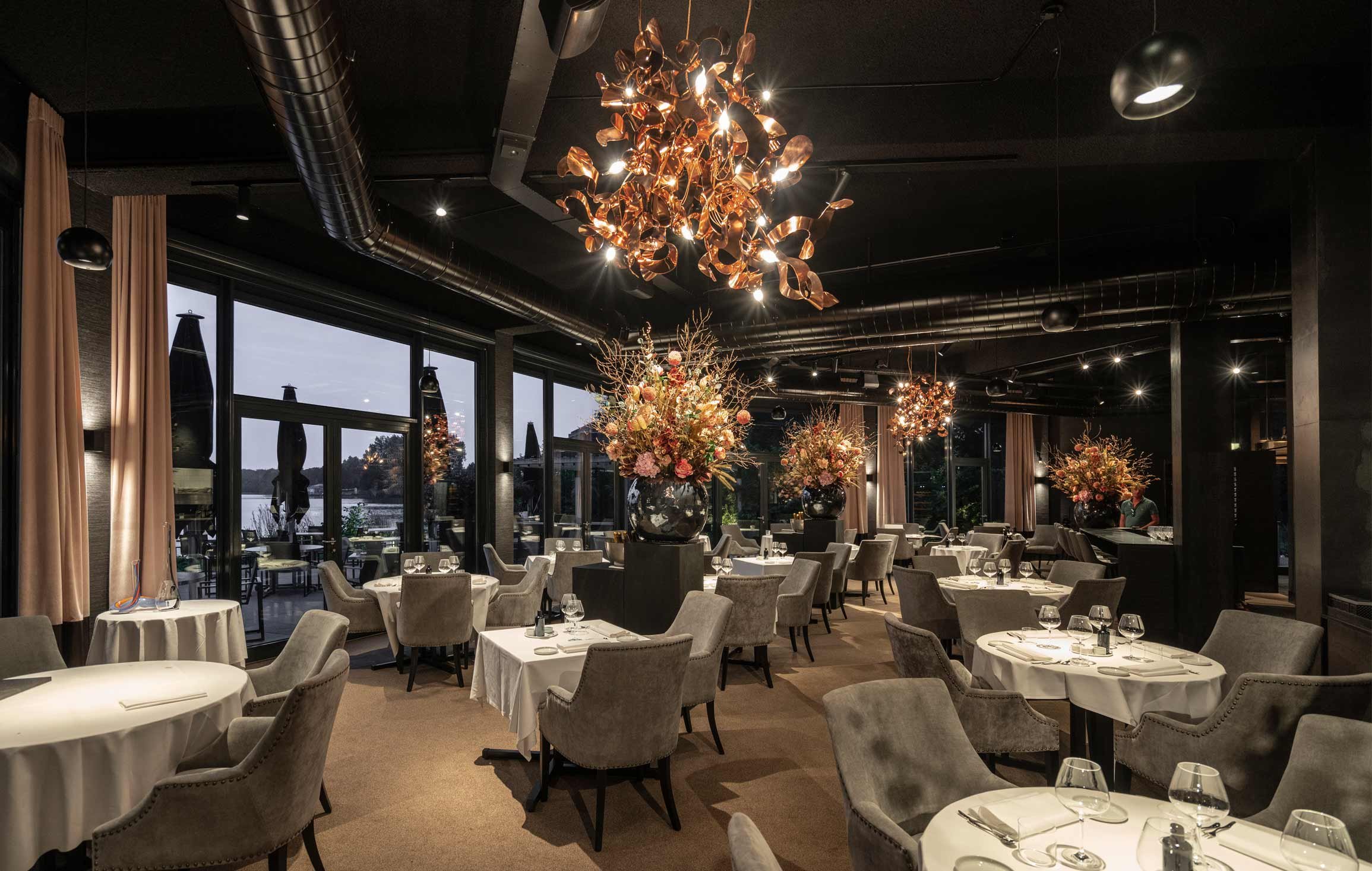
Bars in Amstelveen
Browse all →
Hotels in Amstelveen
Browse all →
Wineries in Amstelveen
Browse all →
At a Glance
- Elegant
- Modern
- Sophisticated
- Date Night
- Business Dinner
- Group Dining
- Celebration
- Special Occasion
- Open Kitchen
- Private Dining
- Standalone
- Extensive Wine List
- Sommelier Led
- Local Sourcing
Current opening hours
- Monday
- 4:30–10 PM
- Tuesday
- 4:30–10 PM
- Wednesday
- 4:30–10 PM
- Thursday
- 12–10 PM
- Friday
- 12–10 PM
- Saturday
- 12–10 PM
- Sunday
- 12–10 PM
Hours can change for holidays and private events. Last verified .
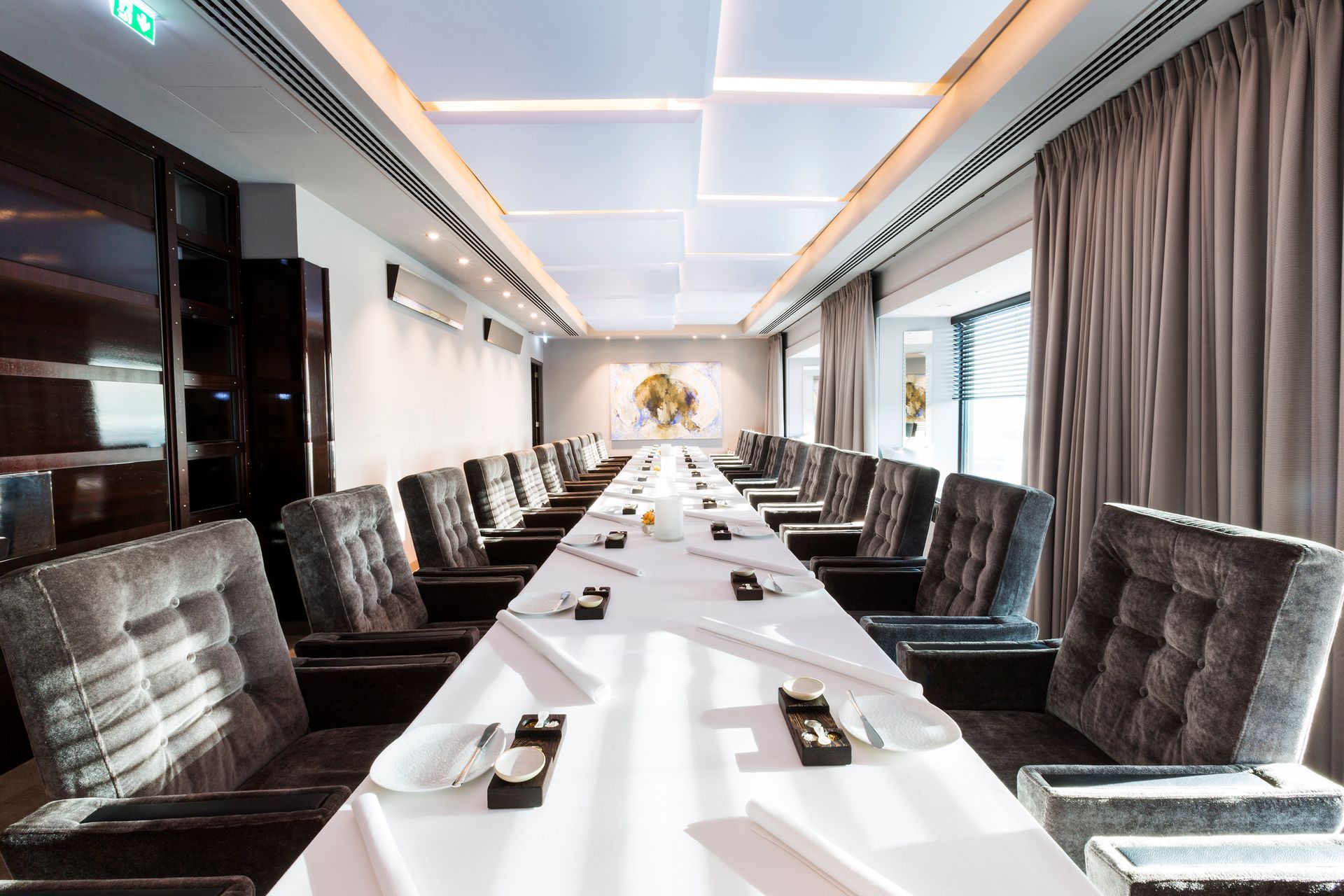
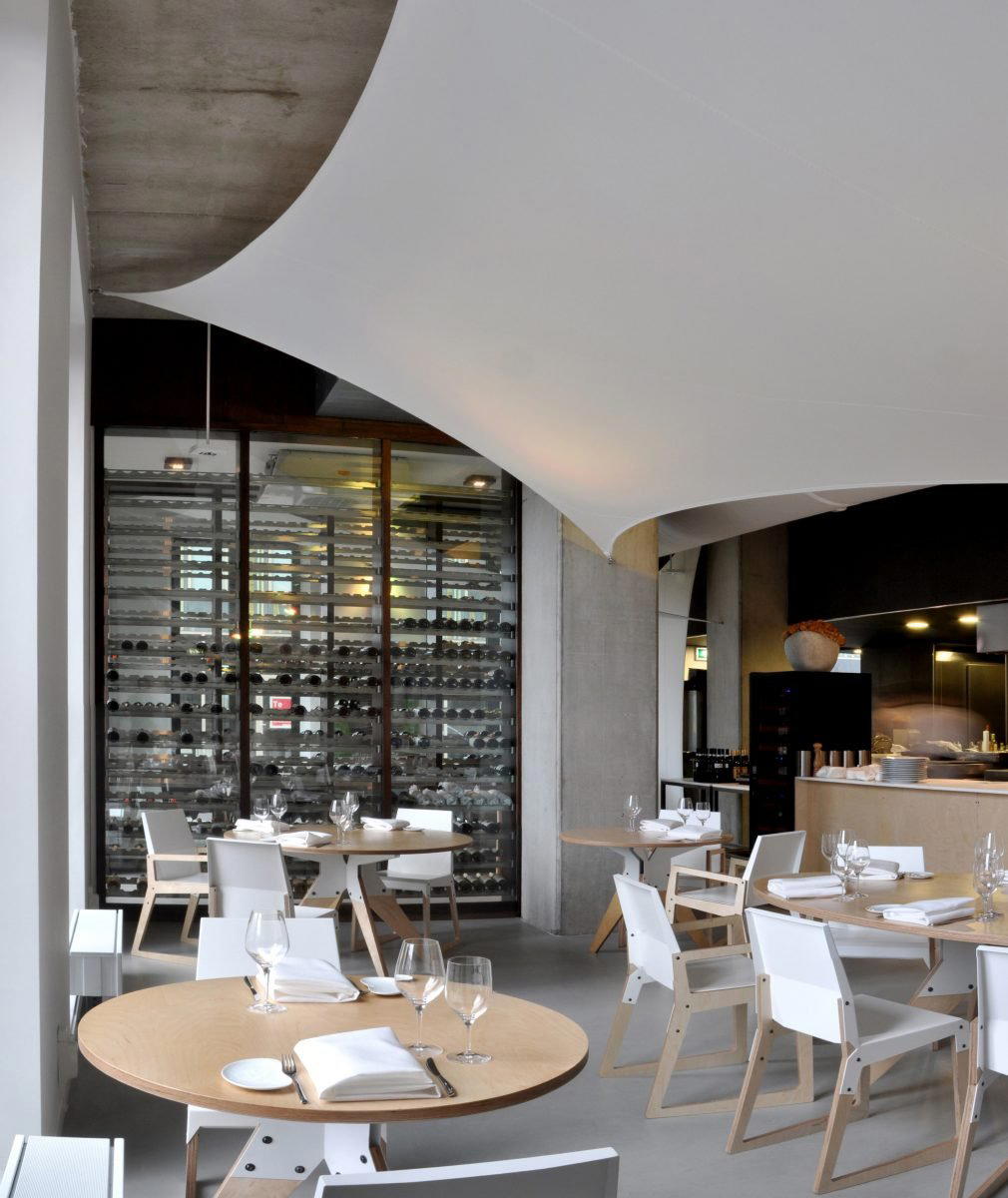
Modern and traditional Chinese design with seamless feng shui harmony, arched doorways, koi ponds, and Chinese calligraphy creating a warm and inviting fine dining atmosphere.