Our verdict
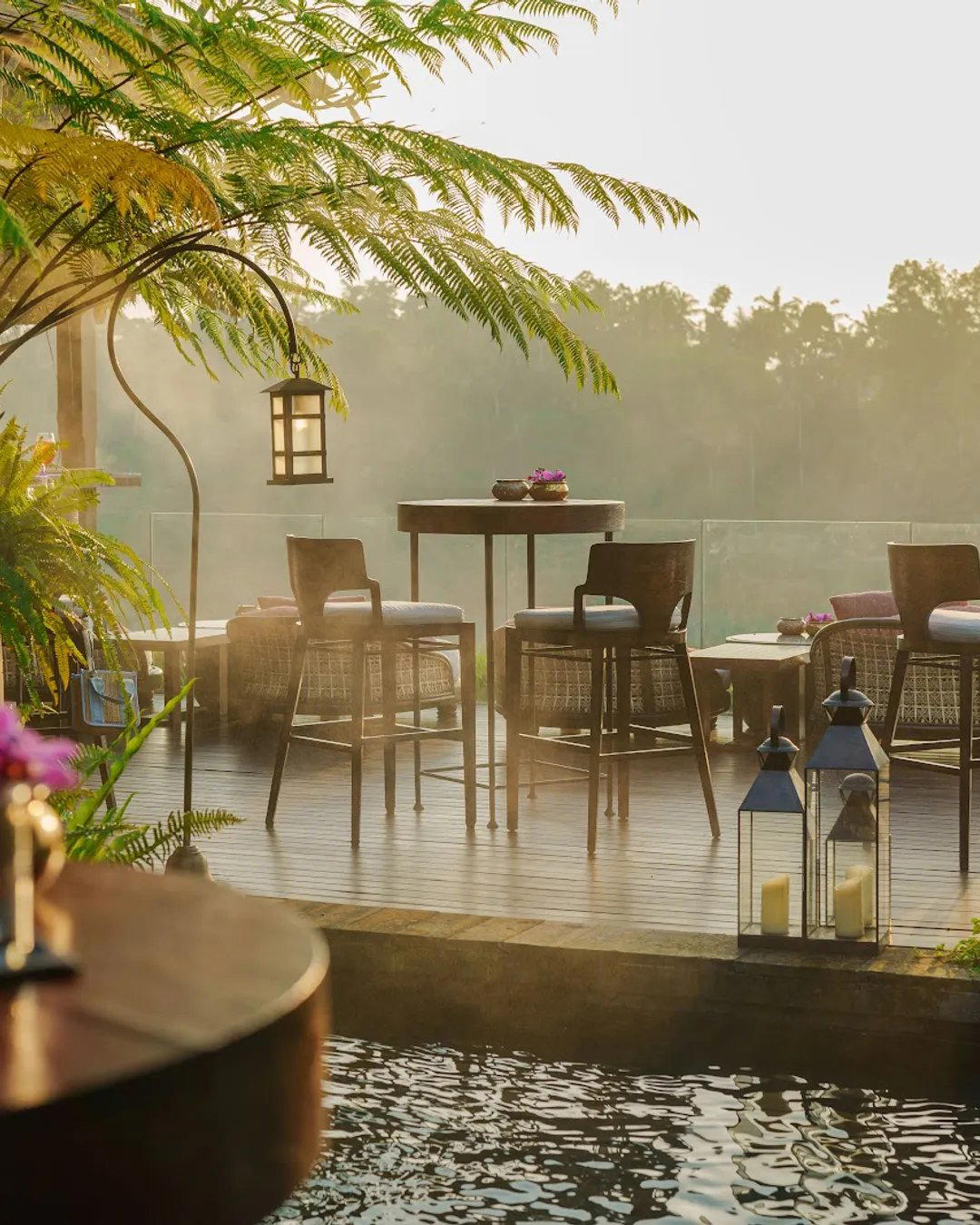
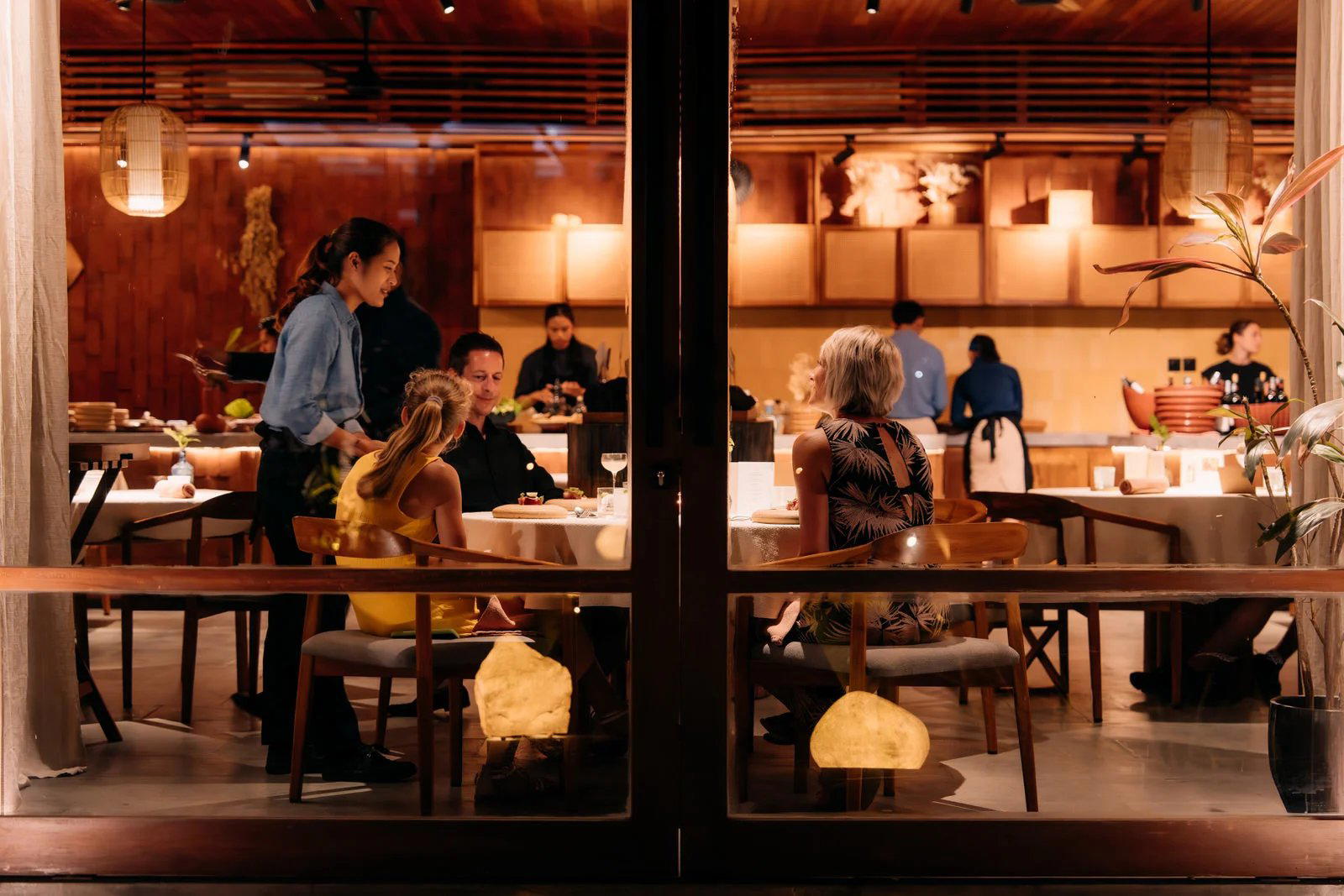
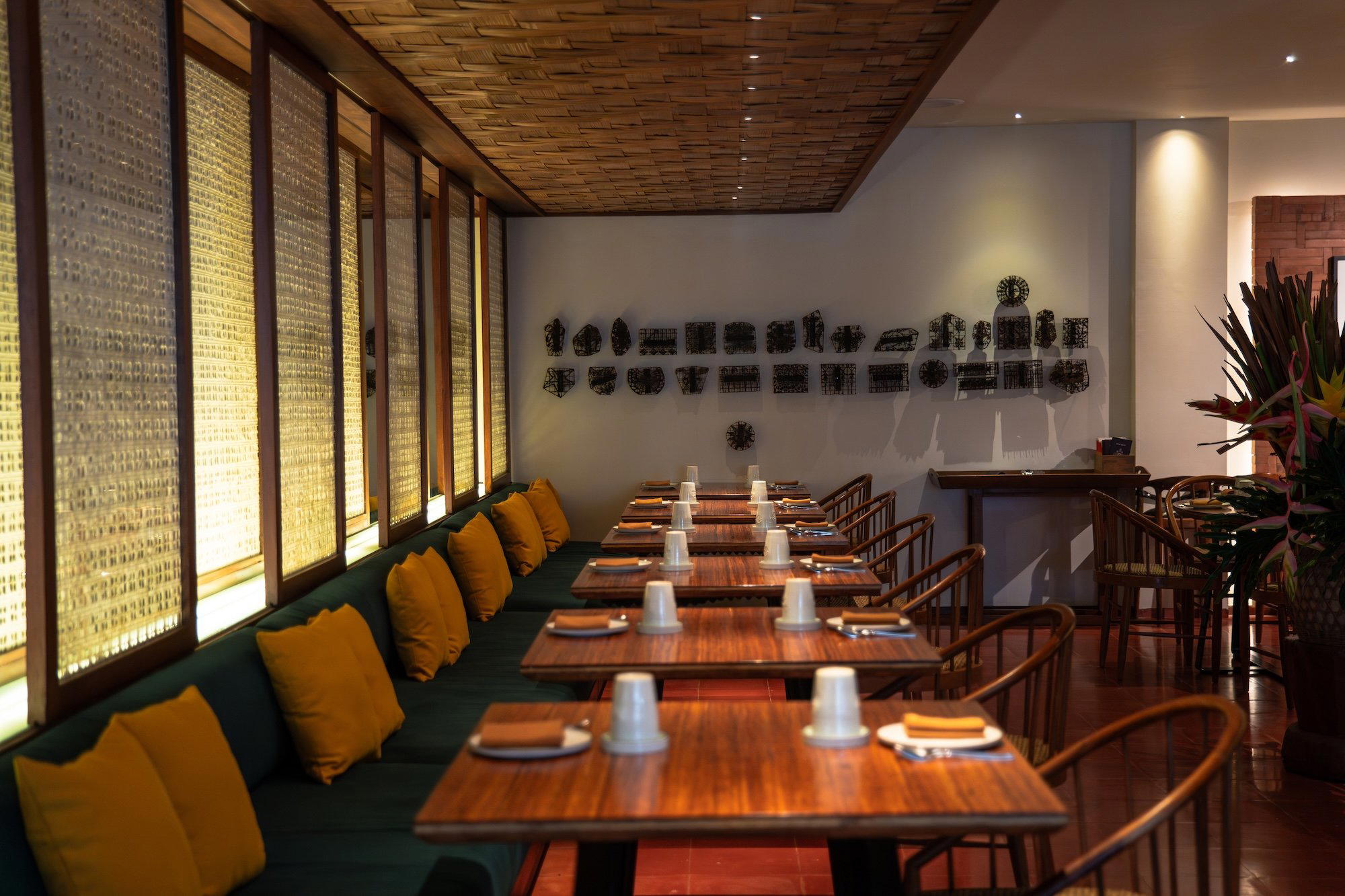
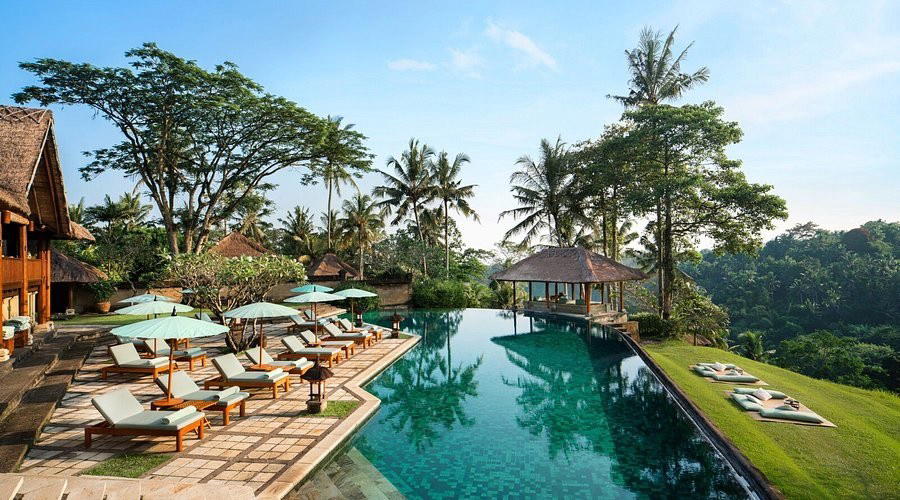
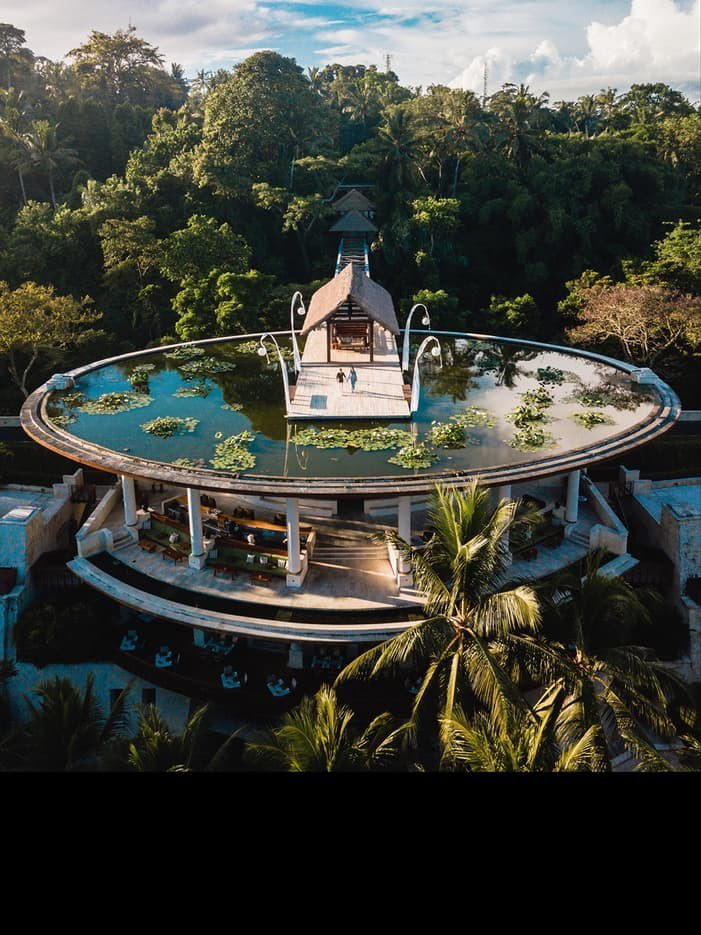
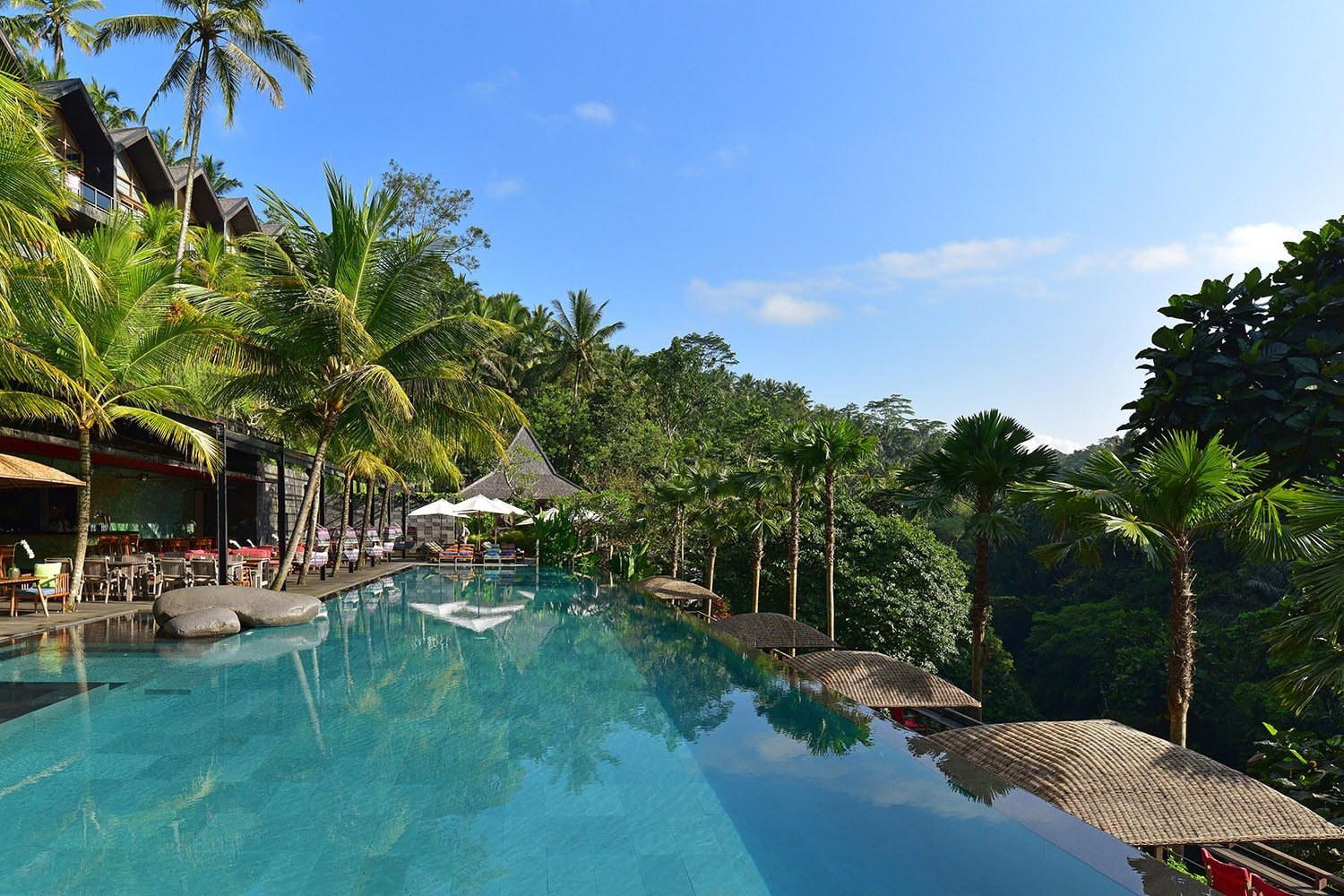
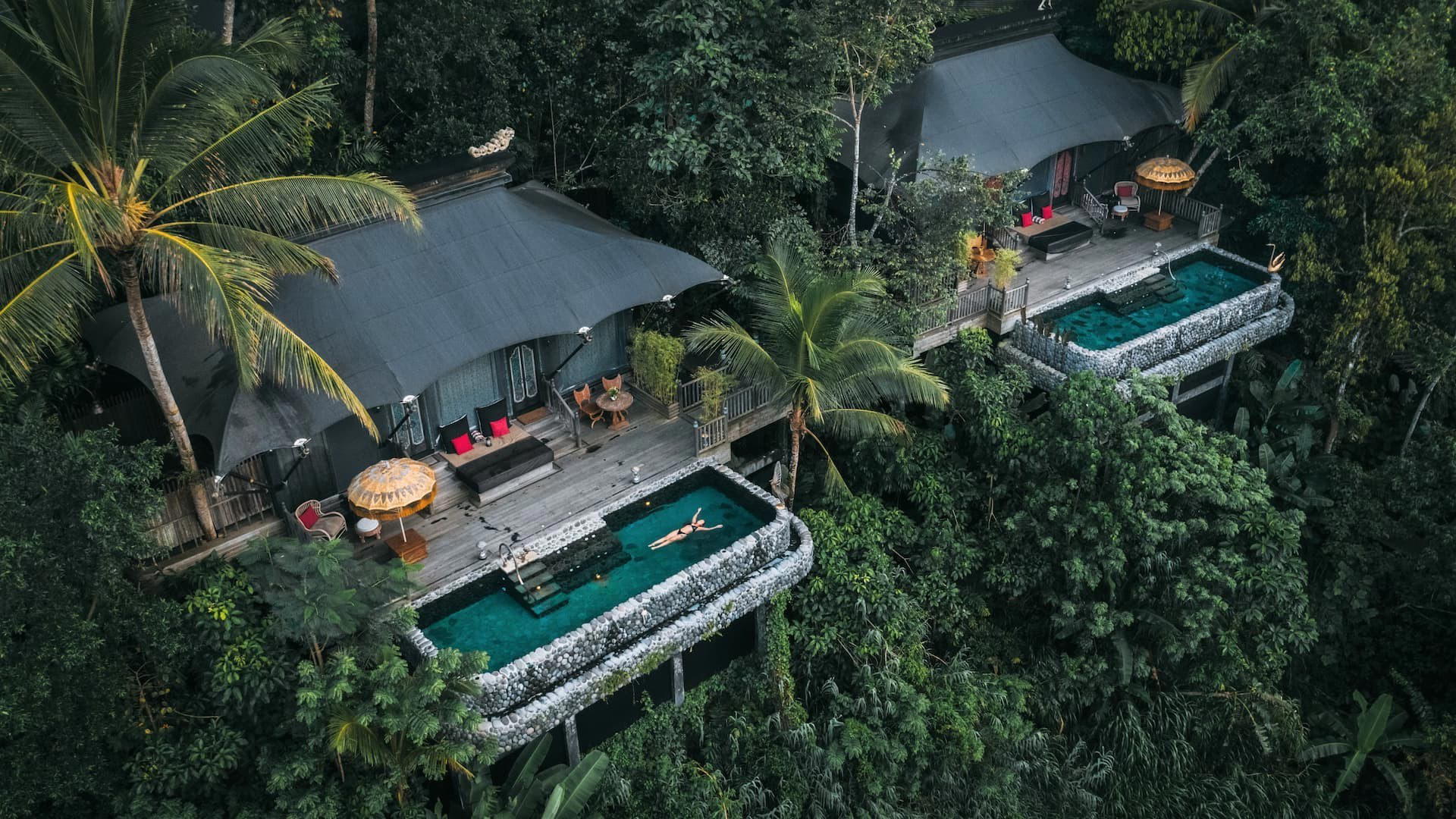
Ambar brings Ubud’s high-altitude dining mood into focus: a venue set above Kedewatan where the approach matters as much as the meal’s pacing. With no published awards, chef attribution, price range, or cuisine label attached, it reads less as a trophy-table proposition than as part of Ubud’s broader ritual of slow evenings, view-led rooms, and hotel-adjacent dining.

Pearl is the En Primeur Club membership app, where members save venues, book tables and use the concierge.
The menu
What to order
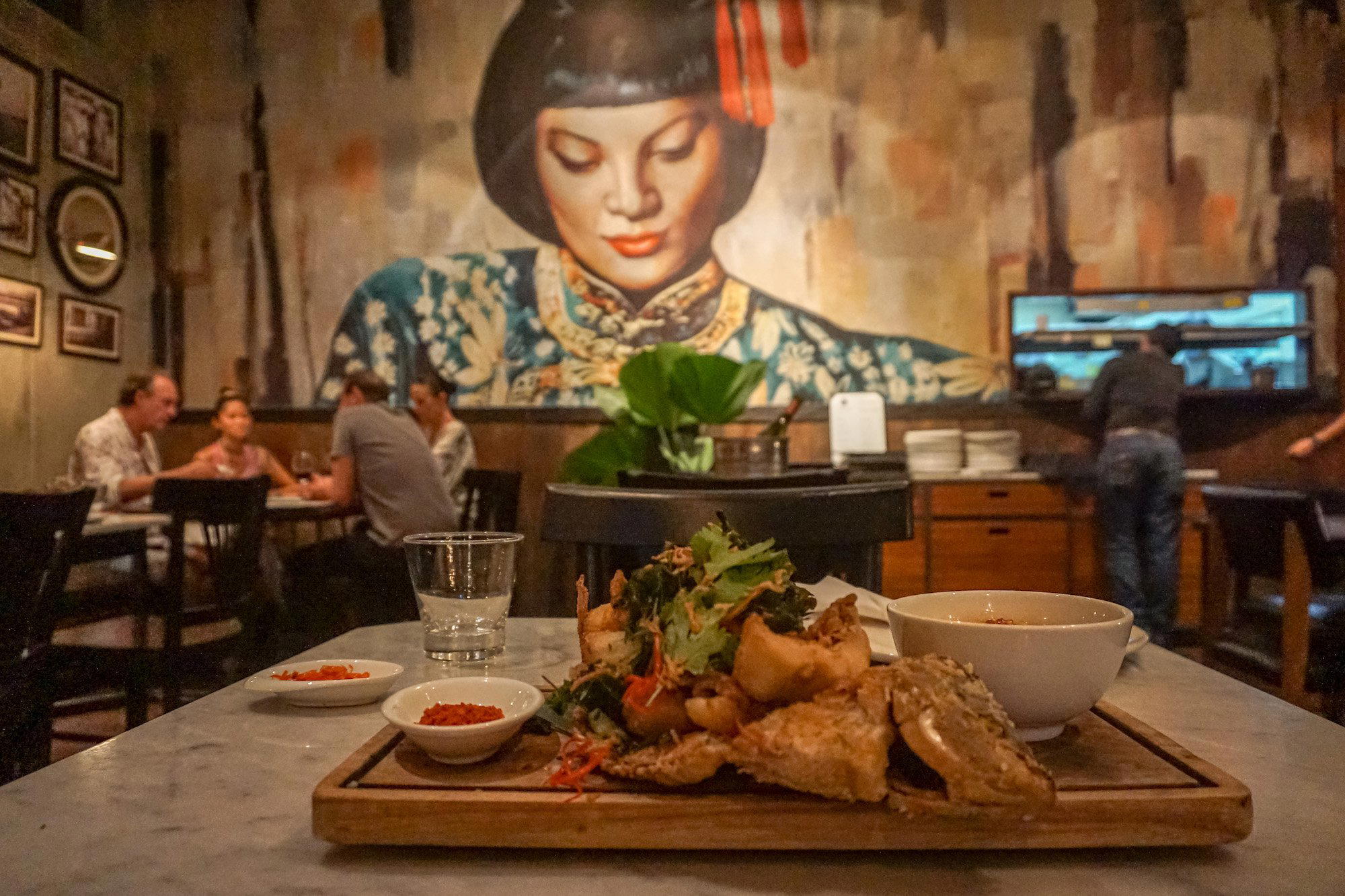
- Sushi
- Spicy salmon rolls
- Lobster sushi
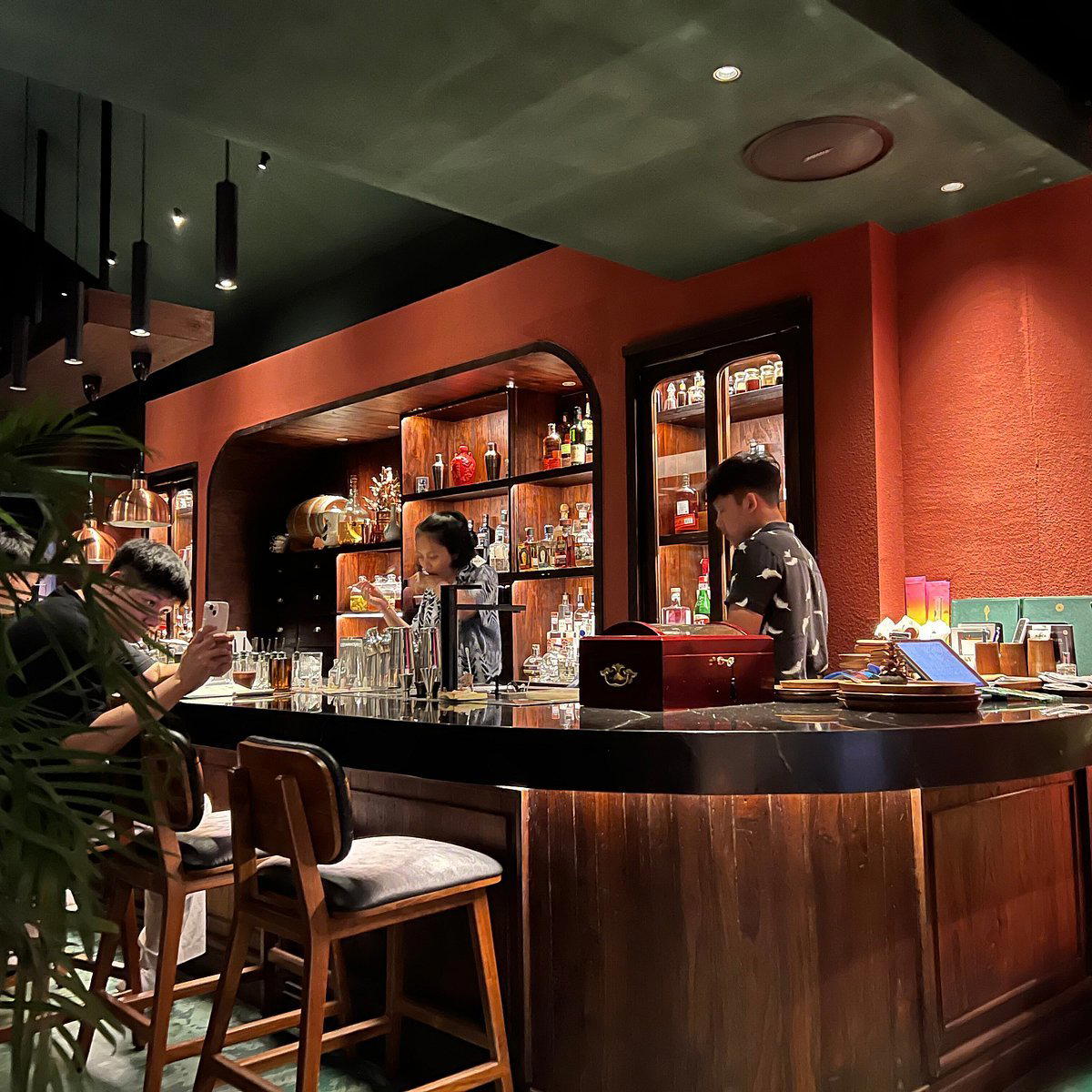
Approaching Ambar means leaving central Ubud’s tighter street rhythm for a calmer part of the city, where the pace eases and the landscape begins to assert itself. This part of Ubud has long shaped a particular kind of Bali dining ritual: arrival is slower, meals stretch later, and the room is expected to work with the surroundings rather than compete with them. In that sense, Ambar belongs to a different Ubud category from quick café stops and market-adjacent lunches. It sits high above the property, which gives the evening a staged quality before a menu or glass arrives.
Ubud dining is often misunderstood as a single genre. In practice, it splits into several overlapping habits: health-forward daytime cafés, hotel-linked terraces, ambitious tasting formats, and view-led rooms designed for unhurried nights. Ambar fits the last of those categories. The value here is not in a public awards trail or a named chef mythology, since neither is attached to the listing, but in how it participates in Ubud’s long-form evening culture, where altitude, timing, and table pacing carry editorial weight.
Ubud's dining ritual moves slower above the city
The formal meal in Ubud is rarely just about the plate. The town’s hospitality grammar is built around transition: leaving a villa, crossing a resort path, arriving before darkness, letting the first course or first drink set the speed. That rhythm is especially pronounced in quieter parts of Ubud, where properties can feel more spaced out and dinner tends to feel more intentional than incidental. Ambar’s position high above the property places it in that ritual, closer to the destination-evening mode than the casual street-side mode.
That distinction matters when choosing among Ubud tables. Some local dining rooms represent the intimate counter-led end of the spectrum, while others frame Ubud through a more formal international lens. Hotel-linked rooms and view-conscious spaces show how outlook, architecture, and arrival sequence influence the meal’s tempo. Ambar should be read inside that same conversation: less about quick turnover, more about committing an evening to the setting.
Ubud also has a strong daytime register, and that is where casual cafés make more sense in an itinerary. The contrast is useful. A café answers a practical need during a day of galleries, temples, walks, or transfers. A high-set dining room answers a different one: the desire to slow the day down and give dinner a beginning, middle, and end.
How Ambar compares with Ubud's view-led tables
The comparison set in Ubud is not only about cuisine. Kubu, Sawah Terrace, Uma Cucina, Kemiri, and Room 4 Dessert all occupy recognisable local lanes, from hotel dining to dessert-led format. Room 4 Dessert, for instance, is defined by dessert as a category rather than by the broader all-evening view ritual. Ambar’s available profile points instead toward atmosphere and location as the primary decision filters. That makes it better judged against the city’s refined rooms than against chef-counter restaurants or category-specific tasting menus.
This is also where caution helps. With no published price range, hours, chef name, awards, or cuisine type attached, Ambar should not be chosen on the assumption of a specific tasting format or trophy credential. Ubud has restaurants where those signals are central to the decision; this is not one of them from the public information attached here. The stronger editorial reading is spatial and ritual-led: a high-above-the-property setting in Ubud, suited to travellers who care about the arc of the evening as much as the category printed on a menu.
For travellers building a wider Bali dining plan, Ambar can sit alongside other dining in Ubud without forcing a single theme. Regional references elsewhere in Bali and across Indonesia show how the country’s dining map changes sharply by island, city, and occasion. International comparisons should be used sparingly, but the broader point still holds: format tells the diner how to behave before the first order is placed. Ambar’s format is best understood as an atmosphere-led Ubud evening rather than a quick stop or a single-category meal.
Planning the evening around mood rather than medals
The sensible way to place Ambar in an Ubud itinerary is to treat it as an evening venue, not as a checklist restaurant. Ubud rewards slower scheduling, especially if the day has already included central traffic, museum stops, or a hotel change. The setting places it outside the feel of the densest restaurant cluster, so the meal works better when transport and timing are settled before the evening begins.
Travellers comparing neighbourhoods should use Our full Ubud restaurants guide for dining context, then cross-check where the night fits against Our full Ubud hotels guide, Our full Ubud bars guide, Our full Ubud wineries guide, and Our full Ubud experiences guide. Ambar’s appeal is clearest when the evening is allowed to breathe: arrive with time, avoid stacking it after a rushed transfer, and judge it within Ubud’s culture of atmosphere-led dining rather than through the narrower lens of awards and chef billing.
Frequently asked questions
What part of town is Ambar in?
Ubud.
Do I need a reservation for Ambar?
A reservation is sensible, especially for evening dining in Ubud. Ambar’s setting suits a planned stop rather than a spontaneous walk-in.
What do critics highlight about Ambar?
Critics tend to focus on Ambar’s Ubud setting and high-above-the-property feel. The venue reads as an evening destination with a more deliberate pace than casual street-side dining.
Can Ambar handle vegetarian requests?
Vegetarian requests are usually worth raising in advance at any Ubud dining room, and Ambar’s setting makes planning ahead practical. Those details are not published. Check the venue's official channels for the latest details.
Is Ambar suitable for children?
Ambar’s Ubud setting points to a quieter evening atmosphere than a casual family venue. For children, the fit depends on the group and timing, with earlier hours likely the more comfortable choice.
Cuisine-First Comparison
Comparable venues by cuisine and price in the same metro.
| Venue | Cuisine | Price | Awards |
|---|---|---|---|
| AmbarThis venue (the venue you are viewing) | Japanese Fusion | $50–100 | Not listed |
| Kubu | Sustainable Balinese Fine Dining | $50–100 | Not listed |
| Sawah Terrace | Authentic Indonesian and Balinese Cuisine | Not listed | Not listed |
| Uma Cucina | Italian-Inspired Restaurant and Lounge Bar | $20–30 | Not listed |
| Kemiri | Balinese-Inspired Indonesian Cuisine | Not listed | Not listed |
| Room 4 Dessert | Dessert-Focused Tasting Menu | $50–100 | La Liste Pastry: Pastry Game Changer Award · Tatler Listed in Best Restaurants Asia-Pacific |
Continue exploring
More in Ubud
Restaurants in Ubud
All restaurants in Ubud →
Bars in Ubud
All bars in Ubud →
Details
- Scenic
- Romantic
- Sophisticated
- Elegant
- Quiet
- Date Night
- Celebration
- Special Occasion
- After Work
- Group Dining
- Garden
- Hotel Restaurant
- Design Destination
- Terrace
- Craft Cocktails
- Zero Proof
- Local Sourcing
- Mountain
- Garden
- A La Carte
- Small Plates
- Craft Cocktails
- Herbal Cocktails
- Japanese Inspired Cocktails
- Vegetarian Friendly
- Gluten Free Options
Current opening hours
- Monday
- 12:30–11 PM
- Tuesday
- 12:30–11 PM
- Wednesday
- 12:30–11 PM
- Thursday
- 12:30–11 PM
- Friday
- 12:30–11 PM
- Saturday
- 12:30–11 PM
- Sunday
- 12:30–11 PM
Hours can change for holidays and private events. Hours as of .
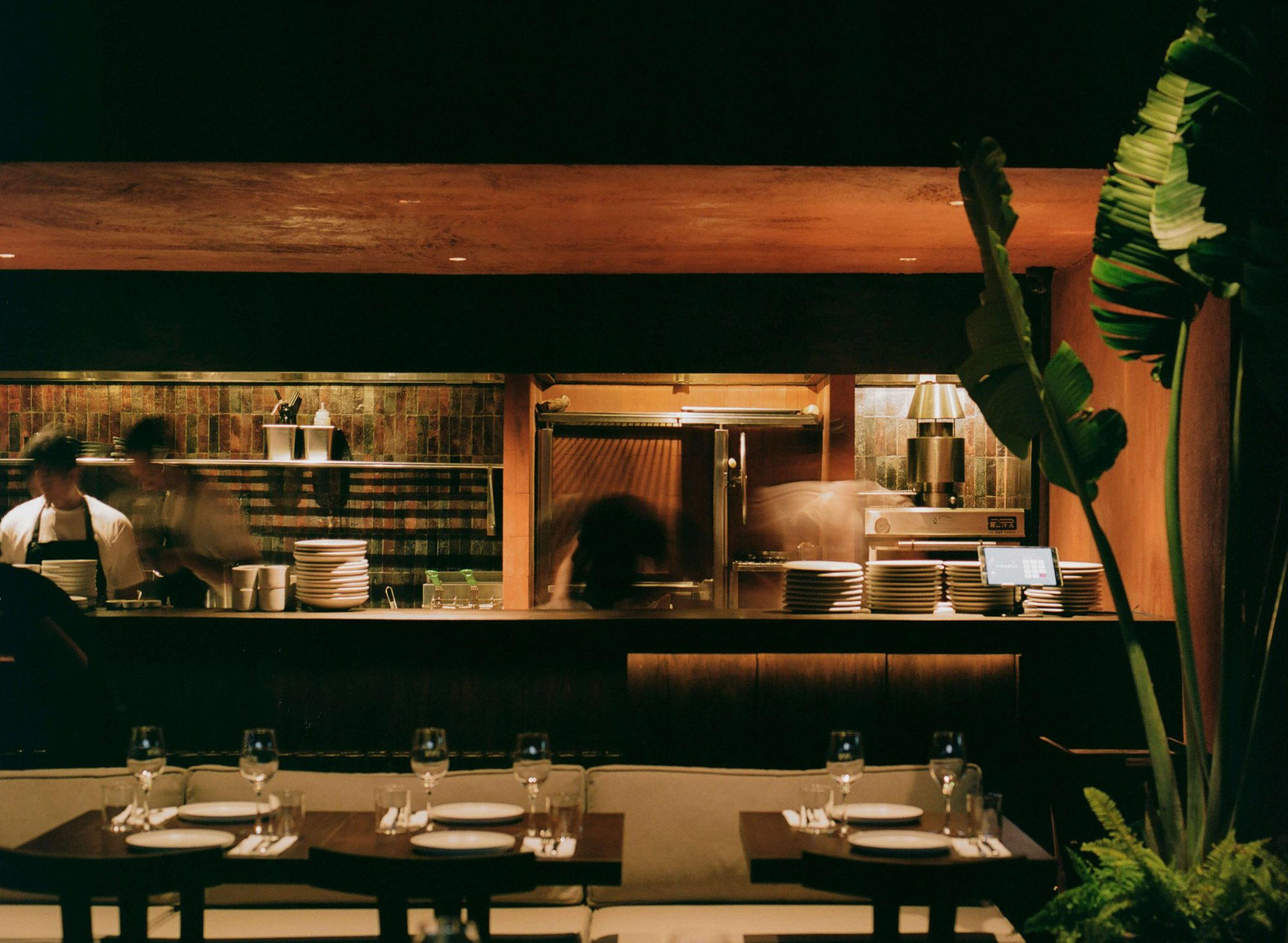
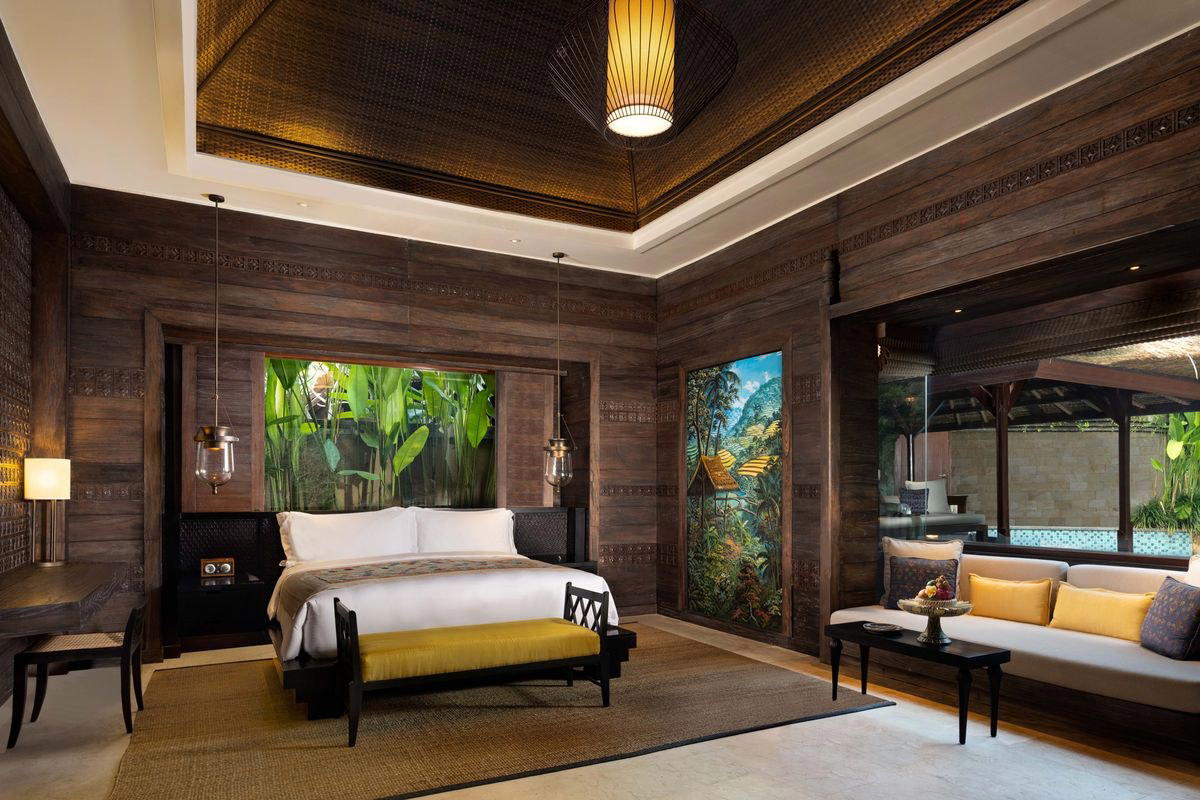
Serene and upscale, with forest and sunset views, a polished cocktail-bar feel, and a quiet, refined atmosphere often described as picturesque and relaxing.