Our verdict
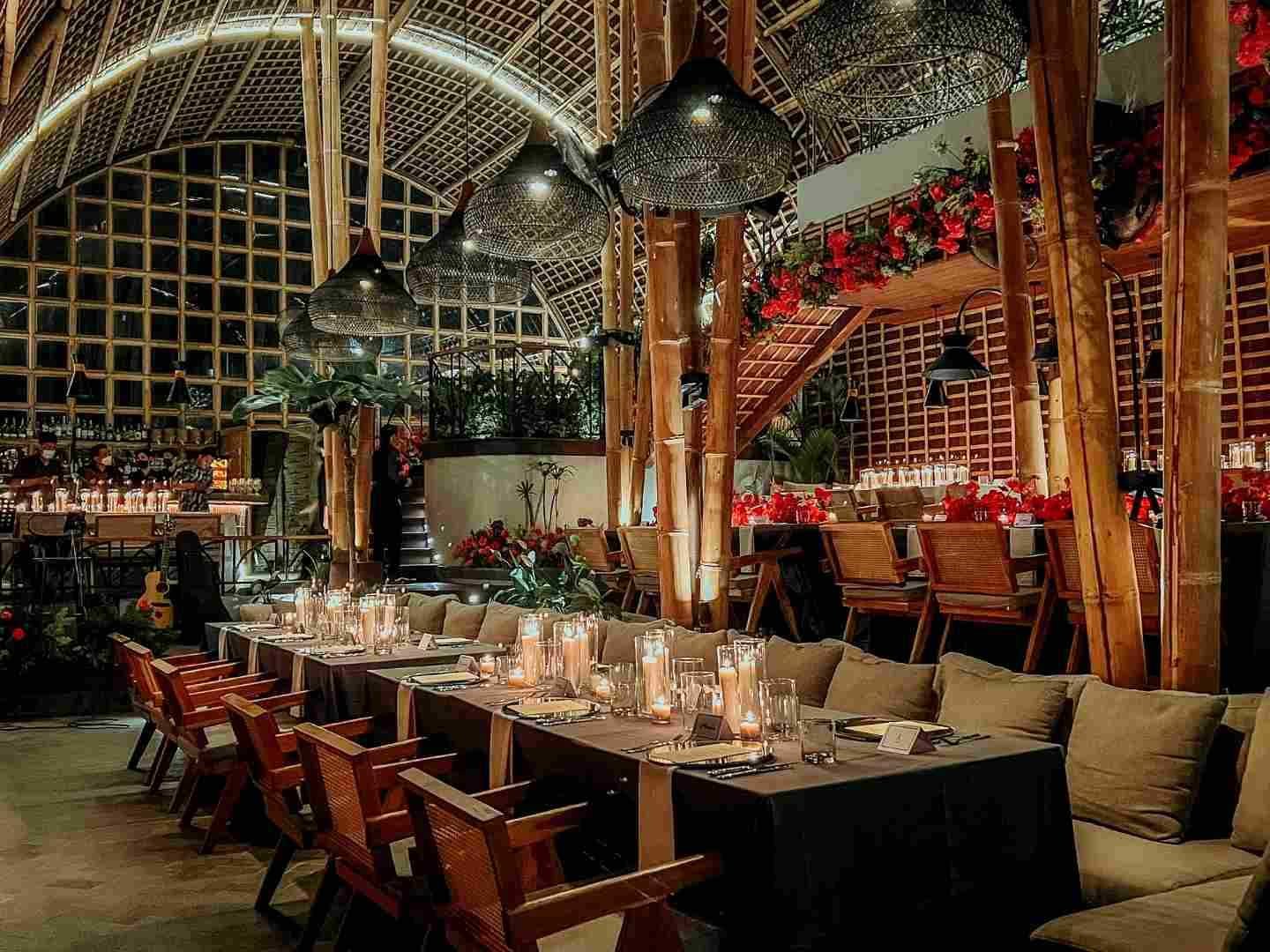
Akar sits in Kedisan, near Tegallalang, where Ubud’s dining map thins from central restaurant rows into rice-field villages and resort-led rooms. The draw is less about checklist dining than context: a two-floor address in a part of Bali where contemporary restaurant culture meets the island’s agrarian setting.

Pearl is the En Primeur Club membership app — saves, bookings, and concierge access live there. Same editors, same standards.
- Address
- Jalan Raya Cebok, Kedisan Tegallalang, Kedisan, Kecamatan Ubud, Kabupaten Gianyar, Bali 80561, Indonesia (two floors)
- Hours
- Daily 5–11:30 PM
- Directions
- Get directions
The menu
What to order
- Charcoal-grilled Wagyu A5
- Black Angus strip loin
- Tomahawk steak
- French crostini bavette de boeuf
- Irish fillet de boeuf
- Australian Wagyu carpaccio
Approaching Akar shifts the register of a Bali meal. The island’s busier dining patterns can make restaurants feel interchangeable, but Akar reads as a more intentional stop: a venue to plan around rather than a quick add-on. Its two-floor format gives the experience a fuller restaurant frame, while its Bali setting keeps the focus on how the island shapes dining decisions, timing, and expectations.
That distinction matters in Bali, because the island’s restaurant scene is often misread as a single category. Different parts of the island operate with different dining codes. Some venues lean on sunset timing and volume. Hotel restaurants often anchor themselves in international formats. Everyday local dining remains tied to routine, family businesses, and repeat custom. Destination-minded restaurants sit between those worlds, with a pull toward craft, travel planning, and a stronger sense of occasion. For the broader map, compare the spread in Our full Bali restaurants guide, where resort dining, dining rooms, cafés, and local institutions sit side by side rather than in a single hierarchy.
Bali puts the meal in the island's agricultural north-south conversation
Bali’s dining areas carry different signals depending on where a traveler is coming from, how much time they have, and what kind of meal they want to build a day around. The island’s food culture cannot be separated from broader questions of land, ritual, tourism, and everyday hospitality, but a restaurant still has to stand on the experience it offers. The question is not whether a room fits a postcard version of Bali. The sharper question is whether the experience understands its island context, and whether it gives visitors a reason to make a separate dining plan rather than treating the setting as scenery.
Akar’s position in Bali puts it in a different category from a purely casual stop or a venue chosen only because it is nearby. That makes it a different proposition from beach-facing addresses, resort-and-bar hybrids, or more formal tasting-room formats. Those distinctions are useful because Bali’s dining decisions are often logistical as much as culinary: a meal at Akar is a separate plan, not a casual add-on between beach and bar.
Indonesian cooking itself is too broad to reduce to a single Balinese shorthand. The national table moves through many regional structures, local habits, ceremonial foods, rice dishes, and everyday family cooking. In Bali, the serious visitor learns quickly that international polish and local relevance are not the same thing. Other local dining rooms may occupy a different cultural lane from contemporary destination restaurants, but their importance is a reminder that food authority often comes from repetition, specialization, and community demand rather than décor.
The useful comparison is format, not hype
Akar’s available profile is not a credential-led pitch; the editorial read has to stay grounded in format and location. The two-floor setup suggests a fuller restaurant operation rather than a counter or kiosk model, and the Bali address asks for more intentional timing than venues embedded in the easiest walking circuits. In the Bali context, that places it among restaurants where the journey to the room is part of the decision. Nearby and island-wide alternatives can shift the brief considerably: other Bali dining rooms may offer a café lens, a resort lens, a coastal pattern, or a more formal restaurant experience.
The comparison set also shows how quickly the conversation changes once a diner leaves Bali. Indonesian and regional dining takes different shapes across the country, while cafés, resort rooms, and destination restaurants each belong to their own urban or island patterns. These are not substitutes for Akar; they are reminders that location dictates expectation. A restaurant in Bali should be read through its island context, not through another city’s density or a resort district’s convenience.
For travelers building a wider itinerary, the smart move is to treat Akar as one piece of a Bali day rather than a standalone trophy reservation. Pairing a meal here with other Bali plans makes more sense than forcing it between far-apart commitments. The same planning logic applies across categories: Our full Bali hotels guide helps explain why hotel location changes dining choices, while Our full Bali bars guide, Our full Bali wineries guide, and Our full Bali experiences guide show how spread-out the island becomes once meals, drinks, and cultural programming are planned together.
Who should make the detour
Akar makes the strongest case for diners who want a Bali meal that feels planned rather than incidental and are comfortable letting setting carry part of the value. Its appeal sits in the Bali context: a two-floor restaurant address where scale, timing, and the island setting all help define the choice.
That makes it a better fit for travelers already building time into a Bali itinerary than for visitors with a packed evening schedule far from the venue. Diners seeking a tight, drink-led night may be better served by the island’s bar circuit, while those tracking highly specific culinary formats may want a different brief altogether. In Bali, Akar’s value is local to place: the island gives the meal its frame, and that frame is the reason to seek it out.
Frequently asked questions
Is Akar a family-friendly restaurant?
The two-floor layout in Bali gives Akar enough room for mixed-age groups, and the setting is easier to approach than a tightly packed counter room. Families planning a Bali meal should find it a workable stop.
How would you describe the vibe at Akar?
Akar feels tied to Bali, with a two-floor room in Bali. The atmosphere is shaped more by location and scale than by showmanship.
What's the address for Akar?
Bali.
How hard is it to get a table at Akar?
The two-floor setup suggests more seating flexibility than a small counter-only venue, which usually makes planning easier. Its location in Bali points to a destination meal rather than an impulse stop.
What makes Akar worth seeking out?
Akar places diners in Bali, where the island context is central to the experience. The two-floor format gives the venue a larger footprint, which suits a planned detour within a Bali itinerary.
Booking and Cost Snapshot
Comparable venues by cuisine and price in the same metro.
| Venue | Cuisine | Price |
|---|---|---|
| AkarThis venue — the venue you are viewing | Jungle charcoal grill & steakhouse with Indonesian-Western fusion | $50–100 |
| Kabana | Seafood and Bar | Not listed |
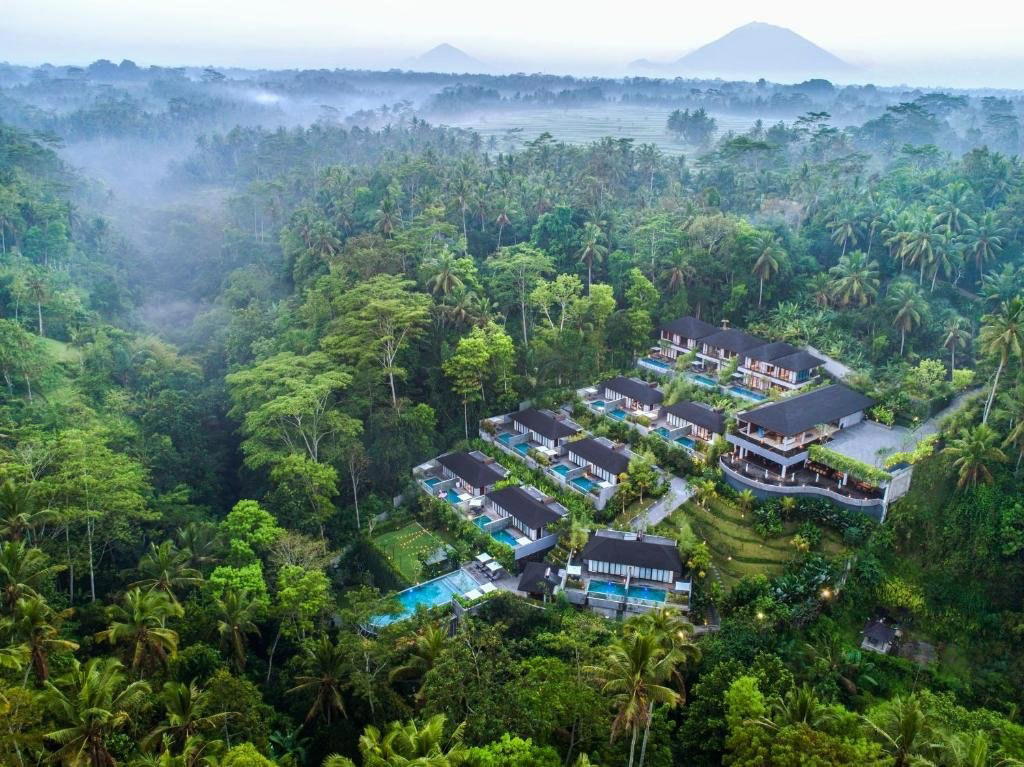
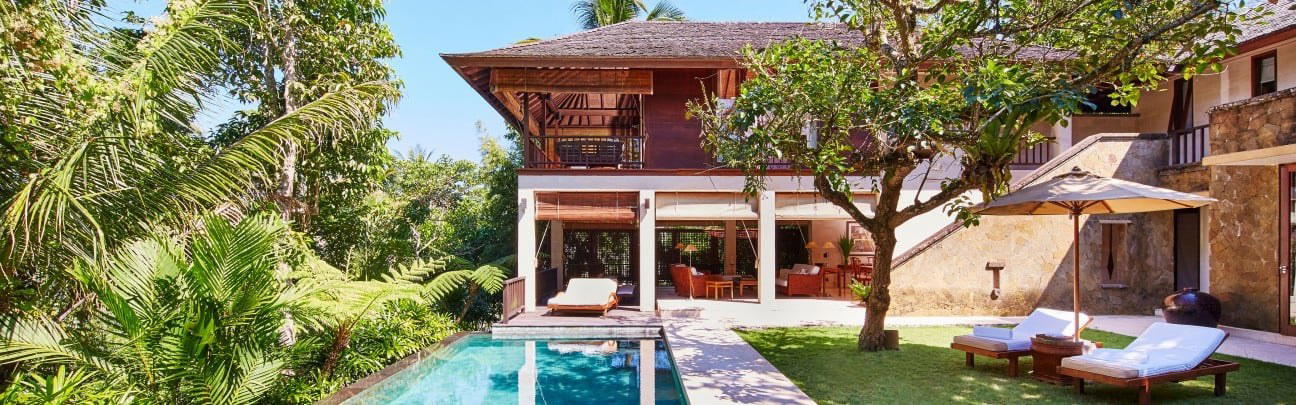

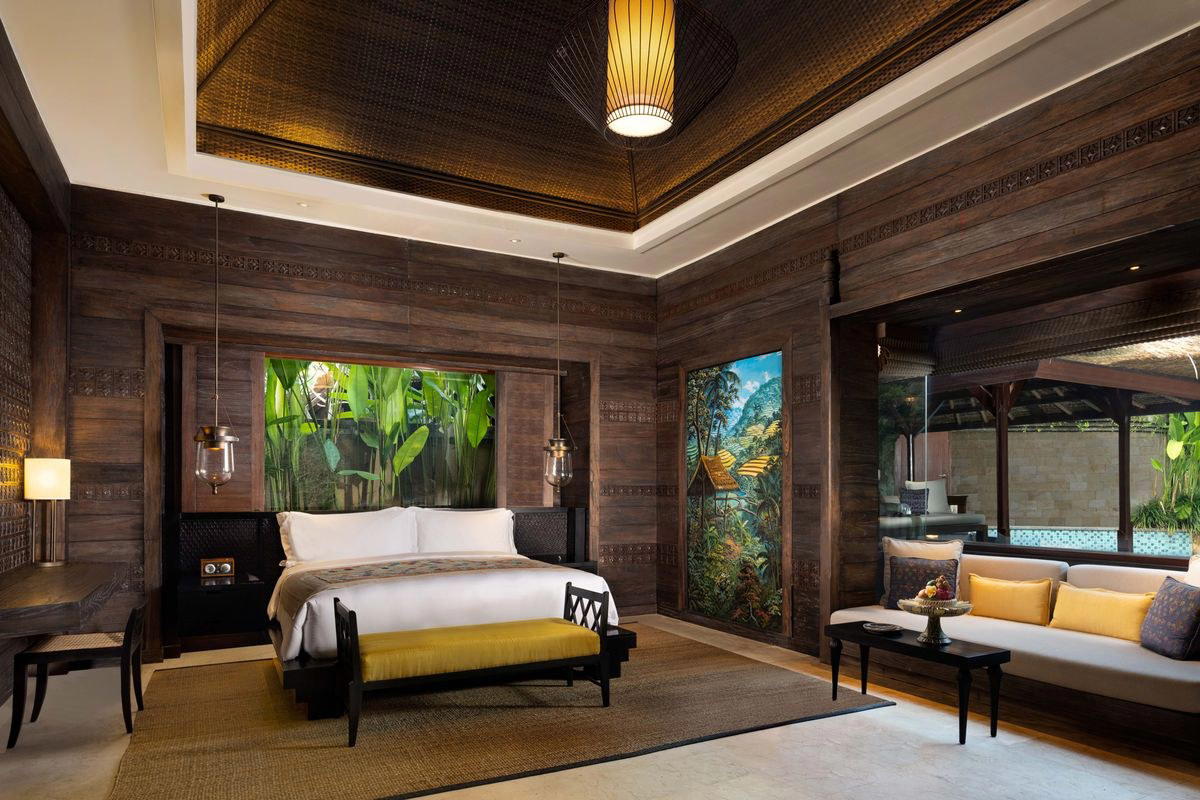
Akar
The wine
- Wine program
- Curated wine list
- Extensive wine list
- Craft cocktails
- Zero-proof drinks
Details
- Scenic
- Elegant
- Trendy
- Romantic
- Sophisticated
- Lively
- Date Night
- Group Dining
- Celebration
- Special Occasion
- Late Night
- Private Event
- Open Kitchen
- Panoramic View
- Design Destination
- Hotel Restaurant
- Terrace
- Extensive Wine List
- Craft Cocktails
- Zero Proof
- Farm To Table
- Organic
- Local Sourcing
- Garden
- Mountain
- A La Carte
- Set Menu
- Wine
- Cocktails
- Zero Proof Cocktails
- Vegetarian Friendly
- Vegan Options
- Gluten Free Options
- Pescatarian Friendly
- Organic Focus
Current opening hours
- Monday
- 5–11:30 PM
- Tuesday
- 5–11:30 PM
- Wednesday
- 5–11:30 PM
- Thursday
- 5–11:30 PM
- Friday
- 5–11:30 PM
- Saturday
- 5–11:30 PM
- Sunday
- 5–11:30 PM
Hours can change for holidays and private events. Last verified .
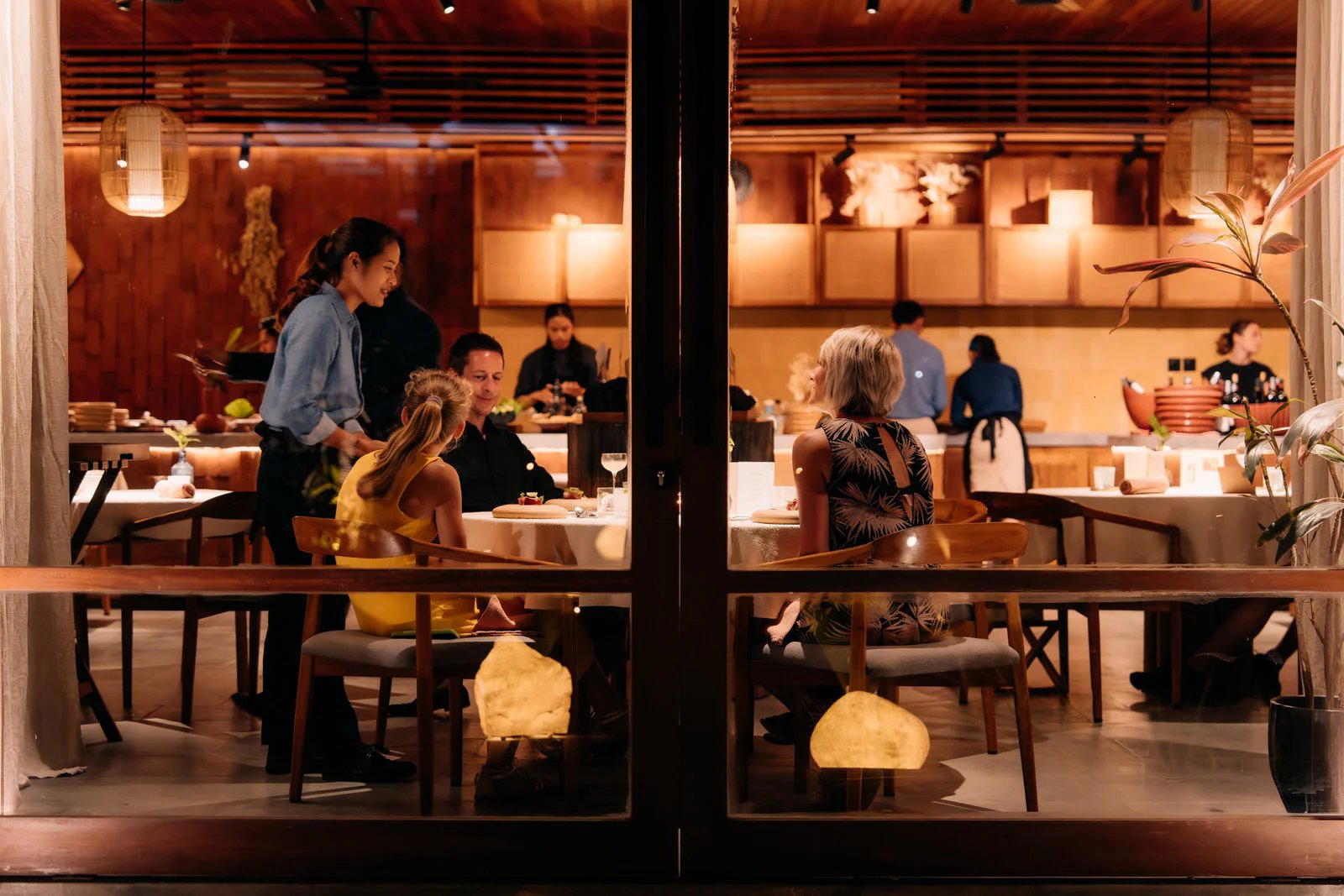
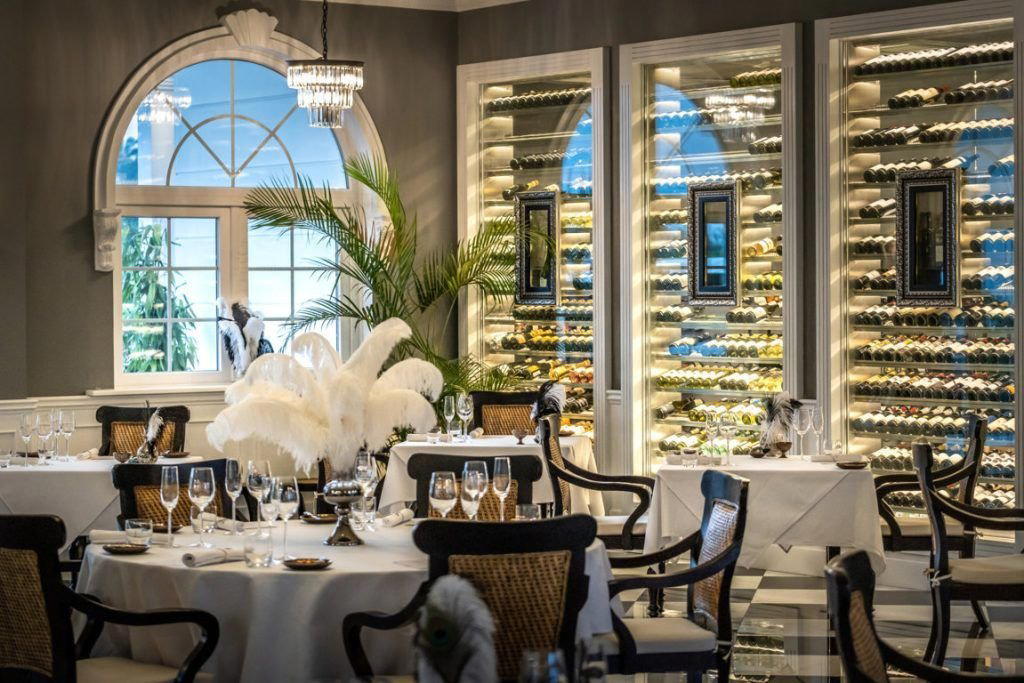
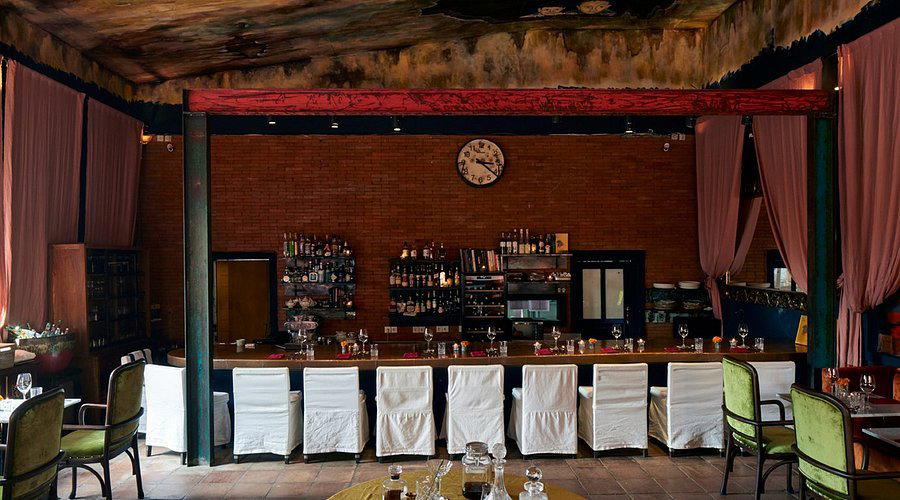
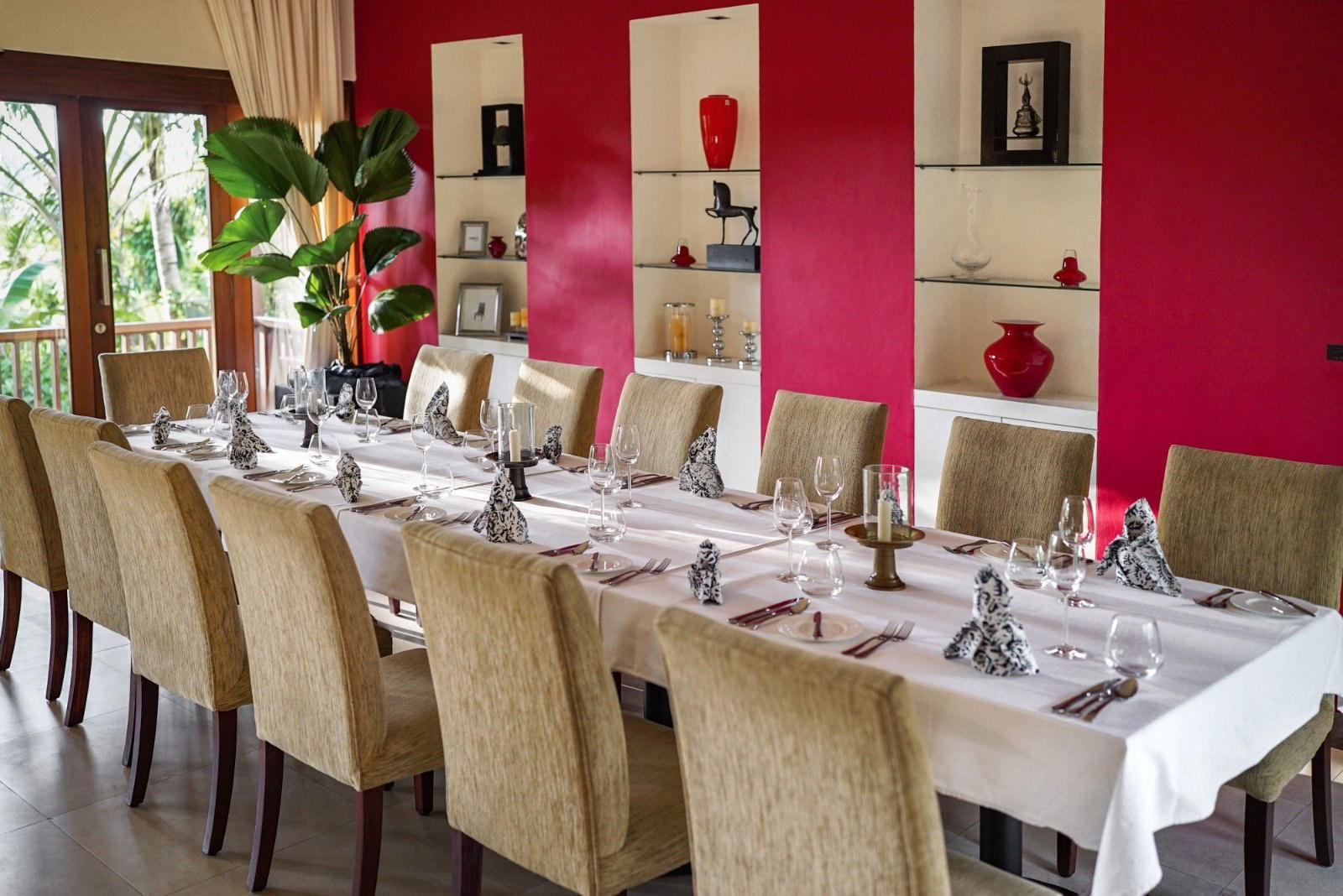
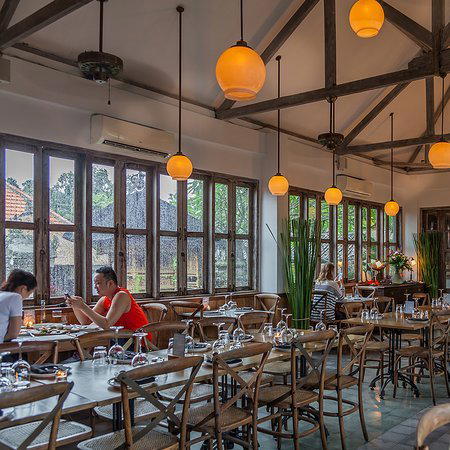
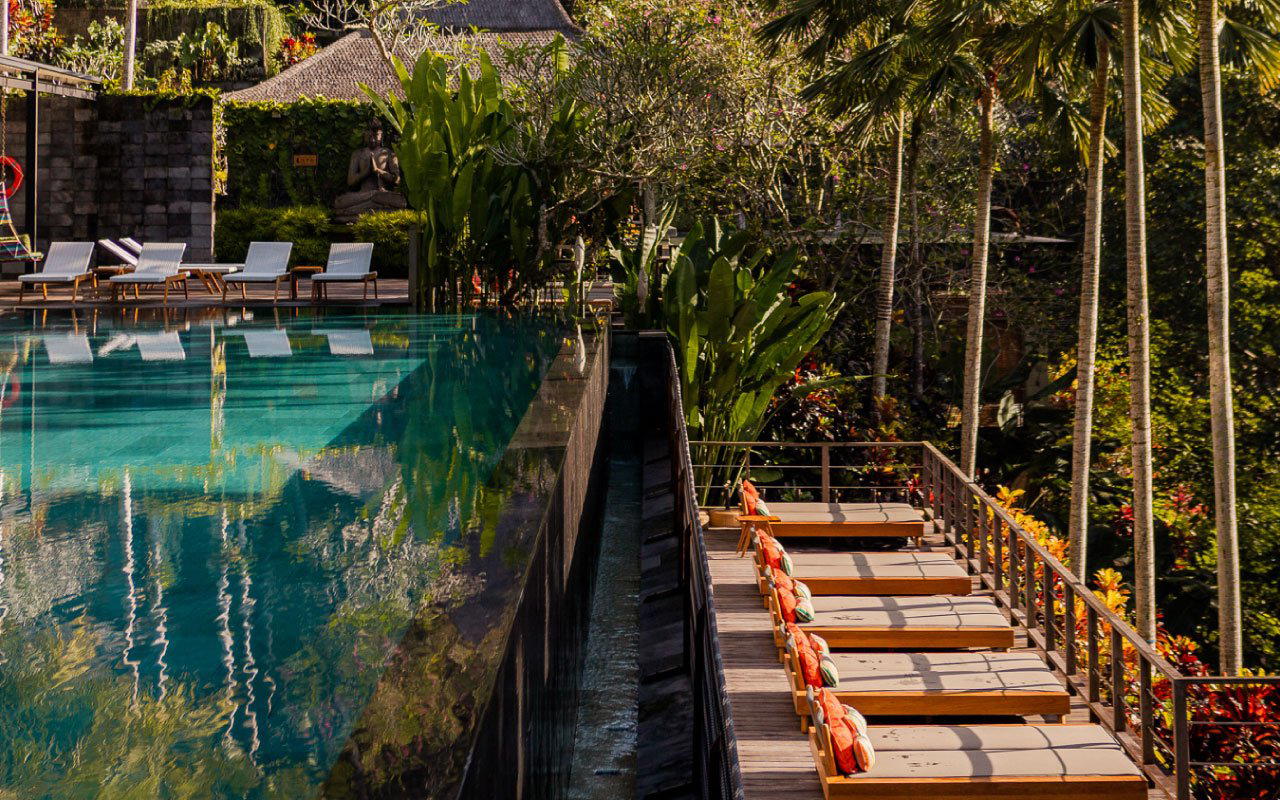
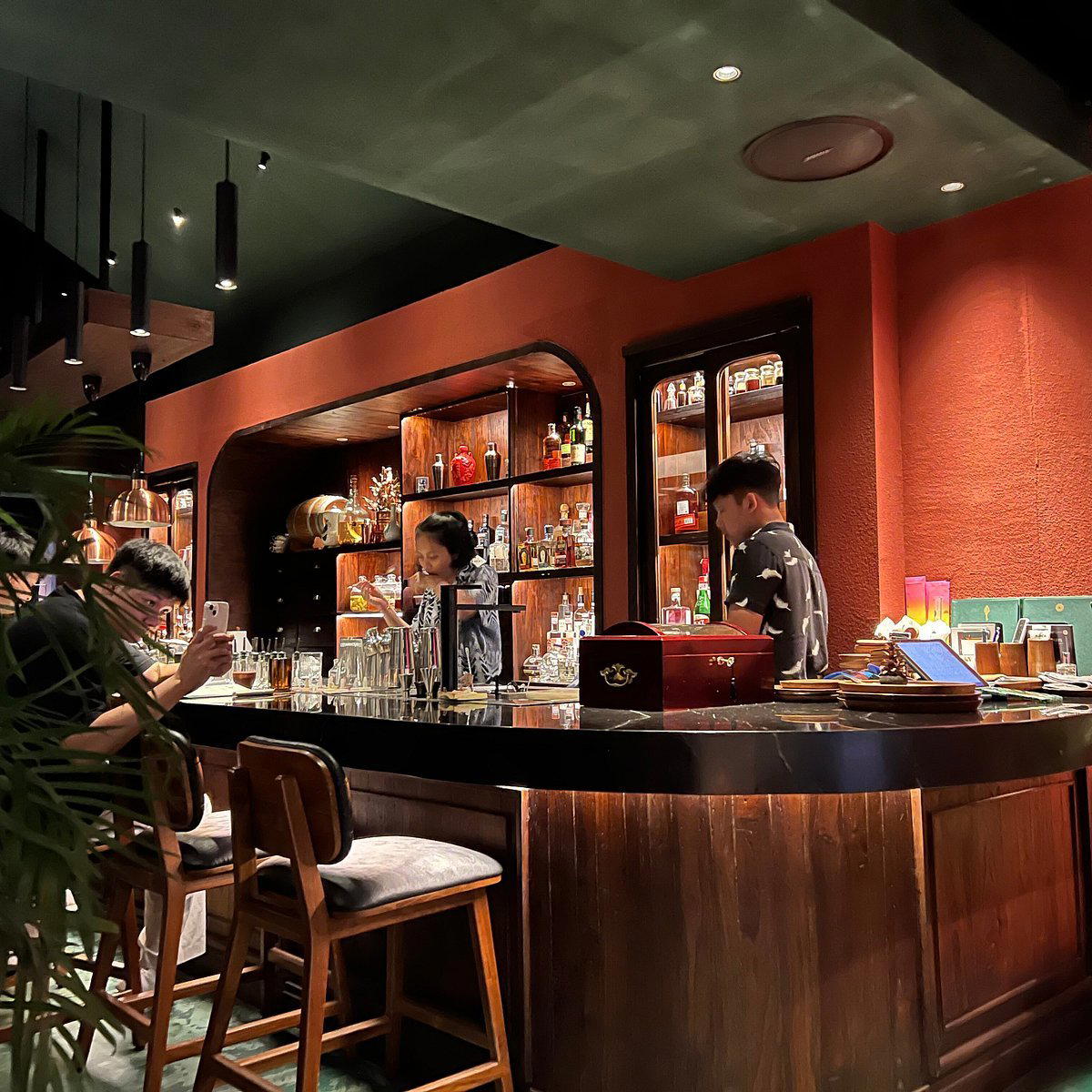
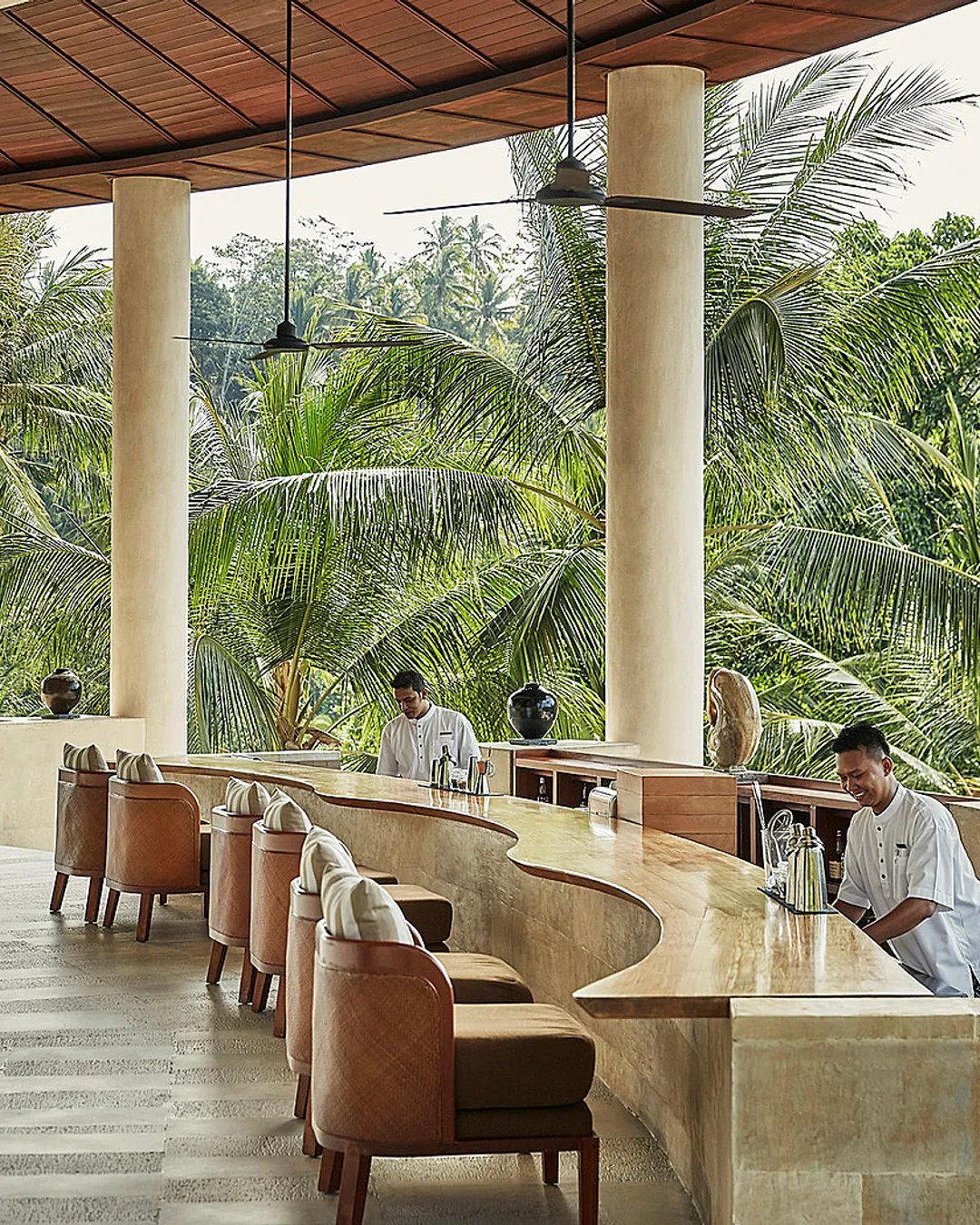
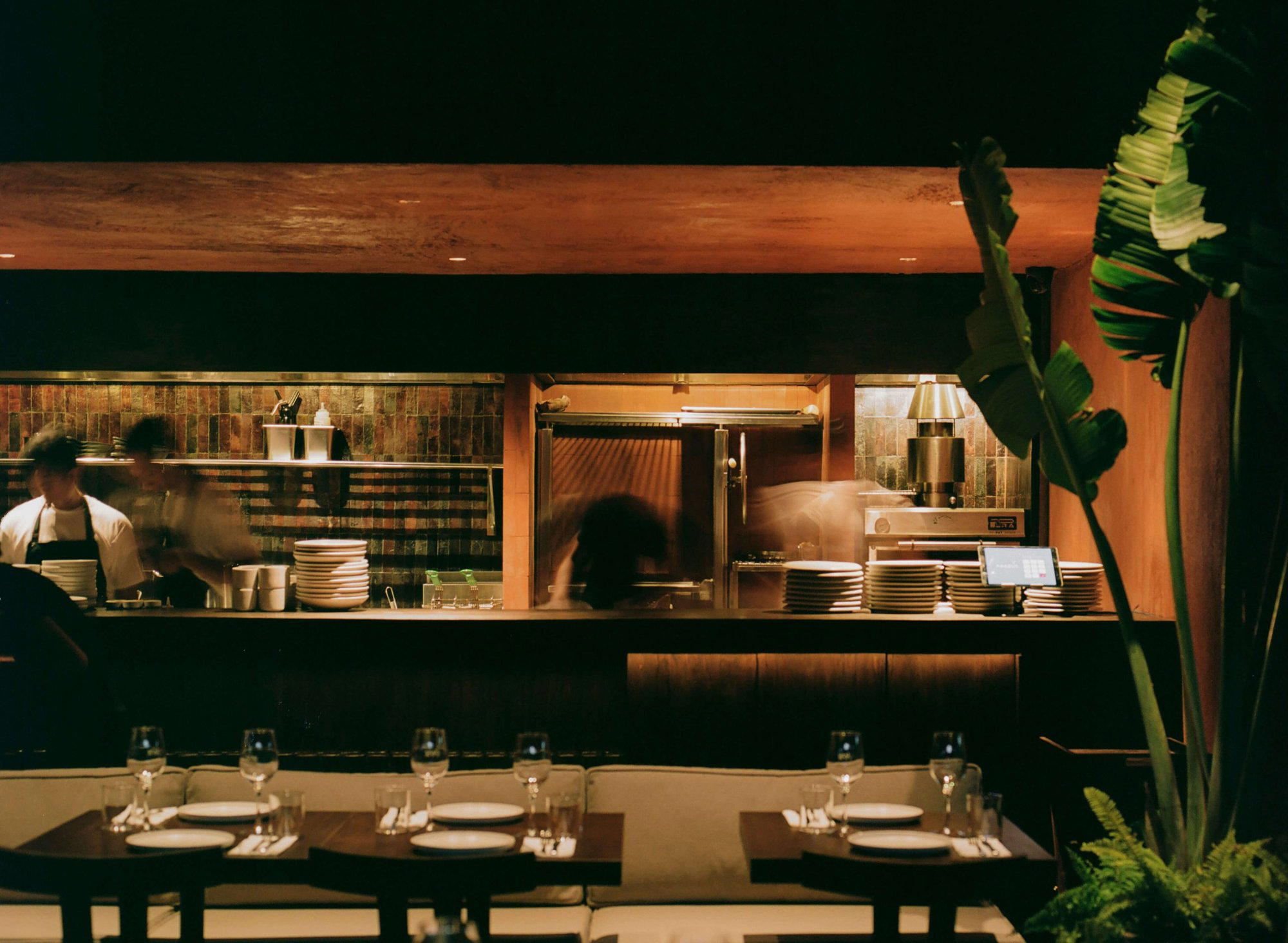
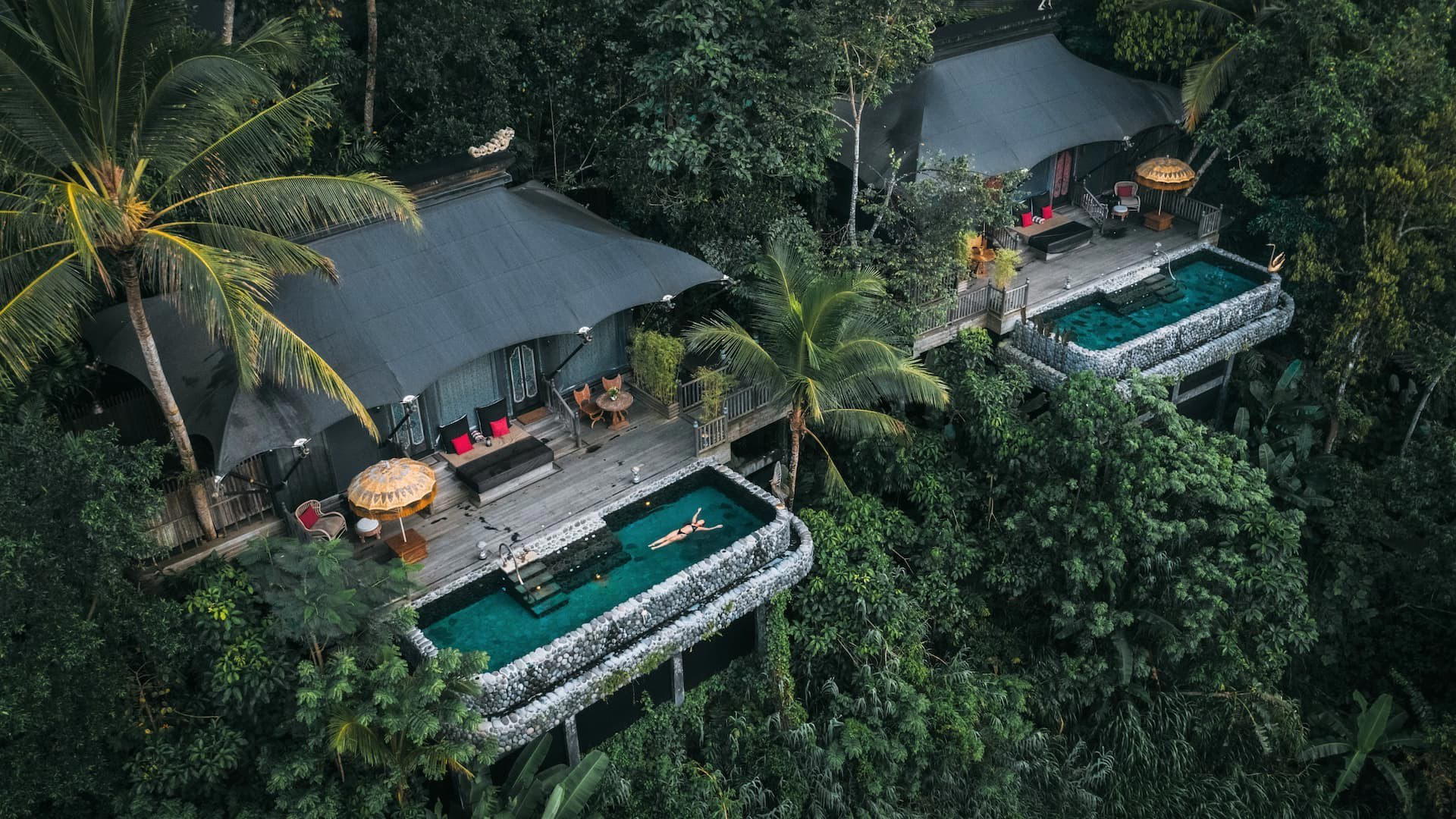
A refined yet high-energy jungle dining room: warm natural materials and a bamboo cocoon roof over an open fire kitchen by day, transforming at night into a glamorous, DJ-driven, laser-lit atmosphere overlooking the rainforest.