Ambar sits on Ul. Gojka Šuška in Slunj, a small town in Karlovac County where the Korana and Slunjčica rivers converge near the Rastoke water mills. Dining here places you inside one of Croatia's least-trafficked inland corridors, far from the Adriatic circuit that absorbs most of the country's culinary attention. For travellers moving between Zagreb and Plitvice Lakes, Slunj offers a genuine regional counterpoint to the coast.
Pearl is the En Primeur Club membership app — saves, bookings, and concierge access live there. Same editors, same standards.
- Address
- Ul. Gojka Šuška 1, 47240, Slunj, Croatia
- Phone
- +38547600096
- Website
- restaurant-ambar.com
- Directions
- Get directions
 Saves & bookings on Pearl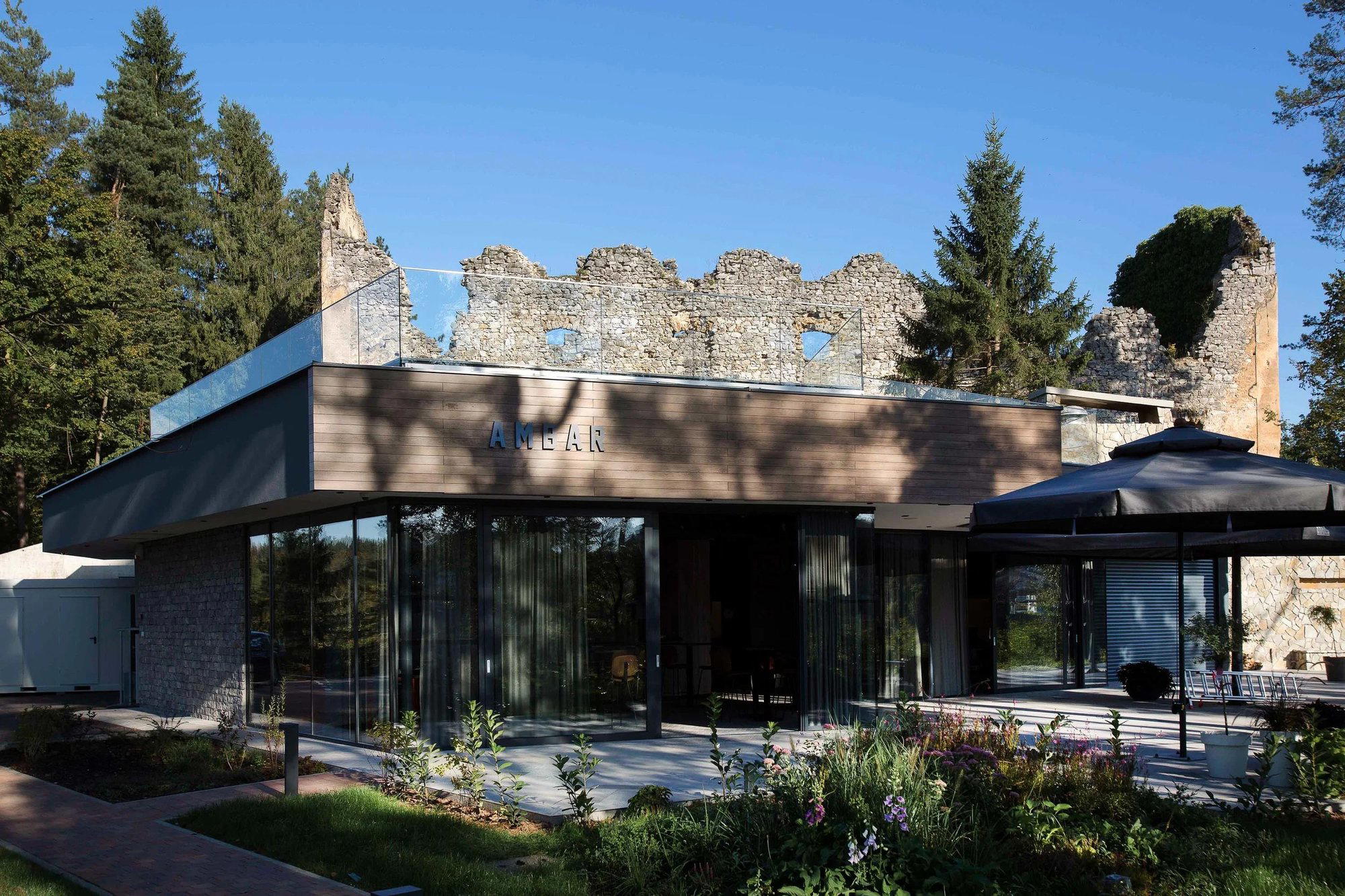
Where the Rivers Shape What Ends Up on the Plate
Croatia's dining conversation defaults to the Adriatic: Dalmatian fish markets, Istrian truffle groves, the terraced restaurants of Dubrovnik's old city. The inland counties receive a fraction of that attention, which is precisely why a stop in Slunj carries a different kind of weight. The town sits at the confluence of the Korana and Slunjčica rivers in Karlovac County, surrounded by the water mill village of Rastoke and within reach of the Plitvice Lakes National Park corridor. That geography is not incidental to what gets eaten here. Freshwater fish, foraged herbs from the Kordun highlands, and livestock raised on the surrounding karst pastures define the cooking tradition of this part of continental Croatia in ways that no coastal menu can replicate.
Ambar, at Ul. Gojka Šuška 1, occupies that inland register. Slunj is not a dining destination in the way that Pelegrini in Sibenik or Restaurant 360 in Dubrovnik have made their cities known internationally. What the town offers instead is a direct relationship between landscape and table, the kind of cooking that reflects where something was raised or caught rather than where it was plated.
The Inland Croatian Table and What It Represents
Continental Croatian cuisine operates on ingredients that the coast rarely prioritises. River trout and carp from the Korana system, lamb from the Lika plateau, game from the broader Gorski Kotar and Kordun forests, and a preserving tradition rooted in harsh winters rather than salt air. This is the culinary register that connects Slunj to places like Korak in Jastrebarsko and Dubravkin Put in Zagreb, both of which anchor their menus in the continental Croatian pantry rather than the Mediterranean one.
The distinction matters to how you read a restaurant in this region. Ingredient sourcing inland is about seasonal availability and local supply chains in ways the coast, with its year-round tourist economy, can afford to sidestep. In smaller Kordun towns, the kitchen is more likely to reflect what arrived that week than what a fixed menu demands. That responsiveness is a form of quality signal even when it lacks the formal credibility of an award.
For comparison, the restaurant tier that has attracted international recognition in Croatia, venues like Agli Amici Rovinj in Istria or Nebo by Deni Srdoč in Rijeka, operates with sourcing networks that extend across the country and sometimes beyond it. The inland town restaurant works from a narrower radius, which in practice means more direct provenance and less intermediary handling. Whether that translates to a better plate depends entirely on the kitchen's skill, but the supply logic itself is sound.
Slunj as a Stopping Point on the Zagreb-Plitvice Route
Slunj sits roughly halfway between Zagreb and Plitvice Lakes National Park along the A1 and D1 corridor, making it a natural midpoint for travellers who want to break the drive with something more considered than a motorway stop. The Rastoke water mill village, a few hundred metres from the town centre, draws visitors independently of any restaurant recommendation. That footfall means Slunj has a small but consistent dining audience, even if most of it passes through rather than stays.
The practical implication for a visit to Ambar is timing. Summer months, when Plitvice traffic peaks and Rastoke sees its highest visitor numbers, represent the busiest window for the restaurant. Arriving outside peak hours, or calling ahead if contact details are available at the time of your visit, is sensible given the scale of the town.
Travellers approaching from Istria might route through San Rocco in Brtonigla or EatIstria in Pluj before moving east toward Karlovac County. Those coming from Dalmatia might consider LD Restaurant in Korčula or Krug in Split as context for how the coastal end of Croatian dining is evolving before encountering the inland tradition at its less-celebrated end.
How Ambar Fits the Regional Picture
Placing Ambar relative to Croatia's recognised dining tier requires a direct read of what the record shows. The venue carries no recorded awards and no documented tasting format. It sits in a town of under five thousand residents in a county that does not feature in Croatia's premium dining conversation. What that means in practice is that Ambar functions as a local restaurant serving a local and passing-through audience, not as a destination in the way that Humska Konoba in Hum has built a reputation around Istrian specificity, or Restaurant Filippi in Curzola has done with Dalmatian seafood.
That positioning is neither a failure nor a strength by itself. Croatia has a large number of restaurants serving honest regional food at accessible prices without aspiring to, or achieving, the profile of the coastal fine dining tier. For travellers conditioned by venues like Le Bernardin in New York City or Lazy Bear in San Francisco, the recalibration required to assess a small-town inland Croatian restaurant fairly is significant. The frame is not tasting menus and sommelier pairings. It is whether the kitchen uses what the land provides and whether the result tastes like the place it comes from.
On that measure, Slunj and the Kordun region have something genuine to offer. The freshwater river system, the forested highlands, and the agricultural hinterland constitute a real and distinct pantry. A restaurant that sources from it honestly earns its place in a broader Croatian itinerary even without formal recognition. For more context on Croatia's range from village to fine dining, see also Trg Sv. Stjepana 3 in Lesina.
Planning a Visit
Slunj is accessible by car from Zagreb in approximately one hour and forty minutes via the A1 motorway. Public transport connections are limited, and self-driving is the practical standard for this part of Karlovac County. The address at Ul. Gojka Šuška 1 places Ambar in the town proper, within short walking distance of the Rastoke area. Ambar is open daily from 10 AM to 10 PM, and reservations are recommended.
Quick Comparison
Comparable venues nearby, for context on price, style, and recognition.
| Venue | Cuisine | Price | Notes |
|---|---|---|---|
| AmbarThis venue — the venue you are viewing | Modern Croatian | $$ | Not listed |
| Roki's-Plisko Polje VIS | Traditional Croatian Peka | $$ | Plisko Polje |
| Don Dino Restaurant | Modern Dalmatian Seafood | $$ | Trogir Old Town |
| Šestinski Lagvić | Traditional Croatian Grill | $$ | Šestine |
| Izletište Suhina | Traditional Croatian | $$ | Sveta Nedelja |
| Saralee's thai street food | Authentic Thai Street Food | $$ | City Centre (Galleria Business Center area) |
Continue exploring
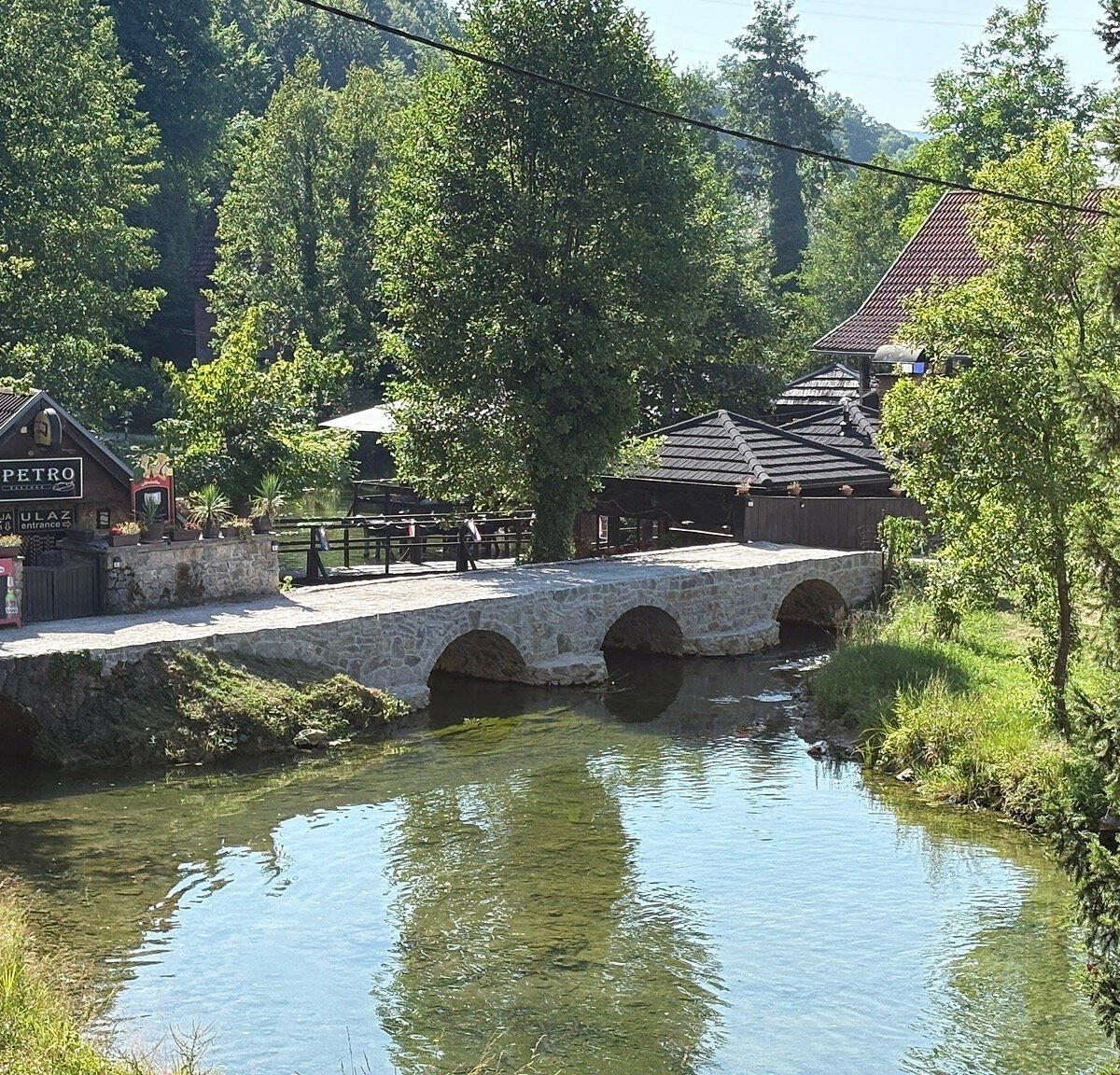
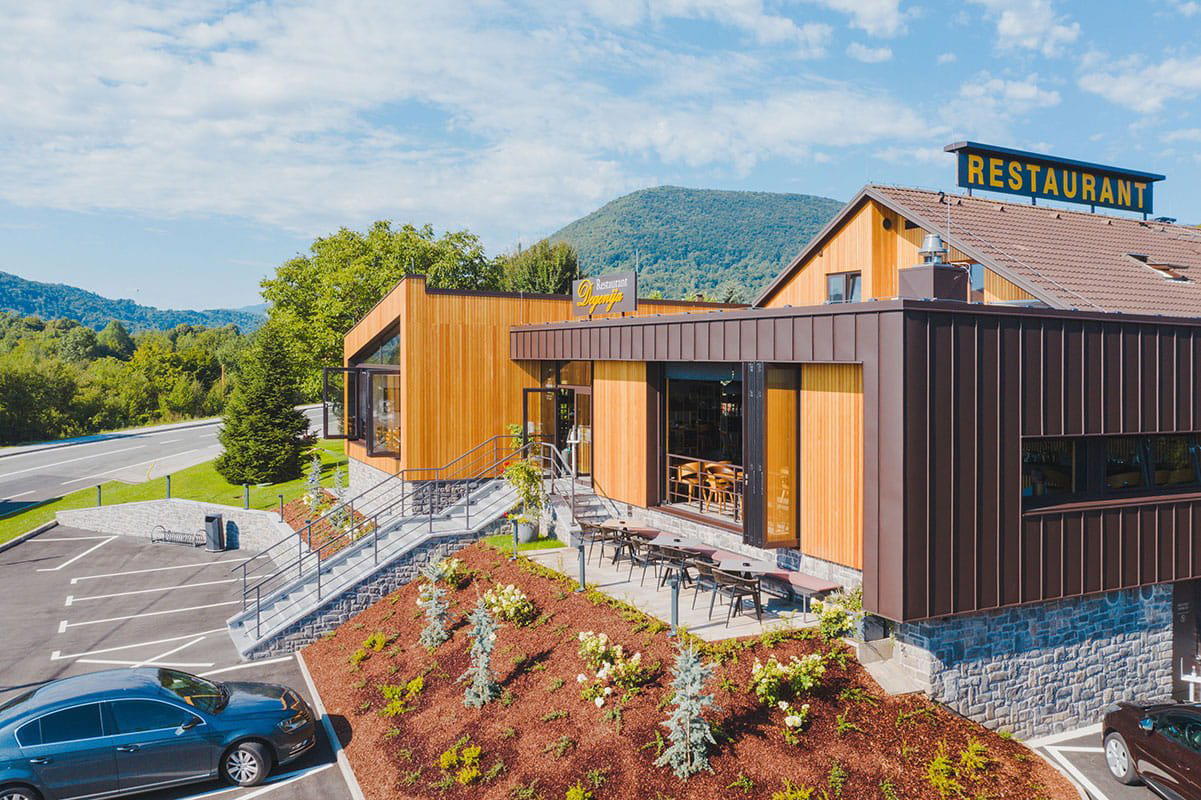
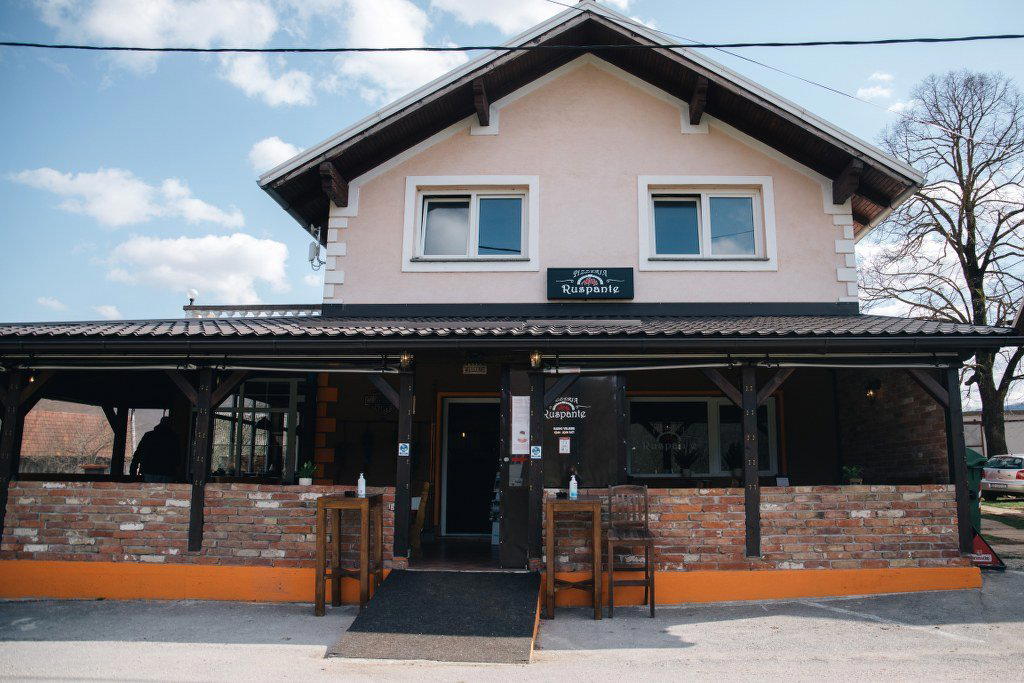
More in Slunj
At a Glance
- Rustic
- Scenic
- Cozy
- Family
- Group Dining
- Casual Hangout
- Waterfront
- Terrace
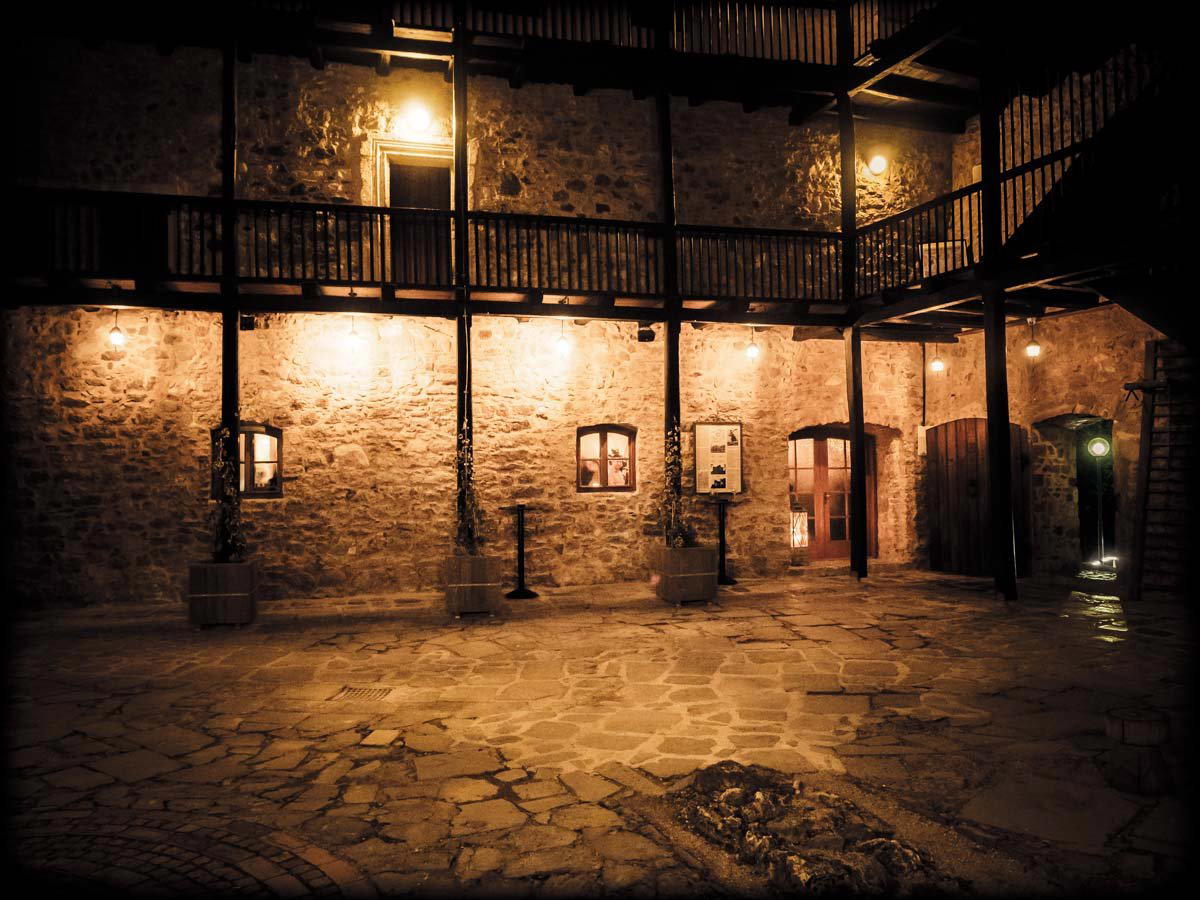
- Historic Building
- Local Sourcing
- Waterfront
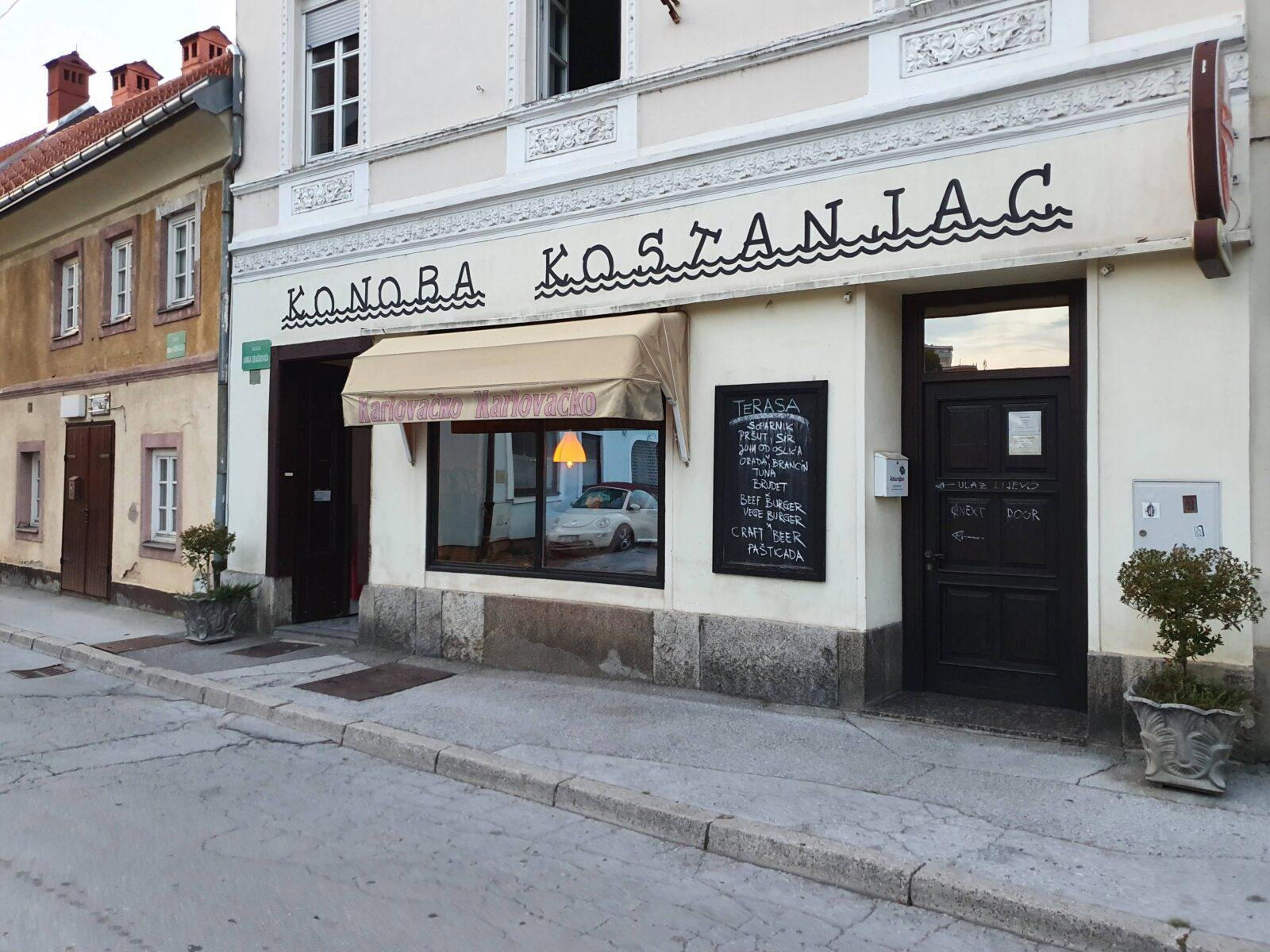
- Street Scene
Current opening hours
- Monday
- 10 AM–10 PM
- Tuesday
- 10 AM–10 PM
- Wednesday
- 10 AM–10 PM
- Thursday
- 10 AM–10 PM
- Friday
- 10 AM–10 PM
- Saturday
- 10 AM–10 PM
- Sunday
- 10 AM–10 PM
Hours can change for holidays and private events. Last verified .
Relaxed outdoor terrace seating in a green hillside setting with gentle breezes and views of Slunjčica River and old town.