Osushi - Wayne
Our verdict
On the Main Line's Lancaster Avenue dining corridor, Osushi brings Japanese sushi traditions to Wayne, Pennsylvania. The restaurant sits among a concentrated stretch of destination dining that includes everything from Spanish tapas to classic American steakhouses, offering the suburb's most deliberate fish-forward counter experience. For those who understand the pacing and protocol of a proper sushi meal, it occupies a distinct position in the local dining hierarchy.

Pearl is the En Primeur Club membership app — saves, bookings, and concierge access live there. Same editors, same standards.
- Address
- 613 W Lancaster Ave, Wayne, PA 19087
- Phone
- (484) 584-4067
- Hours
- Mon–Thu 11 AM–9:30 PMFri–Sat 11 AM–10:30 PMSun 12–9:30 PM
- Website
- wayne.osushinj.com
- Directions
- Get directions
- Booking
- Book on OpenTable
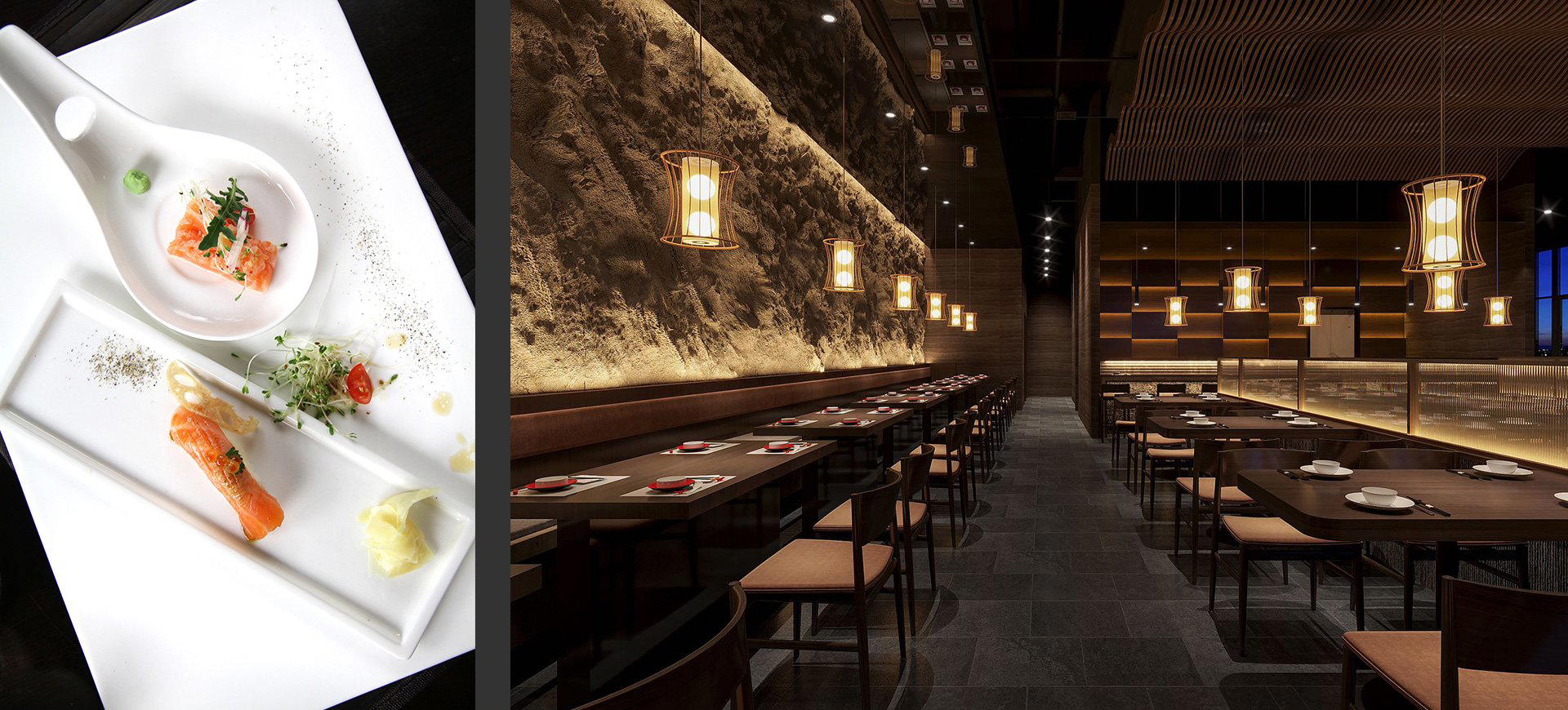
The menu
What to order
- Taste of Maguro
- Kanpachi crudo
- Crispy Rice Tuna
The Ritual of the Counter
There is a particular kind of attentiveness that sushi dining demands, one that separates it from almost every other dining format in the American restaurant canon. The meal unfolds in a specific sequence, each piece arriving at a pace determined by the kitchen rather than the diner's appetite, and the physical arrangement of the space — counter versus table, chef visible versus chef hidden — shapes the experience as much as the fish itself. On Lancaster Avenue in Wayne, Pennsylvania, Osushi operates within this tradition, bringing a format that is more commonly associated with urban Japanese neighborhoods to a Main Line suburb that has developed a notably concentrated dining scene over the past decade.
The address at 613 W Lancaster Ave places the restaurant along the same stretch that houses Autograph Brasserie, Estia Taverna, and 118 North, a corridor that has quietly accumulated genuine dining weight. The proximity matters: Wayne's dining scene functions less like a suburb importing urban formats and more like a self-sustaining neighborhood that happens to sit outside city limits. Sushi, within that context, is not an outlier genre but part of a broader pattern of residents who travel to eat and have consequently developed expectations about what a careful meal should look like.
Pacing, Protocol, and What the Counter Teaches You
The customs that govern a sushi meal are worth understanding before you sit down. In Japan, the omakase format, leaving selection entirely to the chef, evolved as a form of trust, a compact between host and guest in which the diner surrenders preference in exchange for expertise. Even in non-omakase settings, the underlying ethic persists: sushi is meant to be eaten immediately, at the temperature the chef intends, in the order they have considered. The ritual is not ceremonial for its own sake but functional, built around fish that changes character within minutes of being cut and rice that loses its texture if left to cool unevenly.
American sushi dining has historically compressed or abandoned much of this protocol, particularly in suburban markets where roll-heavy menus and communal sharing plates became the dominant format through the 1990s and 2000s. What has shifted in the past decade is the willingness of diners outside major metros to engage with a more deliberate format. That shift is visible across the country at restaurants like Atomix in New York City, where the tasting counter model has achieved critical recognition, and in the broader category attention generated by establishments like Le Bernardin in New York City, which demonstrated that seafood handled with precision could sustain long-form dining at the highest level. The aspiration filters outward, and suburban sushi restaurants that understand the ritual benefit from a more educated local audience.
Wayne's Dining Position on the Main Line
The Main Line's restaurant culture has historically punched above its demographic weight. The concentration of international business travel, university-adjacent professional populations, and proximity to Philadelphia's food media infrastructure has meant that restaurants like Creed's Seafood & Steaks and Amada Radnor maintain standards more typical of urban dining neighborhoods than suburban strips. Within this environment, a sushi restaurant operates against a reference set of diners who have likely eaten omakase in Philadelphia, New York, or abroad, and who bring those comparisons with them to the table.
This is not a trivial observation. The dining format that works in a market accustomed to careful meals differs from what works in a market that treats Japanese food as delivery-category cuisine. The pressure to meet a knowledgeable audience is, paradoxically, what keeps neighborhood sushi restaurants honest about sourcing, knife work, and rice temperature. The leading regional sushi counters in the United States operate in exactly this kind of productive tension, in markets just large enough to support precision and just intimate enough to punish inconsistency. For a broader view of Wayne's dining options, our full Wayne restaurants guide maps the corridor in detail.
What to Order, and When to Ask
The question regulars ask most often at any sushi restaurant is also the one most worth asking: what arrived this week? Fish purchasing at serious sushi operations is not a fixed menu exercise but a market response, what is seasonal, what traveled well, what the distributor had at the quality threshold the kitchen requires. Regulars who have learned to ask about daily arrivals rather than defaulting to a fixed order tend to eat better. At a restaurant like Osushi, where the format sits within a neighborhood that rewards repeat visits, building that kind of dialogue with the counter is part of the meal's value.
The broader pattern among serious sushi counters in the United States, from the kaiseki-adjacent approach at Single Thread Farm in Healdsburg to the precision tasting formats at Providence in Los Angeles, is a move toward transparency about provenance. Even outside formal omakase settings, the expectation that a restaurant can speak specifically about where its fish comes from has become a signal of seriousness rather than a marketing exercise. For a diner at Osushi, that transparency, wherever it exists on the menu, is worth engaging.
Planning Your Visit
Wayne is accessible by both car and the SEPTA Paoli/Thorndale regional rail line, with the Wayne station a short walk from Lancaster Avenue. The dining corridor around Osushi draws from across the Main Line and from Philadelphia proper, which means that weekend evenings in particular can fill early across the neighborhood. Confirming a reservation ahead of time is advisable rather than optional, particularly if your party has more than two people. The restaurant sits at 613 W Lancaster Ave, Wayne, PA 19087, in a stretch where parking is generally available on side streets and in the adjacent municipal lots.
For context on how Wayne's dining scene compares to nationally recognized tasting-menu destinations, the contrast is instructive: restaurants like Alinea in Chicago, The French Laundry in Napa, Blue Hill at Stone Barns in Tarrytown, The Inn at Little Washington, Lazy Bear in San Francisco, Addison in San Diego, and 8 1/2 Otto e Mezzo Bombana in Hong Kong represent the formal tasting-menu tier where sequencing and ceremony are the explicit product. A neighborhood sushi restaurant operates differently, the ritual is implicit rather than theatrical, and the value lies in consistency and access rather than occasion architecture. Emeril's in New Orleans occupies a similarly institution-level neighborhood role in its own market: a restaurant that anchors local dining expectations rather than chasing external accolades. Osushi sits in an analogous position on the Main Line.
Frequently asked questions
Where is Osushi - Wayne located?
Osushi - Wayne is located at 613 W Lancaster Ave, Wayne, PA 19087, Wayne.
Is Osushi in Wayne, PA good for a special occasion dinner?
The sushi counter format at Osushi on Lancaster Avenue in Wayne lends itself to occasions where the meal itself is the event: the pacing is deliberate, the focus is on the fish, and the counter setting creates a more direct dining experience than a conventional table-service restaurant. Wayne is reachable by SEPTA regional rail as well as by car, making it a practical destination for a Philadelphia-area dinner. For groups or milestone celebrations, confirming seating arrangements directly with the restaurant ahead of time is advisable given typical counter capacity constraints.
What do regulars order at Osushi - Wayne?
At any serious sushi counter, the answer is almost always: whatever the chef is featuring that week. Fish purchasing at restaurants like Osushi follows market availability, so regulars skip the printed menu and ask what came in recently. The counter format at 613 W Lancaster Ave is built around that kind of conversation between diner and chef.
Do I need a reservation for Osushi - Wayne?
For a sushi counter on the Main Line serving omakase-style meals, reservations are strongly advisable, particularly on weekends when Wayne's Lancaster Avenue corridor draws diners from across Delaware and Chester counties. Walk-in availability depends on counter size and service pacing, both of which shift nightly. Contacting the restaurant directly before arrival is the safer approach.
What do critics highlight about Osushi - Wayne?
Osushi operates in a part of Pennsylvania where serious Japanese dining has historically been sparse, which gives it a particular significance on the Main Line restaurant circuit. Critics and local food writers tend to focus on the counter experience itself and the quality of fish sourcing, both of which separate dedicated sushi restaurants from the broader suburban Japanese dining category. Wayne's position on the SEPTA Paoli/Thorndale line also makes it accessible to Philadelphia-based diners seeking counter seats outside the city.
Cuisine and Credentials
Comparable venues nearby, for context on price, style, and recognition.
| Venue | Cuisine | Price | Awards | Notes |
|---|---|---|---|---|
| Osushi - WayneThis venue — the venue you are viewing | Premium Japanese Sushi | $30–50 | Not listed | Not listed |
| Amada Radnor | Authentic Spanish Tapas | $30–50 | Not listed | Wayne |
| Estia Taverna | Authentic Greek Taverna | $50–100 | Not listed | Radnor |
| Pietro's | Italian Pizzeria | $30–50 | Not listed | Radnor |
| George's | Pizza and Cheesesteaks | Not listed | Not listed | Radnor Township |
| Triple Crown | Classic American Steakhouse & Seafood | $30–50 | Wine Spectator Award of Excellence | Villanova |
Continue exploring
More in Wayne
Restaurants in Wayne
Browse all →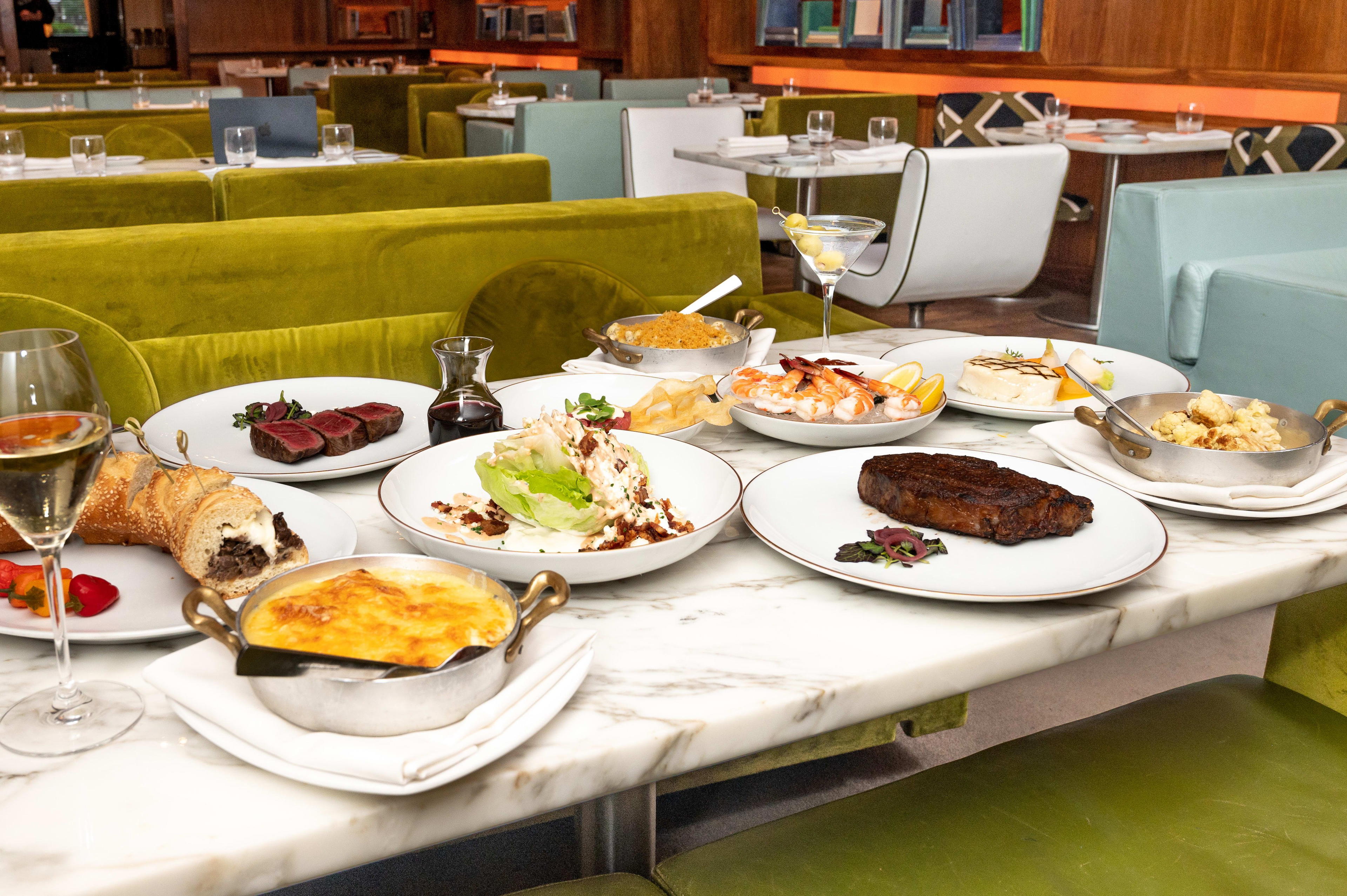
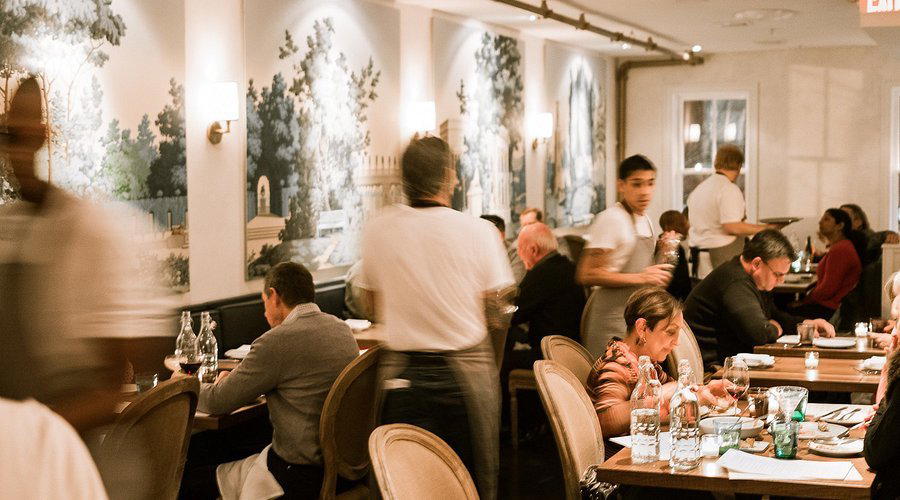
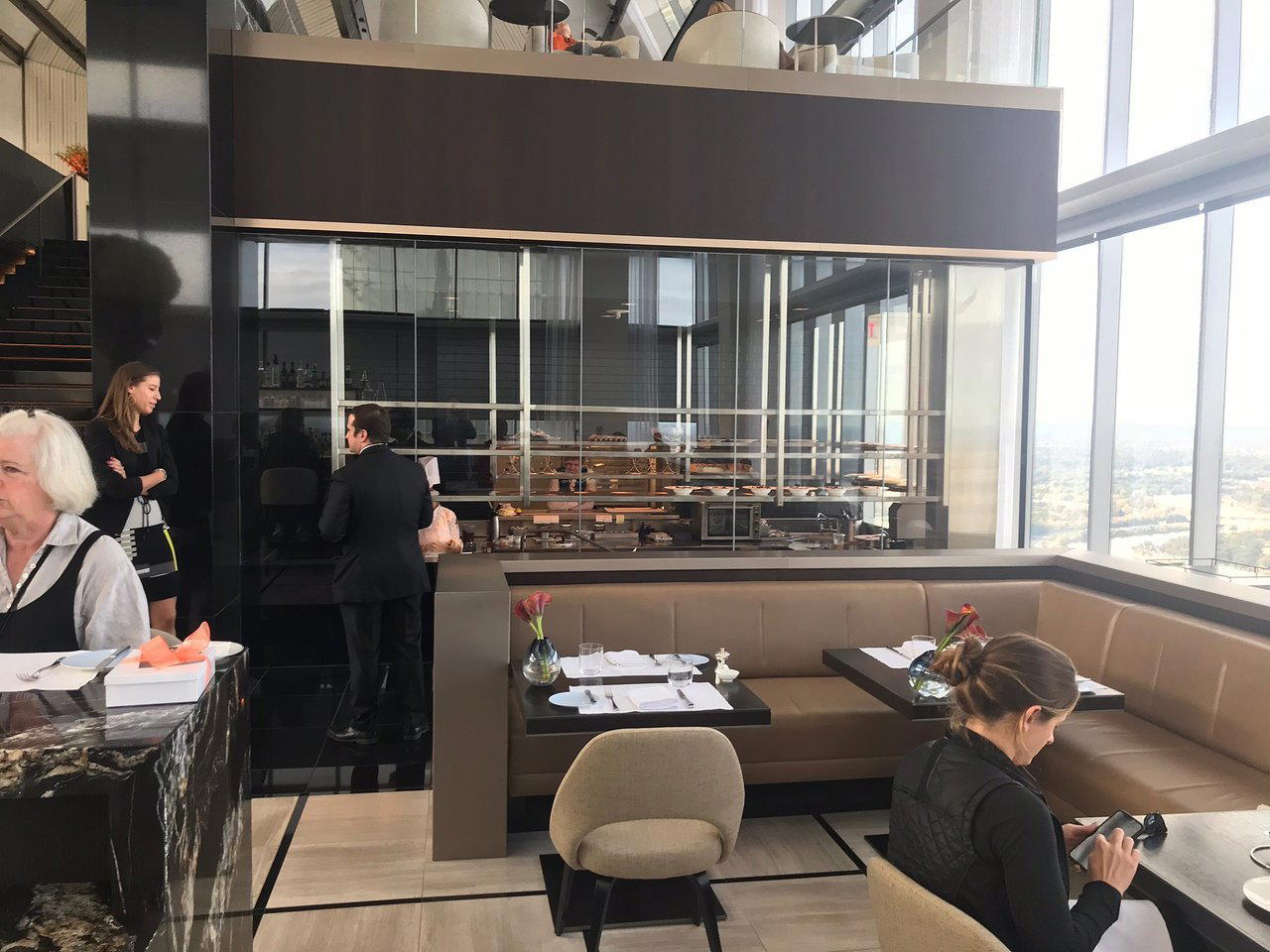
Bars in Wayne
Browse all →
Hotels in Wayne
Browse all →
Wineries in Wayne
Browse all →
Details
- Cozy
- Elegant
- Modern
- Date Night
- Open Kitchen
- Sake Program
- Byob
- A La Carte
- Byob
- Gluten Free Options
Current opening hours
- Monday
- 11 AM–9:30 PM
- Tuesday
- 11 AM–9:30 PM
- Wednesday
- 11 AM–9:30 PM
- Thursday
- 11 AM–9:30 PM
- Friday
- 11 AM–10:30 PM
- Saturday
- 11 AM–10:30 PM
- Sunday
- 12–9:30 PM
Hours can change for holidays and private events. Last verified .
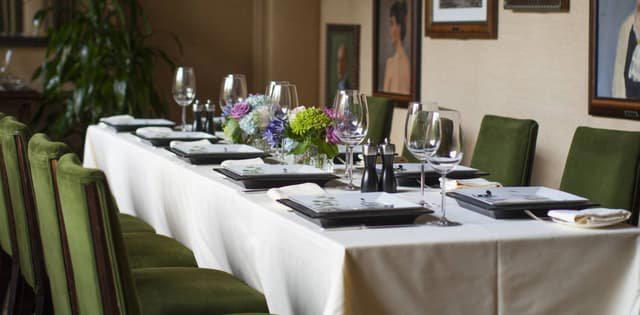
Tranquil spa-like atmosphere with earthen tones of brown, black, and green creating a relaxing dining environment.