ama by Brad Kilgore
Our verdict
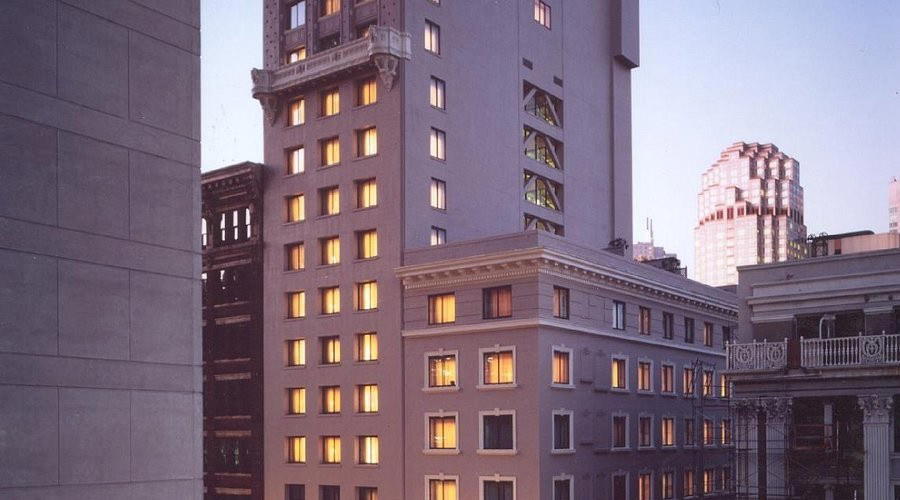
Located at Three Transamerica in San Francisco's Financial District, ama by Brad Kilgore occupies a position in the city's progressive fine dining tier alongside counters like Atelier Crenn and Benu. The restaurant draws on Kilgore's reputation built across high-profile American kitchens, translating it into a setting designed for occasions that warrant serious attention to both food and place.

Pearl is the En Primeur Club membership app, where members save venues, book tables and use the concierge.

The menu
What to order
- Sushi Risotto
- Miso Carbonara
- Uni Puttanesca Agnolotti
- Lasagnette Tri-Colore with Wagyu Beef Cheek
- Matcha Tiramisu
- Otoro Sashimi with Green Olive Granita
The Financial District as a Fine Dining Address
San Francisco's fine dining geography has always pulled in multiple directions. The tasting-menu circuit concentrates in SoMa and the northern neighborhoods, while the Financial District has historically served a lunch-driven, expense-account crowd. The arrival of ama by Brad Kilgore at Three Transamerica represents a deliberate repositioning of that address: a room built for the kind of occasion that demands more than a reliable steakhouse or a predictable prix fixe. The Transamerica tower complex itself carries a civic weight in the city's skyline, and dining within that context shapes expectations before you arrive at the table.
That setting matters for occasion dining specifically. Anniversary dinners, milestone celebrations, and the sort of meals that get remembered as events rather than eaten and forgotten tend to benefit from a sense of place that reaches beyond the plate. In San Francisco, that quality is concentrated at a small number of addresses. Atelier Crenn provides it through its poetic tasting format and Fort Mason setting. Benu delivers it through its restrained Soma townhouse and the accumulated weight of three Michelin stars. ama positions itself in that same register, anchoring the Financial District's claim to that tier.
Where ama Sits in San Francisco's Progressive Dining Circuit
The city's upper-end tasting-menu scene has been shaped by a generation of chefs who passed through or trained alongside the broader American fine dining expansion of the 2000s and 2010s. Brad Kilgore built his public profile at Alter in Miami, a restaurant that drew consistent national attention for its technically precise, produce-driven cooking. That credential places ama inside a competitive conversation rather than outside it. San Francisco diners comparing options in the leading price tier will weigh it against Lazy Bear's communal-table progressive American format, Quince's Italian-inflected contemporary approach, and Saison's live-fire Californian program. Each of these operates at the $$$$ price point and competes for the same high-consideration booking.
What differentiates them is more about format and sensibility than absolute quality tier. Saison anchors its identity in the hearth and a direct relationship with producers. Lazy Bear runs a ticketed dinner-party model that prioritizes theatrics of service. Quince leans into Italian formality and an extensive cellar. ama, with Kilgore's background, is likely to sit closer to the technically inventive, ingredient-led American contemporary mode, though the specifics of its current San Francisco menu format are best confirmed directly with the venue.
The Occasion Dining Case
Choosing a restaurant for a significant occasion involves a different calculus than a regular dinner. Price matters less than the assurance that every variable has been managed: pacing, noise, the quality of the room, the reliability of the kitchen on a given night. San Francisco's top tier provides that assurance with varying degrees of consistency. The restaurants that hold up across multiple visits and across different occasions tend to be those where the kitchen has a clear point of view and the front-of-house reflects it without friction.
Nationally, the restaurants that set the standard for this kind of occasion reliability include Le Bernardin in New York, where thirty-plus years of operation have produced a room where almost nothing goes wrong, and The French Laundry in Napa, where the estate setting and the weight of the restaurant's history do significant work before the first course arrives. Smyth in Chicago and Providence in Los Angeles operate in the same tier within their respective cities. ama enters this conversation as San Francisco's newest high-stakes option in the Financial District, competing for the milestone meal booking.
The broader American fine dining scene has also seen a clear split between chef-driven tasting-menu rooms and more flexible contemporary formats. Addison in San Diego and Blue Hill at Stone Barns in Tarrytown represent the estate-anchored model. Atomix in New York and Atelier Moessmer Norbert Niederkofler in Brunico push the boundaries of tasting-menu format with strong regional identity. ama's position within that spectrum will depend on the format and sourcing approach Kilgore deploys in San Francisco, which may differ meaningfully from his Miami work given the Bay Area's distinct producer network and ingredient culture.
Regional Context: The Bay Area Fine Dining Ecosystem
San Francisco sits inside a regional food system that has no equivalent elsewhere in the United States. The proximity to Sonoma and Marin county farms, the Pacific's seafood diversity, and Northern California's produce seasons give a technically serious kitchen access to raw materials that reward precision cooking. Single Thread Farm in Healdsburg represents the most total integration of that system, with its own farm supplying the kitchen directly. Frasca Food and Wine in Boulder demonstrates, in a different Western city, how a single-region wine focus can sharpen a restaurant's identity without narrowing its audience.
For ama, operating in the Bay Area means that ingredient sourcing is both an advantage and a form of accountability. Diners at this price point and in this city know what the season should deliver. They have eaten at Emeril's in New Orleans and The Inn at Little Washington and understand what a serious American kitchen is capable of. The expectation in San Francisco is not just technical competence but a demonstrated relationship with the surrounding food culture.
Planning a Visit
For those building an occasion around ama, the Financial District location means accessibility is direct: BART's Montgomery Street station is the immediate transit option, and the Three Transamerica address has parking infrastructure nearby for those arriving by car. Pre-theatre or early-evening bookings tend to suit the Financial District's rhythm, though evening service at this tier is typically the primary focus.
For a meaningful occasion, the usual advice applies: book further ahead than you think necessary, specify any dietary considerations at the time of reservation rather than on arrival, and confirm the format (tasting menu, à la carte, or both) before the evening so that pacing expectations are set correctly.
For a full view of the city's fine dining options at this level, our San Francisco restaurants guide covers the competitive field in detail.
Frequently asked questions
Where do I go for ama by Brad Kilgore?
ama by Brad Kilgore is located at Three Transamerica, Montgomery St, San Francisco, CA 94111, San Francisco.
How does ama by Brad Kilgore fit into the San Francisco fine dining scene compared to SoMa and northern neighbourhood restaurants?
San Francisco's tasting-menu circuit has historically concentrated in SoMa and neighbourhoods north of Market Street, making the Financial District a less established dinner address. ama's placement at Three Transamerica on Montgomery Street is a deliberate repositioning, bringing Brad Kilgore's progressive American cooking format into a part of the city where serious evening dining options are sparse. For diners already working or staying in the Financial District, ama removes the need to travel across the city for a tasting-menu occasion.
What's the signature dish at ama by Brad Kilgore?
No confirmed signature dish has been documented for the San Francisco location. Brad Kilgore's reputation was built at Alter in Miami on technically inventive, ingredient-led compositions, and that same ethos shapes ama's approach in the Financial District. The menu is best understood as a progressive American tasting format rather than a single-dish destination.
What's the best way to book ama by Brad Kilgore?
Tasting-menu restaurants at this tier in San Francisco typically operate reservation windows of four to eight weeks out, and demand for occasion dining in the Financial District has grown since ama opened. Checking the restaurant's official channels directly will give the most current booking information.
What has ama by Brad Kilgore built its reputation on?
Brad Kilgore's national profile was established at Alter in Miami, where his ingredient-focused American cooking attracted sustained critical attention and placed him within the broader post-Alinea generation of technically precise, produce-driven chefs. That foundation follows ama to San Francisco, where the Financial District address repositions serious tasting-menu dining into a neighbourhood historically dominated by expense-account lunches. The through-line is a kitchen approach that treats sourcing and technique as equally weighted disciplines.
Can ama by Brad Kilgore accommodate dietary restrictions?
San Francisco's fine dining tier, particularly at the tasting-menu level, has a strong baseline for accommodating restrictions: the city's proximity to Sonoma and Marin county producers means kitchens at this level work with ingredient flexibility by default. Direct communication with ama at the Montgomery Street location before booking is the practical step for anyone with specific requirements.
Price and Recognition
Comparable venues nearby, for context on price, style, and recognition.
| Venue | Cuisine | Price | Awards | Notes |
|---|---|---|---|---|
| ama by Brad KilgoreThis venue (the venue you are viewing) | Italian-Japanese Itameshi | $50–100 | Not listed | Not listed |
| Butterfly Restaurant | California-Asian Fusion | $30–50 | Not listed | Embarcadero, California-Asian Fusion |
| Chaya Brasserie | French-Japanese Fusion Brasserie | Not listed | Not listed | Embarcadero, French-Japanese Fusion Brasserie |
| 1760 | Global Fusion with Asian Influences | Not listed | Not listed | Polk Gulch, Global Fusion with Asian Influences |
| Ama | Modern Itameshi (Japanese-Italian Fusion) | Not listed | Star Wine List | Chinatown, Modern Itameshi (Japanese-Italian Fusion) |
| Piperade | West Coast Basque | Not listed | Not listed | North Beach, West Coast Basque |
Continue exploring
More in San Francisco
Restaurants in San Francisco
All restaurants in San Francisco →
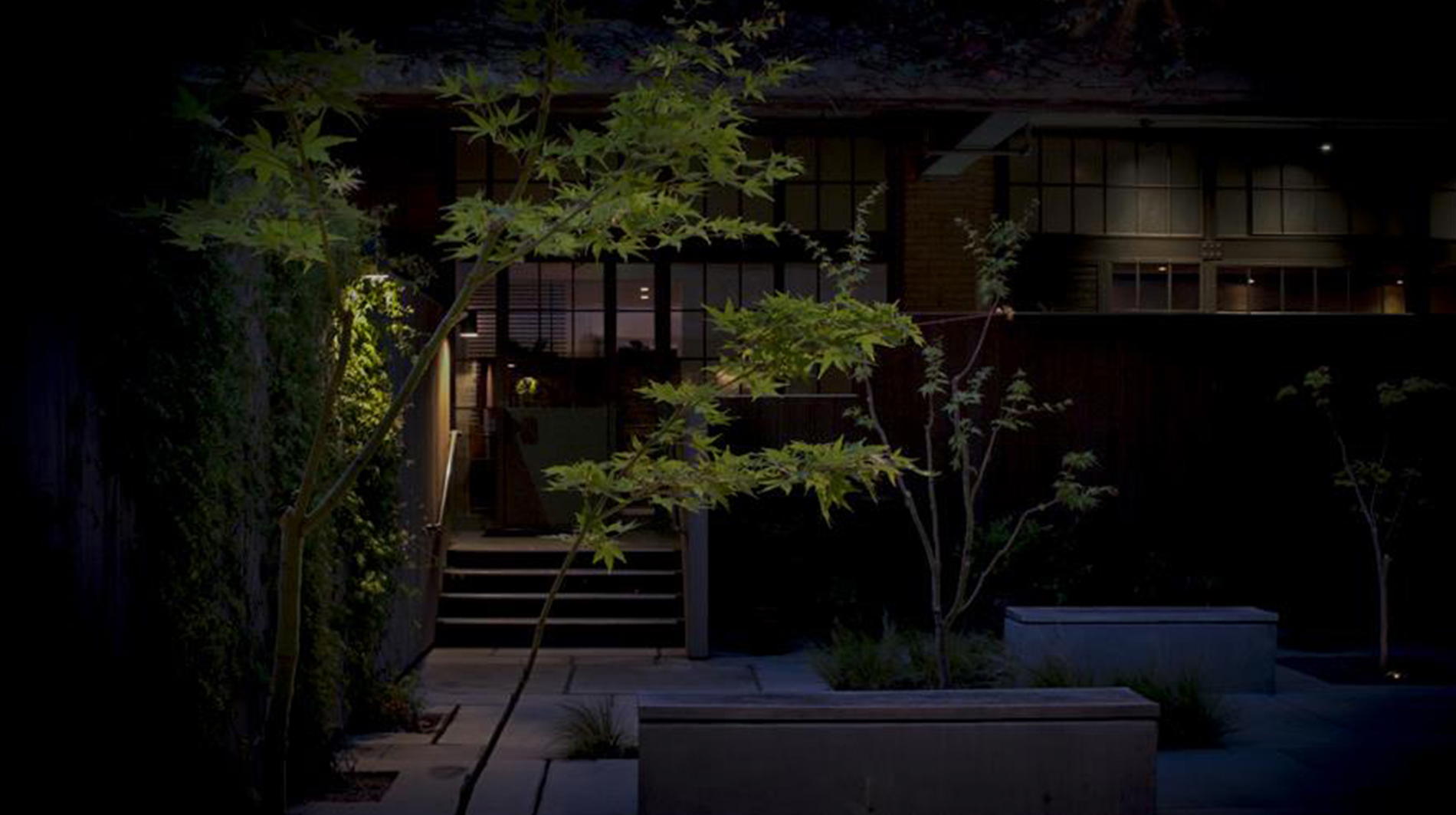
Bars in San Francisco
All bars in San Francisco →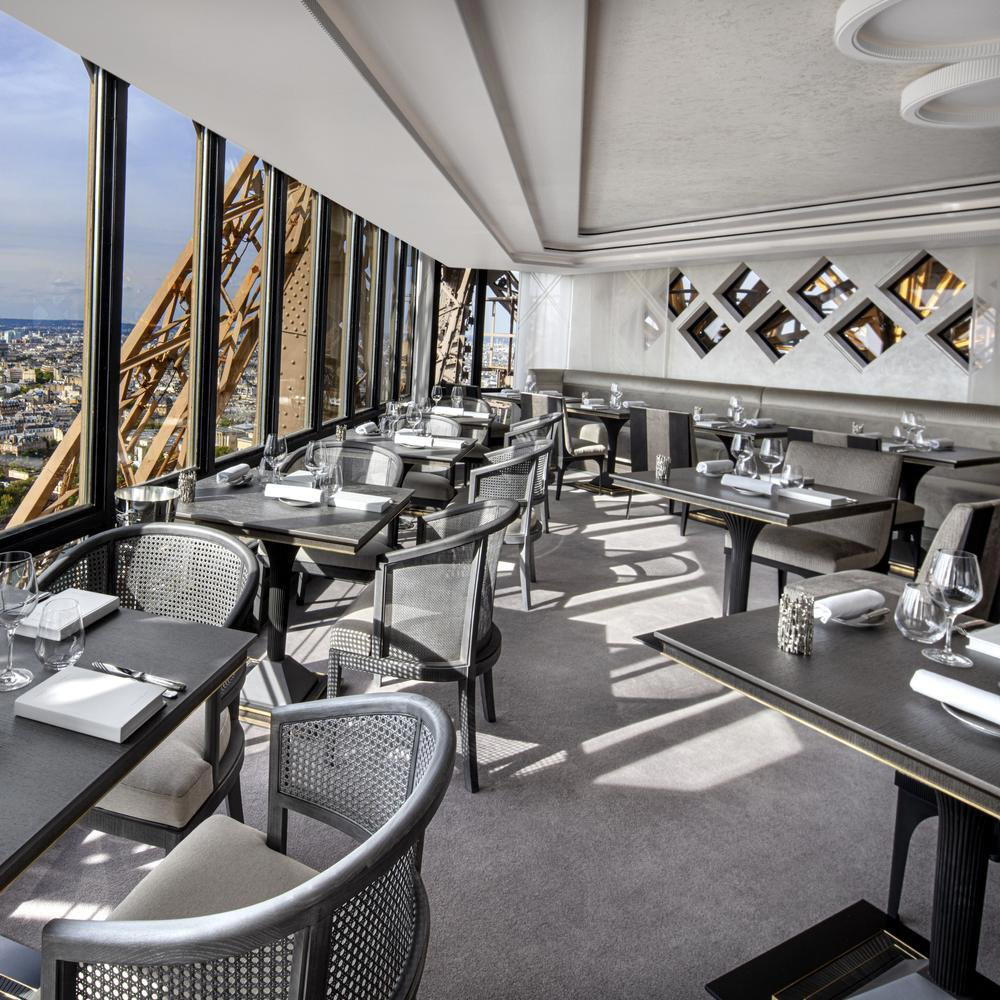
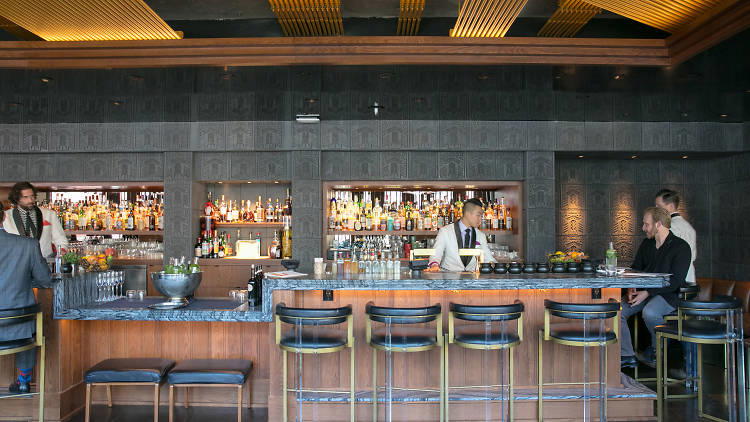
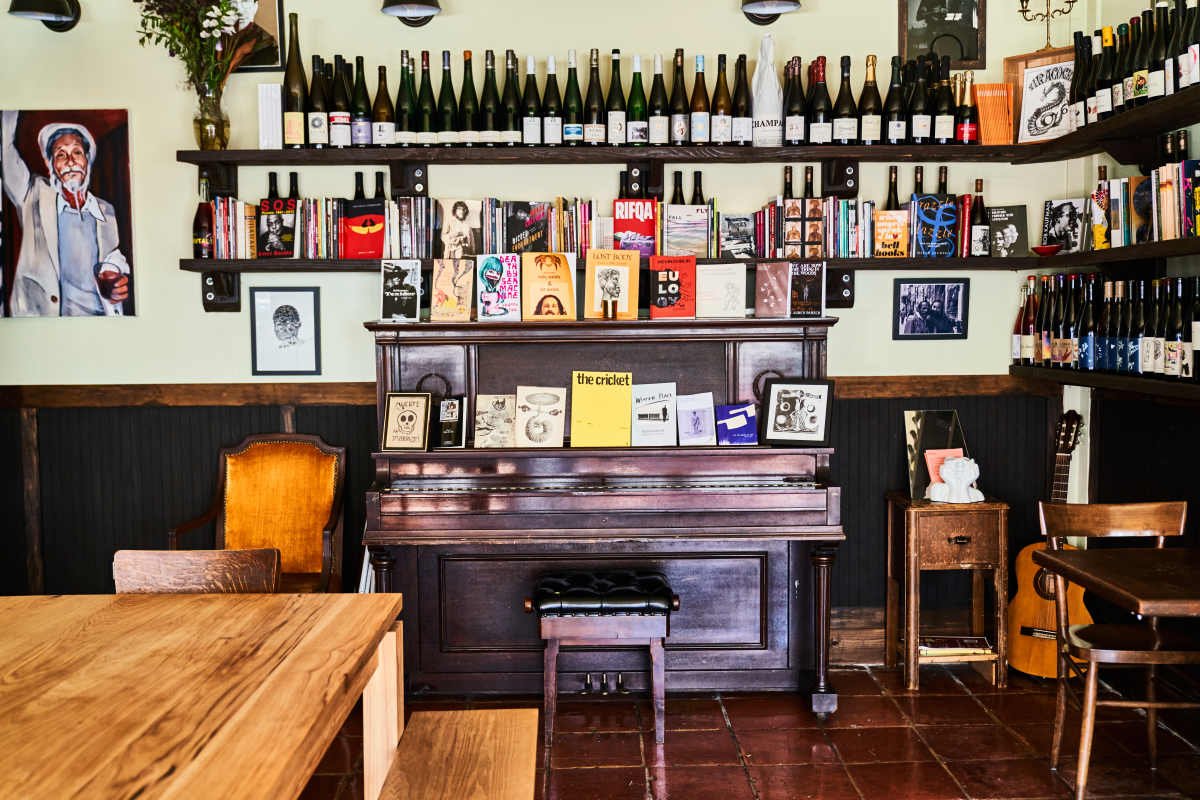
Hotels in San Francisco
All hotels in San Francisco →
ama by Brad Kilgore
The wine
- Extensive wine list
- Sommelier-led
- Sake program
- Craft cocktails
Details
- Elegant
- Modern
- Intimate
- Sophisticated
- Energetic
- Date Night
- Business Dinner
- Special Occasion
- Celebration
- Open Kitchen
- Private Dining
- Design Destination
- Historic Building
- Extensive Wine List
- Craft Cocktails
- Sake Program
- Sommelier Led
- Local Sourcing
- Sustainable Seafood
- Tasting Menu
- A La Carte
- Craft Cocktails
- Sake
- Vintage Japanese Whisky
- Wine
- Vegetarian Friendly
- Allergy Accommodating
Current opening hours
- Monday
- Closed
- Tuesday
- 5:30–11:30 PM
- Wednesday
- 5:30–11:30 PM
- Thursday
- 5:30–11:30 PM
- Friday
- 5:30 PM–12:30 AM
- Saturday
- 5:30 PM–12:30 AM
- Sunday
- Closed
Hours can change for holidays and private events. Hours as of .
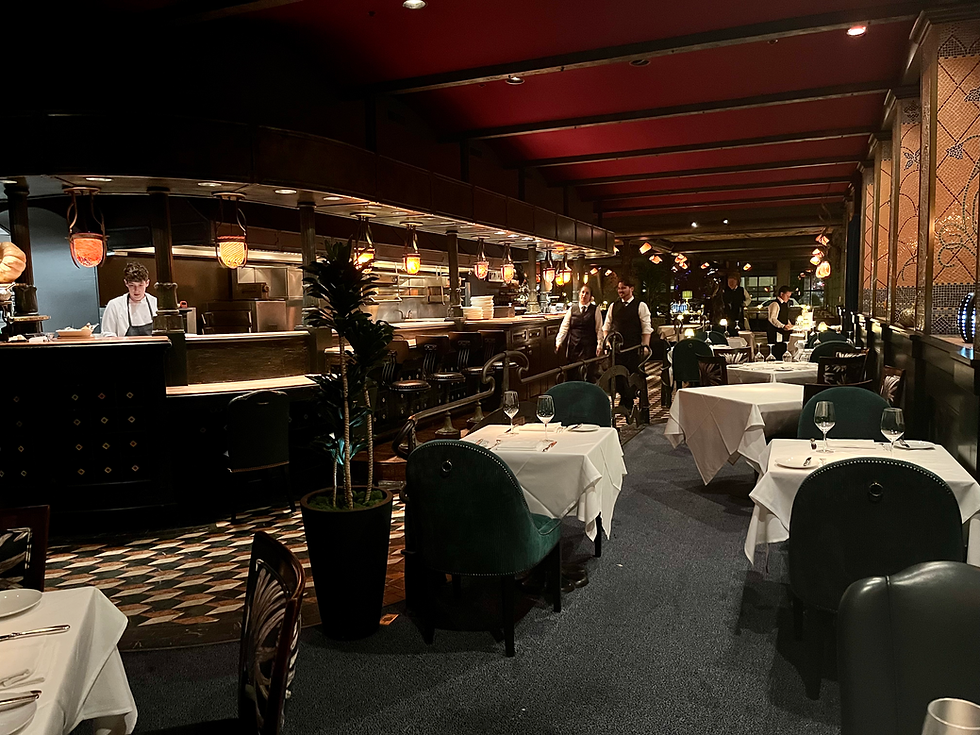
Dark, intimate 70s-inspired lounge aesthetic with dramatic tableside presentations and refined lighting creating a sophisticated yet energetic dining environment.