
Ama on Sansome Street brings an Italian-Japanese hybrid format to San Francisco's Financial District, combining the communal, convivial logic of izakaya dining with Italian structural instincts. The result is a counter-friendly, sharing-led room that sits at an intriguing remove from the city's established contemporary tasting-menu tier. For explorers of cross-cultural cooking, it registers as a thoughtful outlier in a city already rich with culinary experimentation.
Pearl is the En Primeur Club membership app — saves, bookings, and concierge access live there. Same editors, same standards.
- Address
- 545 Sansome St, San Francisco, CA 94111
- Website
- amabybradkilgore.com
- Directions
- Get directions
 Saves & bookings on Pearl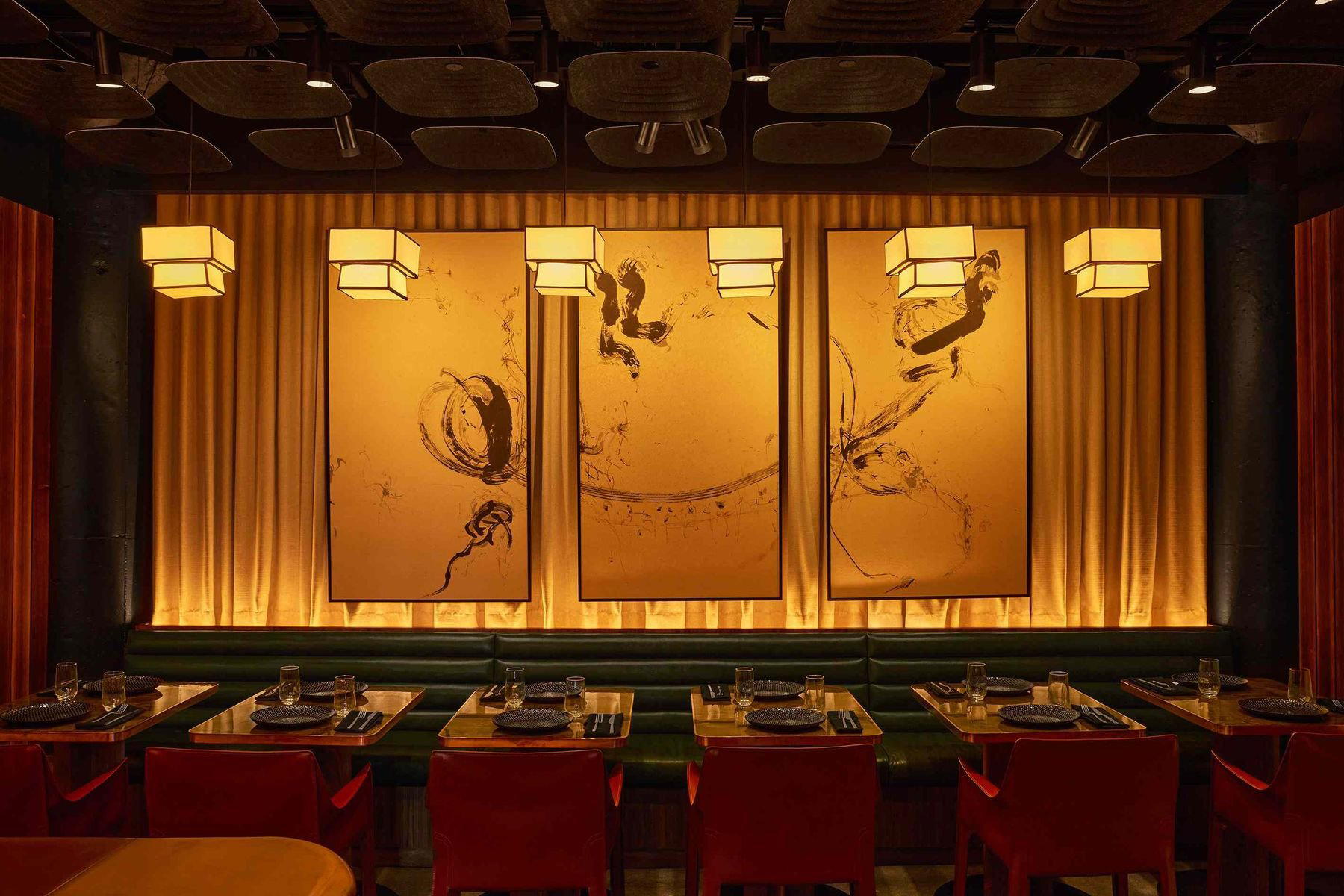
Where Two Dining Cultures Meet in the Financial District
San Francisco's Financial District has always kept a particular kind of restaurant in business: the room that fills at six, empties by nine, and asks nothing of you beyond a willingness to eat well on a weeknight. That rhythm suits a specific model of hospitality, one closer to Tokyo's izakaya tradition than to the tasting-menu formality that defines much of the city's premium dining. Ama, at 545 Sansome Street, positions itself inside that tradition, drawing on both Italian and Japanese dining instincts to build a room where the food arrives in stages, the table gets crowded, and the evening has a looseness that the city's more structured venues, Lazy Bear, Atelier Crenn, Benu, deliberately avoid.
The Italian-Japanese Hybrid and What It Actually Means
Fusion is a word that has carried considerable baggage since the 1990s, and the Italian-Japanese register Ama works in is better understood through the lens of structural logic than through the lens of ingredient collision. Italian cooking, at its core, is about restraint applied to notable raw material: a good piece of fish, a clean sauce, a pasta that doesn't need to announce itself. Japanese cooking, particularly in its izakaya form, operates on similar principles but distributes them across a different social architecture, small plates, shared across a table, with drinks arriving in parallel rather than as a formal pairing. The combination, when handled with discipline, produces a menu that reads horizontally rather than vertically. You build a meal from multiple small commitments rather than surrendering to a single narrative set by the kitchen.
This is a relatively underexplored hybrid in the United States compared to how thoroughly the French-Japanese and Peruvian-Japanese registers have been mapped. Globally, venues like 8 1/2 Otto e Mezzo Bombana in Hong Kong and Alain Ducasse at Louis XV in Monte Carlo have demonstrated how European cooking traditions can maintain clarity and coherence when filtered through an Asian culinary framework. The Italian-Japanese register demands similar fidelity to ingredient quality, because neither tradition is forgiving of mediocre produce.
Izakaya Logic in a California Room
The izakaya model is social before it is gastronomic. Its defining characteristic is not the food itself but the relationship between eating and drinking: dishes arrive to accompany drinks rather than to structure the evening around a progression of courses. In Japan, an izakaya table fills gradually, with shared plates accumulating until the table is crowded and the ordering has lost its original choreography. That deliberate informality is the point. It removes the hierarchical distance between kitchen and guest and replaces it with something more convivial.
California has its own version of this logic. The state's communal-table and sharing-plate tradition, which runs from Berkeley's Chez Panisse through the current generation of Californian restaurants like Saison, has always prioritised the social dimension of eating over the theatrical. Ama draws on both the Japanese original and the Californian translation, with the Financial District address adding a further layer: a room that serves people who eat out with some regularity and don't need to be walked through the concept.
Where Ama Sits in San Francisco's Dining Structure
San Francisco operates across several distinct tiers of contemporary dining. At the summit of the market, a cluster of multi-Michelin-starred rooms, including Benu, Atelier Crenn, and Quince, commands prices that reflect both the scarcity of their reservation windows and the ambition of their formats. Ama occupies different terrain: a hybrid cuisine in a district accustomed to professional dining, where the format is sharing-led and the register is deliberately less ceremonial.
The comparable set for a venue like this is not the city's tasting-menu counters but rather those restaurants nationally that have made a credible case for cross-cultural cooking without the apparatus of a formal progression. Le Bernardin in New York and Alinea in Chicago represent the formal end of the spectrum; what Ama proposes is closer in spirit to the informal end, where the pleasure of the table matters as much as the precision of the kitchen. That's not a lesser ambition, it's a different one, and in San Francisco's current dining climate, a viable one.
The Financial District as Context
Sansome Street is mid-Financial District, which means the neighbourhood's character shifts considerably between lunch, early evening, and late night. By seven o'clock on a weekday, the offices have emptied and the streets belong to people who have chosen to stay in the area rather than transit to the Mission or Hayes Valley. Restaurants that anchor themselves here must offer something that justifies that decision, a reason not to take the bus west. The Italian-Japanese hybrid format, with its sharing-plate logic and cross-cultural curiosity, is well-suited to that dynamic. It offers complexity without formality and a menu that rewards groups over solo diners.
For comparison, Single Thread Farm in Healdsburg and Providence in Los Angeles both operate in neighbourhoods with distinct after-dark characters, and both have benefited from positioning that aligns their format with the rhythms of those areas. Ama's Financial District address carries similar logic: a room for people who are already there and want the evening to extend naturally from wherever the day left off.
Planning Your Visit
Ama is located at 545 Sansome Street in San Francisco's Financial District, accessible from multiple BART and Muni lines given its central positioning. As with any sharing-format room that operates in a hybrid cuisine category, the table dynamic is better with three or four guests than with two, the format rewards breadth of ordering. Groups exploring San Francisco's wider restaurant scene will find Ama sits at a complementary remove from the city's formal tasting-menu options, making it a practical choice for an evening that doesn't require a two-hour commitment to a single kitchen's narrative.
Price and Positioning
Comparable venues nearby, for context on price, style, and recognition.
| Venue | Price | Notes |
|---|---|---|
| AmaThis venue — the venue you are viewing | $$$$ | Not listed |
| 1760 | $$$ | Polk Gulch, Global Fusion with Asian Influences |
| Chaya Brasserie | $$$ | Embarcadero, French-Japanese Fusion Brasserie |
| TBD Izakaya | $$$$ | Financial District/South Beach, Modern Japanese Izakaya |
| Garden Court | $$$$ | Financial District/South Beach, Historic American Brunch & Afternoon Tea |
| Superprime Steakhouse | $$$$ | Financial District/South Beach, Modern Steakhouse |
Recognition history
Dated appearances from independent guides and award organizations, with the underlying list record or original source where available.
Star Wine List
Star Wine List
Continue exploring
More in San Francisco
Restaurants in San Francisco
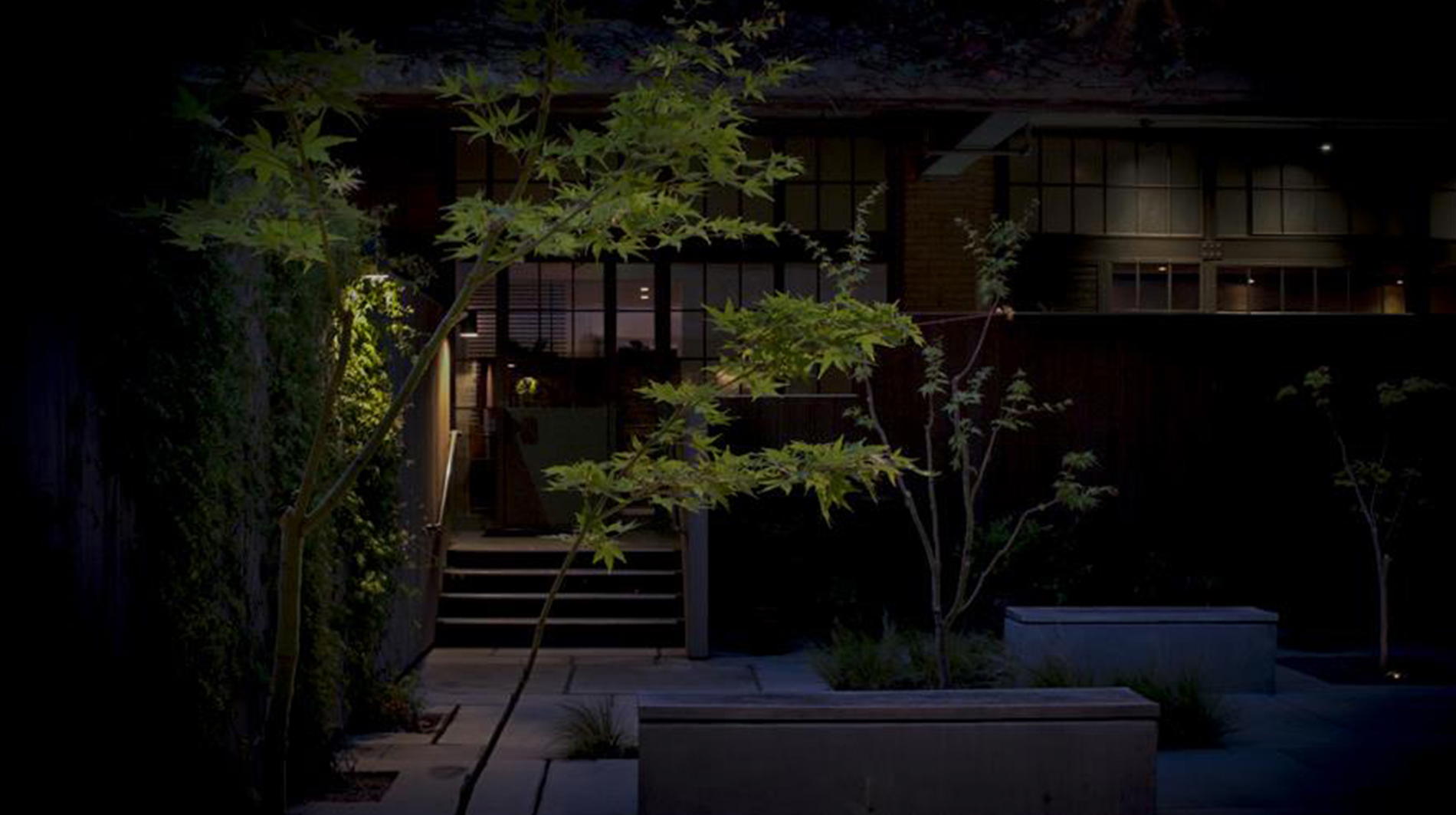
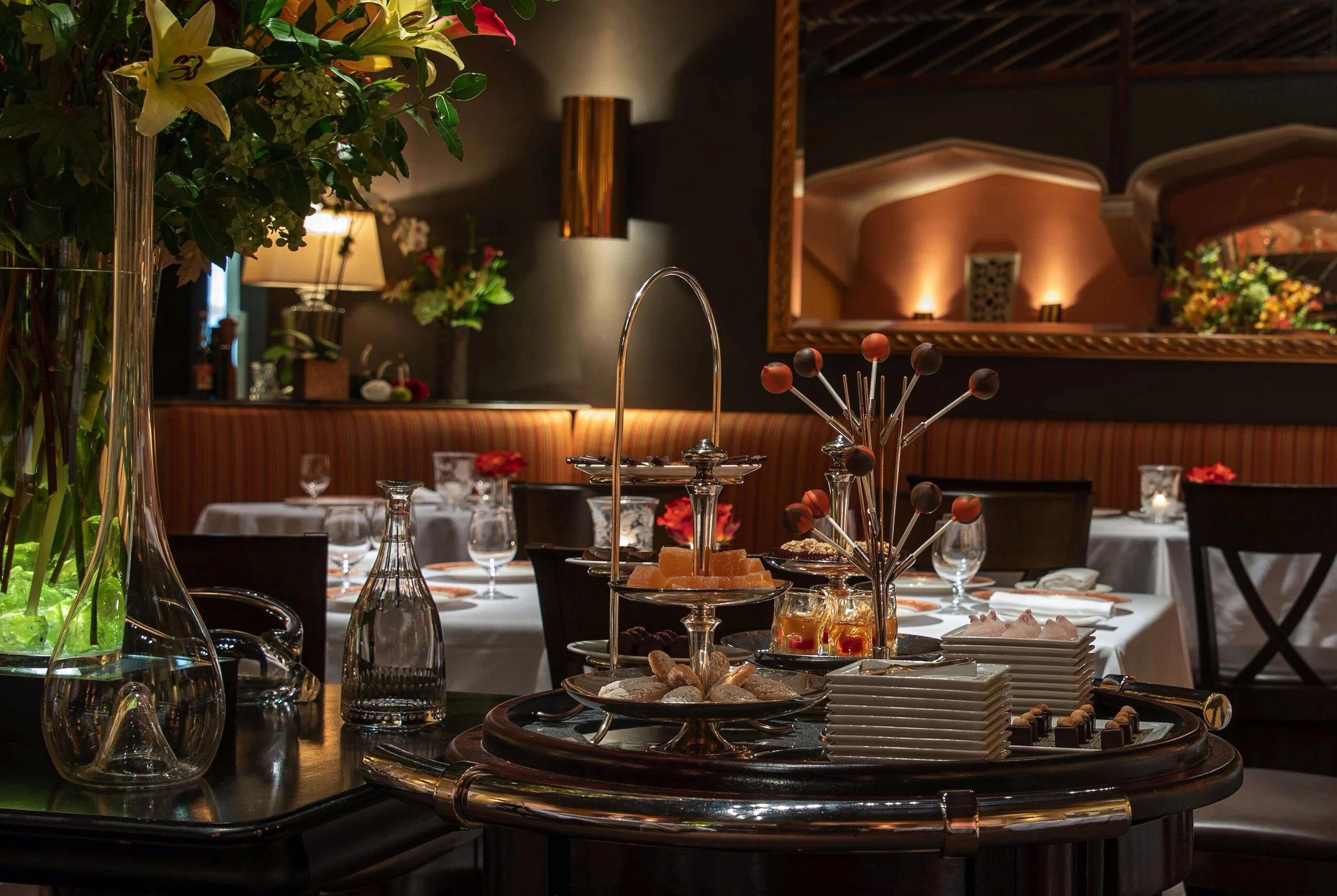
Browse all →
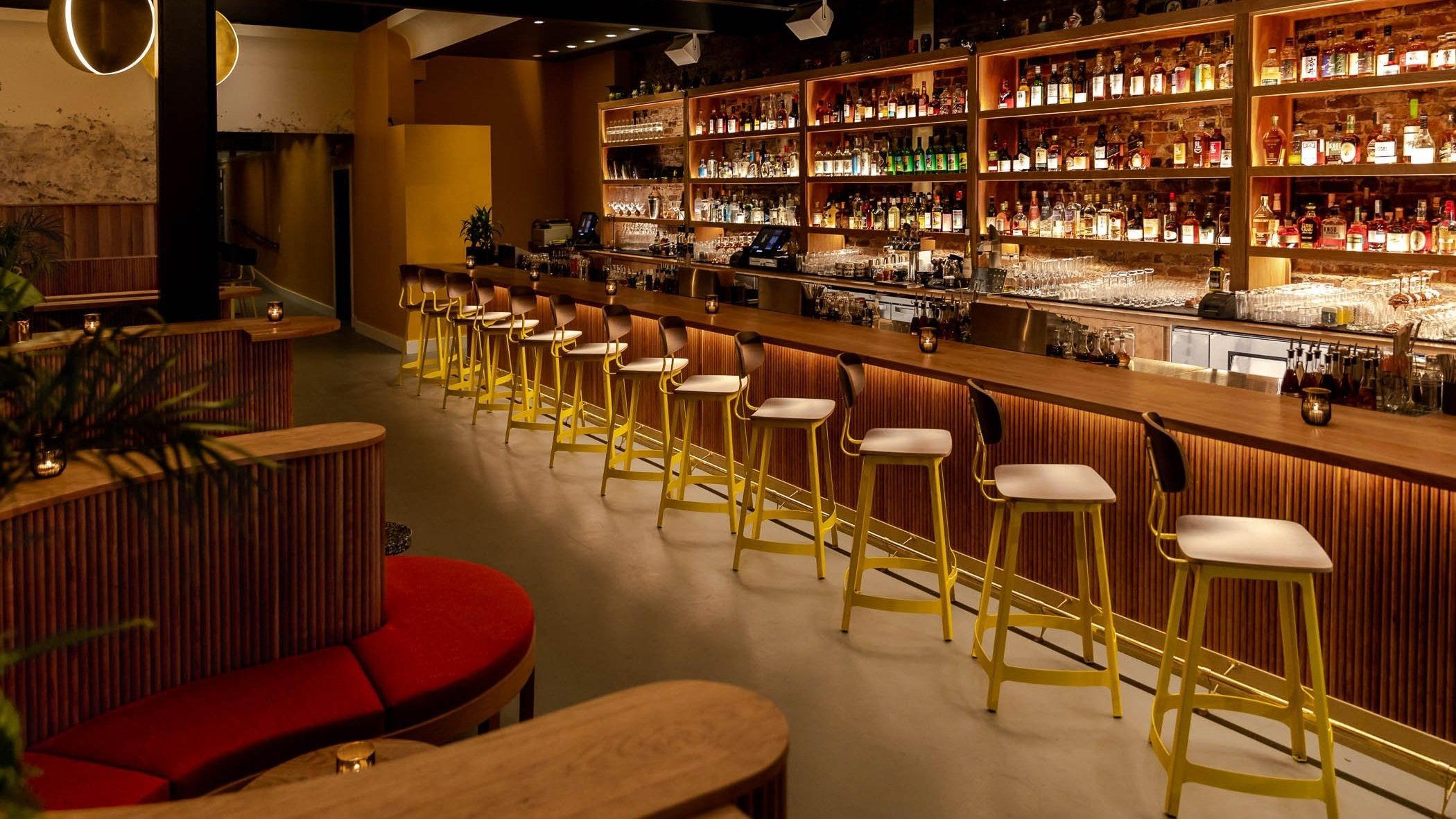
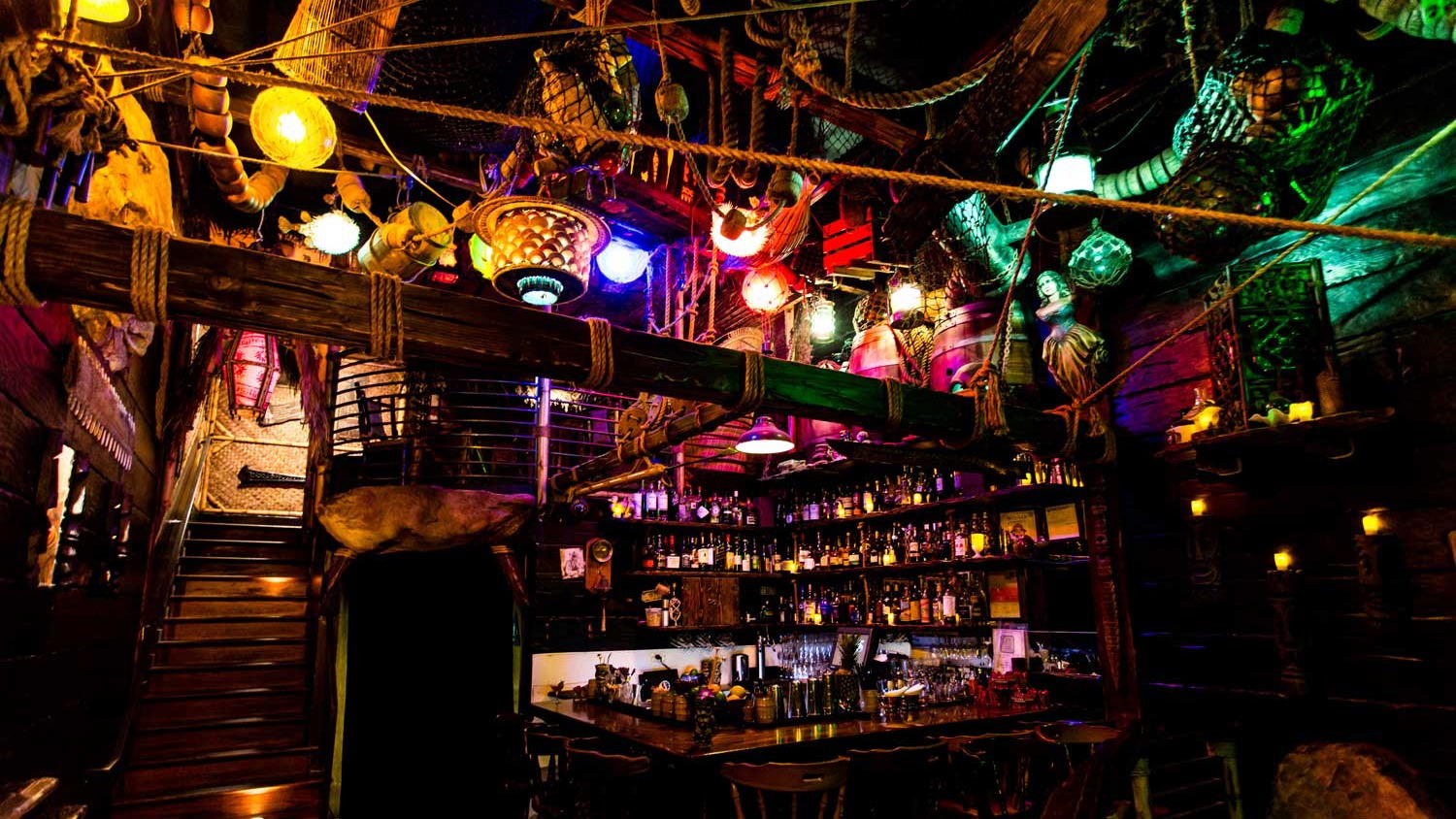
Bars in San Francisco
Browse all →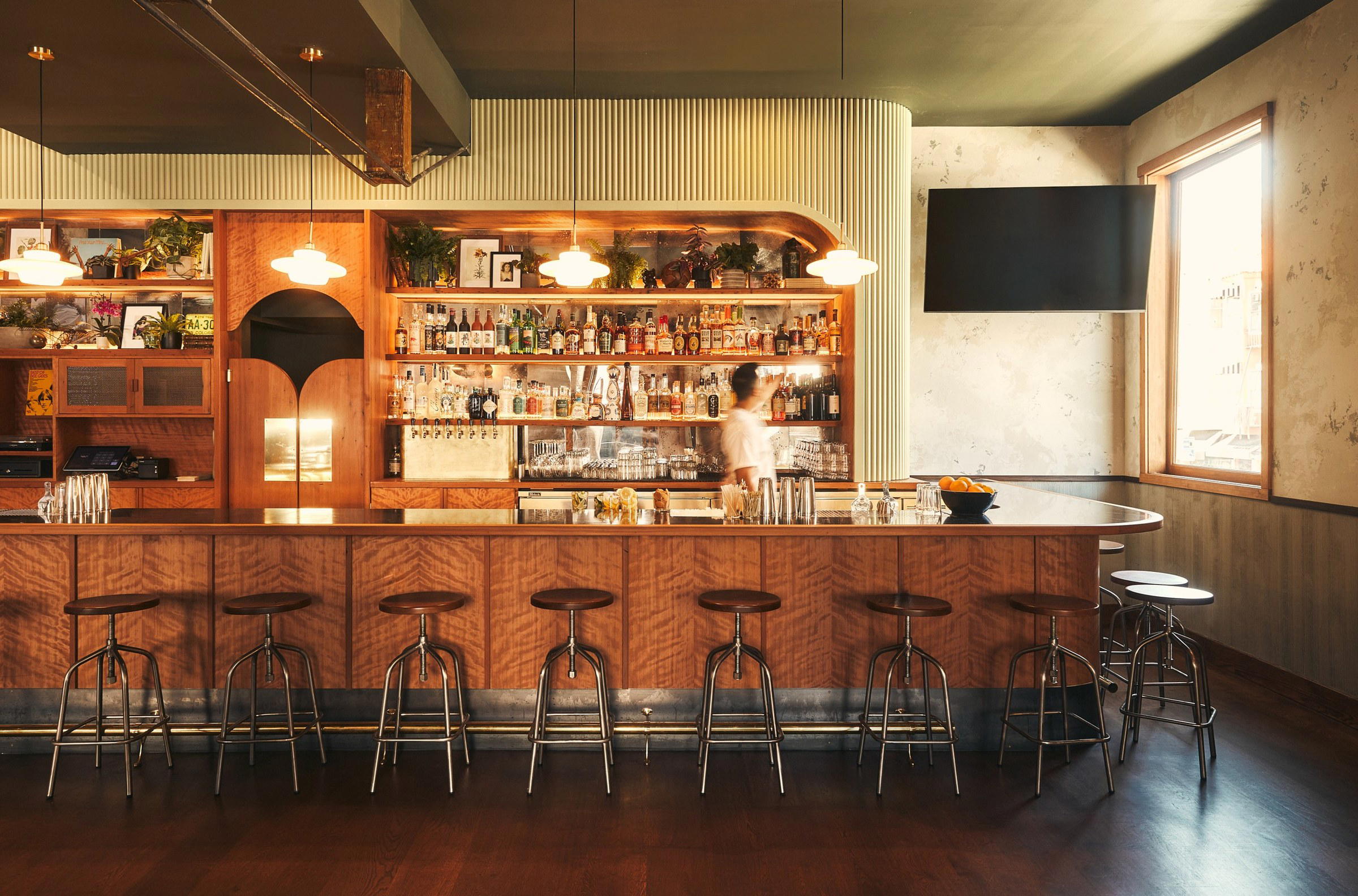
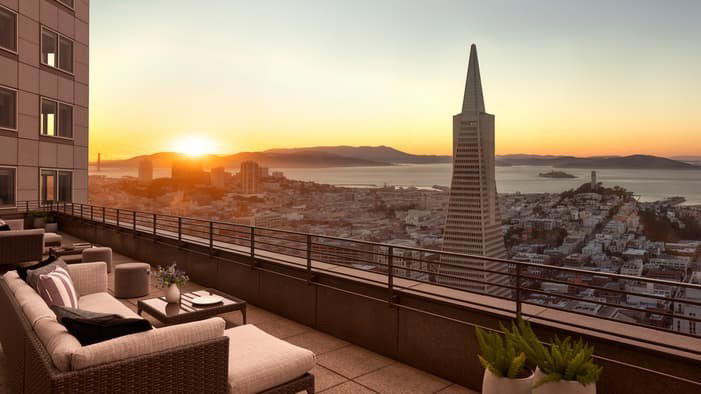
Hotels in San Francisco
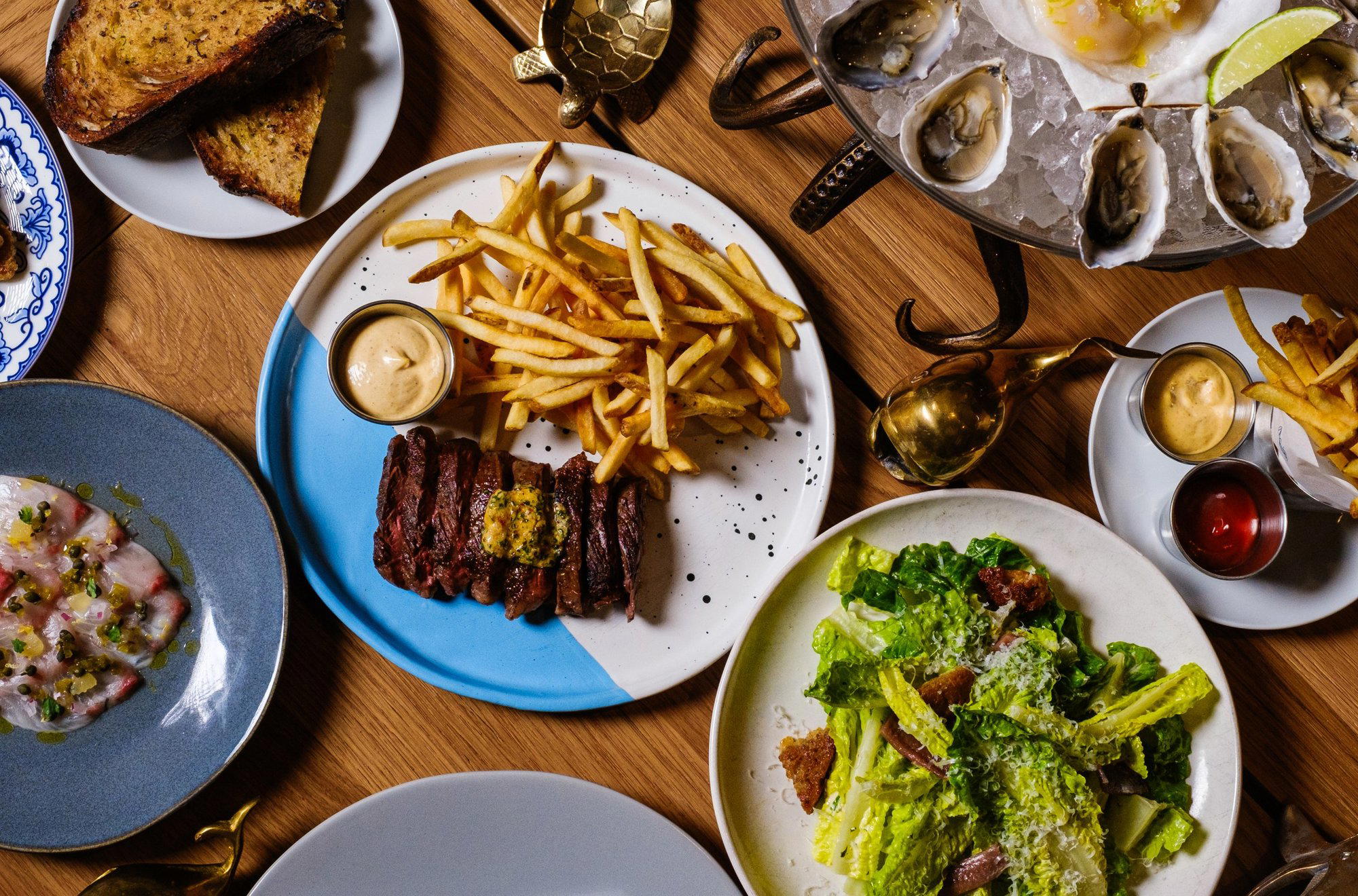
Browse all →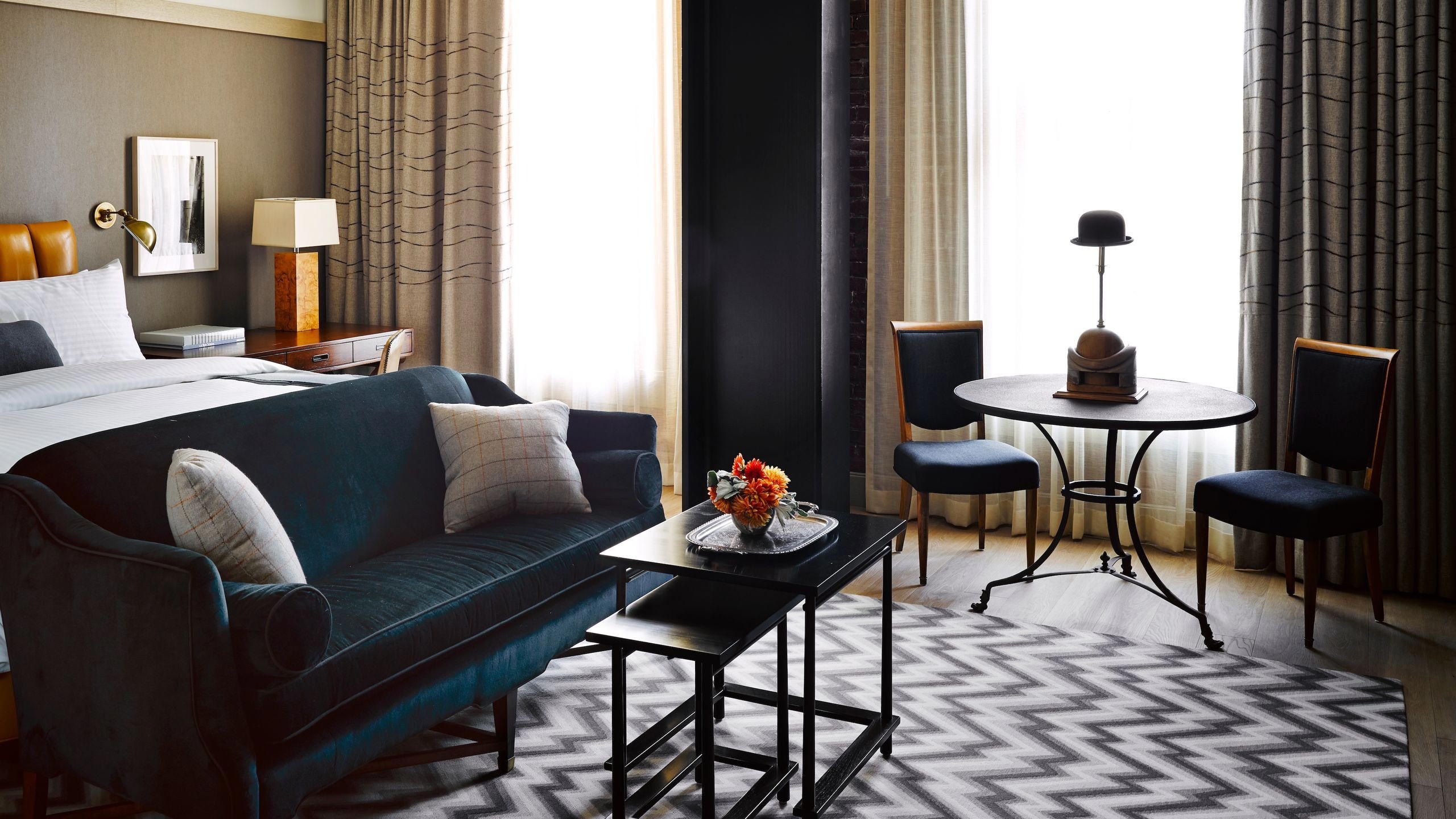
At a Glance
- Trendy
- Elegant
- Lively
- Sophisticated
- Energetic
- Date Night
- Special Occasion
- Business Dinner
- Open Kitchen
- Design Destination
- Craft Cocktails
- Sake Program
- Local Sourcing
Dimly lit Copper Room with copper bar and amber lighting; bright, glitzy '70s Social Club with curved booths, velvet couches, pinball machines, and DJ booth.