Alons Uzbek Halal Grill
Our verdict
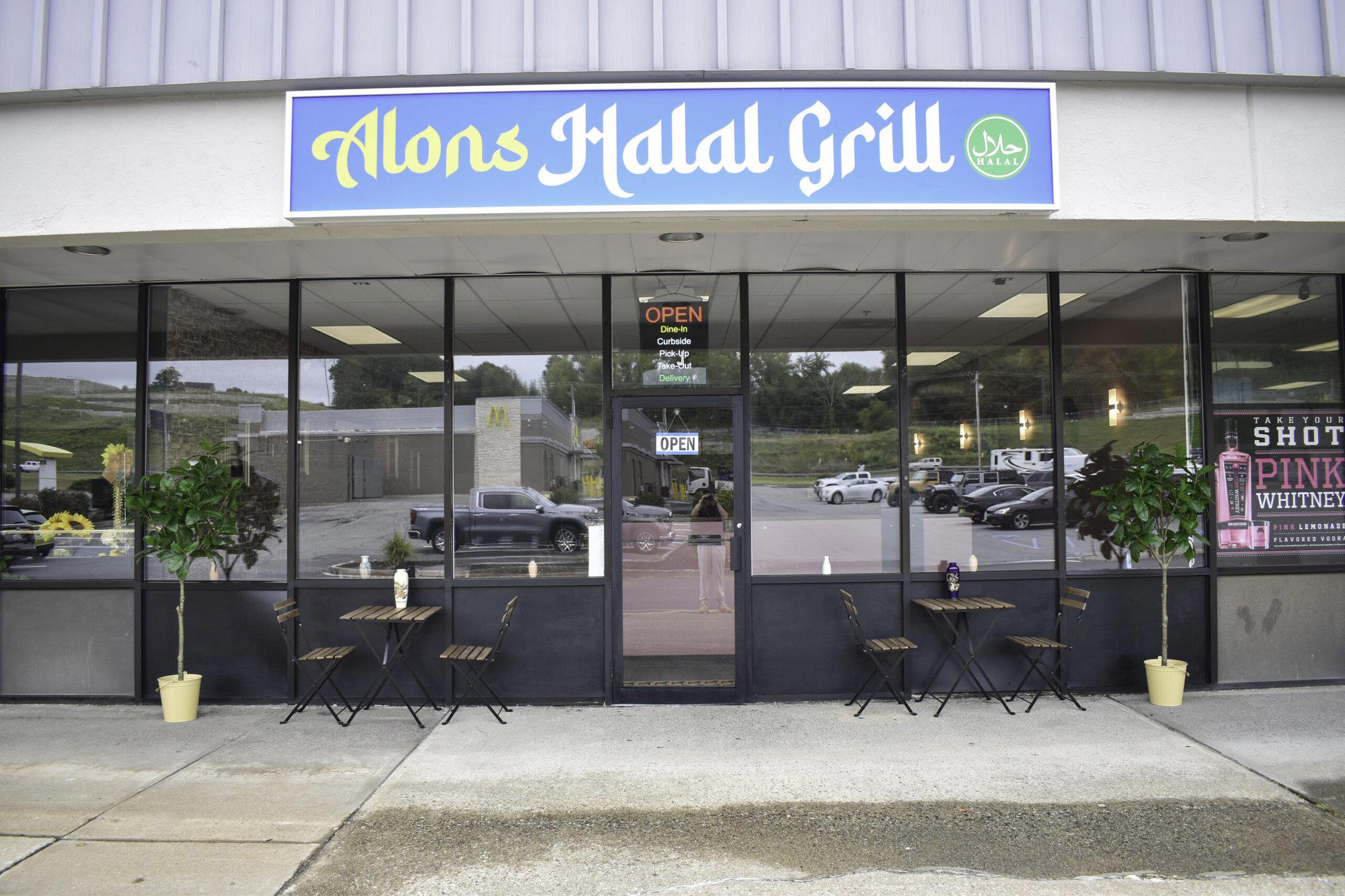
On US-9W in Highland, New York, Alons Uzbek Halal Grill brings Central Asian cooking to the Hudson Valley, a region better known for farm-to-table American formats than the charcoal-fired traditions of Tashkent or Samarkand. The menu structure follows the logic of Uzbek hospitality: communal portions, grilled proteins, and rice dishes that reward sharing over solitary ordering.

Pearl is the En Primeur Club membership app — saves, bookings, and concierge access live there. Same editors, same standards.
- Address
- 3650 US-9W, Highland, NY 12528
- Phone
- (845) 834-2180
- Hours
- Mon–Thu 11 AM–8:30 PMFri–Sat 11 AM–9 PMSun 11 AM–8 PM
- Website
- alonshalalgrill.com
- Directions
- Get directions
The menu
What to order
- Manti
- Chicken Shawarma
- Chebureki
- Tandoori Uzbek Naan
Central Asian Fire in the Hudson Valley
The stretch of US-9W running through Highland, New York, is not a road that invites slow attention. It is a commuter corridor lined with strip-mall facades and quick-stop signage, the kind of American highway spine that most food writers pass through on the way to somewhere else. Which makes the presence of Alons Uzbek Halal Grill worth pausing on. Uzbek cooking, with its charcoal discipline, its spice architecture inherited from Silk Road trade routes, and its deeply communal table logic, does not often land in small Hudson Valley towns. When it does, it tells you something about the changing demographic texture of the region and about the appetite, literal and cultural, for something other than the farm-to-table American format that dominates the area's better-known dining rooms.
For context on what surrounds it: Highland's restaurant scene tilts heavily toward the regional American mode. Places like Hapag Bistro, Letterewe, Salt Seafood Kitchen, The Mustard Seed Restaurant, and The Pines Modern Steakhouse collectively represent the dominant grammar of the local scene. Alons operates in a different register entirely, and that difference is not merely geographic or ethnic. It is structural: the menu follows a logic of hospitality that pre-dates the modern Western restaurant format by centuries.
What the Menu Architecture Reveals
Uzbek cuisine organizes itself around a few load-bearing pillars, and any kitchen working in this tradition signals its ambitions through how it handles them. The first pillar is plov, the rice dish cooked in rendered fat with carrot, onion, and lamb or beef, which functions in Uzbek culture the way a Sunday roast does in Britain or a pot-au-feu does in provincial France: it is the communal anchor, the dish that defines a cook's baseline competence and patience. A kitchen that takes plov seriously is a kitchen operating with some fidelity to the tradition. The second pillar is the grill. Shashlik, the skewered meat cooked over charcoal, is the backbone of Uzbek street and restaurant cooking, and the quality of the fire management, the marinade depth, and the cut selection tells you immediately how seriously a kitchen is approaching its source material.
The halal designation at Alons is not incidental to menu architecture. It frames the protein sourcing and the preparation logic from the ground up, situating the restaurant within a broader American halal dining movement that has grown considerably in sophistication since the 2010s. Where halal once signaled a narrow set of fast-food formats in the American context, it now covers a spectrum from street carts to full-service restaurants serving regional cuisines from Turkey, Pakistan, the Levant, and Central Asia. Alons sits in that regional-specialist end of the spectrum, where the halal certification is a baseline condition rather than the marketing hook.
The menu structure at a place like this tends toward generous portions designed for the table rather than the individual plate. Salads function as opening statements, often built around tomato, cucumber, and fresh herb combinations that cut the richness of what follows. Soups, particularly lagman, the hand-pulled noodle soup that travels across Uzbek, Uyghur, and Kyrgyz cooking with regional variations, offer a window into the kitchen's noodle discipline. Then come the grilled items, then the rice. This is not a menu that asks you to pick one thing and be done. It is structured to accumulate, course by course, into a table covered with plates.
Positioning Against the Wider Scene
To understand what Alons represents in a national context, it helps to draw a line between what Hudson Valley dining looks like at its most-awarded end and what a specialist ethnic restaurant in a small town is doing. Destinations like Blue Hill at Stone Barns in Tarrytown have defined a certain vision of Hudson Valley food: hyper-local, tasting-menu format, ingredient-as-narrative. That model has been enormously influential, shaping how food media frames the region. Alons operates entirely outside that frame, which is precisely why it matters to people who live in the area and want something that is not performing locavore identity.
The comparison is not meant to diminish either approach. Places like Le Bernardin in New York City, The French Laundry in Napa, Smyth in Chicago, Atomix in New York City, and Addison in San Diego represent one end of American fine dining ambition, while places like Alons represent something equally important: the preservation and transmission of a specific culinary tradition in a diaspora context. That transmission work rarely gets Michelin recognition, but it is often where the most direct cooking happens. Similarly, Lazy Bear in San Francisco, Emeril's in New Orleans, Single Thread Farm in Healdsburg, Providence in Los Angeles, and The Inn at Little Washington each anchor a specific regional identity. Alons anchors a different but no less real one. Even internationally, places like Atelier Moessmer Norbert Niederkofler in Brunico demonstrate how deeply rooted cooking traditions can find serious expression in unexpected geographic settings.
Planning Your Visit
Alons Uzbek Halal Grill sits at 3650 US-9W in Highland, NY 12528, accessible by car from both the Mid-Hudson Bridge and the Kingston-Rhinecliff Bridge. For visitors coming from New York City, Highland is roughly 90 miles north via the Taconic State Parkway or I-87, making it a practical stop on a Hudson Valley drive rather than a standalone destination for most. The restaurant's position on a highway service road means walk-in traffic is minimal; the clientele tends toward regulars and people who sought it out specifically. Checking current hours directly before visiting is advisable, as hours at independent restaurants in smaller towns can shift seasonally. For a broader overview of the local dining options, our full Highland restaurants guide covers the range of formats available in the area.
Frequently asked questions
How do I find Alons Uzbek Halal Grill?
Alons Uzbek Halal Grill is located at 3650 US-9W, Highland, NY 12528, Highland.
Is Alons Uzbek Halal Grill certified halal?
The restaurant operates explicitly as a halal establishment, which is built into its name and positioning at 3650 US-9W in Highland, NY. For diners seeking halal-certified Central Asian food in the Hudson Valley, this is one of the few kitchens in the region working specifically in the Uzbek tradition with halal sourcing as a baseline rather than an option.
What do regulars order at Alons Uzbek Halal Grill?
At Uzbek restaurants working in this tradition, returning guests anchor their orders on plov and shashlik — the two dishes that define how a kitchen handles rice technique and open-fire meat cookery. At Alons on US-9W in Highland, these function as the core of most tables rather than optional additions. Communal sharing of bread and salads typically fills out the spread.
How far ahead should I plan for Alons Uzbek Halal Grill?
Alons operates as an independent neighborhood restaurant in Highland, NY, not a destination counter with a reservation waitlist. Same-day visits are generally feasible, though weekend evenings can draw local regulars and the dining room is not large. Arriving early or calling ahead is a reasonable precaution.
Accolades, Compared
| Venue | Cuisine | Price | Awards |
|---|---|---|---|
| Alons Uzbek Halal GrillThis venue — the venue you are viewing | Uzbek Halal Grill | $10–20 | Not listed |
| The Pines Modern Steakhouse | Modern Steakhouse | $50–100 | Star Wine List · Forbes 4-Star |
| Letterewe | Scottish Highland Game & Seafood | Not listed | Not listed |
| Salt Seafood Kitchen | Scottish Coastal Seafood | Not listed | Not listed |
| The Mustard Seed Restaurant | Modern Scottish with Highland Influences | $30–50 | Not listed |
Continue exploring
More in Highland
Restaurants in Highland
Browse all →
Bars in Highland
Browse all →
Hotels in Highland
Browse all →
Details
- Casual Hangout
- Family
- A La Carte
- Halal
Current opening hours
- Monday
- 11 AM–8:30 PM
- Tuesday
- 11 AM–8:30 PM
- Wednesday
- 11 AM–8:30 PM
- Thursday
- 11 AM–8:30 PM
- Friday
- 11 AM–9 PM
- Saturday
- 11 AM–9 PM
- Sunday
- 11 AM–8 PM
Hours can change for holidays and private events. Last verified .