Letterewe
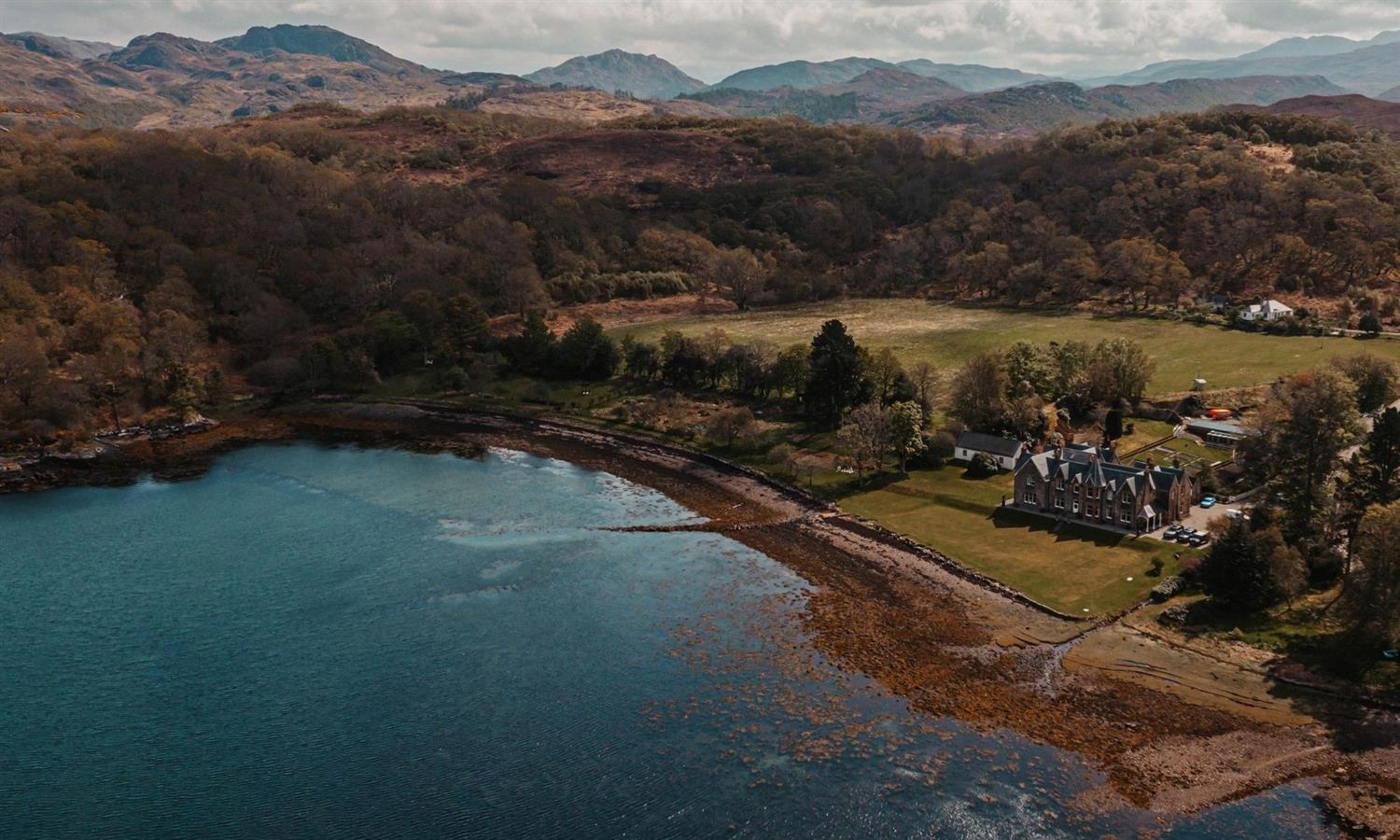
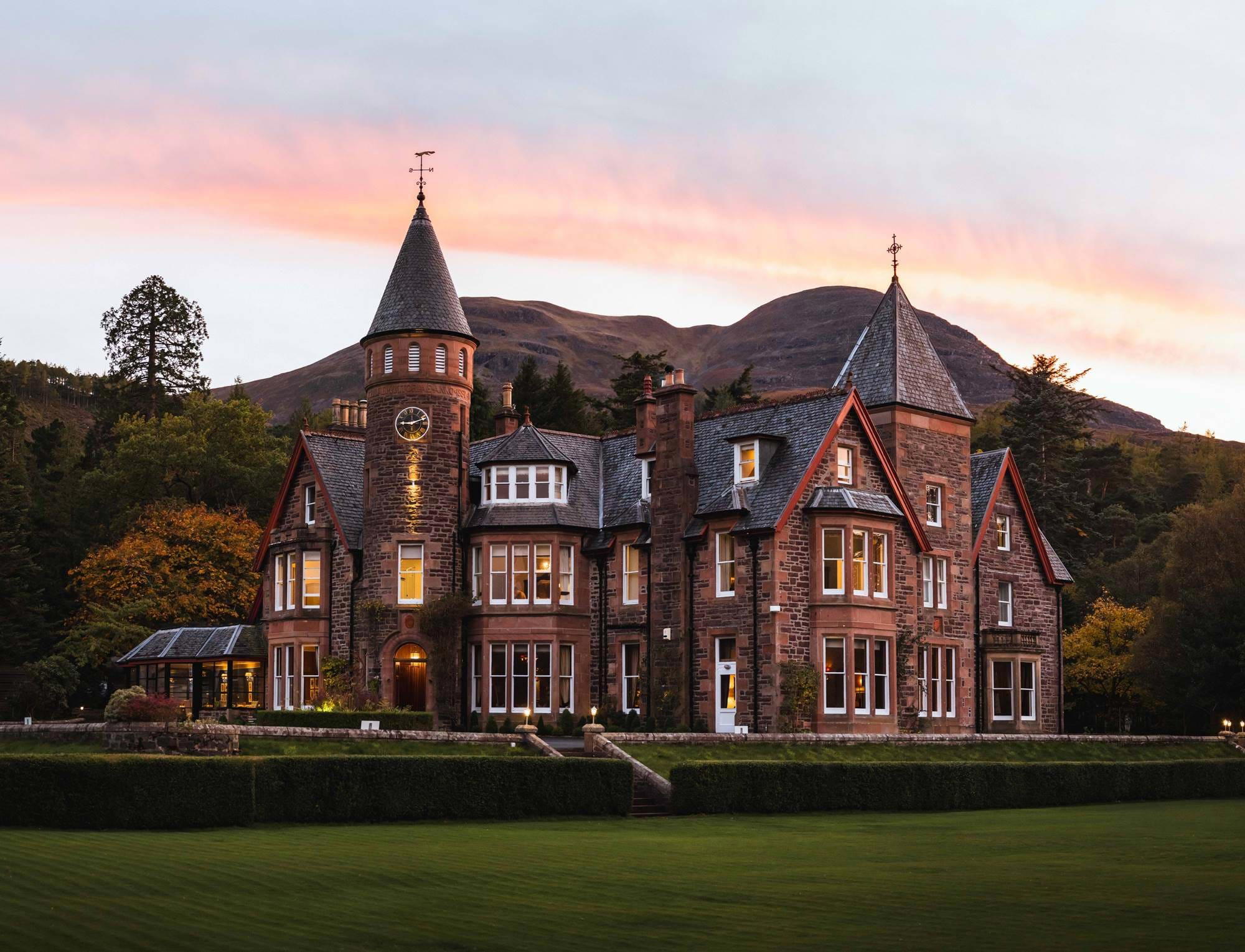
Letterewe sits deep in the Scottish Highlands near Achnasheen, in among the more remote and ecologically significant estates in Britain. The surrounding landscape of ancient Caledonian pine and west-coast sea loch defines both the setting and the sourcing logic that underpins dining here. For those making the journey, the estate represents a particular kind of Highland hospitality where the land itself is the primary reference point.
Pearl is the En Primeur Club membership app — saves, bookings, and concierge access live there. Same editors, same standards.
- Address
- Achnasheen IV22 2HH, UK
- Phone
- +44 1445 760207
- Directions
- Get directions
 Saves & bookings on Pearl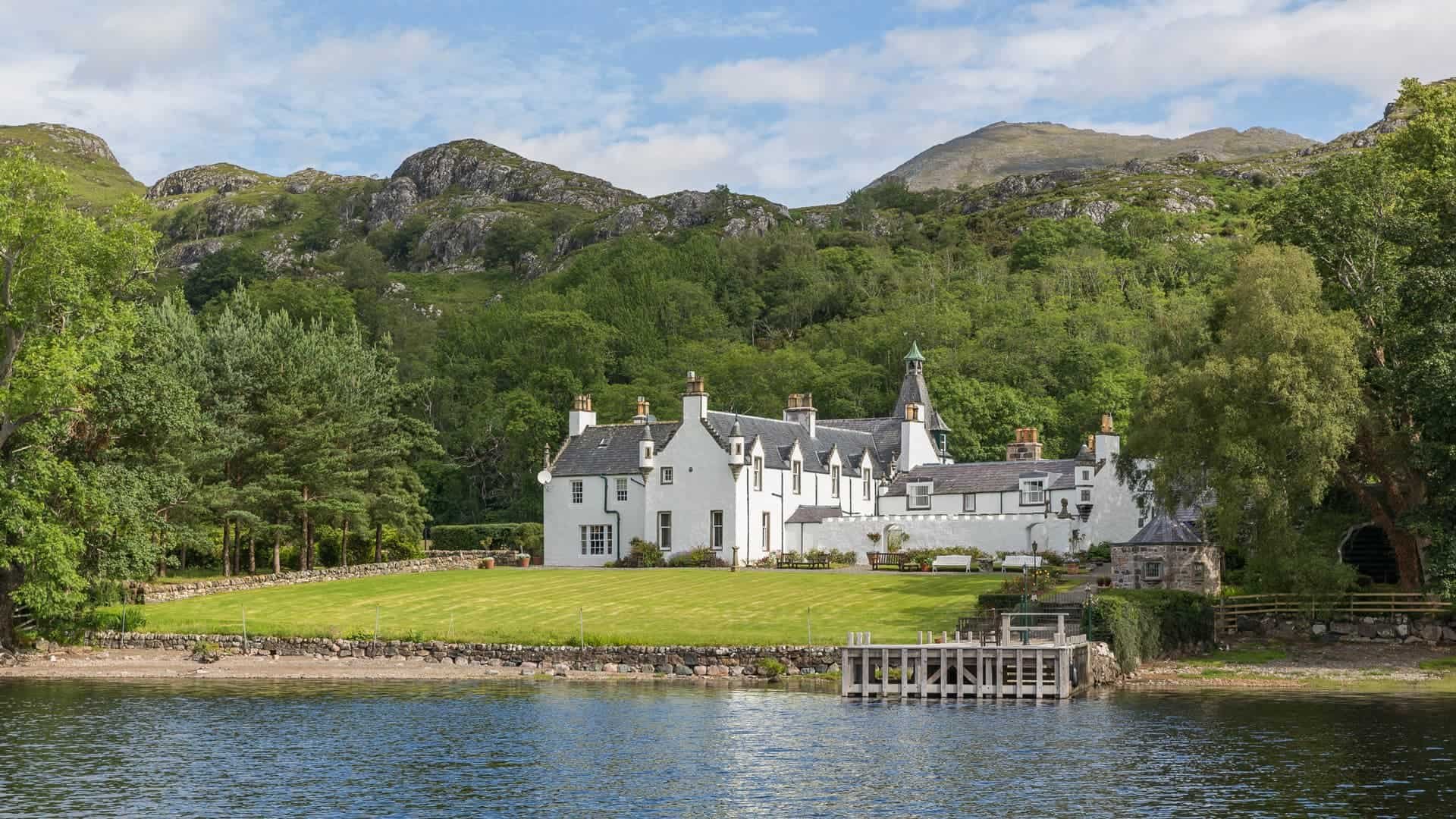
Where the Land Sets the Terms
Remote Highland dining operates by a different set of rules than city restaurants. The supply chain is not a choice or a marketing position, it is a physical fact. Letterewe, located near Achnasheen in Wester Ross, sits within one of the largest private wilderness estates in Scotland, a stretch of terrain that reaches from Loch Maree to the coast and has been managed with conservation as a central concern for decades. That context shapes everything about what eating here can mean. The land is not backdrop; it is the primary ingredient.
This is the logic that defines a specific tier of Scottish Highland hospitality, properties where proximity to source is so absolute that the question of provenance barely needs asking. The estate encompasses red deer, native fish, game birds, and a habitat that has been largely insulated from industrial agriculture. In that sense, Letterewe belongs to the same conversation as the remote Scottish lodge traditions that predate farm-to-table as a concept by well over a century.
The Sourcing Argument in Practice
Highland estates with this footprint have always been self-provisioning by necessity. The distance from urban supply networks and the unreliability of rural logistics made direct sourcing the only viable model long before it became fashionable. What that history produces, in culinary terms, is a kitchen with access to materials that most British restaurants can only approximate: wild venison taken from the estate's own ground, game at genuine seasonal pace, fish from waters with a short and traceable journey.
The contrast with, say, the sourcing model at a city restaurant that imports Highland produce is significant. Properties like Letterewe receive the ingredient at its least travelled, which matters particularly for game, where handling time and distance affect texture and flavour in ways that are difficult to recover. This is the argument that estate-based dining in Scotland has always made, and in the case of a property of this scale and remoteness, it carries weight.
For comparison, consider how destination restaurants in rural England, L'Enclume in Cartmel or Moor Hall in Aughton, have built their culinary identities around proximity to specific agricultural and foraging sources. The difference in the Highland estate model is that the sourcing territory is not a nearby farm network but the estate itself, making the relationship between table and terrain more direct still. Gidleigh Park in Chagford offers a useful parallel from the English side: a remote country house where the surrounding Dartmoor landscape informs the kitchen's frame of reference, even if the supply relationships differ in kind.
The Highland Context
Wester Ross has a small but coherent dining scene that organises itself around seafood and locally raised produce. The Atlantic coast here produces shellfish of a quality that has earned the region consistent recognition in British food writing. Salt Seafood Kitchen and The Mustard Seed Restaurant represent the more accessible end of Highland dining, where seafood sourcing and regional produce feature prominently. Hapag Bistro and Alons Uzbek Halal Grill reflect the broader range of the Highland food scene beyond its traditional identity. The Pines Modern Steakhouse sits in the region's mid-range, with a focus on Scottish beef. See the full Highland restaurants guide for the complete picture.
Letterewe, by contrast, is not positioned within the conventional Highland dining circuit. Its remoteness places it in a separate category: the private estate experience, where the meal is part of a stay rather than a standalone dining destination. This aligns it more closely with the tradition of Scottish shooting and fishing lodges, where hospitality is structured around the sporting and natural calendar.
Placing Letterewe in a Wider British Context
The category of country house and estate dining in Britain is well-established, and the standard is set by properties with sustained critical recognition. Waterside Inn in Bray and CORE by Clare Smyth in London represent the Michelin-anchored tier of British fine dining. Hand and Flowers in Marlow, hide and fox in Saltwood, and Midsummer House in Cambridge each occupy specific niches within that recognised landscape. Opheem in Birmingham and Ynyshir Hall in Machynlleth demonstrate how the estate or destination-restaurant model has been adapted across different British contexts. Internationally, Le Bernardin in New York City and Lazy Bear in San Francisco illustrate how sourcing narrative and place-specificity have become central to ambitious restaurant identity far beyond Britain.
Letterewe does not sit in the Michelin-starred bracket of this group in any documented sense. It operates as a private Highland estate rather than as a public restaurant, which positions it differently: access is structured around estate stays rather than open reservation, and the experience is inseparable from the physical remoteness that defines the property.
Planning a Visit
Achnasheen is served by the Inverness to Kyle of Lochalsh railway line, one of the more scenic rail routes in Scotland, making it reachable without a car for those willing to accept the logistics of a remote journey. The estate itself is accessible from Achnasheen, though road conditions in Wester Ross demand appropriate planning, particularly in winter months when daylight hours are short and weather can change the character of the roads significantly. Given the private estate model, contact and booking should be approached as you would any comparable Highland lodge: early, directly, and with flexibility on dates.
Side-by-Side Snapshot
Comparable venues nearby, for context on price, style, and recognition.
| Venue | Cuisine | Price | Notes |
|---|---|---|---|
| LettereweThis venue — the venue you are viewing | Scottish Highland Game & Seafood | $$$$ | Not listed |
| Salt Seafood Kitchen | Scottish Coastal Seafood | $$ | Achiltibuie |
| The Mustard Seed Restaurant | Modern Scottish with Highland Influences | $$$ | Inverness |
| The Shores Plockton | Scottish Seafood | $$ | Plockton |
| Whiteleys Kitchen | Hyper-seasonal modern British | $$$$ | Bayswater |
At a Glance
- Romantic
- Scenic
- Rustic
- Elegant
- Intimate
- Celebration
- Special Occasion
- Group Dining
- Private Event
- Waterfront
- Garden
- Private Dining
- Panoramic View
- Historic Building
- Extensive Wine List
- Local Sourcing
- Farm To Table
- Mountain
- Waterfront
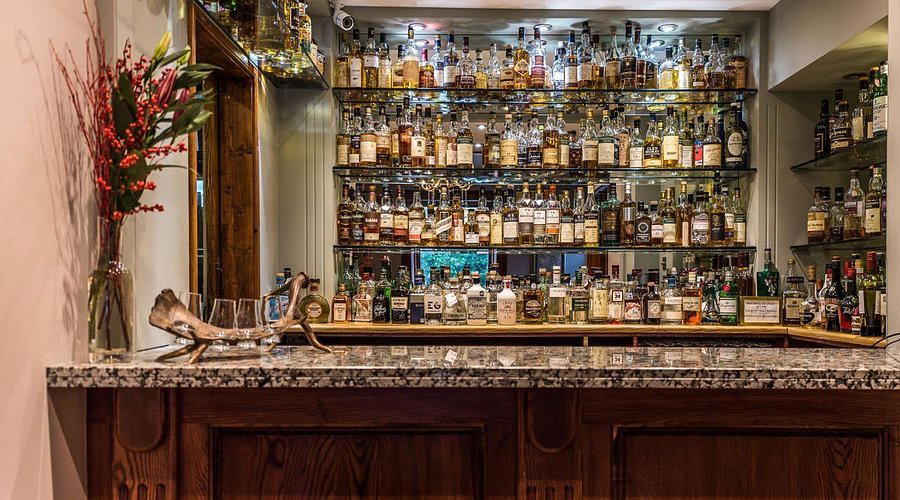
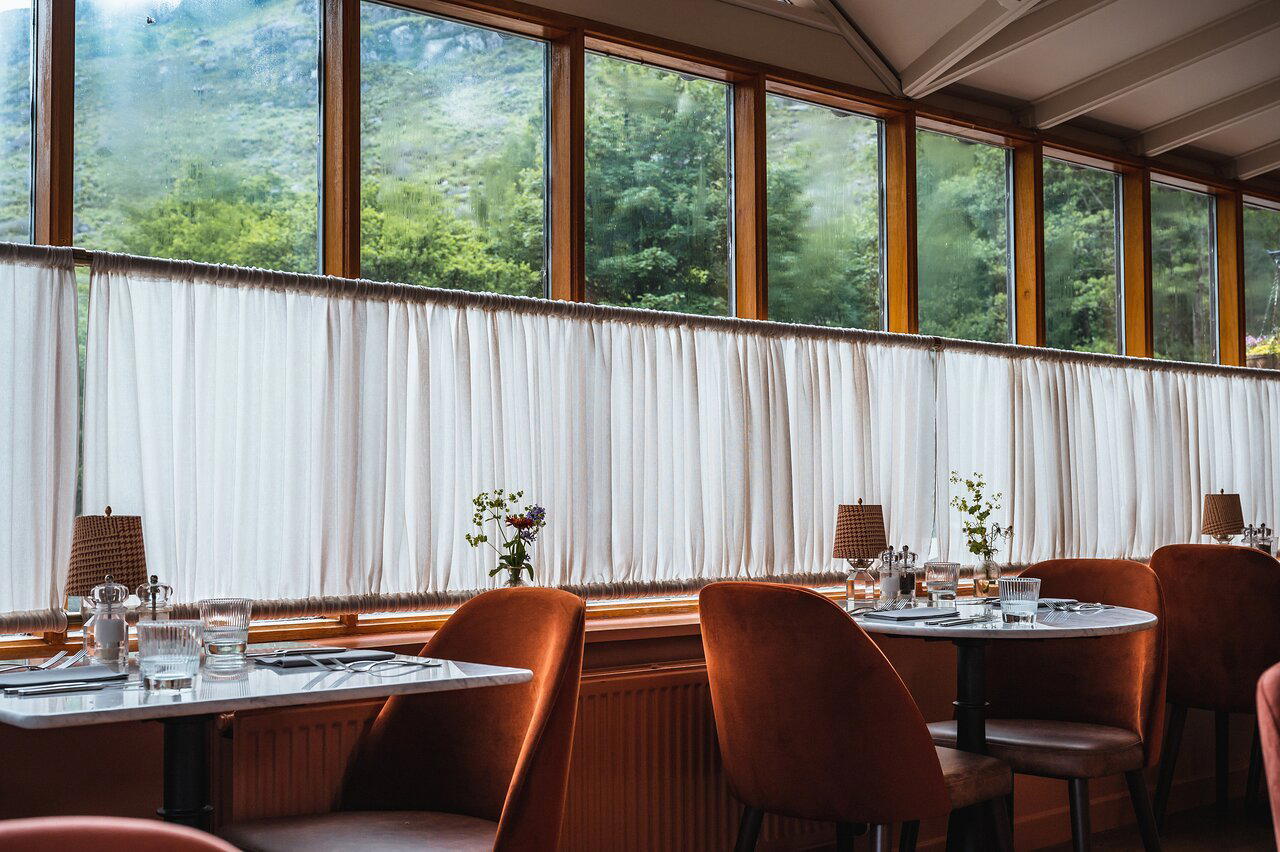
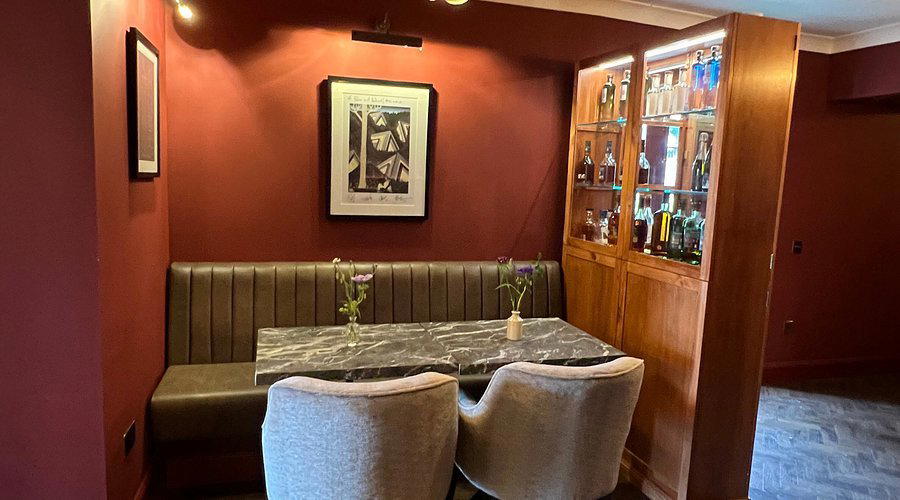
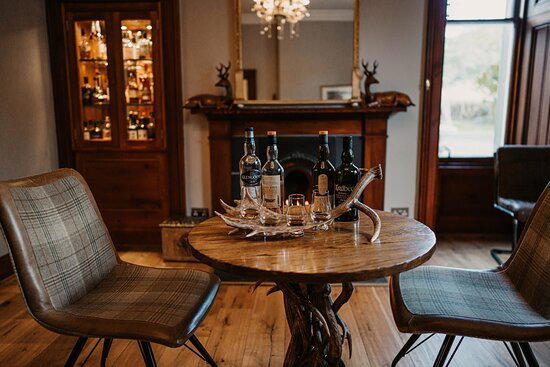
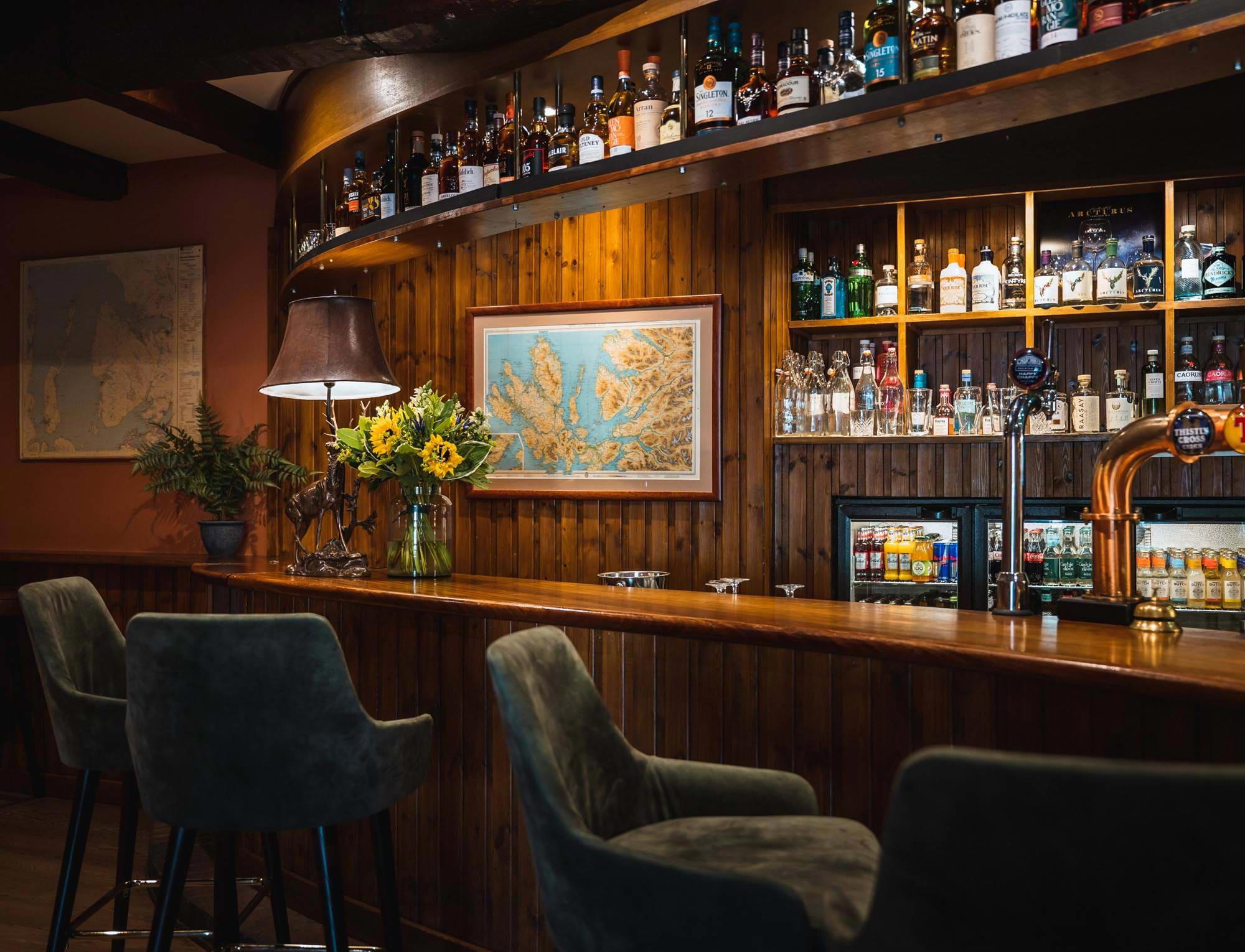
Warm, welcoming, and intimate with crackling fires, fine single malts, and hearty game meals in a historic lodge surrounded by far-reaching mountain and loch views.