On a quiet lane in central Cascais, Almina occupies the kind of address that rewards those who already know where they're going. The cooking draws on Portugal's Atlantic larder, placing the restaurant within the town's broader tradition of seafood-led dining. For visitors oriented toward ingredient-led cuisine at the edge of the Estoril Coast, it warrants a look.
Pearl is the En Primeur Club membership app — saves, bookings, and concierge access live there. Same editors, same standards.
- Address
- Tv. da Ressurreição 4, 2750-476 Cascais, Portugal
- Phone
- +351911719250
- Website
- alminacascais.com
 Saves & bookings on Pearl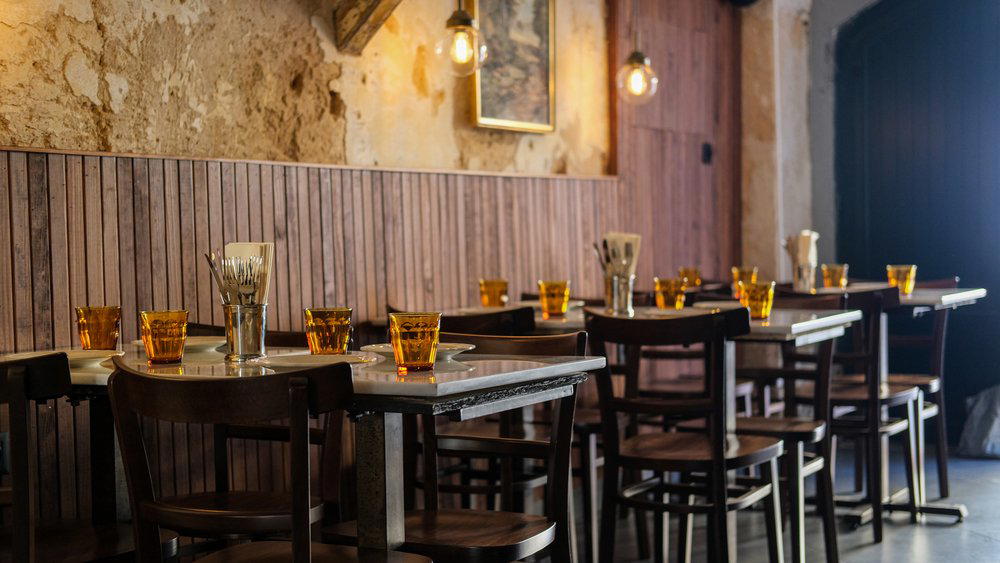
A Side Street, a Town That Runs on Sea Air
Cascais has always organised itself around its relationship with the Atlantic. The fishing fleet that once supplied the royal summer court still shapes how the town thinks about food: proximity to the water is not a selling point here, it is simply the baseline. Tv. da Ressurreição, the short lane where Almina Cascais sits, is a few minutes from the harbour on foot, far enough from the esplanade to avoid the noon-hour crowds, close enough that the smell of salt and boat diesel occasionally drifts in when a door is left open. That address places the restaurant in a recognisable Cascais tradition: the tucked-away local that functions as a neighbourhood anchor rather than a destination flag.
The town's dining tier has grown considerably since Lisbon's restaurant culture began spilling westward along the commuter rail line. What was once a summer-resort strip of grilled fish and pastéis de nata now runs from informal tasca to the Michelin-starred formality of Fortaleza do Guincho at the edge of the Sintra-Cascais Natural Park. Almina operates on a casual, contemporary scale, with the physical character of the neighbourhood around it doing considerable atmospheric work before a menu is even opened. Stone and whitewash, short streets, the particular quality of light that bounces off Cascais Bay in the late afternoon, the setting does not need to be amplified by interior design choices.
What the Atlantic Puts on Portuguese Plates
Portugal's most coherent culinary argument has always been about proximity: the fish landed this morning, the vegetables from the Setúbal peninsula market, the olive oil from Trás-os-Montes, the wine from a region close enough that the producer's name is recognisable to the chef. This is not a philosophy specific to any single restaurant, it is simply how the country's better tables have operated for generations, long before the language of farm-to-table entered the conversation in English-language food media.
Cascais, as a coastal town with direct access to some of the most productive fishing grounds in Europe, sits at a natural advantage within that framework. The waters off Cape Roca and the Arrábida coast yield seabass, bream, grouper, and a rotating cast of smaller species that rarely travel far from where they are caught. Restaurants working with those ingredients honestly rarely need to do very much to them. The restraint that defines coastal Portuguese cooking, a short preparation, good olive oil, time in a wood oven or over charcoal, reflects confidence in the source material rather than simplicity for its own sake. Almina's address on the Estoril Coast places it within that tradition, whether or not it wears that tradition explicitly.
For context on what ingredient-led sourcing looks like at the higher end of Portuguese fine dining, the reference points are well established: Belcanto in Lisbon, Vila Joya in Albufeira, and Casa de Chá da Boa Nova in Leça da Palmeira all place sourcing at the centre of their critical identity, each from a different regional larder. Almina operates on a different scale and register, but the coastal logic connecting it to those restaurants is the same: the Portuguese coastline is not a backdrop, it is an ingredient.
Cascais in the Wider Context of Portuguese Dining
Understanding where a restaurant sits in a city's dining hierarchy matters as much as understanding the restaurant itself. Cascais has a compact but increasingly differentiated restaurant scene. Conceito and Art Restaurant Cascais occupy the contemporary end of the spectrum; Izakaya brings a Japanese register to the town's broader Asian dining options; Capricciosa anchors the Italian end of the casual tier. Against that spread, a restaurant operating on a side lane off the historic centre positions itself as a different kind of proposition: less visible, more reliant on reputation that travels by word of mouth rather than by terrace foot traffic.
That pattern appears across Portugal's coastal towns. In Lagos, Al Sud works a similar formula of considered sourcing in a mid-scale setting. In Santarém, Ó Balcão has built a following through product quality and a clear regional point of view. Neither operates at the scale of a destination hotel restaurant or a tasting-menu institution, but both demonstrate that Portugal's most interesting eating is rarely concentrated at the formal apex. The same logic applies to Cascais.
For comparison further afield, the approach to Atlantic seafood that defines the Estoril Coast's better tables has international reference points worth noting: the sourcing rigour at Le Bernardin in New York City is structured around similar first-principles thinking about the relationship between the sea and the plate, as is the ingredient-led communal format at Lazy Bear in San Francisco, though both operate at a different scale and price point. The underlying argument, that exceptional sourcing is a discipline, not a marketing position, runs across all of them.
Portugal's Michelin footprint also provides useful benchmarking. Ocean in Porches, Antiqvvm in Porto, The Yeatman in Vila Nova de Gaia, Il Gallo d'Oro in Funchal, and Gusto by Heinz Beck in Almancil map the outer edges of what formal recognition looks like across the country's regions. Almina does not carry that kind of credentialing from the available record, which places it in a different bracket: the neighbourhood-scale operation where the case for visiting rests on consistency, sourcing integrity, and fit with the surrounding town rather than on external validation.
Planning a Visit
Almina Cascais is at Tv. da Ressurreição 4, in central Cascais, a short walk from the train station that connects the town to Lisbon's Cais do Sodré in approximately 40 minutes. Cascais is small enough that most of the town centre is walkable; the address on Tv. da Ressurreição is close to the historic core without being on the main tourist axis. Reservations are recommended, particularly on weekends between June and September when Cascais receives its heaviest visitor numbers.
At-a-Glance Comparison
Comparable venues nearby, for context on price, style, and recognition.
| Venue | Cuisine | Price | Awards | Notes |
|---|---|---|---|---|
| Almina CascaisThis venue — the venue you are viewing | Contemporary Levantine Mediterranean | $$$ | , | |
| Porto de Santa Maria | Traditional Portuguese Seafood | $$$ | Michelin Plate | Praia do Guincho |
| Izakaya | Modern Japanese Izakaya | $$$ | Michelin Plate | centre |
| Art Restaurant Cascais | Modern Seafood Fine Dining | $$$$ | , | Cascais |
| Capricciosa | Italian Pizzeria | $$ | , | Cascais |
| Conceito | Modern Portuguese Fine Dining | $$$ | Michelin Plate | Bicesse |
Continue exploring
More in Cascais
Restaurants in Cascais
Browse all →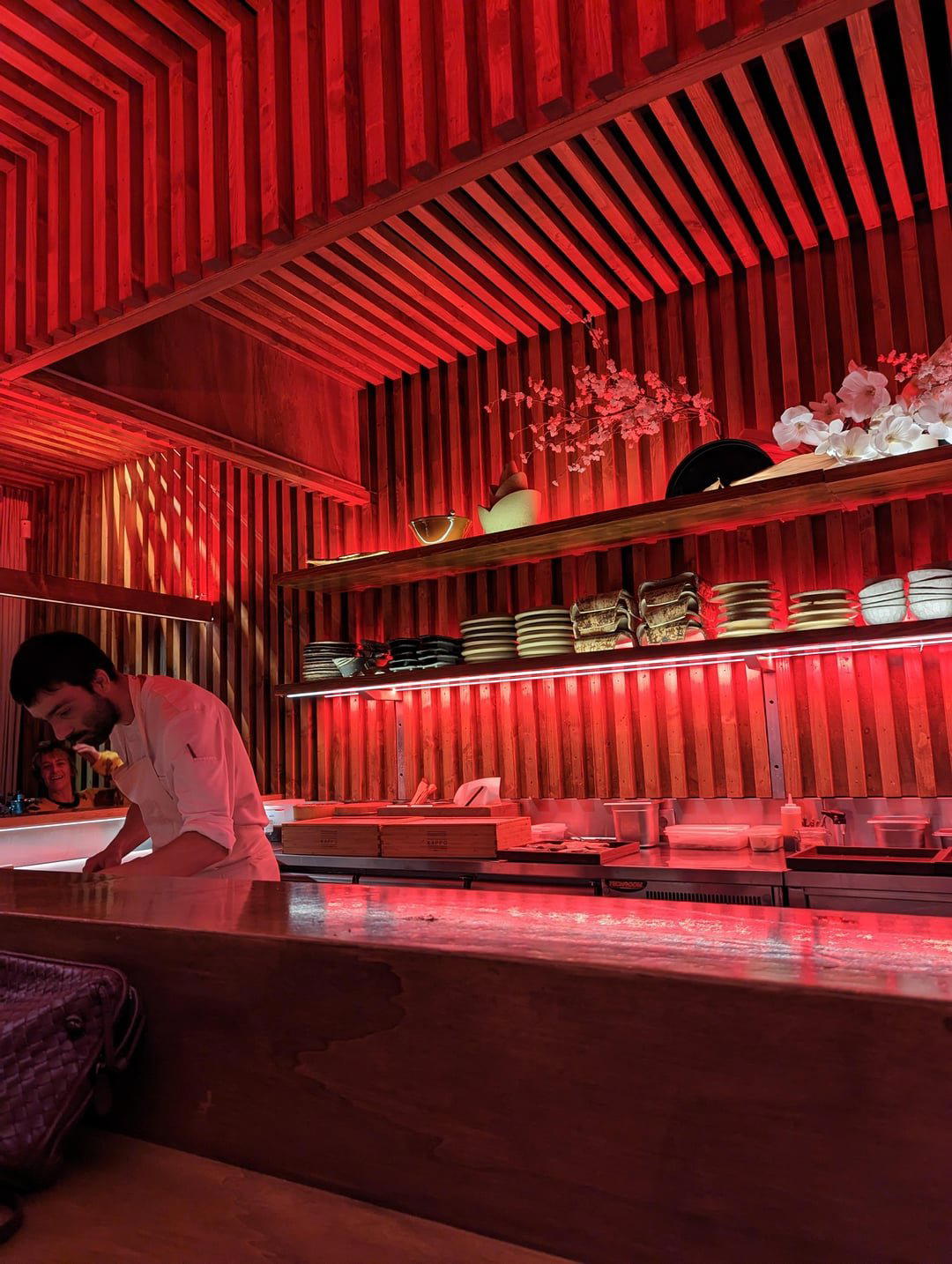
Bars in Cascais
Browse all →
Hotels in Cascais
Browse all →

At a Glance
- Modern
- Elegant
- Cozy
- Date Night
- Special Occasion
- Open Kitchen
- Craft Cocktails
- Farm To Table
- Local Sourcing
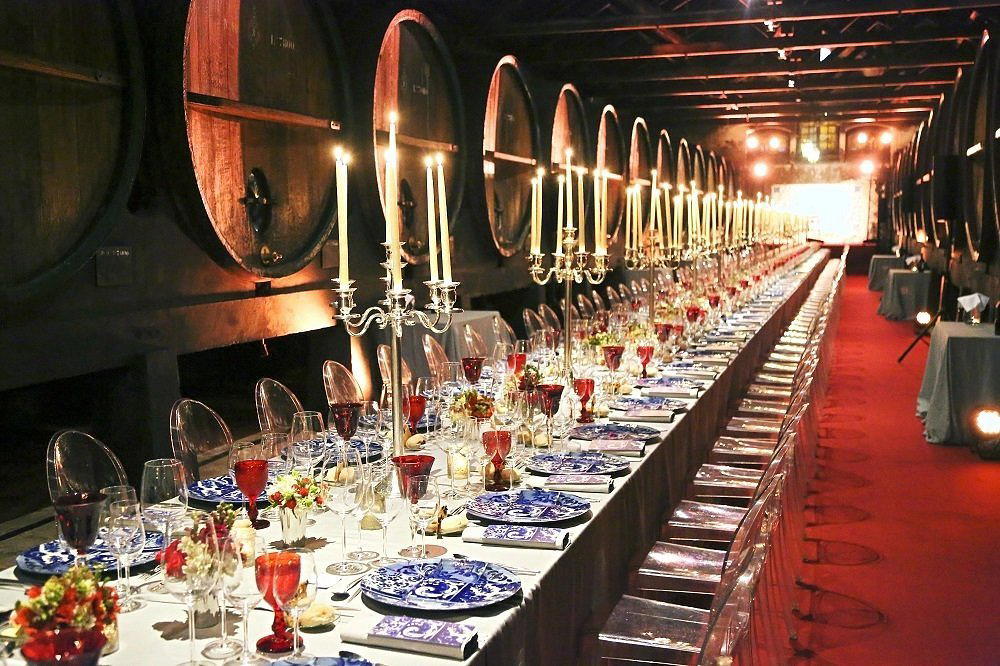
Warm and inviting atmosphere with an open kitchen showcasing flames charring vegetables and searing fish, fostering a close chef-guest connection.