
Michelin Plate
Our verdict
On the Estrada do Guincho between Cascais and the Atlantic, Porto de Santa Maria has held its position as one of the coast's most consistent seafood addresses for years. Michelin Plate recognition in both 2024 and 2025 confirms what regular visitors already know: the kitchen treats the region's catch with respect, anchoring the menu around Bulhão Pato clams, Galician-style octopus, and a fish-and-seafood cataplana built for sharing. The wine cellar is worth your attention.

Pearl is the En Primeur Club membership app — saves, bookings, and concierge access live there. Same editors, same standards.
- Address
- Estrada do Guincho, 2750-640 Cascais, Portugal
- Phone
- +351 21 487 9450
- Hours
- Daily 12–4 PM, 7:15–11:30 PM
- Website
- portosantamaria.com
- Directions
- Get directions
- Booking
- Book on TheFork
The menu
What to order
- Bulhão Pato clams
- Galician-style octopus
- Fish-and-seafood cataplana
- Salt-baked sea bream
Where the Atlantic Sets the Agenda
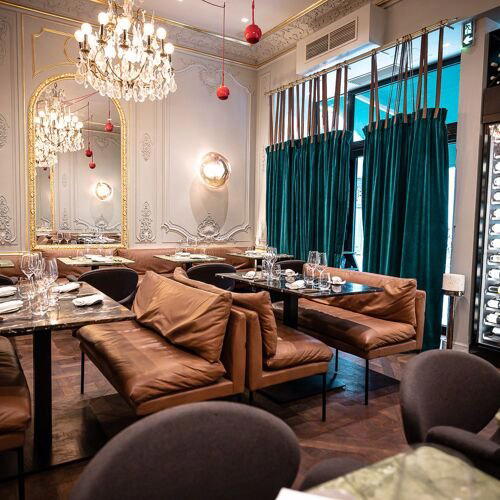
The Estrada do Guincho runs west from Cascais along a stretch of coastline that has a habit of making everything feel more serious. The wind comes in hard off the Atlantic, the dunes shift, and the light flattens in ways that remind you this is not the manicured Riviera. Porto de Santa Maria sits directly on this road, its building oriented toward the sea with the kind of nautical confidence that comes from decades of being in exactly the right place. Wood panelling, pale tones, and the low geometry of a structure that has always prioritised the view over architectural statement: the room reads as a deliberate restraint rather than an oversight.
In Portugal's seafood restaurant tradition, that restraint carries meaning. The country's most serious fish houses tend not to perform. They let the catch make the argument, and Porto de Santa Maria operates squarely within that ethos. Michelin awarded the restaurant a Plate in both 2024 and 2025, a recognition that signals consistent cooking quality without the theatrical ambition of a starred kitchen. On the Guincho coast, where Fortaleza do Guincho occupies the fine-dining end at a higher price point, Porto de Santa Maria holds a different brief: precision with the sea's produce, served in a setting that matches the geography.
The Whole Catch, Nothing Wasted
Portugal's relationship with fish is one of the most thorough in Europe. The country leads the continent in per-capita fish consumption, and its cooking traditions reflect a philosophy of total use: no part of the catch is beneath consideration, and preparation methods evolved over centuries to honour each species on its own terms. Porto de Santa Maria's menu sits inside that tradition without apology.
The Bulhão Pato clams are as direct an expression of this as you will find: small clams opened in white wine, olive oil, garlic, and coriander, the broth carrying the full salinity of the shells. Nothing is added to improve; everything is present to reveal. Galician-style octopus, a preparation that crosses the border from northwestern Spain and has been absorbed into the Portuguese coastal canon, arrives dressed in olive oil and paprika, the texture of the arms requiring a cook's patience to achieve. These are not dishes that depend on novelty. They depend on the quality of what enters the kitchen and the discipline not to obscure it.
The fish-and-seafood cataplana is the most socially weighted item on the menu. The cataplana, a hinged copper vessel that steam-cooks its contents under pressure, is one of Portugal's oldest cooking technologies, with roots in the Algarve that some food historians trace back to Moorish influence. At Porto de Santa Maria, it appears as a sharing dish, the copper arriving at the table sealed, the lid opened tableside to release the steam. The logic of the cataplana is the logic of whole-catch cooking: mixed species, shellfish included, cooked together so that the liquor from each element flavours the others. Nothing is isolated; everything contributes.
Beyond individual dishes, the kitchen structures its approach around three sharing menus: the Mariscada, the Do Mar, and the Porto de Santa Maria format. This format suits the Portuguese social mode of eating, where the table is the unit, not the individual. For groups arriving with no strong agenda beyond eating well, the sharing menus function as a coherent path through the kitchen's range.
The Wine Cellar Deserves Separate Planning
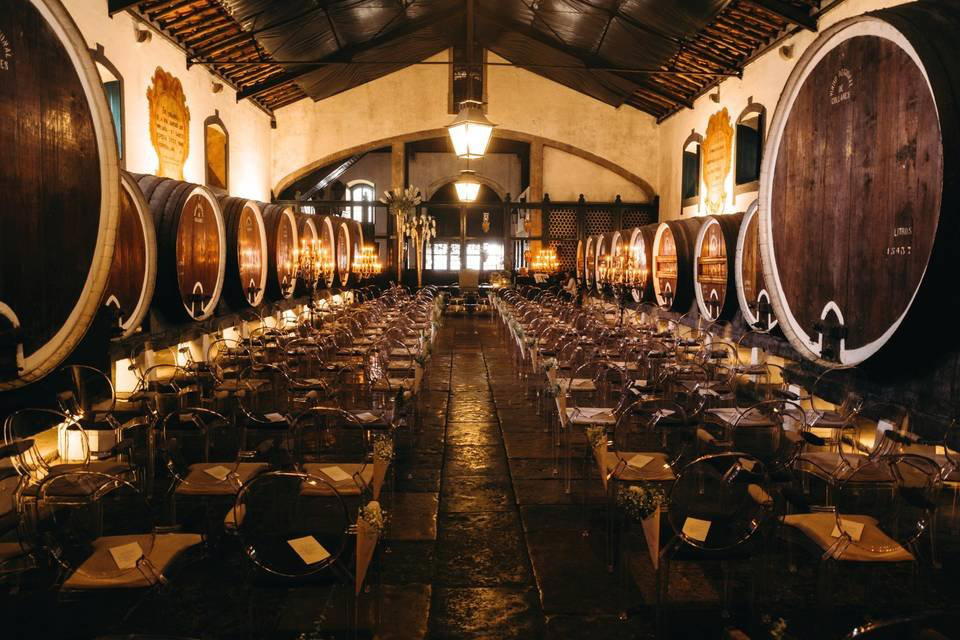
Portugal's wine output has shifted considerably over the past two decades, and the Lisbon wine region, which wraps around Cascais and the Estoril coast, now produces whites with the mineral precision to match serious seafood. Vinho Verde and the Setúbal peninsula's Moscatel-based bottles add further range. Porto de Santa Maria's cellar has been noted as a serious collection, and the recommendation to visit it is not pro forma. Guests who engage with the list rather than defaulting to the obvious choices will find pairings that extend the meal's logic rather than simply lubricating it. If the kitchen's philosophy is to let the catch speak, the cellar at its finest follows the same rule.
Cascais in Context
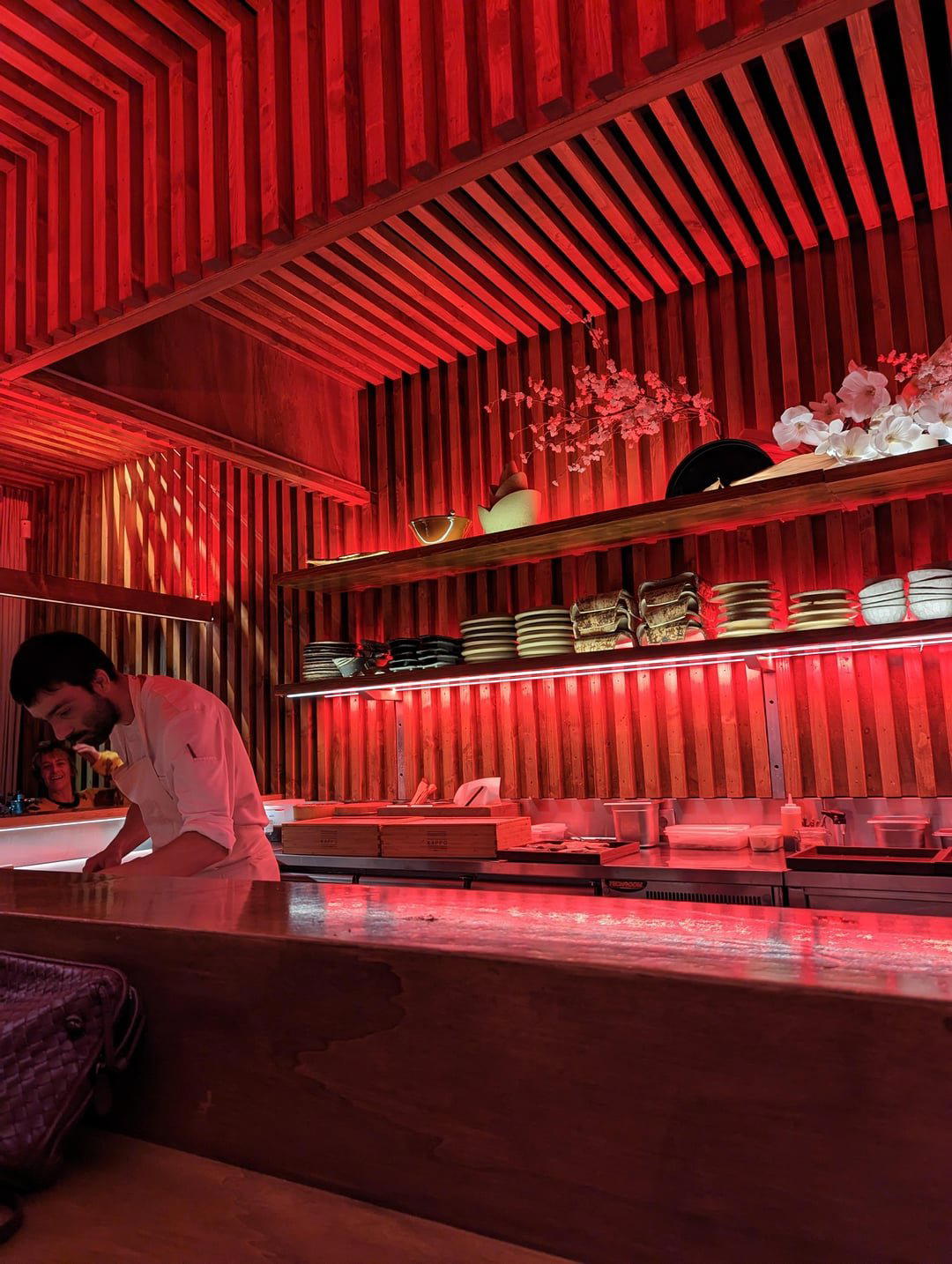
Cascais runs a compact but increasingly layered dining scene. Alongside Porto de Santa Maria's seafood register, the town holds Conceito at the contemporary end, and two Japanese-influenced addresses in Izakaya and Kappo, the latter priced at the top of the local market. For anyone building a longer stay around the area's food, our full Cascais restaurants guide maps the full range, and separate guides cover hotels, bars, wineries, and experiences across the municipality.
Within Portugal's broader Michelin geography, Porto de Santa Maria's Plate recognition places it in a different tier from the country's starred tables. Belcanto in Lisbon and Casa de Chá da Boa Nova in Leça da Palmeira operate at the two-star level, while Vila Joya in Albufeira, Ocean in Porches, Antiqvvm in Porto, The Yeatman in Vila Nova de Gaia, and Il Gallo d'Oro in Funchal each represent the country's starred landscape. Porto de Santa Maria is not competing with those addresses. It is doing something more specific: delivering the Guincho coast's produce with consistency, in a room that earns its setting.
For European seafood comparisons along similar philosophical lines, Gambero Rosso in Marina di Gioiosa Ionica and Alici on the Amalfi Coast both share the commitment to place-specific catch over imported product or cosmopolitan abstraction.
Planning a Visit
Porto de Santa Maria sits at Estrada do Guincho, Cascais, at the €€€ price point, which positions it above the town's casual seafood trattorias but below the €€€€ tier occupied by Fortaleza do Guincho further along the same road. From central Cascais the drive takes roughly ten minutes. The coastal road itself warrants the trip in either direction: the Guincho beach is one of the most respected Atlantic surfing and windsurfing locations in continental Europe, and arriving with time to walk the dunes before lunch shifts the meal's register considerably. Reservations are advisable, particularly at weekends and during the summer months when Lisbon's residents reliably move outward along the coast.
Frequently asked questions
Is Porto de Santa Maria more mid-range or high-end?
Pricing at Porto de Santa Maria is listed as €€€.
Awards and Standing
Recognition history
Dated appearances from independent guides and award organizations, with the underlying list record or original source where available.
Michelin Plate
Michelin
Full recognition history (3 entries)
Michelin Plate
Michelin
Michelin Plate
Michelin
Continue exploring
More in Cascais
Restaurants in Cascais
Browse all →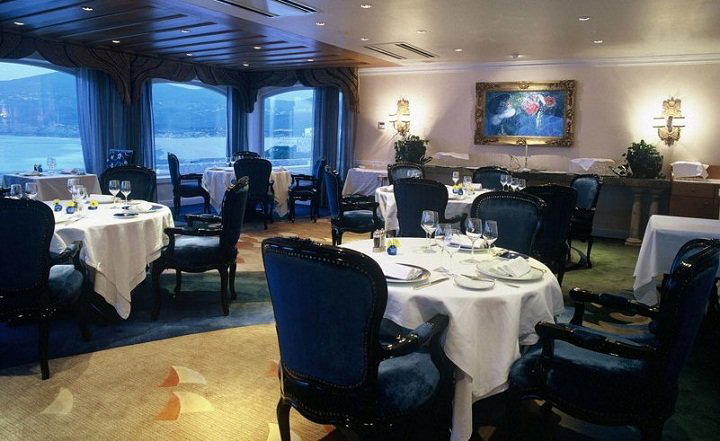
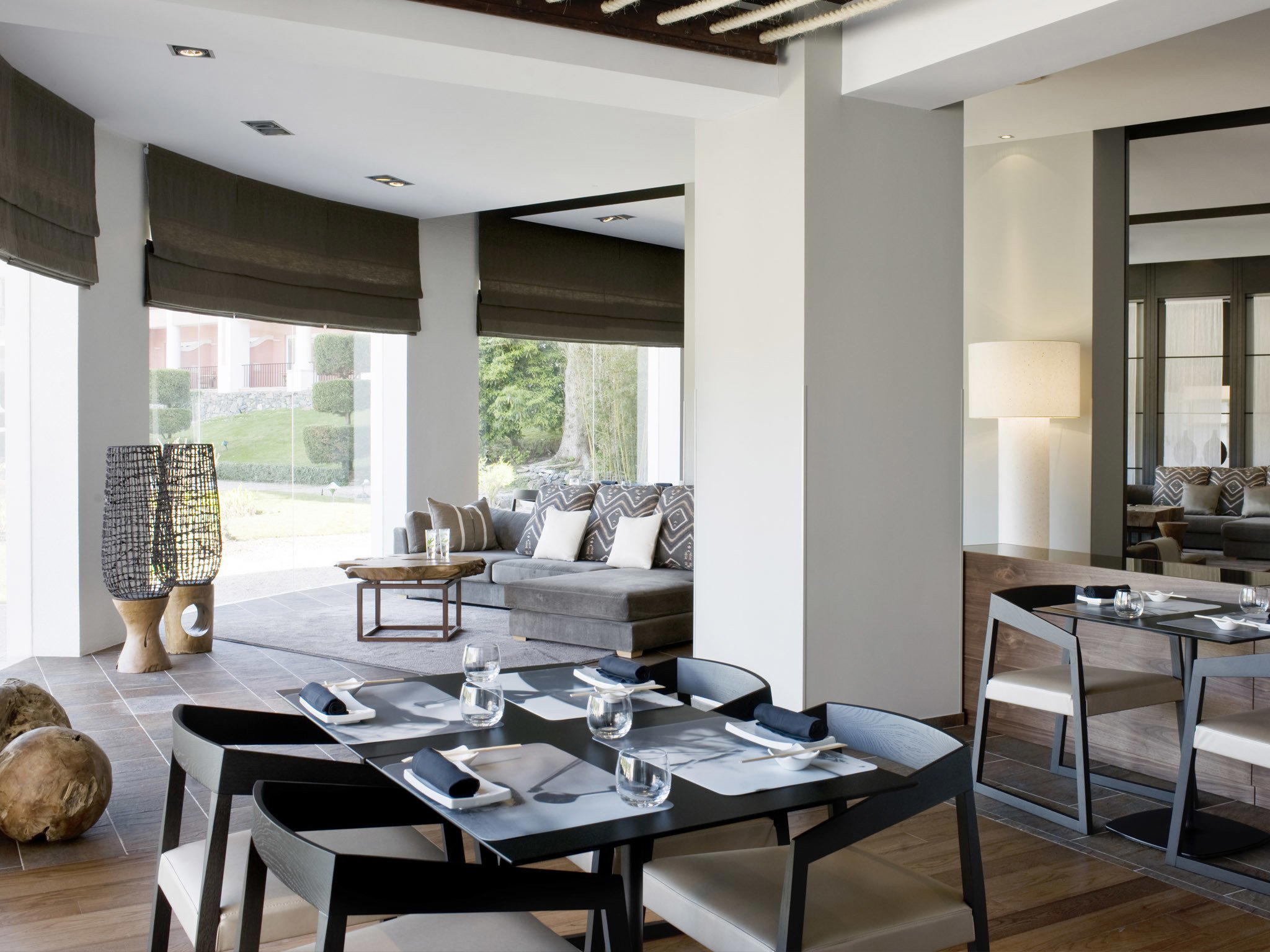
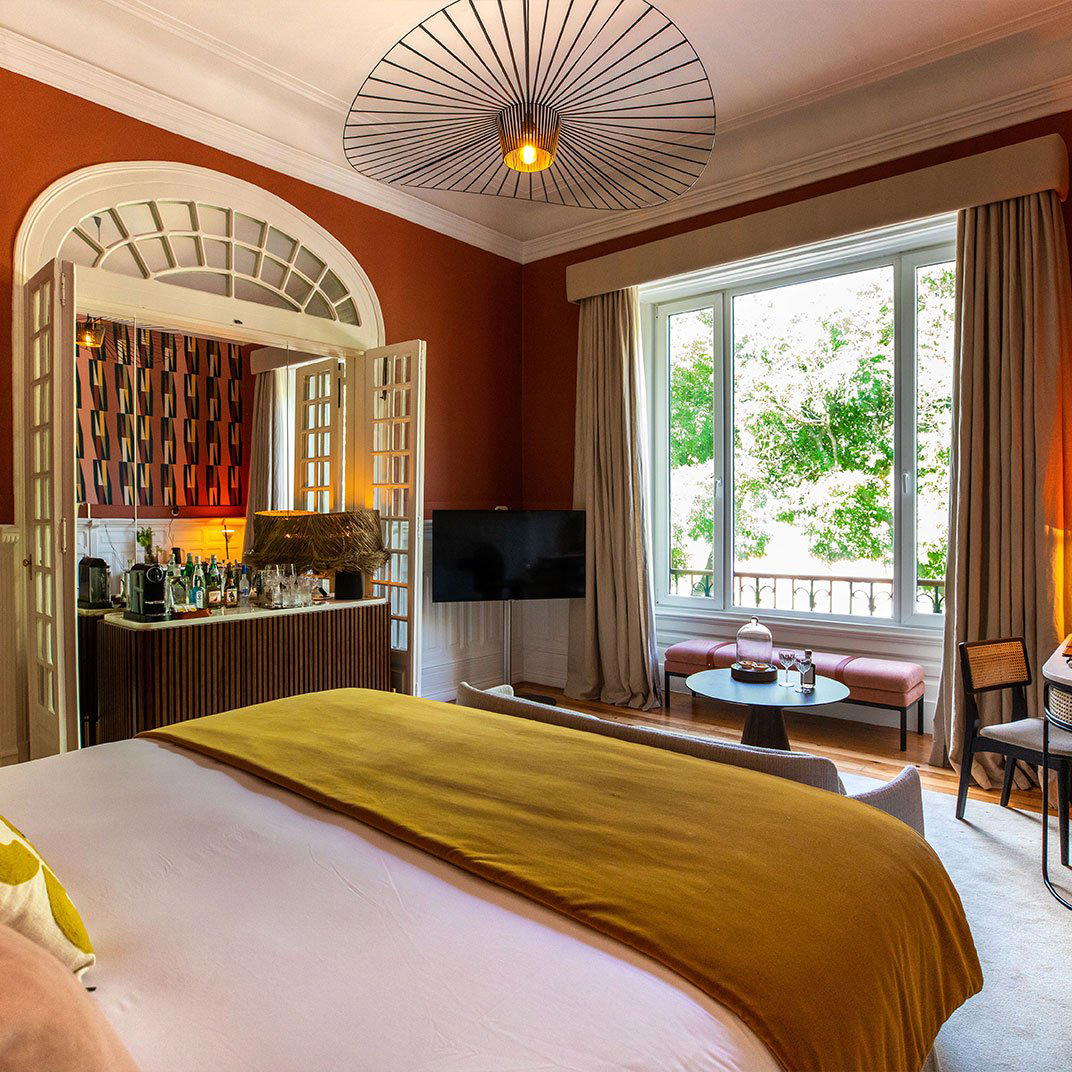
Bars in Cascais
Browse all →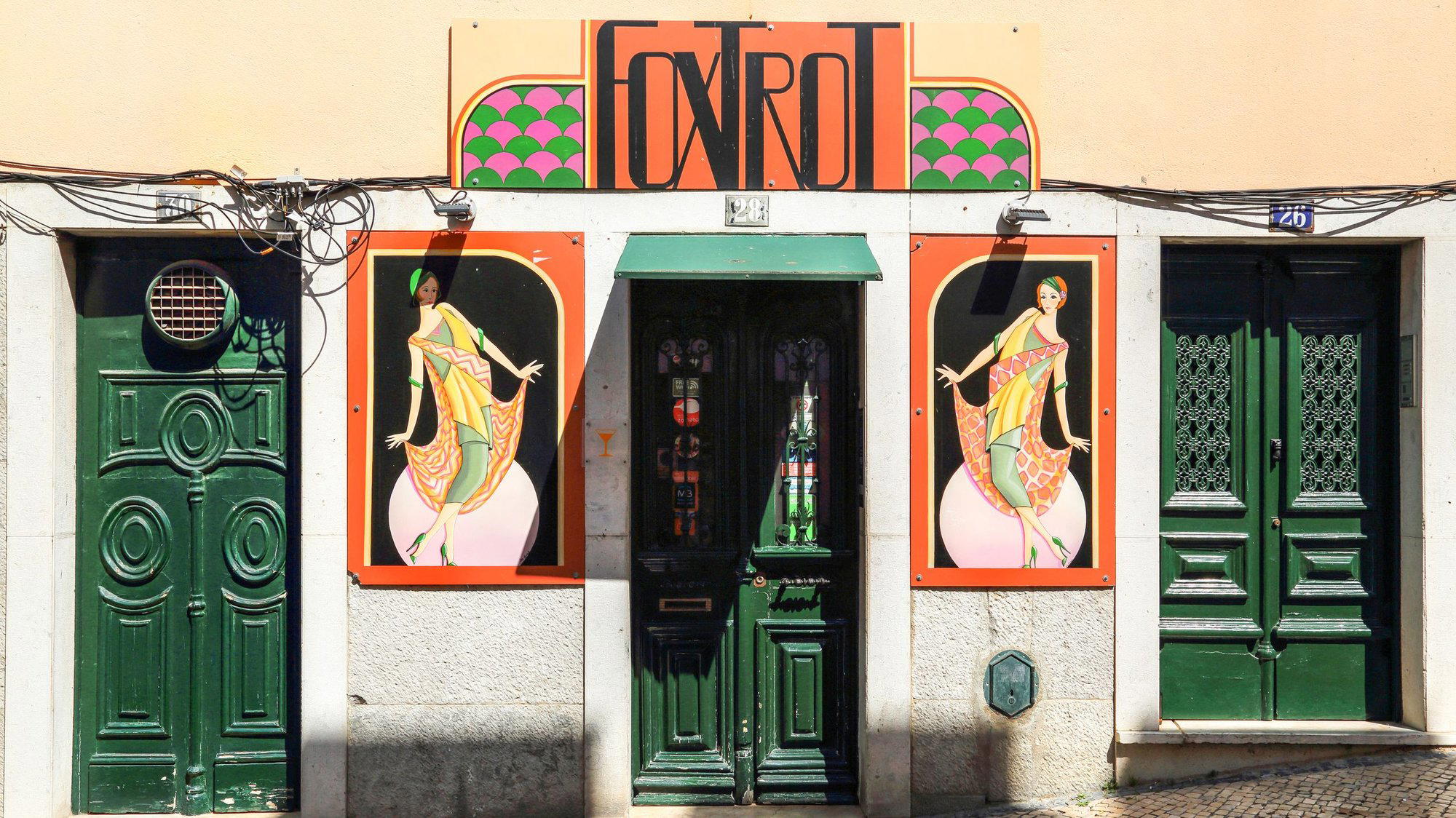
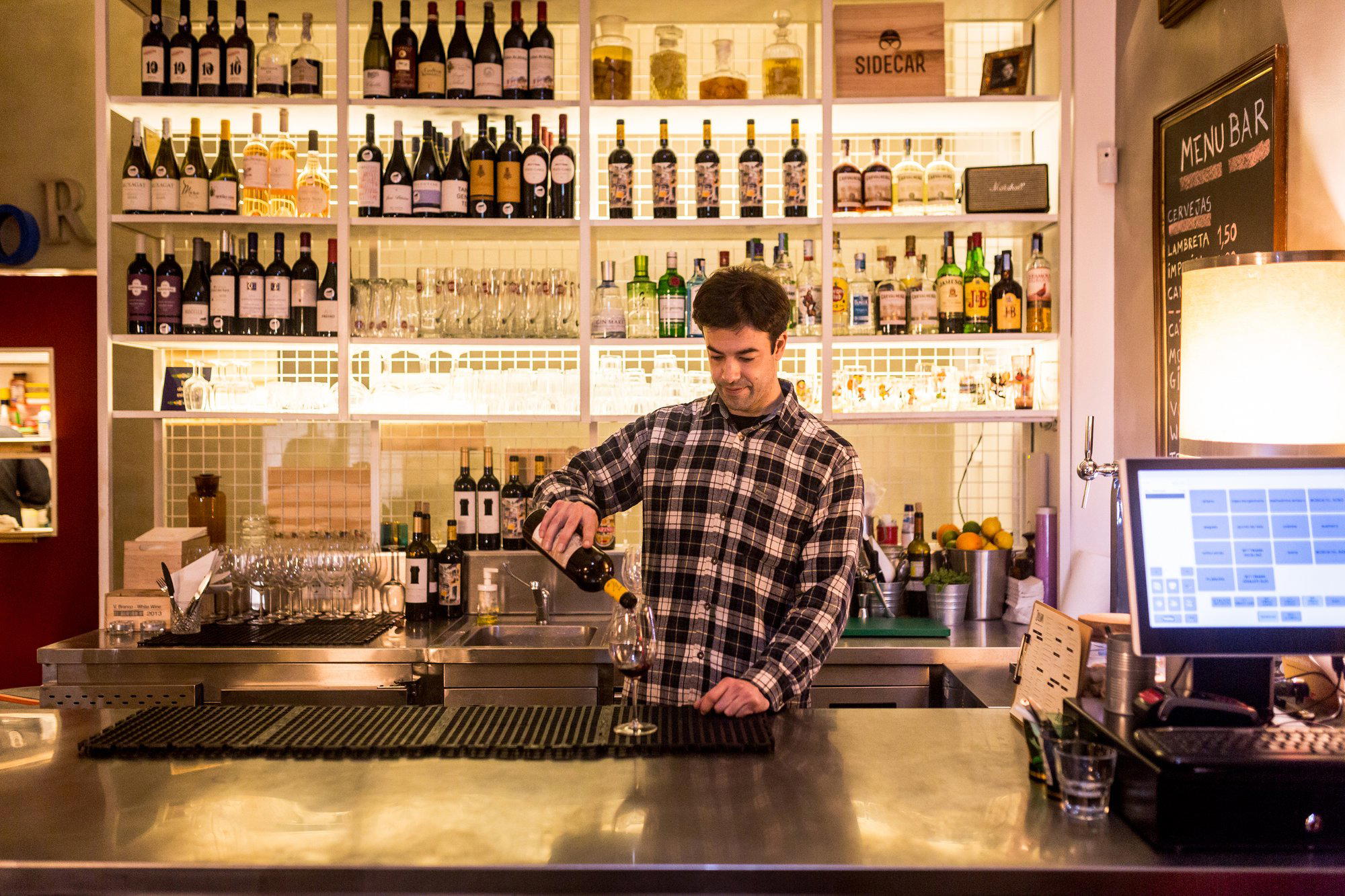
Hotels in Cascais
Browse all →


Details
- Classic
- Elegant
- Scenic
- Date Night
- Special Occasion
- Waterfront
- Wine Cellar
- Extensive Wine List
- Local Sourcing
- Waterfront
- A La Carte
- Small Plates
- Vegetarian Friendly
- Gluten Free Options
Current opening hours
- Monday
- 12–4 PM, 7:15–11:30 PM
- Tuesday
- 12–4 PM, 7:15–11:30 PM
- Wednesday
- 12–4 PM, 7:15–11:30 PM
- Thursday
- 12–4 PM, 7:15–11:30 PM
- Friday
- 12–4 PM, 7:15–11:30 PM
- Saturday
- 12–4 PM, 7:15–11:30 PM
- Sunday
- 12–4 PM, 7:15–11:30 PM
Hours can change for holidays and private events. Last verified .
Classic nautical decor blending wood and light tones, with a welcoming elegant atmosphere enhanced by ocean views.